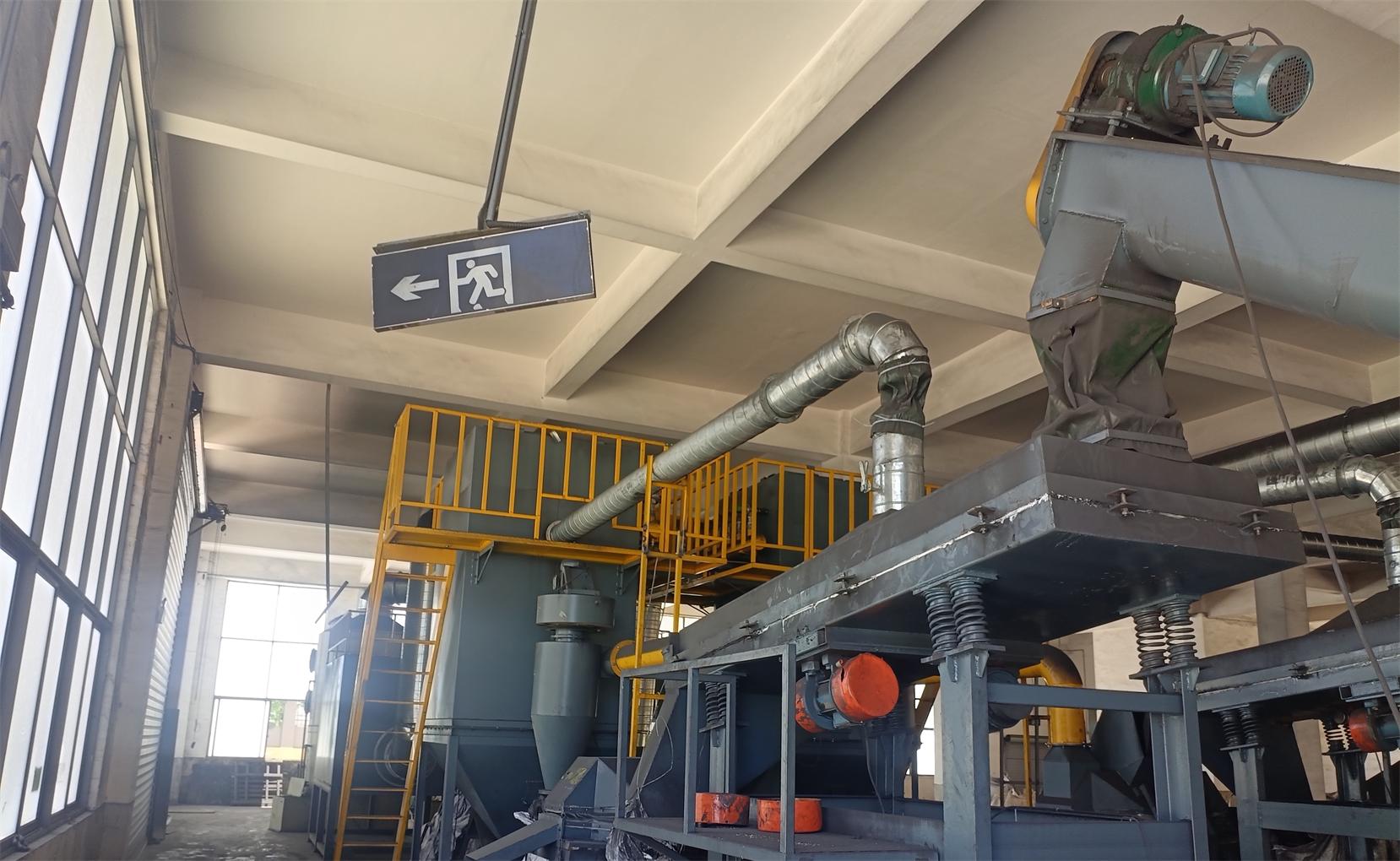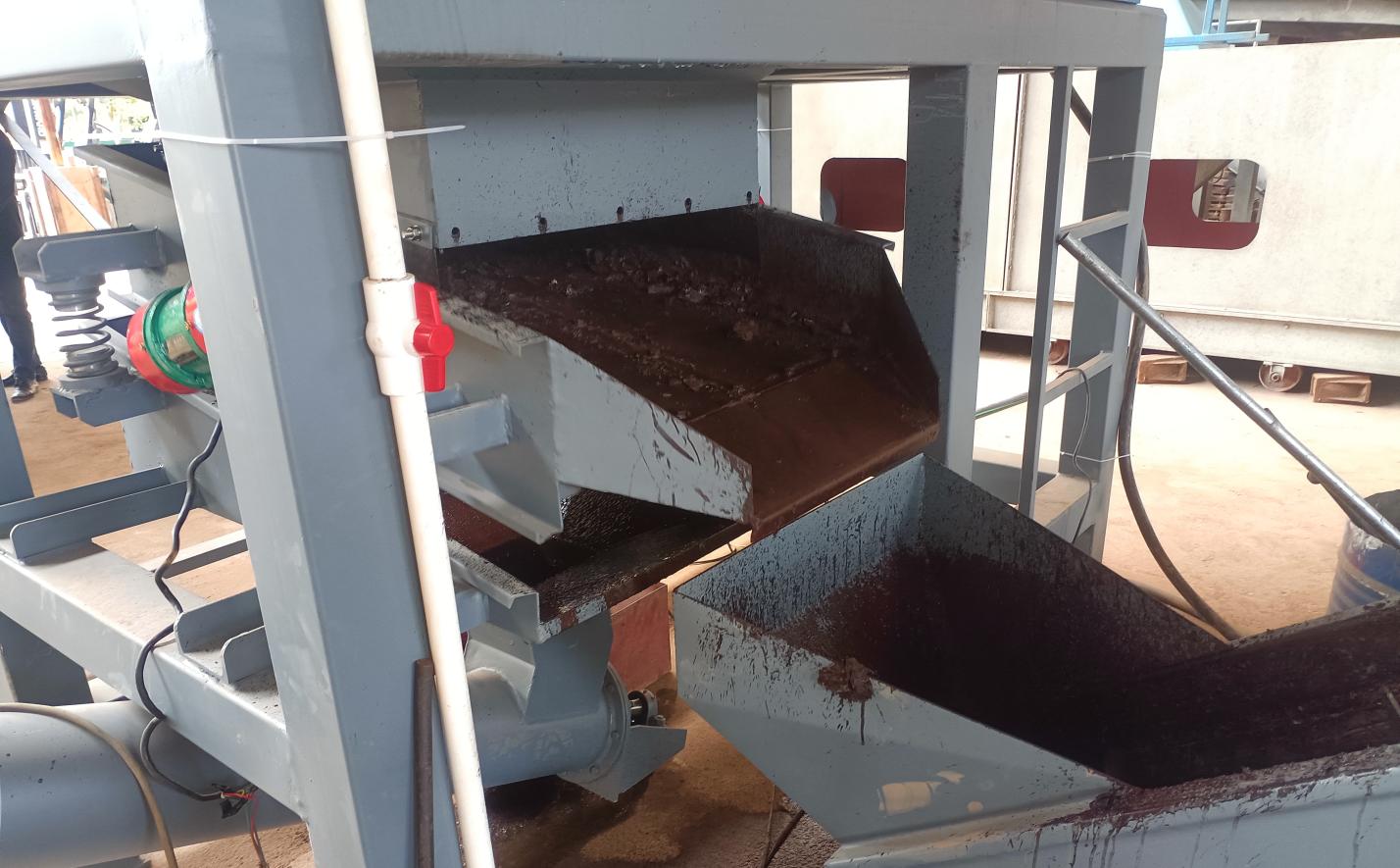
Turning electronic scrap into sustainable revenue starts with choosing the right equipment and the right partner.
The world is drowning in electronic waste. Every year, millions of tonnes of discarded phones, computers, batteries, and cables pile up in landfills, leaking toxic materials into the soil and water. Yet hidden within this growing crisis is one of the most lucrative green business opportunities of the decade. With the global e-waste recycling market projected to expand rapidly through 2030, entrepreneurs and investors who act now can secure first-mover advantages in a sector where demand far outstrips supply.
But building a profitable e-waste recycling operation is not as simple as buying a few machines and waiting for scrap to arrive. Success depends on selecting the right recycling equipment supplier, understanding the technical requirements of different waste streams, and partnering with a manufacturer who can guide you from initial concept to full production. This guide walks you through everything you need to know.
Why E-Waste Recycling Is a High-Growth Opportunity
Electronic waste is now the fastest-growing waste stream on the planet. Smartphones, laptops, EV batteries, household appliances, and industrial electronics all have finite lifespans. When they die, they do not just disappear. They become feedstock for a recycling industry that recovers copper, gold, silver, lead, lithium, cobalt, and aluminium at a fraction of the cost and environmental impact of virgin mining.
The gap between waste generated and waste processed represents a massive commercial opportunity. Whether you are targeting used lead-acid batteries from automotive markets, lithium-ion cells from electric vehicles, copper-laden circuit boards from IT scrap, or aluminium and copper from industrial cable waste, each stream requires specialised equipment and technical know-how.
Core Equipment Every Recycling Plant Needs
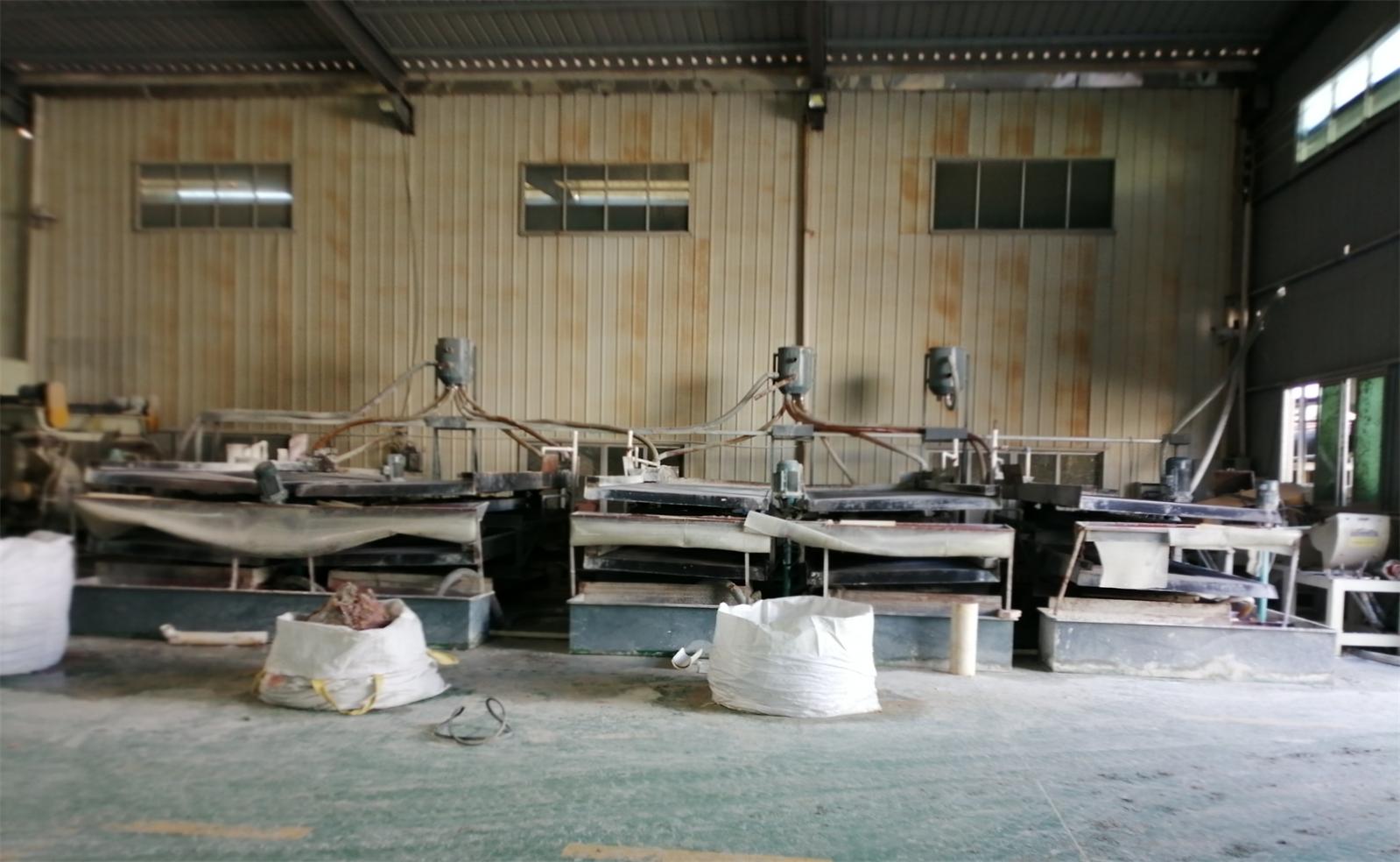
No two e-waste streams are identical, and neither are the machines that process them. A well-equipped recycling plant typically combines pre-processing, primary separation, and refining systems tailored to its target feedstock. Below are the essential equipment categories that form the backbone of any profitable operation.
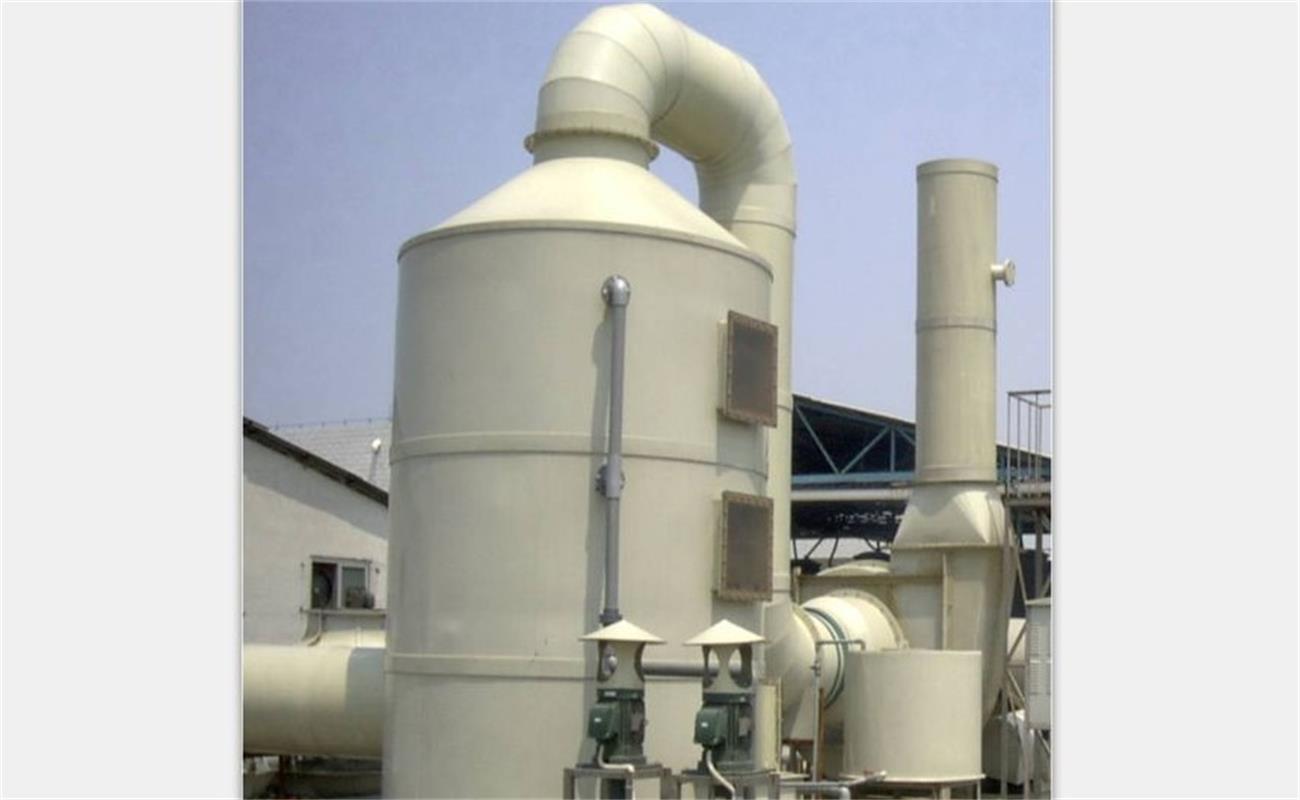
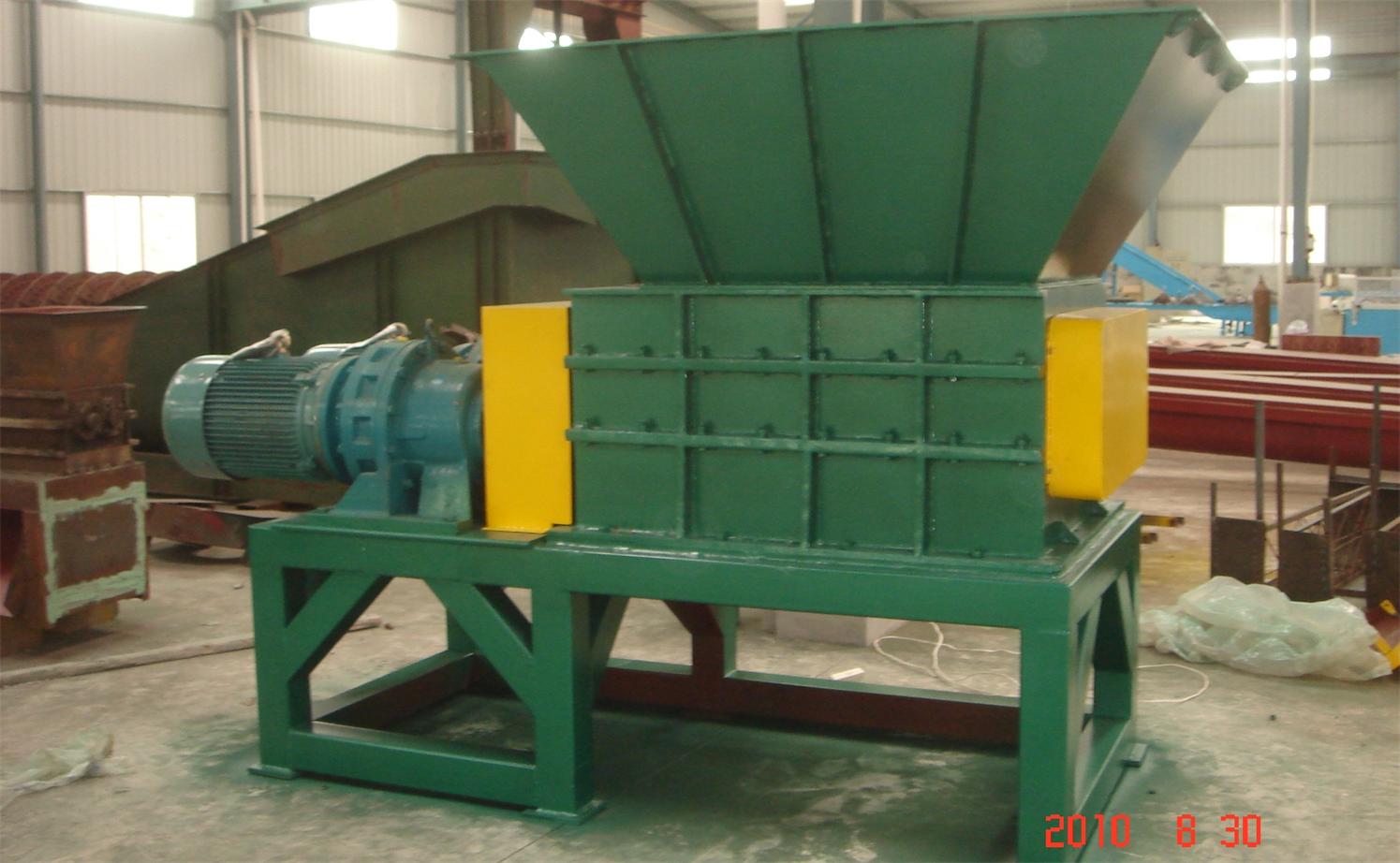
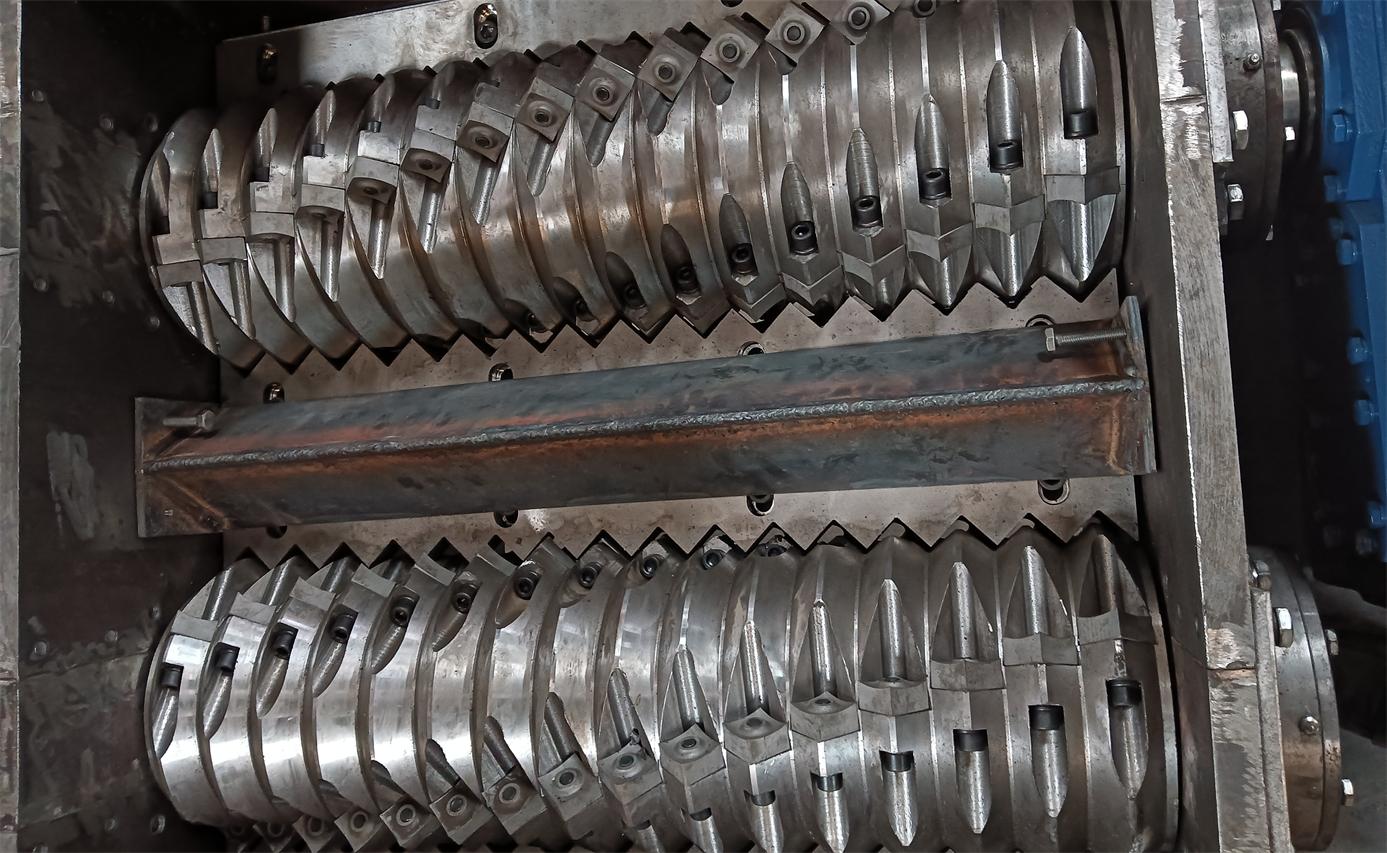
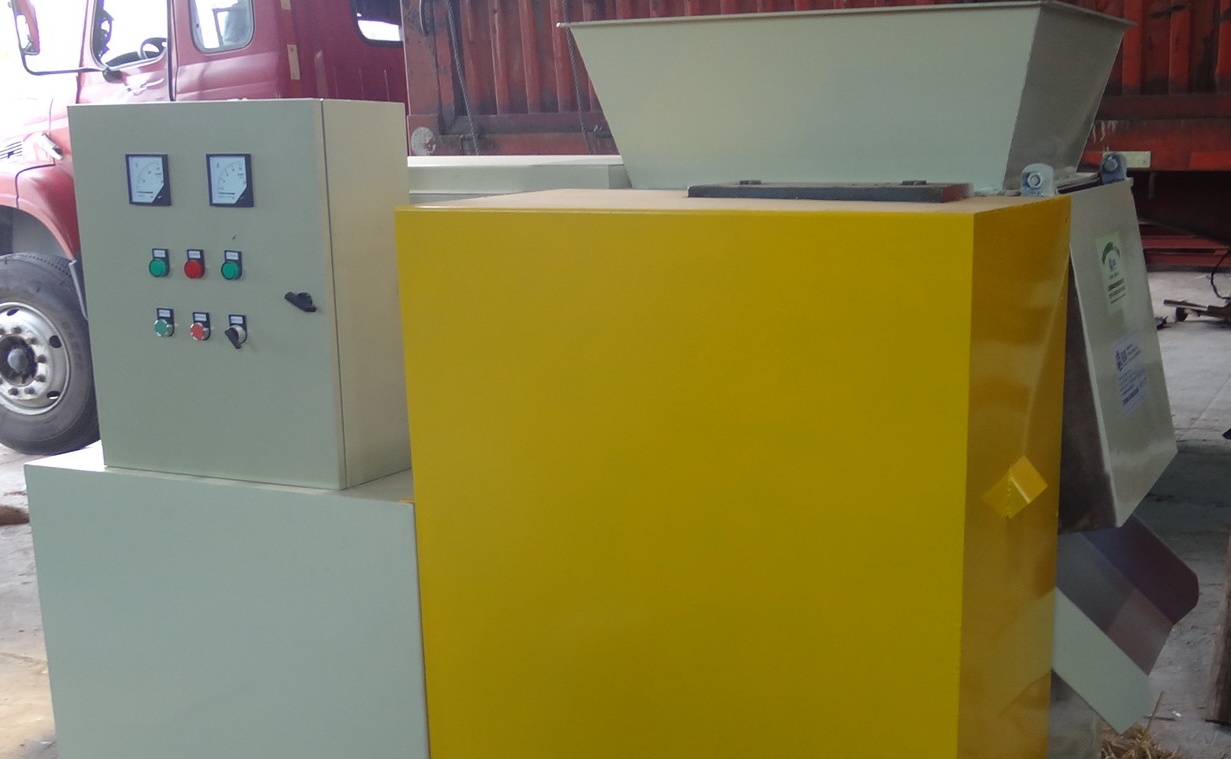
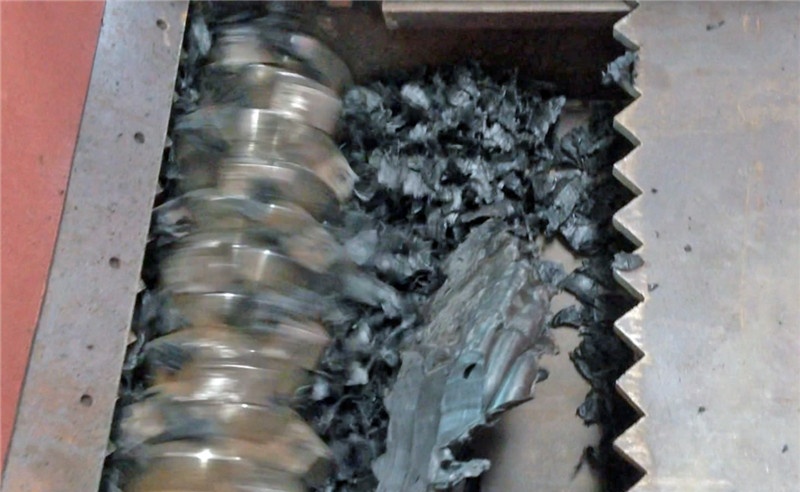
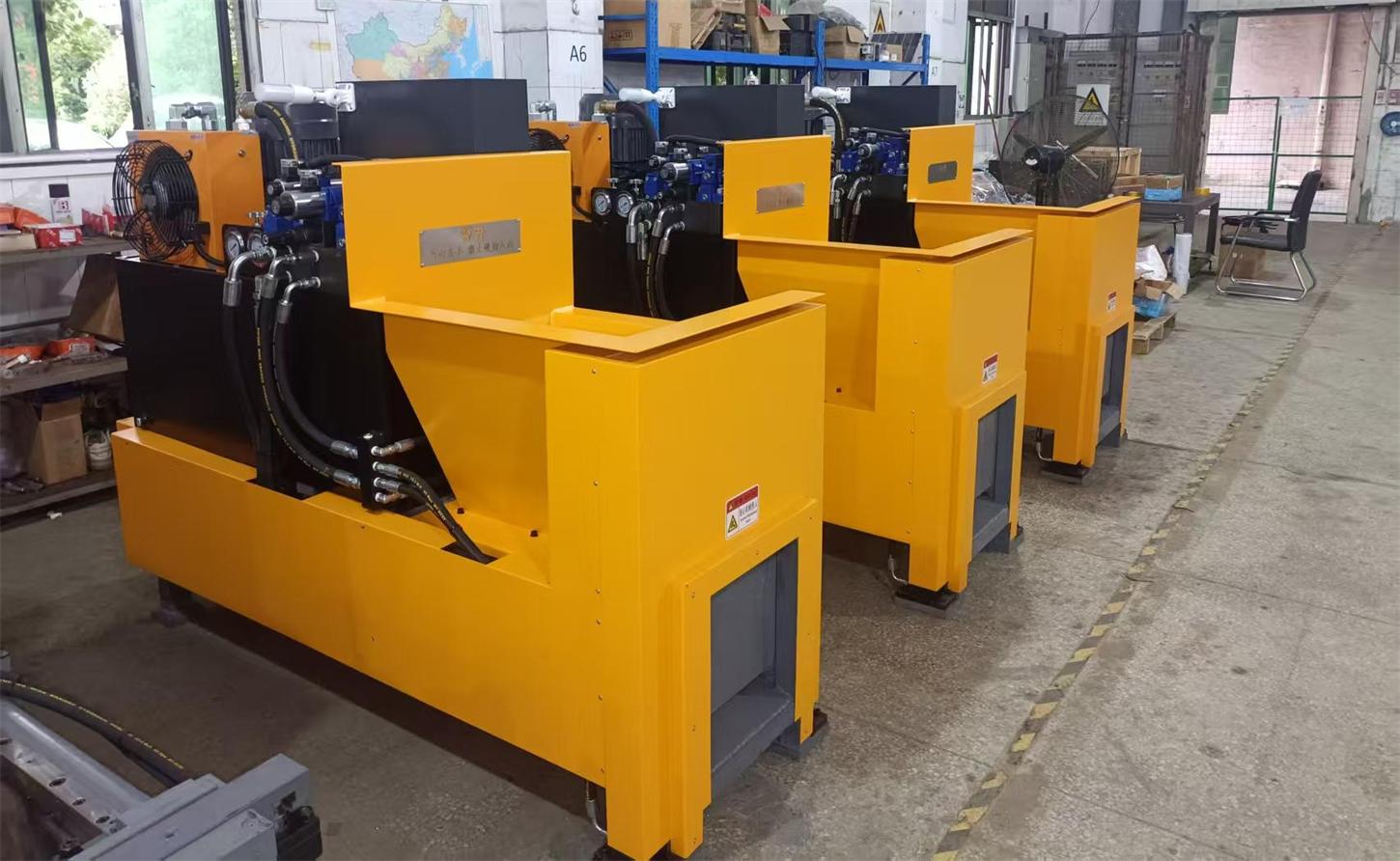
Beyond these core systems, most plants also require shredders and pre-choppers for size reduction, hydraulic presses for briquetting metal chips, air pollution control systems to meet environmental standards, and melting furnaces to convert recovered metals into ingots. The exact configuration depends on your feedstock mix, target output, and local regulatory requirements.
How to Choose the Right Equipment Supplier
The difference between a recycling plant that breaks even and one that generates strong returns often comes down to the equipment supplier. A machine is not just a purchase; it is a long-term relationship. Here are the critical factors to evaluate before signing a contract.
This is where working with an established recycling equipment supplier makes a measurable difference. San Lan Technologies, founded in 2007 and headquartered in Jiangxi Province, China, has built a reputation for delivering complete recycling plant solutions to clients across more than 21 countries. Their engineering team holds master's degrees in mechanical engineering and brings over 15 years of hands-on experience in e-waste recycling machine design and plant commissioning.
From Single Machines to Turnkey Solutions
Many first-time investors make the mistake of assembling equipment from multiple vendors, only to discover integration problems, incompatible control systems, and conflicting technical support. A turnkey approach eliminates these headaches by delivering a fully integrated plant from a single responsible partner.
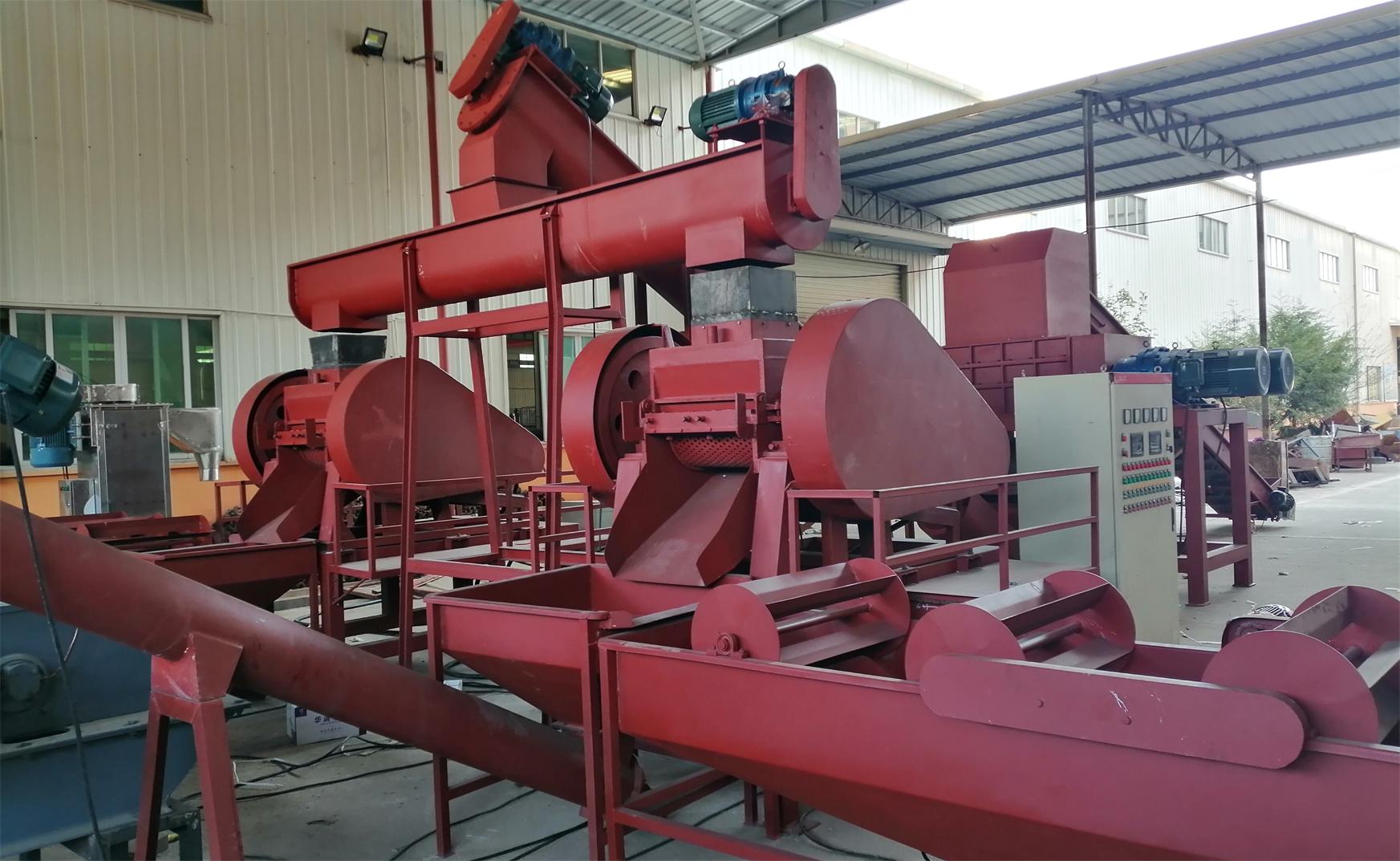
San Lan Technologies specialises in exactly this model. Whether you need a lead acid battery recycling equipment line with integrated breaking, separation, desulfurisation, smelting, and refining stages; a lithium-ion battery recycling plant with discharge, pre-crushing, secondary granulation, and black powder separation; or a cable recycling equipment setup with stripping, granulating, and dry separation, the company provides customised design, manufacturing, shipping, installation, and operator training.
Their portfolio also extends into specialised niches that many competitors overlook: CRT monitor cutting and glass separation, refrigerator and air conditioner recycling with refrigerant extraction, electric motor stator dismantling, and even lithium ore processing plants for mining operations. This breadth allows them to serve clients who want to diversify across multiple waste streams or mining ventures.
What Global Buyers Say
San Lan's customer base spans Singapore, Colombia, Vietnam, Mexico, Argentina, South Korea, Malaysia, Indonesia, South Africa, Tunisia, India, Kenya, Saudi Arabia, the Philippines, Zambia, Israel, and beyond. This geographic diversity is not accidental. It reflects the company's ability to adapt plant designs to different regulatory environments, voltage standards, climate conditions, and feedstock characteristics.
A common theme among international clients is the value of San Lan's bilingual support. With fluent English and Chinese communication, project misunderstandings are minimised, and technical documentation is clear from day one. For buyers sourcing from China, this alone can save weeks of back-and-forth clarification and prevent expensive on-site surprises.
Maximising ROI: Beyond the Equipment Purchase
The most successful recycling entrepreneurs think holistically. They do not just buy machines; they build ecosystems. San Lan supports this approach through several value-added services that directly impact profitability:
The Bottom Line
E-waste recycling is no longer a niche environmental initiative. It is a mainstream industrial opportunity driven by regulatory pressure, resource scarcity, and genuine profit potential. But success requires more than good intentions. It demands the right equipment, the right technical partner, and a clear understanding of how to turn scrap into sellable commodities.
Whether you are an entrepreneur planning your first recycling venture, an investor evaluating green opportunities, or an established waste management company looking to expand into e-waste, the equipment choices you make today will define your margins for years to come. Partnering with an experienced manufacturer who offers not just machines but complete project support can be the difference between a plant that struggles and one that thrives.
Ready to Build Your Recycling Plant?
San Lan Technologies Co., Ltd has been designing and manufacturing circuit board recycling equipment, battery recycling systems, cable granulators, and complete turnkey e-waste plants since 2007. With customers in over 21 countries and a full suite of engineering, installation, and business development services, San Lan is equipped to help you move from concept to production.
Contact San Lan Technologies today:
Email: info@san-lan.com | curbing888@hotmail.com
WhatsApp: +86 139 2377 4083
Website: www.san-lan.com