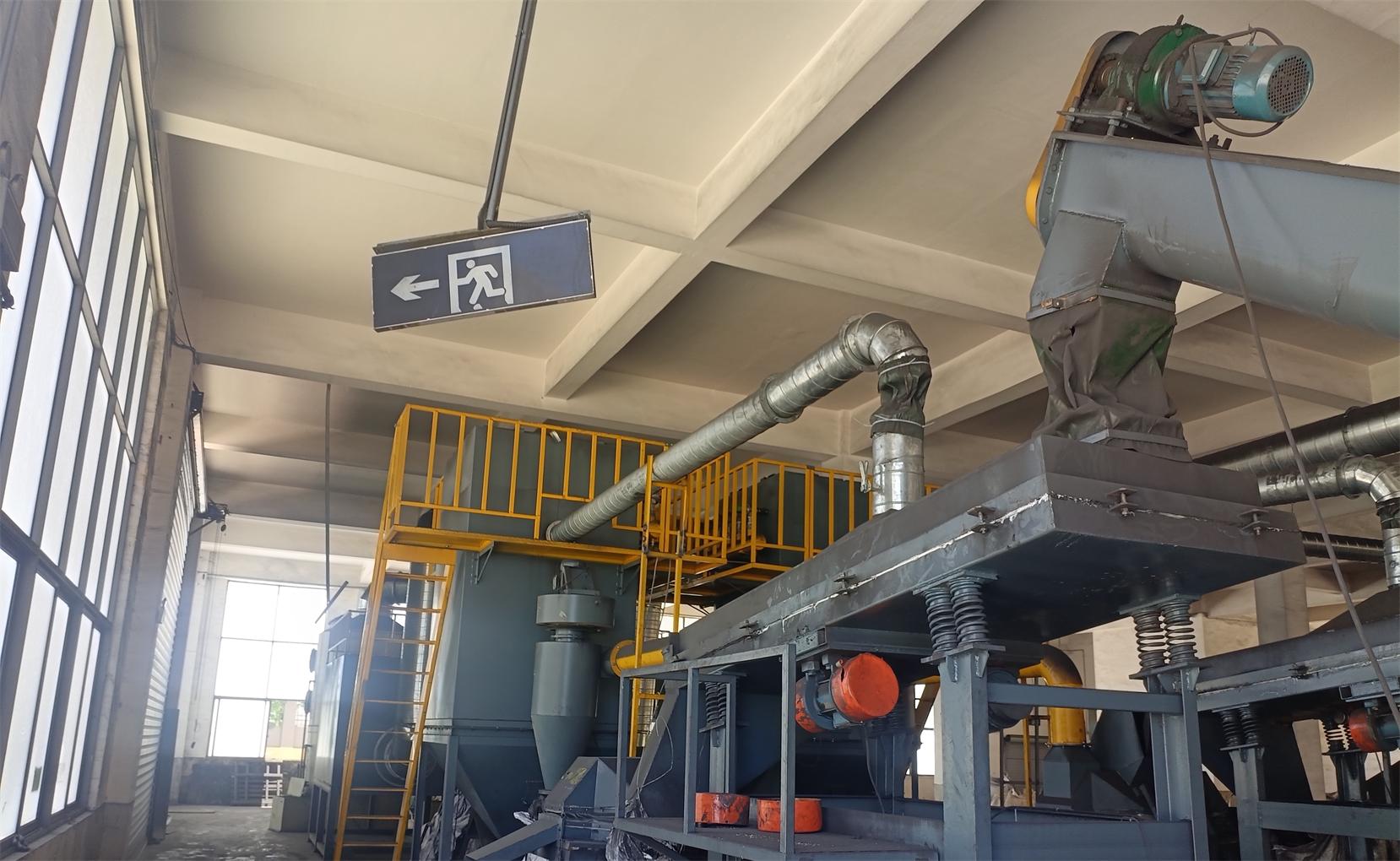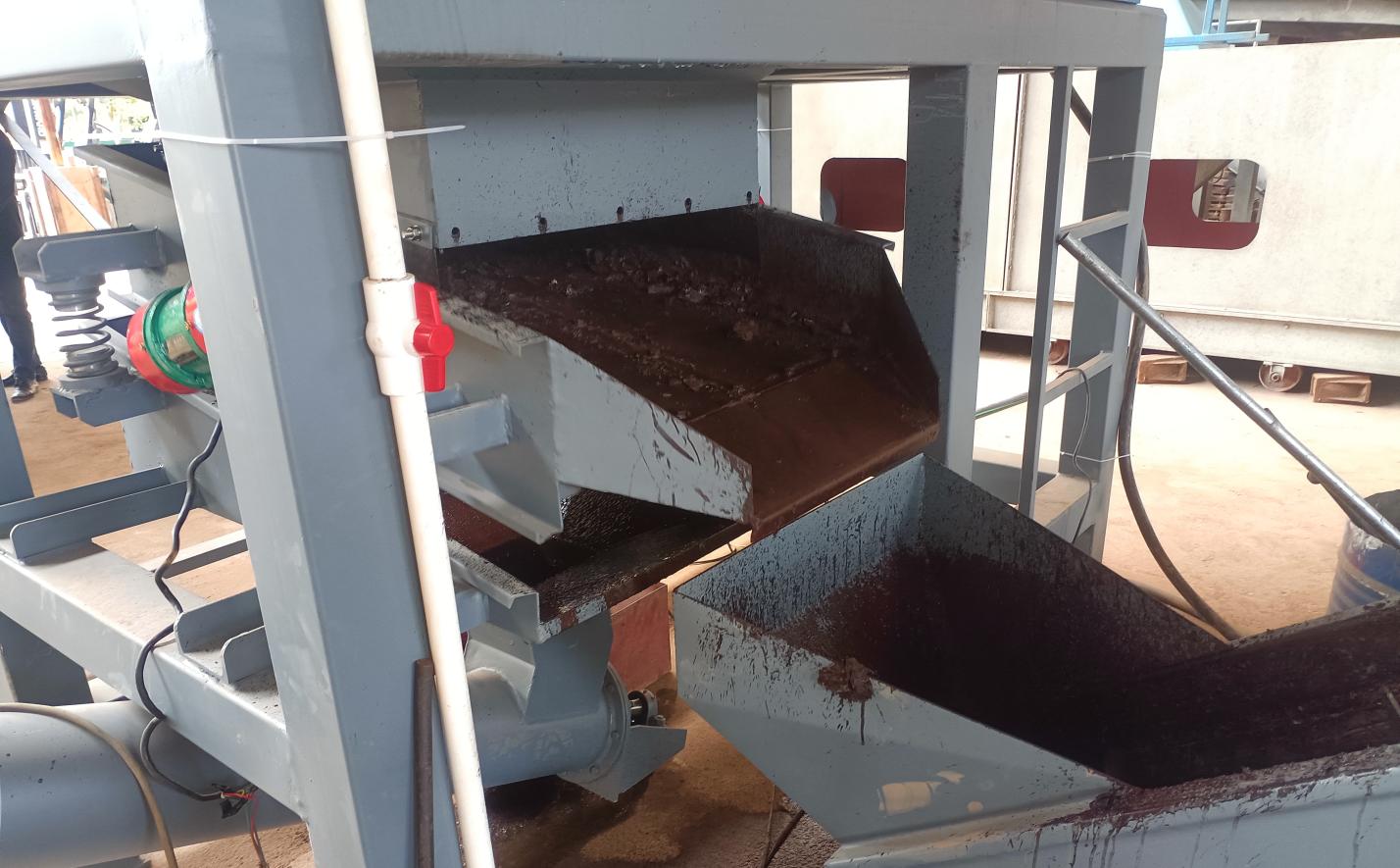
The global surge in electronic waste and end-of-life batteries has created both an environmental challenge and a significant business opportunity. For entrepreneurs and established recycling companies alike, investing in the right recycling machinery is the critical first step toward building a profitable, compliant, and sustainable operation. Whether you are processing discarded cables, used lead acid batteries, or lithium-ion cells from electric vehicles, choosing a reliable recycling equipment supplier can make the difference between a plant that struggles and one that thrives.
Understanding the E-Waste and Battery Recycling Landscape
Electronic waste is the world's fastest-growing waste stream. From smartphones and laptops to industrial batteries and power cables, the volume of material requiring professional processing continues to expand. At the same time, regulations governing waste electrical and electronic equipment (WEEE) are becoming stricter across every continent. This dual pressure creates a strong market incentive for properly equipped recycling facilities.
Success in this industry depends on more than simply purchasing a machine. It requires a system-level approach: matching the right equipment to your feedstock, designing efficient material flow, ensuring environmental compliance, and planning for scalable growth. A piecemeal approach — buying machines from multiple vendors without integration planning — often leads to bottlenecks, low recovery rates, and regulatory headaches.
Core Equipment for Battery Recycling Operations
Battery recycling represents one of the highest-growth segments within the e-waste sector. Two categories dominate the market today: lead acid batteries and lithium-ion batteries.
Lead Acid Battery Recycling
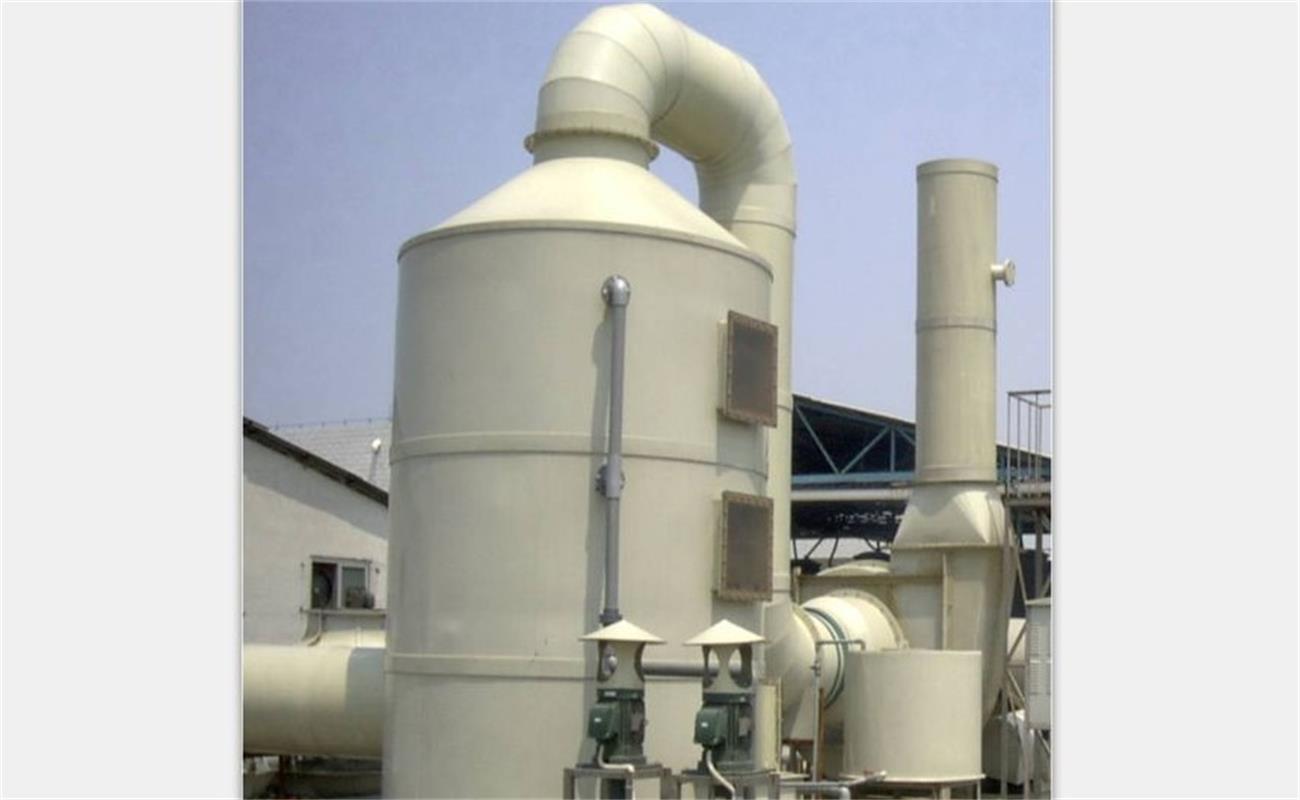
Used lead acid batteries (ULAB) remain one of the most recycled consumer products globally. A complete lead acid battery recycling equipment line typically includes a battery breaking and separation system, paste desulfurization unit, rotary furnace or blast furnace for lead smelting, lead refinery kettle, and air pollution control system. Modern plants can achieve lead recovery rates of 95% or higher while meeting strict environmental standards for SO2 and particulate emissions.
Key factors when selecting lead acid battery recycling equipment include processing capacity (ranging from 1 MT/hour to 10 MT/hour), automation level, and the integration of water treatment and exhaust gas purification systems. Plants designed with modular expansion in mind allow operators to increase throughput as feedstock supply grows.
Lithium-Ion Battery Recycling
The explosive growth of electric vehicles and portable electronics has made lithium-ion battery recycling an urgent priority. Unlike lead acid systems, lithium battery recycling requires specialized handling due to fire risks and the complexity of separating black mass (containing nickel, cobalt, and graphite), copper, aluminum, and plastic films.
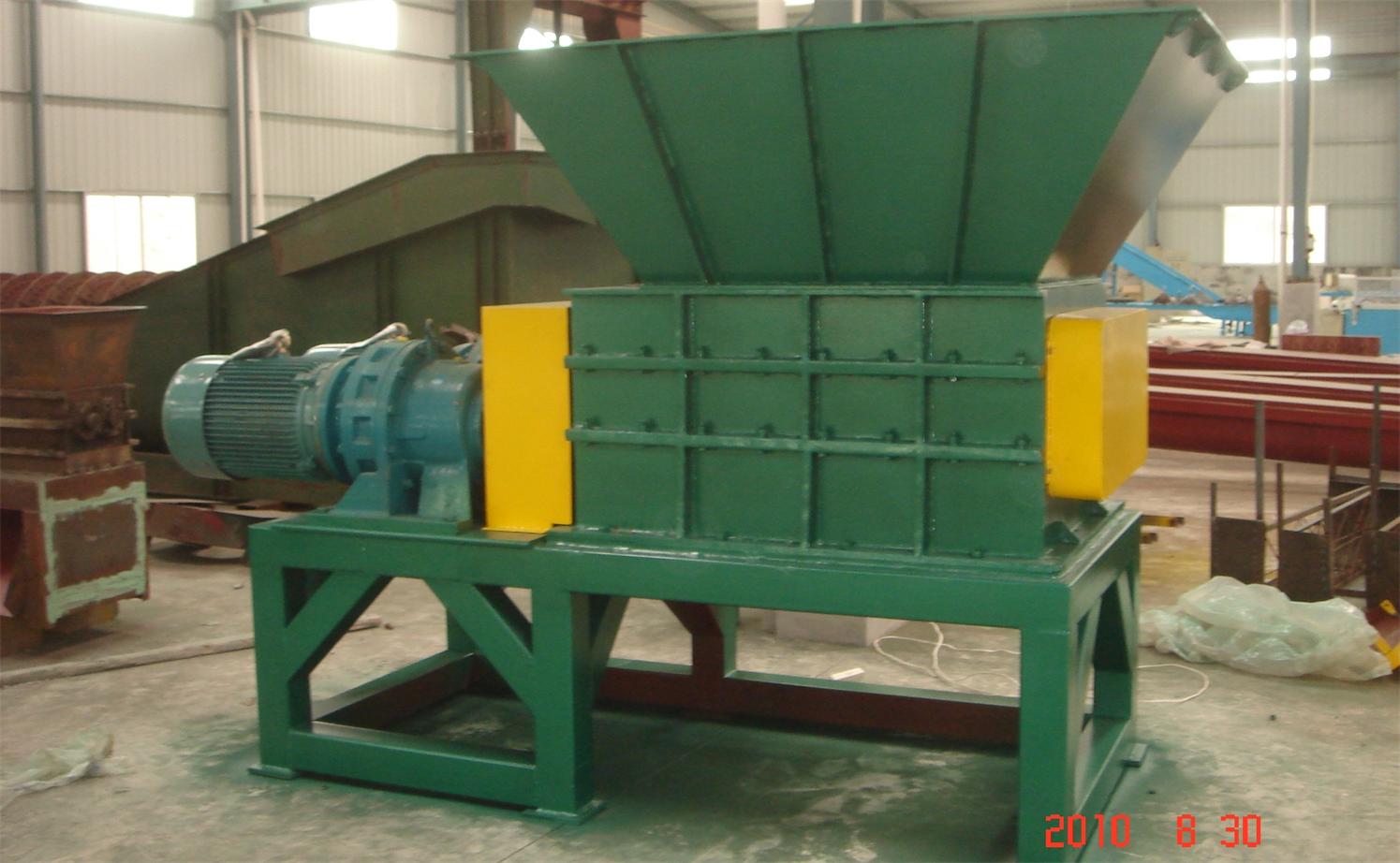
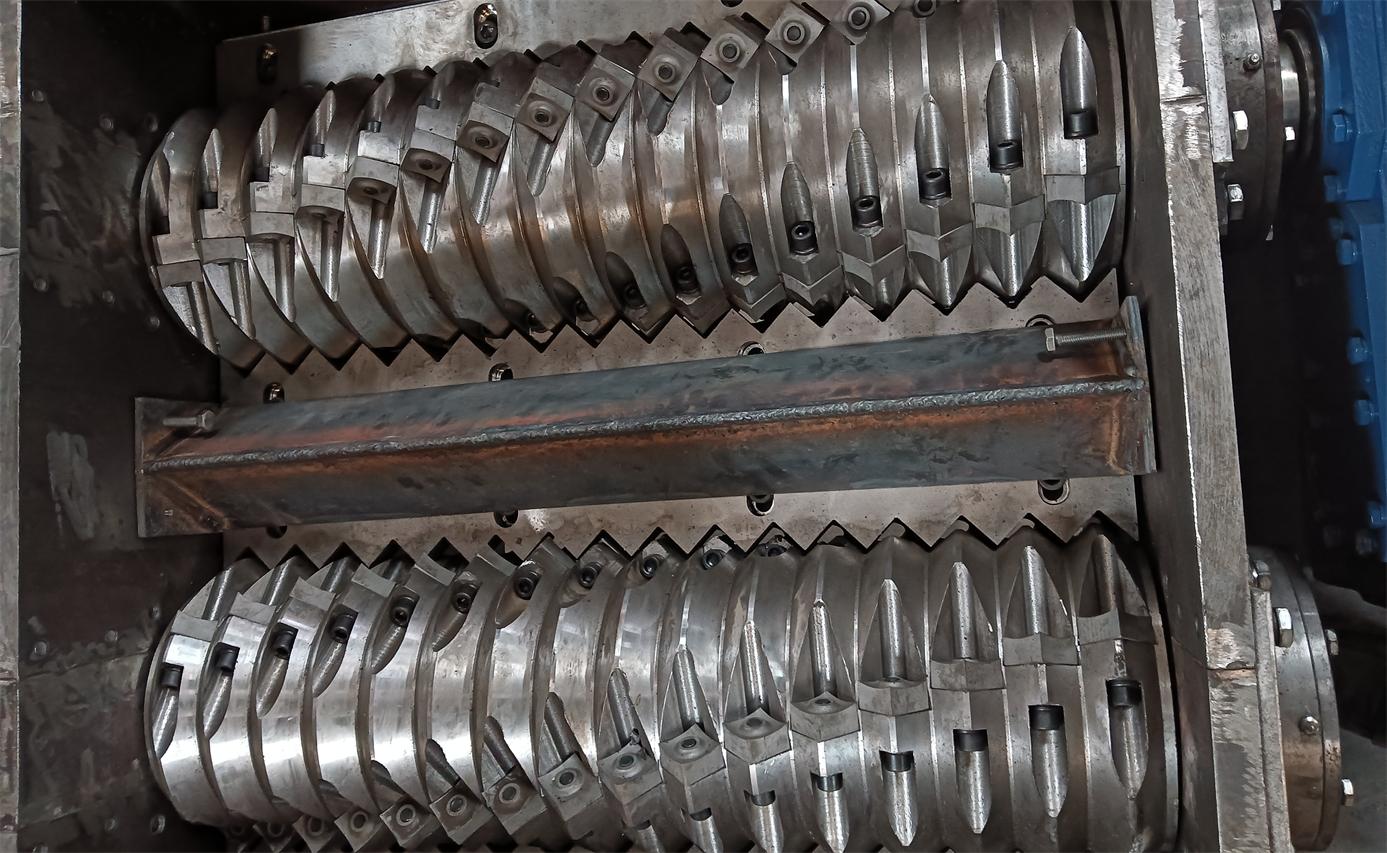
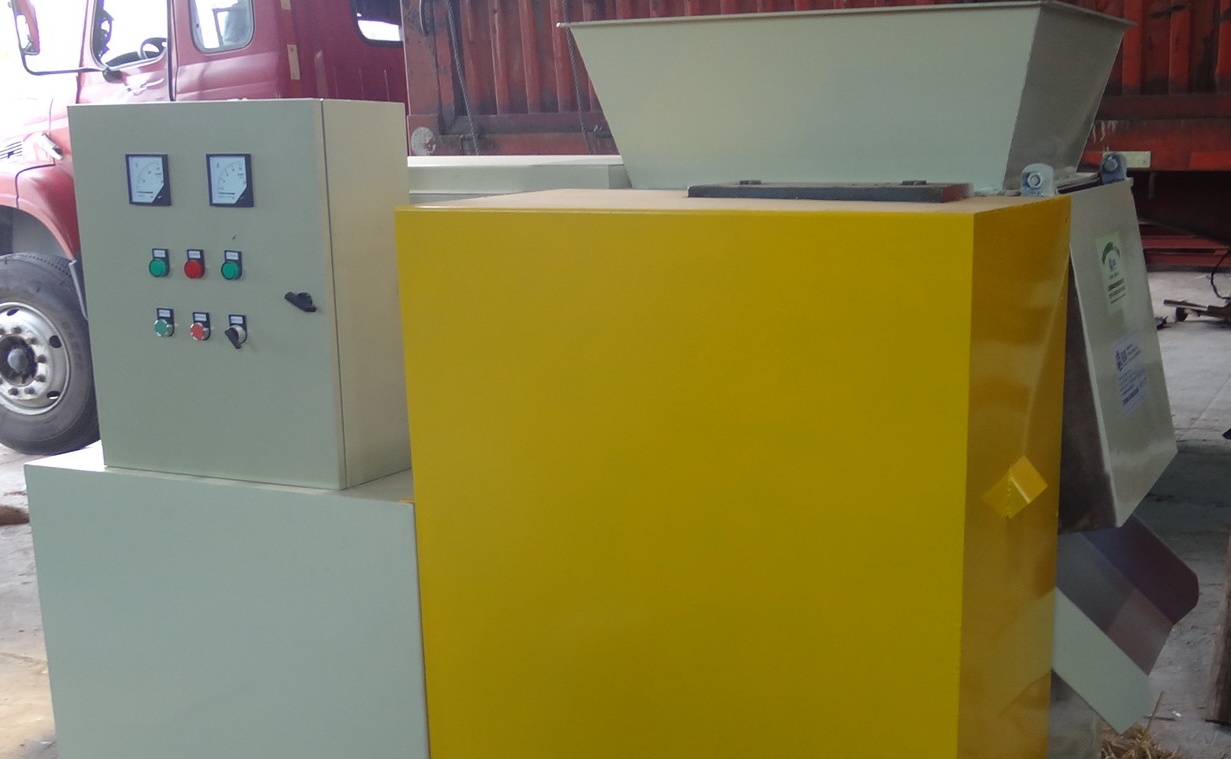
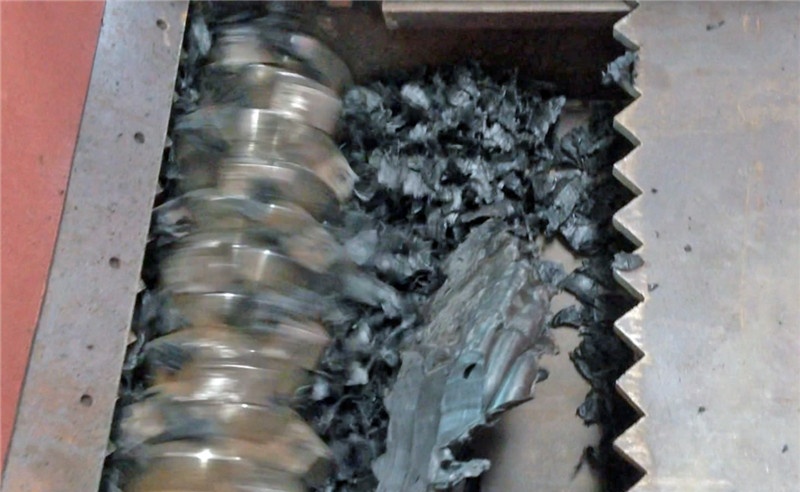
A typical lithium battery recycling plant includes discharge equipment, pre-crushing and secondary granulation systems, magnetic separation, and black powder separation units. Capacities generally range from 500 kg/hour to 2,500 kg/hour. Given the hazardous nature of lithium batteries, air pollution control systems and fire suppression measures are not optional — they are essential.
Cable and Circuit Board Recycling Systems
Beyond batteries, two other e-waste streams offer excellent profit potential: scrap cables and printed circuit boards (PCBs).
Modern cable recycling equipment uses dry or wet separation technology to recover copper and aluminum from plastic insulation. Cable granulators with air separators can achieve copper purity of 96–98%, while wet separation systems handle more complex cable types, including jelly-filled communications cables. For operators processing large-diameter industrial cables, a combination of scrap cable strippers and granulators optimizes both throughput and metal recovery.
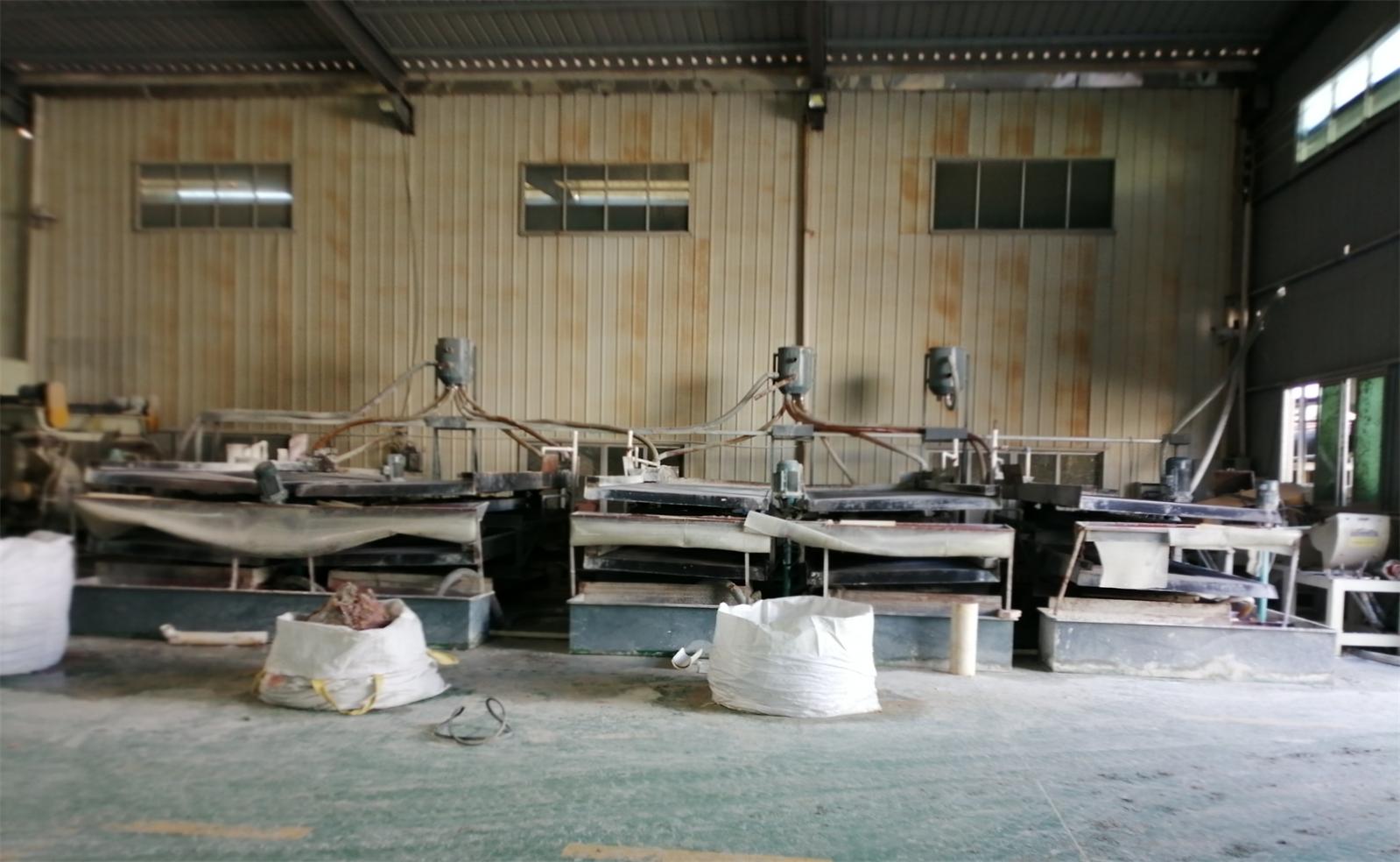
Circuit board recycling presents a different challenge. PCB recycling plants use mechanical crushing combined with air separation, electrostatic separation, or wet metal separation to recover copper powder and precious metals. Capacities range from 300 kg/hour to 2,000 kg/hour, with recovery rates up to 95% depending on the separation technology selected.
Why Integrated Plant Design Outperforms Standalone Machines
The most profitable recycling facilities are not collections of individual machines — they are engineered systems where every component is optimized for the specific material stream being processed. An integrated approach delivers several advantages:
- Higher overall recovery rates through sequential separation stages
- Lower operating costs via efficient material flow and reduced manual handling
- Easier environmental compliance with centralized dust collection and effluent treatment
- Simpler maintenance and spare parts management from a single supplier
- Scalability to accommodate business growth without complete plant replacement
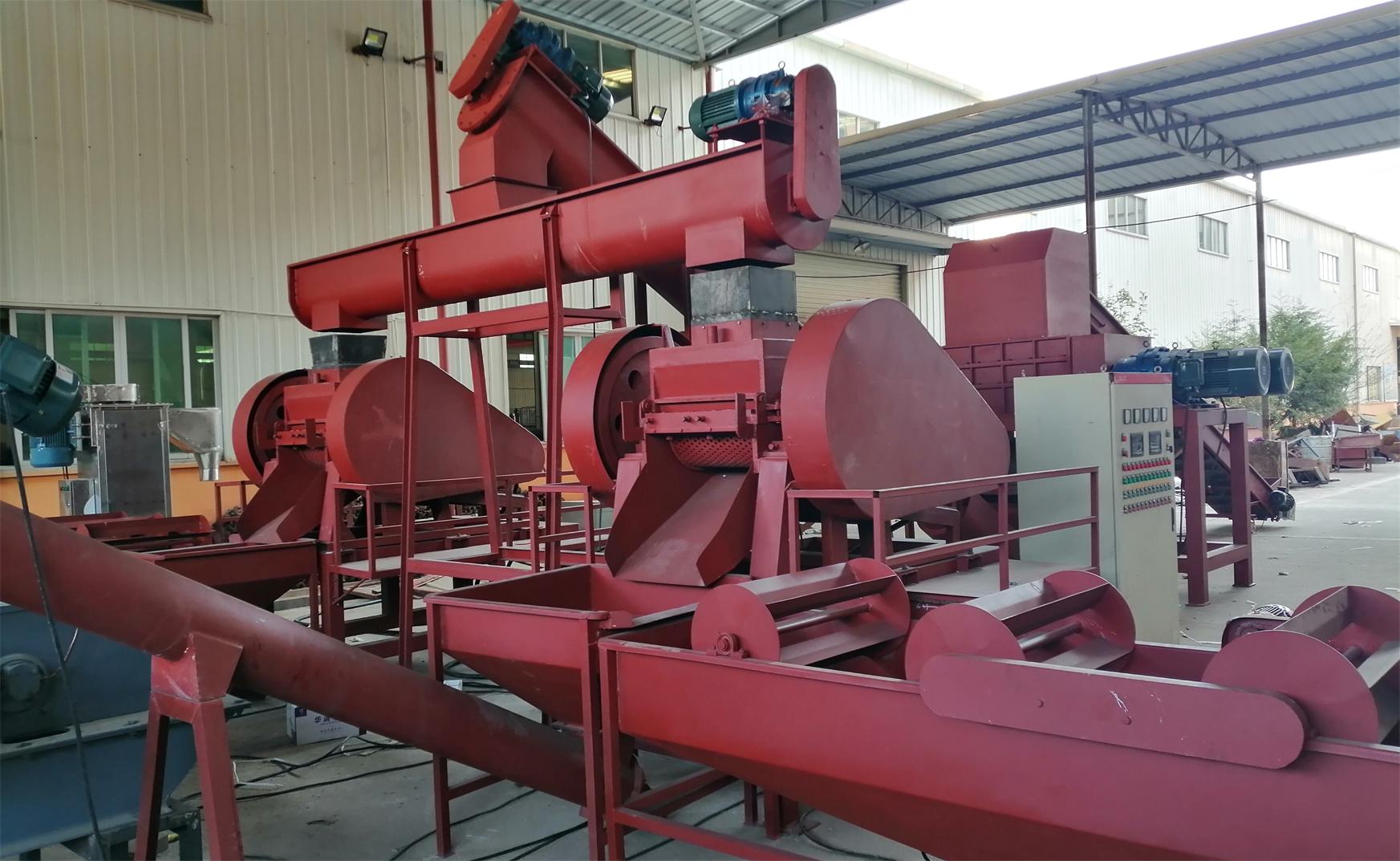
Working with an experienced plant builder that offers engineering, procurement, and construction (EPC) services ensures that conveyor angles, transfer points, and separation stages are all optimized for your feedstock. This level of customization is difficult to achieve when piecing together equipment from multiple vendors.
What to Look for in a Recycling Equipment Partner
Selecting the right equipment partner is as important as selecting the right machines. Key criteria include:
Technical depth: Look for a supplier with in-house engineering expertise and direct manufacturing experience. A team with master's-level mechanical engineers and over 15 years of field experience can anticipate problems that less experienced vendors miss.
Project track record: Proven experience delivering complete plants across diverse geographies indicates that the supplier understands varying regulatory environments, climate conditions, and operational cultures. A supplier with customers in 20+ countries has likely encountered and solved a wide range of installation challenges.
Scope of services: The best partners do more than ship machines. They assist with custom plant design, installation and commissioning, operator training, and ongoing technical support. Some even help source raw material feedstock or connect operators with buyers for recovered metals.
Environmental compliance: Ensure the supplier designs pollution control systems — including dust collection, wastewater treatment, and exhaust gas purification — as integrated components rather than afterthoughts.
Maximizing Return on Investment
A well-designed recycling plant can generate returns through multiple revenue streams: recovered copper, lead ingots, aluminum, precious metals from PCBs, and even plastic granules. The key to maximizing ROI lies in matching equipment capacity to realistic feedstock supply, minimizing energy consumption, and maintaining high uptime through preventive maintenance.
For lead acid battery recycling, the global market for secondary lead remains strong, driven by the automotive and telecommunications sectors. For lithium batteries, the rising demand for cobalt, nickel, and lithium carbonate makes black mass an increasingly valuable output. Cable and PCB recycling offer steady returns from copper recovery, with the added upside of precious metals in certain board types.
Start Building Your Recycling Plant Today
Building a profitable e-waste or battery recycling operation starts with choosing the right equipment partner. With nearly two decades of experience designing and manufacturing recycling plants for customers across 21+ countries, San Lan Technologies Co., Ltd offers complete solutions from initial concept through commissioning and beyond.
Whether you need lead acid battery recycling equipment, lithium battery recycling systems, cable recycling equipment, or circuit board recovery plants, our engineering team can customize a solution matched to your material stream, capacity targets, and budget.
Contact us today to discuss your project requirements and receive a tailored plant design proposal. Let us help you turn waste into value.