Global e-waste generation is accelerating. According to the UNITAR Global E-Waste Monitor, the world produces over 60 million tonnes of electronic waste annually, and less than 20% is formally recycled. For entrepreneurs and established waste-management operators, this gap represents one of the most structurally attractive opportunities in the environmental sector — provided you choose the right equipment and a capable supplier.
This guide walks through the key recycling verticals, what to look for in machinery, and how turnkey EPC solutions can compress your timeline from plant design to first output.
Why E-Waste Recycling Is a High-Growth Vertical
Several tailwinds are converging. Regulatory pressure is tightening across the EU, North America, and Asia. Extended Producer Responsibility (EPR) mandates now require manufacturers to finance end-of-life collection and processing. Meanwhile, metal prices for copper, lithium, cobalt, and lead remain elevated, making mechanical recovery economically compelling even at modest scale.
The result: formal recycling capacity is still only a fraction of what regulations and waste volumes will require by 2030. That supply-demand imbalance creates a durable margin for well-capitalized, well-equipped operators.
Four Core Recycling Streams and the Equipment They Demand
Lead-Acid Battery Recycling
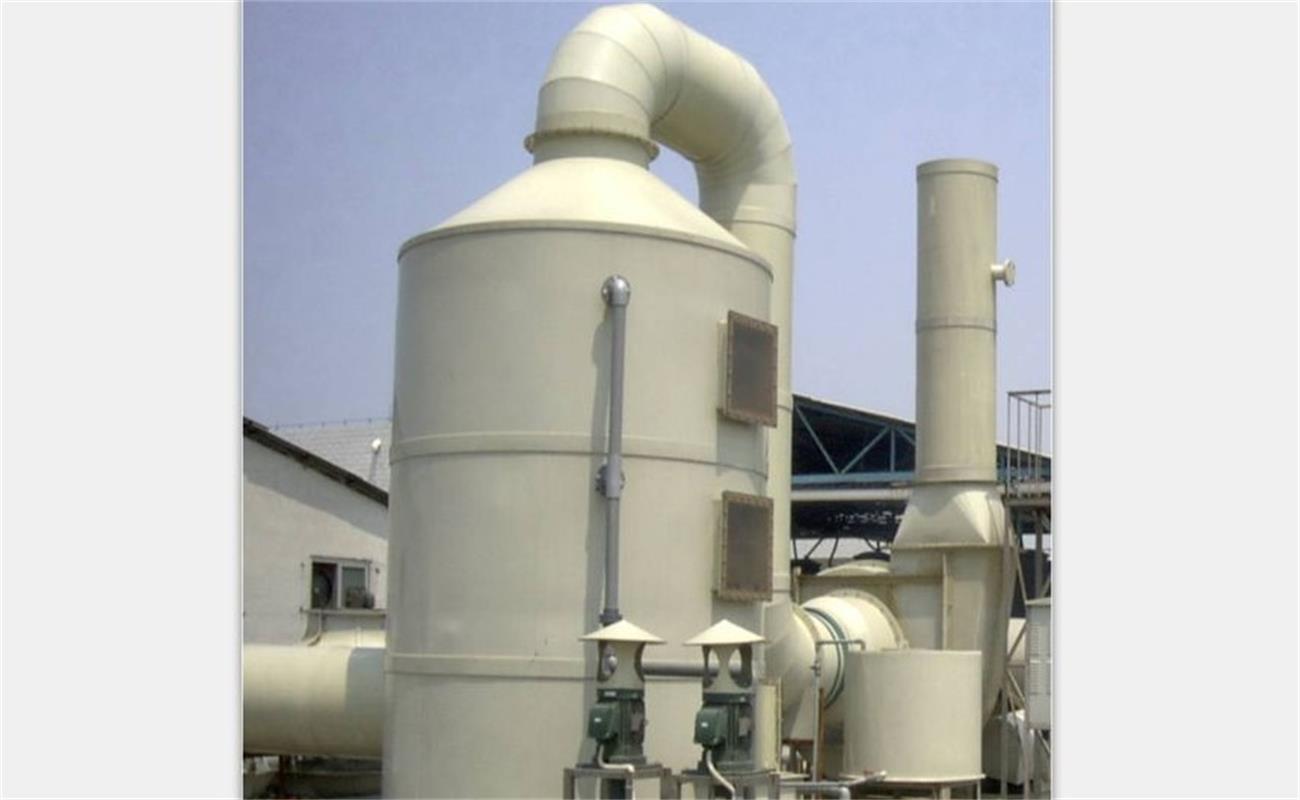
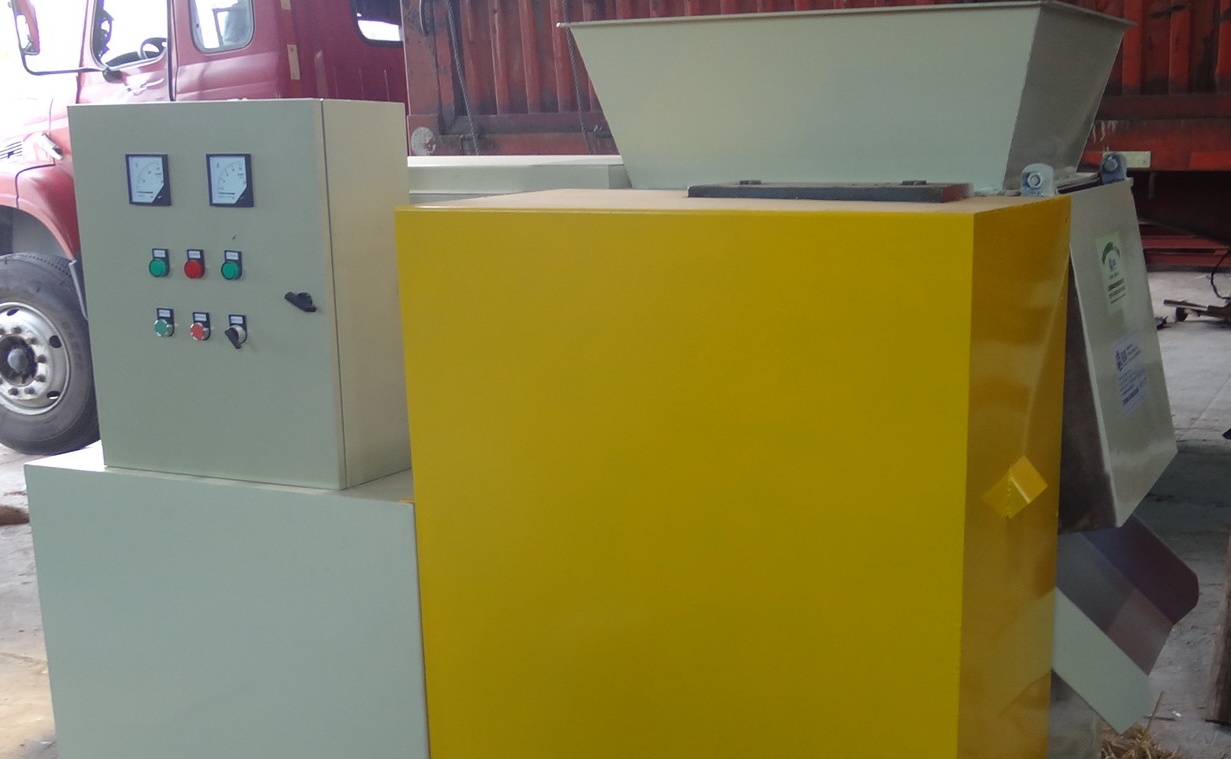
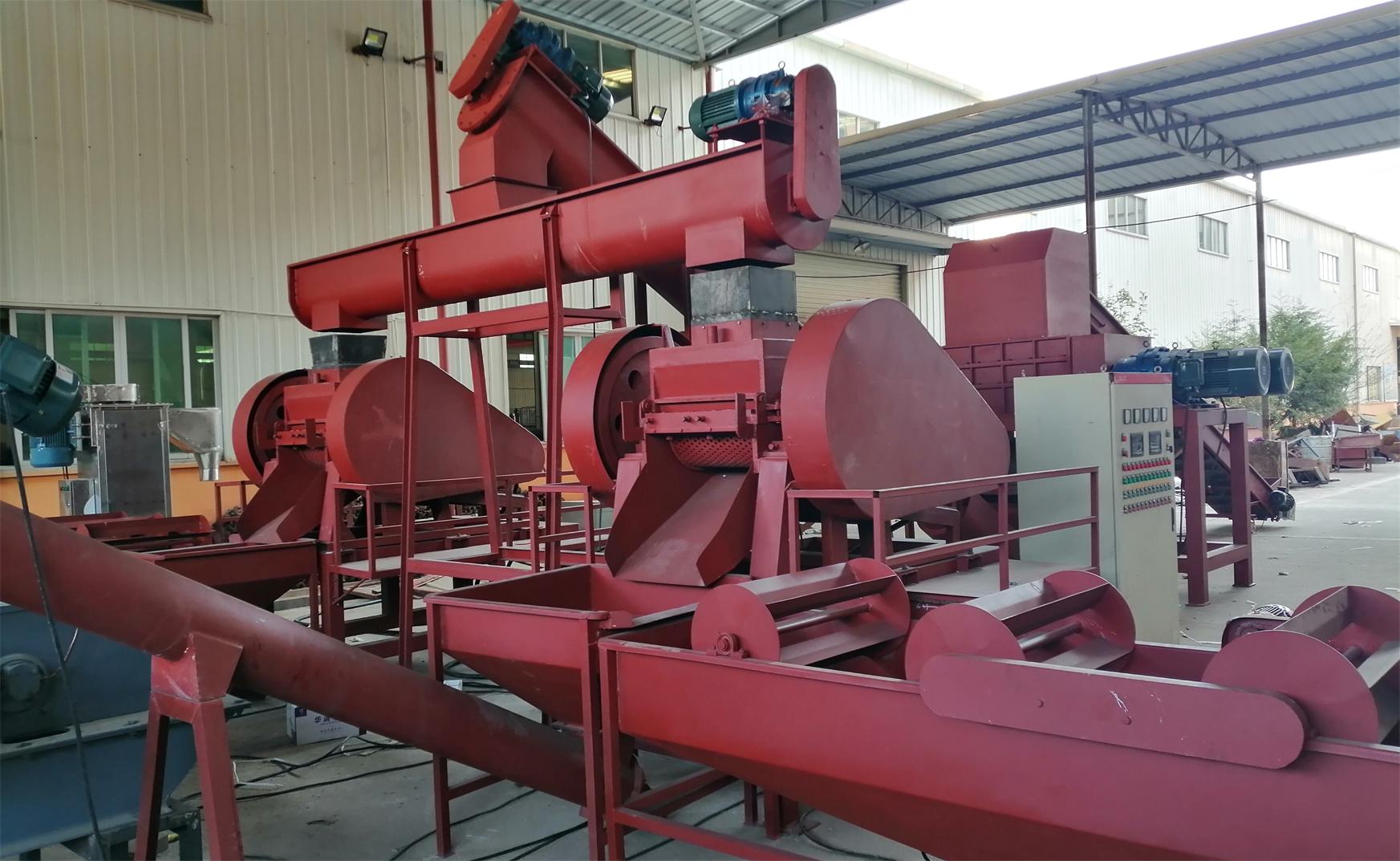
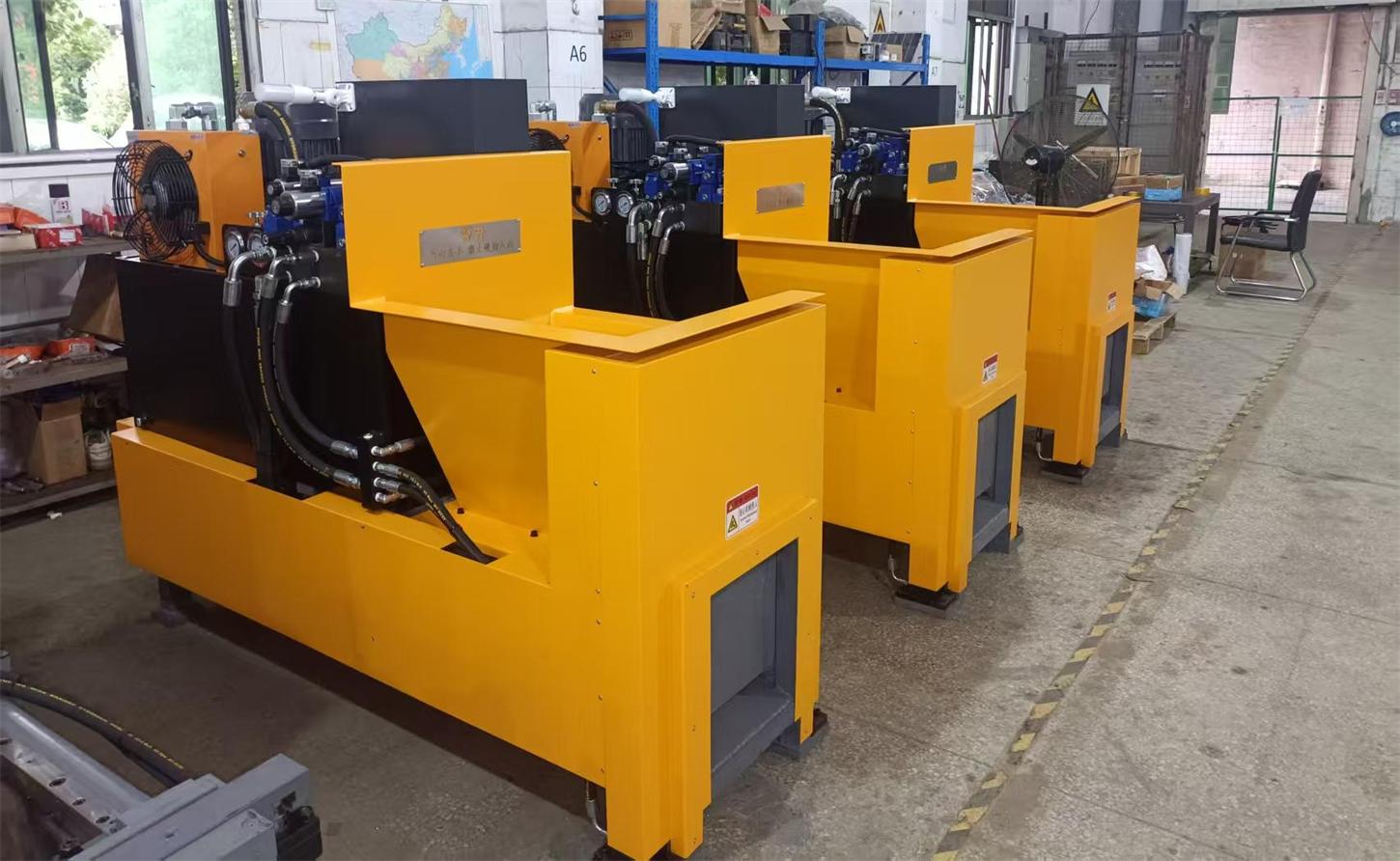
Spent automotive and industrial batteries remain the largest single waste-battery stream by tonnage. A complete lead acid battery recycling equipment line typically includes a battery cutter, breaking and separation system, de-sulfurization unit, rotary furnace or blast furnace for paste reduction, refining kettle, filter press, water treatment plant, and air pollution control system. Recovery rates for lead can exceed 95%, and the plastic casing material adds a secondary revenue stream.
Lithium-Ion Battery Recycling
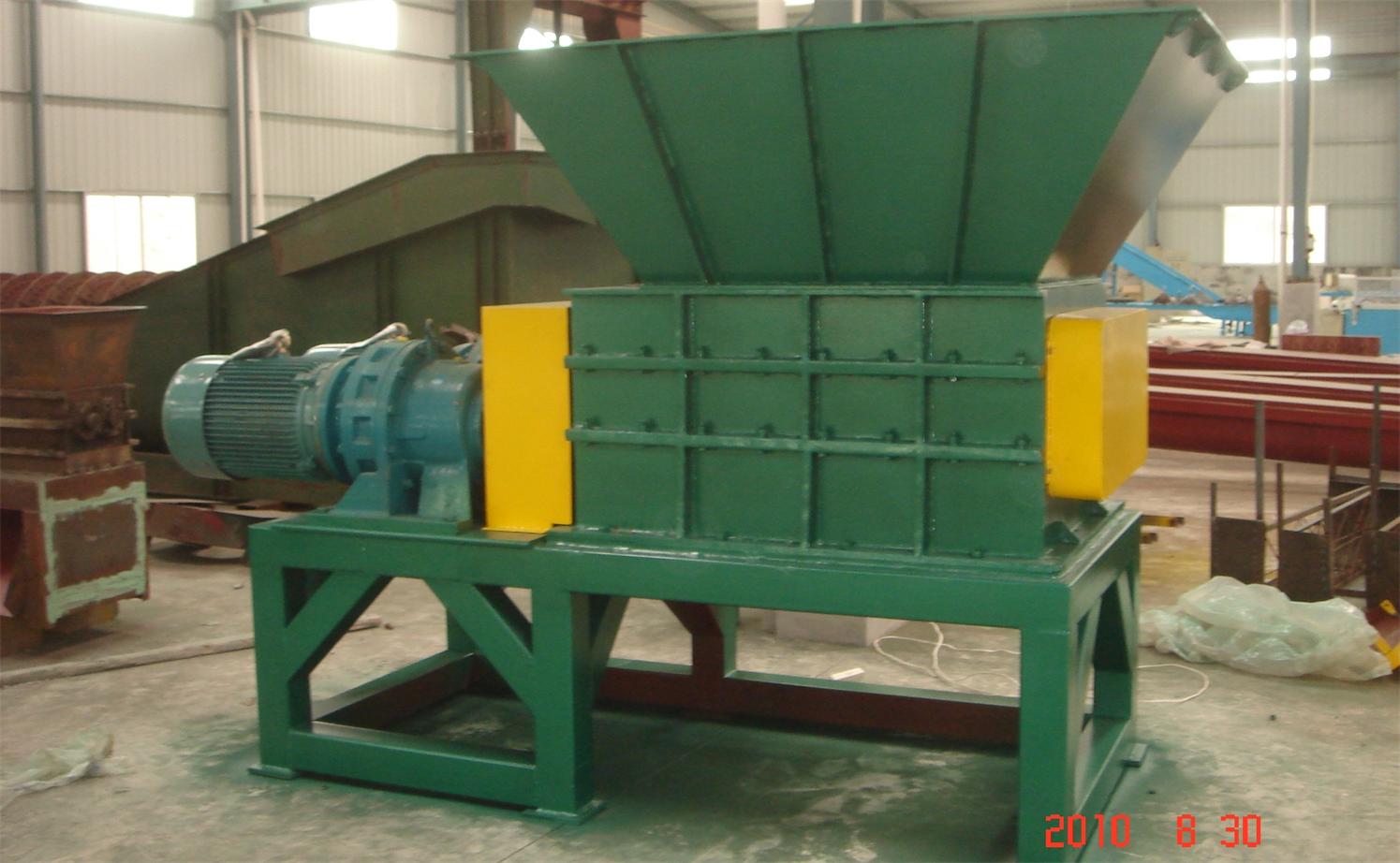
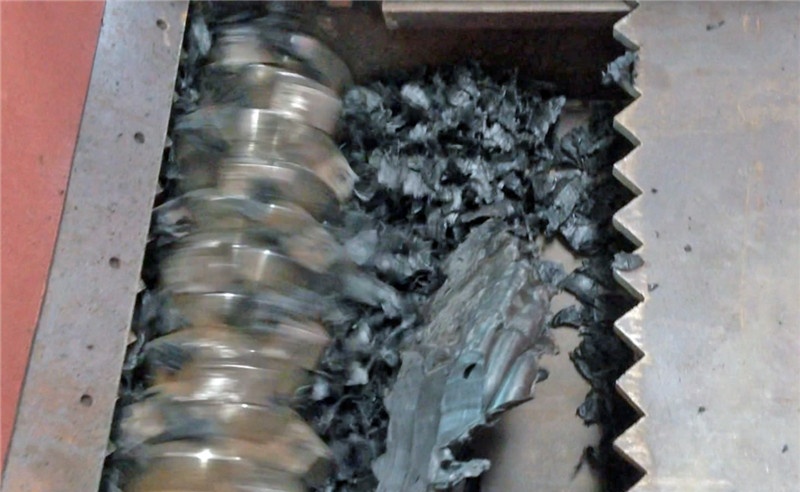
Driven by electric-vehicle adoption, lithium-ion waste is the fastest-growing segment. Mechanical processing lines — discharging, pre-crushing, secondary granulation, magnetic separation, and black-mass separation — can handle 500–2,500 kg/hour. Well-designed li battery recycling equipment also integrates air pollution control and plastic conveying/briquetting systems to capture every recoverable fraction.
Circuit Board (PCB) Recycling
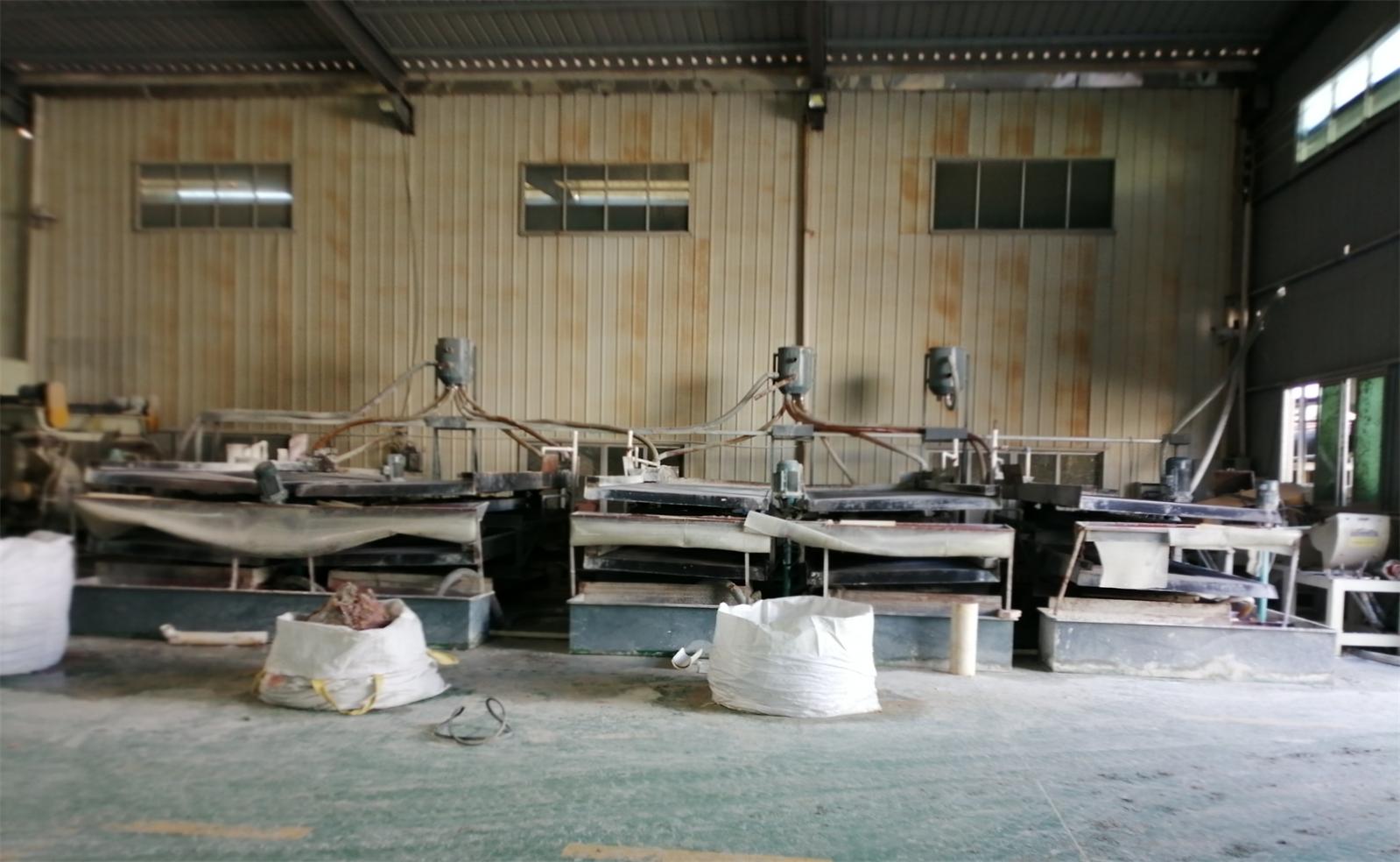
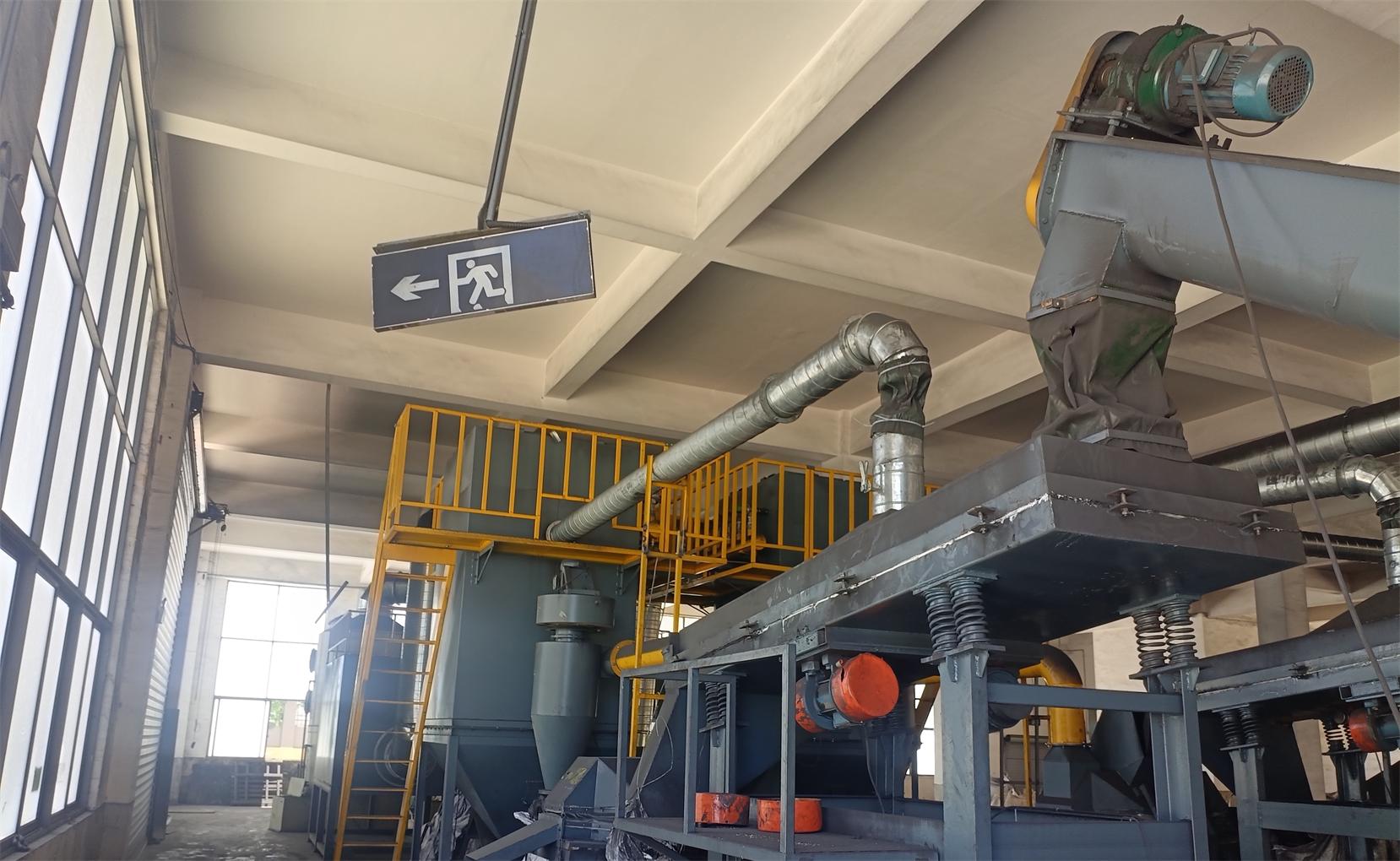
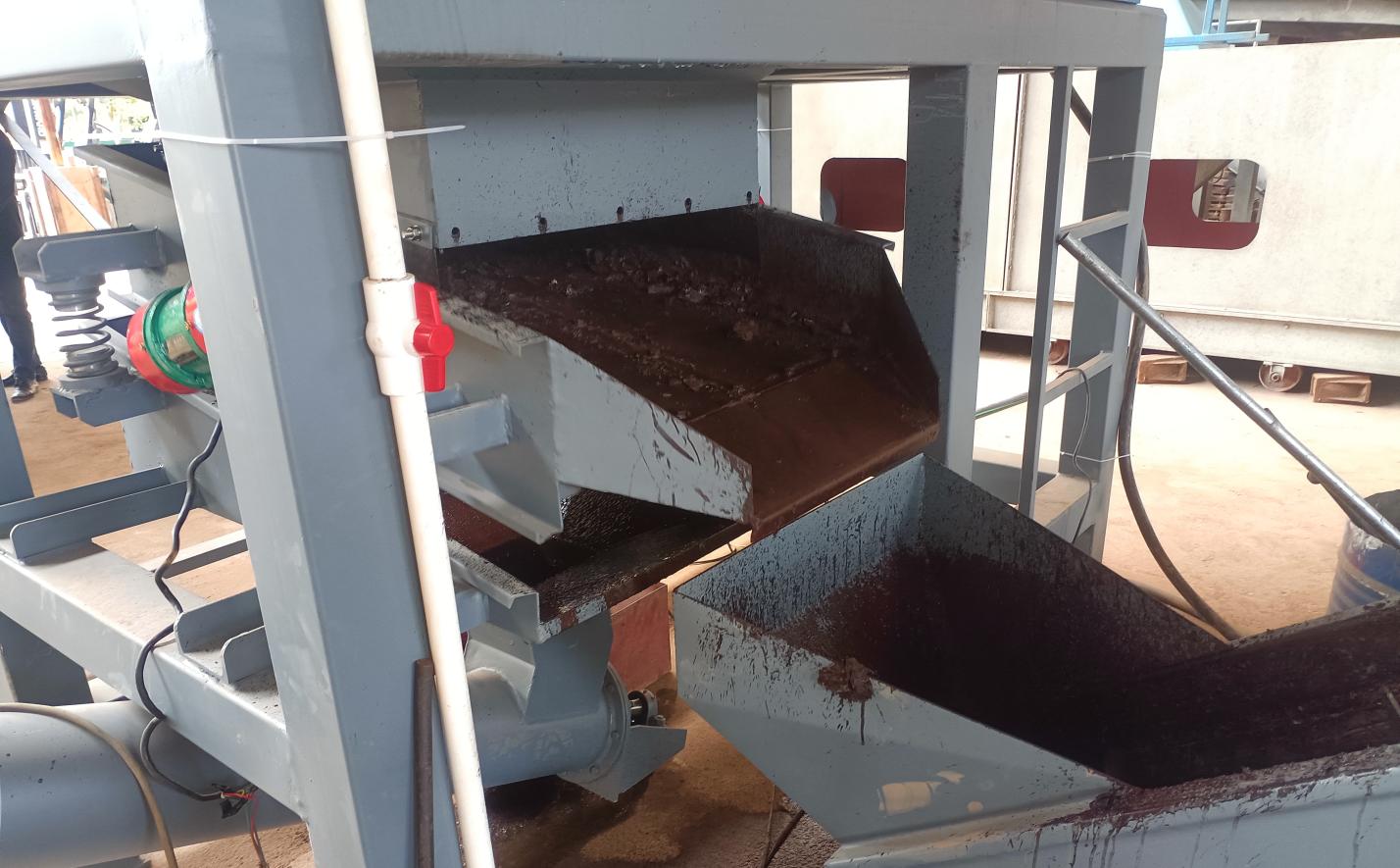
Printed circuit boards contain copper, precious metals, and rare earth elements. Modern plants use either dry separation (air separator, electrostatic separator, pulse dust collector) or wet separation (water metal separator) depending on local environmental rules and capacity targets. Copper powder purity of 96–98% is achievable at throughputs from 300 kg/hour to 2,000 kg/hour.
Cable and Wire Recycling
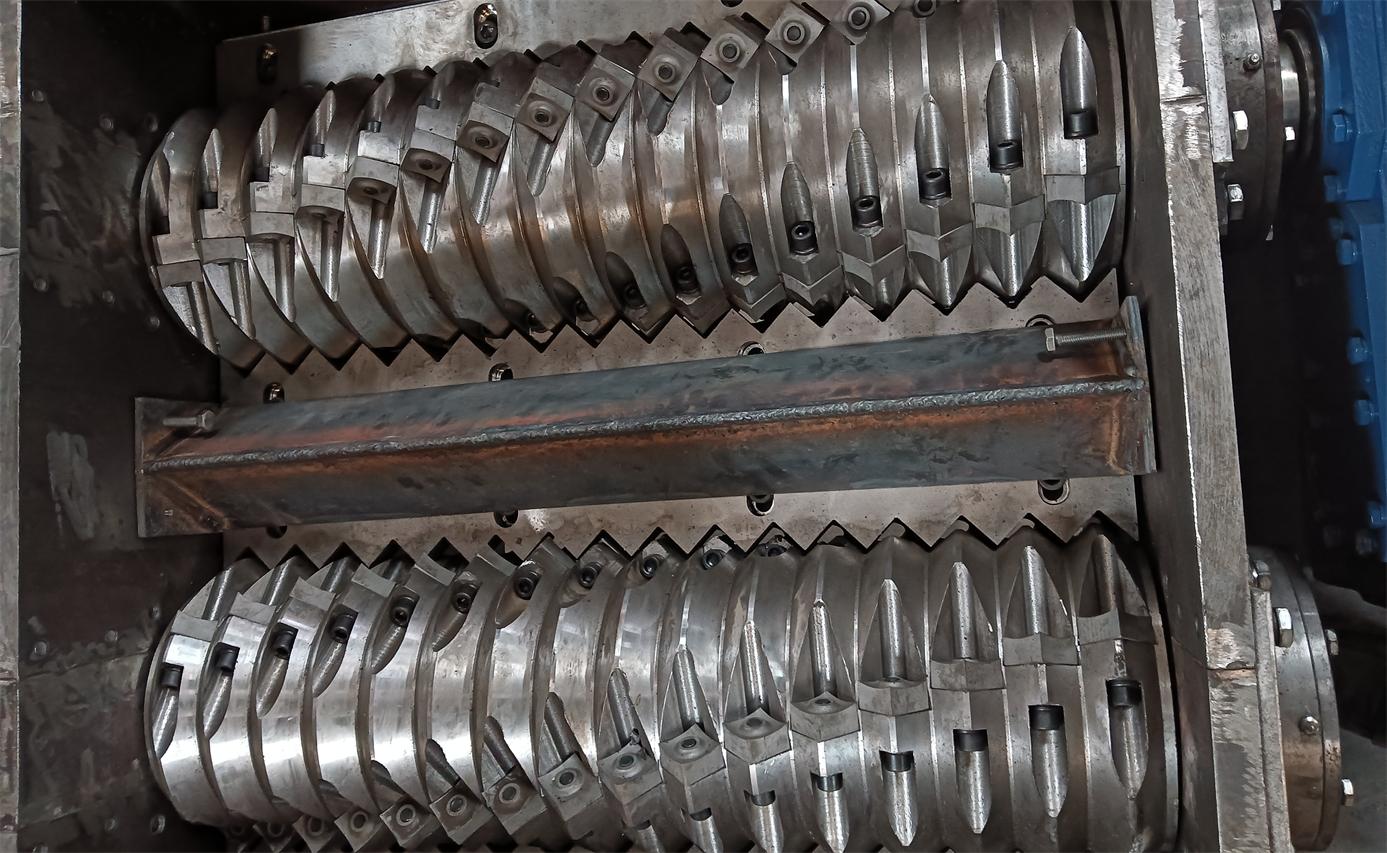
Scrap cable is one of the highest-margin inputs because copper and aluminum prices are transparent and liquid. A typical line combines scrap cable strippers for large-diameter feed and compact cable granulators with dry separators for fine wire. Cable recycling equipment can process everything from jelly-filled telecom cable to standard building wire, with copper recovery rates above 95%.
What Separates a Good Equipment Supplier from a Great One
Buying machines is only the beginning. The difference between a plant that reaches steady-state output in six months and one that struggles for two years usually comes down to four supplier capabilities:
- Customized engineering. Waste streams vary by geography. A supplier that can adjust capacity, separation technology, and environmental controls to your feedstock is essential.
- EPC project experience. Engineering, Procurement, and Construction capability means the supplier handles layout, civil interfaces, installation, and commissioning — not just delivery.
- Post-sale technical support. Recycling machinery operates in abrasive, high-wear environments. Spare-part availability and remote diagnostics compress downtime.
- Downstream market access. Some suppliers help connect you with buyers for recovered copper, lead ingots, or plastic granules — an underrated advantage for first-time operators.
Turnkey EPC vs. Equipment-Only Purchasing
First-time operators often underestimate the integration work required to turn individual machines into a continuous process. A turnkey EPC provider designs the full material flow, specifies auxiliary equipment (conveyors, dust collection, effluent treatment), and manages installation and commissioning. The upfront cost is higher, but the total project timeline and risk are typically lower.
Experienced operators with in-house engineering may prefer an equipment-only model. Even then, choosing a recycling equipment supplier that offers modular, expandable lines lets you start at 1–2 tonnes per day and scale without replacing core machinery.
Getting Started — A Practical Roadmap
Most successful recycling plants follow a similar sequence:
- Feedstock audit. Quantify the available waste stream by chemistry, volume, and seasonality.
- Regulatory review. Map local environmental licences, EPR obligations, and occupational-safety rules.
- Technology selection. Match separation technology (dry vs. wet, mechanical vs. hydrometallurgical) to your feedstock and budget.
- Supplier qualification. Visit reference plants, review installed bases, and validate spare-parts logistics.
- Commissioning and ramp-up. Plan for 3–6 months of supervised operation before reaching nameplate capacity.
Ready to Build Your Recycling Plant?
San Lan Technologies Co., Ltd. has been designing and manufacturing circuit board recycling equipment, battery recycling lines, cable granulators, and shredders since 2007. With customers in more than 21 countries and a full EPC service offering — from custom design and one-stop procurement to installation, commissioning, and operator training — San Lan helps you move from business plan to first output faster.
Contact the team today to discuss your feedstock, capacity targets, and layout requirements.
Email: info@san-lan.com
WhatsApp: +86 139 2377 4083
Web: www.san-lan.com