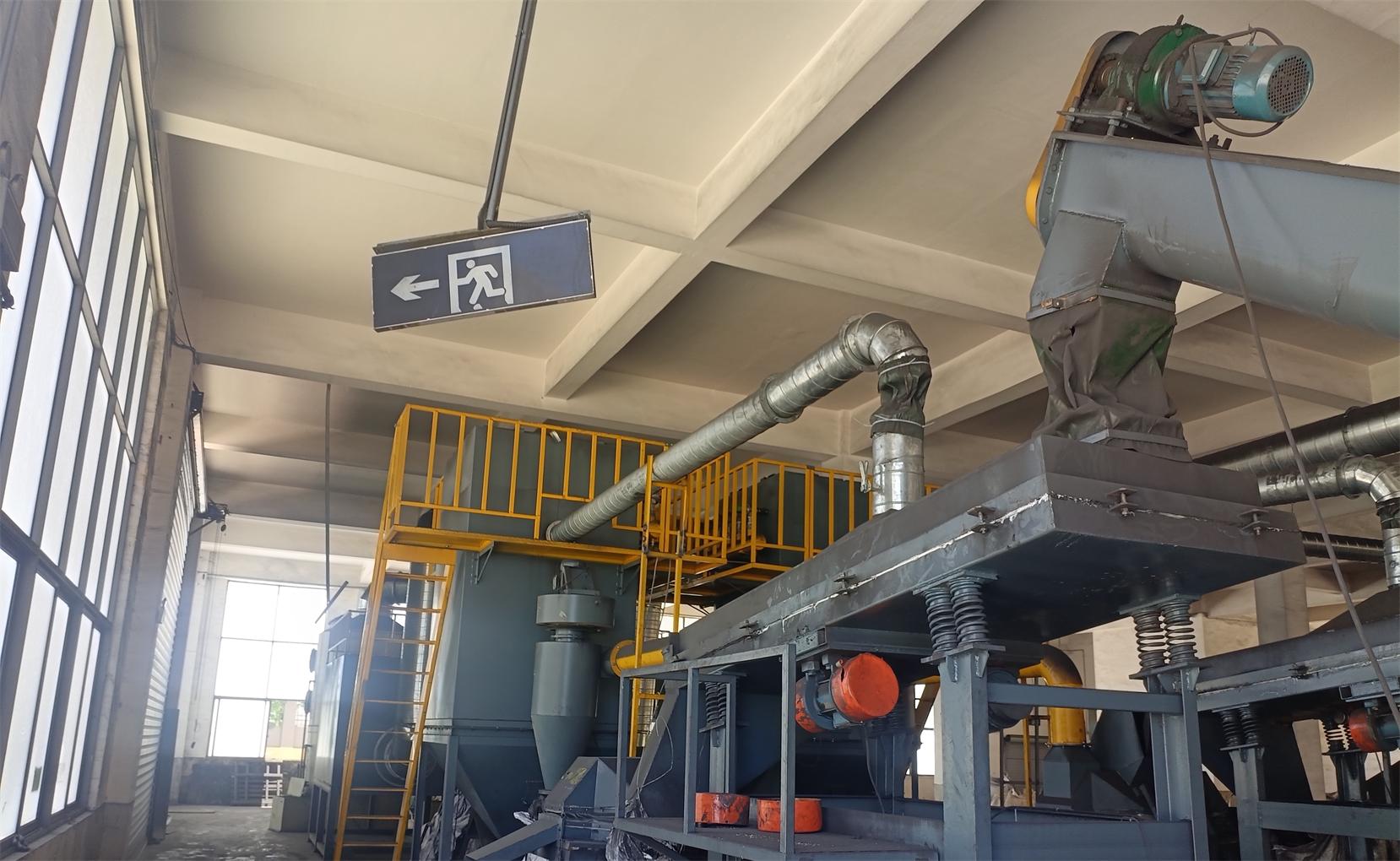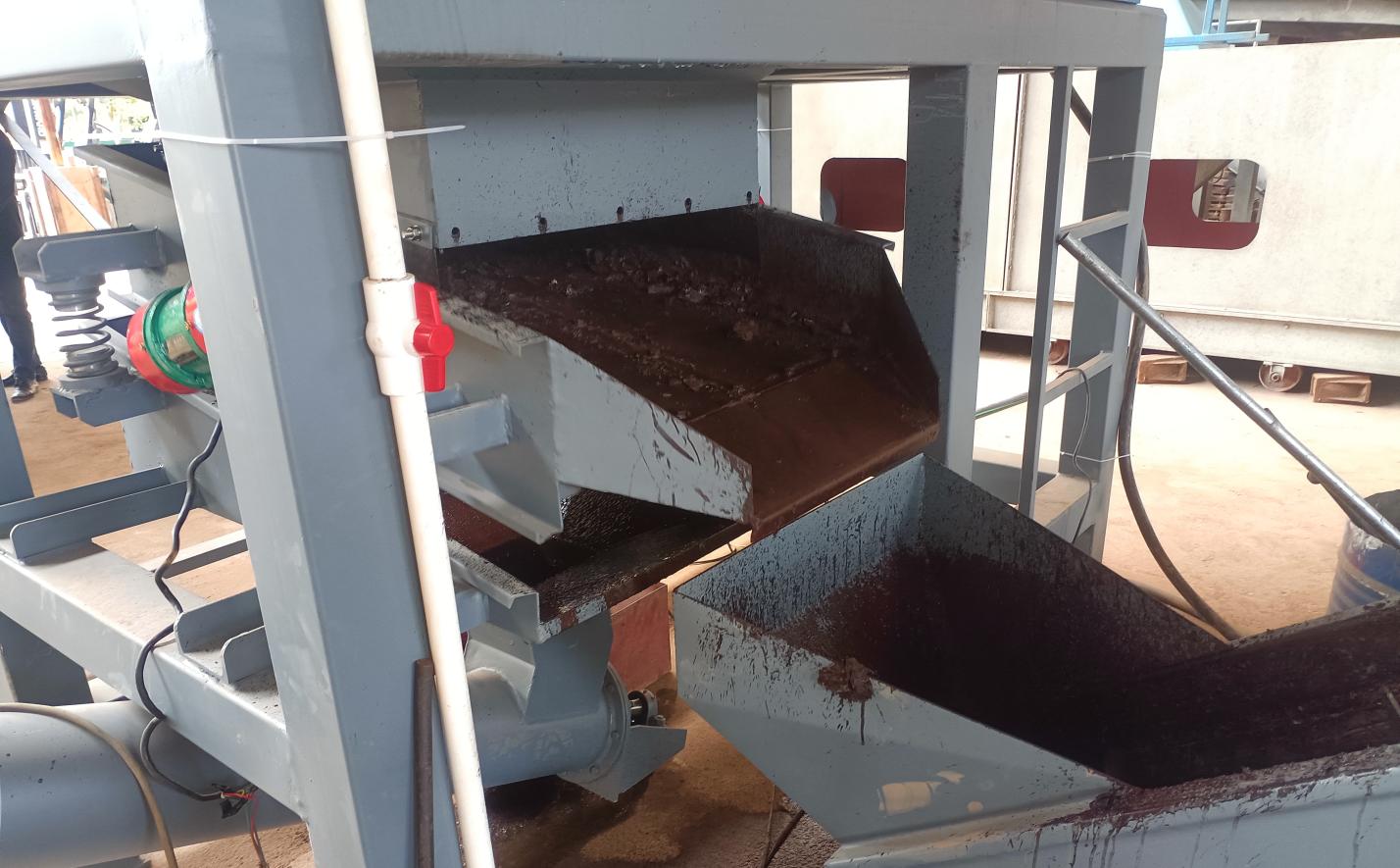
The global demand for recycled metals and materials is accelerating. With copper prices maintaining historic highs and regulatory pressure mounting on battery disposal, establishing a recycling plant has become one of the most viable industrial opportunities. Whether you are processing scrap cables from construction sites or spent batteries from automotive fleets, selecting the right recycling equipment determines your profitability, compliance, and operational efficiency.
This guide breaks down the core technologies behind cable and battery recycling, highlights what to look for when purchasing machinery, and shows how experienced manufacturers deliver turnkey solutions that go far beyond simply selling machines.
Cable Recycling: Turning Scrap Wire into Pure Copper
Scrap cables are among the most accessible and profitable materials in the recycling industry. Copper conductivity ensures consistent demand, while the relative simplicity of cable processing makes it an ideal entry point for new operators.
A complete cable recycling equipment line typically includes two stages:
-
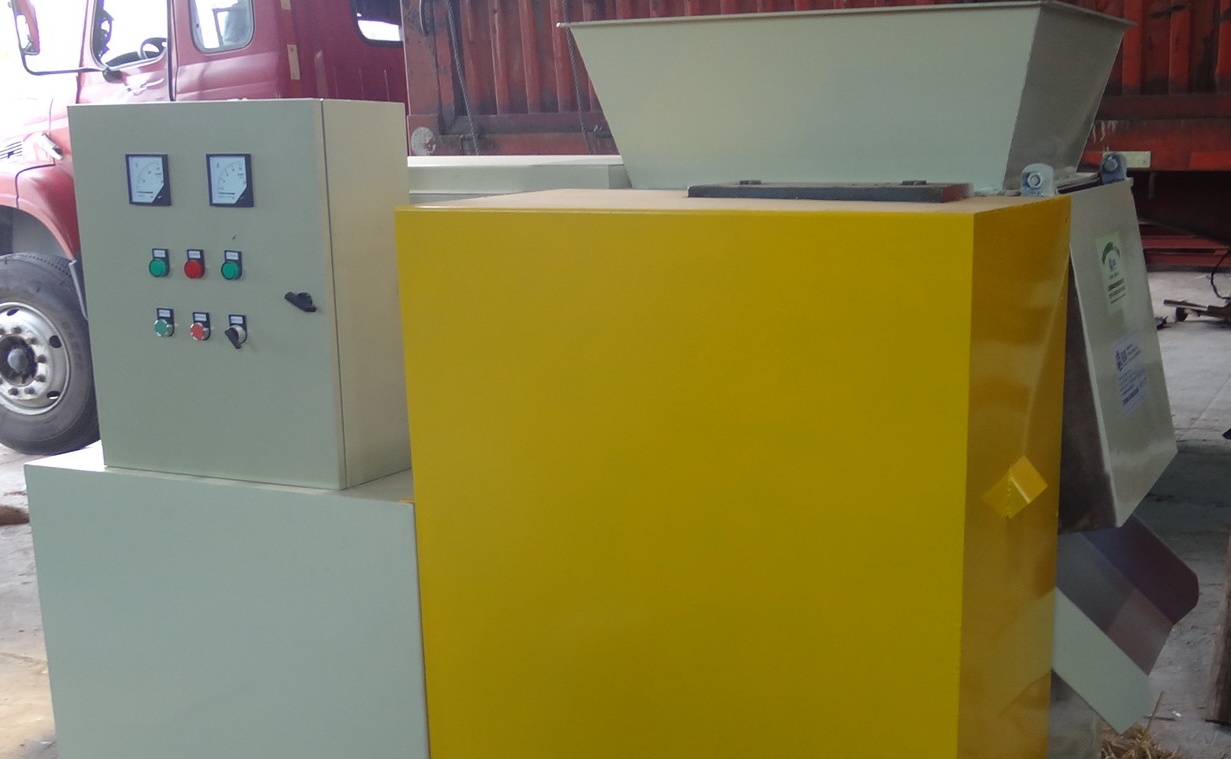
Preprocessing with Scrap Cable StrippersThick industrial cables must be stripped before granulation. Hydraulic and mechanical strippers handle diameters from 1.5mm to 150mm, separating copper or aluminum cores from plastic or rubber insulation. Throughput ranges from 200 kg to 15,000 kg per 10-hour shift depending on machine size.
-
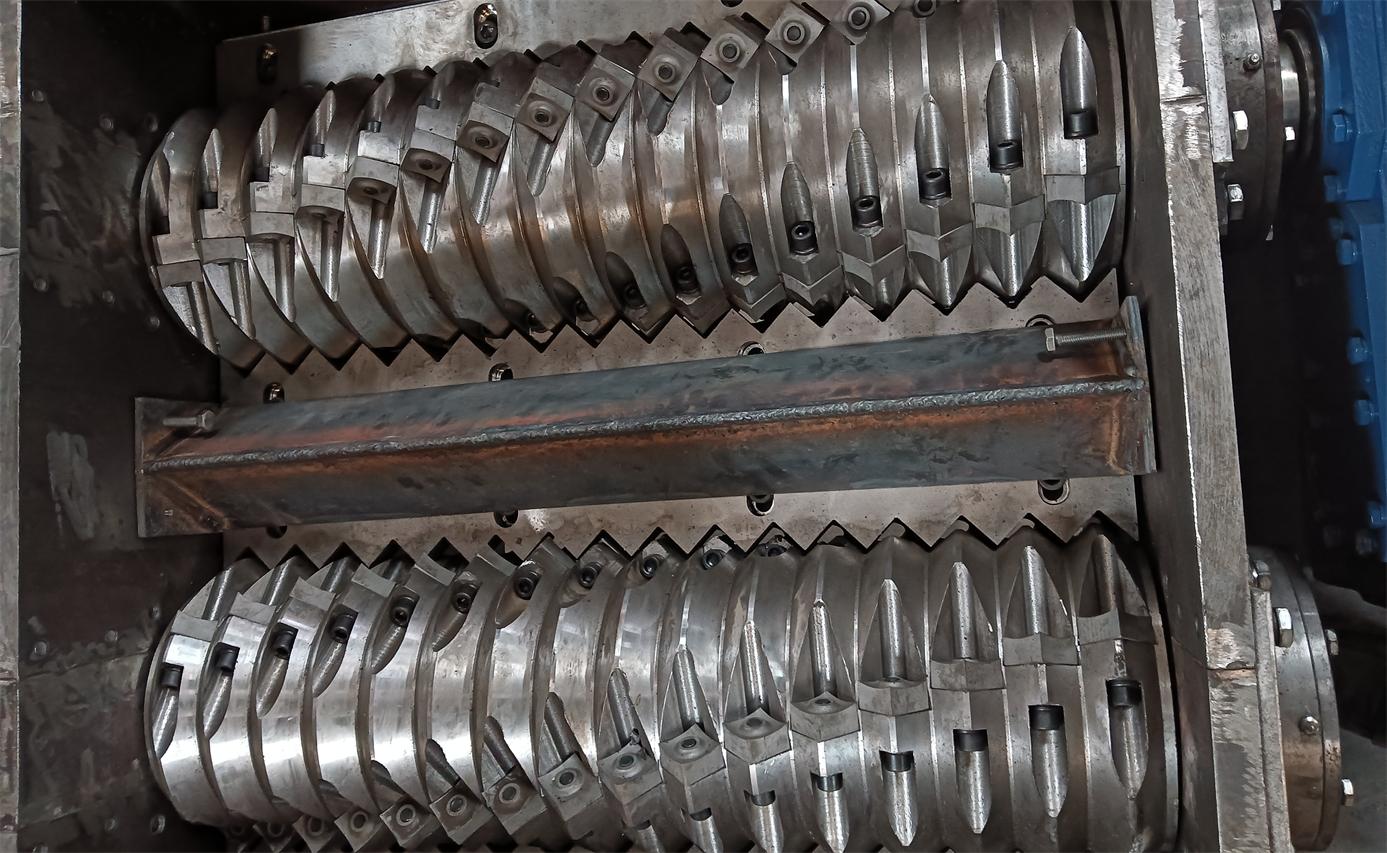
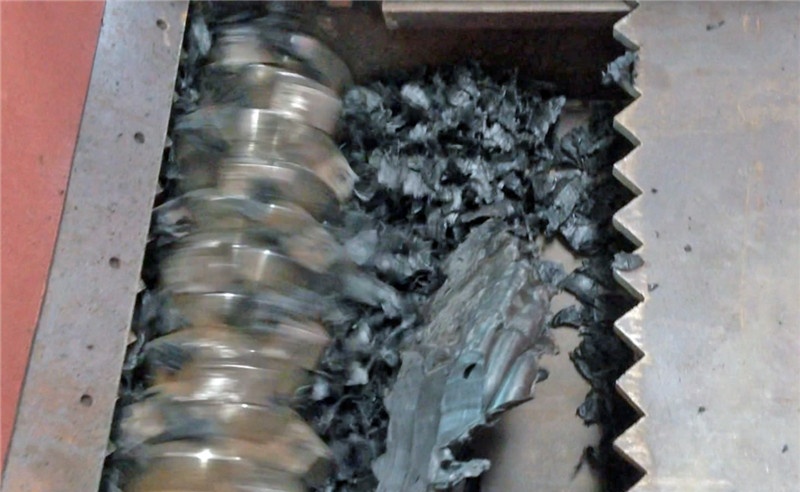
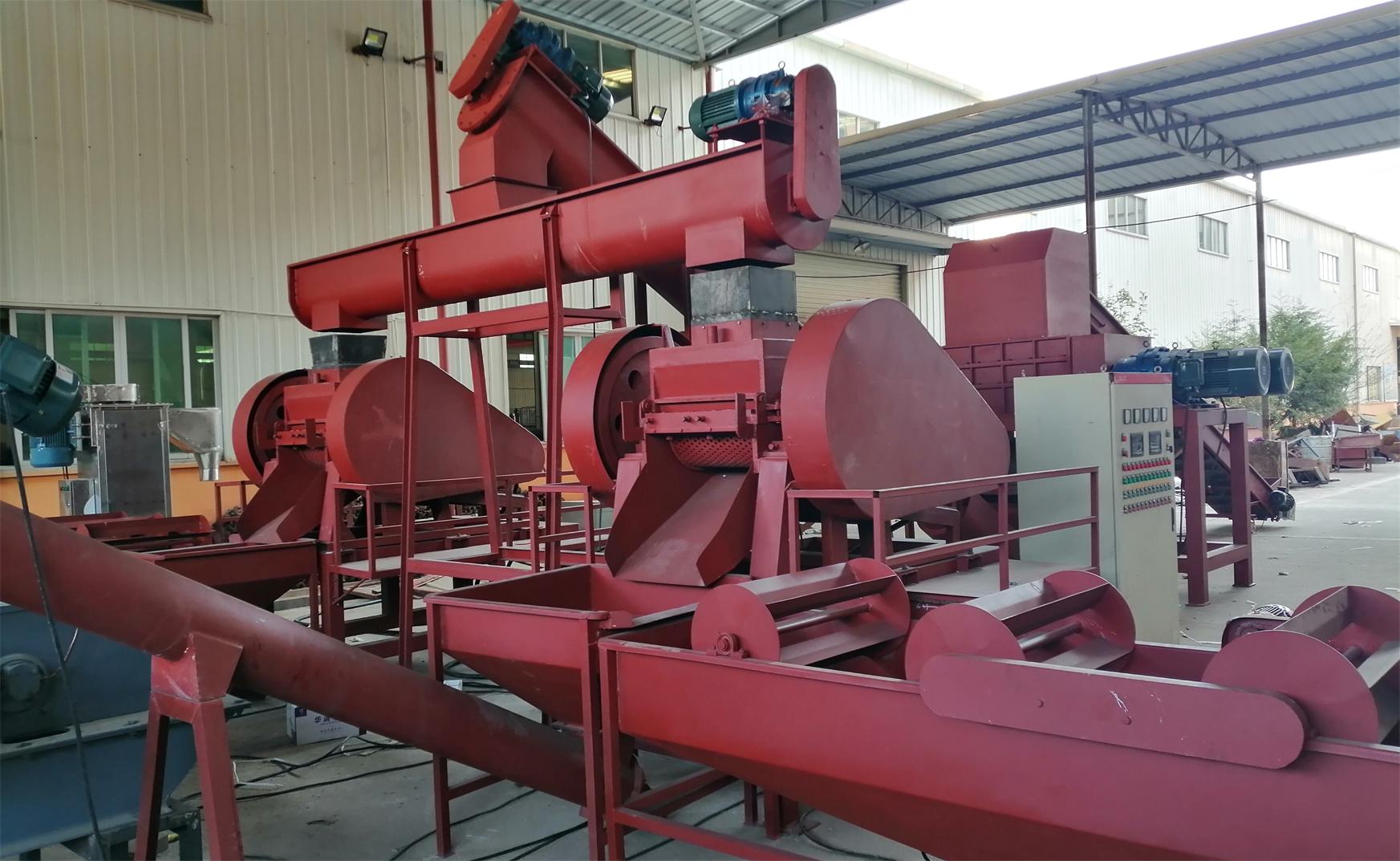
Granulation and SeparationCable granulators crush the processed wire into small particles, then use dry separators or air classification systems to isolate metal from plastic. Advanced systems achieve high purity copper output suitable for direct smelting or resale.
Capacity planning is critical. Compact units start around 200 kg/hour for small yards, while industrial-scale plants process 1,200 kg/hour or more. Matching your equipment to your projected feedstock volume prevents both capital waste and production bottlenecks.
Lead-Acid Battery Recycling: Safe and Efficient Lead Recovery
Despite the rise of lithium-ion technology, lead-acid batteries remain essential for automotive starter motors, forklifts, and backup power systems. Globally, hundreds of millions of used lead-acid batteries (ULAB) reach end-of-life annually, creating a massive recycling imperative.
A professional lead acid battery recycling equipment system follows a strict sequence:
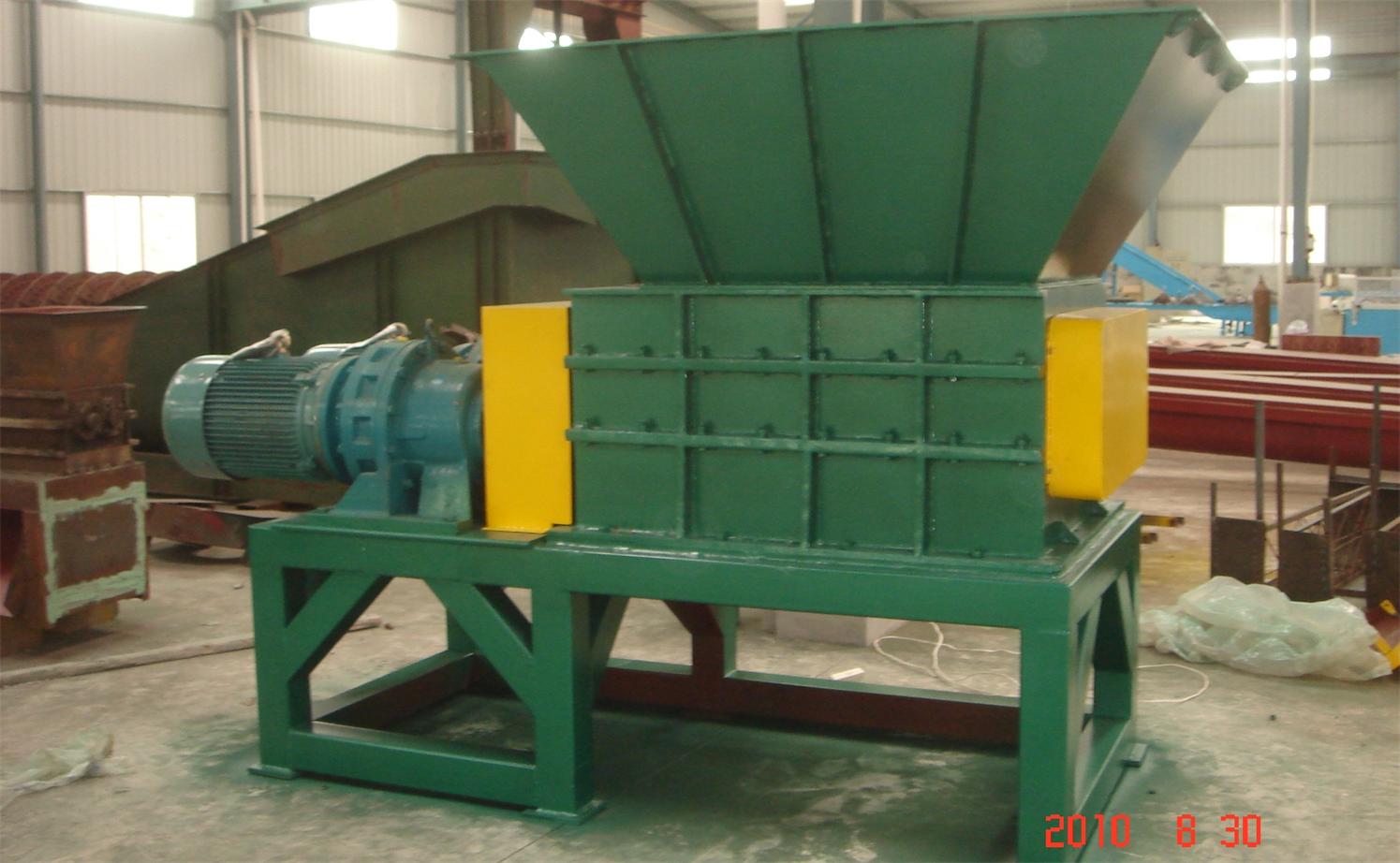
Breaking and Separation: Batteries are mechanically broken to release acid, then separated into four output streams: lead grid, lead paste, plastic (PVC/PP), and hard rubber. Capacity typically ranges from 1 to 10 MT/hour.
Desulfurization: Lead paste contains lead sulfate (PbSO4). A desulfurization unit removes sulfur, reducing melting temperature, cutting SO2 emissions, and lowering energy and additive costs.
Smelting: Rotary furnaces or blast (cupola) furnaces reduce lead paste to crude metallic lead. Modern rotary furnaces achieve higher recovery rates than traditional blast furnaces, with capacities from 2 to 20 MT per batch.
Refining: Refinery kettle furnaces purify crude lead to 99.999% purity. Electric heating variants using near-infrared technology can reduce energy consumption by 30-50% compared to fossil fuel systems.
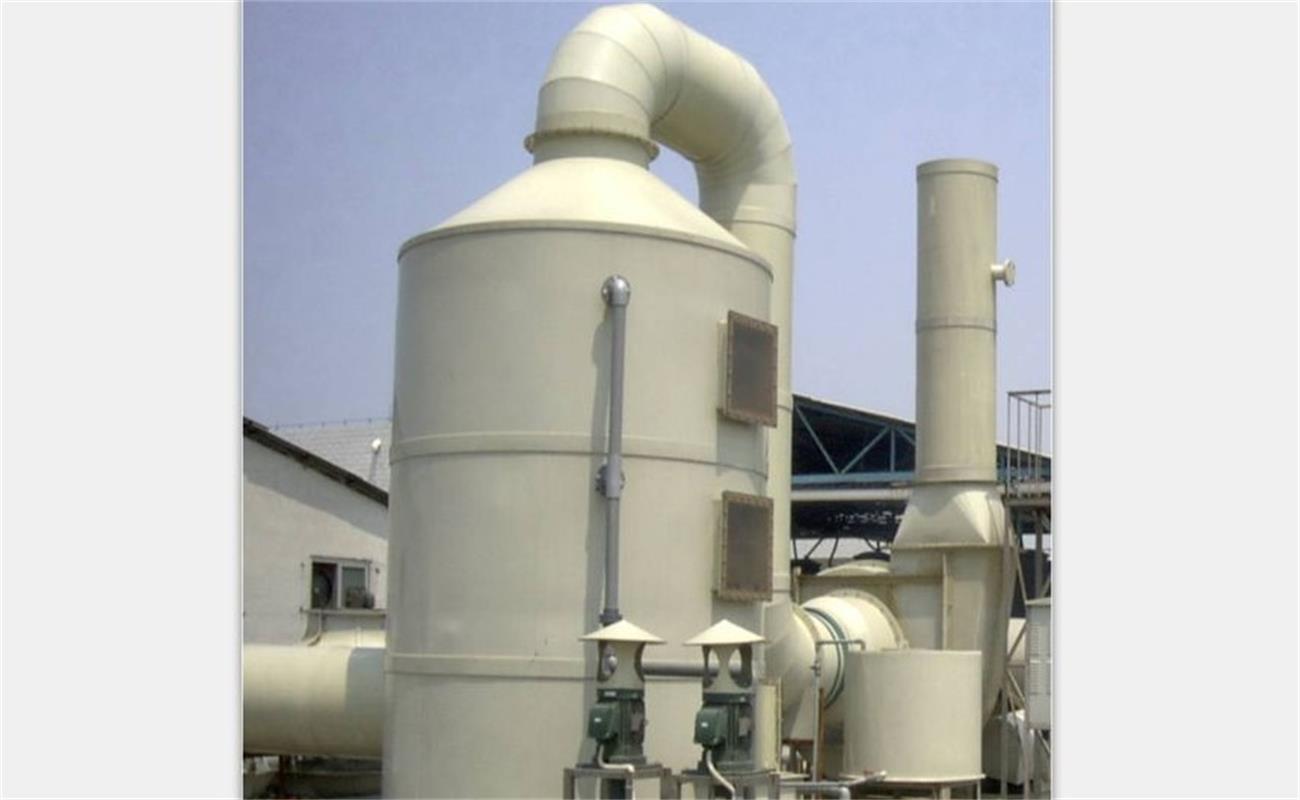
Environmental compliance is non-negotiable in battery recycling. Integrated air pollution control systems, water treatment plants, and dust collection equipment are mandatory components, not optional extras. Plants must capture acid fumes, treat wastewater, and prevent lead particulate release to meet environmental regulations.
Lithium-Ion Battery Recycling: Capturing the Energy Transition
The explosive growth of electric vehicles and grid-scale energy storage has created an urgent need for lithium-ion battery recycling infrastructure. Unlike lead-acid systems, Li-ion recycling requires specialized handling due to fire risks and toxic electrolyte components.
A complete lithium battery recycling line performs controlled discharge, pre-crushing, secondary granulation, and multi-stage separation. The process recovers black mass containing nickel, cobalt, and graphite, plus copper, aluminum, and plastic fractions. Capacities typically range from 500 to 2,500 kg/hour.
Air pollution control systems are particularly critical here. Lithium battery crushing releases potentially harmful fluorine compounds and organic vapors. Purpose-built gas absorption and neutralization systems must be installed upstream of any atmospheric discharge.
Circuit Board Recycling: Unlocking Precious and Base Metals
Printed circuit boards (PCBs) contain concentrated values of copper, gold, silver, and palladium. A well-designed circuit board recycling equipment setup combines mechanical crushing with advanced separation technology.
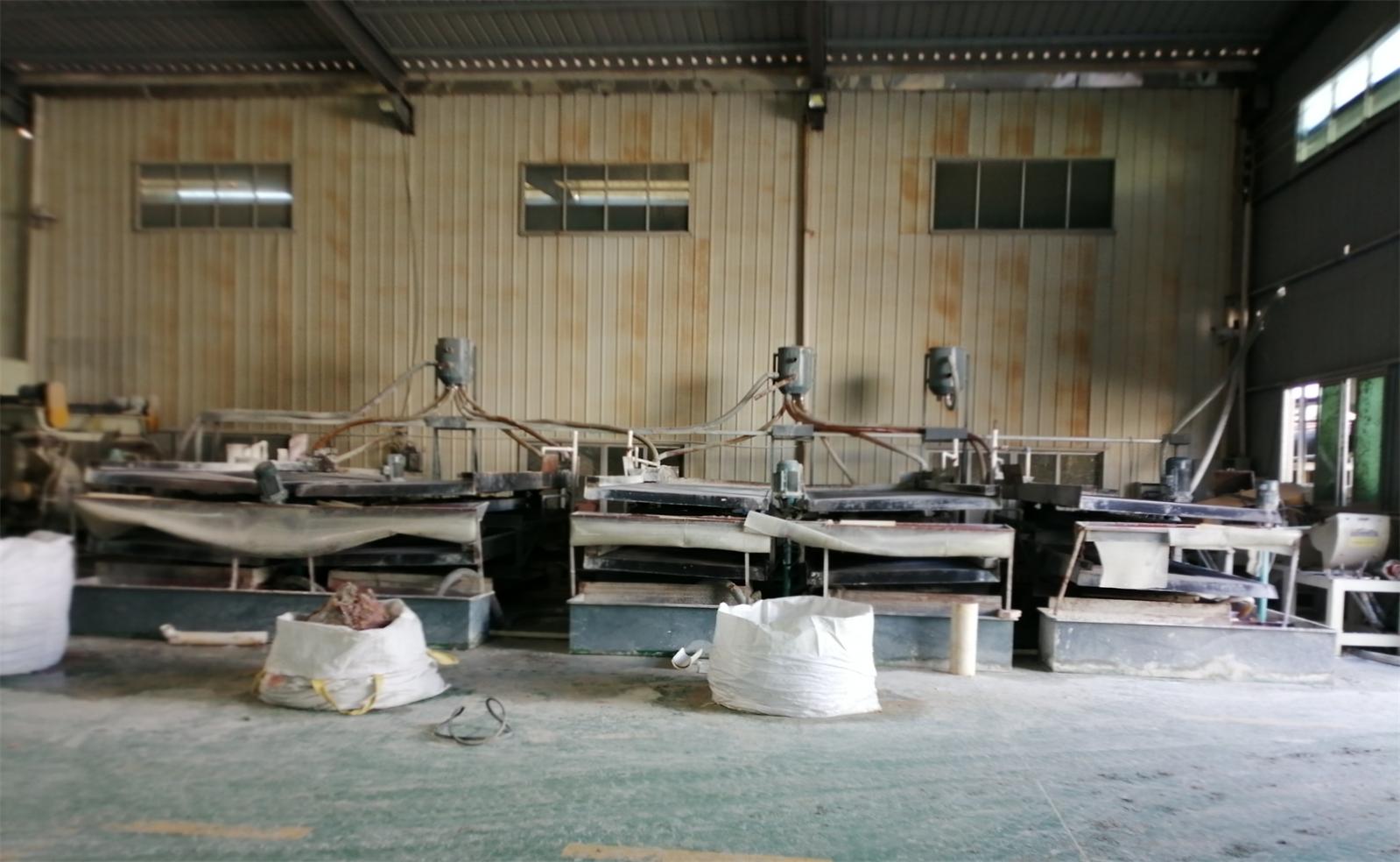
Dry separation systems using air classifiers, electrostatic separators, and cyclone dust collectors achieve copper powder purity of 96-98% with overall recovery rates around 95%. Wet separation alternatives use water-based density separation, offering environmentally friendly processing with zero dust emissions. Typical capacities span from 300 kg/hour for smaller facilities to 2,000 kg/hour for industrial operations.
Five Critical Factors When Selecting Recycling Equipment
1. Material Compatibility
Not all recycling machines handle every material. Confirm that the equipment is specifically engineered for your target waste stream, whether that is mixed cables, automotive batteries, or complex circuit boards.
2. Recovery Rates and Purity
Recovery rate directly impacts your bottom line. Ask suppliers for documented performance data. Top-tier PCB systems achieve 95%+ metal recovery. Lead smelting operations should target 95% lead recovery. Higher recovery means more salable product from every ton of input.
3. Environmental and Safety Systems
Regulatory compliance is getting stricter worldwide. Ensure the plant includes integrated air pollution control, wastewater treatment, dust collection, and fire suppression systems appropriate for your materials. Cutting corners on environmental systems leads to shutdowns and fines.
4. EPC and After-Sales Support
Buying machines is only the beginning. Look for manufacturers offering full EPC (Engineering, Procurement, Construction) services: custom plant design, installation, commissioning, operator training, and ongoing technical support. A supplier who disappears after delivery leaves you with expensive paperweights.
5. Proven Track Record
Request references from installations in countries with similar regulatory environments to yours. A supplier with customers across diverse geographies has demonstrated adaptability to different standards, climates, and operational practices.
San Lan Technologies: Engineering Your Recycling Success
Founded in 2007, San Lan Technologies Co., Ltd has spent nearly two decades specializing in WEEE recycling machinery and mining equipment. The company serves customers across 21+ countries, from Singapore and Colombia to India and South Africa, bringing genuine international experience to every project.
Why San Lan Stands Out:
- Technical team with master's degrees in mechanical engineering and 15+ years of hands-on e-waste recycling experience
- Full EPC capability from initial design through commissioning and operator training
- End-to-end customer support including assistance sourcing waste feedstock and marketing recovered materials
- Virtually bilingual service in English and Chinese
- Comprehensive portfolio spanning cable granulators, battery recycling plants, circuit board processors, shredders, and melting furnaces
San Lan's approach goes beyond equipment sales. The company helps customers locate reliable sources of scrap material, connects them with buyers for recovered metals, and even assists investors interested in funding recycling plant construction. This ecosystem thinking transforms a simple machine purchase into a sustainable business partnership.
Conclusion: Turn Waste Streams into Revenue Streams
The recycling industry rewards operators who combine the right equipment with deep process knowledge. Cable recycling offers fast returns through copper recovery. Battery recycling addresses urgent environmental mandates while producing high-value lead and black mass. Circuit board processing unlocks concentrated precious metal values.
Success depends on choosing equipment that matches your materials, capacity requirements, and regulatory environment, then partnering with a manufacturer who supports you through design, installation, and beyond. With the global e-waste mountain growing every year, the question is not whether recycling is viable, but whether your operation is equipped to capture its share of the opportunity.
Ready to Plan Your Recycling Project?
Contact San Lan Technologies to discuss your material streams, capacity targets, and regulatory requirements. Our engineering team will recommend the optimal equipment configuration and plant layout for your specific situation.
Email: info@san-lan.com
WhatsApp: +86 139 2377 4083
Website: www.san-lan.com