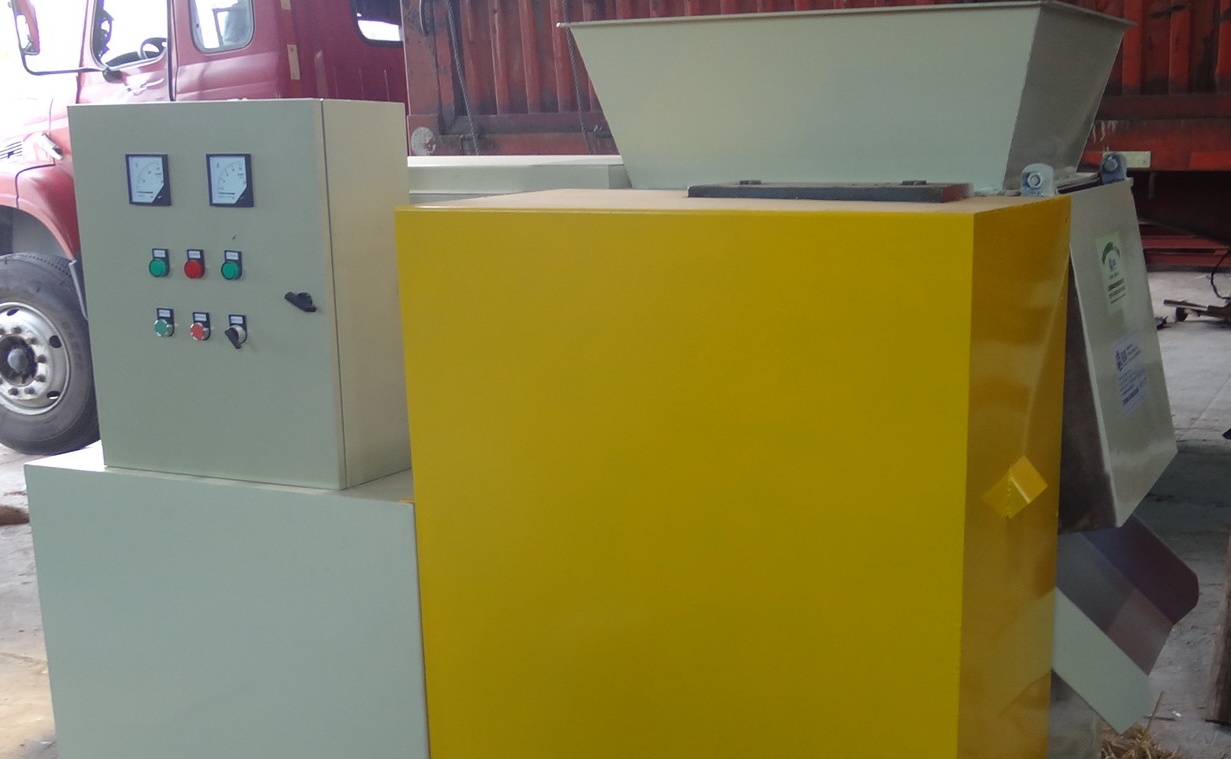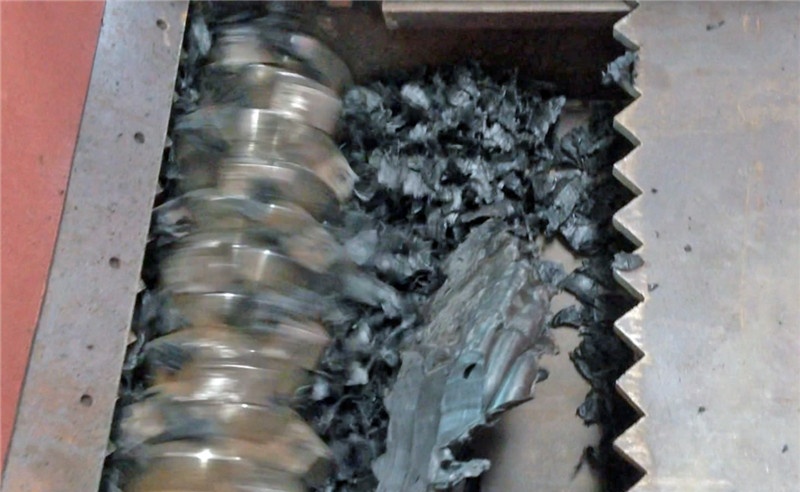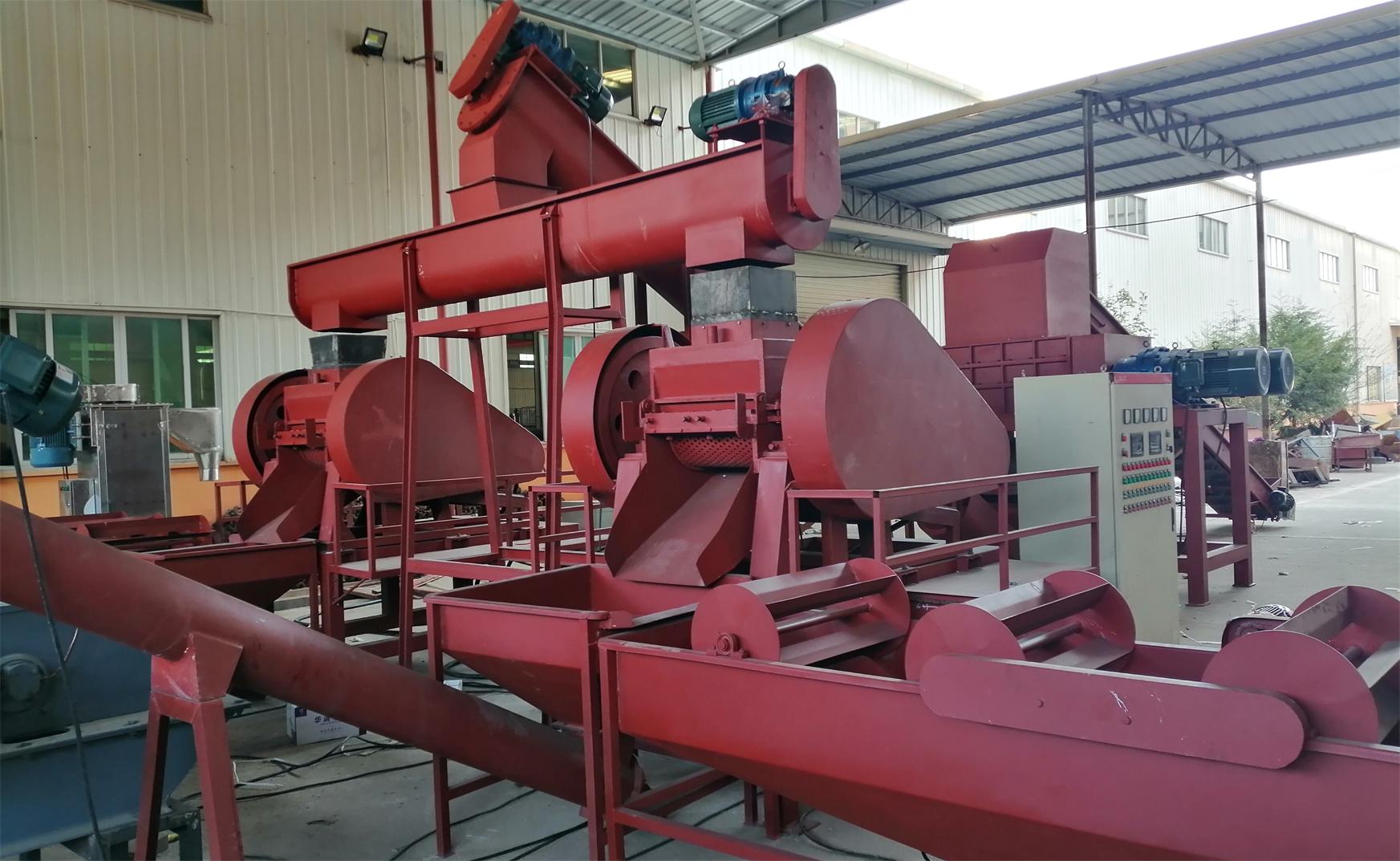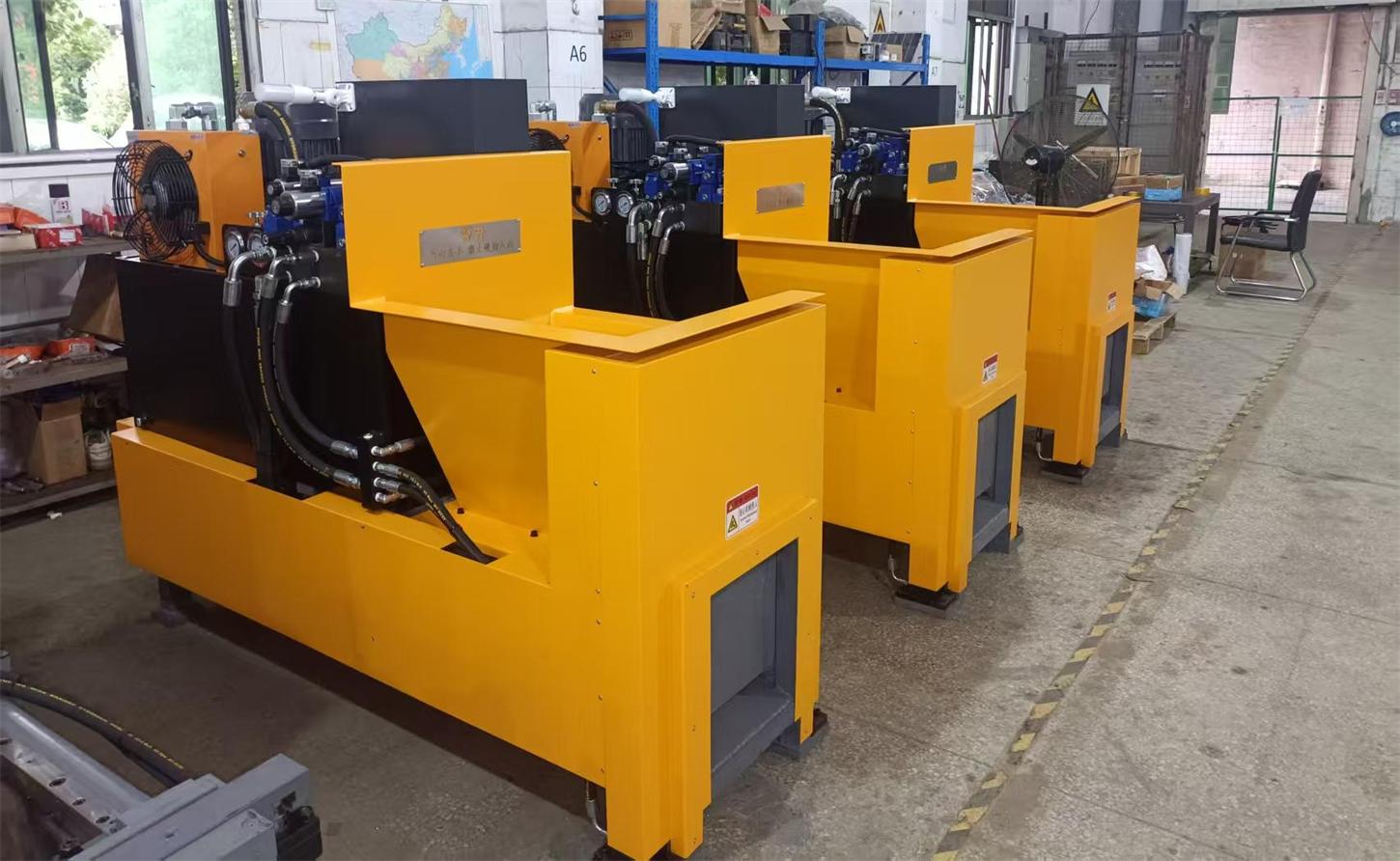
The global surge in electric vehicles, consumer electronics, and energy storage systems has created a rapidly growing waste stream. Millions of lithium-ion and lead acid batteries reach end-of-life every year, and recycling capacity has not kept pace with generation rates. This gap represents both an environmental challenge and a real business opportunity for entrepreneurs ready to invest in the right equipment.
Starting a battery recycling business is no longer just about environmental responsibility. With rising metal prices, stricter environmental regulations in many countries, and growing demand for recycled materials, a well-planned recycling operation can generate strong returns. The key is choosing reliable, efficient equipment that matches your feedstock and production goals.
The Two Major Battery Recycling Opportunities
Most commercial battery recycling ventures focus on two battery types: lithium-ion and lead acid. Each has distinct characteristics, market dynamics, and equipment requirements.
Lithium-ion batteries power EVs, smartphones, laptops, and grid storage systems. Their chemistry varies widely, including NMC, LFP, and LCO variants. A modern lithium battery recycling plant typically processes 500 to 2,500 kg per hour, breaking down cells to recover black mass containing nickel, cobalt, and graphite, plus separated copper, aluminum, and plastic.
Lead acid batteries, despite being older technology, remain dominant in automotive starting, lighting, and ignition applications. They are also the most recycled consumer product in the world, with established collection infrastructure and steady demand for recovered lead. A complete lead acid battery recycling equipment line breaks batteries, separates lead paste, lead grids, plastic, and acid, then smelts the lead to 99.999% purity.
Understanding the Lithium Battery Recycling Process
Lithium battery recycling requires careful handling because fully charged cells pose fire and explosion risks. The process begins with safe discharge, followed by mechanical crushing and separation.
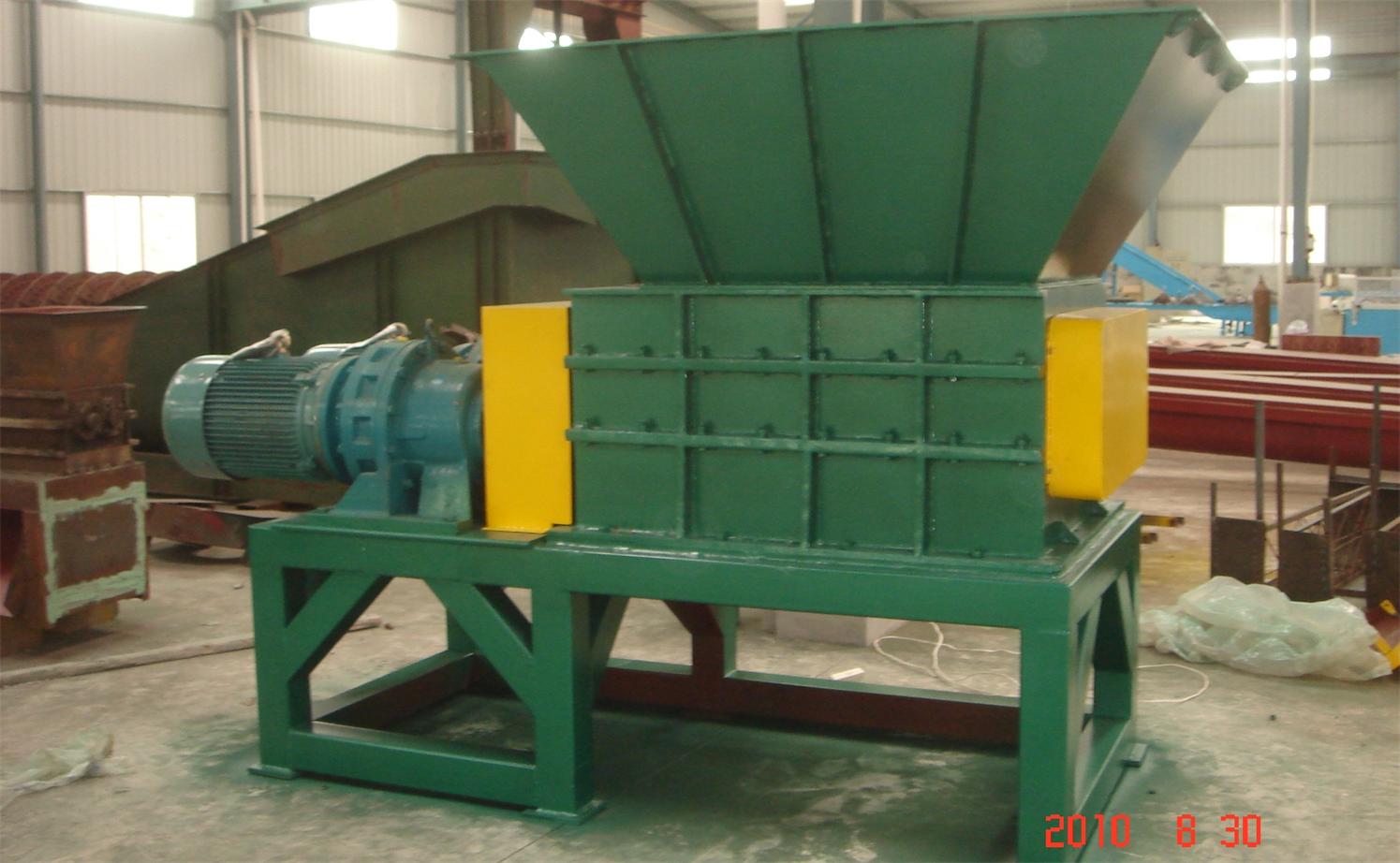
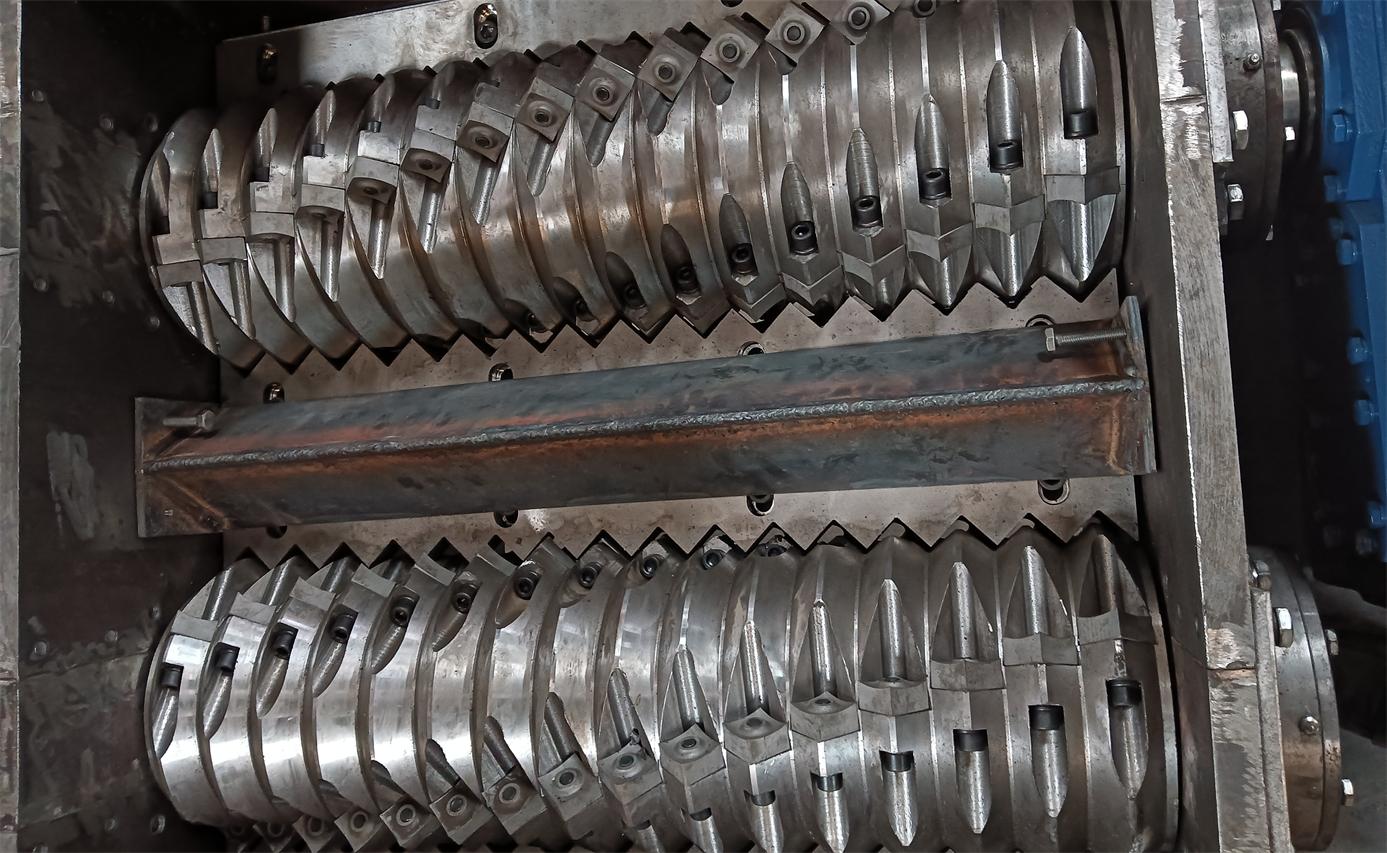
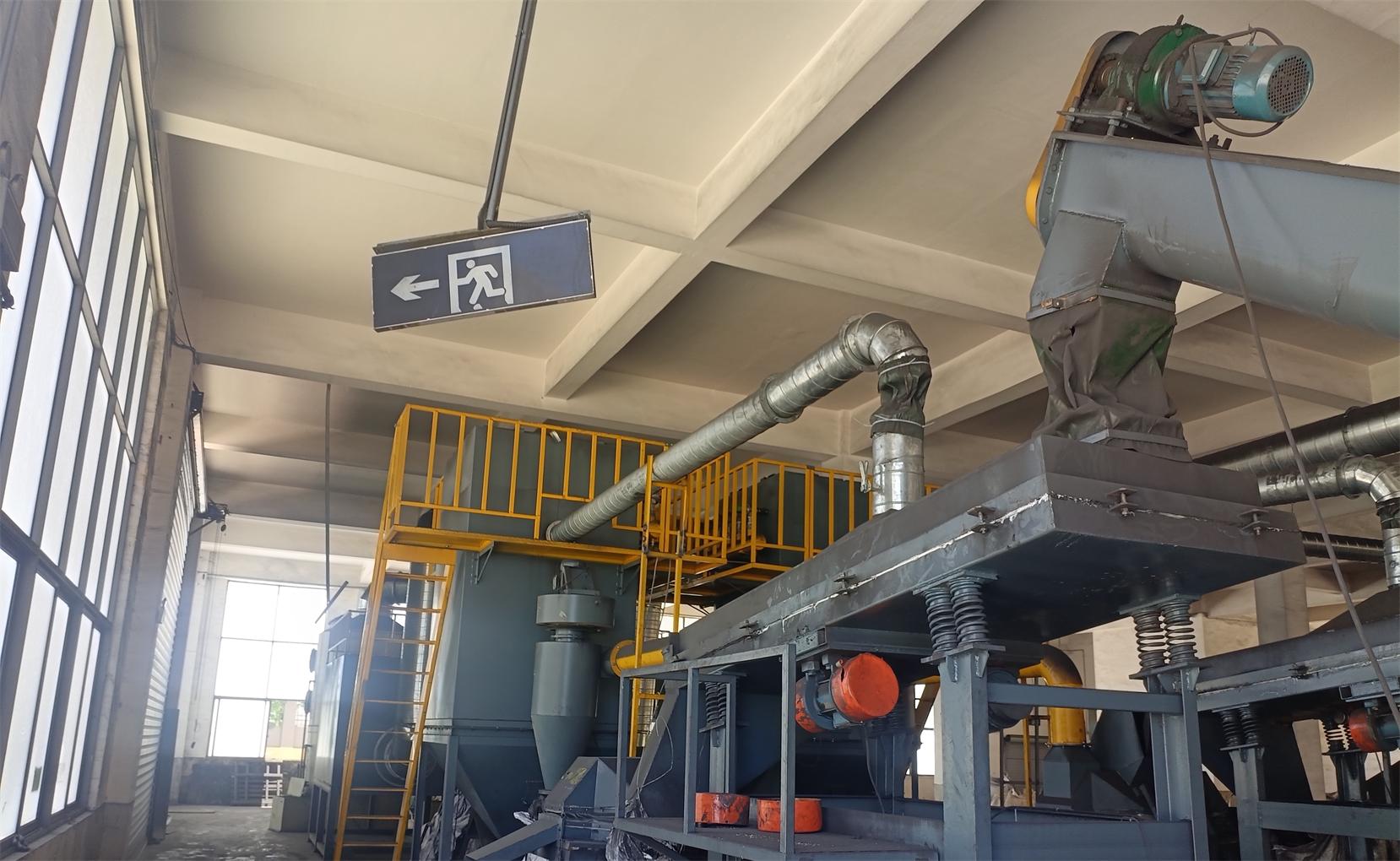
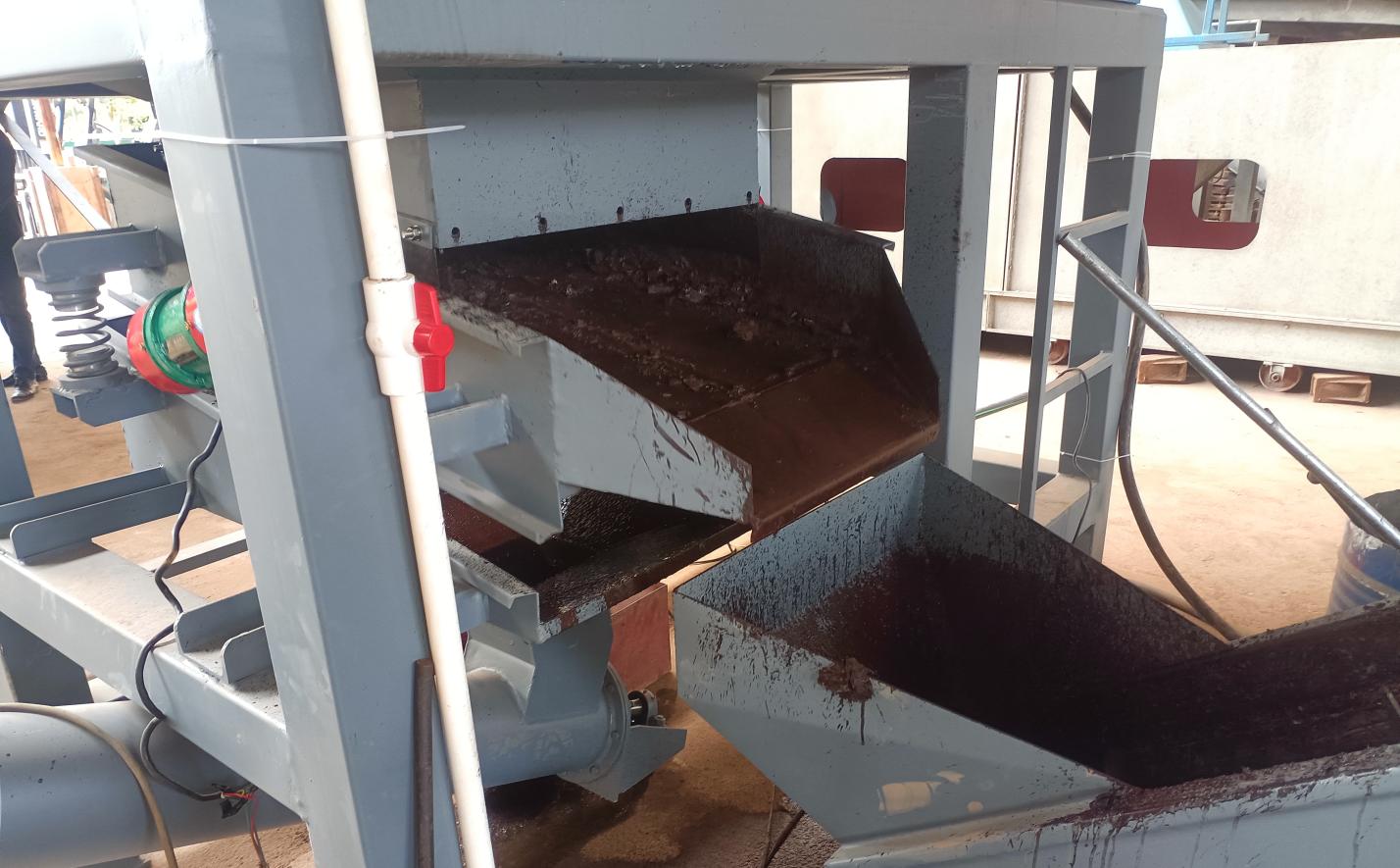
After discharge, batteries enter a pre-crushing stage where they are shredded into smaller pieces. Secondary granulation further reduces particle size. Magnetic separation removes iron and steel. Air classification and screening separate light plastics from heavier metal fractions. The critical output is black mass, a powder containing valuable metals, which is then sent for hydrometallurgical refining.
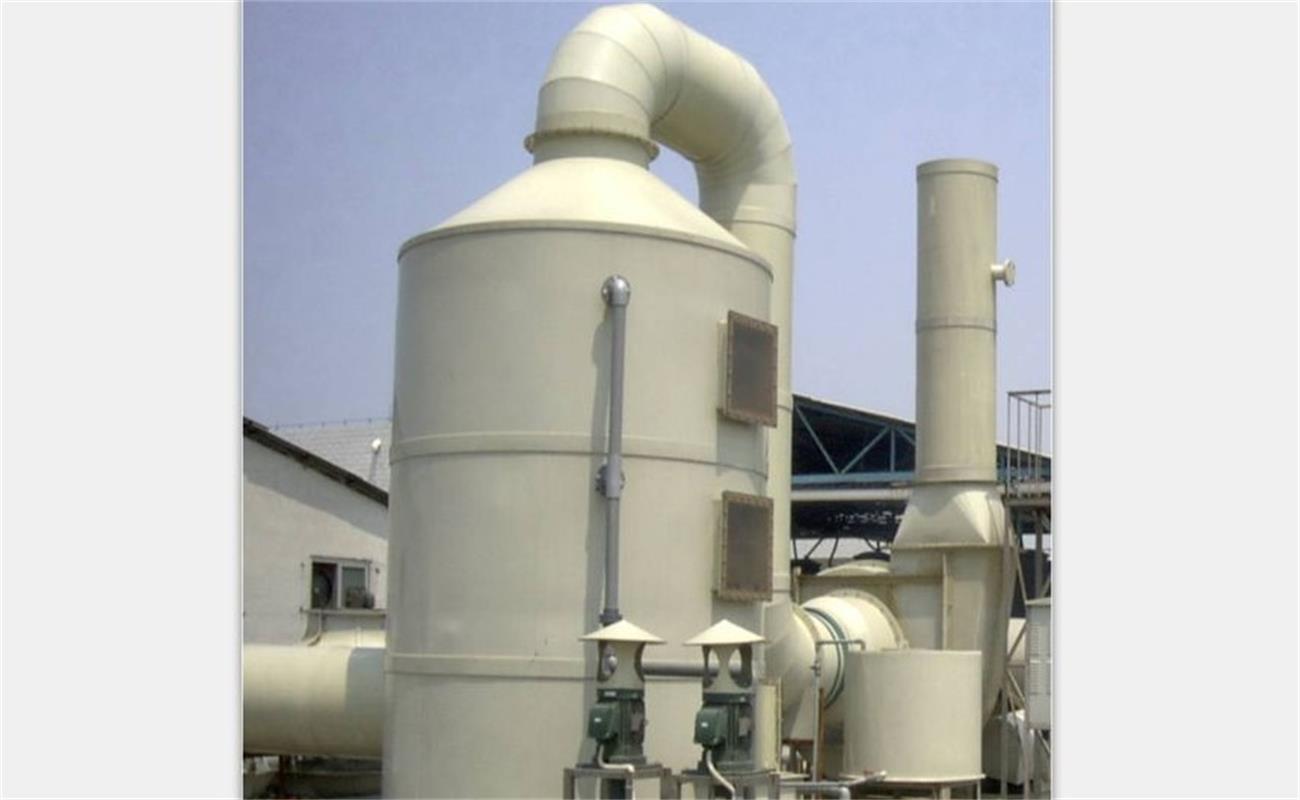
Environmental control is essential. Crushing lithium batteries releases electrolyte vapors and fluorine compounds. A properly designed air pollution control system absorbs and neutralizes these emissions before they reach the atmosphere. Plastic separator films can be pneumatically conveyed and compressed into briquettes with a 10:1 volume reduction ratio, simplifying storage and transport.
Lead Acid Battery Recycling: A Proven Revenue Model
Lead acid battery recycling has been practiced for decades, and the economics are well understood. A typical used lead acid battery contains about 60% lead by weight, along with plastic casings and sulfuric acid electrolyte. The high lead content and established market make this one of the most straightforward recycling businesses to operate.
The standard process starts with cutting or breaking the batteries. Acid is drained and neutralized. Plastic shells are washed and pelletized for reuse. Lead grids are cleaned and melted. Lead paste undergoes desulfurization to reduce melting temperature and sulfur dioxide emissions, then goes to a rotary furnace or blast furnace for reduction.
A rotary furnace for paste reduction can process 2 to 20 metric tons per batch with higher recovery rates than traditional blast furnaces. Blast furnaces, meanwhile, operate continuously at up to 1,800 degrees Celsius with capacities of 40 to 100 metric tons per day and lead recovery rates around 95%. The final refining step uses a kettle furnace to bring crude lead to battery-grade purity of 99.999%. Electric heated refinery kettles using near-infrared technology can save 30% to 50% on energy compared to fuel-fired alternatives.
Diversify into E-Waste for Multiple Revenue Streams
Successful recycling businesses rarely rely on a single feedstock. Electronic waste contains valuable metals in concentrated forms that make recovery highly profitable. Adding complementary recycling lines can smooth revenue fluctuations and maximize facility utilization.
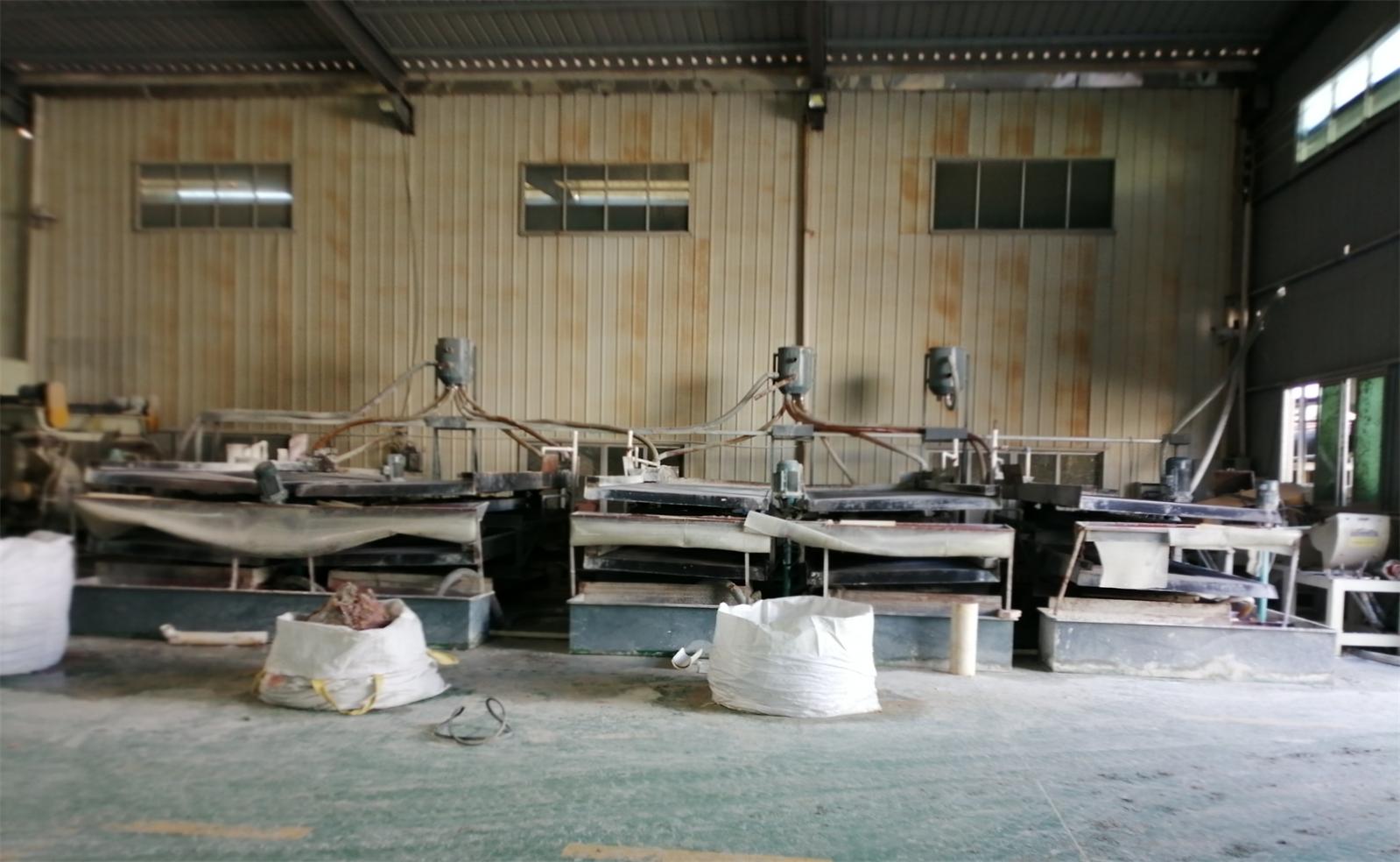
Printed circuit boards from discarded electronics contain copper, gold, silver, and palladium. A circuit board recycling plant with air separation can process 1,000 to 2,000 kg per hour, achieving copper powder purity of 96% to 98% with recovery rates near 95%. Wet separation alternatives can handle PCB waste still carrying electronic components, offering flexibility in feedstock sourcing.
Scrap cables are another excellent feedstock. Copper and aluminum prices have remained strong, and cable recycling requires relatively simple mechanical separation. Granulators with dry separators can process various cable types, from fine communication wires to thick power cables, producing clean metal granules ready for smelters.
Other profitable e-waste streams include refrigerator and air conditioner recycling, which extracts refrigerants for safe handling and recovers iron, copper, aluminum, and plastics. CRT monitor cutting and lamp recycling capture glass, phosphor powder, and mercury for environmentally safe disposal. Even electric motors can be dismantled to recover copper windings from stator cores.
What to Look for in a Recycling Equipment Supplier
Choosing the right equipment partner can make the difference between a struggling startup and a thriving recycling operation. Here are critical factors to evaluate before making your investment.
Technical Experience: Recycling machinery must withstand abrasive materials, corrosive chemicals, and continuous operation. Look for suppliers with deep engineering expertise. A technical team with master's degrees in mechanical engineering and over 15 years of hands-on experience in e-waste recycling machines can design equipment that lasts.
EPC Capability: Engineering, procurement, and construction experience matters. Building a recycling plant involves more than buying machines. You need layout design, utility integration, installation, and commissioning. A supplier offering turnkey solutions saves time and reduces coordination headaches.
Custom Design: No two recycling operations are identical. Feedstock composition, local regulations, available space, and target capacity all vary. The ability to customize plant design to your specific conditions ensures optimal performance and compliance.
After-Sales Support: Downtime in recycling operations means lost revenue. Ensure your supplier offers spare parts availability, remote technical support, and on-site service when needed.
Global References: A supplier with installations across diverse markets has proven their equipment works under different conditions. Look for customer footprints spanning Asia, Africa, Latin America, the Middle East, and beyond.
Getting Started: Practical Steps
If you are considering entering the battery recycling business, start with a clear assessment of your local market. Identify available feedstock sources, understand regional environmental regulations, and estimate your potential output volumes.
Next, define your initial scope. Many successful operators begin with one battery type or e-waste stream, then expand as cash flow stabilizes. A modular approach lets you prove your business model before committing to larger capital expenditures.
Site selection is critical. You need adequate space for receiving, storage, processing, and warehousing finished products. Utility requirements include reliable power, water for wet separation processes or acid neutralization, and proper wastewater treatment. Air pollution control systems must meet local emission standards.
Finally, secure your supply chain for both inputs and outputs. Reliable sources of used batteries or scrap electronics ensure consistent production. Equally important are buyers for your recovered materials, whether lead ingots, copper granules, black mass, or plastic pellets. Some equipment suppliers can even help connect you with raw material suppliers and product buyers, shortening your path to profitability.
Ready to explore your recycling equipment options? San Lan Technologies has been manufacturing e-waste recycling machinery since 2007, serving customers in over 21 countries. From lithium battery recycling plants to lead acid battery recycling equipment, circuit board separators, and cable recycling equipment, we provide customized solutions backed by technical expertise and global project experience. Contact our team today to discuss your project requirements and receive a tailored proposal.