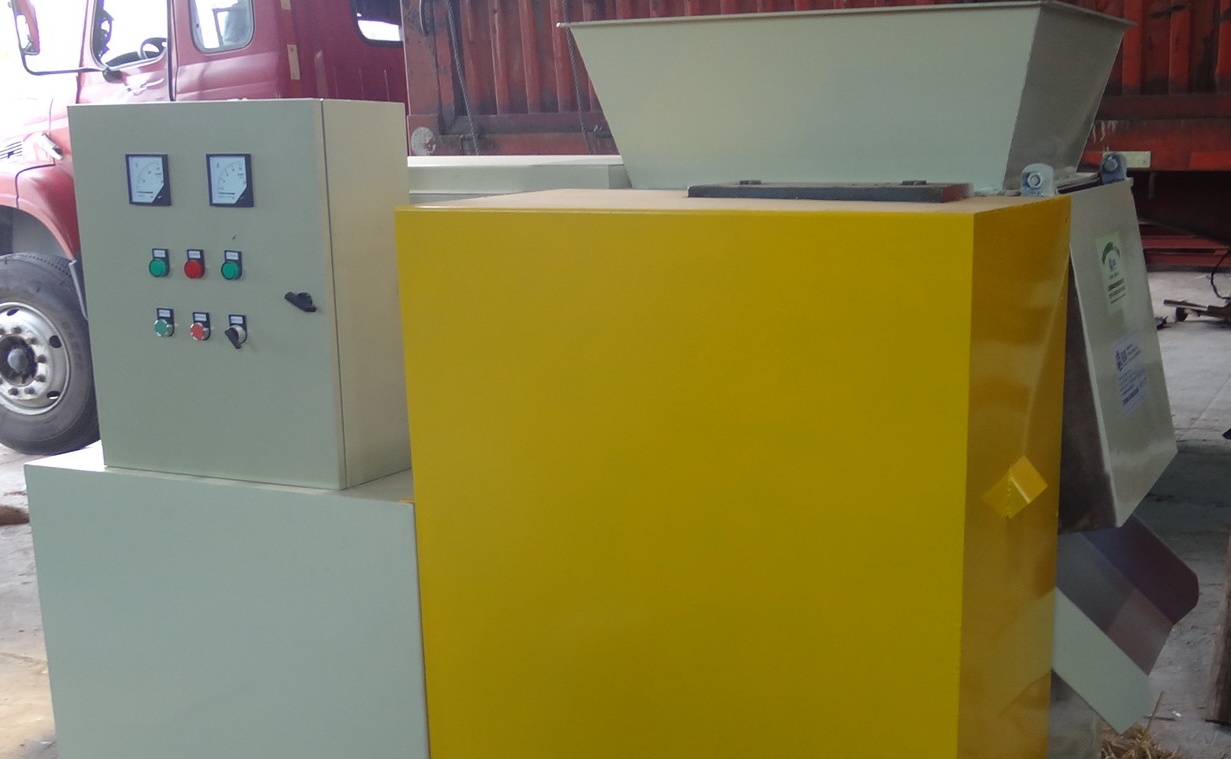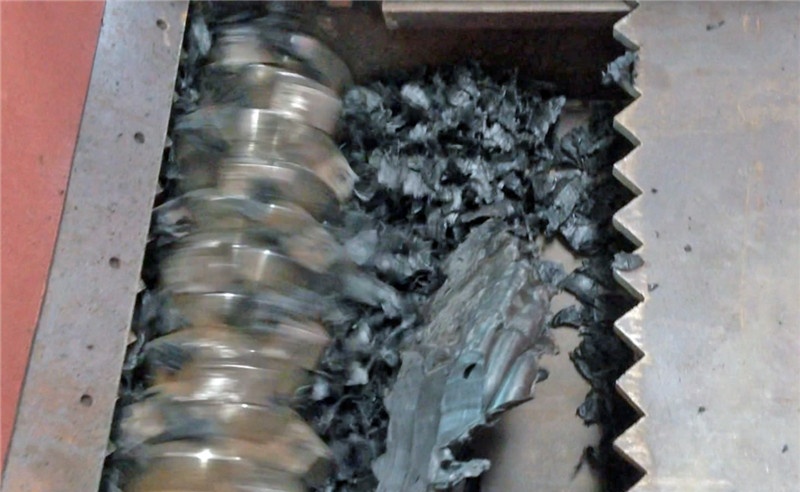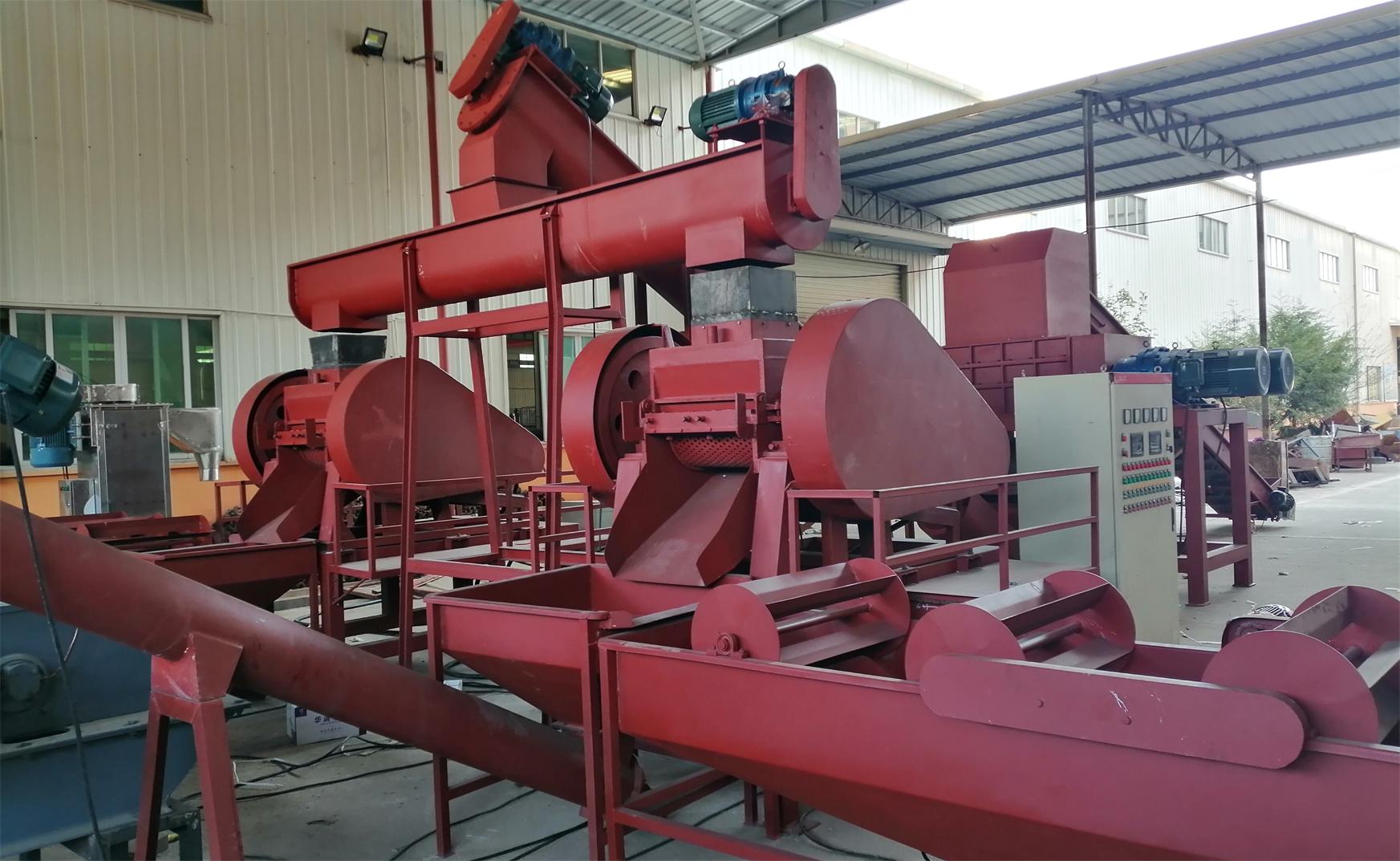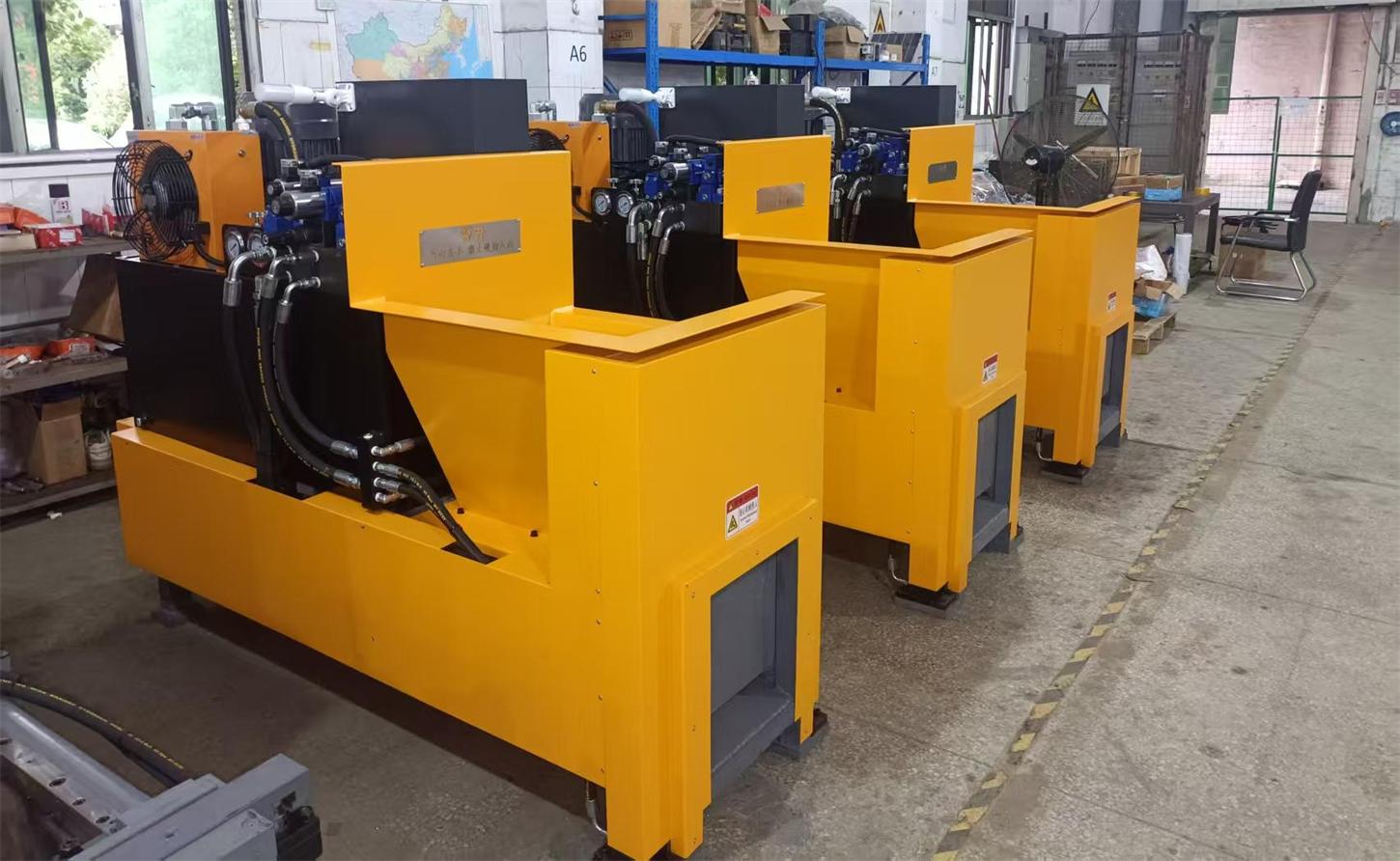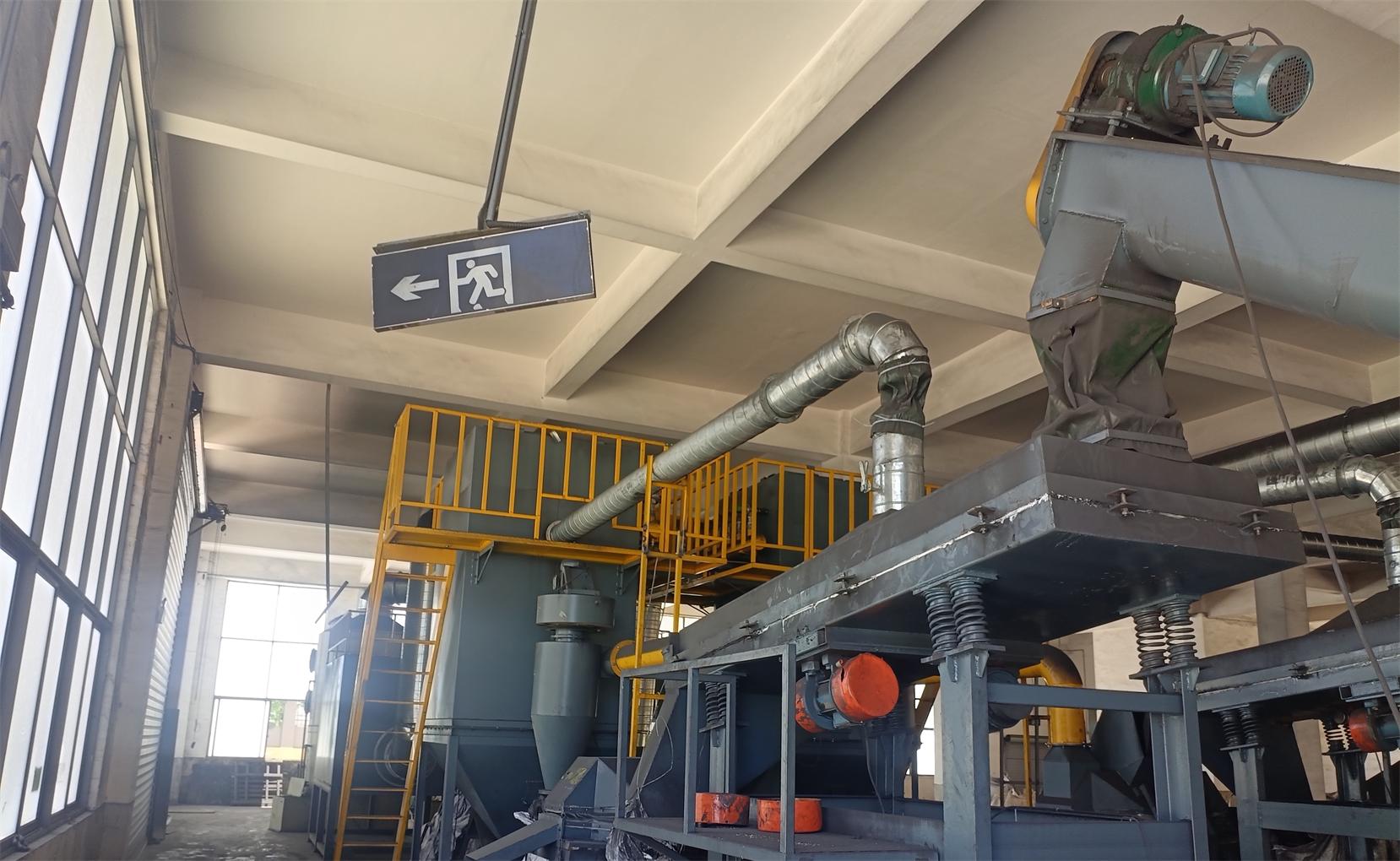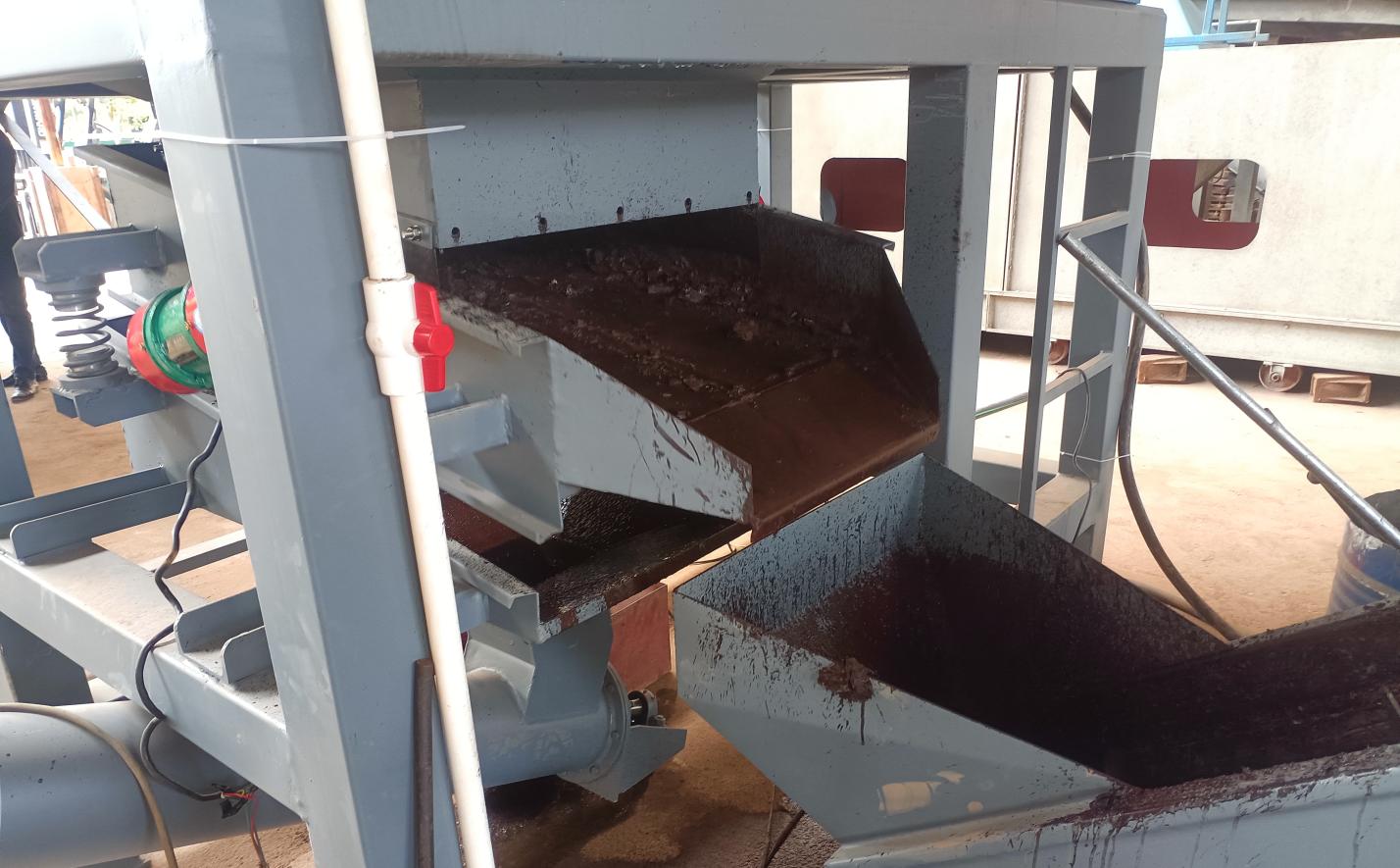
You know what's fascinating about those industrial workhorses - electric motors? Inside every worn-out motor lies valuable copper and steel just waiting for a second life. But here's the million-dollar question: how do we extract these precious metals without turning half into worthless dust? That's where the real hero comes in – the motor stator cutter. This clever piece of equipment does something amazing: slices through tough motor stators like a hot knife through butter while keeping nearly all the valuable materials intact. Let's peel back the layers and see what makes these machines tick.
Picture an old factory floor stacked with retired electric motor recycling machines . Each motor's heart contains a stator – that tightly wound coil of copper wire wrapped around steel laminations. This combo is tough enough to survive years of industrial punishment, which makes recovering the materials incredibly challenging. Traditional methods like hammering or shredding just pulverize everything together, turning valuable copper into contaminated scrap. Worse, up to 35% gets lost as unrecoverable waste – a total nightmare economically and environmentally.
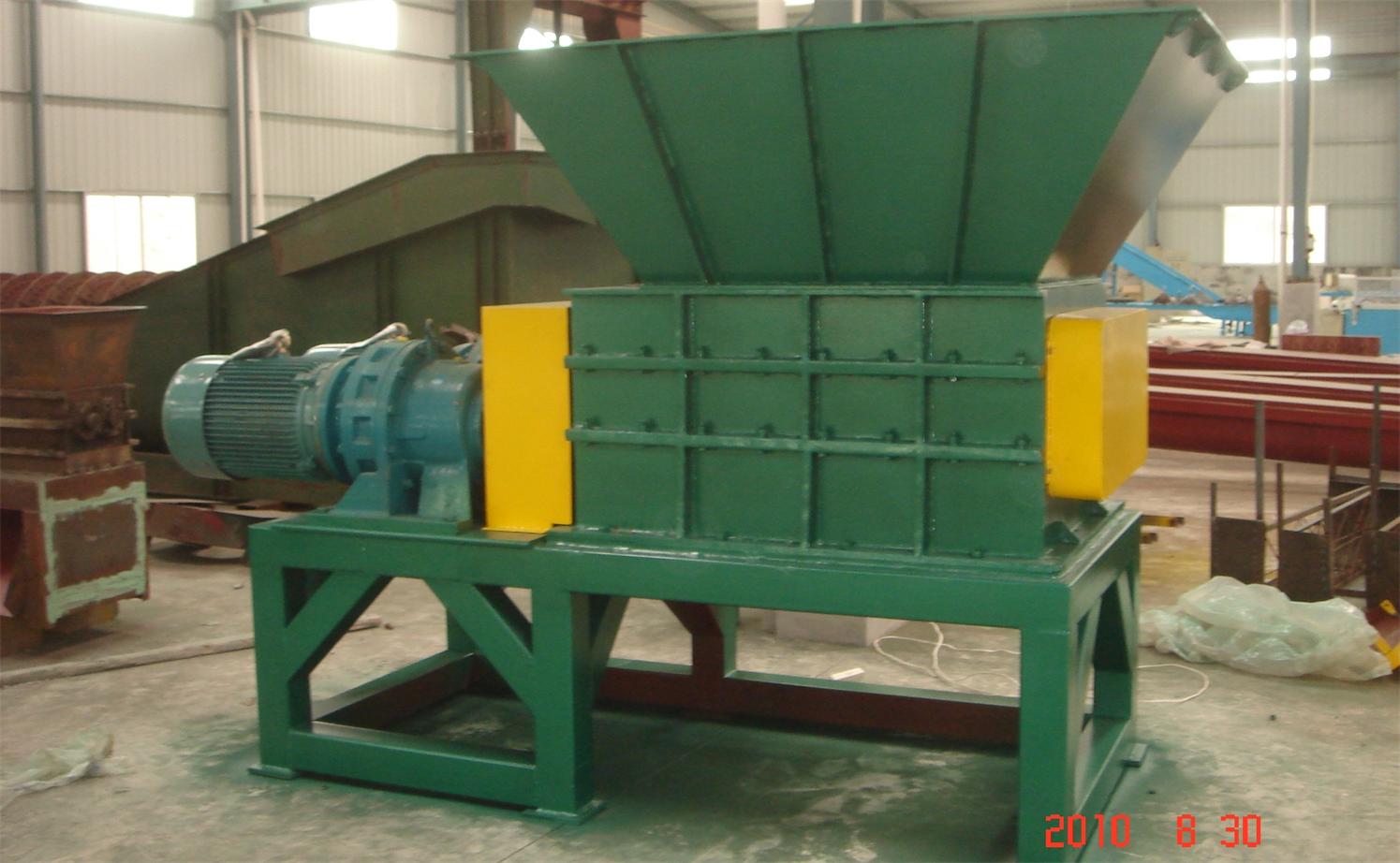
Enter the motor stator recycling machine . Instead of brute force, it uses surgical precision. Imagine dismantling a watch with a sledgehammer versus a precision screwdriver. That's the difference these specialized cutters make. They're designed to surgically separate materials rather than smash them into oblivion. For recyclers processing tons of motors monthly, this precision translates directly to profit – more recovered copper, less waste disposal, and purer materials that command premium prices.
The magic happens through an intelligent combination of three key systems:
1. Guided Force Application
Instead of random impacts, hydraulic rams exert controlled pressure on specially shaped blades that slide between copper windings and steel cores like a key in a lock. Pressure sensors feed real-time data to the control system, adjusting force millimeter-by-millimeter to match material resistance.
2. Adaptive Blade Technology
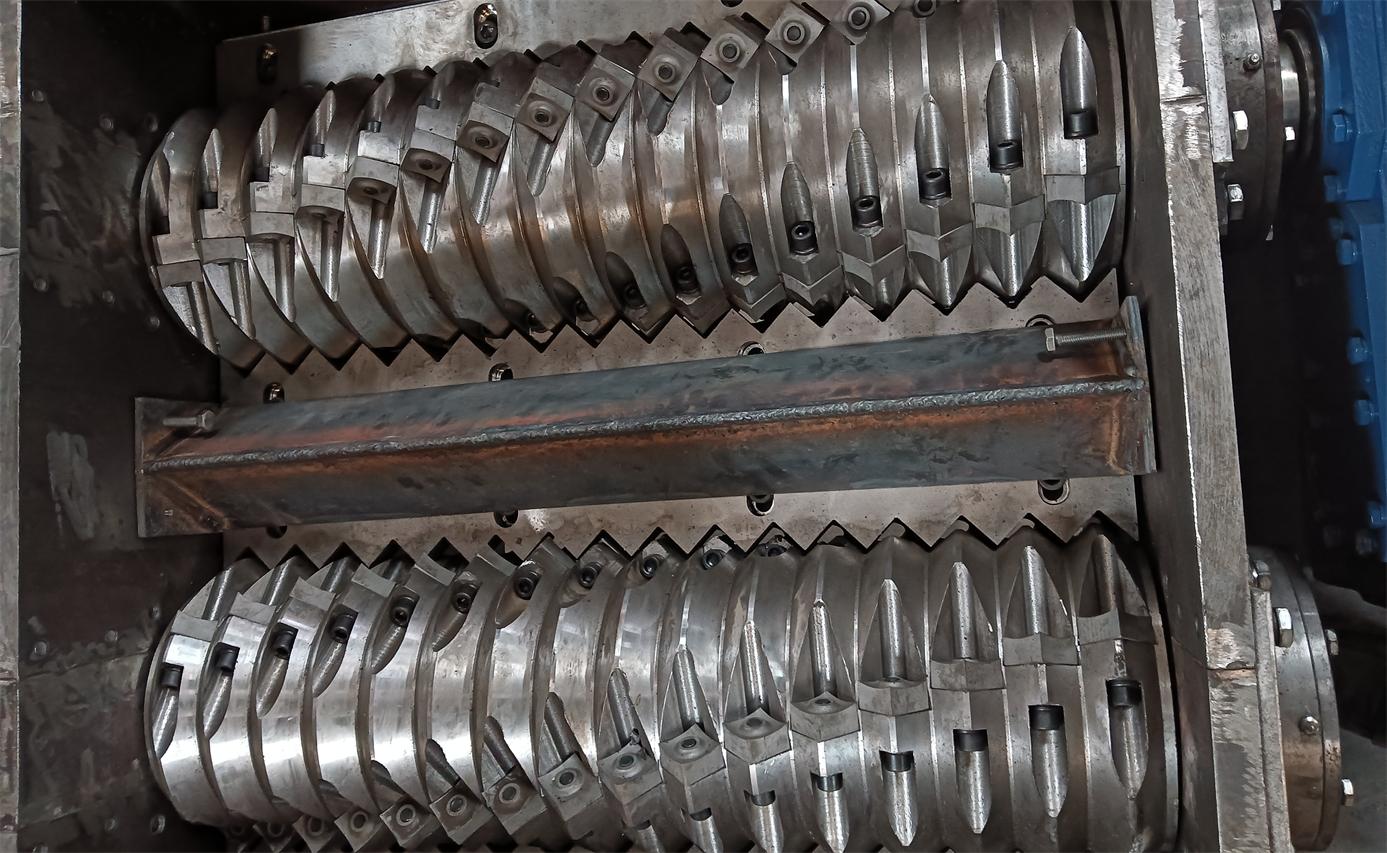
Custom carbide-tipped blades aren't just tough – they're clever. Angled cutting edges create shearing forces that cleanly separate copper from steel without tearing. Self-sharpening designs maintain razor edges through thousands of cuts, while replaceable inserts handle different stator sizes from small appliances to industrial beasts.
3. Vibration Damping
Ever notice how a shaky hand ruins precise work? These machines have multi-stage shock absorbers: rubber-isolated mounts for the main frame, hydraulic dampers on the cutting head, and even counterweight systems that neutralize vibrations during the cutting stroke. Result? Blade stays dead-on-target.
Here's how these systems outperform traditional methods:
| Performance Metric | Traditional Hammering | Industrial Shredder | Stator Cutter System |
|---|---|---|---|
| Copper Recovery Rate | 55-65% | 70-78% | 92-97% |
| Material Contamination | High (steel fragments) | Moderate (plastic residue) | Minimal (clean separation) |
| Energy Consumption | Low | Very High | Moderate |
| Downstream Processing | Needs intensive sorting | Requires air separation | Direct furnace-ready |
Every percentage point of preserved copper matters. Modern motor stator recycle machines achieve up to 97% material recovery through:
Micro-Tolerance Design: Cutting paths are calibrated within 0.1mm accuracy – tighter than a human hair. This minimizes copper shavings and prevents valuable material becoming "swarf" (those tiny metal curls that are impossible to recover).
Operational sequencing also prevents loss. Instead of one violent action, the process has stages:
- Precision Positioning: Lasers map stator dimensions
- Controlled Entry: Blades insert without crushing
- Graded Pressure: Force increases as resistance changes
- Clean Release: Separated components exit without remixing
Consider this: a typical industrial motor stator contains 8-15kg of copper. Traditional recovery loses 3-5kg per stator. With current copper prices around $9/kg, that's $27-$45 literally turning to dust. Over hundreds of motors? That vanishing act could bankrupt a recycling operation.
Here's where the ecosystem shines. After the cutter does its meticulous work, the recovered metals feed into industrial melting furnace systems. Because the cutter delivers clean, separated materials:
- Copper goes straight into induction furnaces without pre-sorting
- Steel laminations are stackable for efficient smelting
- No plastics or contaminants means cleaner molten metal
This efficient handoff demonstrates why top recyclers view electric motor recycling machine for sale as interconnected systems. Just like a bakery needs both a great oven and quality ingredients, these processors need both precision cutting and efficient melting to maximize value from every ton of scrap.
Even with amazing engineering, the human element remains crucial. Advanced motor stator recycling machines feature:
Adaptive Intelligence
Operators input motor type, and AI systems calculate optimal blade angles, pressure curves, and cycle times. When handling an automotive starter motor versus a giant HVAC motor, these adjustments happen automatically.
Failure Prediction
Sensors monitor blade wear and hydraulic pressure changes, alerting technicians before breakdowns occur. Anomalies in cut-time trigger maintenance checks – preventing costly stator jams.
Real-time data dashboards show operators exactly what's happening inside the cutting chamber. A flickering pressure gauge might indicate hardened resin build-up needing attention. Slowly increasing cycle times signal blade wear before quality suffers. This marriage of mechanical precision and digital intelligence transforms material recovery from an art into a repeatable science.
Let's crunch numbers on why this technology matters:
| Cost Factor | Traditional Processing | Stator Cutter System |
|---|---|---|
| Material Loss (per ton) | $380-$420 | $50-$70 |
| Downstream Sorting | $85/ton | $15/ton |
| Furnace Efficiency Gain | Base Level | +18% yield |
| Resale Premium (copper) | Scrap Price | +5-7% (cleaner material) |
For a mid-sized processor handling 500 tons annually, that adds up to $200,000+ in preserved value - easily justifying equipment investment within 18-24 months. The technology pays for itself not through speed, but through its near-magical ability to turn what was waste into saleable product.
The next generation already shows exciting advances:
- Ceramic-Composite Blades: Utilizing material science from the aerospace industry for blades that self-diagnose micro-fractures and last 3x longer than current carbide designs
- Machine Learning Optimization: Systems that compare every cut to historical data, continuously refining parameters for each motor type. One facility reduced blade replacements by 40% using adaptive learning.
- Closed-Loop Material Flow: Designs where copper exits straight into continuous casting systems, bypassing intermediate handling where losses occur
As motor stator recycling machines get smarter, their potential grows. Future systems might handle everything from tiny drone motors to ship engine components using the same core technology – maintaining that crucial balance of precision and preservation regardless of scale.
So when you see those huge industrial electric motor recycling machines humming in scrapyards, remember – the real magic isn't in their imposing size. It's in the microscopic precision happening inside. That ability to slice through hardened industrial components while gently preserving their valuable essence represents manufacturing's best traditions: part mechanical mastery, part economic alchemy, and completely essential to the sustainable reuse of our world's resources.