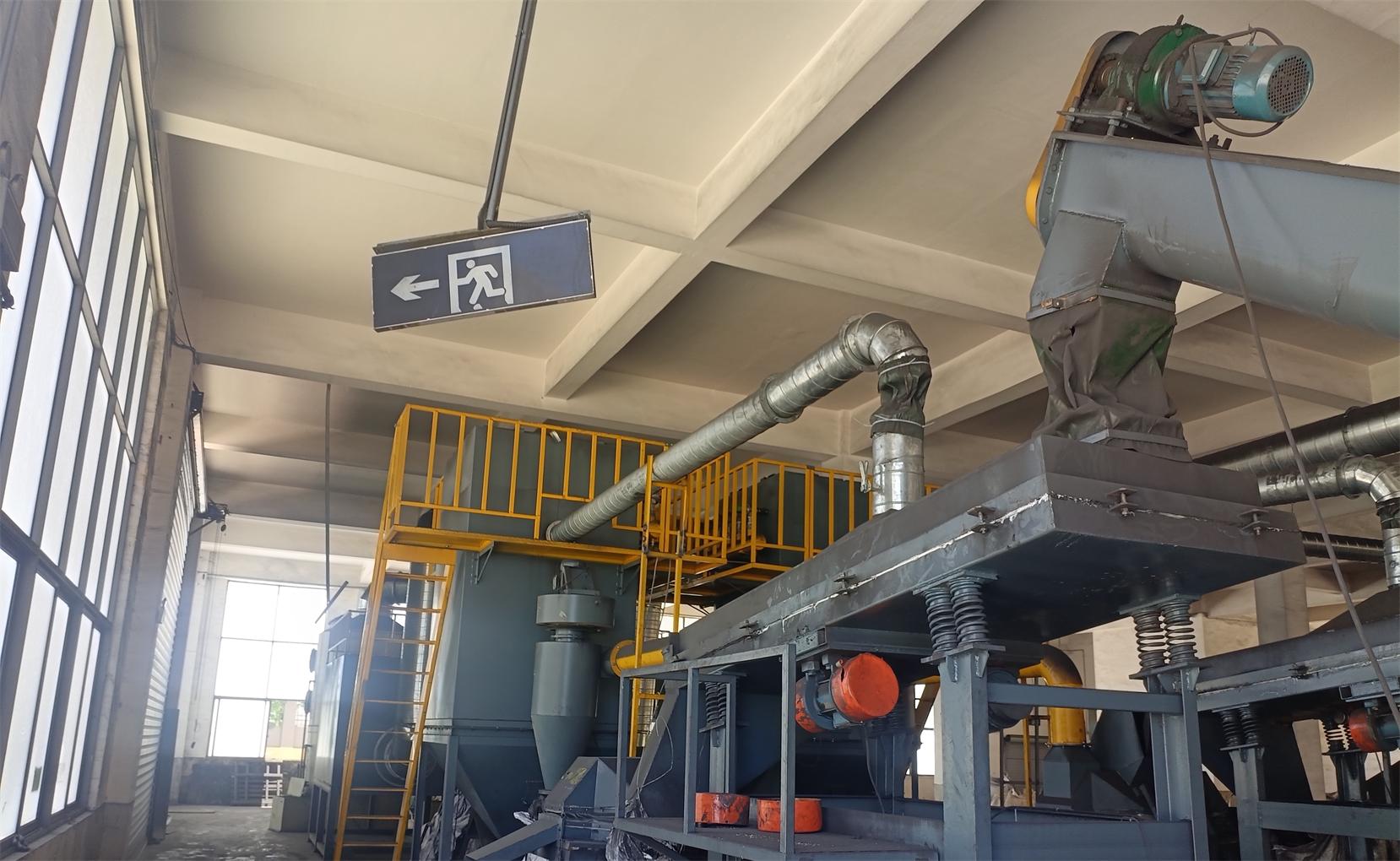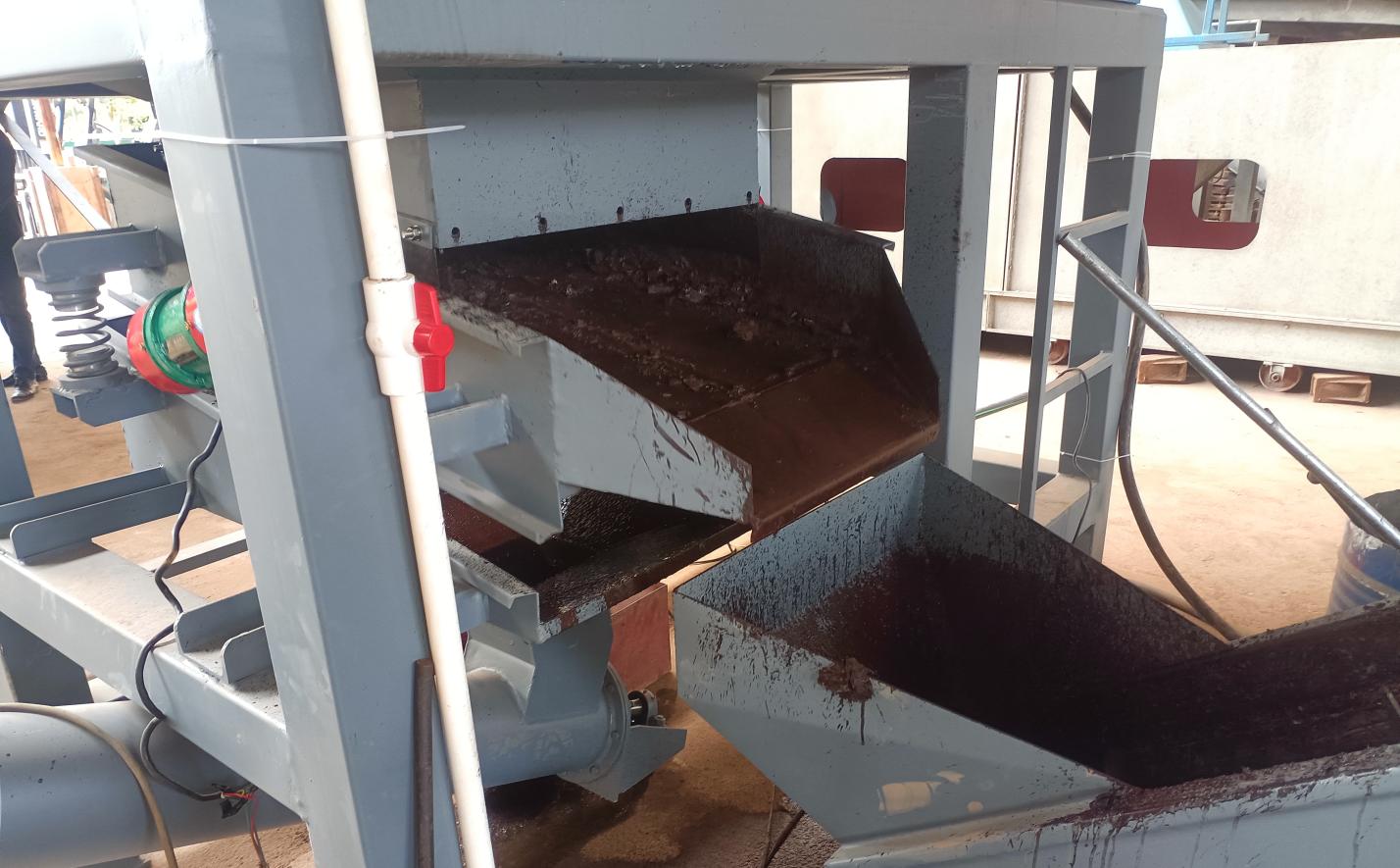
Ever picked up an old car battery and wondered what happens to it after you drop it off at a recycling center? Chances are, it ends up in a facility where a lead refiner machine equipment takes center stage. These unsung heroes of recycling turn scrap lead—from batteries, old electronics, and industrial waste—into pure, reusable metal that goes back into making new products like car batteries, pipes, or even radiation shields. But how exactly do these machines work? And why is "contactless metal melting" such a big deal in making the process efficient and safe?
Let’s dive in. Whether you’re curious about the recycling process or just want to understand the tech that keeps our planet greener, we’ll break down the lead refining journey step by step—no confusing jargon, just plain talk about how scrap becomes something useful again.
First Things First: Why Lead Refining Matters
Lead is one of the most recycled metals on Earth, and for good reason. It’s dense, durable, and easy to melt, but it’s also toxic if not handled properly. When old lead-acid batteries (the kind in cars and trucks) end up in landfills, they leak acid and lead into soil and water, posing serious health risks to humans and wildlife. That’s where lead refineries step in: they recover 99% of the lead from scrap, keeping it out of landfills and reducing the need to mine new lead ore (which is energy-heavy and environmentally damaging).
But here’s the kicker: refining lead isn’t just about melting it down. Scrap lead is often mixed with other materials—like sulfur from battery acid, or bits of plastic and metal from old electronics. A lead refiner’s job is to separate these impurities, purify the lead, and turn it into a form that manufacturers can use again. And modern refiners do this with a focus on two key goals: efficiency (processing more scrap faster) and safety (minimizing human contact with toxic materials).
The Star of the Show: Lead Refiner Machine Equipment
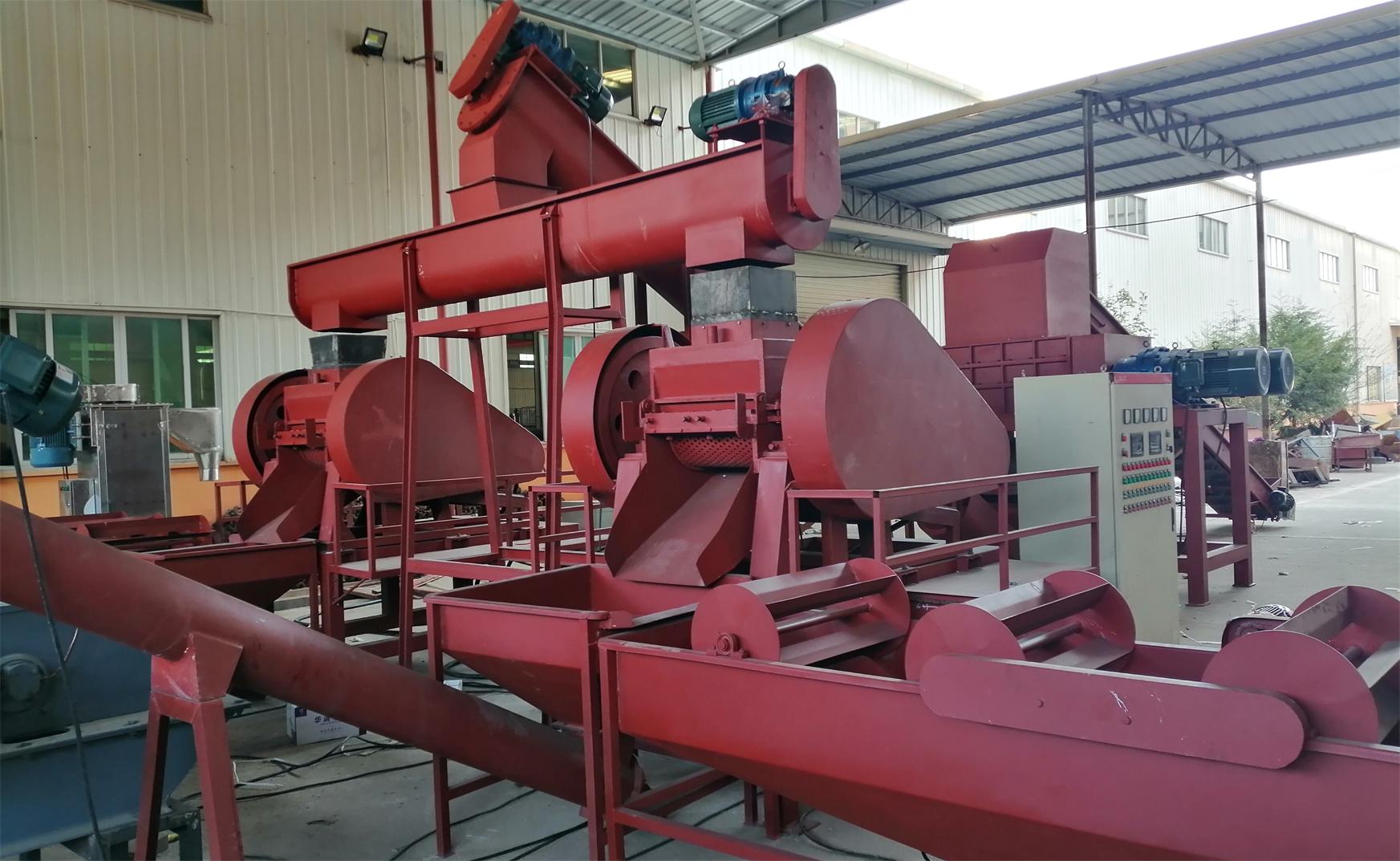
A lead refiner machine equipment isn’t just one tool—it’s a system of interconnected machines working together to turn messy scrap into clean, pure lead. Think of it like a kitchen: you need a chopping board (preprocessing), a stove (melting), a strainer (purification), and a mold (casting). Each part has a specific job, and when they work in sync, the result is high-quality lead ready for reuse.
Let’s walk through the process step by step, starting with the scrap that arrives at the facility.
Step 1: Preprocessing – Cleaning Up the Scrap
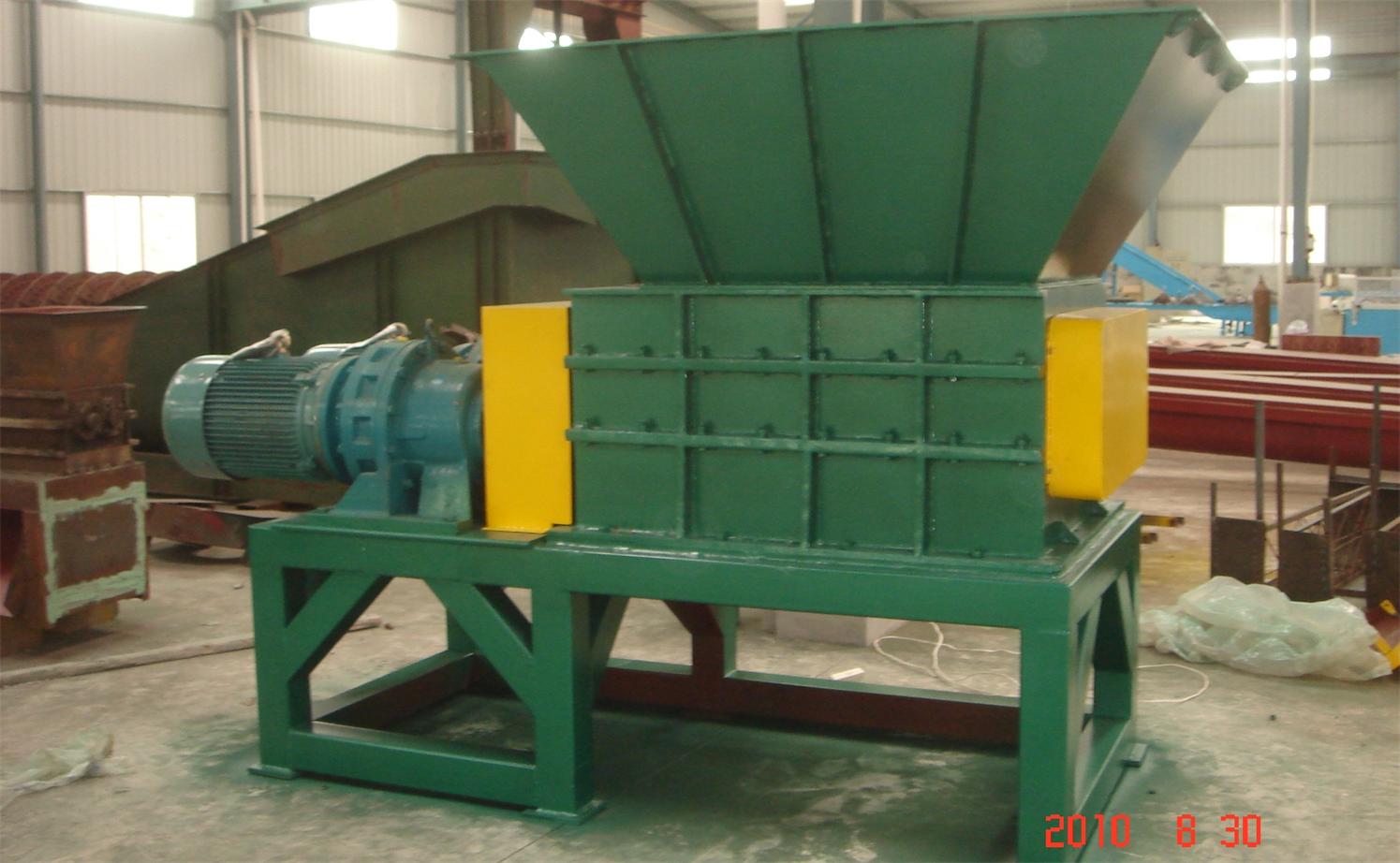
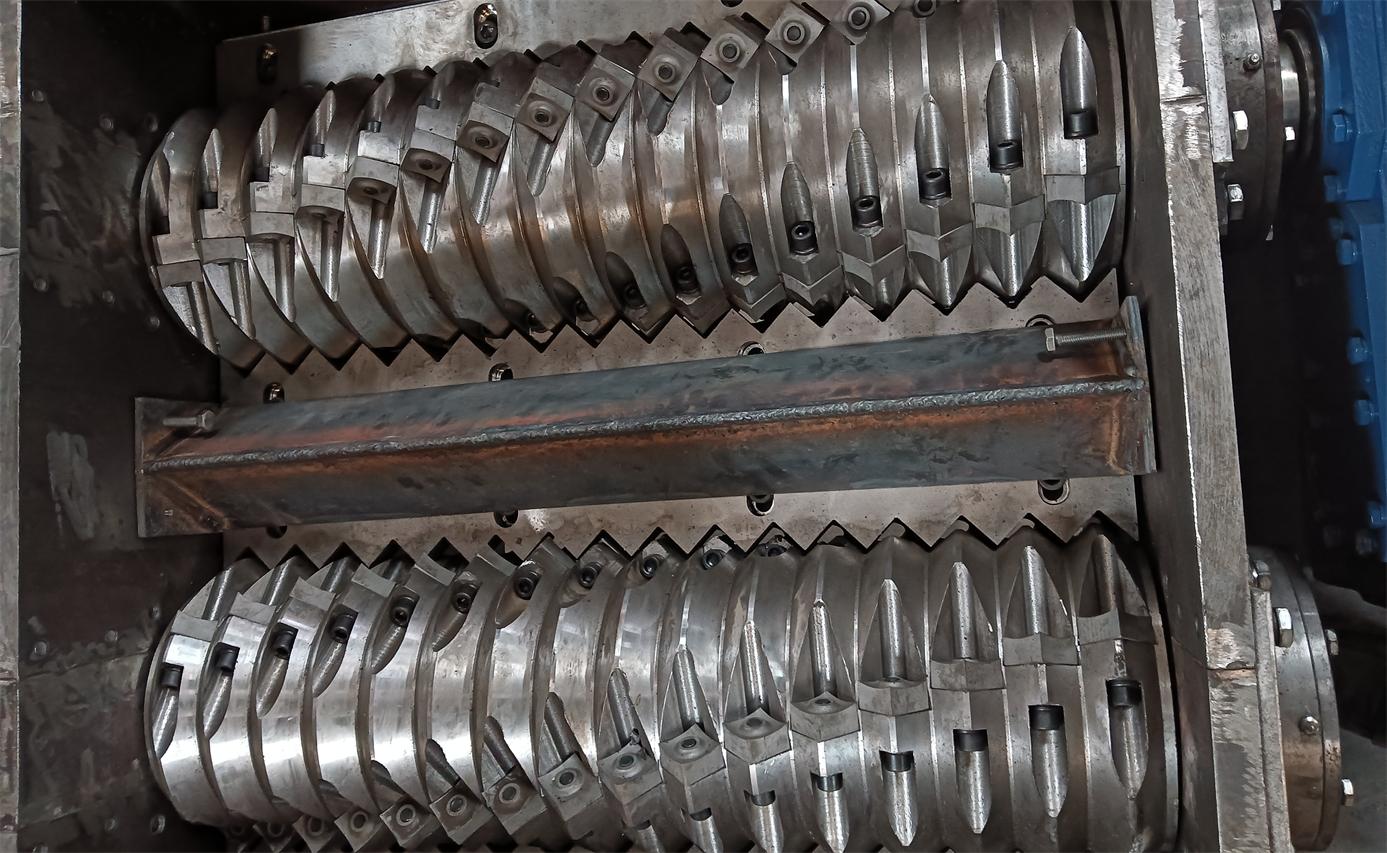
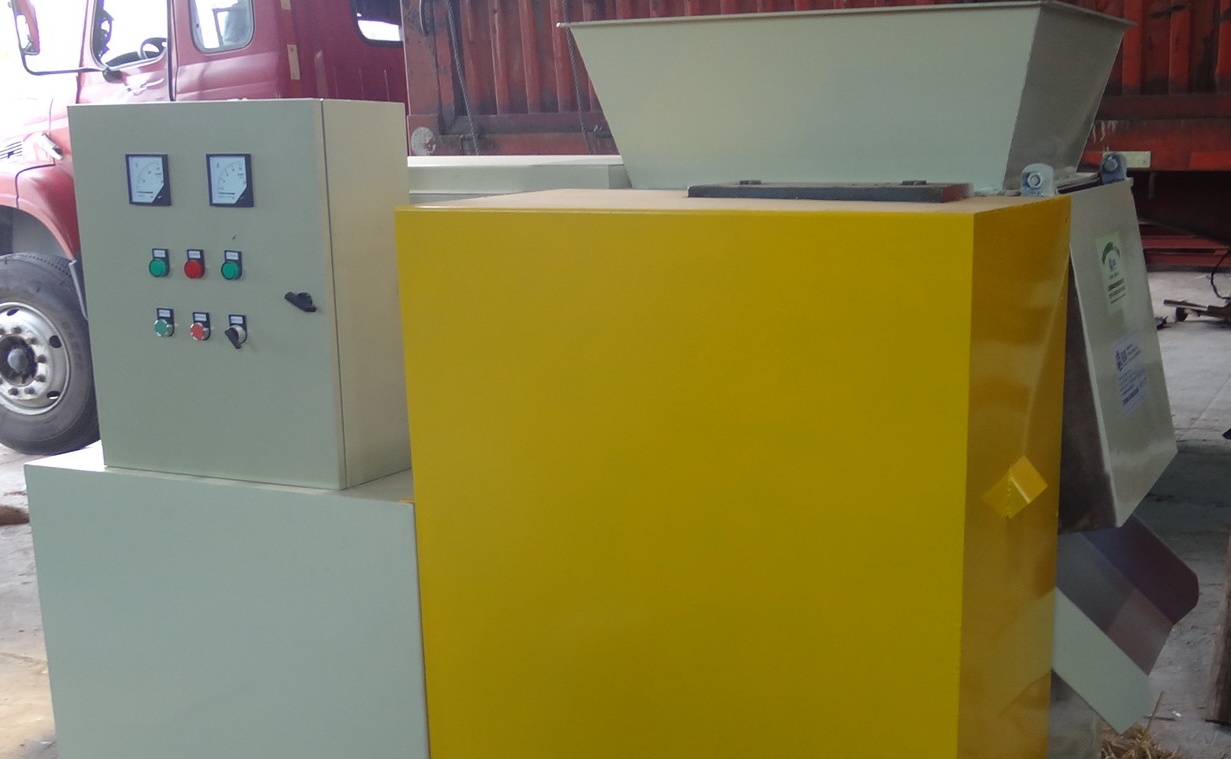
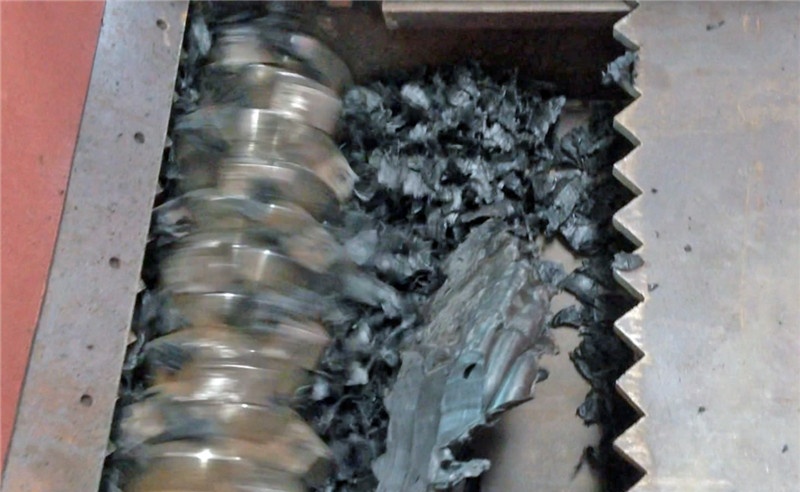
Before the lead even touches a furnace, it needs a good "cleanup." Most scrap lead comes from lead-acid batteries, which are packed with plastic casings, acid, and metal plates. To get to the lead, the first step is to break down these batteries—a job handled by lead acid battery recycling equipment. These machines use crushers and separators to tear apart the battery casings, separate the plastic (which gets recycled separately), and collect the lead plates and acid.
Here’s how it works: The battery is fed into a rotating drum or hydraulic cutter, which smashes the plastic casing into small pieces. Then, a separator uses water or air to sift out the plastic from the lead plates and acid. The acid is neutralized (turned into harmless water and salt) or recycled, while the lead plates are collected into a pile—ready for the next step. It’s like peeling a banana before eating it: you remove the inedible part to get to the good stuff.
Key Point: Preprocessing isn’t just about efficiency—it’s about safety. By removing plastic and acid first, we reduce the risk of toxic fumes during melting and make the lead easier to purify later.
Step 2: De-Sulfurization – Removing the "Bad Stuff"
Now that we have lead plates, there’s still a problem: they’re covered in sulfur. When lead sits in battery acid (which is sulfuric acid), it forms lead sulfate—a compound that’s hard to melt and makes the lead brittle. To fix this, we use de-sulfurization machines equipment. Think of this step as giving the lead a "detox" to remove sulfur impurities.
De-sulfurization works by heating the lead plates in a furnace (not the main melting furnace yet!) and adding chemicals like sodium carbonate or calcium oxide. These chemicals react with the sulfur to form a slag—a thick, glassy layer that floats on top of the lead. The slag is scraped off, leaving behind cleaner lead. It’s similar to skimming the foam off the top of a pot of boiling soup: you remove the unwanted layer to make the broth clearer.
Why does this matter? Sulfur makes lead weak and prone to cracking, which is bad for products like car batteries that need to last for years. By removing sulfur early, we ensure the final lead is strong and pure.
Step 3: Melting – The Heart of Lead Refining (And Where "Contactless" Shines)
Now comes the main event: melting the lead. This is where the lead refiner machine equipment really shows off, especially with contactless metal melting tech. Traditional furnaces use fuel (like coal or gas) to heat a container, which then heats the lead through direct contact. But modern systems—like the medium frequency electricity furnace equipment—use a smarter, safer method: electromagnetic induction.
Here’s how it works: The furnace is a large coil of copper wire wrapped around a ceramic or graphite crucible (the container that holds the lead). When electricity runs through the coil, it creates a high-frequency magnetic field. This field "induces" electrical currents inside the lead itself, making the lead heat up from the inside out—no direct contact with a flame or hot surface needed. It’s like how a microwave heats food: the energy goes straight into the food (or in this case, the lead), heating it quickly and evenly without heating the container first.
Why is this better? For starters, it’s faster. Induction heating can melt lead in minutes, compared to hours with traditional furnaces. It’s also safer: since there’s no open flame, the risk of fires or toxic fumes (from burning fuel) is lower. Plus, it’s more precise—you can control the temperature down to the degree, which is crucial for separating impurities that melt at different temperatures than lead.
But induction furnaces aren’t the only game in town. Some facilities still use blast (cupola) furnace for lead battery recycling plant. These are large, vertical furnaces that burn coke (a type of coal) to generate heat. The lead is loaded into the top, and as it falls through the furnace, it melts and collects at the bottom. While blast furnaces are cheaper to run, they’re slower and less precise than induction furnaces—and they rely on direct contact with fuel, which can introduce impurities into the lead.
To help you compare, here’s a quick breakdown of the two furnace types:
| Feature | Medium Frequency Electricity Furnace | Blast (Cupola) Furnace |
|---|---|---|
| Heating Method | Electromagnetic induction (contactless) | Combustion of coke (direct contact with fuel) |
| Melting Time | Fast (minutes to hours, depending on batch size) | Slow (hours to a full day) |
| Temperature Control | Highly precise (adjustable to ±5°C) | Less precise (varies with fuel quality) |
| Energy Efficiency | High (most energy goes into melting lead) | Moderate (some energy lost as heat to the air) |
| Impurity Risk | Low (no contact with fuel or contaminants) | Higher (fuel ash can mix with lead) |
| Best For | Large-scale, high-purity recycling | Smaller operations, lower-cost projects |
For most modern facilities aiming for efficiency and "contactless" melting, the medium frequency electricity furnace is the top choice. It’s like choosing a convection oven over a campfire: both cook food, but one is faster, cleaner, and easier to control.
Step 4: Refining – Making the Lead "Pure as Gold"
Melting turns the lead into a liquid, but there are still tiny impurities mixed in—like copper, tin, or antimony. These metals can make the lead too soft or too brittle, so they need to be removed. This is where the "refining" in lead refiner machine equipment comes in.
The process starts with skimming: as the molten lead sits in the furnace, some impurities (like copper) rise to the surface and form a slag, which is scraped off. For other impurities, chemicals are added to the molten lead. For example, adding zinc vapor will bond with silver (a rare but possible impurity) and float to the top, where it’s removed. It’s like adding a magnet to a pile of mixed metals: the magnet pulls out the iron, leaving the rest behind.
The final step in refining is called "poling." A green wood pole is stirred into the molten lead, which reacts with any remaining sulfur or oxygen to form more slag. The pole also absorbs small particles of impurities, leaving the lead bright and pure. After poling, the lead is tested for purity—usually 99.9% pure or higher. That’s purer than most gold jewelry!
Step 5: Casting – Shaping the Lead for Reuse
Once the lead is pure, it’s time to shape it into a form that manufacturers can use. The molten lead is poured into molds—usually rectangular ingots (bars) or small pellets. These molds cool the lead quickly, turning it back into solid metal. The ingots are then stacked, labeled, and shipped off to factories, where they’ll be melted again and made into new products like car batteries, roofing materials, or weights.
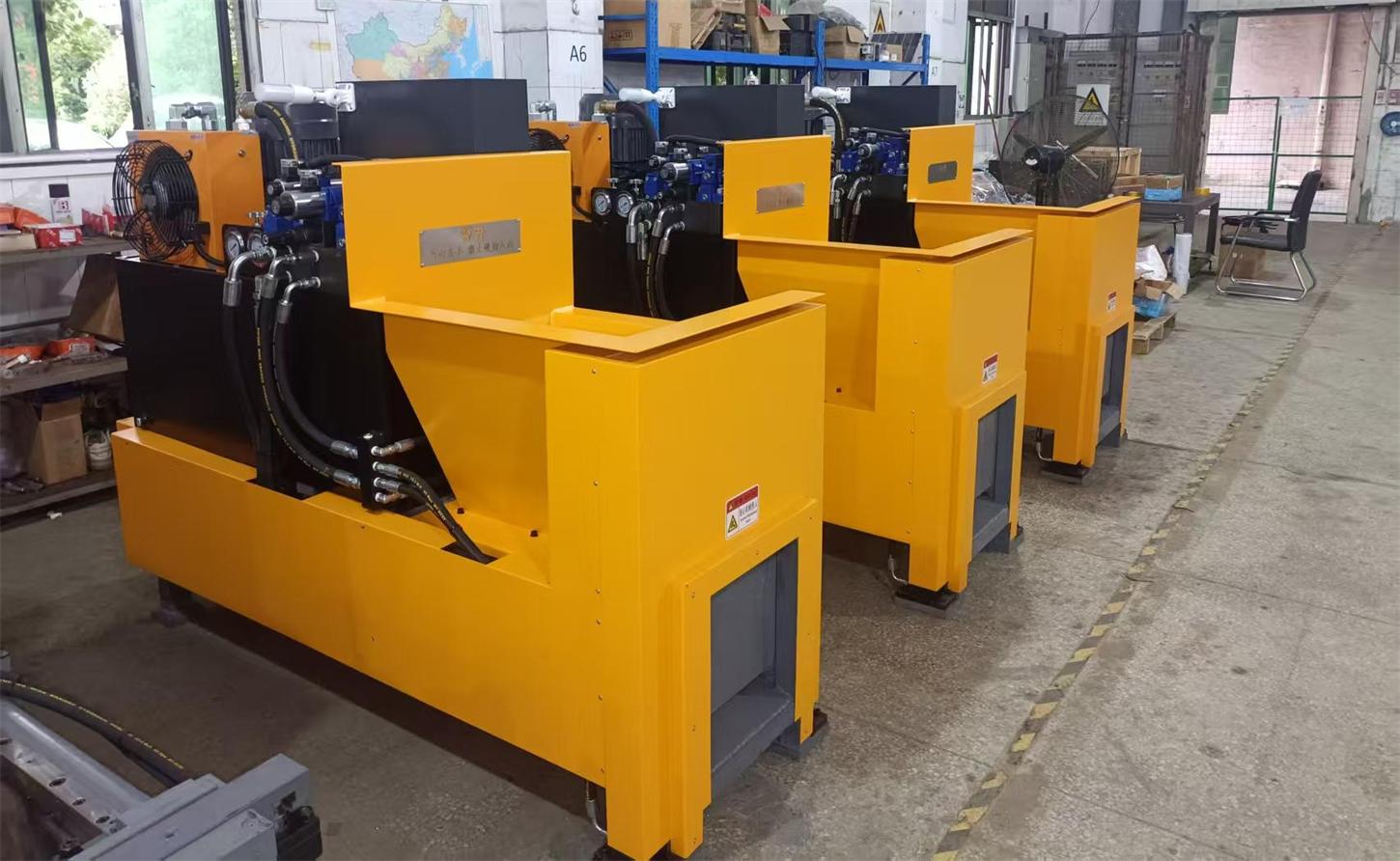
Some facilities use hydraulic presses to squeeze the molten lead into specific shapes, but most stick with simple molds. It’s like baking cookies: you pour the batter into a mold (the cookie cutter), let it cool, and out comes a perfectly shaped treat—ready to be eaten (or, in this case, recycled).
Why Contactless Melting is a Game-Changer
We’ve mentioned "contactless metal melting" a few times, but why is it so important? Let’s break down the benefits:
- Safety First: No direct contact with flames or hot surfaces means fewer burns or accidents for workers. It also reduces the risk of toxic fumes from burning fuel, making the workplace healthier.
- Better Quality: Contactless melting (via induction) avoids contamination from fuel ash or furnace liners, resulting in purer lead.
- Energy Savings: Induction furnaces heat the lead directly, so less energy is wasted heating the air or furnace walls. This cuts down on electricity bills and reduces the facility’s carbon footprint.
- Faster Turnaround: Melting lead in minutes instead of hours means facilities can process more scrap in a day, boosting productivity and reducing wait times for customers.
It’s no wonder that more and more recycling plants are switching to induction-based lead refiner machine equipment. It’s a win-win: better for workers, better for the environment, and better for business.
Beyond the Machine: Environmental and Economic Impact
Lead refining isn’t just about turning scrap into metal—it’s about closing the loop on a valuable resource. Recycling lead uses 90% less energy than mining new lead ore, which means fewer greenhouse gas emissions and less damage to ecosystems from mining. Plus, it keeps toxic lead out of landfills, protecting communities from soil and water pollution.
Economically, lead refining supports jobs in recycling, manufacturing, and transportation. It also makes lead more affordable for industries, since recycled lead is cheaper than newly mined lead. For example, a car battery made with recycled lead costs less to produce, which translates to lower prices for consumers.
Final Thoughts: The Lead Refiner’s Role in a Sustainable Future
The next time you start your car or use a power tool, take a second to think about the lead battery inside. Chances are, that lead has been through a journey: from a mine to a battery factory, to your car, to a recycling center, and back again—thanks to lead refiner machine equipment. These machines are the backbone of the lead recycling industry, turning waste into wealth while protecting our planet.
From preprocessing with lead acid battery recycling equipment to contactless melting with medium frequency electricity furnace equipment, every step of the process is designed to be efficient, safe, and sustainable. And as technology improves, we can expect even better systems—maybe faster melting, smarter impurity removal, or even more energy-efficient furnaces.
So, how does a lead refiner work? It’s a mix of brute force (crushing batteries), chemistry (de-sulfurization), physics (induction melting), and precision (refining and casting). But at its core, it’s about one thing: giving old lead a second life. And in a world where sustainability matters more than ever, that’s a job worth celebrating.