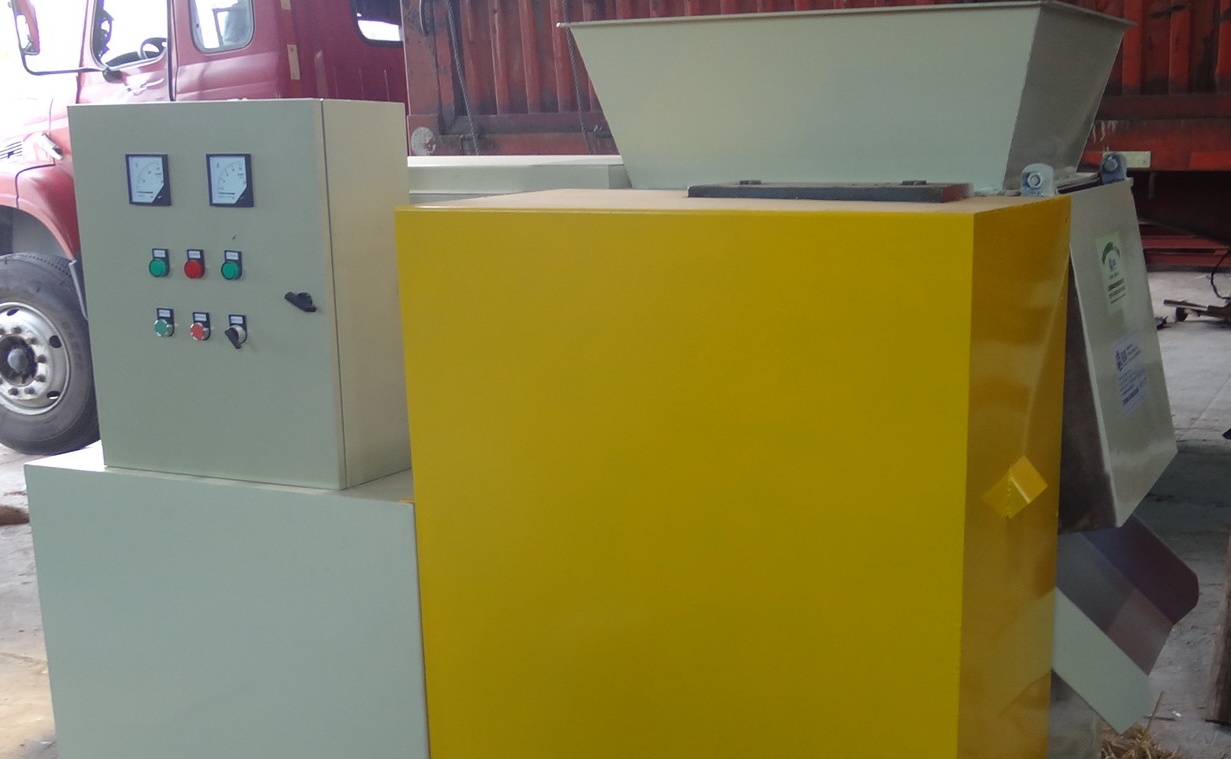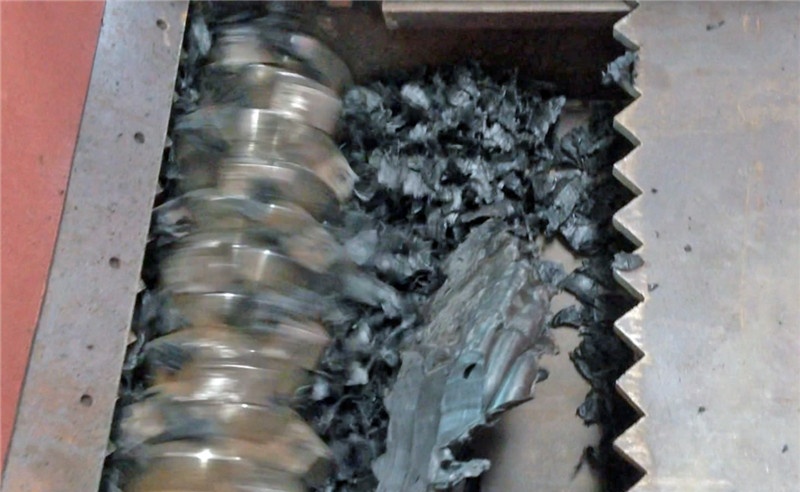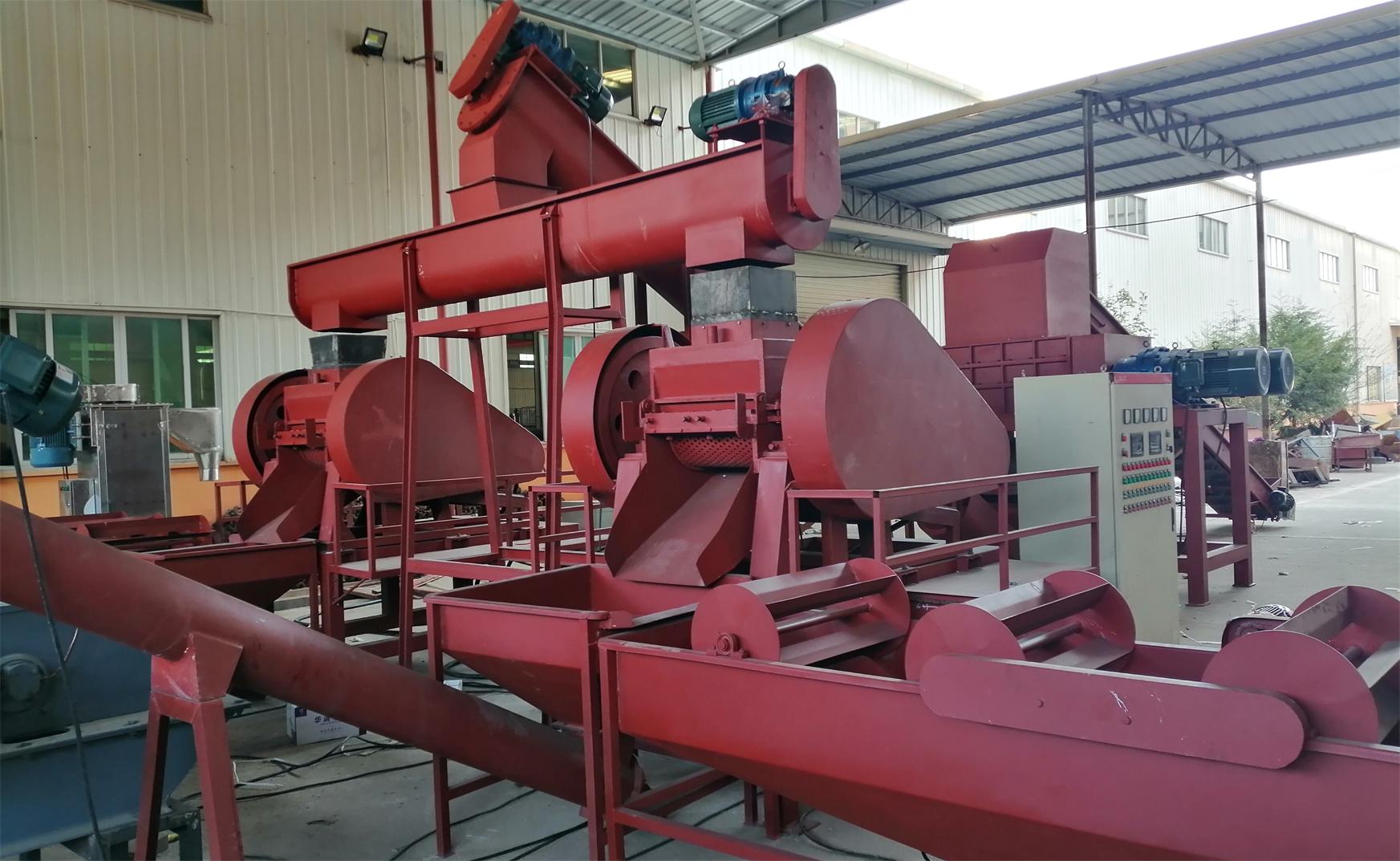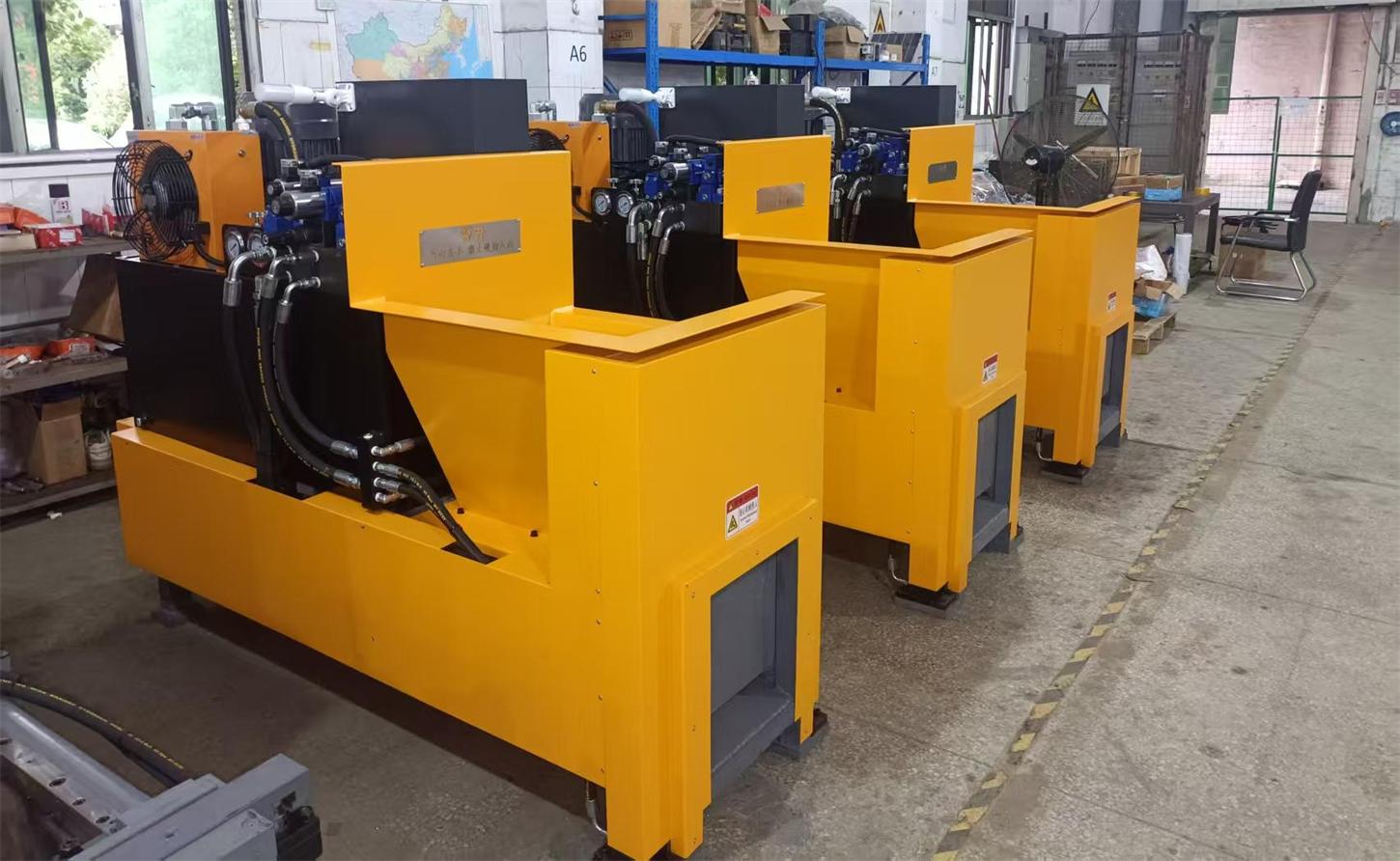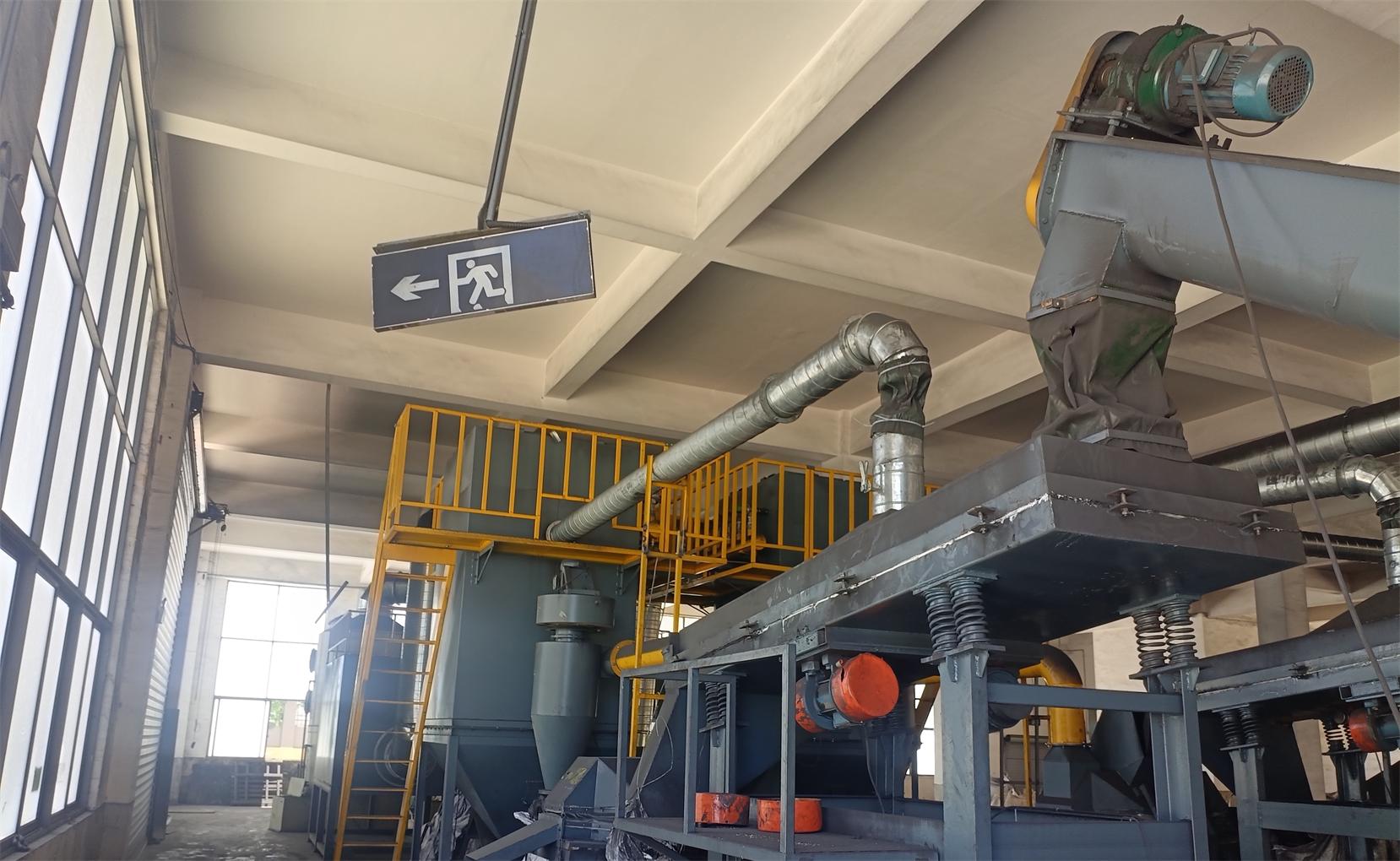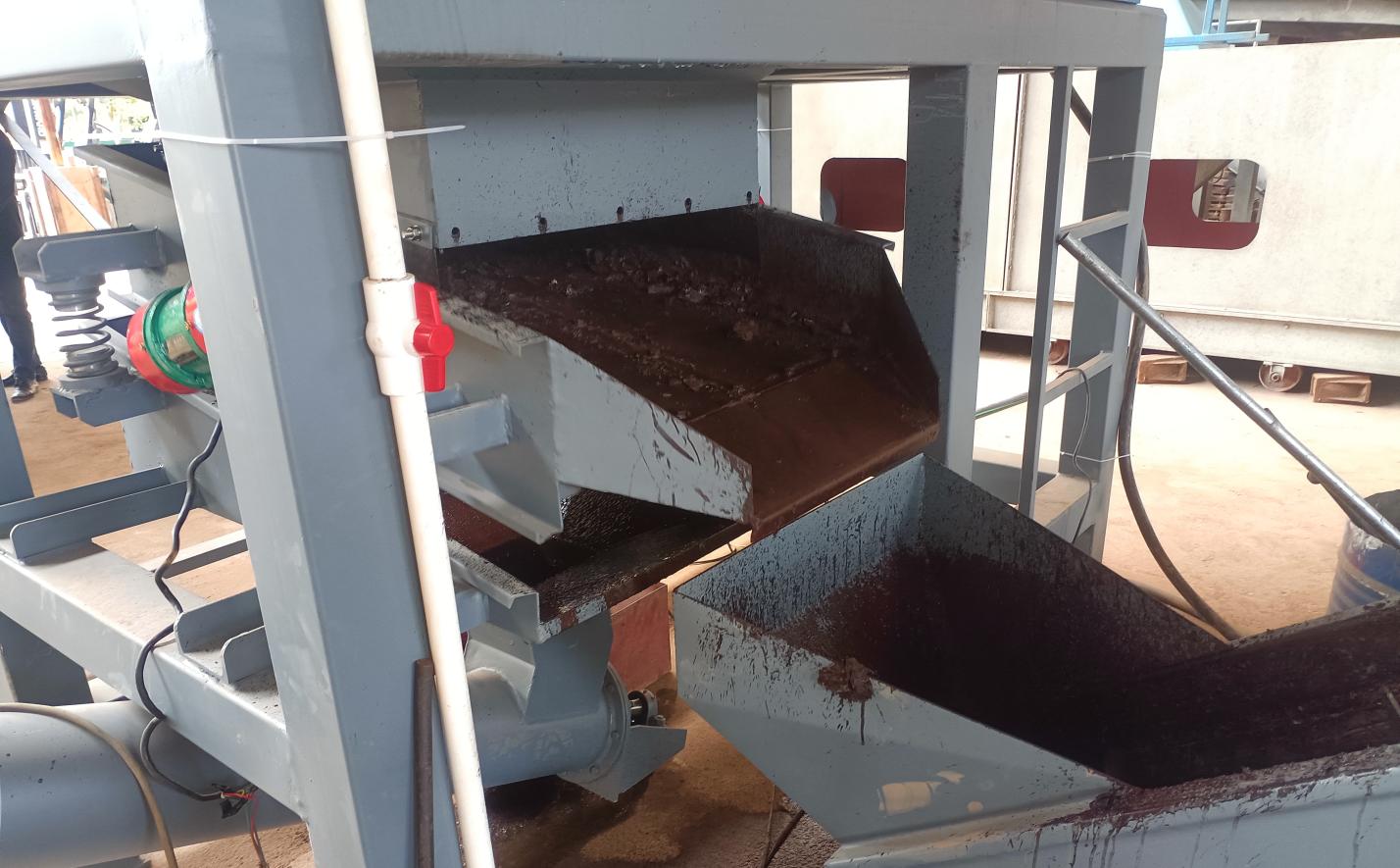
Have you ever watched one of those satisfying hydraulic press videos where metal crumples like paper? That raw power isn't just for internet entertainment - it's the backbone of industrial hydraulic balers. But today, as we look at the future of this technology, we're seeing a fascinating evolution from brute force to smart power. Just like how smartphones transformed from bulky bricks to pocket-sized supercomputers, hydraulic baler technology is undergoing its own revolution. It's not just about smashing things harder anymore; it's about doing it smarter, cleaner, and more efficiently.
You might be wondering: Where's all this heading? Will we see balers that think for themselves? Could we achieve higher pressures without monstrous energy bills? That's exactly what we'll explore as we dive into the exciting frontier of hydraulic baler technology. I'll walk you through the key trends that are reshaping this industry - from raw power upgrades to brainy automation systems. Along the way, we'll see how **automation and intelligence** play a crucial role in transforming these industrial workhorses.
1. The Power Play: Chasing Higher Pressure
Let's start with the obvious direction: pressure. Higher pressure means more compact bales, which means more efficient storage and transportation. But it's not as simple as just cranking up the dial. Think of it like building a better car engine - sure, you could just add more cylinders, but that's heavy and inefficient. Modern hydraulic baler innovation approaches it differently.
Newer systems are achieving higher compaction ratios without necessarily requiring massive power increases. How? Through precise control systems that maximize every ounce of force. Instead of constant high pressure throughout the cycle, these systems use variable pressure profiles that apply maximum force only where needed. Imagine a baling process that applies pressure like a master masseuse - deep pressure on tough spots and lighter touch elsewhere.
The real magic happens in the seals and pistons where microscopic efficiency gains translate to major operational savings. Just a 5% improvement in hydraulic transmission efficiency can reduce costs by thousands annually for a busy facility. As materials science advances, we're seeing wear-resistant components that maintain their integrity under extreme pressures, extending maintenance intervals and reducing downtime.
2. The Brain Revolution: When Balers Learn to Think
Here's where things get truly interesting. The hydraulic balers of tomorrow won't just crush materials; they'll understand what they're crushing. With integrated AI systems, modern balers are developing cognitive capabilities that transform them from dumb machines to smart partners in recycling operations.
Picture this: Your baler recognizes the incoming material type - cardboard has different compression requirements than PET bottles. It automatically adjusts compression parameters for optimal results. Or imagine a baler that detects potential problems before they cause breakdowns - that strange vibration pattern? It's a bearing going bad that should be replaced next maintenance cycle. This predictive capability represents a quantum leap from traditional scheduled maintenance to truly intelligent maintenance planning.
The beauty of these systems is how they learn over time. Each bale compressed adds to the machine's knowledge base, refining algorithms that optimize energy consumption without human intervention. It's like having an expert operator inside the machine, constantly making micro-adjustments for peak performance 24/7.
3. The Green Equation: Doing More with Less Power
Energy efficiency isn't just a nice-to-have feature anymore; it's become a core design philosophy. The cutting-edge hydraulic balers we're seeing now are environmental champions that squeeze maximum performance from minimum power input. This goes beyond simple energy ratings - it's a holistic approach that considers the entire operational ecosystem.
Innovative designs feature hydraulic accumulators that capture and reuse energy that would otherwise be lost. It's similar to how hybrid cars capture braking energy. Instead of dissipating heat during decompression cycles, these systems store that energy and redeploy it during compression, creating a virtuous cycle of energy reuse.
Then there's the exciting world of fluid dynamics optimization. Engineers are achieving remarkable efficiency gains through nuanced changes in valve designs and flow paths. What looks like a simple tube to the untrained eye might contain carefully crafted geometries that reduce turbulence and minimize pressure drops - kind of like how golf ball dimples improve aerodynamics.
4. Building a Smarter Body: Mechatronic Integration
Modern hydraulic balers aren't just mechanical behemoths; they're becoming sophisticated electro-mechanical systems that leverage the best of multiple engineering disciplines. This integrated approach is yielding machines that are significantly more capable than the sum of their parts.
Take servo-hydraulic systems, which combine precision electronic control with hydraulic power. These systems offer positioning accuracy within fractions of a millimeter while maintaining the immense force capabilities hydraulics are known for. The resulting bales show remarkable consistency - each one packed to exact specifications regardless of material variations.
Similarly, integration extends to operational interfaces. Why have separate systems feeding the baler and managing output? Advanced balers now coordinate seamlessly with conveyor systems, sorting mechanisms, and material handling equipment. This creates an integrated recycling ecosystem rather than isolated machinery islands. The coordination happens through sophisticated control systems that optimize the entire flow from raw material to finished bale.
5. The Digital Backbone: IoT and Connectivity
Here's where hydraulic balers truly enter the 21st century: with robust connectivity capabilities transforming them into data powerhouses. Today's advanced balers don't just compact material; they generate valuable operational intelligence.
Embedded sensors throughout the hydraulic system monitor pressures, flows, temperatures, and vibration patterns in real-time. This data doesn't just stay inside the machine; it feeds into cloud analytics platforms where machine learning algorithms spot subtle patterns invisible to human operators. Imagine receiving an alert on your phone that bale consistency dropped by 2% in the last hour, with a system-generated diagnosis pointing to a specific cylinder seal issue.
This connectivity enables remarkable capabilities like remote diagnostics where factory engineers can analyze performance from halfway around the world. Updates and calibrations deploy over-the-air, eliminating the need for costly on-site service calls for many issues. The machine essentially becomes a connected platform, continuously improving through software updates long after the hardware leaves the factory.
6. Maintenance Evolved: From Scheduled to Predictive
Remember how maintenance used to work? Fixed schedules based on time or arbitrary usage milestones. The hydraulic balers of tomorrow are rendering that approach obsolete through sophisticated condition monitoring that predicts failures before they happen.
Advanced fluid analysis capabilities are built right into these systems. Instead of waiting for yearly oil samples, real-time sensors continuously monitor hydraulic fluid properties - viscosity, contamination levels, additive degradation. The system spots minute particles that suggest component wear long before any visible symptoms appear. It's like having microscopic spies floating through your hydraulic system reporting back constantly.
The predictive maintenance revolution extends beyond fluid analysis. Vibration signatures reveal developing bearing problems, thermal imaging detects friction issues, and pressure differentials identify developing leaks before they cause operational problems. Instead of unexpected breakdowns, operators receive advanced warnings like "Pump seal likely to fail within 73 operational hours." That precision scheduling changes maintenance from an interruption to a planned efficiency improvement.
7. The Human Factor: Smarter Interaction
While automation advances, the role of the human operator is evolving - not disappearing. Modern hydraulic baler systems are embracing augmented reality interfaces and advanced human-machine interfaces to create a powerful collaboration between operator intelligence and machine capability.
Picture an operator approaching a complex jam scenario. Through smart glasses, they see visual overlays highlighting the optimal clearing procedure, projected directly onto the machine components. Virtual schematics show the internal path of material flow, enabling operators to understand blockages in three dimensions. During maintenance tasks, holographic guides demonstrate each step precisely, ensuring consistency across shifts.
These aren't just gimmicks - they substantially reduce training time and operational errors. New operators reach proficiency quicker with intuitive systems that explain rather than intimidate. Voice control enables operation without compromising safety in noisy environments. Overall, the technology bridges knowledge gaps and captures institutional expertise that would otherwise retire with experienced operators. It's like having a team of experts always looking over your shoulder.
8. The Sustainability Imperative: Beyond Efficiency
As environmental concerns move front-and-center, hydraulic baler design is embracing cradle-to-grave sustainability thinking. It's not just about efficient operation anymore; it's about minimizing the overall environmental footprint across the entire machine lifecycle.
The materials revolution is particularly exciting. We're seeing hydraulic components using recycled metals and biodegradable hydraulic fluids that minimize contamination risk. Modular architectures allow for component replacement rather than whole-machine obsolescence. Design for disassembly principles ensure that at the end of a baler's life, components separate cleanly for reuse or recycling.
Beyond the machine itself, advanced balers actively contribute to broader environmental goals. Integrated sensors can verify recycled content in bales to certify environmental claims. Water recovery systems capture and purify fluids for reuse, while energy efficiency features directly translate to lower carbon footprints. These machines have become active partners in achieving net-zero operational goals rather than mere tools.
The Integrated Future: Where All Roads Converge
As we look toward the future of hydraulic baler technology, one theme stands out clearly: integration. The boundaries between mechanical, electrical, and information systems are dissolving to create machines that work as unified systems rather than collections of parts. This holistic approach delivers capabilities that simply weren't possible when different engineering disciplines worked in silos.
The exciting frontier ahead includes fully autonomous recycling centers where hydraulic balers coordinate seamlessly with material sorters, conveyors, and logistics systems. Powered by AI optimizers, these integrated systems can dynamically adapt to changing material streams, shifting processing priorities in real-time without human intervention. The hydraulic baler becomes just one intelligent node in a much smarter operational ecosystem.
This evolution points toward hydraulic balers that are not just tools but truly intelligent manufacturing systems in their own right. They'll anticipate problems, optimize their own performance, and continuously learn from their environment. While raw hydraulic power remains essential, it increasingly serves as the muscle behind sophisticated neural networks that understand precisely when and where to apply that power.
Conclusion: Power with Purpose
So where does this leave us? The future of hydraulic baler technology isn't about choosing between brute force or sophisticated intelligence - it's about harmonizing both. Tomorrow's machines will continue to achieve higher pressures and compaction ratios, but they'll do so with unprecedented precision and efficiency. The evolution from simple compression to intelligent material processing represents a fundamental shift in how we think about recycling infrastructure.
<p style="font-size: 1.2rem; line-height: 1.7