How the right machinery and partner can transform electronic scrap into a profitable, sustainable business
The world is drowning in electronic waste. In 2022 alone, humanity generated 62 million metric tons of e-waste, yet less than a quarter was properly recycled. By 2030, that number is projected to surge by 33% to 82 million tons.
For entrepreneurs and established businesses alike, this crisis represents an extraordinary opportunity. The global e-waste recycling market is expanding rapidly, driven by stricter environmental regulations, rising metal prices, and growing corporate sustainability commitments. However, entering the recycling business requires more than good intentions. Success depends heavily on choosing the right equipment and the right manufacturing partner. This guide walks you through the essential recycling equipment categories and what to look for in a supplier.
1. Battery Recycling: The Powerhouse of E-Waste Recovery
Batteries represent one of the most valuable and environmentally critical segments of e-waste. Two types dominate the market: lead acid batteries and lithium-ion batteries. Each requires specialized processing equipment to recover valuable materials safely and efficiently.
Lead Acid Battery Recycling
Used lead acid batteries (ULAB) contain lead, plastic, and sulfuric acid. A complete lead acid battery recycling equipment setup typically includes battery breaking and separation systems, de-sulfurization units, rotary furnaces or blast furnaces for lead smelting, refinery kettles for producing 99.999% pure lead, air pollution control systems, and water treatment plants. Modern systems can process 1-10 metric tons per hour, achieving lead recovery rates of 95% or higher.
The process begins with a hydraulic battery cutter that slices batteries into sections and empties the acid. The broken pieces then pass through separation equipment that classifies lead paste, lead grids, plastic shells, and hard rubber. From there, lead paste undergoes de-sulfurization before entering a rotary furnace or blast furnace for reduction, producing crude metallic lead that is then refined to battery-grade purity.
Lithium-Ion Battery Recycling
With the explosive growth of electric vehicles and energy storage, demand for a reliable lithium battery recycling plant has skyrocketed. These plants break and separate waste lithium batteries to recover black mass (containing nickel, cobalt, and graphite), copper, aluminum, and plastic. Capacities typically range from 500 to 2,500 kg per hour.
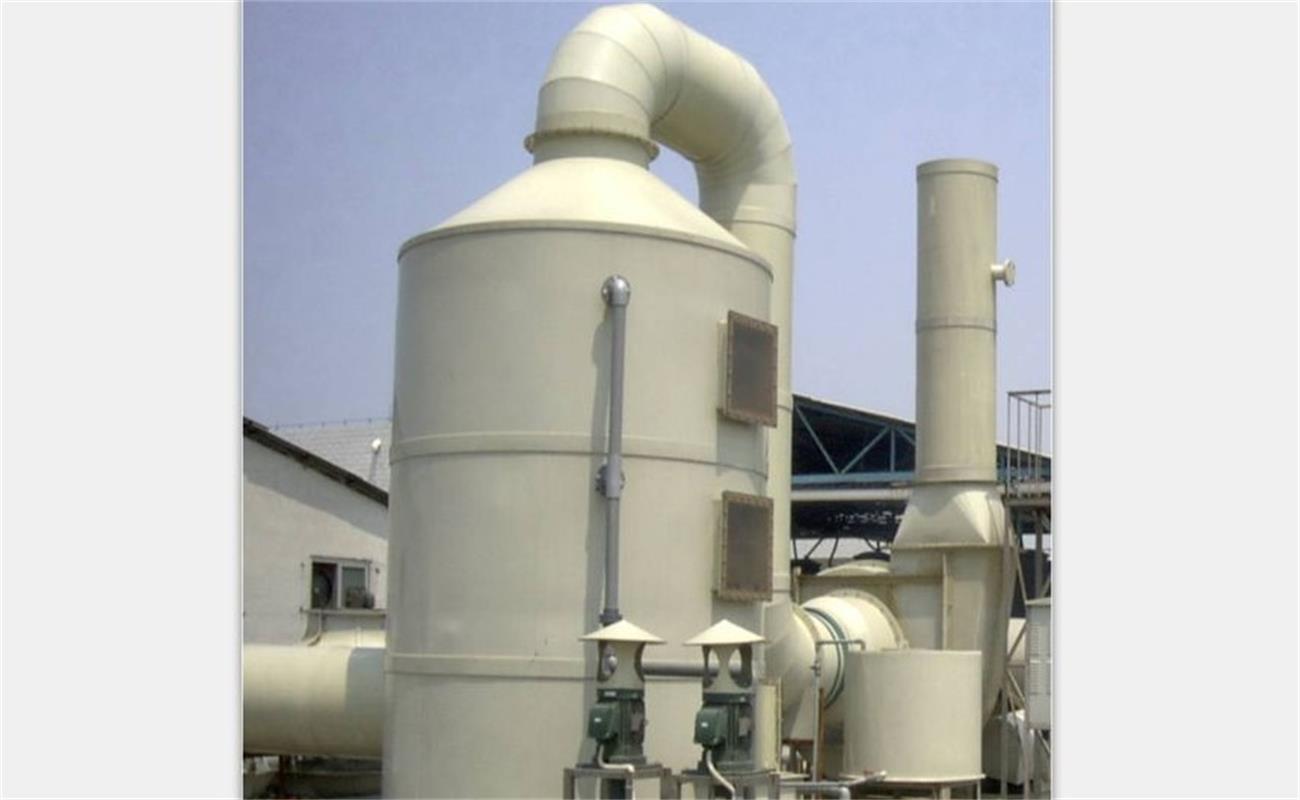
Advanced lithium battery recycling systems include discharging stations, pre-crushing units, secondary granulation, black powder separation, and magnetic separation of iron and steel. Because lithium batteries can release toxic gases when crushed, dedicated air pollution control systems are essential to absorb and neutralize harmful emissions before they reach the atmosphere. Plastic separator films can be collected via pneumatic conveying systems and compressed into blocks using hydraulic briquetters for easy handling and resale.
2. Cable Recycling: Separating Copper from Plastic
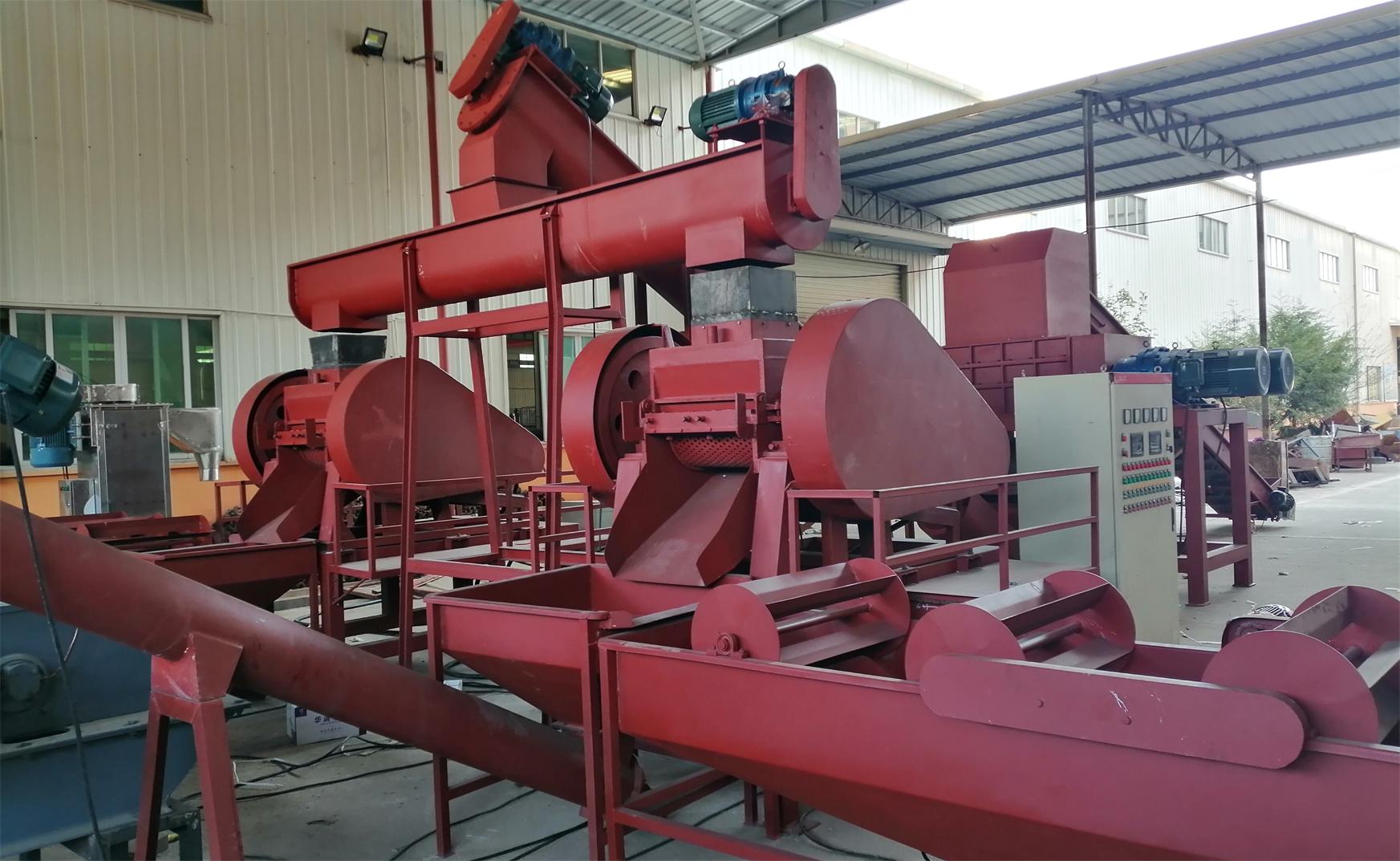
Scrap cables and wires are treasure troves of copper and aluminum. Cable recycling equipment uses a combination of crushing, air separation, and sometimes wet separation or electrostatic separation to isolate metal from plastic insulation.
A typical cable recycling machine or cable wire granulator can process anywhere from 100 kg/hour to 1,200 kg/hour or more. For thicker cables, scrap cable strippers are used first to remove the outer insulation before granulation. The result is clean copper rice or copper powder that commands premium prices in the metals market. Wet separation systems can achieve even higher purity by using water to separate fine copper particles from plastic dust.
Pro Tip: For operations handling mixed cable types, consider a combined approach using scrap cable strippers for thick cables and granulators for thinner wire. This maximizes throughput and metal recovery while minimizing energy consumption.
3. Circuit Board Recycling: Recovering Precious Metals
Printed circuit boards (PCBs) contain copper, gold, silver, and other valuable materials. Circuit board recycling equipment uses mechanical crushing combined with dry or wet separation technologies to recover these valuable resources.
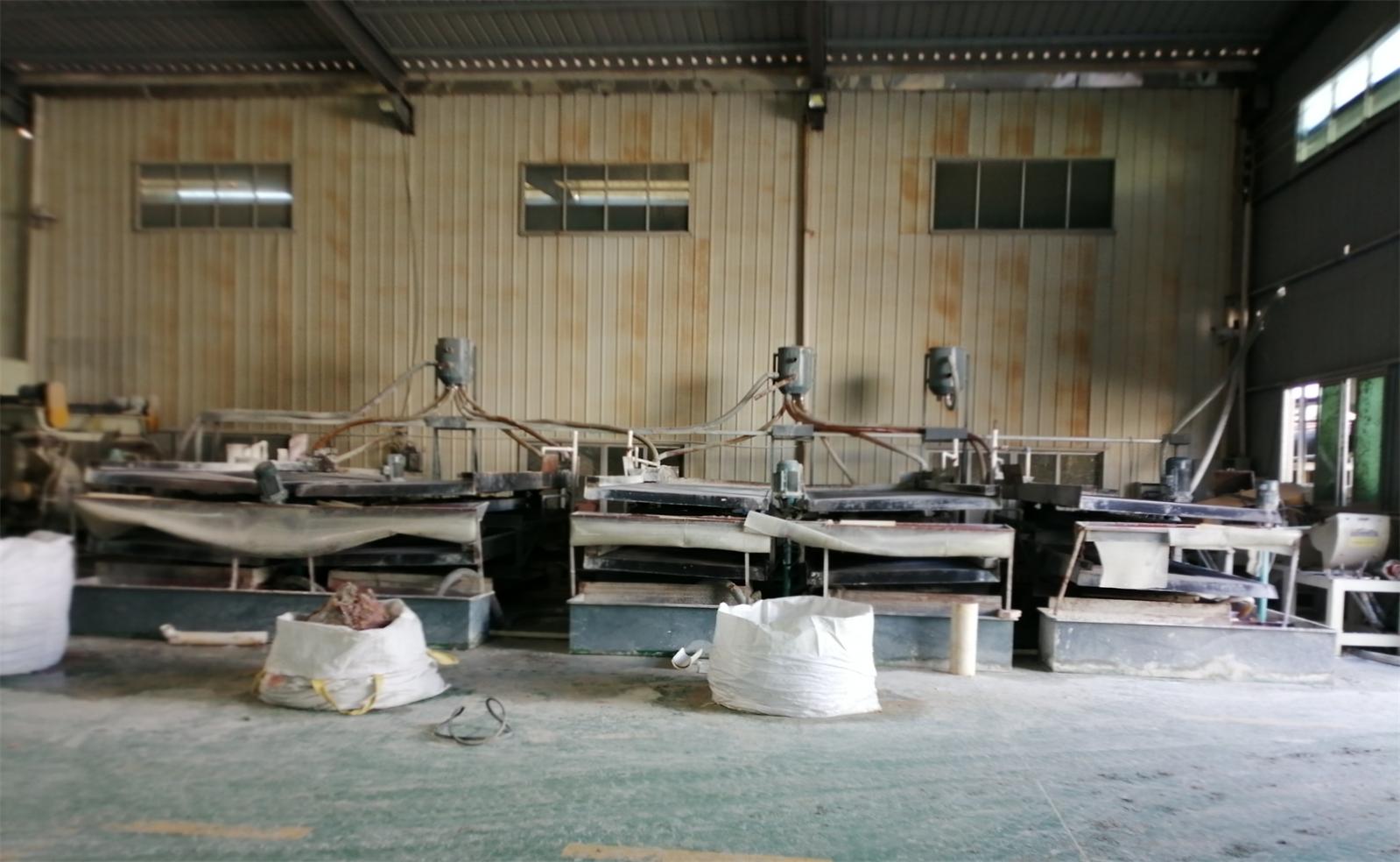
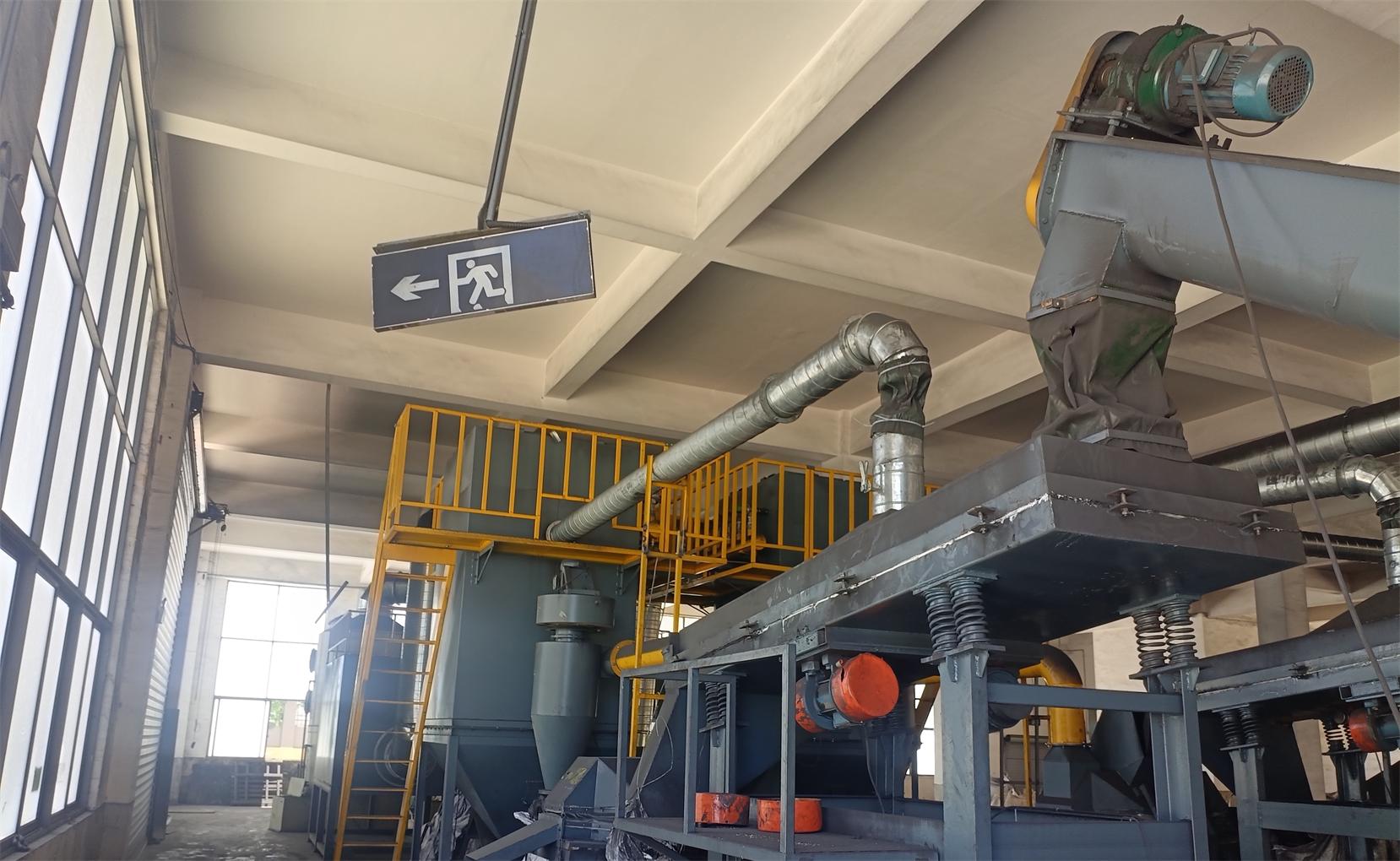
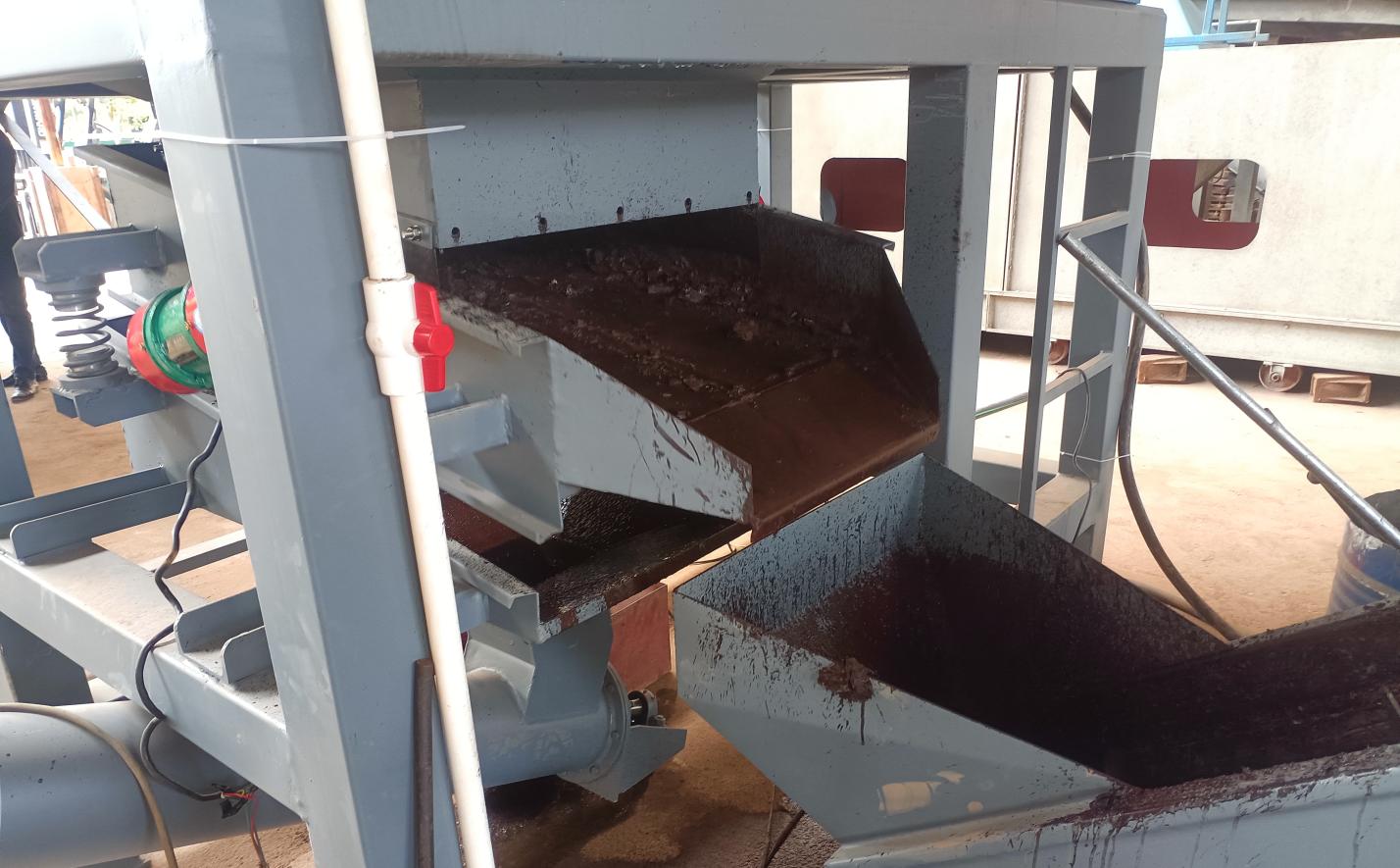
Dry separation plants use air separators, vibrating screens, electrostatic separators, and cyclone dust collectors to separate metal powder from non-metallic resin powder. Wet separation systems use water-based metal separation to achieve even higher purity. Depending on the model, circuit board recycling plants can process 300 kg/hour to 2,000 kg/hour, achieving copper powder purity of 96-98% and recovery rates around 95%. Modern systems are designed to be environmentally friendly with pulse bag dust collectors that prevent dust pollution.
4. Beyond the Big Three: Complete E-Waste Solutions
A comprehensive e-waste recycling operation may also need specialized equipment for other waste streams:
- Refrigerator and AC recycling machines safely extract refrigerants (R404A, R407C, R410A, R134A) and separate metals, plastics, and polyurethane foam. Advanced systems can process 20-30 units per hour with recovery rates exceeding 90% for iron, copper, aluminum, plastic, and polyurethane.
- CRT recycling machines cut CRT monitors and TVs using ni-chrome heating wires or diamond cutters, then separate panel glass from funnel glass while safely collecting toxic phosphor powder.
- Motor recycling machines dismantle electric motors and extract copper windings from stator cores using hydraulic cutting mechanisms.
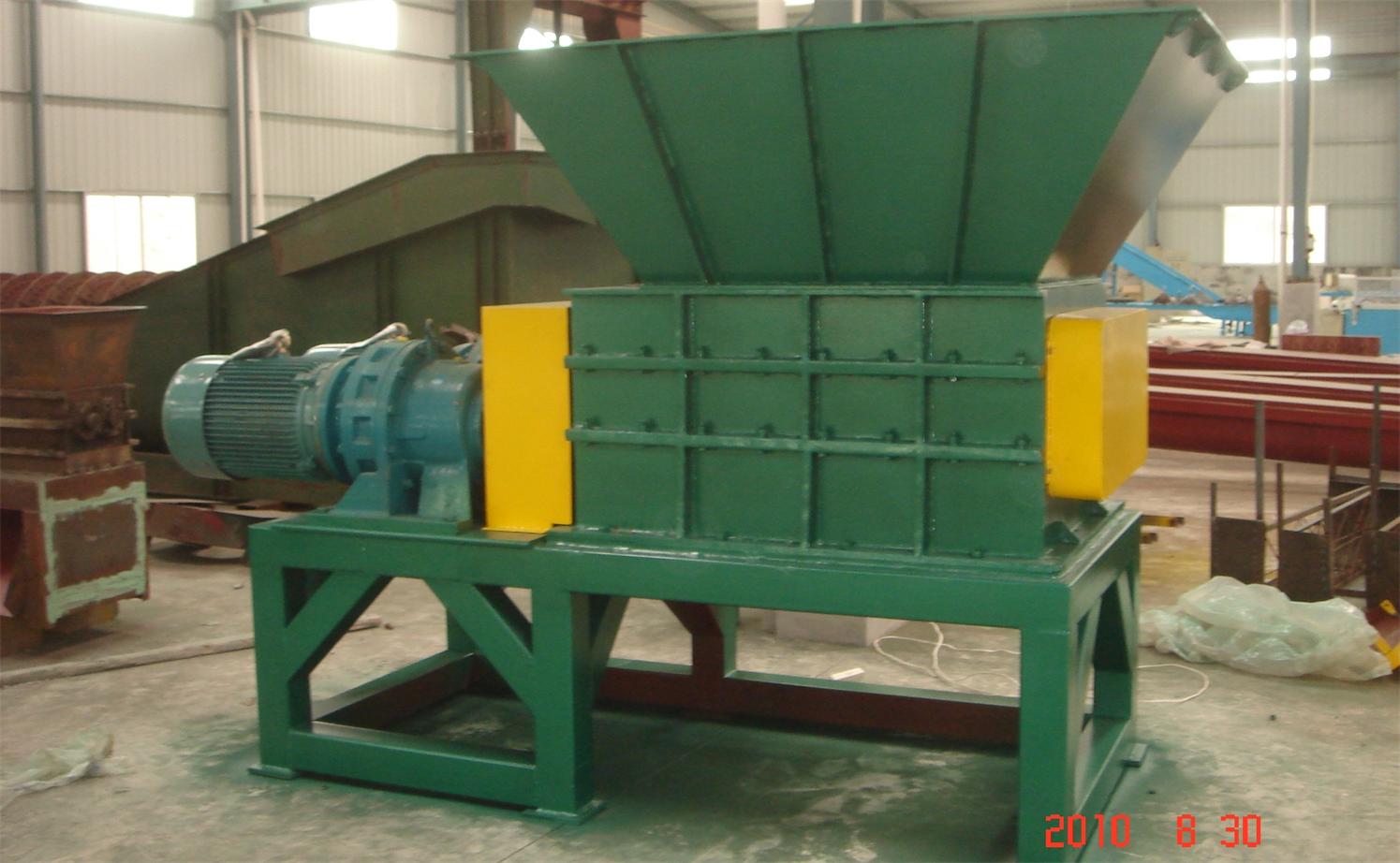
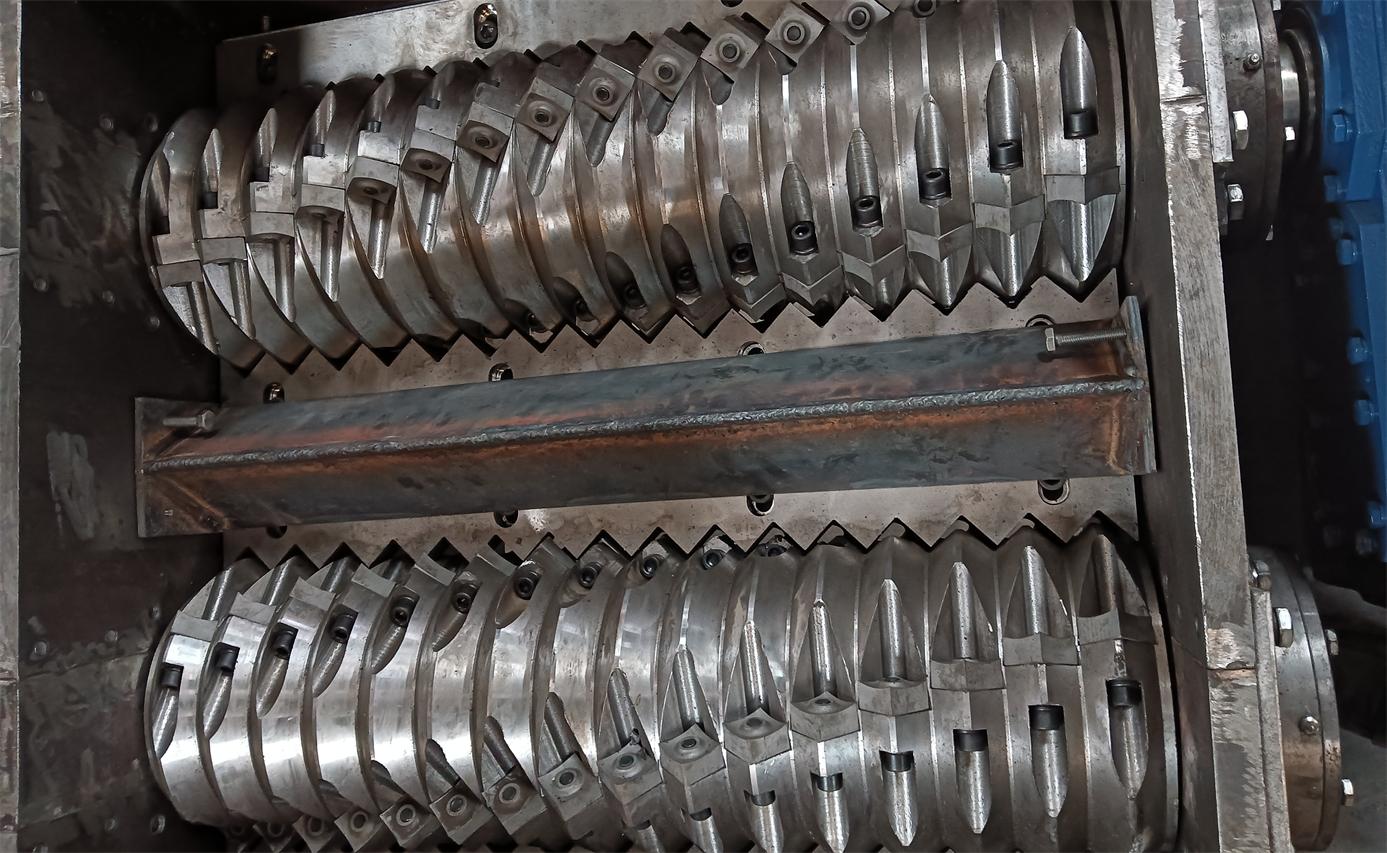
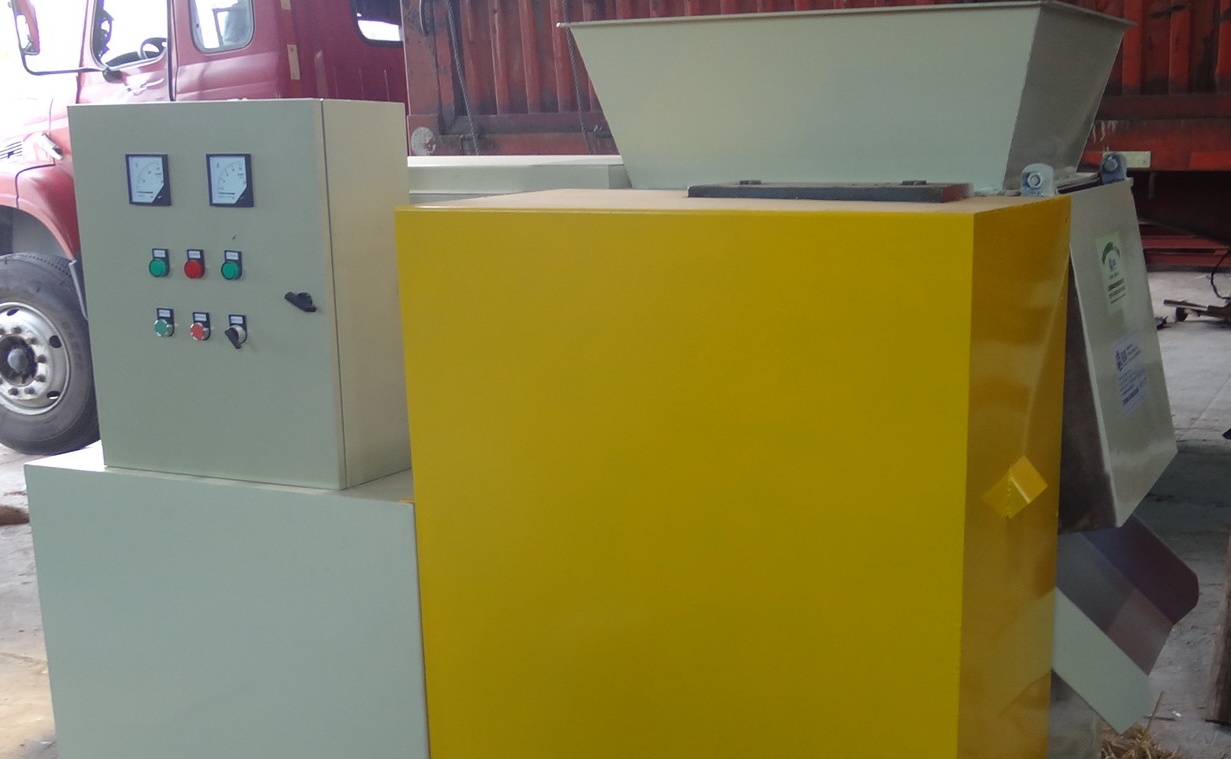
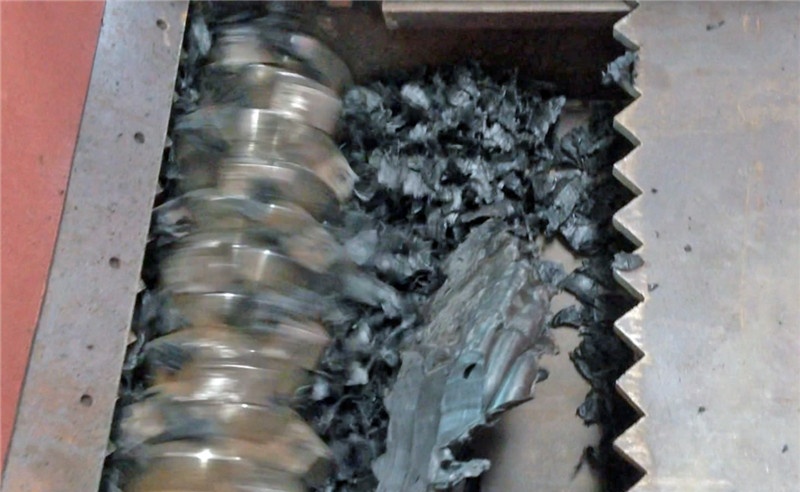
- Shredders and pre-choppers reduce large e-waste items to manageable sizes before further processing. Four-shaft shredders can handle 4-6 metric tons per hour and are suitable for PCB, cable, refrigerator, washing machine, battery, and general e-waste applications.
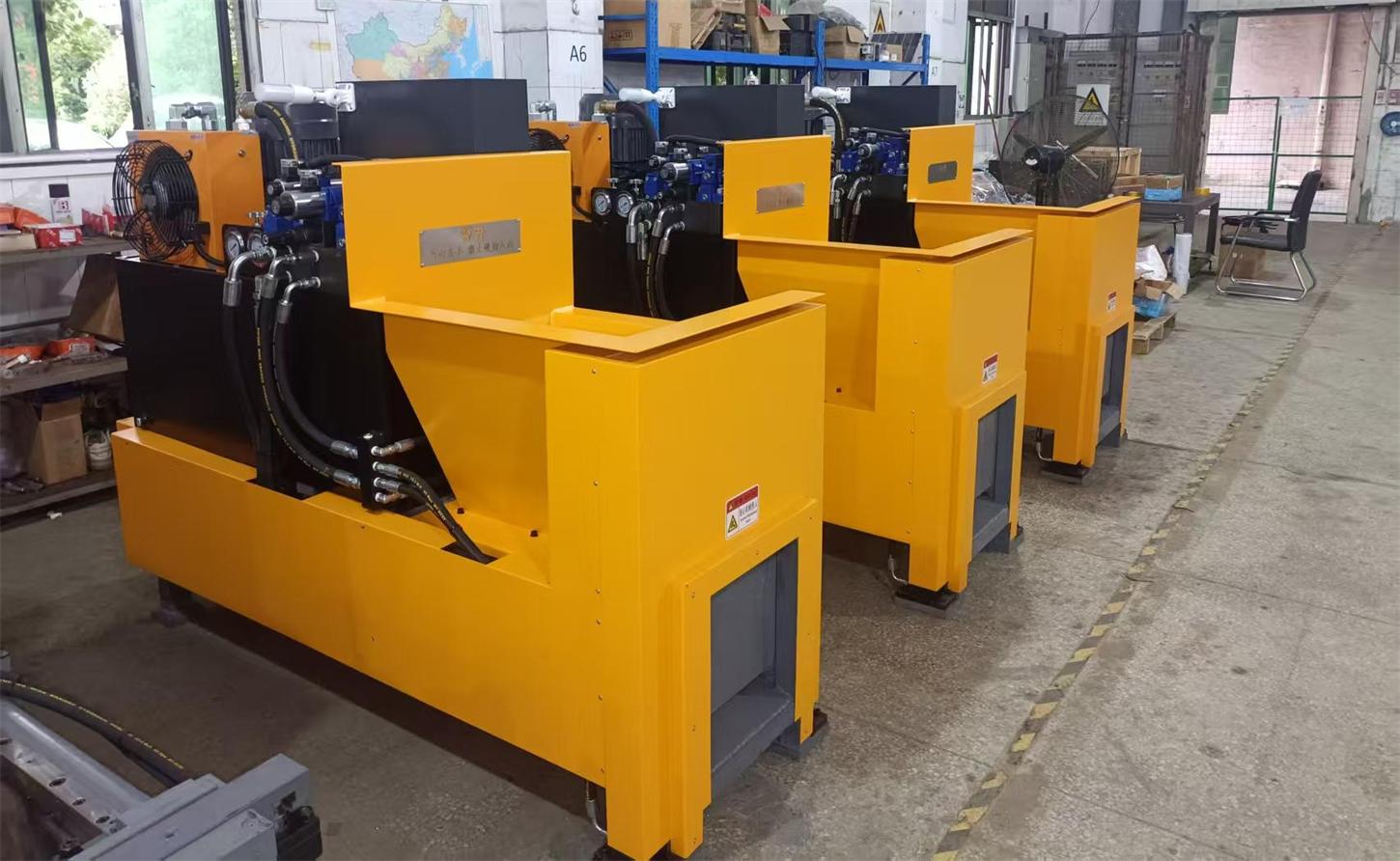
- Hydraulic press machines briquette metal chips into dense cylindrical or rectangular blocks with volume compression ratios from 8:1 to 30:1, making storage and transportation far more efficient.
- Metal melting furnaces turn recovered metals into ingots. Medium frequency induction furnaces can melt iron, copper, aluminum, tin, gold, and silver with models ranging from 15KW (4kg capacity) to 160KW (100kg ferrous / 250kg copper).
5. What to Look for in a Recycling Equipment Supplier
Choosing the right partner is as important as choosing the right machines. Here are five critical factors to evaluate:
Technical Expertise and Experience
Look for manufacturers with deep technical knowledge and proven track records. A supplier with over 15 years of experience and a dedicated R&D team holding advanced degrees in mechanical engineering can provide far more reliable equipment than a newcomer. Their machines should reflect real-world operational insights, not just theoretical designs.
EPC and Turnkey Capabilities
Engineering, Procurement, and Construction (EPC) capabilities mean your supplier can design, build, and commission your entire plant. This turnkey approach saves time, reduces coordination headaches, and ensures all components work together seamlessly from day one.
Customization and Flexibility
Every recycling operation is different. Your supplier should offer customized design services to match your raw material types, processing capacity requirements, local environmental regulations, and budget constraints. Off-the-shelf solutions rarely fit perfectly.
After-Sales Support
Installation, commissioning, operator training, and spare parts availability are crucial for long-term success. A good supplier stays with you long after the equipment leaves the factory, providing technical support when you need it most.
Value-Added Services
The best suppliers go beyond selling machines. They help you source raw materials (cable scrap, PCB scrap, used lead acid batteries), find investors for plant construction, and even assist in selling your finished products like copper rice, lead ingots, or metal concentrates. This full-circle support can make the difference between a struggling startup and a thriving recycling business.
6. San Lan Technologies: Your One-Stop Recycling Equipment Partner
Founded in 2007 and headquartered in Ganzhou, Jiangxi Province, China, San Lan Technologies Co., Ltd has established itself as a leading recycling equipment supplier serving customers in over 21 countries including Singapore, Colombia, Vietnam, Mexico, Argentina, Korea, Malaysia, Indonesia, South Africa, Tunisia, India, Kenya, Saudi Arabia, Philippines, and Zambia.
Comprehensive Product Portfolio
San Lan manufactures complete recycling plants and individual machines across 13 major categories and over 60 products. Their portfolio includes everything from lead acid battery recycling plants and lithium battery recycling systems to circuit board recycling equipment, cable recycling machines, refrigerator and AC recycling lines, CRT cutters, motor dismantling equipment, multi-purpose shredders, lithium ore extraction plants, nano ceramic grinding media, lamp recycling machines, and metal melting furnaces.
End-to-End Project Support
San Lan specializes in EPC projects, offering customized design, one-stop purchasing, installation, and commissioning. The company can also help customers purchase waste materials, look for investors and partners for recycling plant construction, and assist in selling finished products. This comprehensive support ecosystem reduces risk and accelerates time-to-profitability for new entrants.
Global Reach, Local Understanding
With essentially bilingual capabilities in English and Chinese, and a strong understanding of intercultural business environments, San Lan bridges the gap between Chinese manufacturing excellence and international customer expectations. Their professional technical support team brings over 15 years of hands-on experience in e-waste recycling machinery, ensuring that every project benefits from deep operational expertise.
Ready to Turn Waste into Wealth?
The e-waste recycling industry is not just an environmental necessity, it is a massive business opportunity. Whether you are looking to start a new recycling venture or expand an existing operation, investing in the right equipment is the foundation of success.
By partnering with an experienced recycling equipment supplier like San Lan Technologies, you gain access to proven technology, comprehensive project support, and a team committed to your long-term profitability.
Contact San Lan Technologies today to discuss your project requirements and receive a customized equipment proposal tailored to your specific needs and budget.
- Email: info@san-lan.com / curbing888@hotmail.com
- WhatsApp/Mobile: +86 139 2377 4083
- WeChat: curbing1970
- Skype: curbing.jiang
- Website: www.san-lan.com