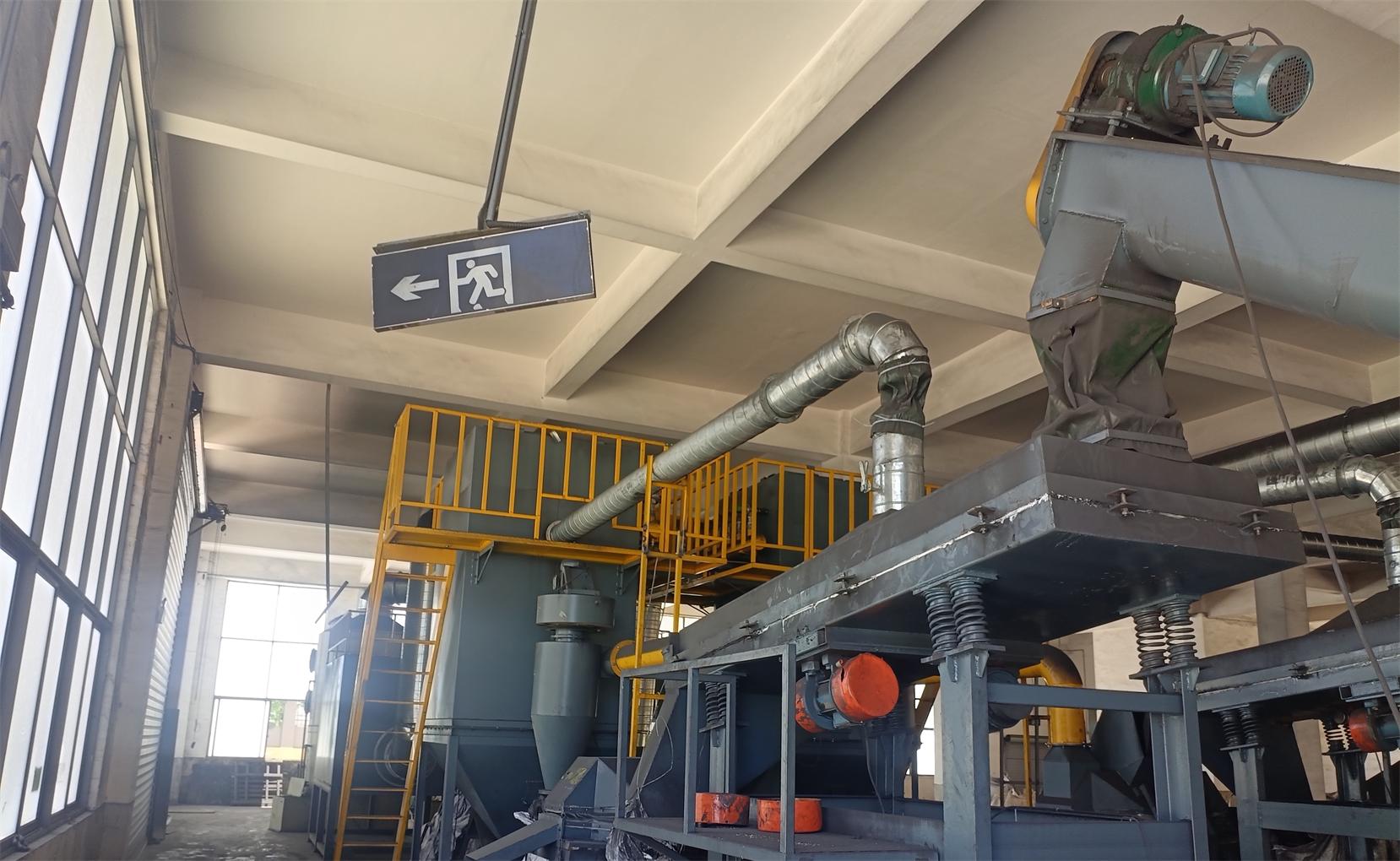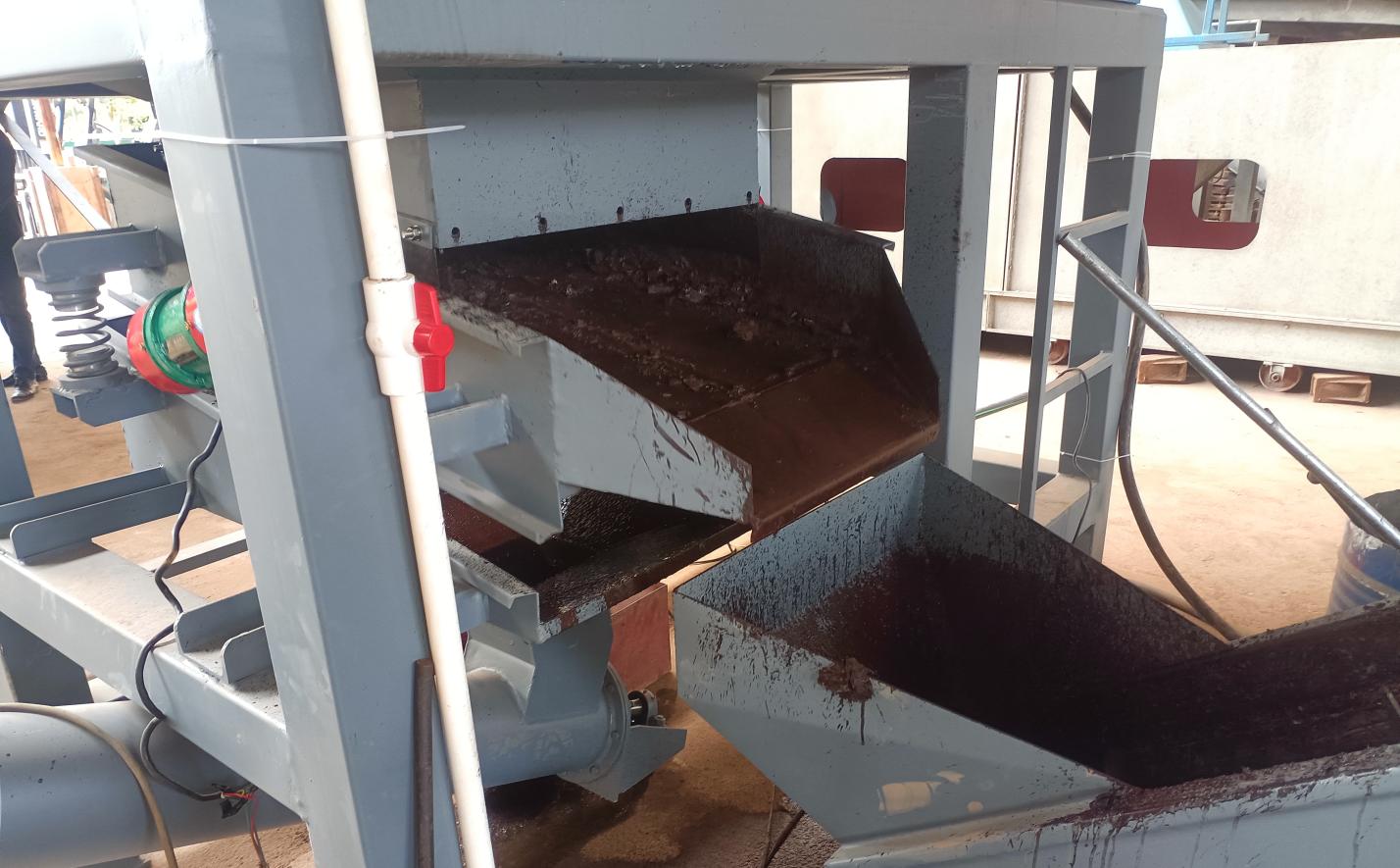
Turnkey equipment and plant solutions that help businesses worldwide transform discarded materials into profitable resources.
In a bustling industrial zone in Jiangxi Province, China, technicians oversee automated lines that break down discarded batteries, separate copper from plastic insulation, and extract precious metals from obsolete circuit boards. What was once considered hazardous waste is now a valuable feedstock, powering a new wave of sustainable manufacturing and resource recovery.
This scene is being replicated across the globe as businesses recognize that electronic waste represents one of the fastest-growing resource streams on the planet. With the right lead acid battery recycling equipment, circuit board recycling equipment, and cable recycling equipment, companies can turn environmental responsibility into a profitable venture.
The Multi-Billion Dollar E-Waste Opportunity
The global volume of electronic waste continues to surge. End-of-life batteries, obsolete circuit boards, and discarded cables accumulate in landfills while containing significant quantities of recoverable copper, aluminum, lead, lithium, cobalt, nickel, and precious metals. Rather than allowing these resources to go to waste, forward-thinking entrepreneurs and established industrial operators are investing in recycling infrastructure that recovers these materials for reuse.
Market demand spans multiple segments. Lead acid batteries from vehicles and industrial equipment require safe breaking and separation to recover lead, plastic, and acid. Lithium-ion batteries from consumer electronics and electric vehicles need specialized discharging, crushing, and separation systems to isolate black mass, copper, aluminum, and plastics. Printed circuit boards contain concentrated copper and precious metals that can be extracted through mechanical or wet separation processes. Scrap cables represent a particularly accessible entry point, with compact granulator systems capable of separating copper and aluminum from insulation at high throughput rates.
Key Recycling Segments and Equipment Solutions
Successful recycling operations require purpose-built equipment designed for specific material streams. Here are the core segments driving demand worldwide:
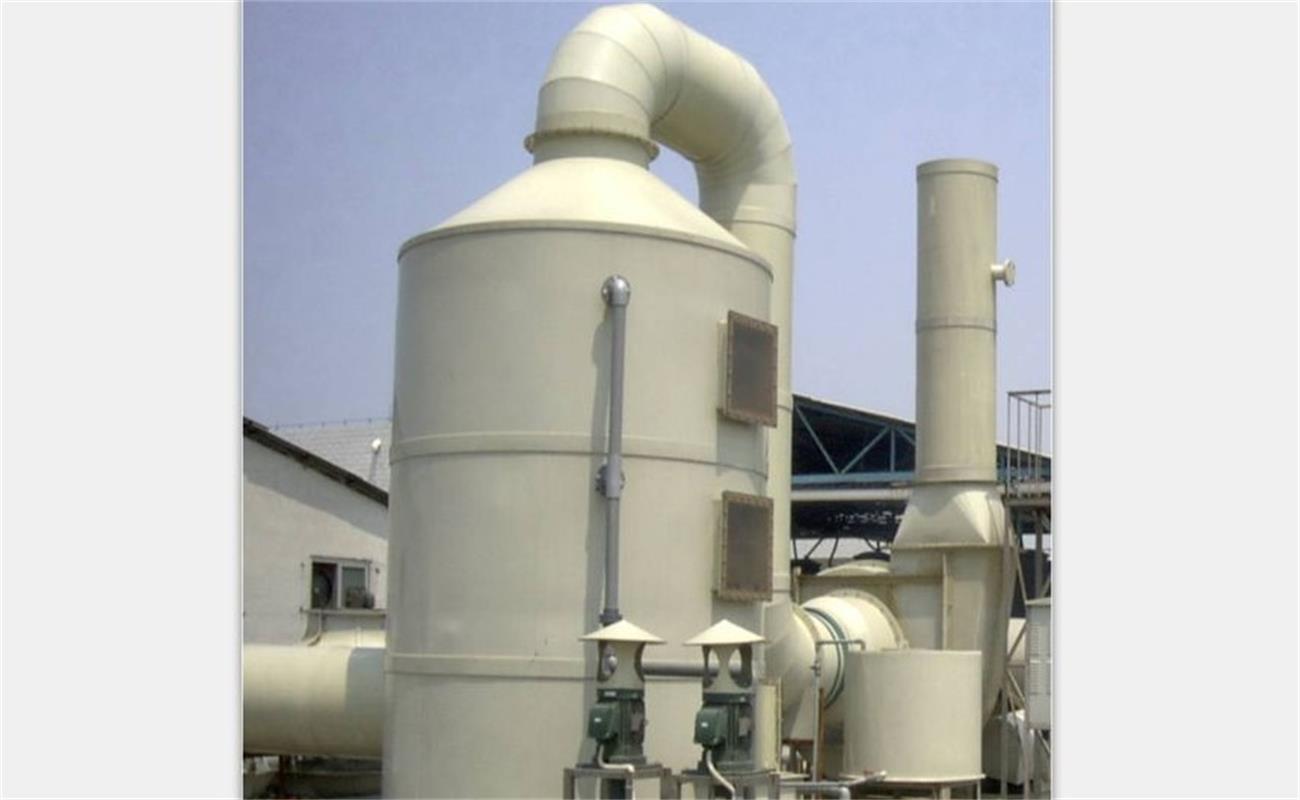
- Lead Acid Battery Recycling: Complete plants break and separate used batteries to recover lead paste, lead grids, plastic cases, and acid. Systems typically include battery cutters, breaking and separation units, rotary furnaces for paste reduction, refinery kettles for producing 99.999% pure lead, de-sulfurization units, and air pollution control systems.
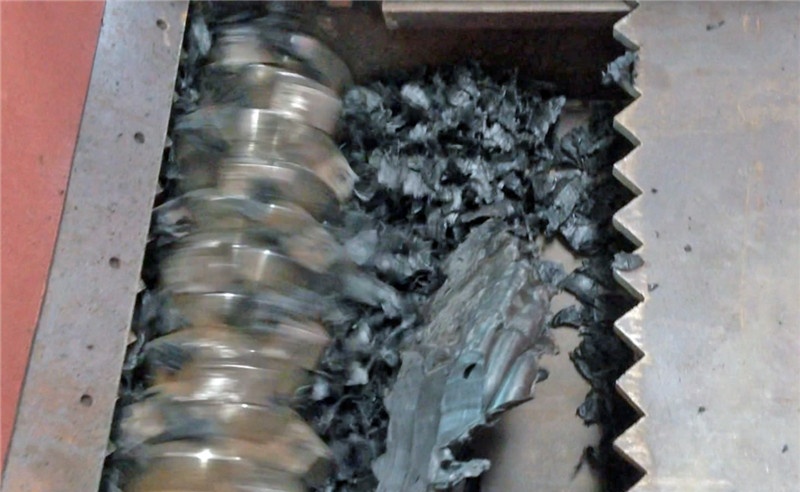
- Lithium Battery Recycling: Lithium battery recycling plant equipment handles discharging, pre-crushing, secondary granulation, and separation of black powder, copper, aluminum, plastic, and steel through magnetic separation. Capacity typically ranges from 500 to 2500 kg per hour.
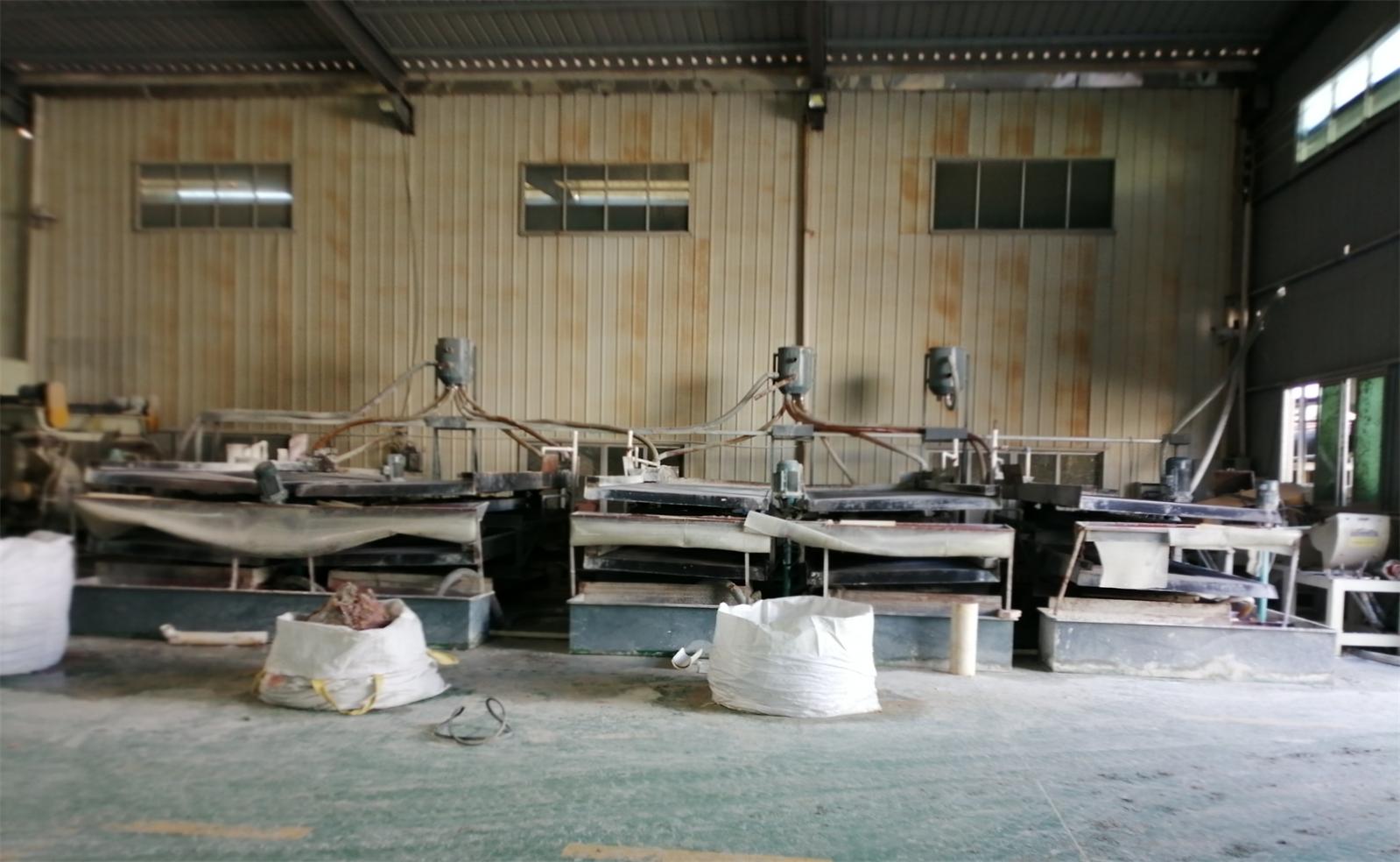
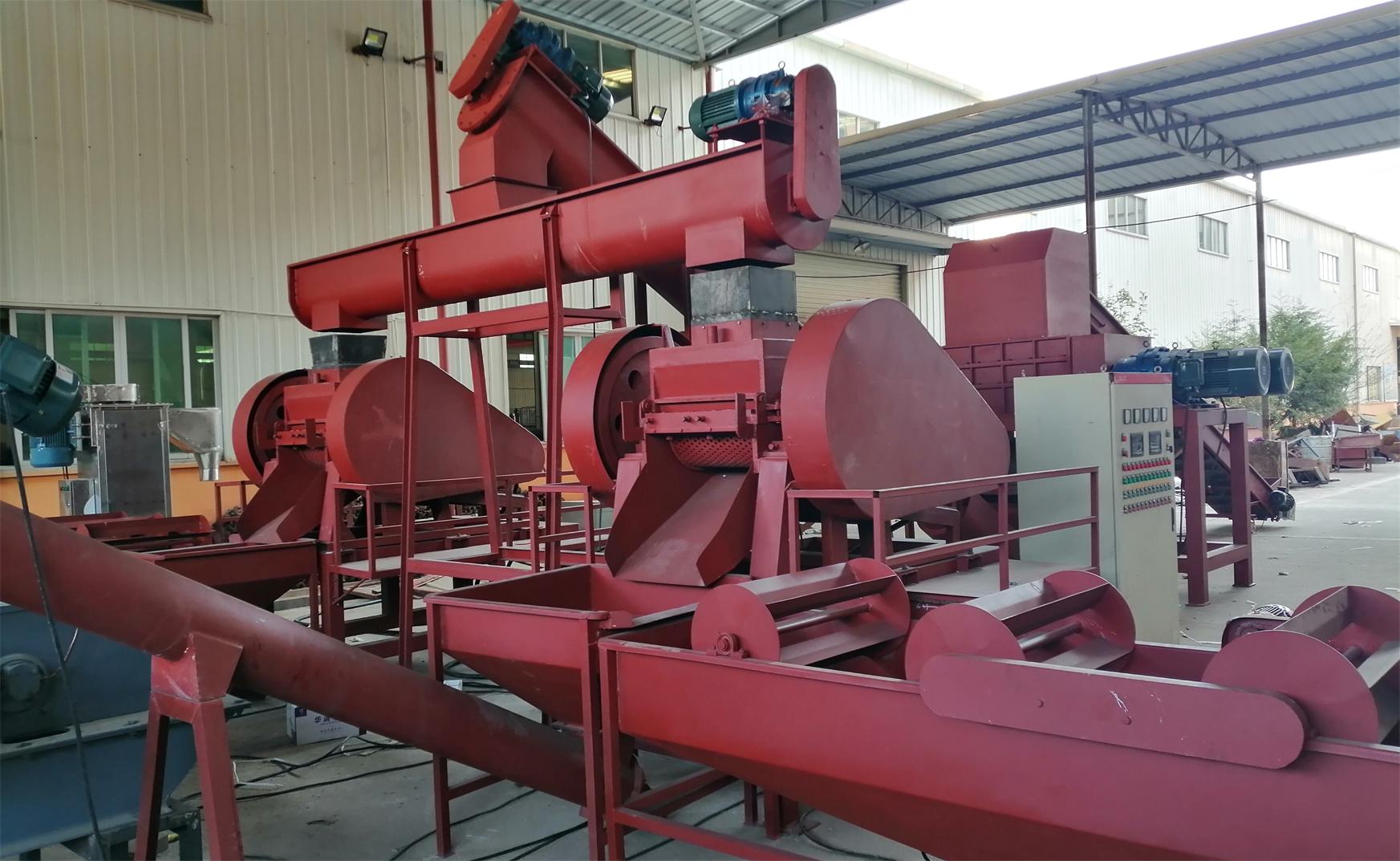
- Circuit Board Recycling: PCB recycling plants use dry or wet separation processes to extract copper powder with 96-98% purity, along with precious metals. Capacities range from 300 to 2000 kg per hour, with dust collection systems ensuring environmental compliance.
- Cable Recycling: Cable granulators and strippers separate copper and aluminum conductors from plastic insulation. Compact systems with dry separators achieve high recovery rates, while specialized equipment handles jelly-filled and large-diameter cables.
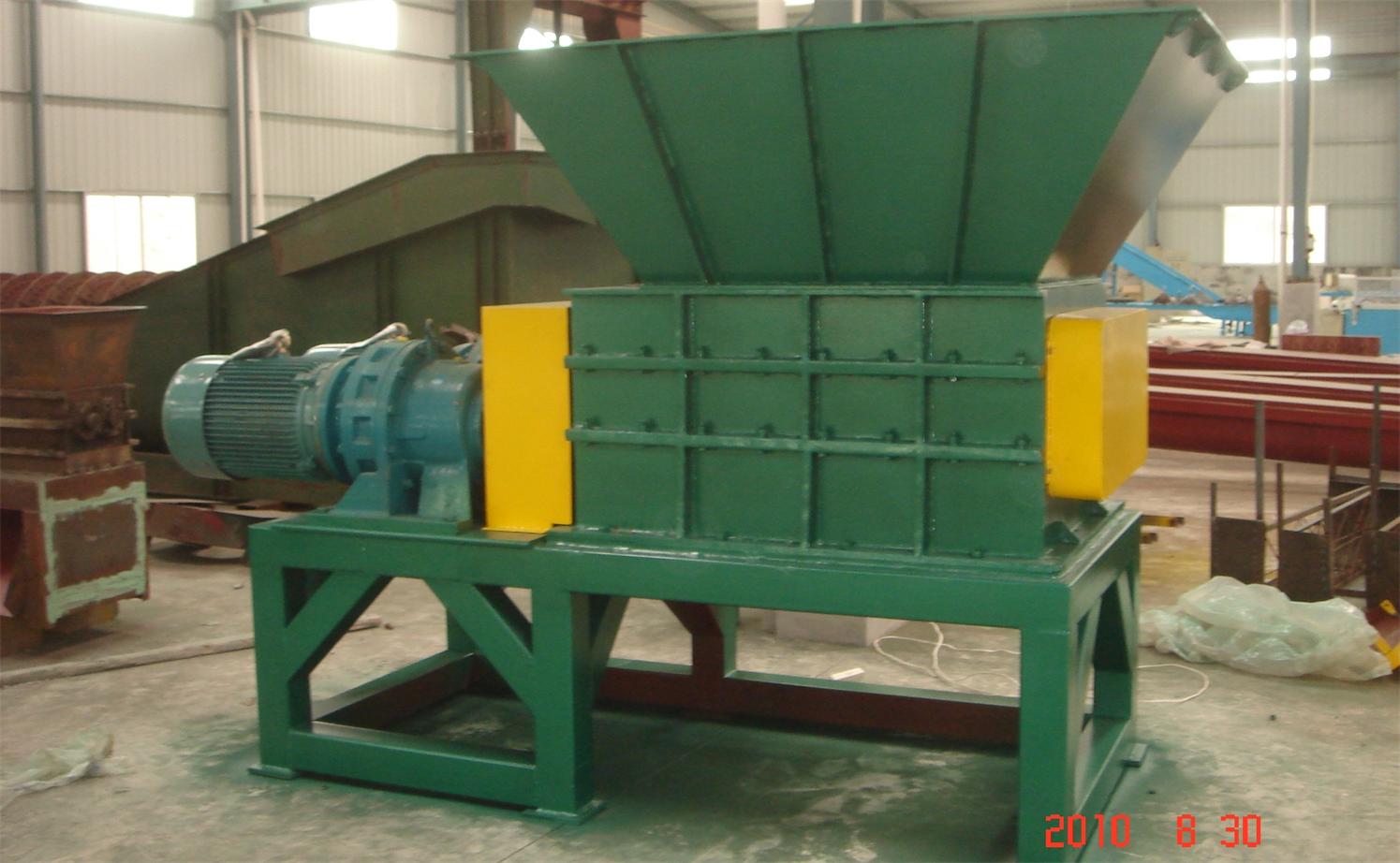
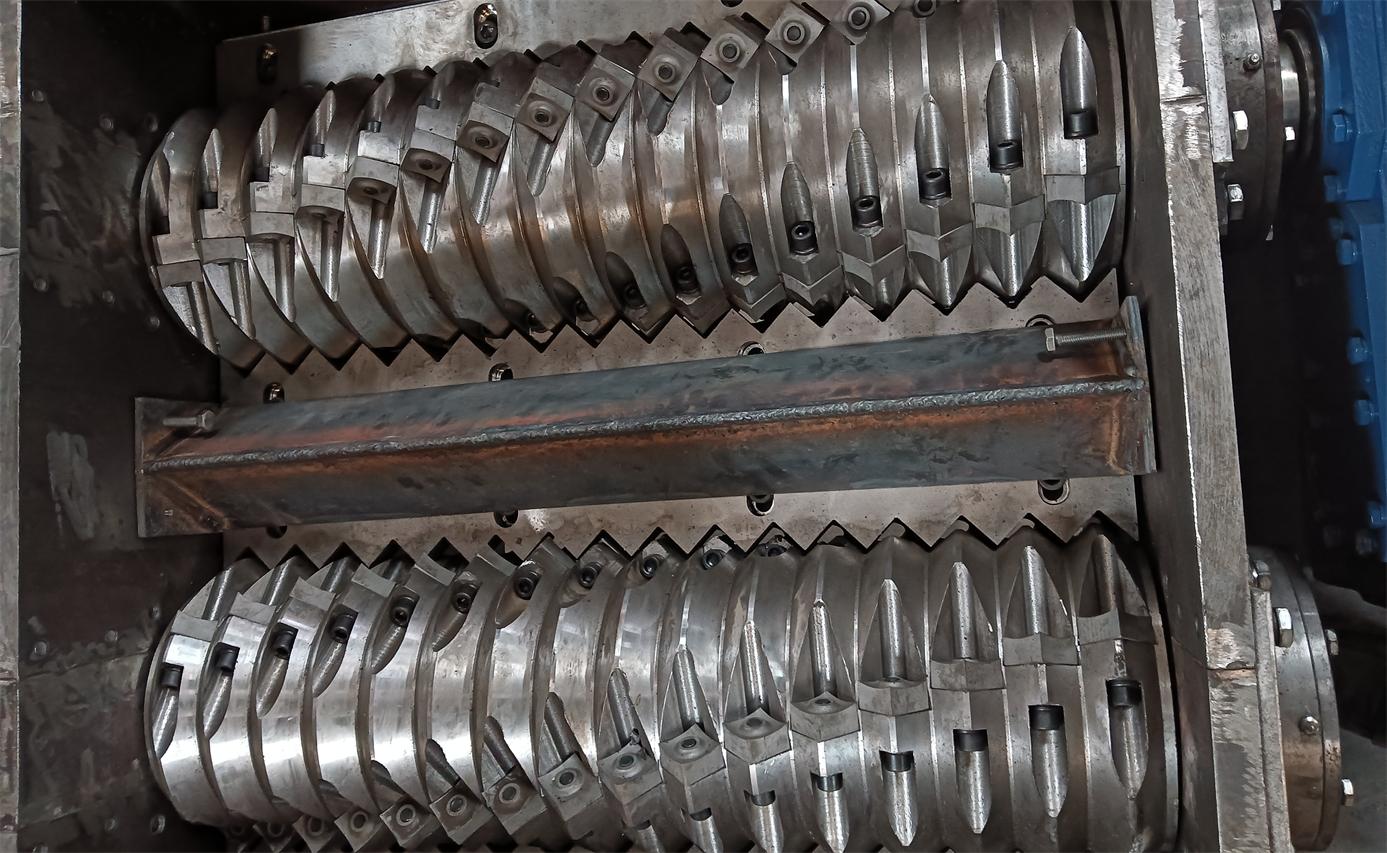
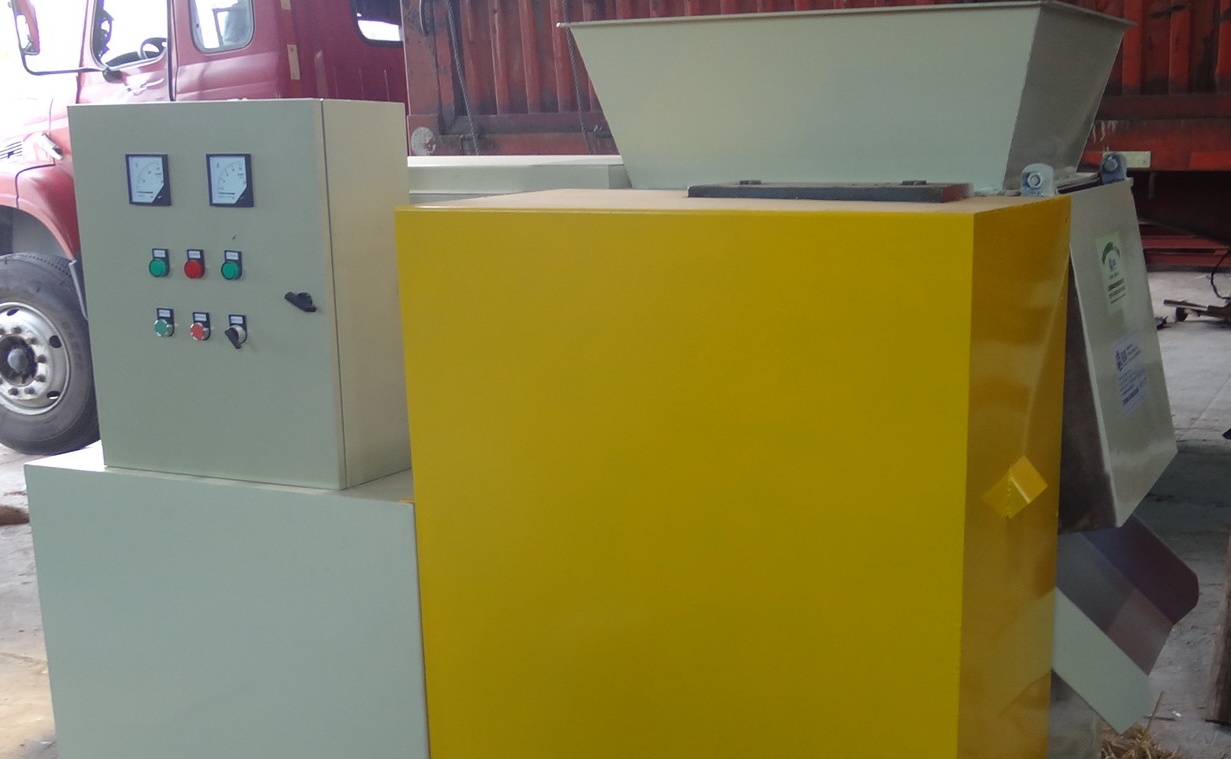
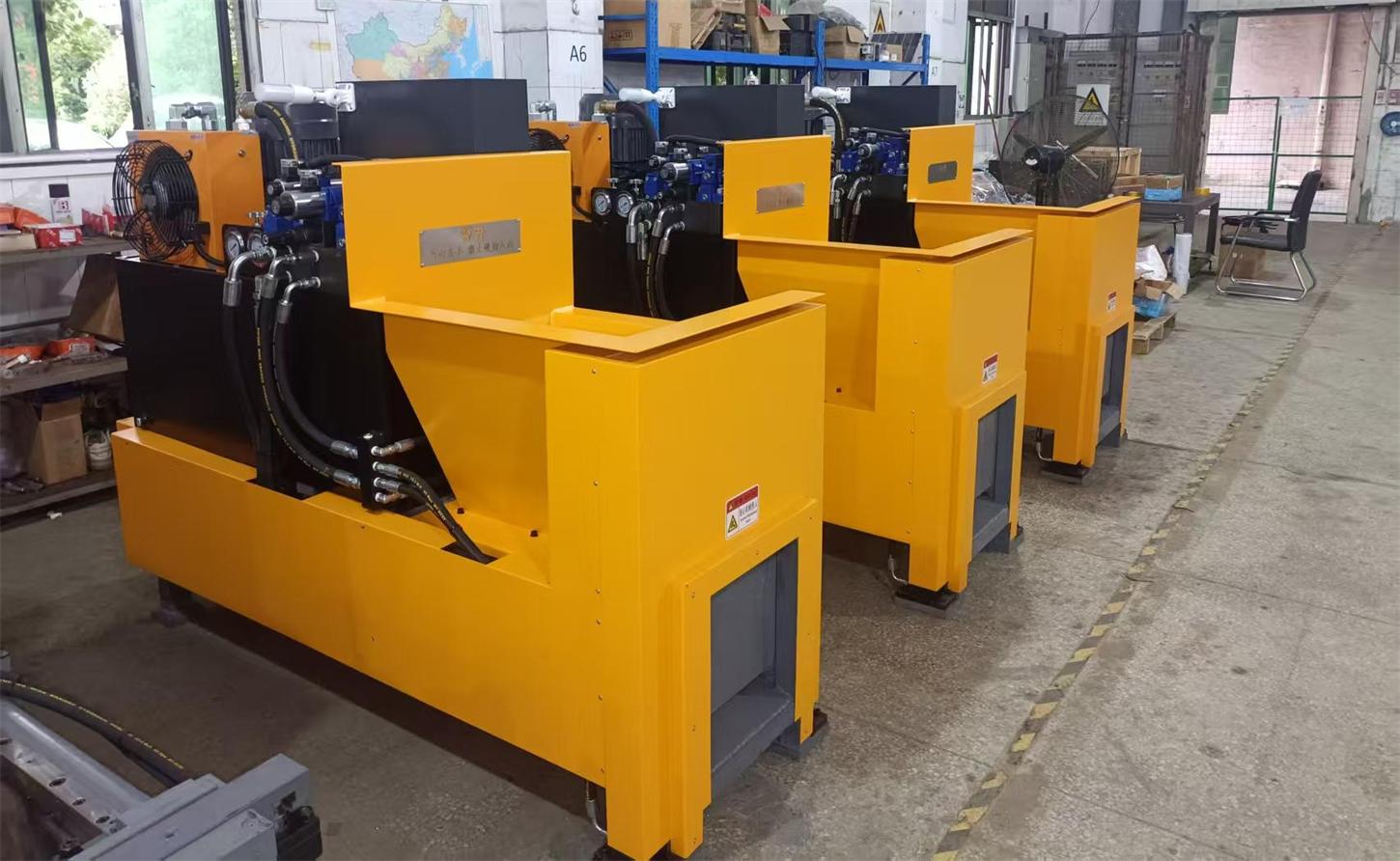
- Supporting Equipment: Shredders for pre-processing, hydraulic briquetters for compressing metal chips, hydraulic balers for materials handling, air pollution control systems, water treatment plants, and medium-frequency melting furnaces complete the integrated plant setup.
What to Look for in a Recycling Equipment Partner
Selecting the right equipment supplier is as critical as choosing the right recycling segment. Beyond the machines themselves, experienced partners provide engineering expertise that determines whether a project succeeds or struggles.
Engineering and Customization: Every recycling operation faces unique feedstock characteristics, local environmental regulations, space constraints, and production targets. Look for suppliers capable of customized plant design rather than one-size-fits-all solutions.
Technical support teams with deep mechanical engineering backgrounds and hands-on recycling experience can troubleshoot issues, optimize processes, and train local operators. EPC capabilities, covering engineering, procurement, and construction, simplify project execution by providing a single point of accountability from design through commissioning.
Additionally, suppliers who understand the full value chain, from sourcing waste materials to marketing recovered products, can provide insights that improve profitability beyond equipment performance alone.
San Lan Technologies: Turnkey Solutions Since 2007
San Lan Technologies Co., Ltd, established in 2007 and based in Ganzhou, Jiangxi Province, China, has spent nearly two decades developing and manufacturing WEEE recycling machinery and mining equipment. The company serves customers across more than 21 countries, including Singapore, Colombia, Vietnam, Mexico, Argentina, Korea, Malaysia, Indonesia, South Africa, India, Kenya, Saudi Arabia, and others.
The technical team includes professionals with master's degrees in mechanical engineering and over 15 years of direct experience in e-waste recycling machine design and operation. This expertise supports San Lan's core service offering: complete EPC project delivery for recycling plants, from initial concept and customized design through equipment manufacturing, installation, and commissioning.
Value-Added Services: Beyond equipment supply, San Lan assists customers with sourcing waste materials such as cable scrap, PCB scrap, and used lead acid batteries. The company also helps connect operators with investors and partners for plant construction, and supports marketing of recovered products including copper rice, copper powder, and lead ingots.
The product portfolio spans 13 categories with approximately 60 products, covering lead acid battery recycling plants, lithium battery recycling plants, circuit board recycling plants, cable recycling equipment, shredders, hydraulic press machines, refrigerator and AC recycling systems, motor recycling machines, CRT recycling machines, lamp recycling equipment, metal melting furnaces, and lithium ore extraction plants.
Building Recycling Businesses Across Borders
Successful recycling plant projects require more than quality machines. They demand an understanding of intercultural business environments, international logistics, regulatory compliance across jurisdictions, and local operational realities.
San Lan's bilingual English and Chinese capabilities facilitate communication with partners worldwide. The company's experience spans diverse markets, from Southeast Asia to Latin America, the Middle East to Africa, adapting solutions to local conditions while maintaining consistent engineering standards.
For entrepreneurs entering the recycling industry, turnkey plant solutions reduce the complexity of coordinating multiple vendors and contractors. For established operators expanding capacity, customized equipment upgrades and process optimizations improve recovery rates and operational efficiency.
Start Your Recycling Project Today
Whether you are exploring entry into the e-waste recycling industry or expanding existing operations, the right equipment partner makes the difference between a project that merely functions and one that thrives. Discuss your specific requirements, feedstock characteristics, and production goals with an experienced team.
Visit San-Lan.com