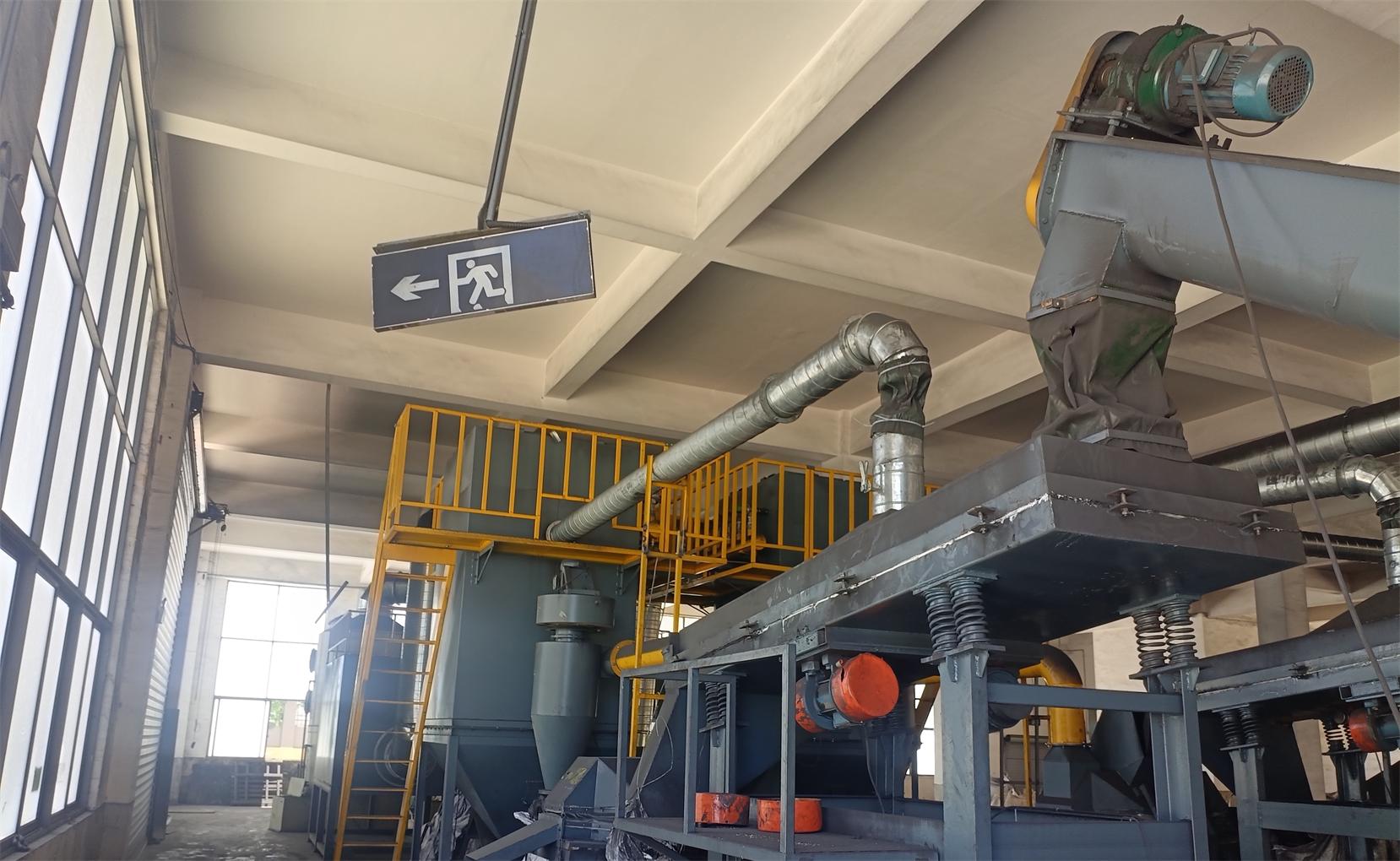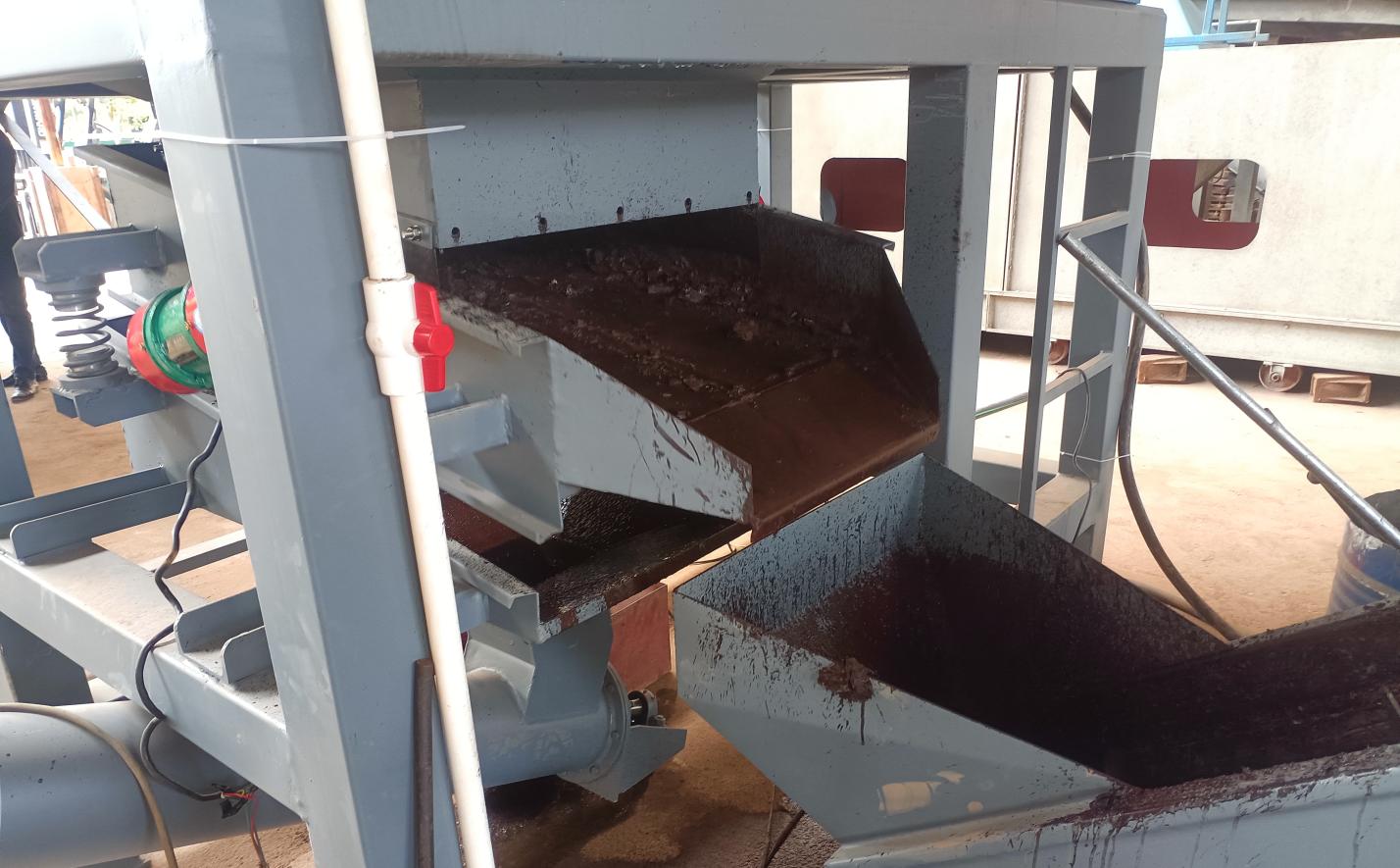
Electronic waste is one of the fastest-growing waste streams on the planet. Every year, millions of tons of discarded electronics, batteries, and cables end up in landfills, wasting valuable resources and posing serious environmental risks. Yet hidden within this waste is a massive economic opportunity. With the right recycling equipment supplier, businesses can transform scrap materials into recoverable copper, lead, aluminum, and precious metals, turning waste streams into revenue streams.
Why the E-Waste Recycling Market Is Booming
The global push for sustainability, combined with stricter environmental regulations and rising raw material costs, has created unprecedented demand for efficient recycling solutions. Governments worldwide are tightening rules on landfill disposal and pushing for circular economy models. At the same time, manufacturers are desperate for recycled raw materials to reduce dependence on mining.
For entrepreneurs and established companies alike, this creates a compelling business case. Whether you are looking to process used lead acid batteries, discarded lithium-ion cells, old circuit boards, or scrap cable, there is proven technology available to extract value efficiently and safely.
Core Recycling Technologies You Should Know
Not all e-waste is the same, and different materials require specialized processing lines. Understanding the core technologies helps you choose the right equipment for your feedstock and production goals.
Lead Acid Battery Recycling: Used lead acid batteries remain one of the most recycled products globally. A complete lead acid battery recycling equipment line typically includes a breaking and separation system, de-sulfurization unit, rotary furnace or blast furnace for paste reduction, lead refinery kettle, and air pollution control systems. Modern plants can achieve lead recovery rates of 95% and produce 99.999% pure refined lead. Capacities generally range from 1 to 10 metric tons per hour depending on configuration.
Lithium Battery Recycling: With the explosion of electric vehicles and consumer electronics, spent lithium-ion batteries have become a critical feedstock. A complete li battery recycling equipment line discharges, pre-crushes, and granulates batteries to recover black mass containing nickel, cobalt, and graphite, plus separated copper, aluminum, and plastic. Capacities typically range from 500 to 2,500 kg per hour, with air pollution control systems to handle harmful gases safely.
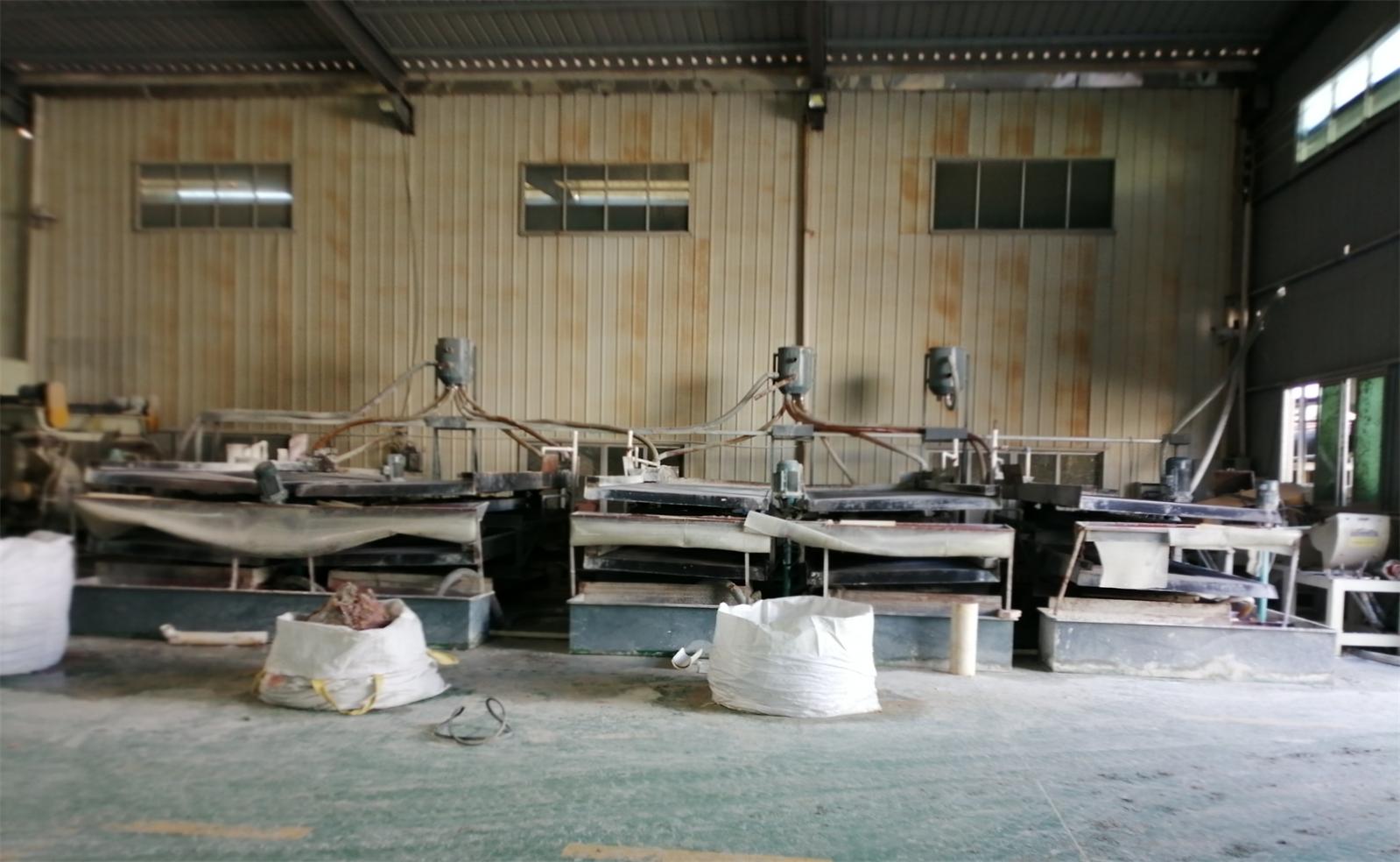
Circuit Board Recycling: Printed circuit boards contain copper, precious metals, and resin powder. Circuit board recycling equipment uses either dry separation with air classifiers and electrostatic separators, or wet separation with water metal separators. Dry systems can achieve copper powder purity of 96-98% with recovery rates around 95%, while wet systems handle boards with components still attached. Capacities range from 300 kg/hour to 2,000 kg/hour or more.
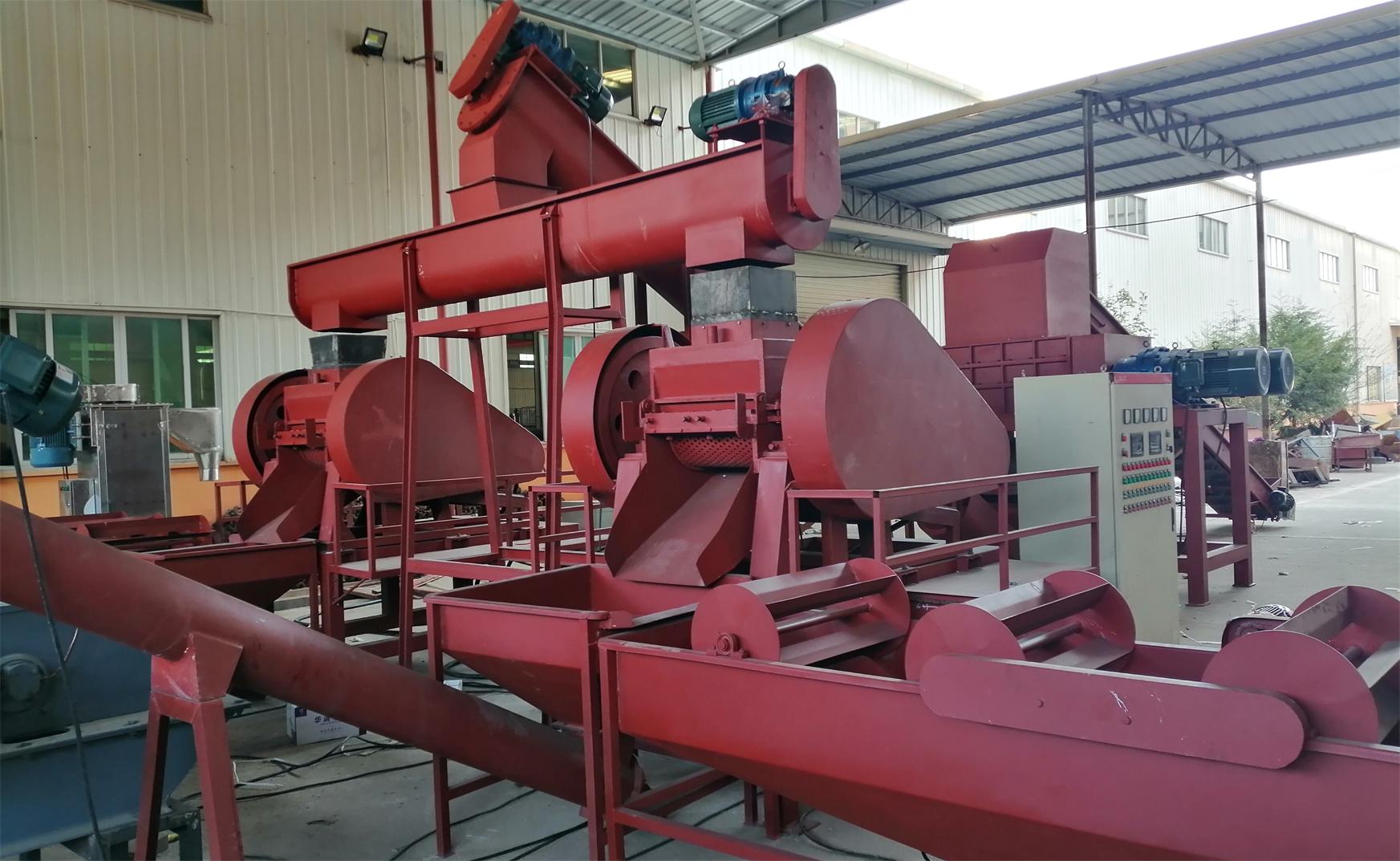
Cable and Wire Recycling: Scrap cables are a rich source of copper and aluminum. Cable recycling equipment includes scrap cable strippers for large-diameter wire and granulators with dry separators for fine crushing and sorting. Granulators separate copper or aluminum from plastic insulation through crushing and air separation, with some systems handling up to 1,200 kg/hour or more. The resulting copper rice commands strong market prices.
Beyond the Core: Supporting Equipment Matters
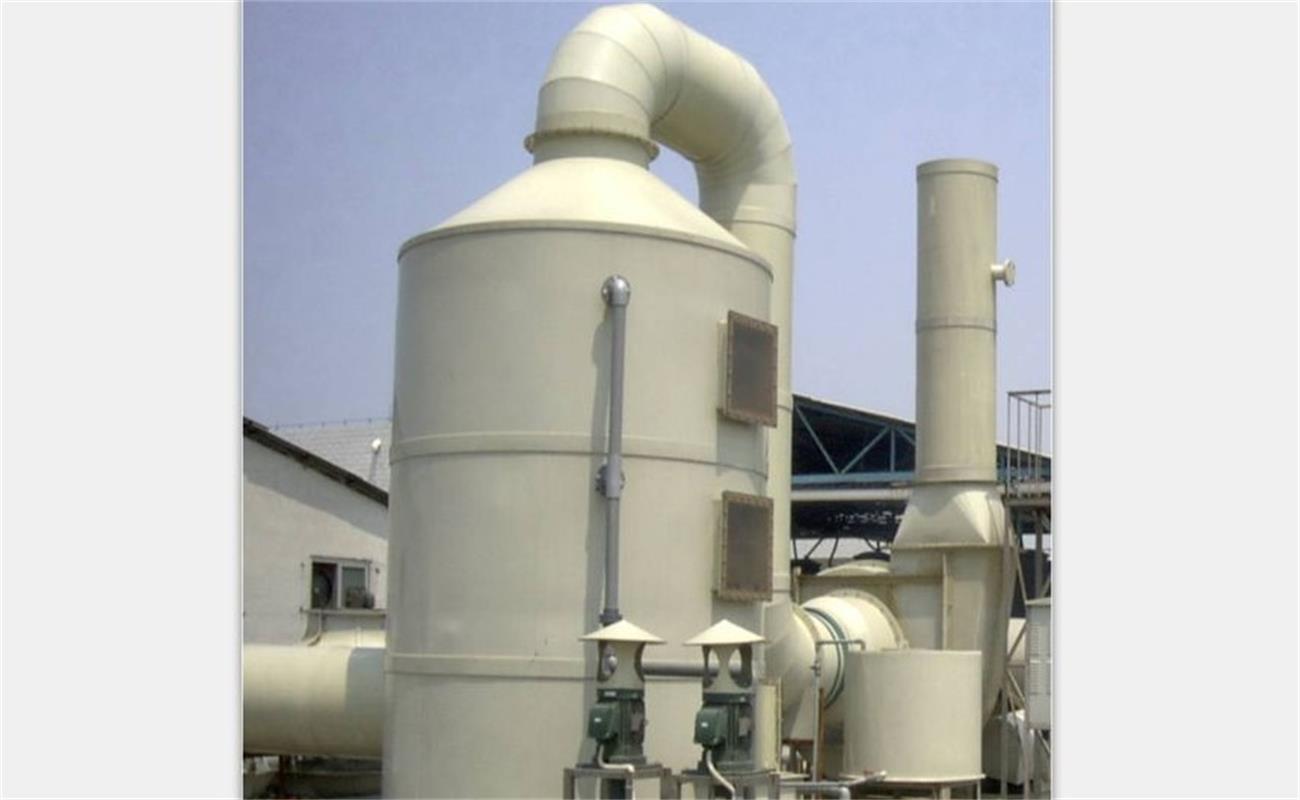
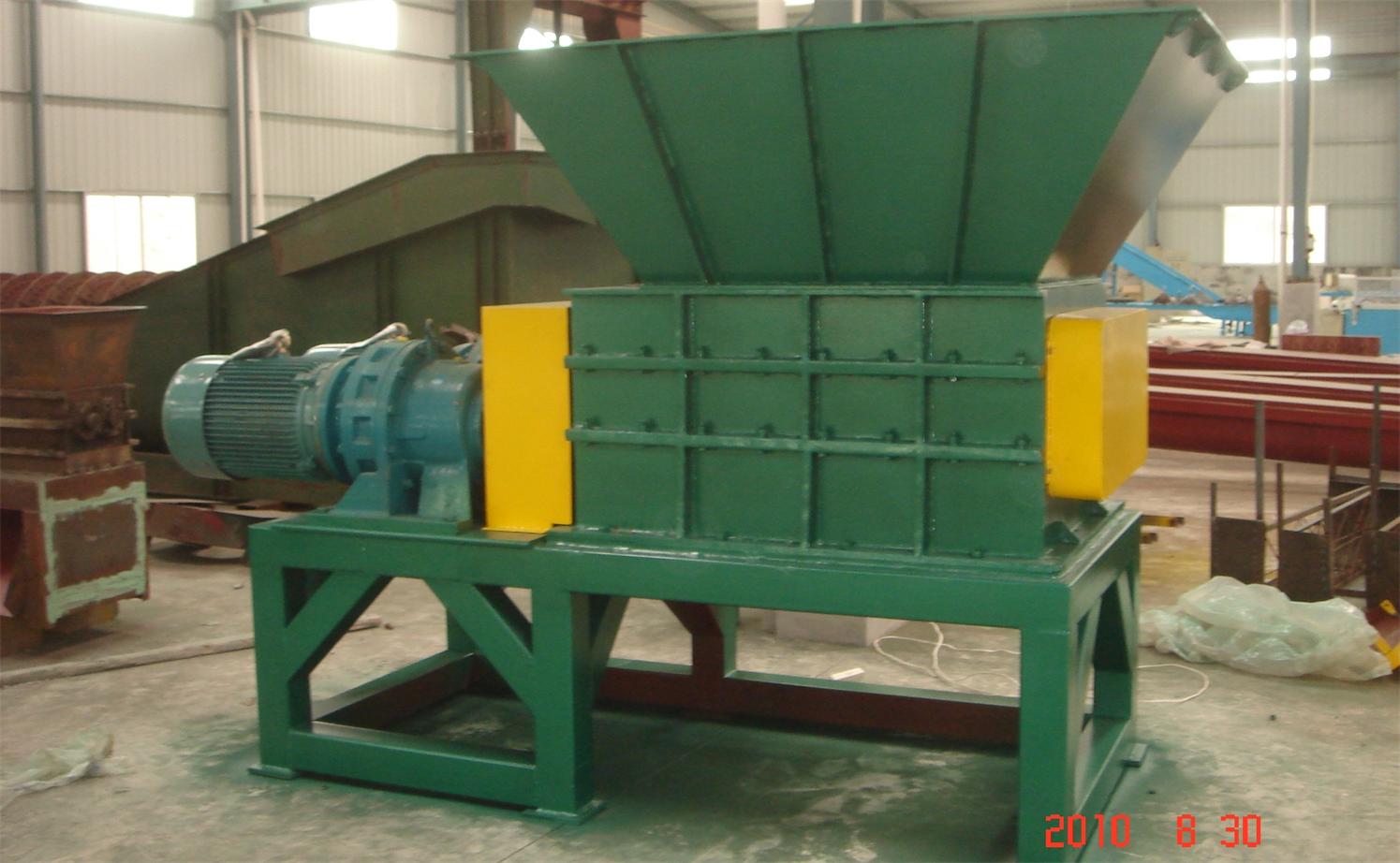
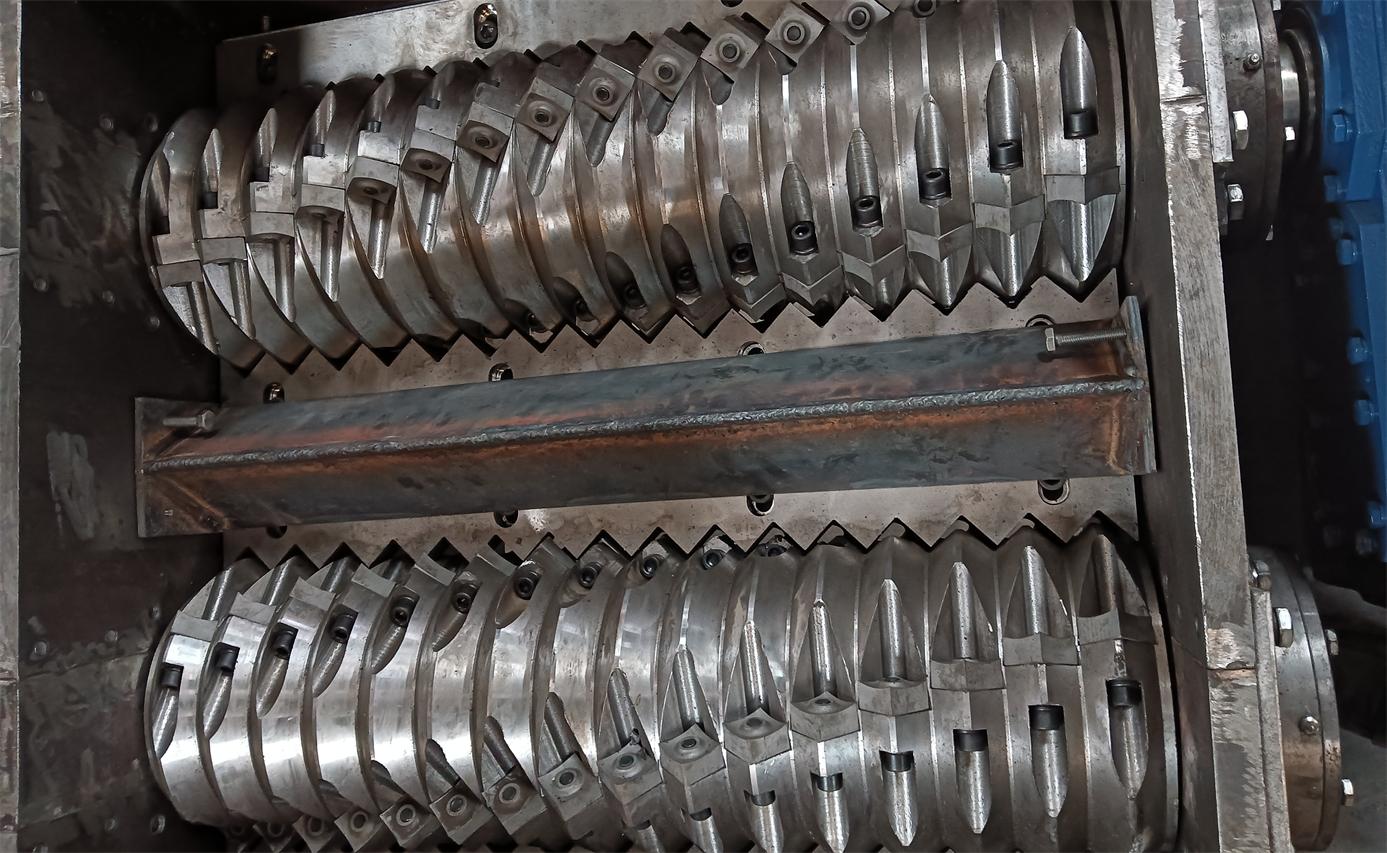
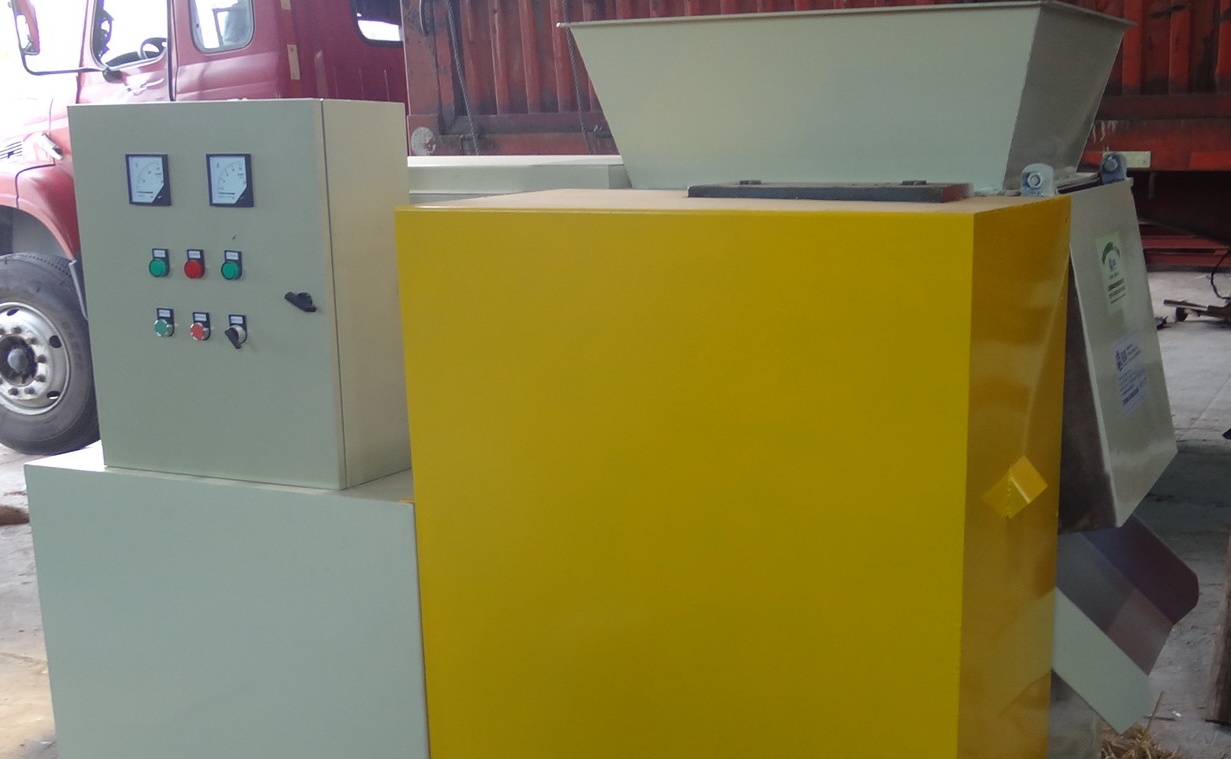
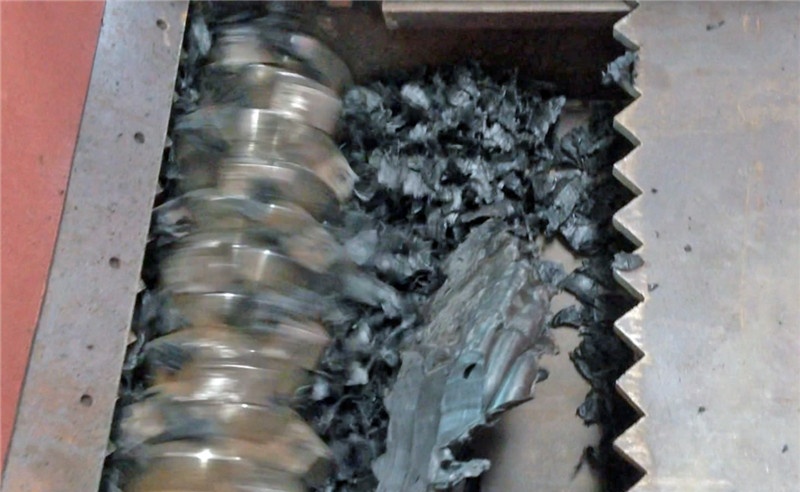
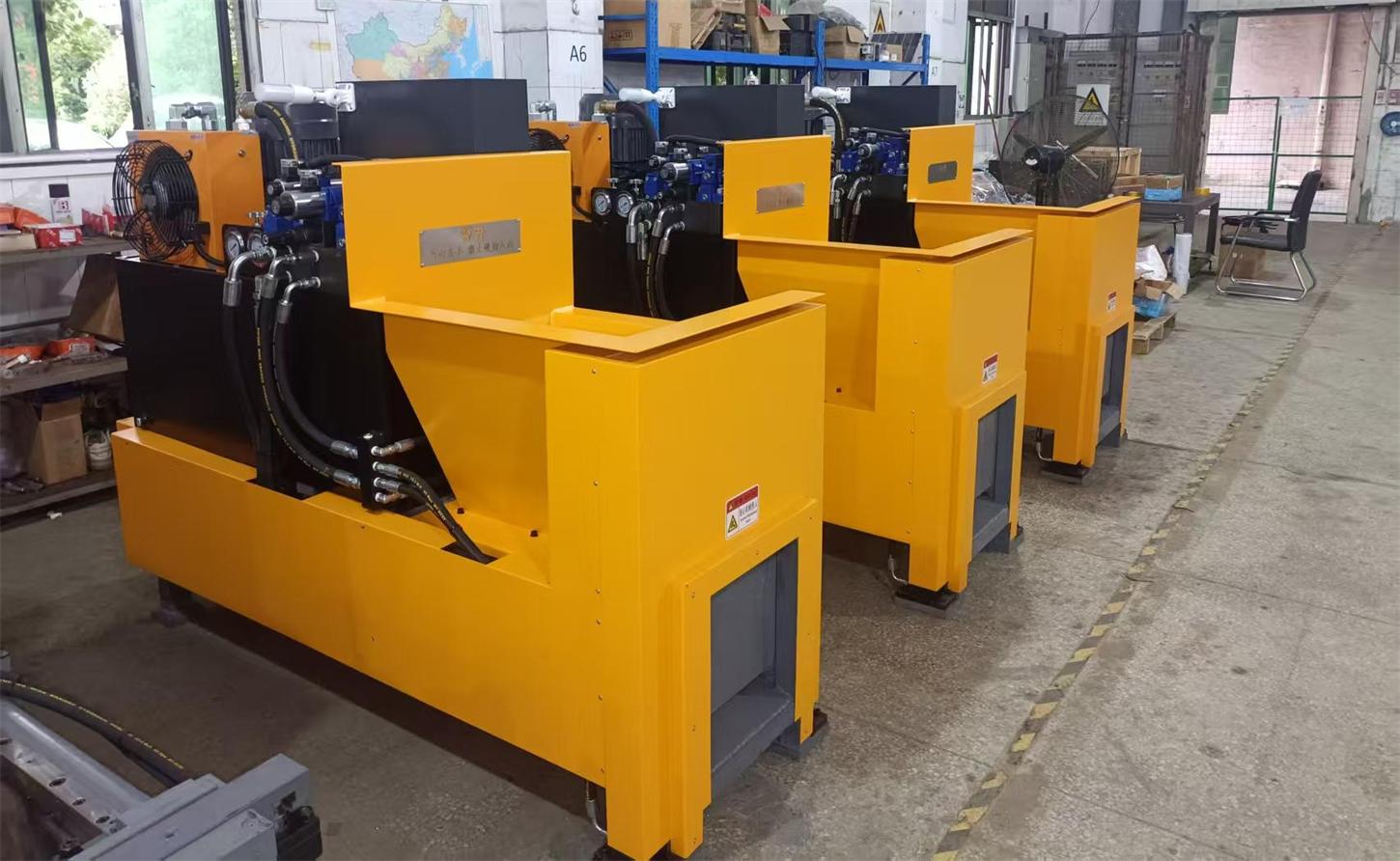
A profitable recycling operation is not just about the main processing line. Pre-processing and environmental control equipment play equally important roles. Four-shaft and twin-shaft shredders handle bulky e-waste before it enters specialized lines. Hydraulic briquetters compress metal chips into dense blocks for easier transport and smelting. Air pollution control systems and water treatment plants ensure your facility meets environmental standards and avoids costly shutdowns.
Refrigerator and air conditioner recycling lines extract refrigerants safely before shredding, recovering iron, copper, aluminum, plastic, and polyurethane with recovery rates exceeding 90%. CRT cutters separate monitor glass and funnel while collecting phosphor powder. Lamp recycling machines crush fluorescent tubes and capture mercury through HEPA and activated carbon filters.
What Separates a Good Supplier from a Great One
Buying recycling equipment is a long-term investment. The lowest upfront price rarely delivers the lowest total cost of ownership. Here are the factors that truly matter when selecting a partner.
- Technical depth: Look for suppliers with in-house engineering teams who can customize designs for your specific material composition, capacity targets, and site constraints.
- EPC capability: End-to-end project execution including engineering, procurement, construction, installation, and commissioning reduces coordination headaches and timeline risk.
- Proven experience: Ask for reference installations in your target region or with similar feedstock. A supplier with customers across 20-plus countries has likely solved a wide range of operational challenges.
- After-sales support: Equipment breaks. Parts wear. You need a supplier who responds quickly and stocks spare parts.
- Value-added services: The best partners help you source raw material, optimize your process, and even find buyers for your recovered products.
One-Stop Solutions vs. Piecemeal Purchasing
Some buyers try to assemble a plant by sourcing crushers from one vendor, separators from another, and furnaces from a third. This approach almost always leads to integration problems, compatibility issues, and blame-shifting when something goes wrong.
A one-stop supplier designs the entire line as a unified system. Motors, control systems, throughput rates, and material flows are optimized to work together. Installation and commissioning happen under a single project manager. When you need support, you have one point of contact.
For companies entering the recycling business for the first time, this integrated approach significantly reduces risk and accelerates the path to profitable operation.
From First Contact to Full Operation
A typical equipment procurement journey starts with a feasibility discussion. You share your target feedstock, expected volume, available budget, and local regulations. The supplier's engineering team then proposes a customized plant layout and equipment configuration.
After design approval, manufacturing begins. Depending on complexity, delivery timelines range from several weeks to a few months. Installation and commissioning follow, with training for your operators. A competent supplier stays engaged during early production to fine-tune settings and troubleshoot issues.
Some suppliers go further, assisting with waste material sourcing, introducing you to buyers for recovered metals, and even connecting you with investors for larger plant constructions. These value-added services can make the difference between a struggling startup and a thriving recycling business.
Real-World Performance Indicators
When evaluating equipment, insist on concrete performance metrics rather than vague marketing claims. Here are benchmarks you should expect from well-designed systems.
These numbers come from actual operating plants, not laboratory conditions. Achieving them requires quality equipment, proper installation, and disciplined operation.
Common Mistakes to Avoid
New entrants to the recycling industry often make predictable errors. Avoiding these can save you significant time and money.
- Underestimating environmental compliance: Air emissions, wastewater, and noise regulations are strict in most jurisdictions. Budget for proper pollution control from day one.
- Ignoring material variability: Your actual feedstock may differ from specifications. Build flexibility into your line to handle variations in material size, moisture, and composition.
- Neglecting operator training: Even the best equipment performs poorly with untrained staff. Invest in thorough training and standard operating procedures.
- Overlooking downstream sales: Recovering metal is only half the battle. You need reliable buyers for copper rice, lead ingots, and plastic granules. Lock in offtake agreements before you start production.
Ready to turn waste into profit? San Lan Technologies has been designing and manufacturing e-waste recycling machinery since 2007. With customers in over 21 countries and a full range of solutions from lead acid battery recycling plants to lithium battery recovery lines, circuit board separation systems, and cable granulators, we provide the equipment and expertise you need to build a successful recycling operation.
Our engineering team holds master's degrees in mechanical engineering and brings over 15 years of hands-on experience in WEEE recycling. We offer complete EPC services, customized design, installation, commissioning, and ongoing support. We can even assist with raw material sourcing and product sales.