The world is drowning in electronic waste. Each year, over 50 million metric tons of e-waste are generated globally, and only a fraction is properly recycled. For businesses willing to look beyond the landfill, this represents one of the most significant untapped opportunities of our time. Inside every discarded battery, obsolete circuit board, and worn-out cable lies recoverable value—copper, lead, lithium, aluminum, and precious metals waiting to be reclaimed. The key is having the right recycling partner and the right technology to extract that value efficiently, safely, and profitably.
Why Integrated Recycling Plants Outperform Standalone Machines
Many newcomers to the recycling industry make the same mistake: they purchase individual machines and hope to assemble a profitable operation. In reality, performance is not defined by a single crusher or separator. It is determined by how effectively the entire system synchronizes to transform raw waste feedstock into high-purity, high-value output.
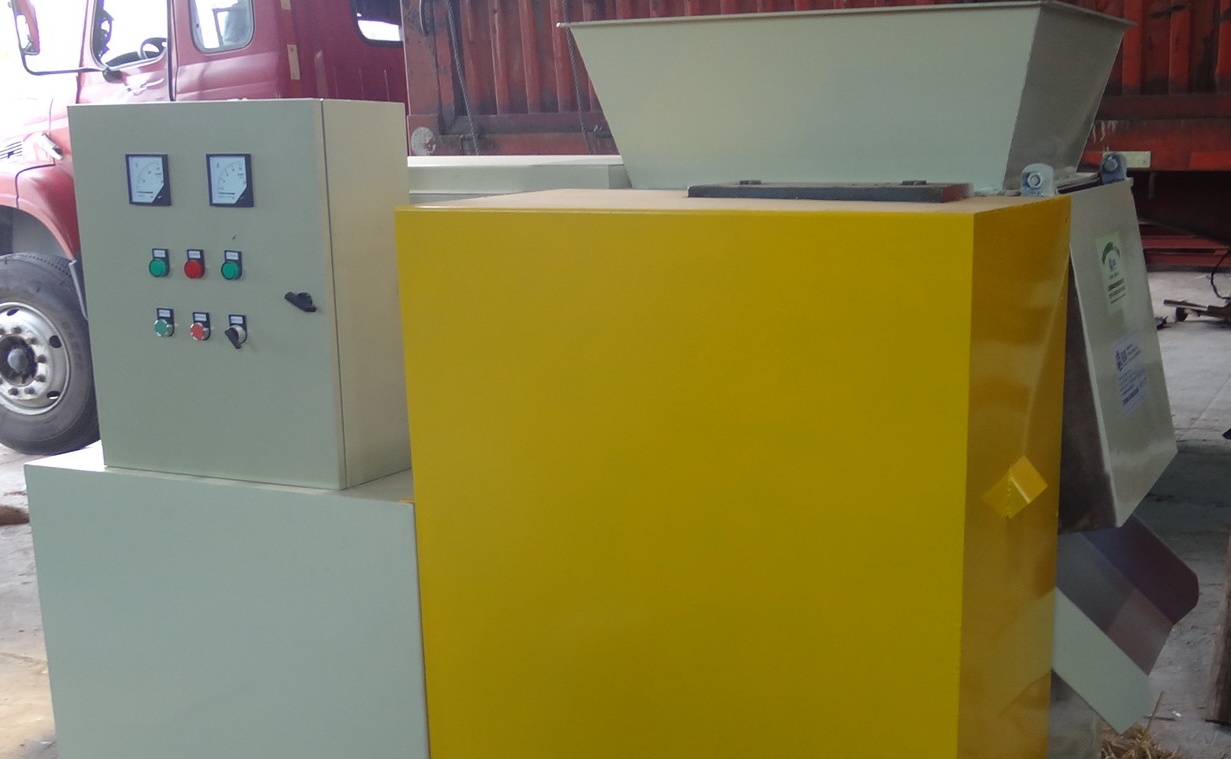
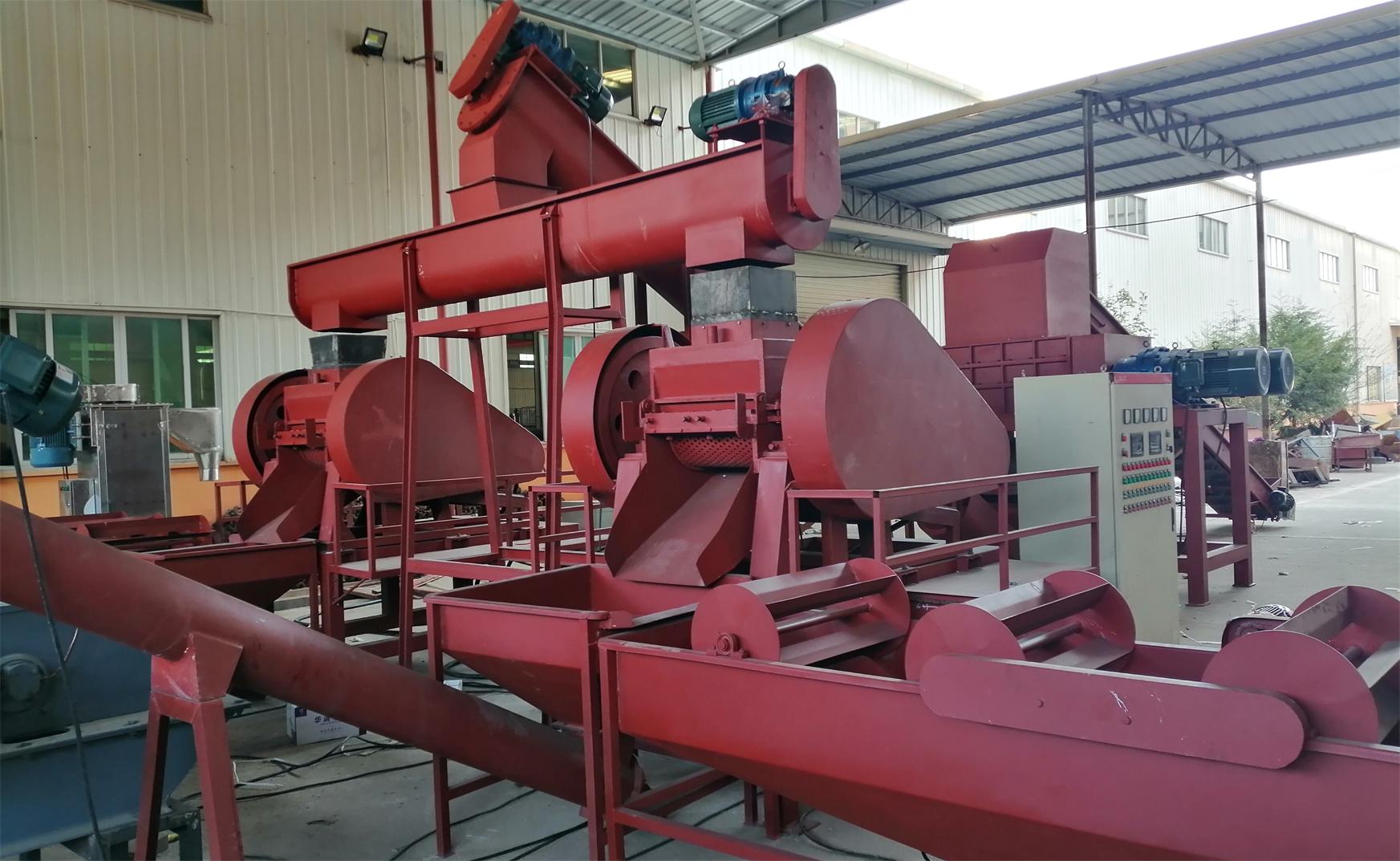
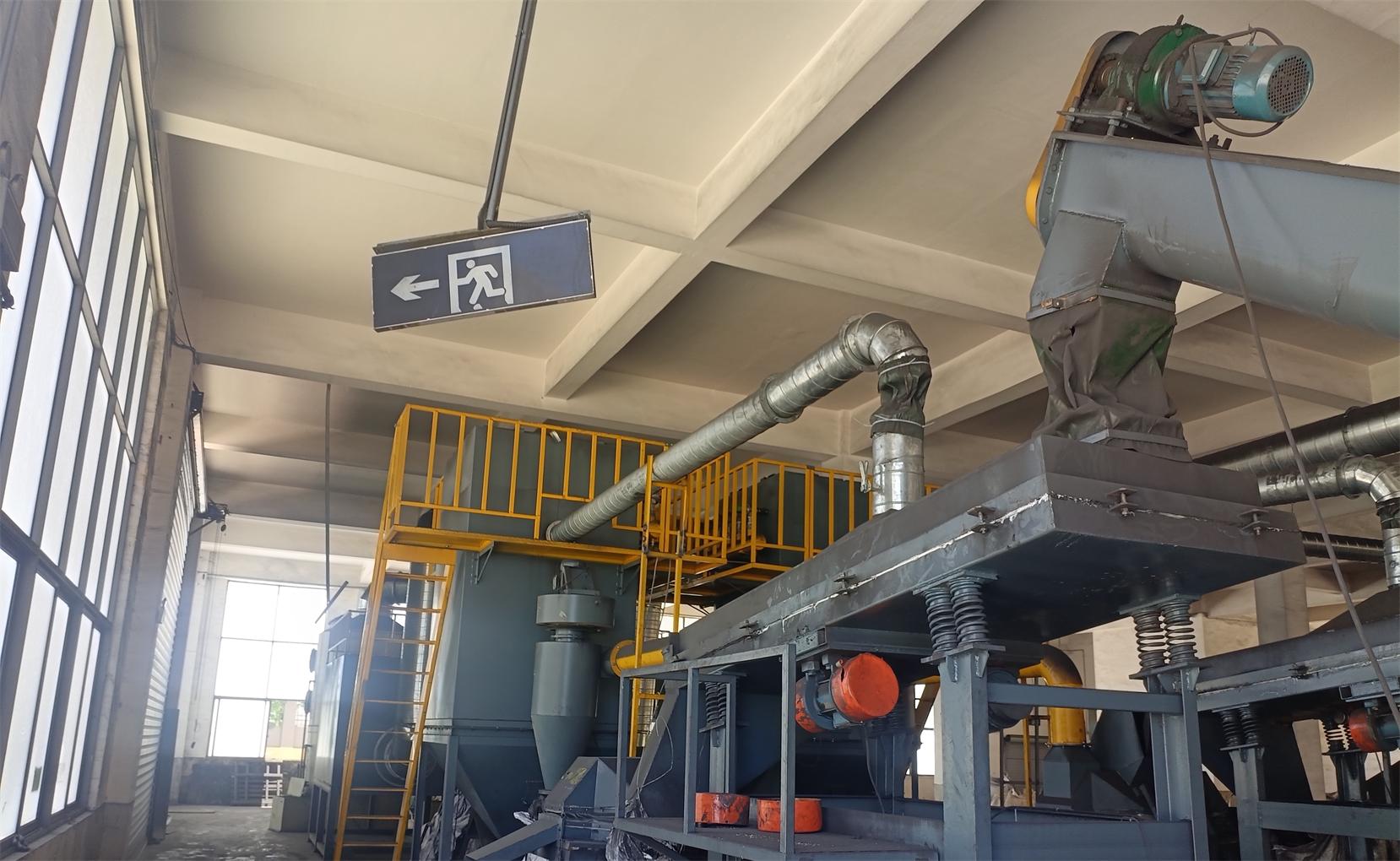
An integrated recycling plant is engineered as a complete system. Every conveyor angle, transfer point, and separation stage is optimized for the specific material flow. This system-level thinking ensures maximum throughput without compromising purity, and it minimizes downtime caused by mismatched equipment. Whether you are processing used batteries, scrap cables, or printed circuit boards, a unified plant design delivers lower cost-per-tonne and higher recovery rates than a collection of disconnected machines.
Lead Acid Battery Recycling: Proven Technology, Real Returns
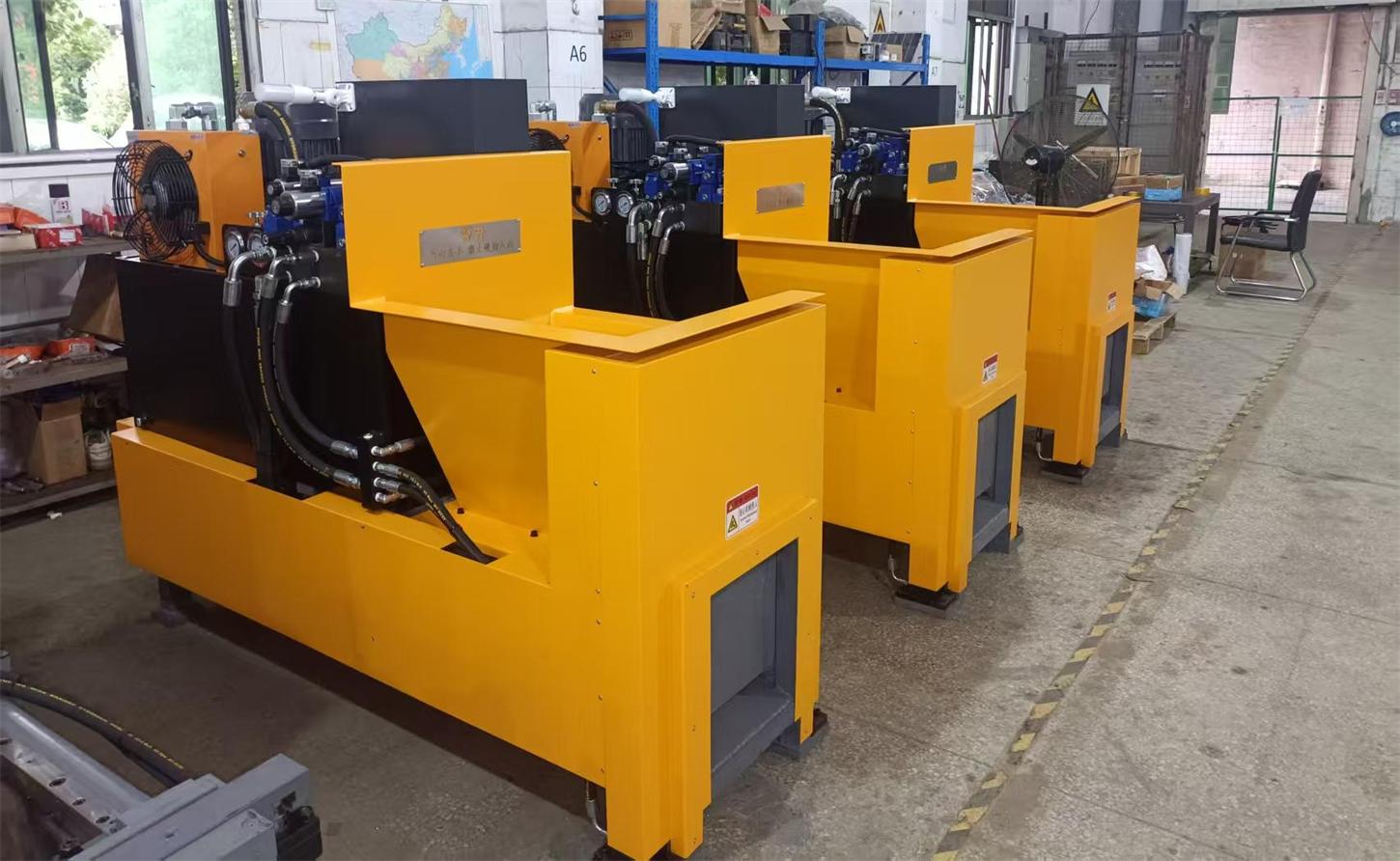
Used lead acid batteries (ULAB) remain one of the most recycled consumer products in the world, yet many regions still lack access to modern, environmentally compliant processing facilities. A well-designed lead acid battery recycling equipment setup does far more than crush and melt. It systematically breaks and separates batteries to recover sulfuric acid, plastic shells, lead grids, and lead paste—each stream becoming a sellable product rather than a disposal liability.
Modern lead acid battery recycling plants incorporate specialized breaking and separation systems, de-sulfurization units to reduce emissions and energy consumption, and high-efficiency furnaces for paste reduction. Rotary furnaces, for example, can achieve lead recovery rates higher than traditional blast furnaces, while refinery kettle furnaces produce lead with purity up to 99.999%. When combined with air pollution control systems and water treatment plants, these facilities meet strict environmental requirements while delivering consistent profitability.
Key Insight: Plants with integrated de-sulfurization and closed-loop water treatment not only reduce regulatory risk—they also cut operating costs by minimizing additive use and waste discharge.
Lithium Battery Recycling: Capturing Critical Materials
The surge in electric vehicles, consumer electronics, and energy storage systems has created an unprecedented demand for lithium-ion battery recycling. Unlike lead acid batteries, lithium batteries contain a complex mix of lithium, cobalt, nickel, graphite, copper, and aluminum. Recovering these materials requires precision equipment that can safely discharge, crush, and separate components without triggering thermal runaway or releasing toxic gases.
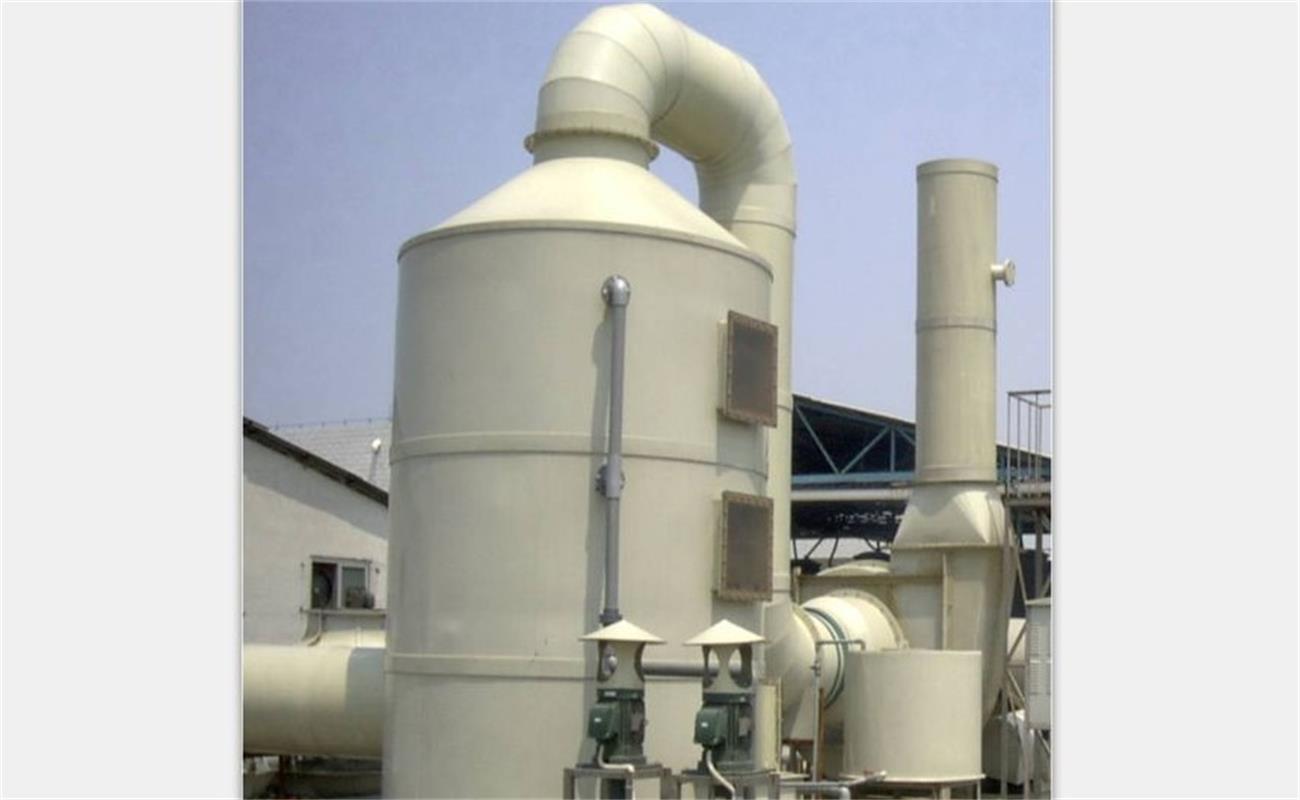
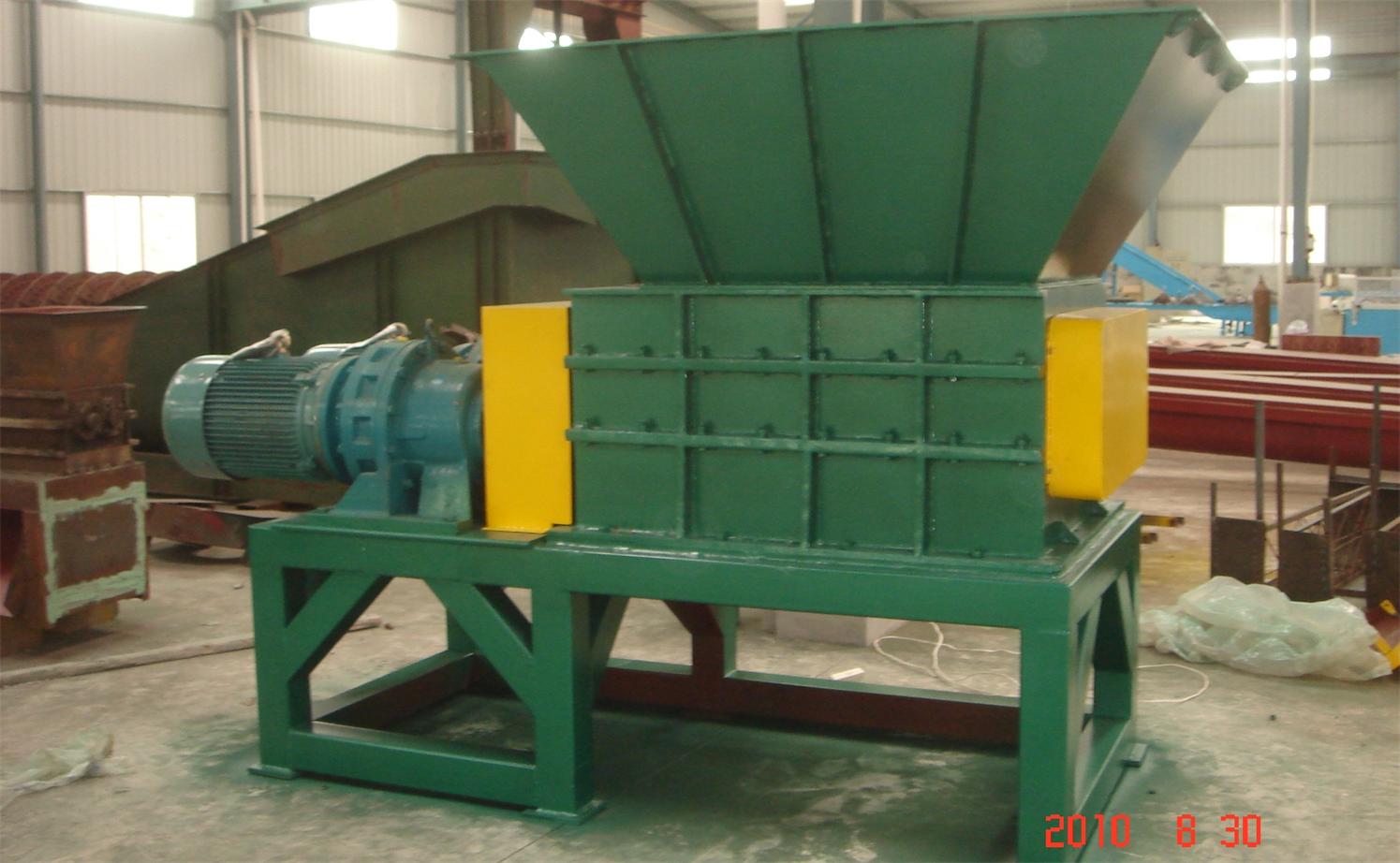
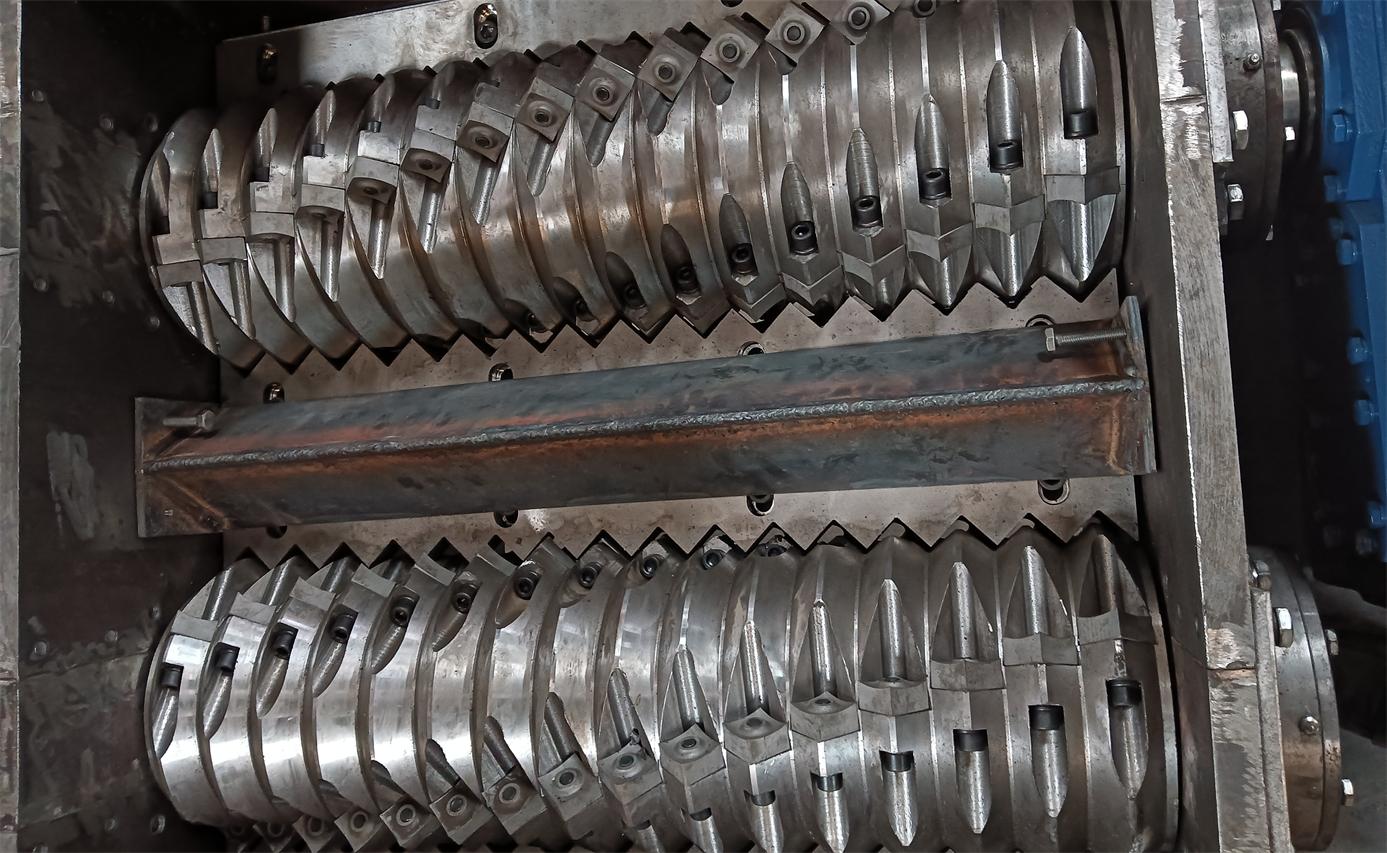
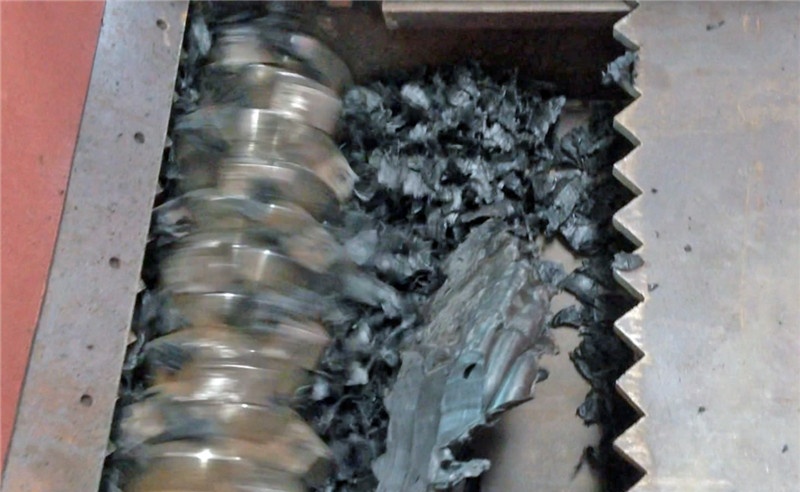
A complete li battery recycling equipment line typically includes discharging stations, pre-crushers, secondary granulators, magnetic separators, and advanced air separation systems. The output—black mass rich in nickel and cobalt, separated copper and aluminum fractions, and recovered plastic—can be sold directly to refiners and smelters. Properly equipped plants also include dedicated air pollution control systems to neutralize harmful gases before emission, ensuring compliance with both local and international standards.
With processing capacities ranging from 500 to 2,500 kg per hour, modern lithium battery recycling plants can be scaled to match available feedstock, making them viable for both emerging markets and established recycling hubs.
Circuit Board and Cable Recycling: Maximizing Metal Recovery
Printed circuit boards (PCBs) and scrap cables are among the most metal-dense waste streams in the e-waste category. A single ton of PCB waste can contain more copper than many conventional copper ores, along with trace amounts of gold, silver, and palladium. Similarly, scrap cables represent a concentrated source of copper and aluminum that can be recovered with minimal processing energy compared to primary mining.
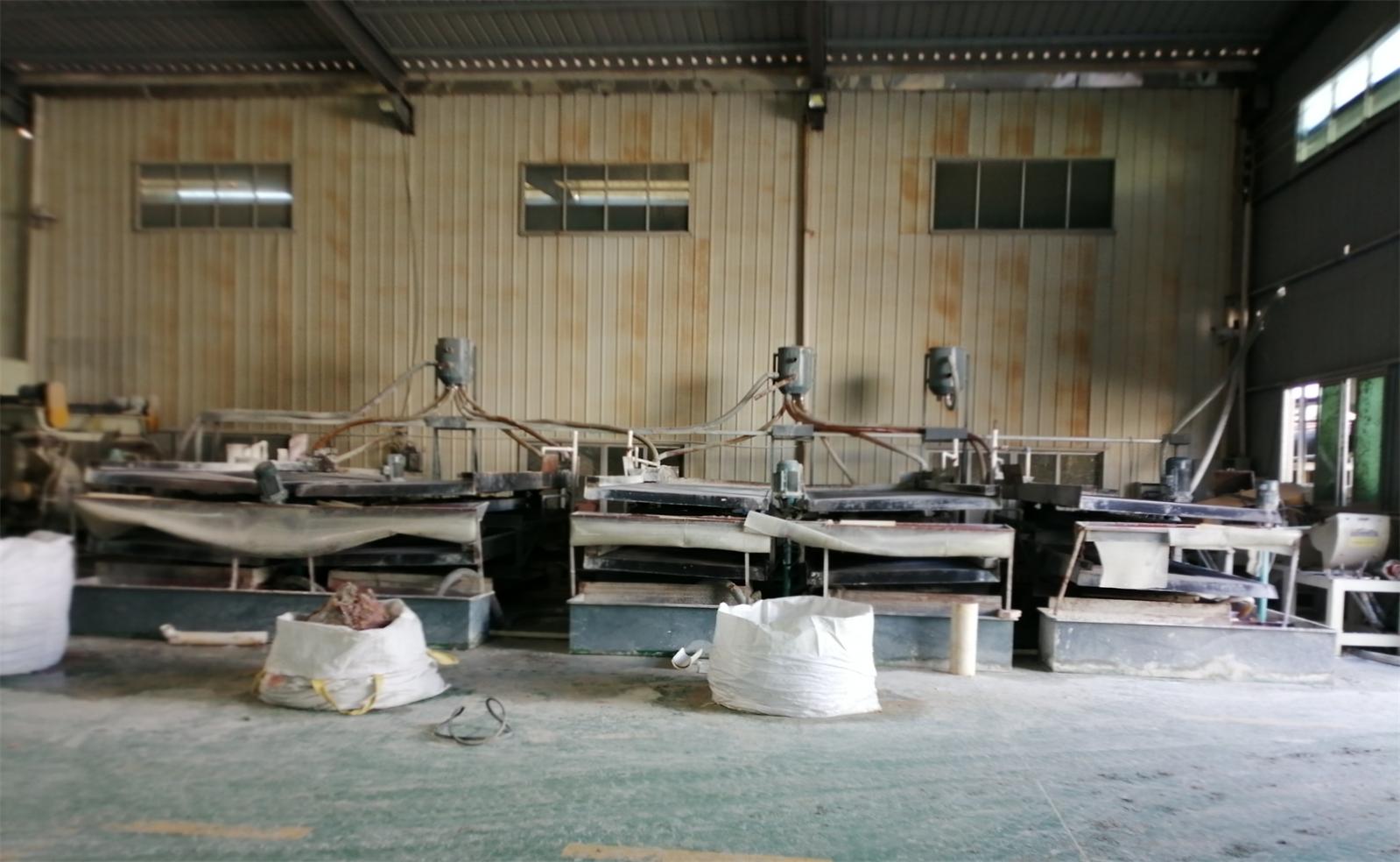
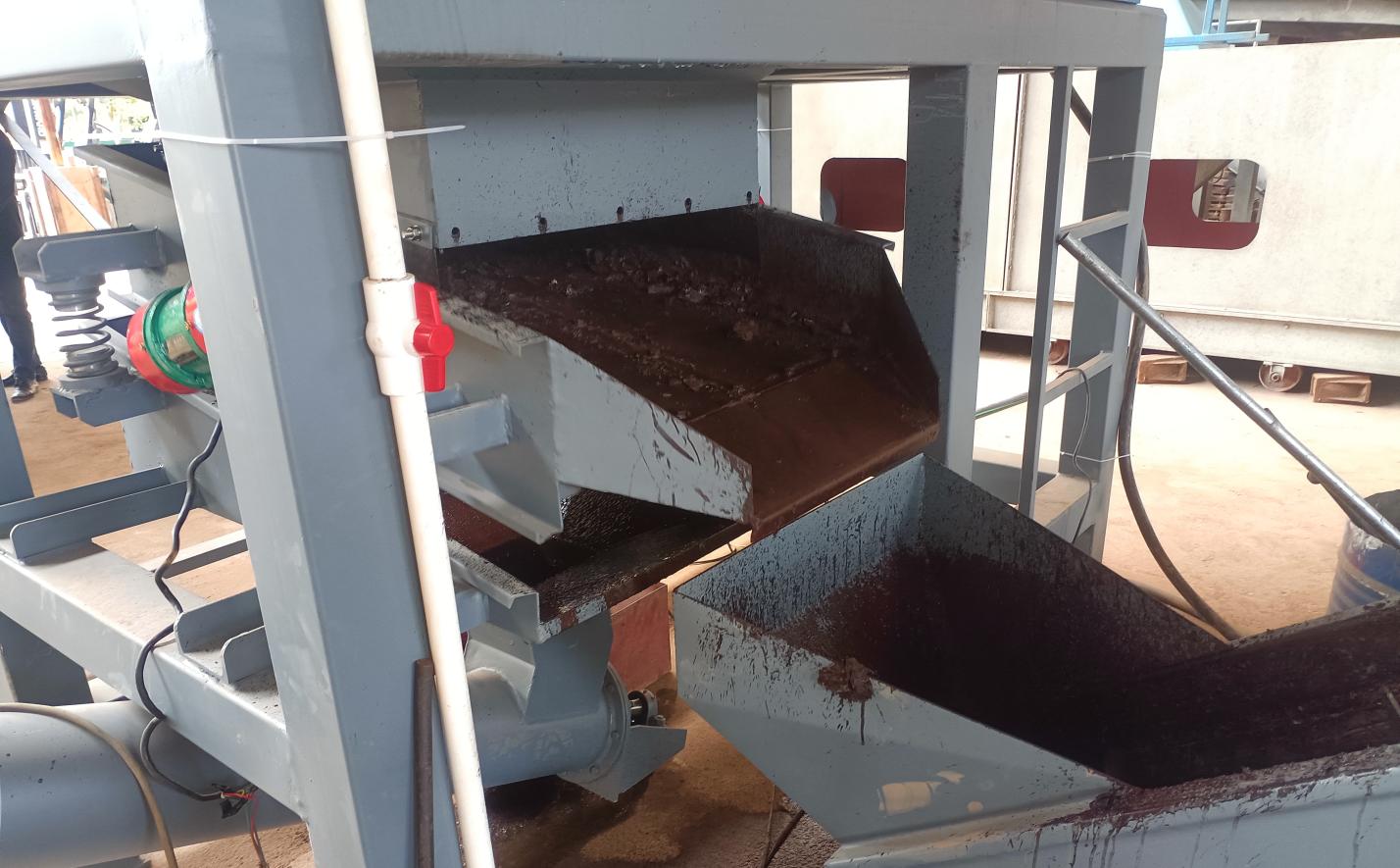
Effective circuit board recycling equipment uses a combination of dry or wet separation technologies to isolate metal powders from non-metallic fractions. Dry separation plants with air classifiers and electrostatic separators can achieve copper powder purity of 96–98% with recovery rates around 95%, while wet separation systems handle more complex boards with electronic components still attached. For cable recycling, granulators paired with dry separators efficiently separate copper or aluminum from plastic insulation, producing clean "copper rice" ready for smelting.
The economic case is compelling: by recovering metals at purity levels accepted by major refiners, recyclers can bypass intermediate brokers and command higher prices for their output.
The San Lan Difference: EPC Expertise and Global Reach
Since 2007, San Lan Technologies Co., Ltd has specialized in designing and manufacturing WEEE recycling machines and complete e-waste recycling plants. With a technical team holding master's degrees in mechanical engineering and over 15 years of hands-on experience in recycling equipment, San Lan offers more than standard machinery—it delivers turnkey solutions.
San Lan's core strengths include:
- EPC Project Delivery: From initial engineering and equipment procurement to plant construction, installation, and commissioning, San Lan manages the entire project lifecycle.
- Customized Design: Every plant is tailored to the customer's material mix, throughput targets, and local regulatory environment.
- Value-Added Services: San Lan assists customers with sourcing waste feedstock (cable scrap, PCB scrap, used batteries), and helps sell recovered products (copper rice, lead ingots) to qualified buyers.
- Global Experience: With customers in over 21 countries—including Singapore, Colombia, Vietnam, Mexico, India, and South Africa—San Lan understands the logistical, cultural, and technical nuances of international projects.
- Bilingual Support: Fluent in both English and Chinese, the San Lan team ensures clear communication throughout design, manufacturing, and after-sales support.
Planning Your Recycling Plant: What to Consider
Before investing in recycling infrastructure, operators should evaluate several critical factors. First, understand your feedstock: the type, volume, and variability of waste materials will dictate the required processing capacity and separation technology. Second, assess your target outputs: different buyers have different purity requirements, and your plant design should be reverse-engineered from these specifications. Third, consider regulatory compliance from day one—air emissions, wastewater, and noise standards vary significantly by region, and retrofitting compliance equipment is always more expensive than integrating it from the start.
Finally, choose a partner with proven after-sales support. Downtime in a recycling plant is lost revenue. Access to spare parts, direct engineering consultation, and remote troubleshooting can mean the difference between a plant that runs at 90% availability and one that struggles to break even.
Ready to turn waste into recoverable value? Whether you are planning a new lead acid battery recycling facility, a lithium battery processing plant, or an integrated e-waste recovery operation, San Lan Technologies provides the equipment, engineering expertise, and ongoing support to make your project successful. Contact our team today to discuss your material, capacity, and output requirements, and let us design a system engineered to perform.
Email: info@san-lan.com | WhatsApp: +86 139 2377 4083
Web: www.san-lan.com