A practical guide for investors and operators entering the e-waste recovery business.
Every year, mountains of discarded electronics pile up in warehouses and landfills. To most people, it is garbage. To a growing number of recyclers, it is inventory. The difference between scrap and profit often comes down to one decision: choosing the right recycling equipment.
Governments on nearly every continent are tightening environmental regulations around electronic waste disposal. Manual dismantling and uncontrolled chemical leaching are being phased out. At the same time, demand for recovered copper, aluminum, lead, and lithium compounds is climbing. These two forces—stricter rules and scarcer raw materials—have turned professional recycling machinery from a capital expense into a competitive necessity.
Four Recovery Streams Driving the Market
Not all e-waste is processed the same way. Smart operators typically focus on one or more of these high-value streams.
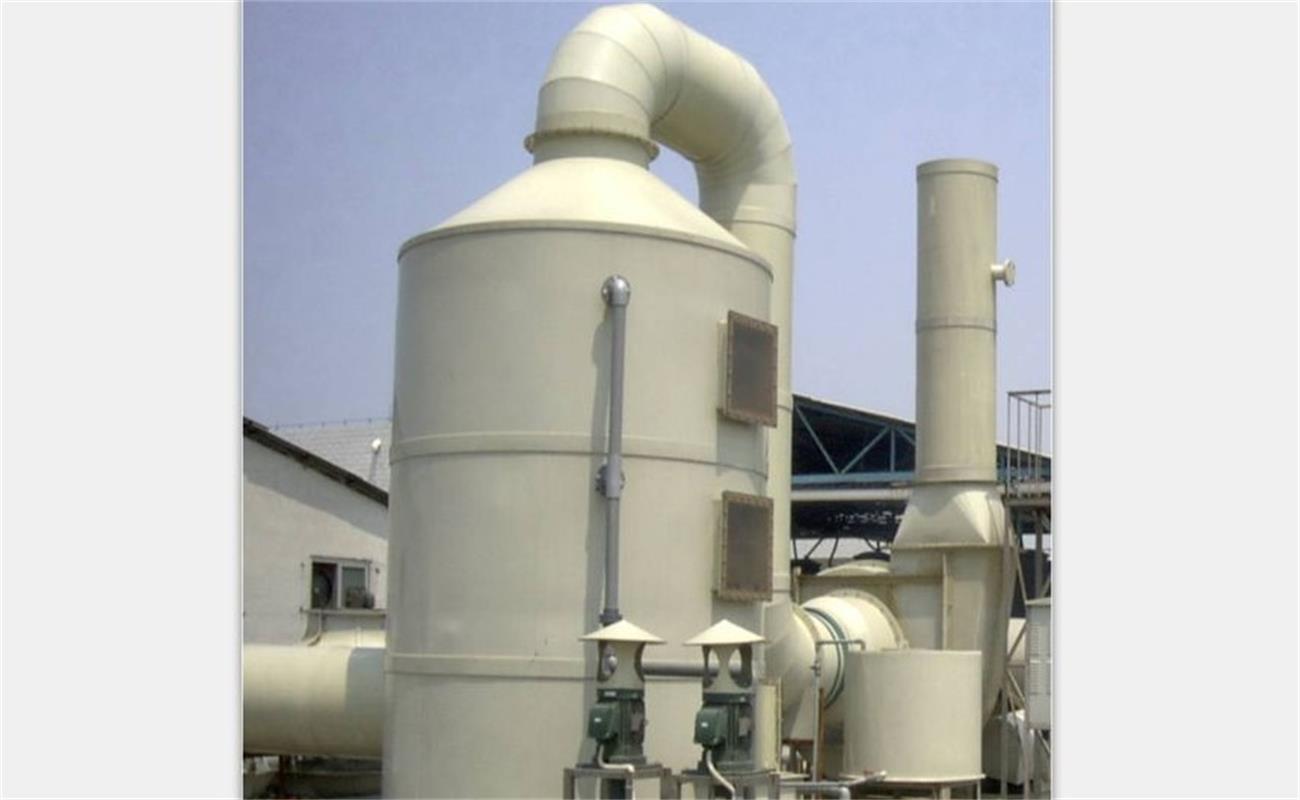
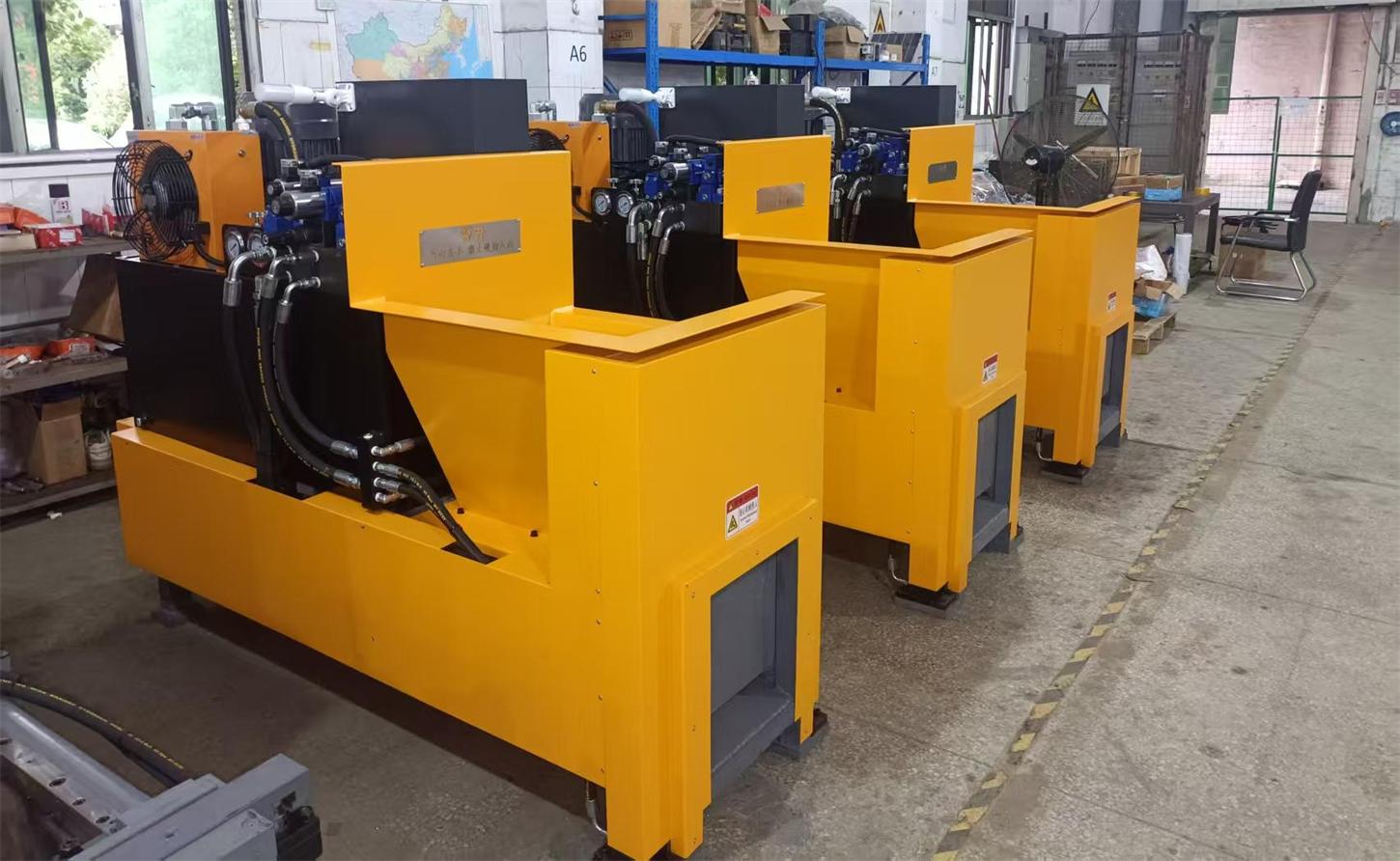
Lead acid battery recycling remains one of the most mature and profitable segments. A complete lead acid battery recycling equipment setup breaks used batteries into their core components—lead paste, lead grids, plastic shells, and acid—then refines the lead to 99.999% purity. Recovery rates above 95% are achievable with modern rotary furnaces and de-sulfurization units.
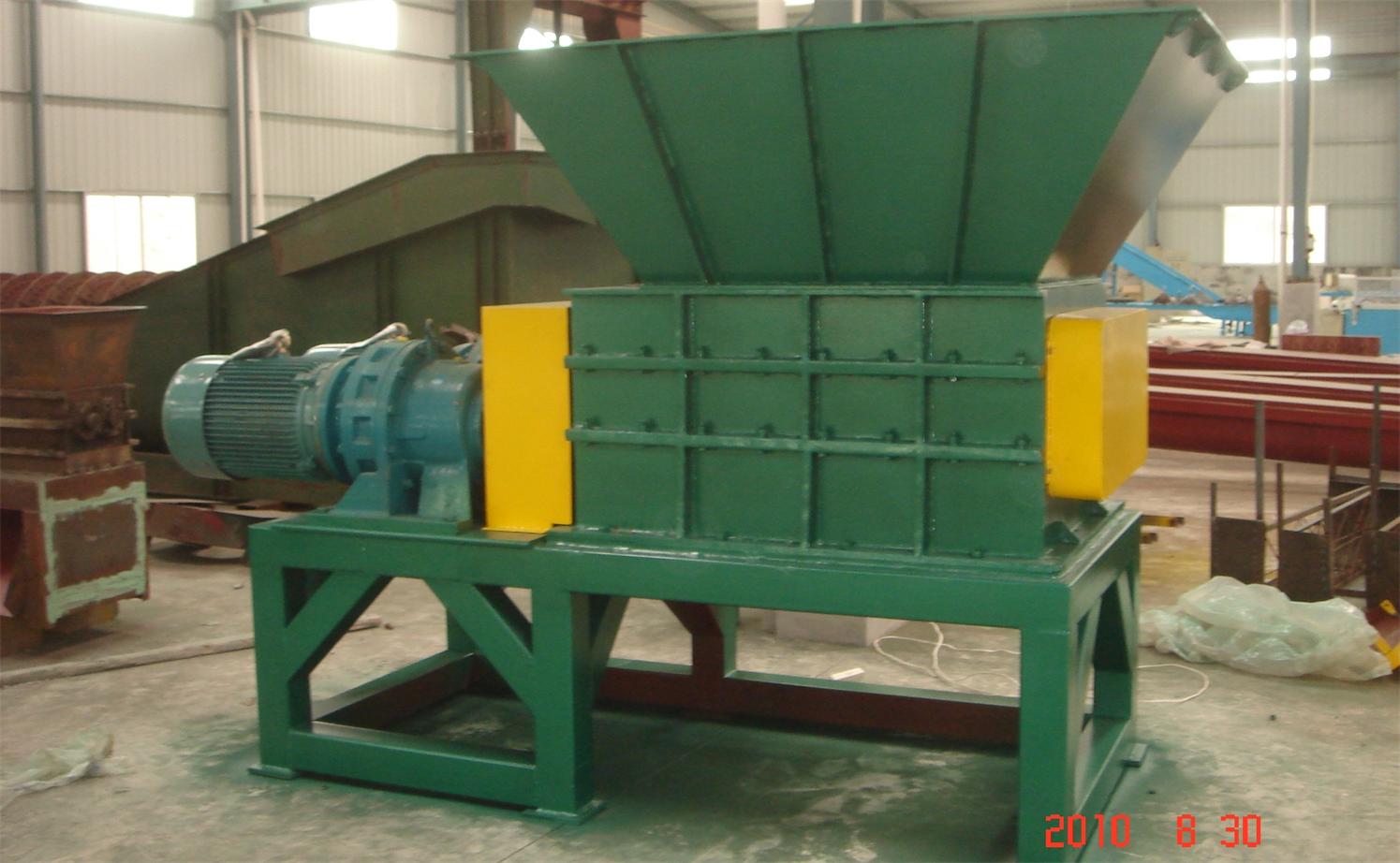
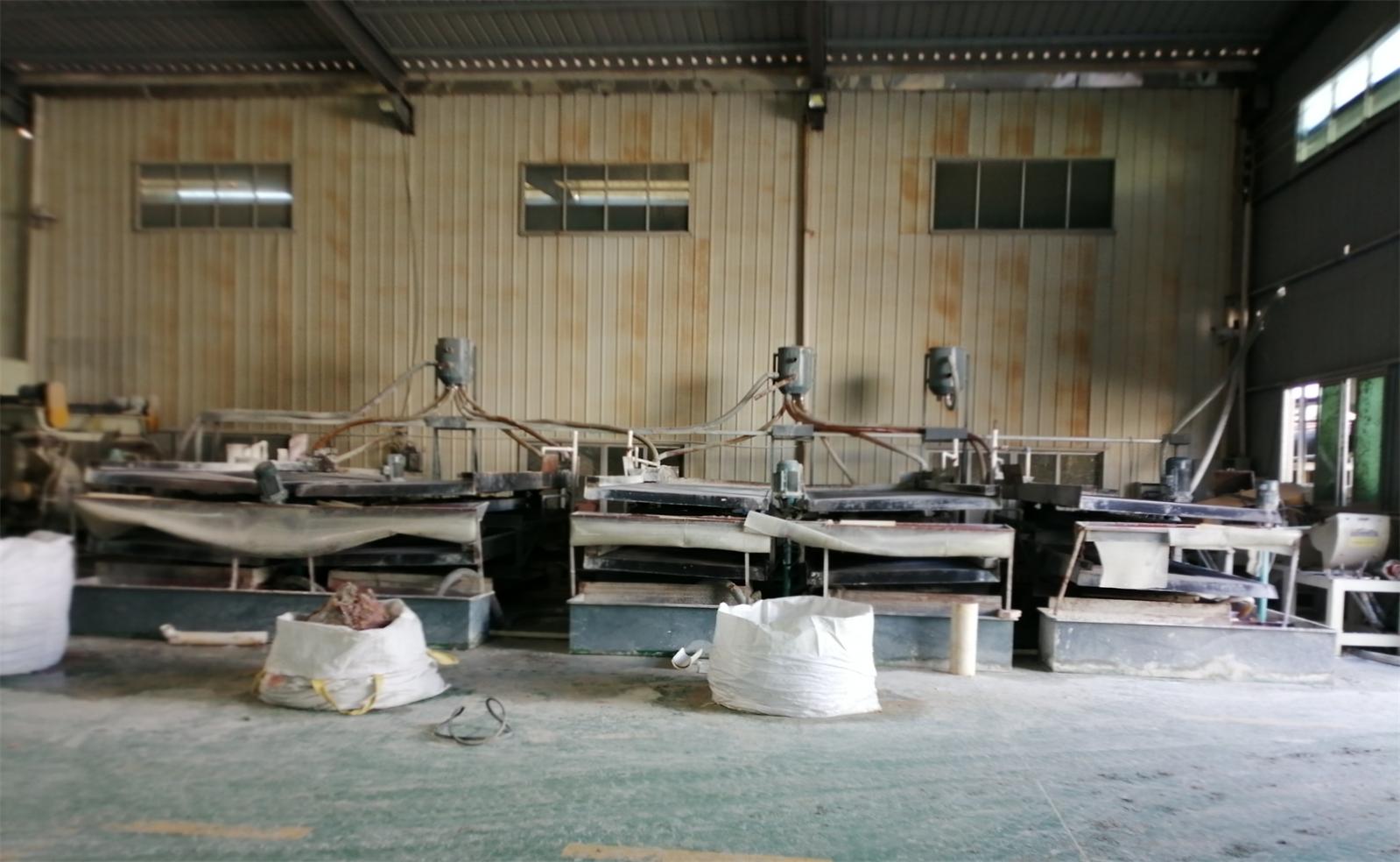
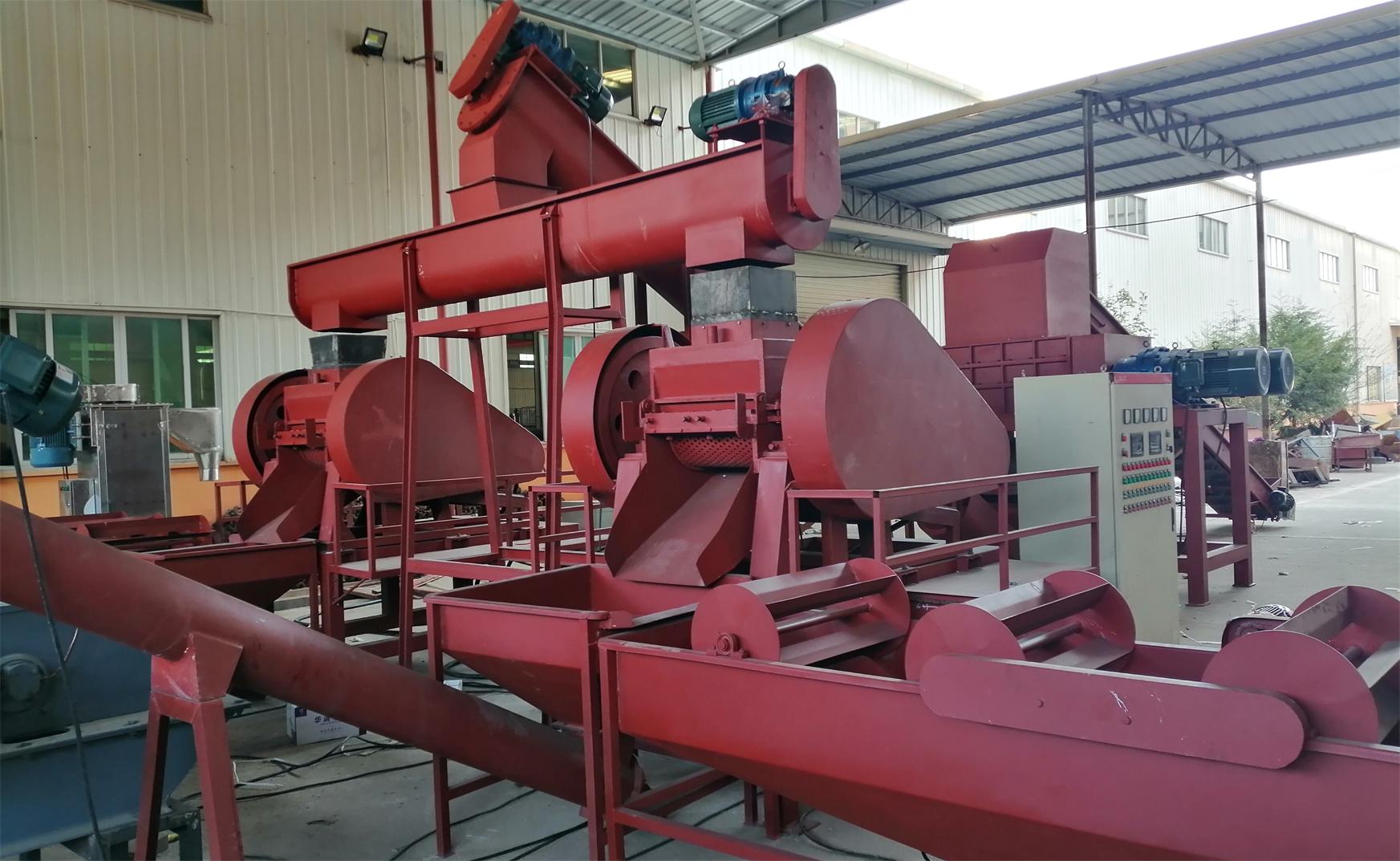
Cable scrap is another volume-rich feedstock. Cable recycling equipment strips and granulates insulated wire, separating copper or aluminum from plastic with dry or wet separators. Depending on capacity, plants can process anywhere from a few hundred kilograms to over a ton per hour, producing copper powder or granules ready for smelters.
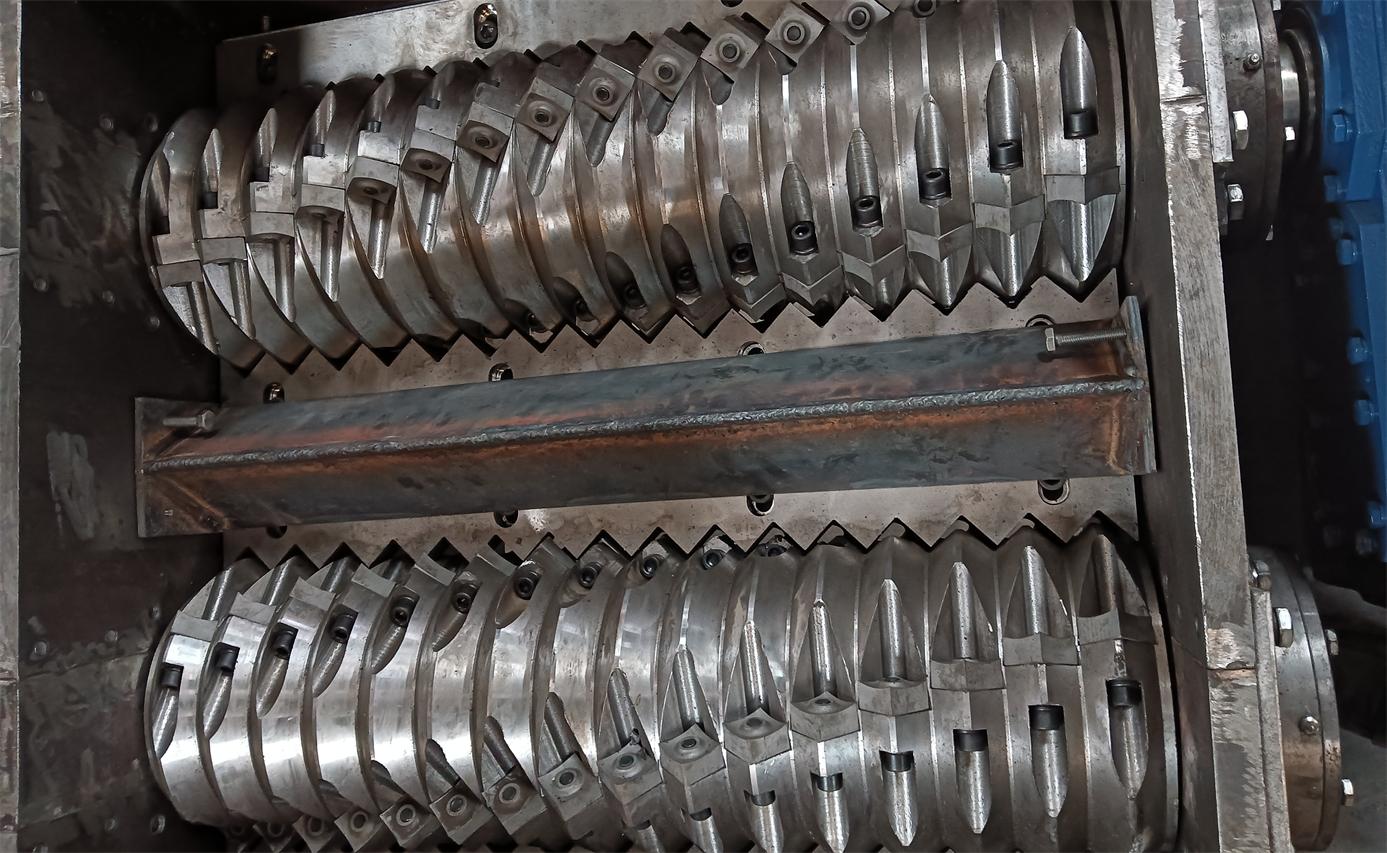
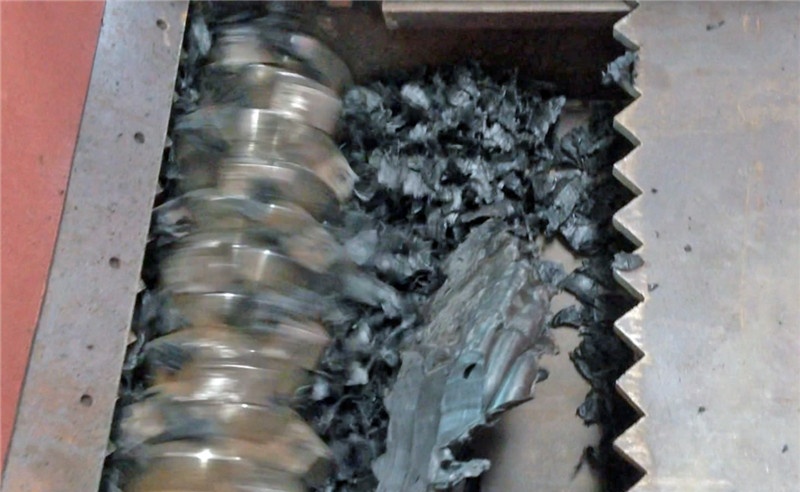
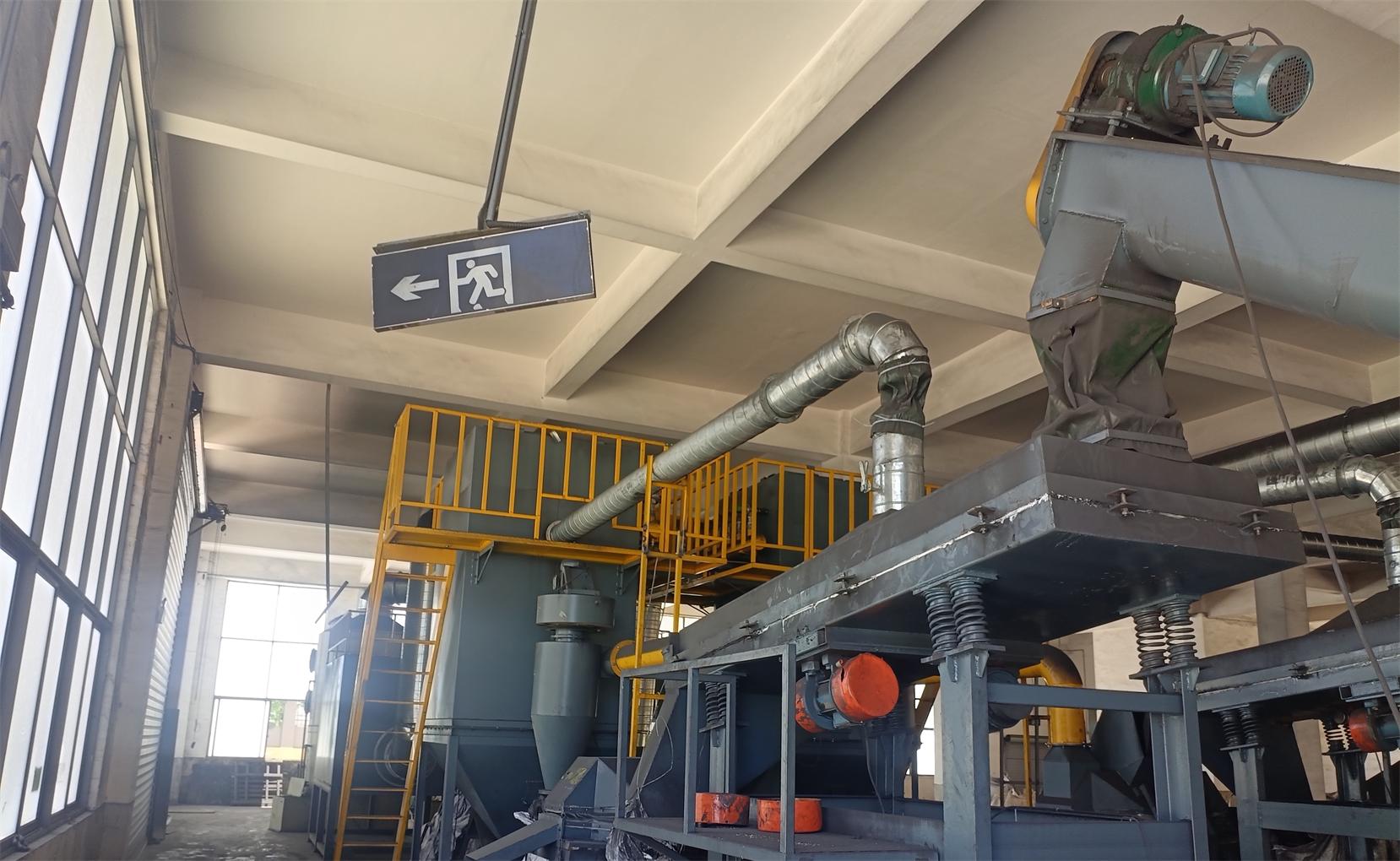
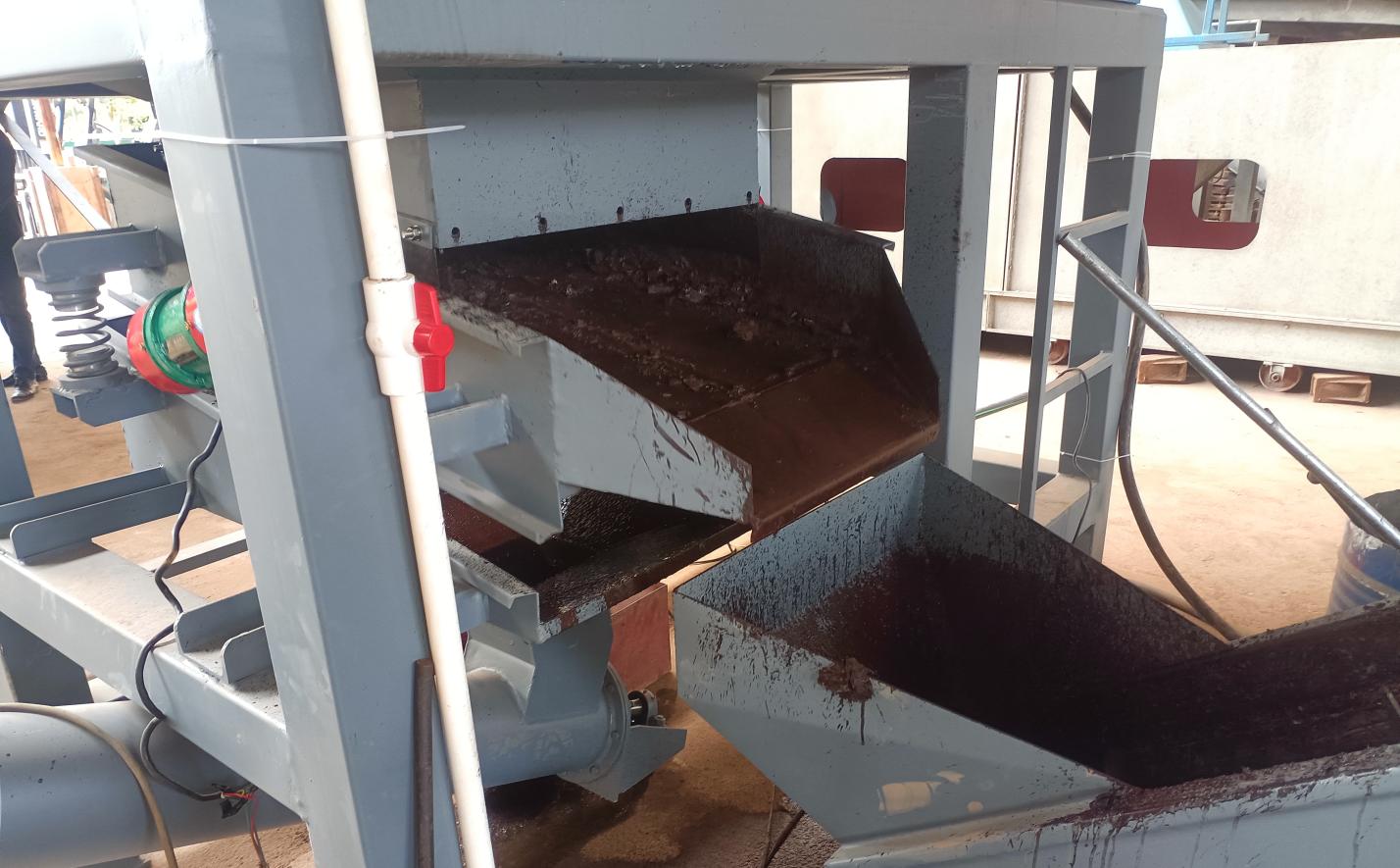
Printed circuit boards carry some of the highest metal concentrations in the e-waste stream. Specialized circuit board recycling equipment uses mechanical shredding, air classification, and electrostatic separation to recover copper powder with 96–98% purity, along with trace precious metals. Dry processes eliminate the wastewater headaches common with older chemical methods.
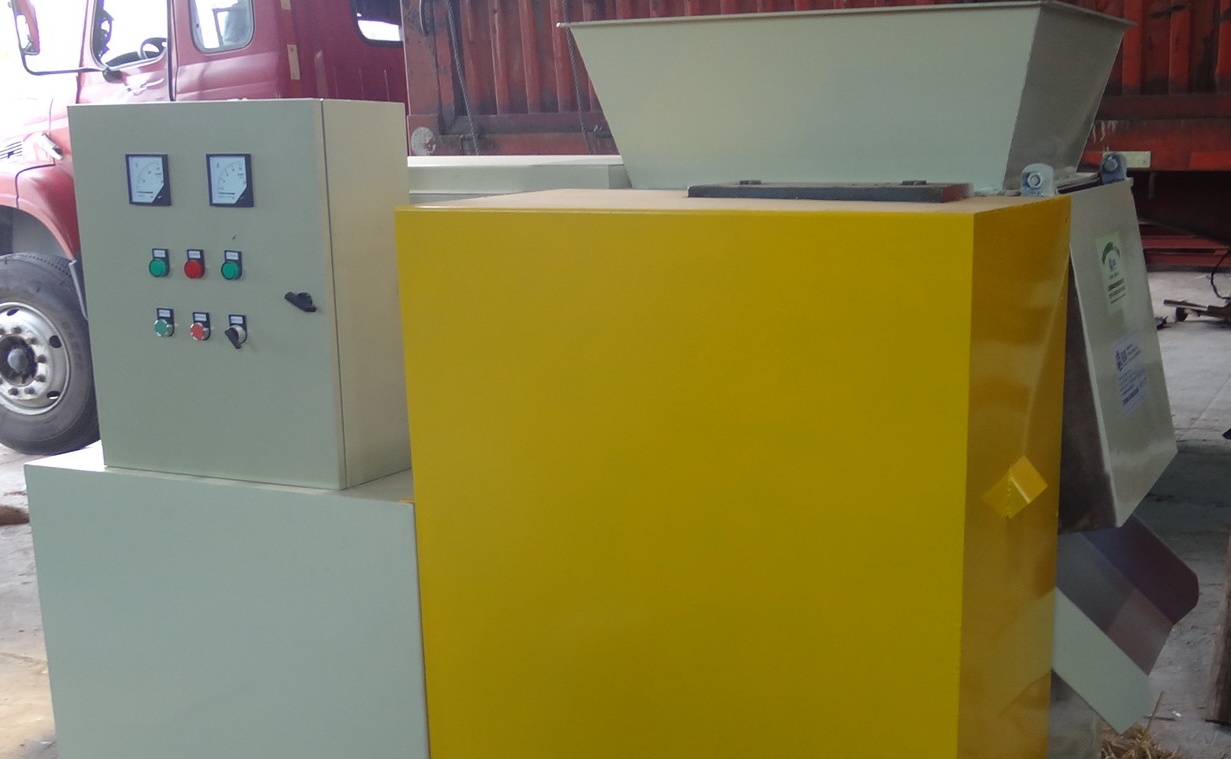
Lithium-ion batteries represent the fastest-growing category. As electric vehicle production scales, so does the volume of end-of-life cells. Crushing, discharging, and black-mass separation systems can recover nickel, cobalt, graphite, copper, and aluminum at throughputs up to 2,500 kg per hour.
What to Look for in an Equipment Partner
Buying a machine is only the beginning. Downtime, incompatible voltage, missing spare parts, and unclear installation manuals can turn a promising investment into a stranded asset. Before placing an order, experienced buyers ask three questions:
Does the supplier offer turnkey EPC support? A single vendor who handles layout design, machine integration, installation, and commissioning eliminates the finger-pointing that happens when three separate companies try to coordinate.
Is the equipment load-tested before shipment? Watching your actual material run through the machine at the factory—before it crosses an ocean—is the only way to verify recovery rates and throughput claims.
Can the supplier help beyond the sale? Some manufacturers assist with sourcing raw material, training operators, and even finding buyers for your recovered metal. That ecosystem matters, especially for first-time plant owners.
Why Experience Matters in a Crowded Market
San Lan Technologies Co., Ltd has been building WEEE recycling machines and mining equipment since 2007. Over that time, the company has shipped plants to more than 21 countries, including Singapore, Colombia, Mexico, India, South Africa, and Saudi Arabia. Its technical team includes mechanical engineers with master's degrees and over 15 years of hands-on experience in e-waste processing.
Rather than selling standalone machines, San Lan functions as a one-stop purchasing center. The team designs customized plant layouts, integrates breaking, separation, smelting, and pollution-control systems, then supervises installation and commissioning on-site. For investors who need additional support, San Lan also helps source waste material—such as cable scrap, PCB scrap, and used lead acid batteries—and connects plant operators with buyers for finished products like copper rice, lead ingots, and aluminum granules.
If you are evaluating a recycling plant investment, the equipment you choose will define your recovery rates, operating costs, and environmental compliance for the next decade. Request a facility visit. Watch machines process your material. Ask about load testing, spare-part availability, and after-sales support.
San Lan Technologies welcomes factory inspections and material trials at its facility in Ganzhou, Jiangxi Province, China. Contact the team via WhatsApp at +86 139 2377 4083 or email info@san-lan.com to discuss your project requirements and schedule a visit.