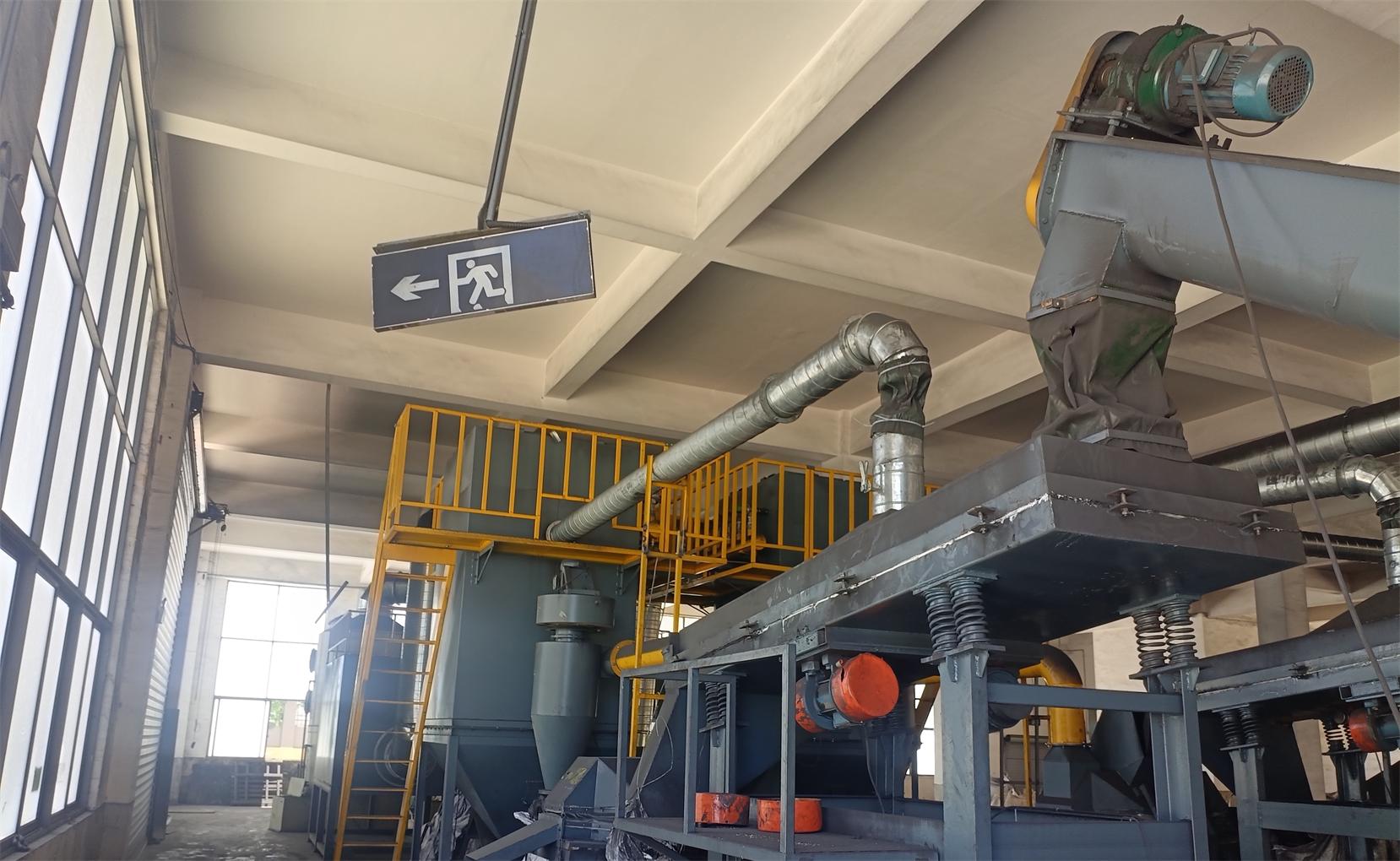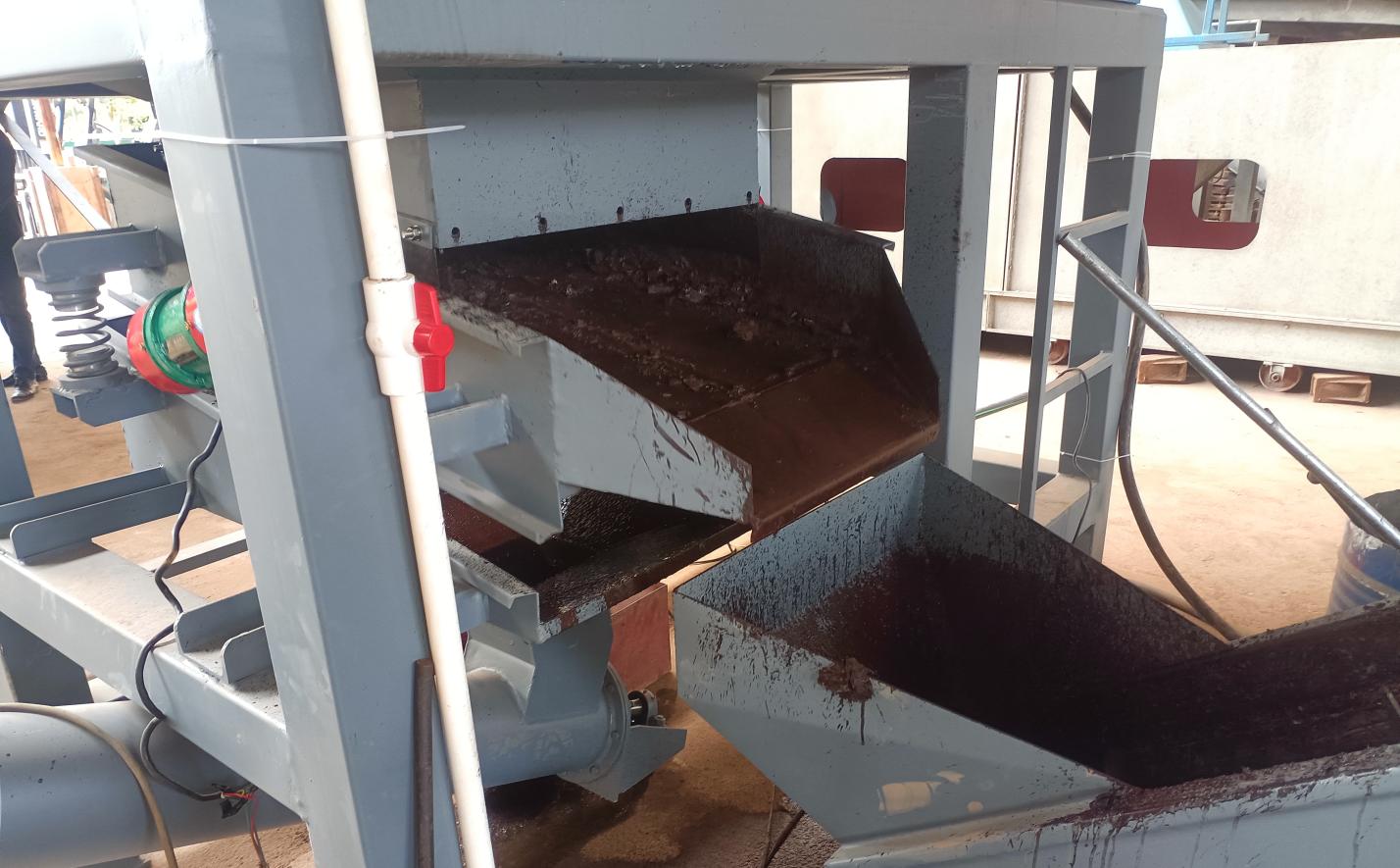
Two recycling entrepreneurs in the same industrial zone receive identical shipments of scrap cable and used lead-acid batteries. Twelve months later, one operator is buried in maintenance bills, regulatory warnings, and inconsistent copper purity. The other is shipping 99.999% pure lead ingots to battery manufacturers and already planning an expansion into lithium battery recycling.
The difference was never the raw material. It was the partner they chose to design, build, and support the plant.
The E-Waste Recycling Opportunity Is Larger Than It Looks
Global generation of electrical and electronic waste continues to climb, and buried inside that waste stream is a concentrated supply of recoverable metals. Lead-acid batteries contain lead grids and lead paste that can be refined back to battery-grade purity. Lithium-ion batteries hold nickel, cobalt, graphite, copper, and aluminum. Printed circuit boards carry copper powder and trace precious metals. Scrap cables are essentially copper or aluminum wrapped in plastic insulation.
The economics are straightforward: every ton of material that enters a well-designed recycling plant leaves as a salable commodity. The challenge is not demand. It is building a plant that can reliably turn complex waste into consistent, high-purity output while meeting environmental standards.
Three Core Recycling Lines Every Serious Operator Should Understand
A modern e-waste recycling business typically centers on one or more of the following lines. Each requires specialized equipment, proper process sequencing, and environmental controls.
Lead Acid Battery Recycling
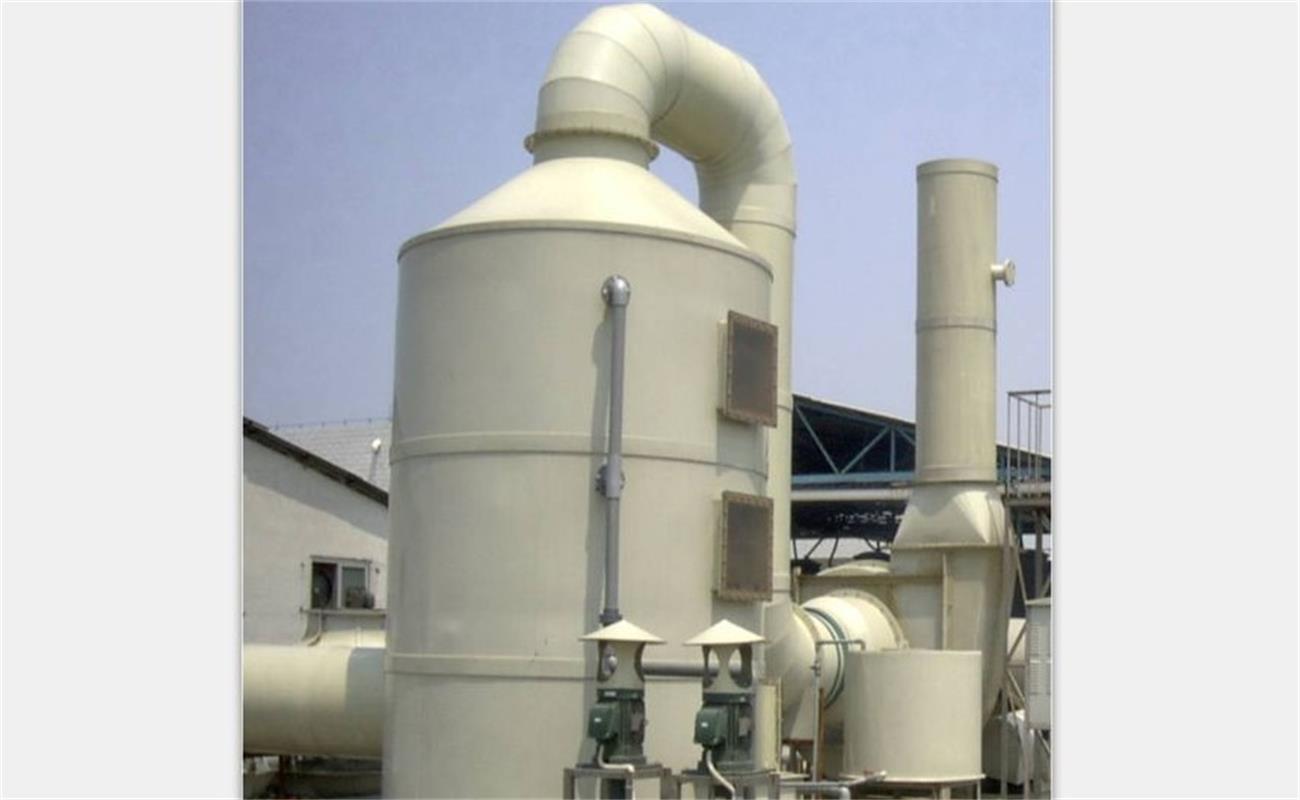
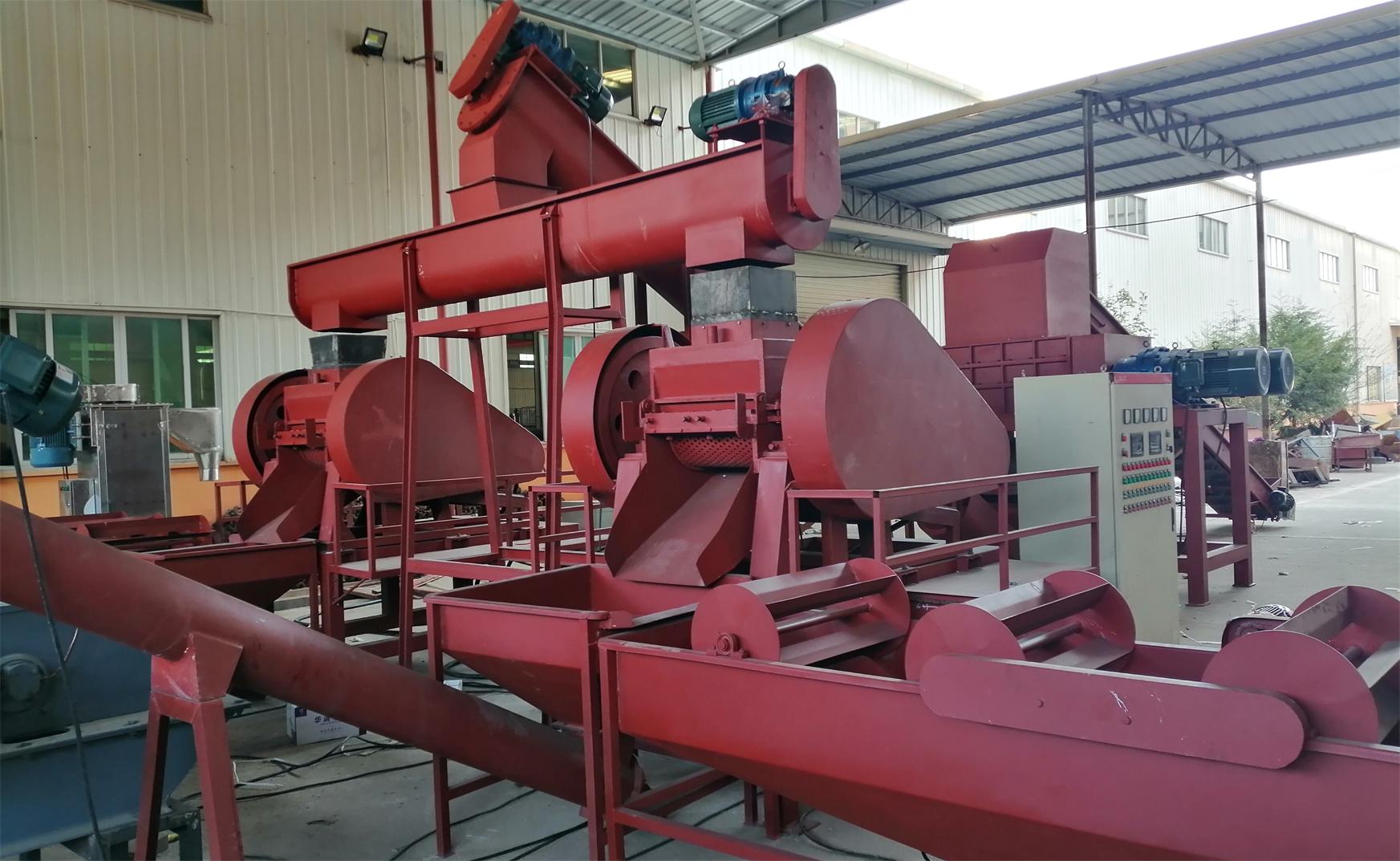
Used lead-acid batteries must be broken and separated into their constituent parts: acid, plastic shell, lead grid, and lead paste. The paste then moves through de-sulfurization and smelting, finally reaching a refinery kettle that produces 99.999% pure lead. A complete lead acid battery recycling equipment line handles capacities from 1 to 10 MT per hour, with lead recovery rates reaching 95% in properly configured systems. Air pollution control and water treatment systems are not optional add-ons; they are integral to keeping the plant compliant and operational.
Cable Recycling
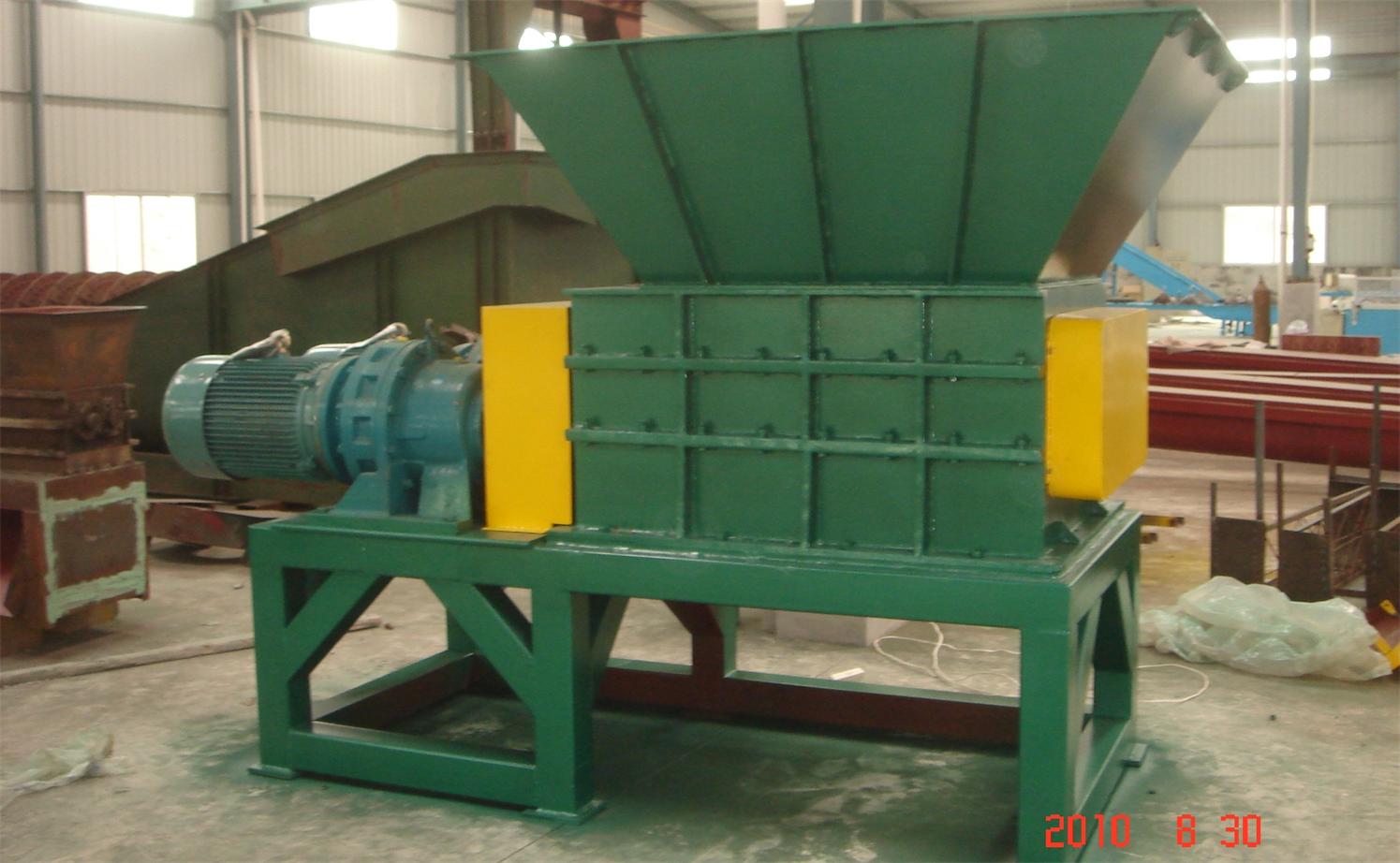
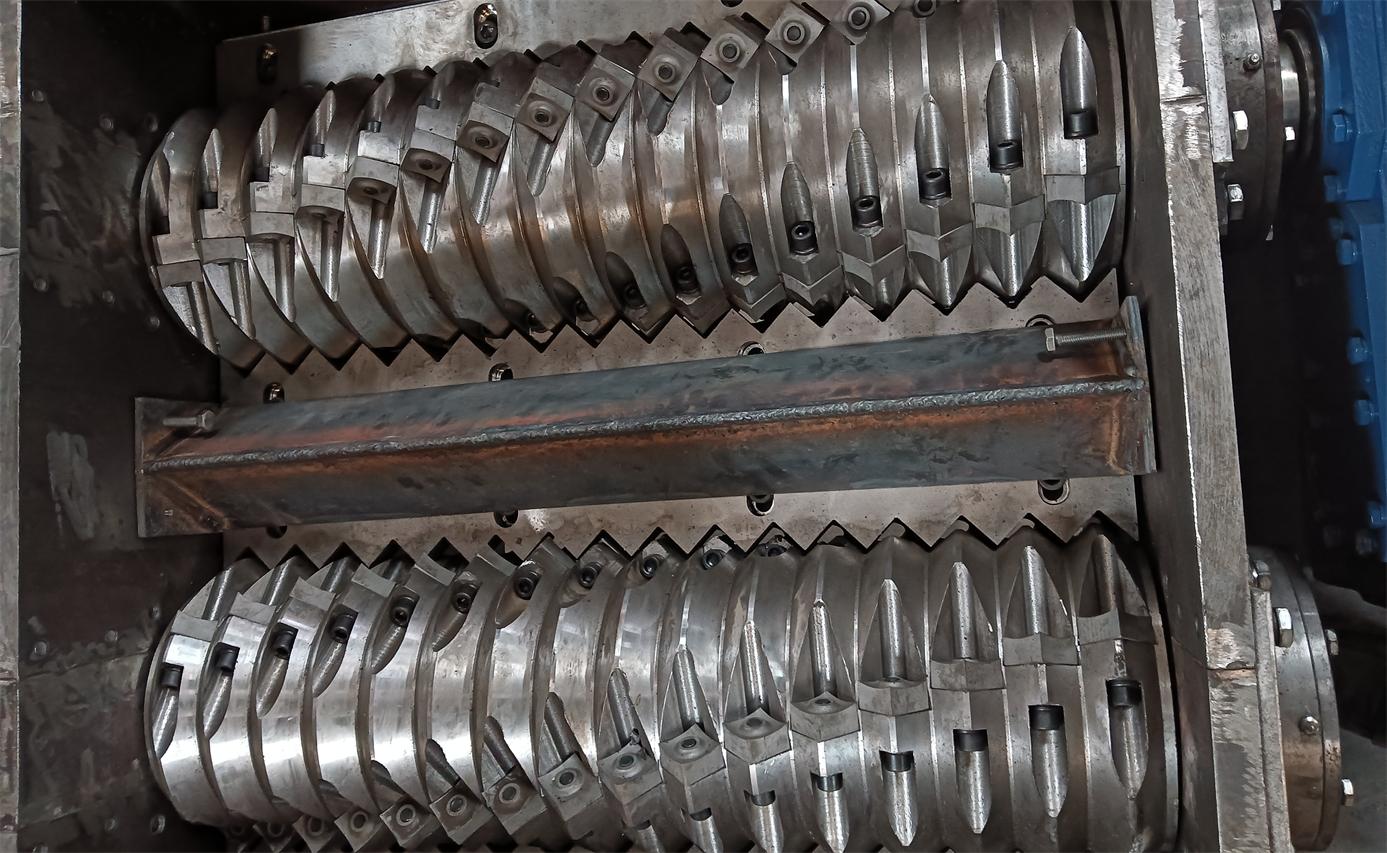
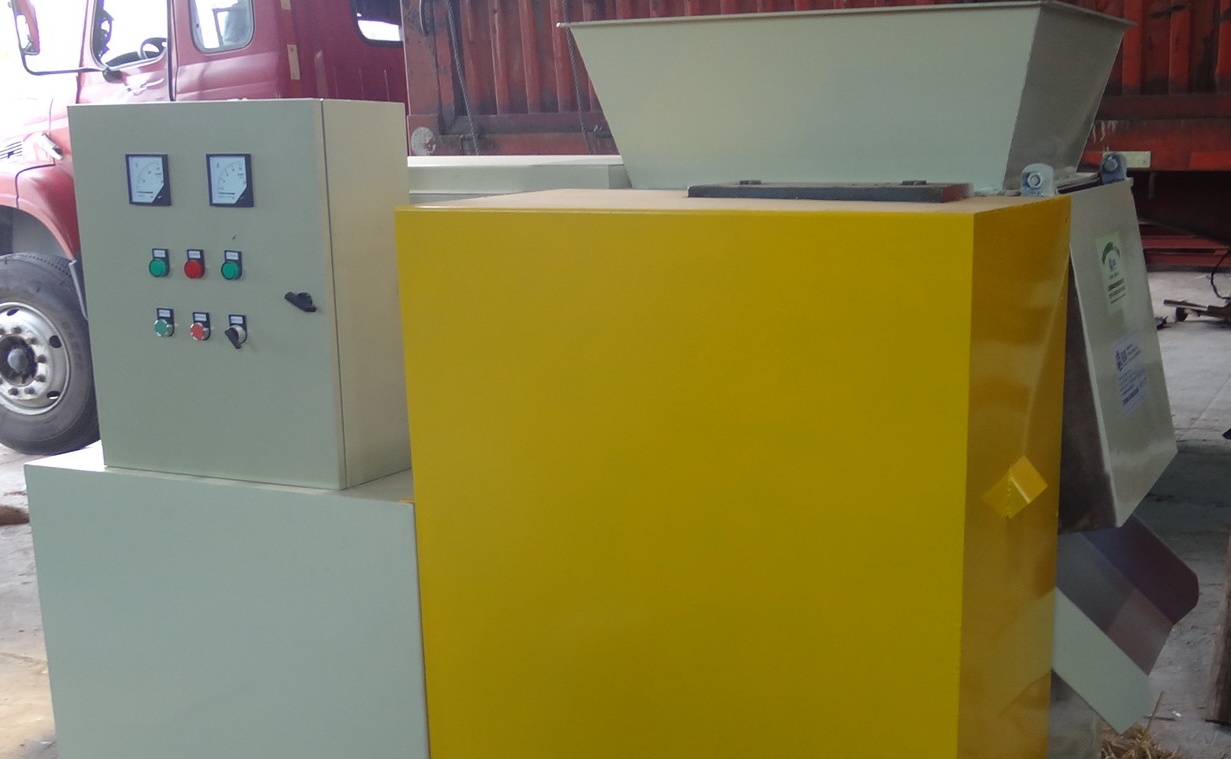
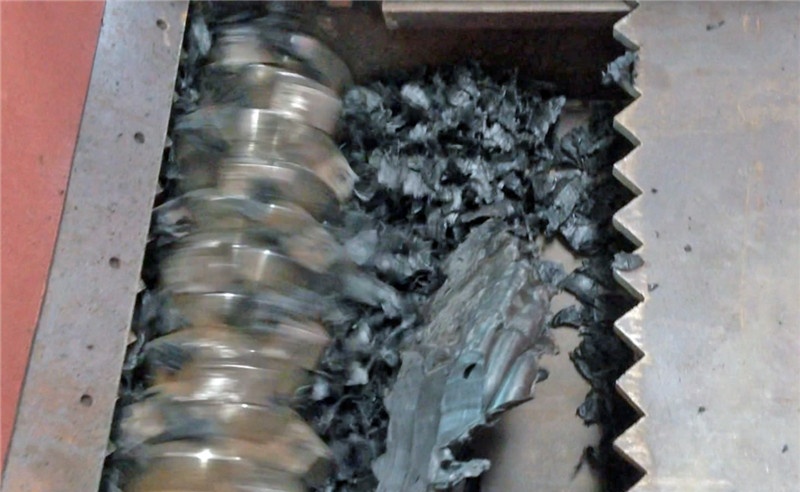
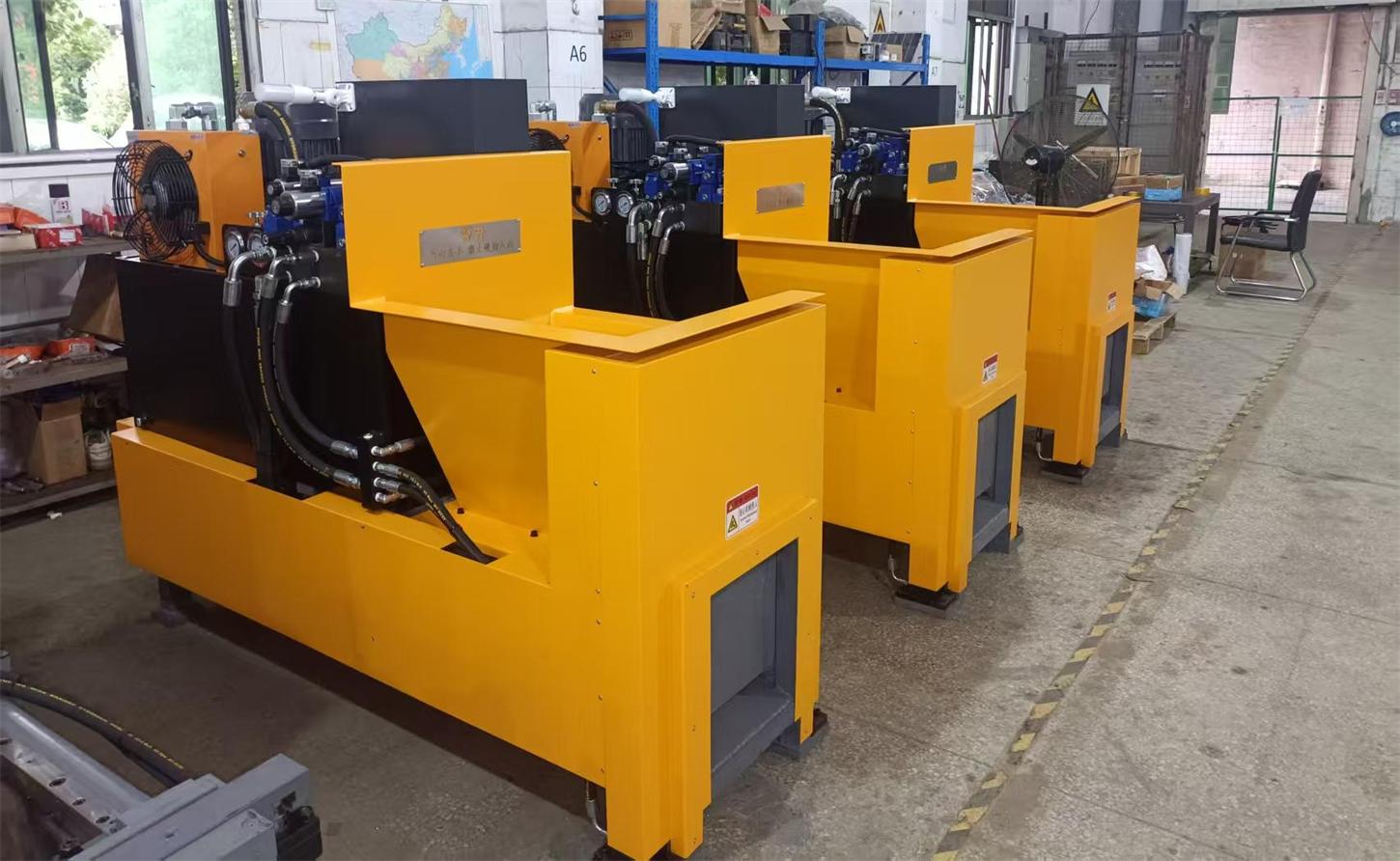
Scrap cables arrive in widely varying diameters and insulation types. The right approach depends on volume and cable size. For large-diameter cable, a hydraulic stripper removes insulation mechanically. For mixed scrap, a granulator with dry or wet separator crushes the cable and separates copper or aluminum from plastic. A well-built cable recycling equipment line can process from 100 kg per hour up to 1,200 kg per hour, turning what looks like tangled wire into clean copper rice ready for melting or direct sale.
Circuit Board Recycling
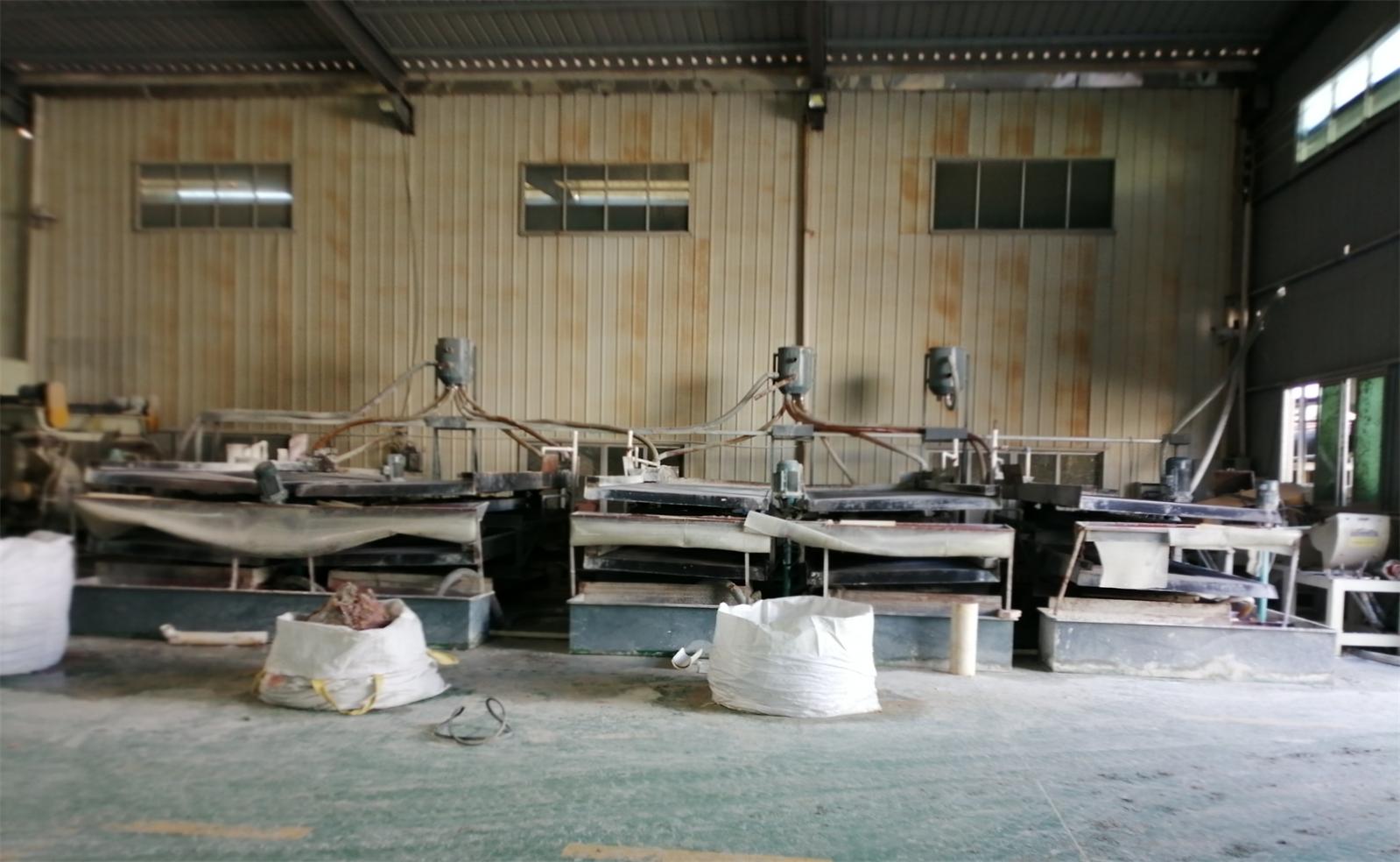
Printed circuit boards are among the most complex e-waste streams because they combine metals, resins, and electronic components. Advanced circuit board recycling equipment uses either dry air separation or wet metal separation to recover copper powder with 96-98% purity and overall recovery rates around 95%. The key is matching the separation technology to the feedstock and ensuring dust is captured at every stage.
Five Warning Signs You Are Talking to a Catalog Merchant, Not a Partner
The recycling equipment market is crowded with resellers who can ship a machine but cannot design a plant. Here are five signals that should make you pause before signing a purchase order:
- They have never delivered a full EPC project. Engineering, procurement, and construction integration is what separates a collection of machines from a working plant.
- They cannot customize the layout or process flow. Every site has different space, power, feedstock, and environmental constraints.
- Their technical team lacks deep mechanical engineering expertise. Recycling equipment operates under abrasive, corrosive, and high-load conditions. Design errors are expensive.
- They offer no support beyond the invoice. Sourcing waste material, optimizing recovery rates, and selling recovered product are part of the real business model.
- They have no installation and commissioning track record. A machine that sits in a crate because no one knows how to integrate it is just a depreciating asset.
What a Real Recycling Equipment Partner Looks Like
A genuine partner thinks in plant-level outcomes, not unit sales. They ask about your feedstock sources, your target products, your local environmental regulations, and your expansion plans before they recommend a single piece of equipment.
San Lan Technologies Co., Ltd has been designing and manufacturing WEEE recycling machines and mining equipment since 2007. The technical team includes master's degree mechanical engineers with over 15 years of hands-on experience in e-waste recycling plant design and operation. That depth matters when you are trying to recover lead paste from a rotary furnace or optimize copper powder purity from a circuit board separation line.
Beyond equipment manufacturing, San Lan delivers full EPC project execution: customized plant design, one-stop equipment procurement, installation, and commissioning. The company also helps customers source waste materials such as cable scrap, PCB scrap, and used lead-acid batteries, and assists in selling recovered products including copper rice, copper powder, and lead ingots. This end-to-end approach turns a supplier relationship into a business partnership.
With customers in more than 21 countries including Singapore, Colombia, Vietnam, Mexico, Argentina, Korea, Malaysia, Indonesia, South Africa, Tunisia, India, Kenya, Saudi Arabia, Philippines, and Zambia, San Lan operates with essentially bilingual English and Chinese capabilities and a clear understanding of intercultural business environments.
The Decision Checklist Before You Invest
If you are evaluating a recycling equipment supplier, run through this short checklist before committing capital:
- Can they show completed EPC projects with references?
- Do they have in-house mechanical engineering expertise, or are they reselling?
- Will they customize the plant layout and process to your feedstock and site?
- Do they provide installation, commissioning, and operator training?
- Can they support your supply chain and product sales beyond equipment delivery?
Ready to turn scrap into a consistent revenue stream? San Lan Technologies designs, builds, and supports complete e-waste recycling plants for lead-acid batteries, lithium batteries, circuit boards, cables, and more. Contact the team to discuss your feedstock, capacity requirements, and site conditions. A plant that runs well on paper should run even better on your floor.