The global e-waste crisis is accelerating. With over 60 million metric tons of electronic waste generated annually, businesses and governments face mounting pressure to recover valuable materials rather than consign them to landfills. For entrepreneurs and established operators entering this space, one factor determines long-term success above all others: choosing the right equipment and engineering partner.
In today's recycling landscape, performance is no longer defined by a single machine. It is determined by how effectively an entire system synchronizes to transform raw waste streams into high-purity, high-value outputs. For operators managing complex materials — from used lead acid batteries and lithium-ion packs to printed circuit boards and scrap cables — the shift from standalone units to fully integrated recycling plants is the surest path to sustainable profitability.
Many newcomers to recycling make the mistake of purchasing individual machines without considering how they work together as a system. A crusher bought from one supplier, a separator from another, and a conveyor from a third may function independently, but they rarely achieve the throughput and purity rates that a unified line can deliver.
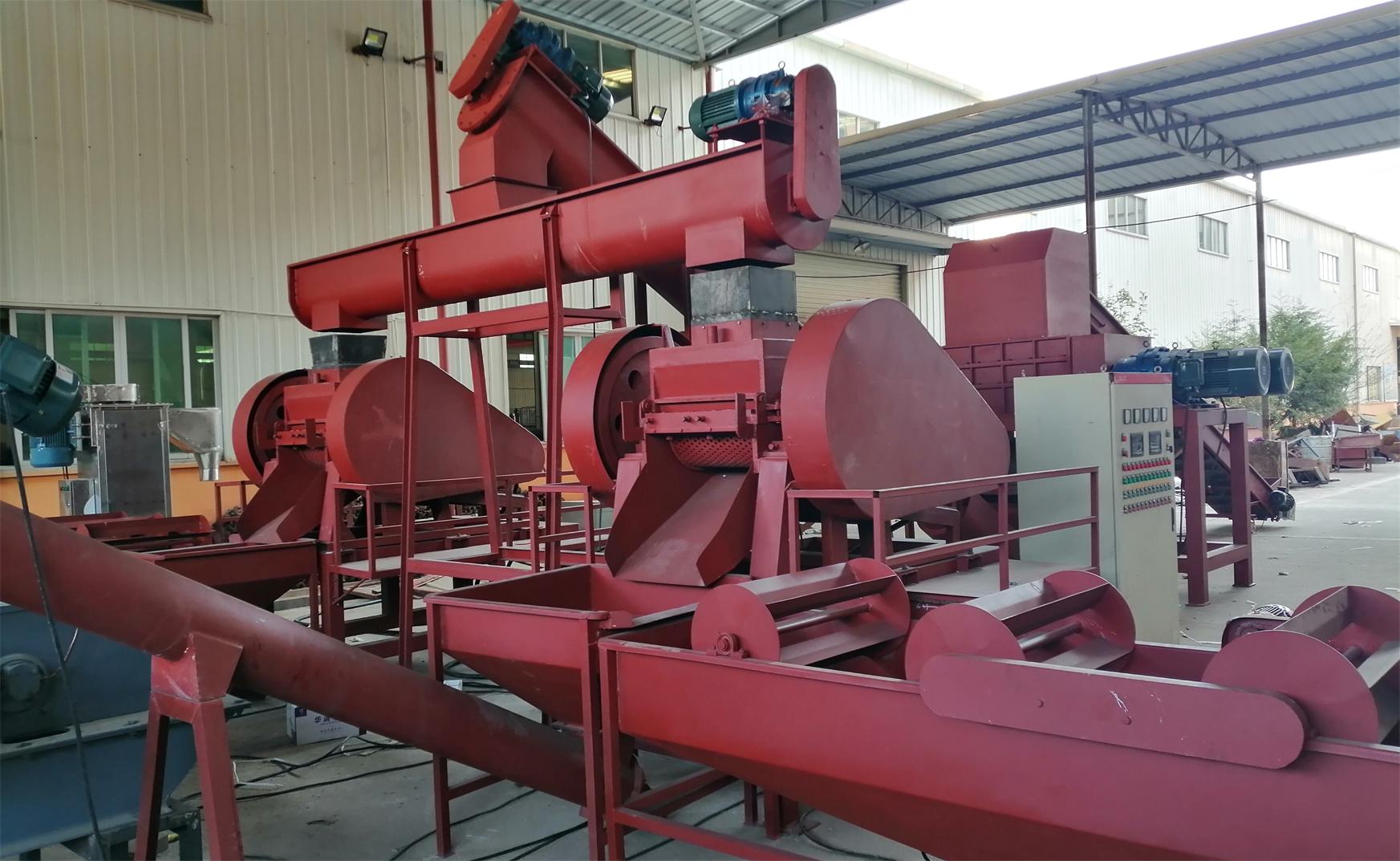
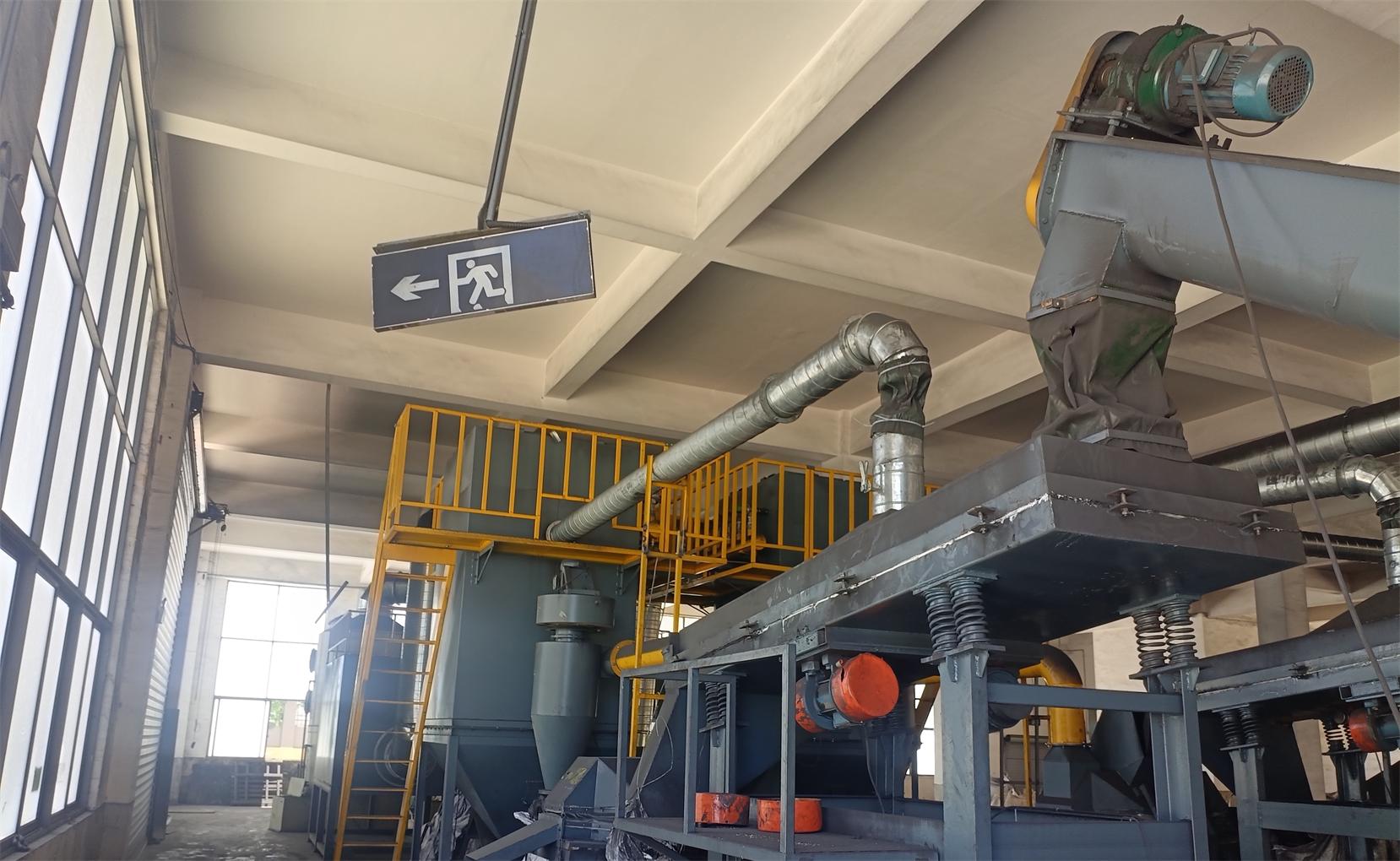
An integrated recycling plant is engineered from the ground up with a single objective: maximizing recovery while minimizing operating costs. Every transfer point, conveyor angle, and separation stage is optimized for the specific material flow. The result is higher throughput, cleaner fractions, and significantly lower cost-per-tonne over the life of the plant.
Key takeaway: The most profitable recycling facilities today were designed as complete systems, not assembled from mismatched individual machines.
A full-scale e-waste recycling facility requires specialized machinery tailored to each material stream. Below is an overview of the essential plant components for the most common and valuable recycling segments.
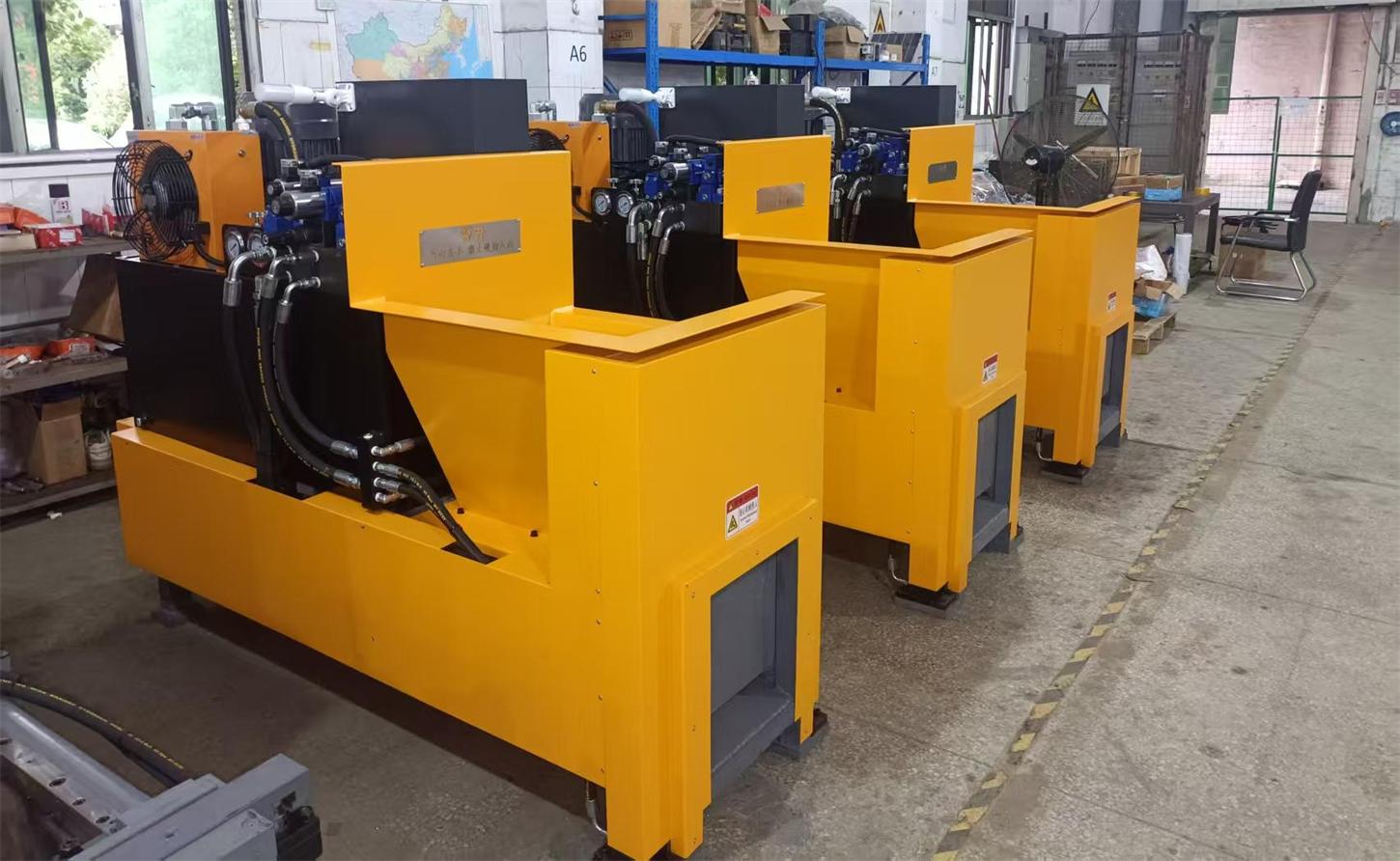
Used lead acid batteries (ULAB) represent one of the most recyclable waste streams on the planet, with more than 95% of battery components recoverable through proper processing. A complete lead acid battery recycling equipment line typically includes hydraulic battery cutters, automated breaking and separation systems, desulfurization units, paste reduction rotary furnaces, blast furnaces, and lead refinery kettle furnaces.
Modern lead acid battery recycling plants can process between 1 and 10 metric tons per hour, efficiently separating lead paste, lead grids, polypropylene or PVC plastic shells, and sulfuric acid. Advanced smelting equipment achieves lead recovery rates up to 95%, producing crude metallic lead that can be refined to 99.999% purity — ready for resale to battery manufacturers and other industries.
The global surge in electric vehicles, consumer electronics, and energy storage systems has created an unprecedented demand for lithium, cobalt, nickel, and graphite. At the same time, end-of-life lithium-ion batteries are becoming one of the fastest-growing waste streams. This makes lithium battery recycling equipment not just environmentally necessary, but economically essential.
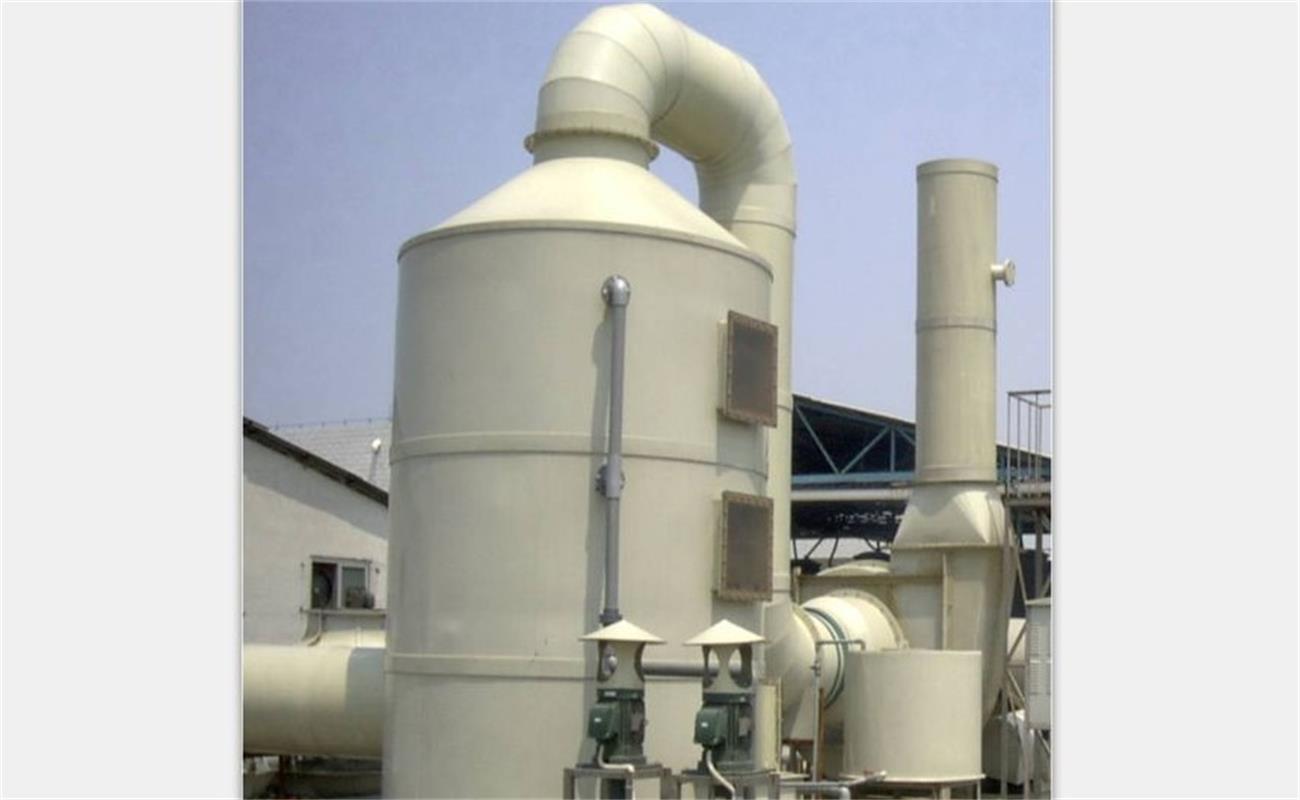
State-of-the-art lithium battery recycling plants break and separate waste batteries at capacities ranging from 500 to 2,500 kg per hour. The process recovers black mass containing valuable nickel, cobalt, and graphite; copper foil; aluminum; and plastic separator film. Because lithium battery crushing releases potentially harmful gases, a dedicated air pollution control system is a mandatory component of any responsible plant design.
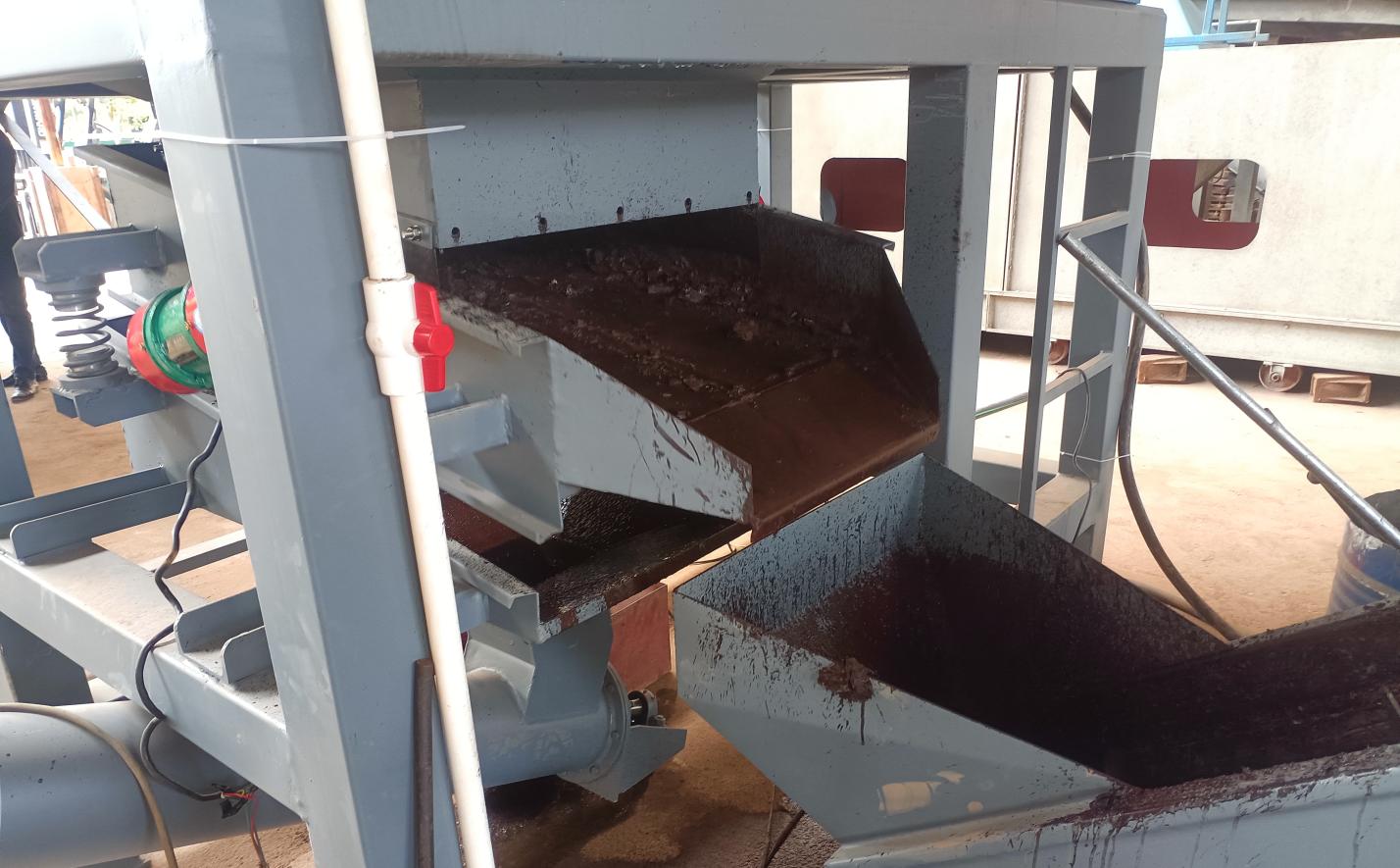
Printed circuit boards (PCBs) are rich in copper, precious metals, and rare earth elements — making them one of the most valuable e-waste fractions when processed correctly. Circuit board recycling equipment utilizes either dry or wet separation technology depending on the feedstock and local environmental regulations.
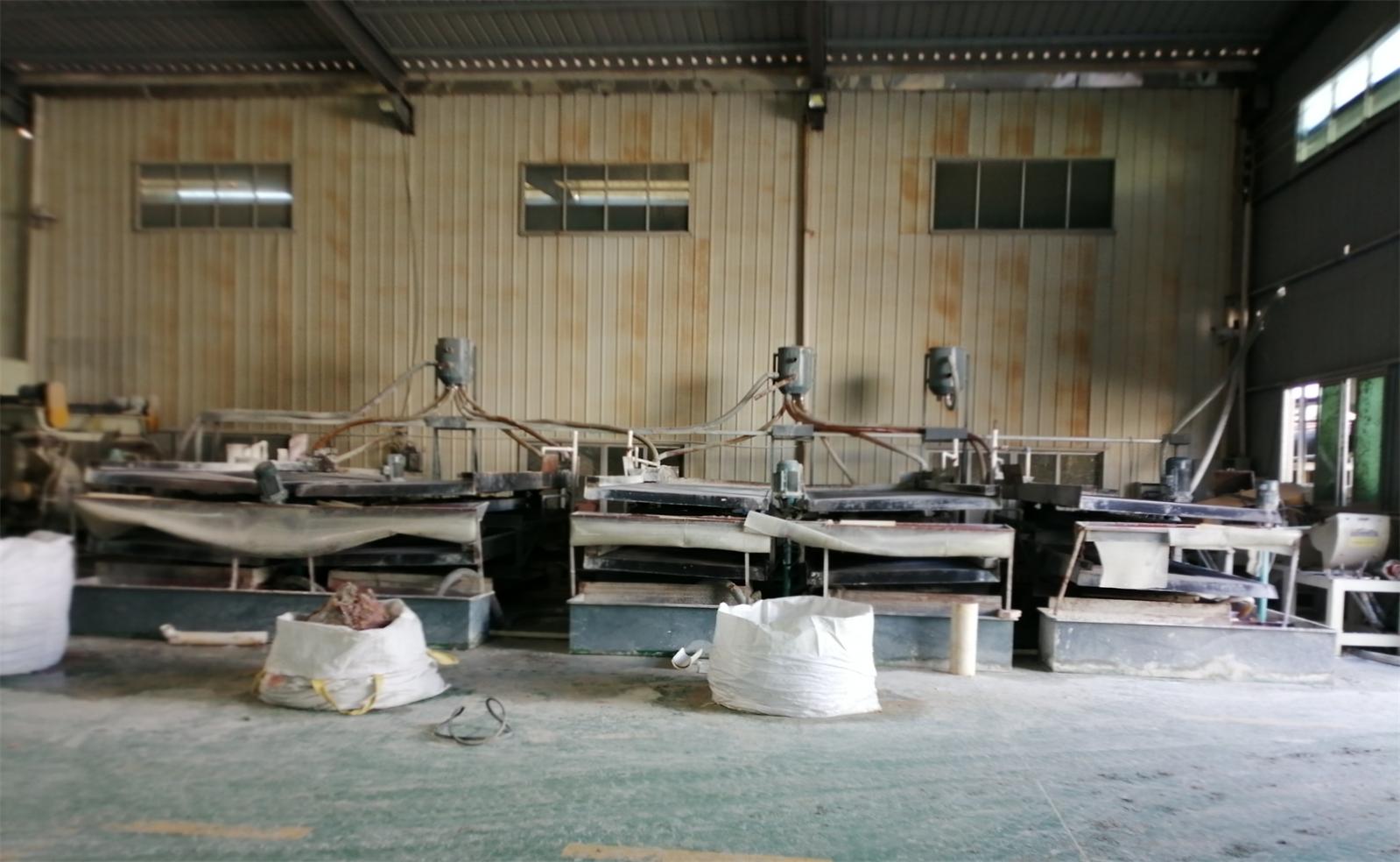
Dry separation systems equipped with air classifiers, vibrating screens, and electrostatic separators achieve copper powder purity of 96–98% with overall recovery rates approaching 95%. Wet separation systems offer the advantage of processing PCB waste with electronic components still attached, making them suitable for mixed or unsorted feedstock. Plant capacities typically range from 300 kg/hour for compact operations up to 2,000 kg/hour for industrial-scale facilities.
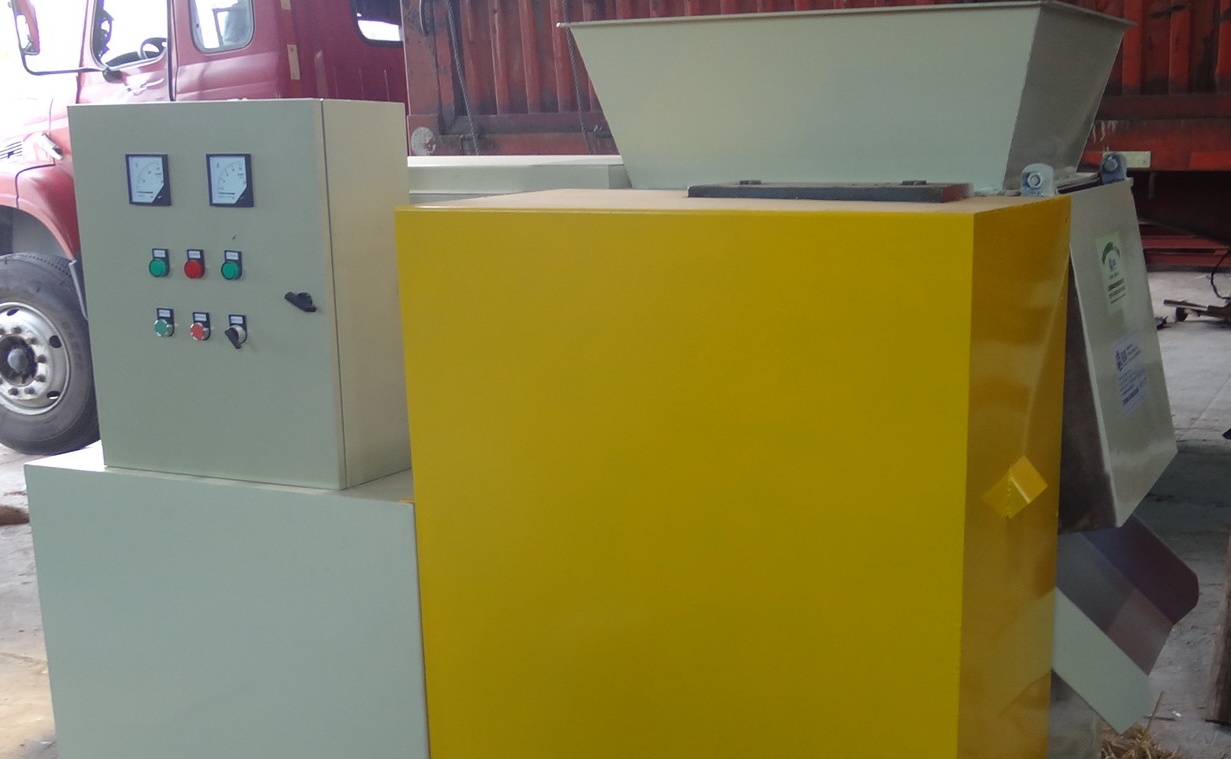
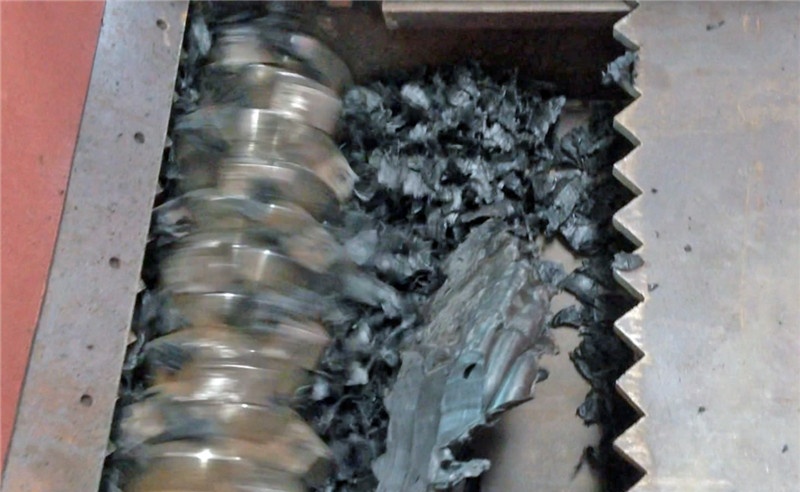
Scrap electrical cables are a reliable source of copper and aluminum. Depending on cable diameter and volume, operators can choose from scrap cable strippers for large-diameter wires or cable granulators with integrated dry separators for fine copper recovery. Cable recycling equipment efficiently separates metal conductors from plastic insulation, producing clean copper rice, aluminum granules, and plastic pellets that command strong resale prices in secondary raw material markets.
Purchasing equipment is only the beginning of a recycling plant project. The real challenge lies in integrating machines into a cohesive workflow, optimizing material flow, meeting environmental compliance standards, and ensuring reliable long-term operation. This is why experienced operators increasingly seek manufacturers who offer end-to-end EPC (Engineering, Procurement, Construction) solutions.
A comprehensive turnkey partner handles every phase of the project:
- Customized plant design based on your material mix, throughput targets, and budget
- Equipment manufacturing with strict quality control at every production stage
- On-site installation, commissioning, and operator training
- Ongoing technical support and spare parts supply to minimize downtime
- Assistance with waste material sourcing and resale of recovered products
This integrated approach eliminates the coordination headaches of dealing with multiple vendors and ensures that every component of your plant is designed to work in harmony.
Not all equipment suppliers are created equal. When evaluating potential partners for your recycling plant, consider the following differentiators:
Technical depth. Look for a manufacturer with an in-house engineering team possessing advanced degrees in mechanical engineering and deep practical experience in recycling process design. Theoretical knowledge alone is insufficient; field-proven expertise is what translates into reliable equipment.
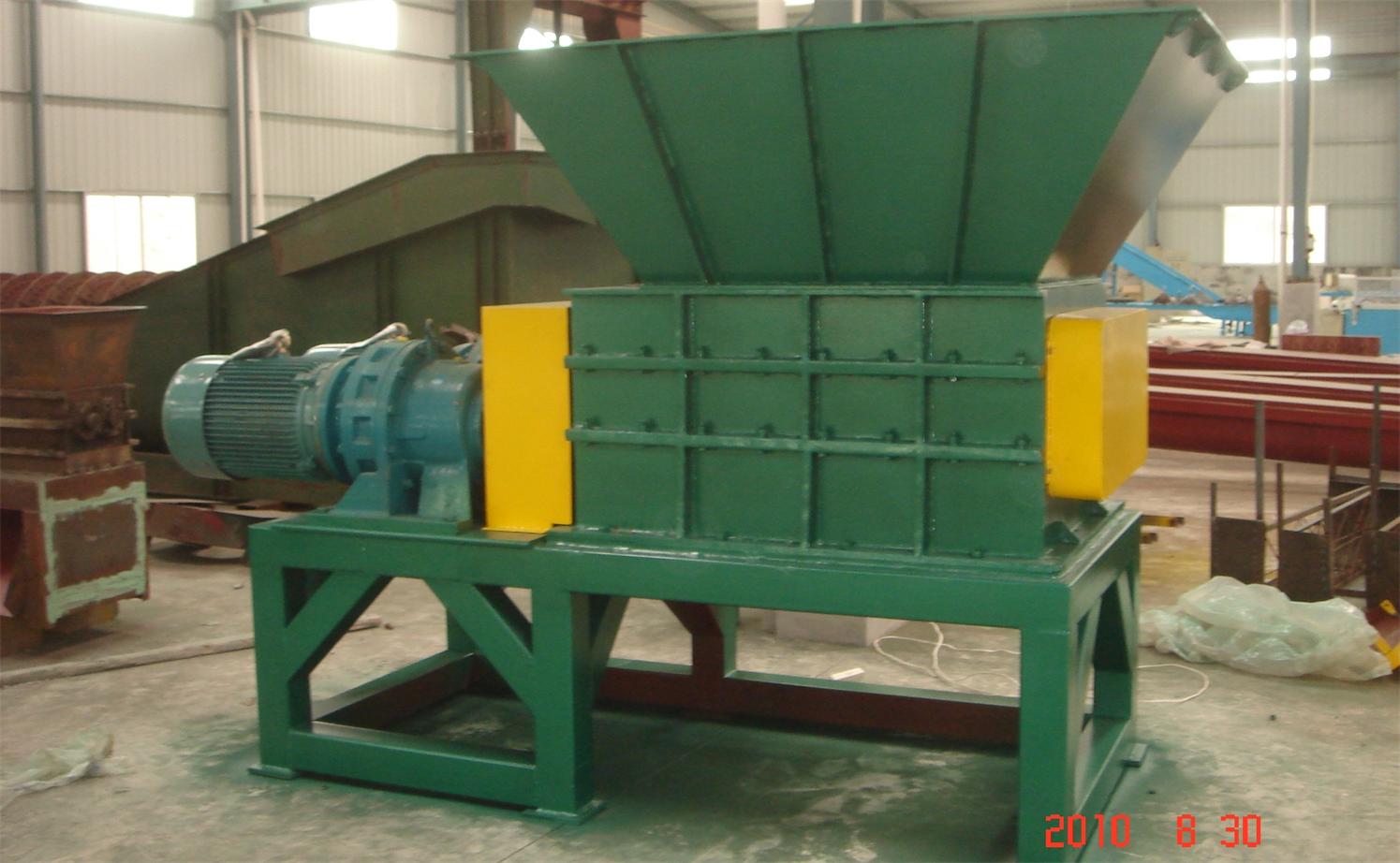
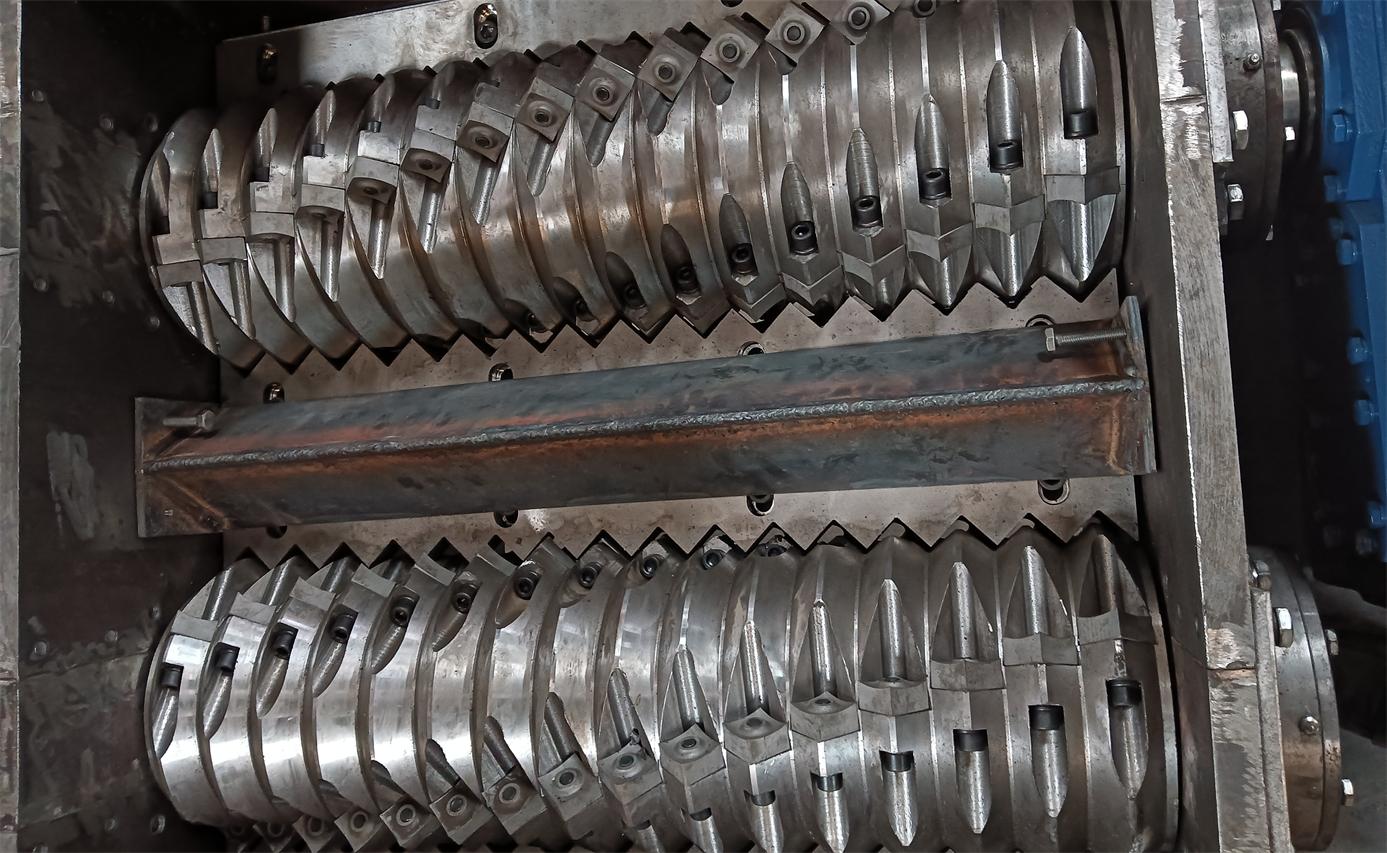
Product breadth. A supplier offering a wide range of recycling machines — from shredders and pre-choppers to specialized separation equipment, smelting furnaces, and pollution control systems — can design a more integrated and cost-effective plant than a vendor with a narrow catalog.
Global track record. International experience matters. A supplier that has successfully installed plants across diverse markets understands how to adapt designs for different raw material characteristics, environmental regulations, and operator skill levels.
Value-added services. The best partners go beyond equipment supply to help customers purchase waste feedstock, find buyers for recovered materials, and even identify investors or joint-venture partners for plant construction.
San Lan Technologies Co., Ltd has spent nearly two decades establishing itself as a professional manufacturer of WEEE recycling machines and mining equipment. Headquartered in Jiangxi Province, China, the company serves a global customer base spanning more than 21 countries across Asia, Africa, Latin America, the Middle East, and Europe.
The company's product portfolio covers 13 major categories with approximately 60 individual products, including lead acid battery recycling plants, lithium battery recycling lines, circuit board recovery systems, cable granulators, hydraulic press machines, shredders, CRT recycling machines, refrigerator and AC recycling equipment, motor recycling machines, lamp recycling systems, metal melting furnaces, and lithium ore extraction plants.
San Lan's engineering team combines advanced academic credentials in mechanical engineering with over 15 years of hands-on experience in e-waste recycling equipment design. This technical depth enables the company to deliver customized, one-stop solutions that cover everything from initial concept and equipment selection to installation, commissioning, and after-sales support.
For entrepreneurs looking to enter the recycling business, San Lan also offers unique value-added services including assistance with waste material procurement, help selling recovered products such as copper rice and lead ingots, and introductions to potential investors or partners for recycling plant construction.
Ready to Build Your Recycling Plant?
If you are planning a new recycling facility or upgrading an existing operation, the design of your system will determine your long-term profitability. Partnering with an experienced equipment manufacturer who understands the complete recycling workflow — from feedstock to final product — can mean the difference between a marginal operation and a highly profitable one.
Contact San Lan Technologies today to discuss your project requirements. Whether you need a single machine or a complete turnkey recycling plant, our engineering team is ready to help you turn waste into sustainable value.
Email: info@san-lan.com | WhatsApp: +86 139 2377 4083