Understanding the Core Recycling Streams
Not all e-waste is processed the same way. The equipment, safety protocols, and end products differ significantly depending on your feedstock. The four most commercially viable streams today are lead-acid batteries, lithium-ion batteries, printed circuit boards (PCBs), and scrap cables. Each stream demands a tailored production line with specific crushing, separation, and purification stages.
Key Equipment by Recycling Stream
Lead Acid Battery Recycling
Spent lead-acid batteries remain one of the highest-volume e-waste streams globally. A complete lead acid battery recycling equipment line typically starts with a battery cutter that safely opens batteries and drains acid. The subsequent breaking and separation system classifies the material into four fractions: lead paste, lead grid, plastic (PVC/PP), and hard rubber. From there, lead paste moves to a de-sulfurization unit to remove sulfur before smelting. Rotary furnaces or blast furnaces reduce the paste into crude metallic lead, which is then refined in a kettle furnace to reach 99.999% purity. Air pollution control systems and water treatment plants are essential companions to ensure environmental compliance throughout the process.
Capacity for such plants generally ranges from 1 to 10 metric tons per hour, with lead recovery rates exceeding 95% in well-designed systems. The plastic fraction can be sold as recycled granules, adding a secondary revenue stream.
Lithium Battery Recycling
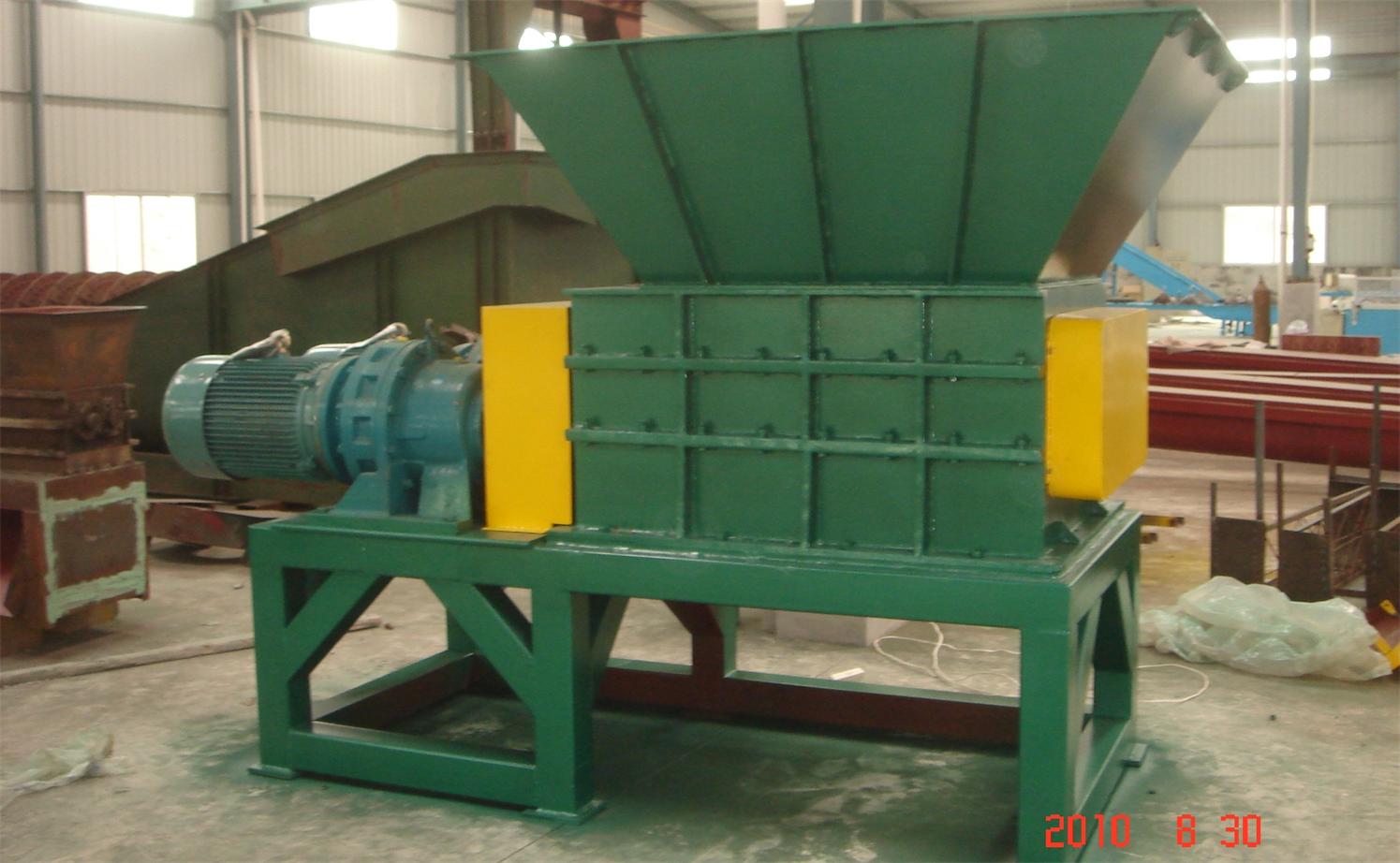
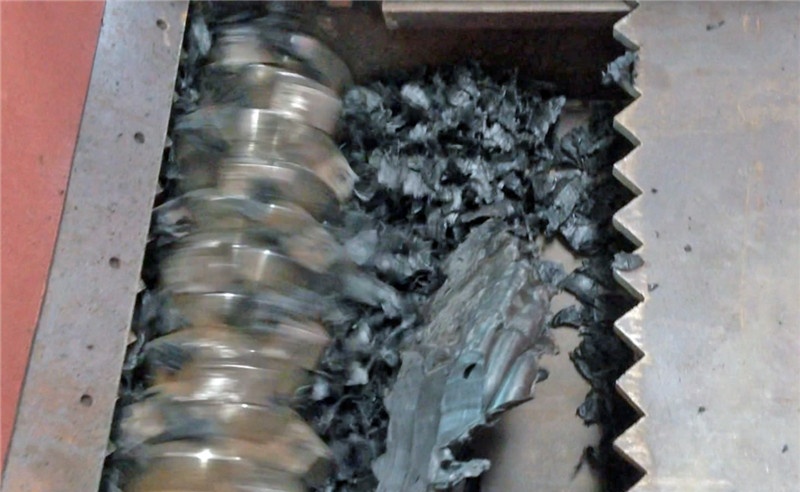
The rapid growth of electric vehicles and consumer electronics has made lithium-ion battery recycling one of the fastest-expanding segments. A standard lithium battery recycling equipment line handles capacities between 500 and 2,500 kg per hour. The process begins with safe discharging and pre-crushing, followed by secondary granulation to liberate the black mass containing nickel, cobalt, and graphite. Magnetic separation removes ferrous contaminants, while air classification separates plastics, copper, and aluminum.
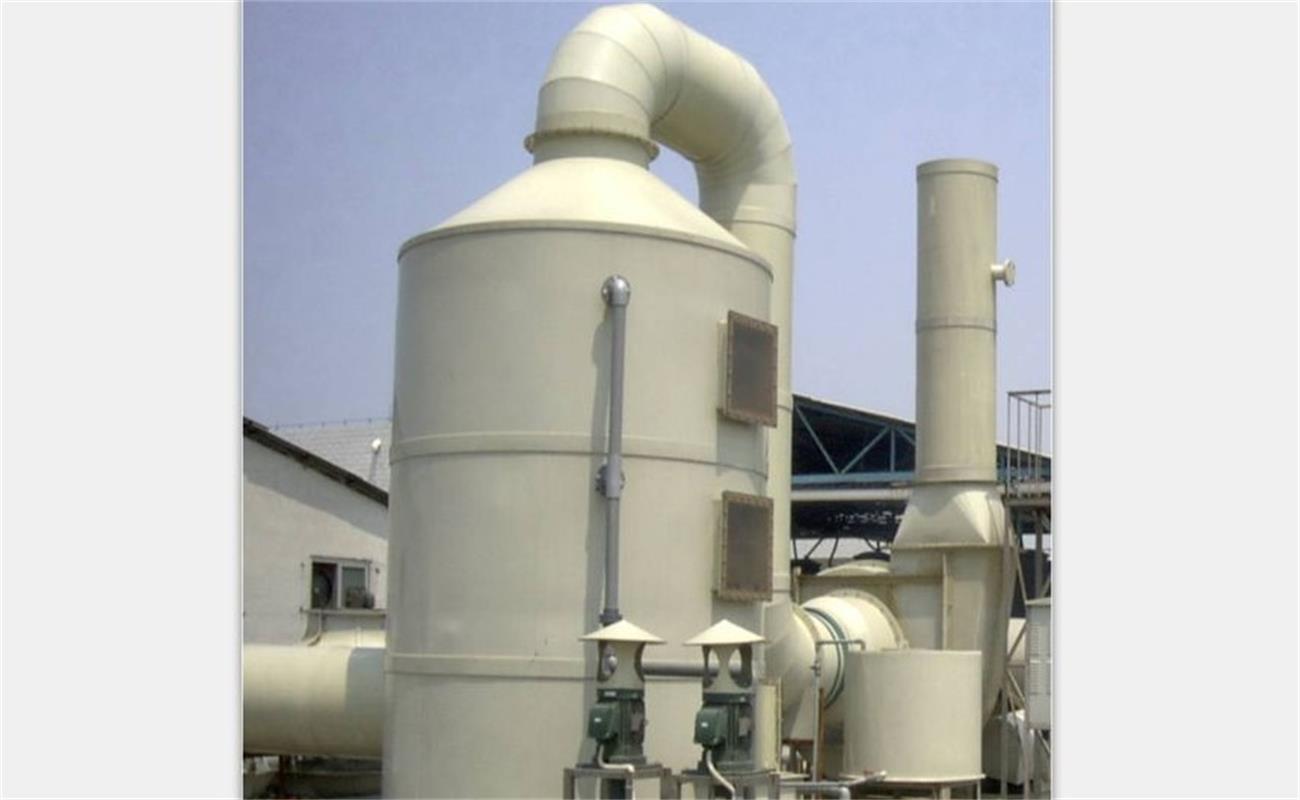
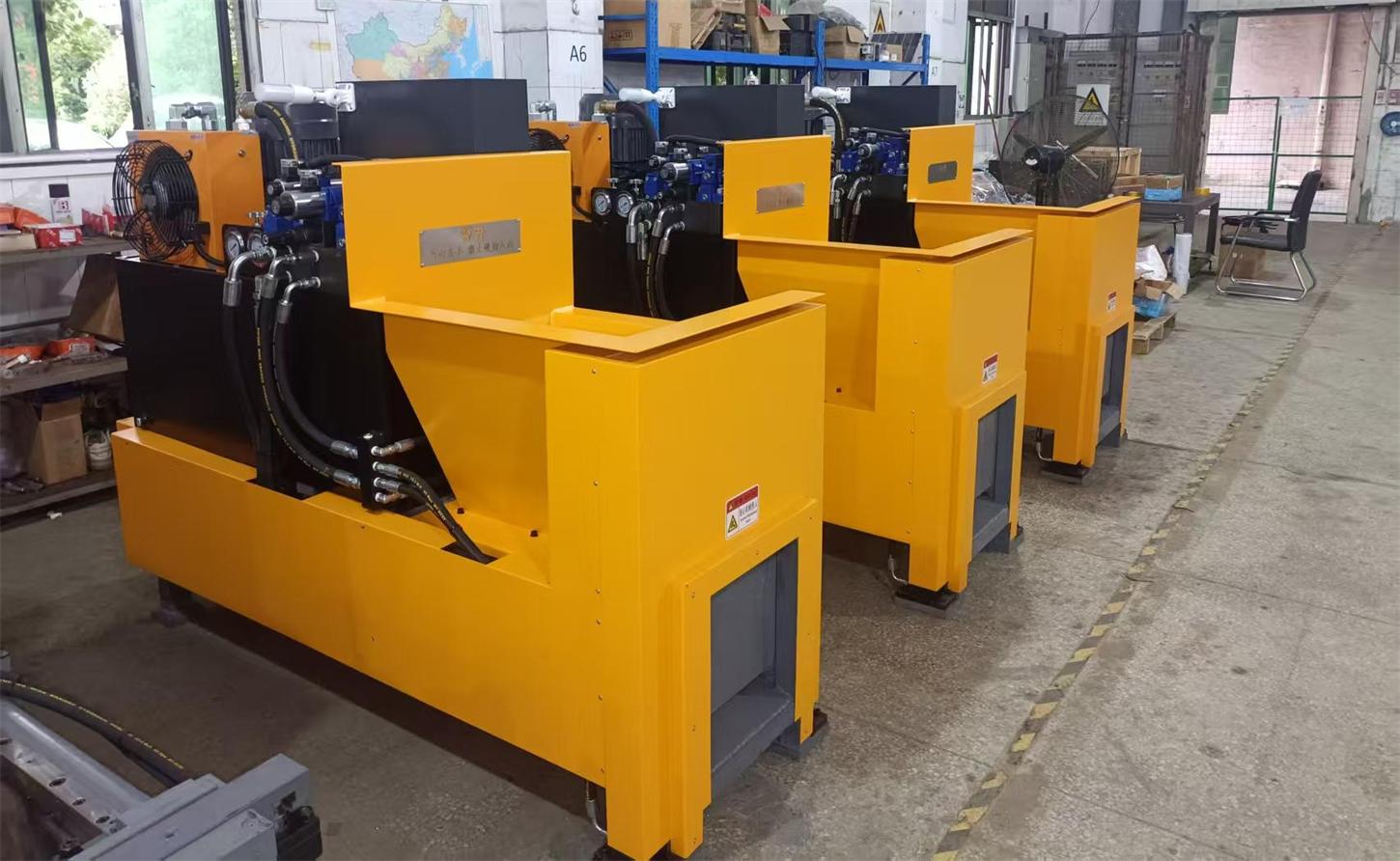
Because lithium batteries can release harmful gases during crushing, dedicated air pollution control systems are mandatory. Auxiliary equipment such as plastic pneumatic conveying systems and hydraulic briquetters help compress separator films into dense blocks for easier transport and resale. Custom design options are widely available to match specific feedstock chemistries and local regulatory requirements.
Circuit Board Recycling
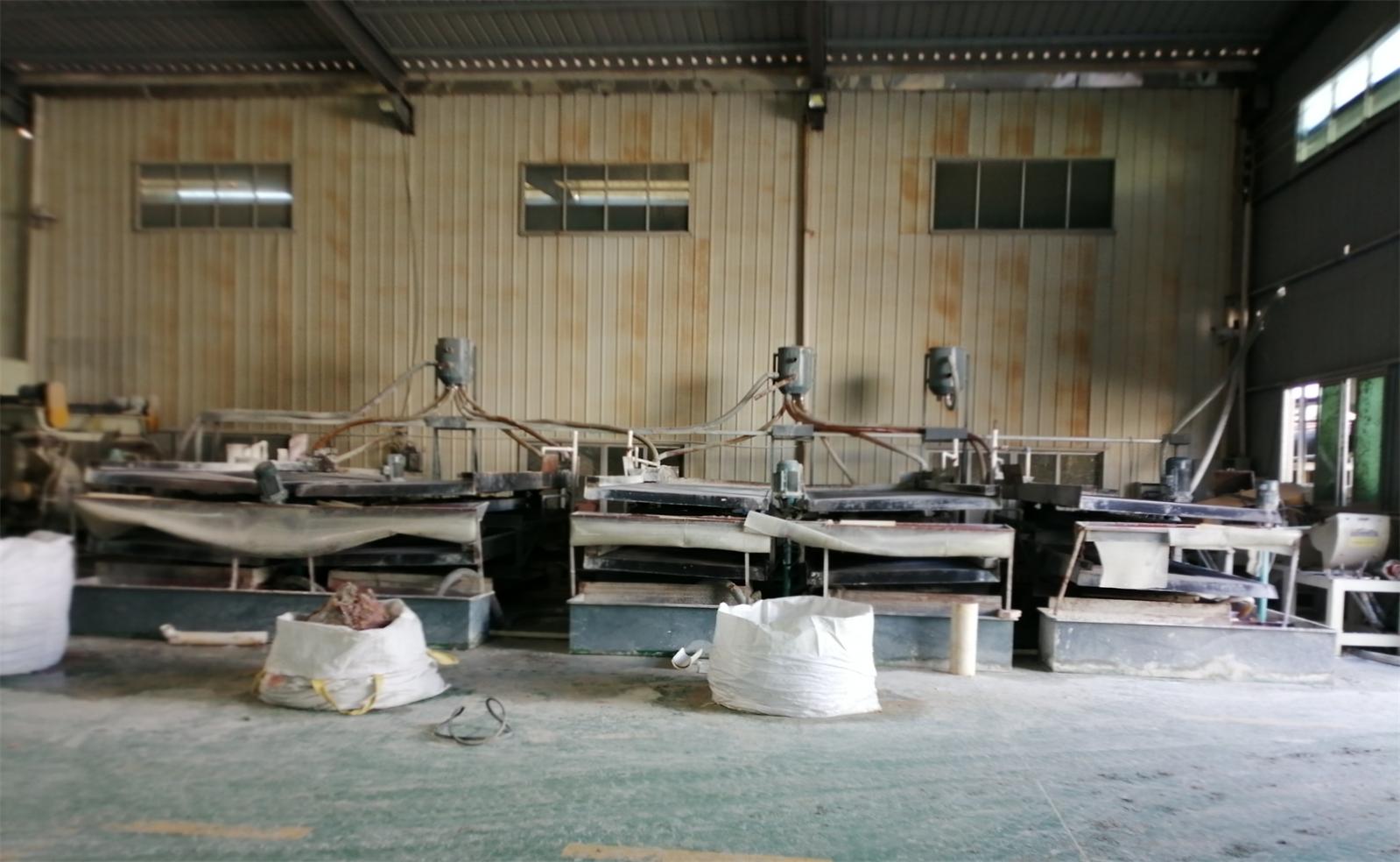
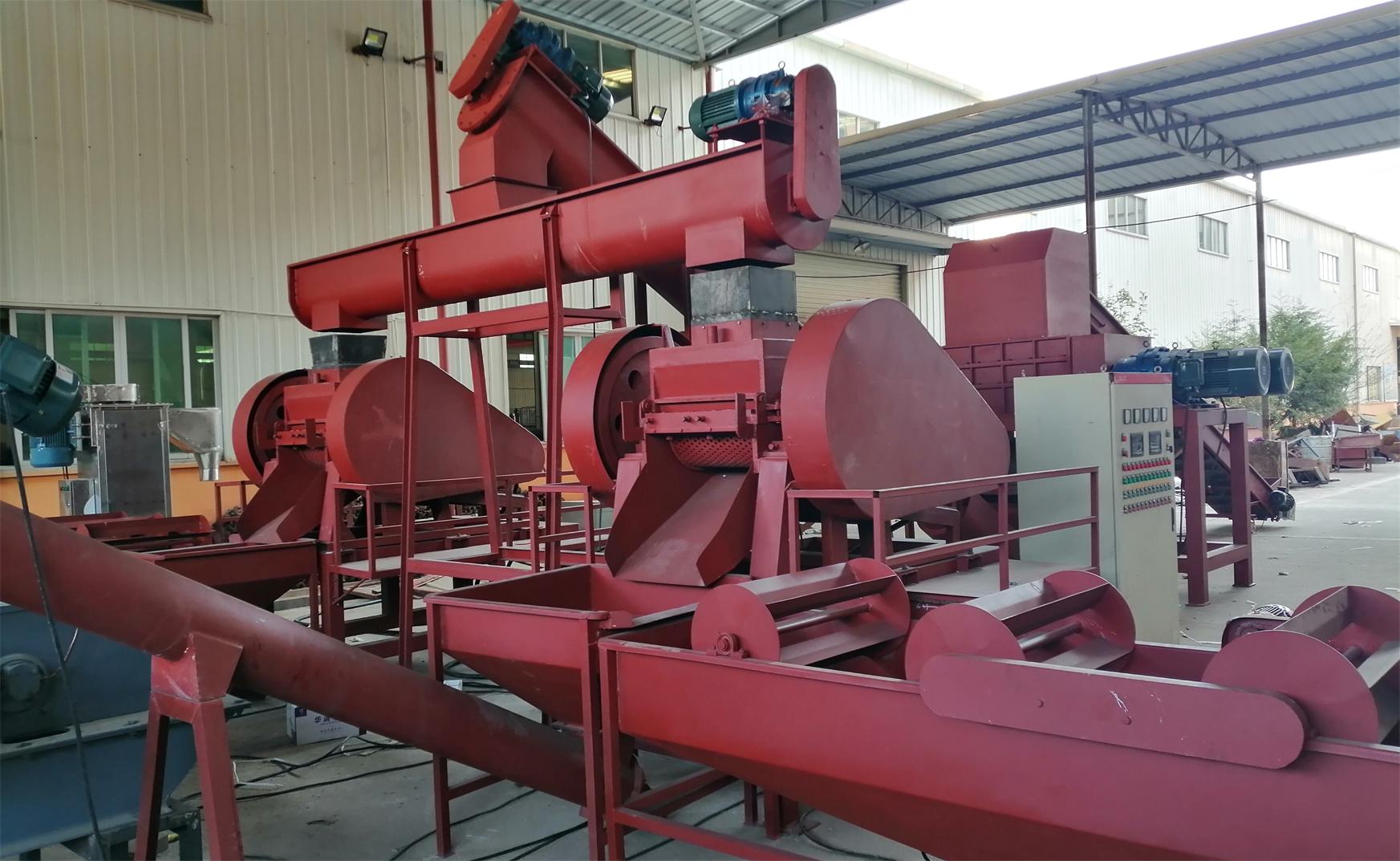
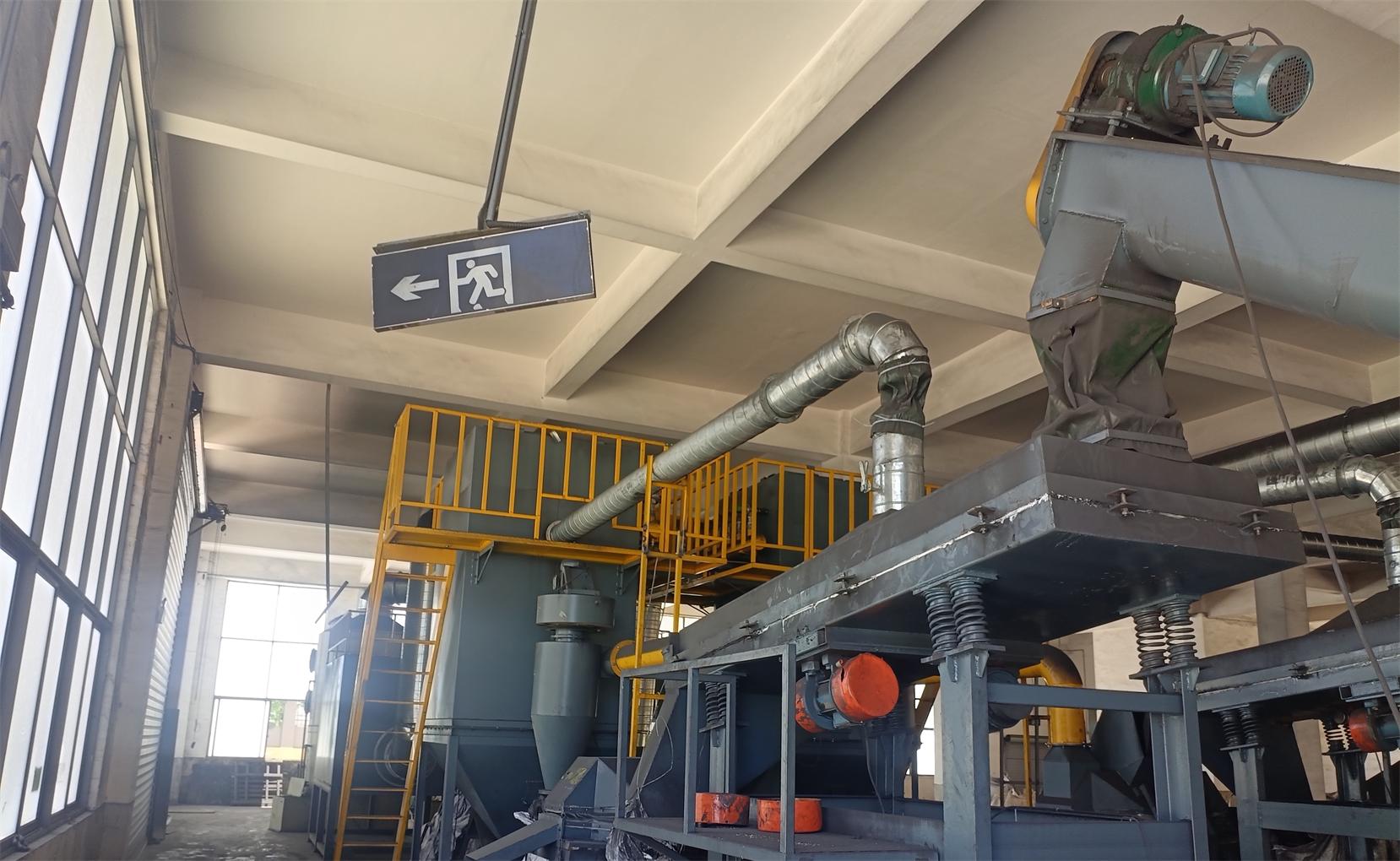
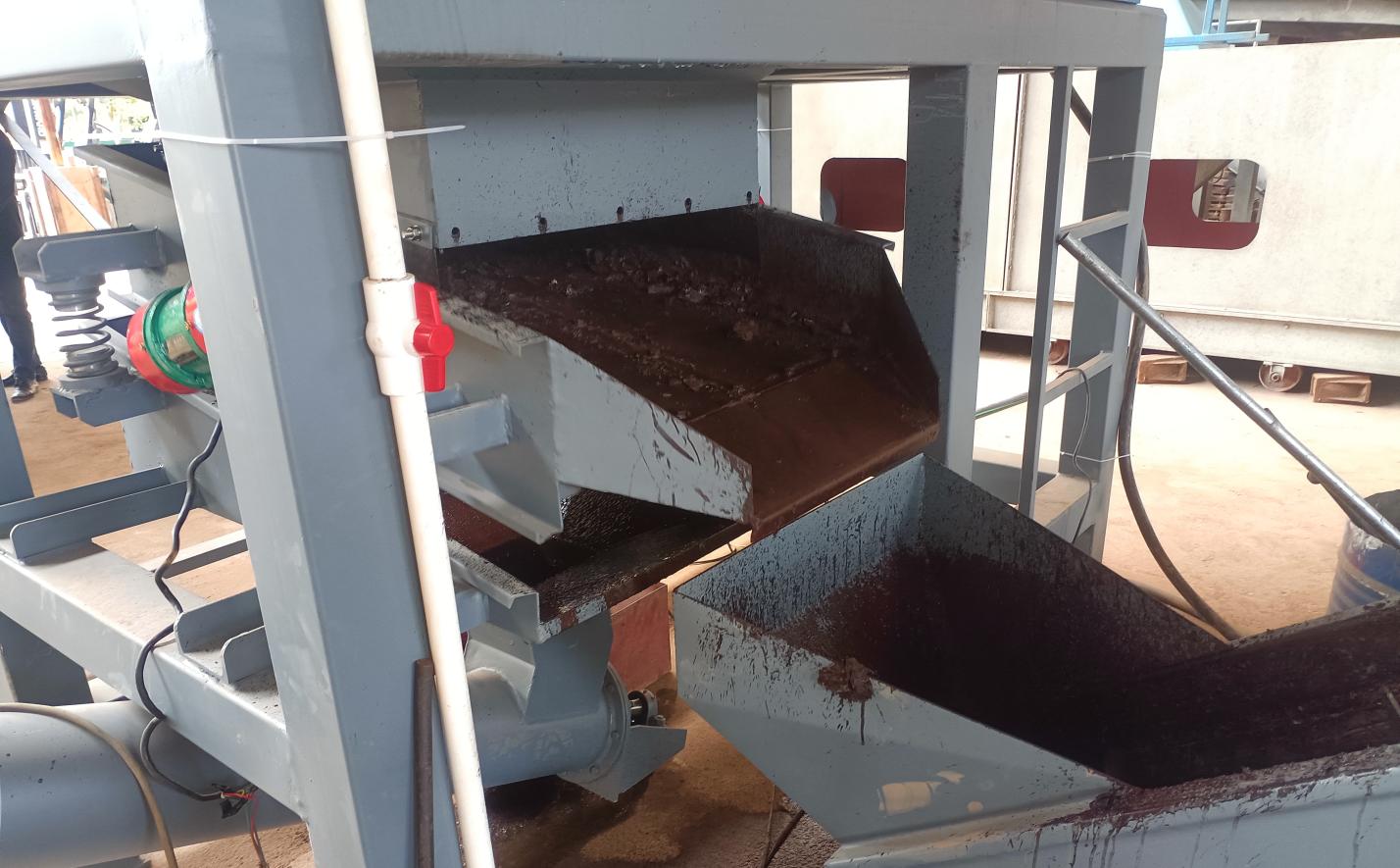
Printed circuit boards contain copper, precious metals, and recyclable plastics. Depending on local environmental regulations and the desired purity of output, processors can choose between dry separation and wet separation routes. circuit board recycling equipment with dry separation uses air classifiers, vibrating screens, and electrostatic separators to achieve copper powder purity of 96–98% without generating wastewater. Wet separation systems, on the other hand, use water-based metal separation and can process PCBs with components still attached.
Capacities typically range from 300 kg/hour for entry-level plants up to 2,000 kg/hour or more for industrial-scale operations. Recovery rates of 95% are achievable with proper process tuning. Pulse bag dust collectors and cyclone separators keep the workplace clean and compliant.
Cable Recycling
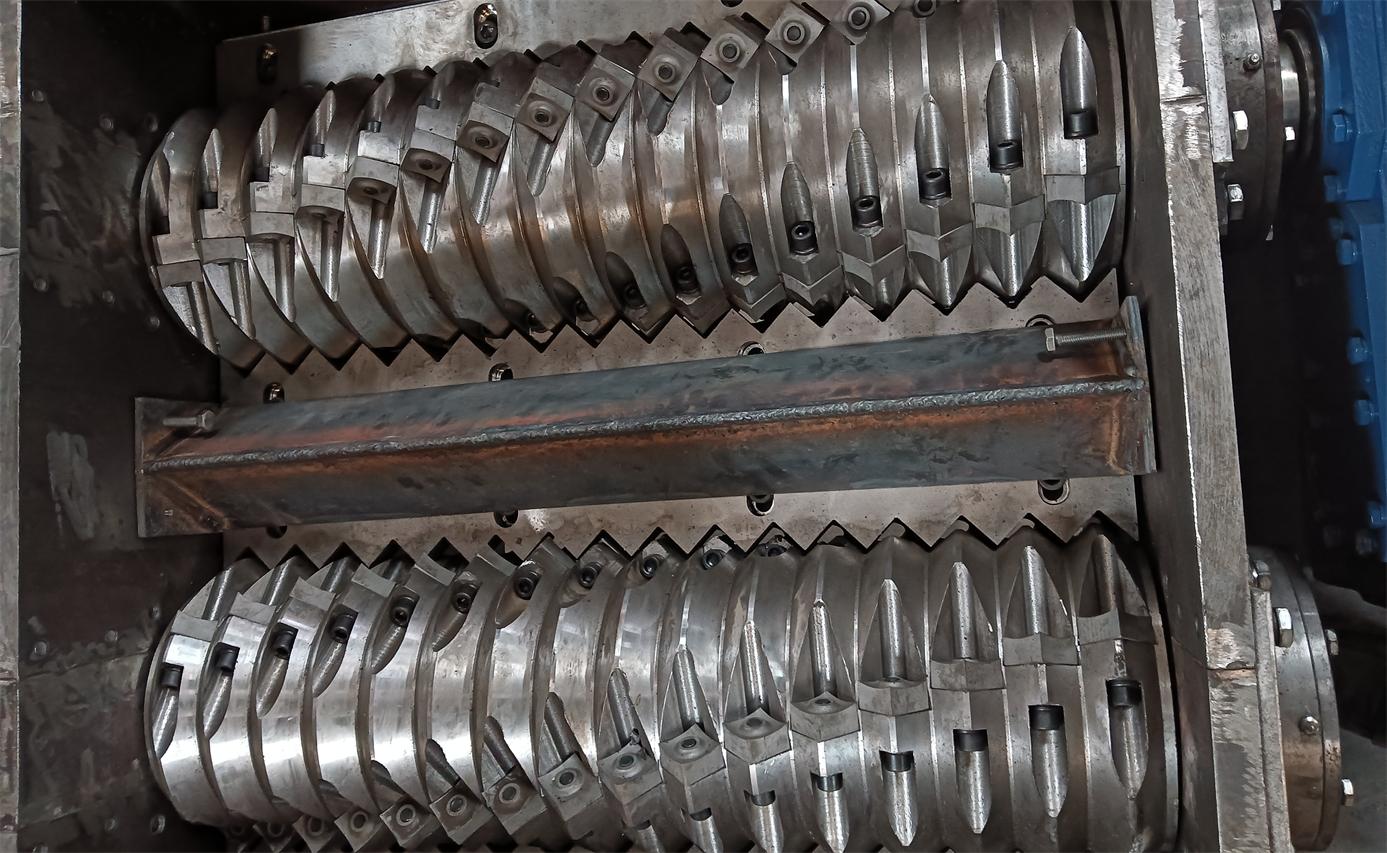
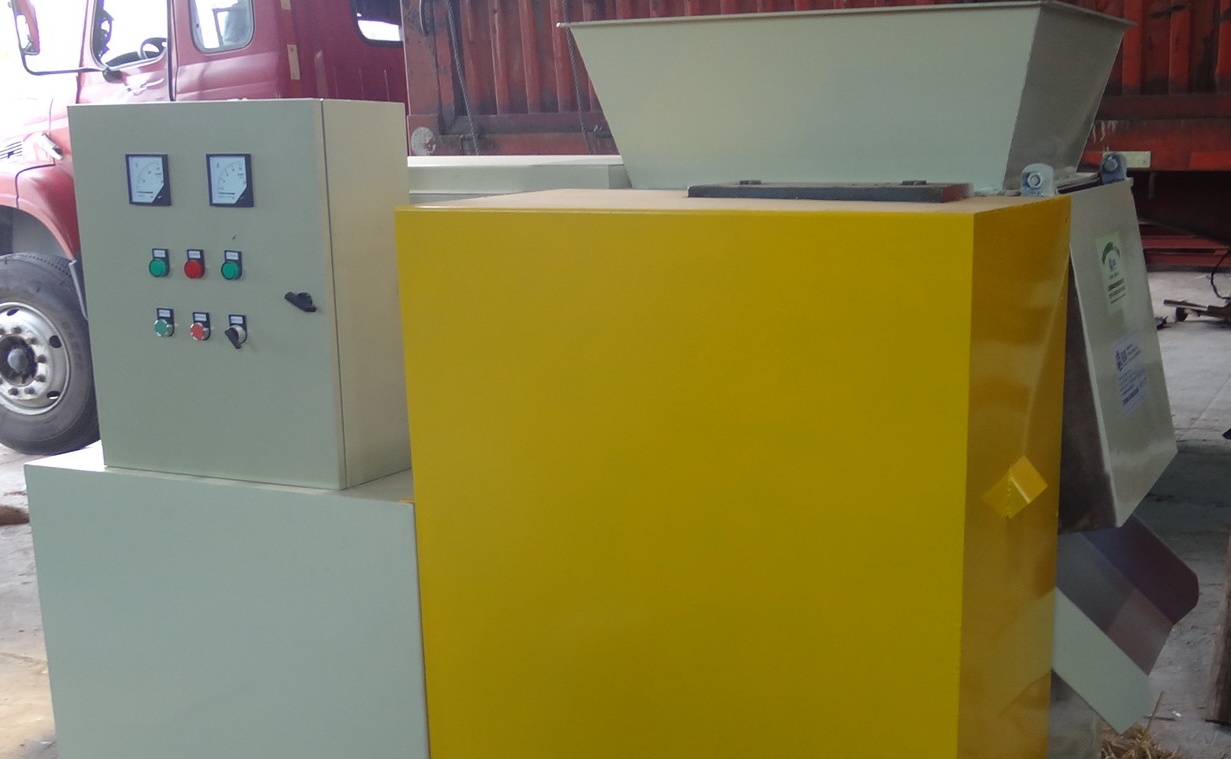
Scrap cables represent one of the simplest and most consistent feedstocks. A complete cable recycling plant often includes scrap cable strippers for large-diameter wires, followed by cable granulators that crush and separate copper or aluminum from plastic insulation through dry separation. Granulators are available in compact sizes for small yards and heavy-duty models processing over 1,000 kg/hour for industrial operators.
The economics of cable recycling are attractive because the separation process is mechanical, energy consumption is moderate, and both the metal and plastic fractions command stable resale prices.
What to Look for in a Recycling Equipment Supplier
Buying recycling machinery is not a simple commodity purchase. The wrong supplier can leave you with mismatched equipment, missing auxiliary units, and no path to commissioning. Here are the criteria that separate reliable partners from traders:
- Technical depth: Look for a supplier with an in-house engineering team capable of customizing plant layouts, capacities, and process flows to your specific feedstock and site conditions.
- EPC capability: Engineering, Procurement, and Construction (EPC) capability means the supplier can deliver a turnkey plant — not just ship machines. This dramatically reduces integration risk and accelerates time-to-production.
- After-sales support: Installation, commissioning, operator training, and spare parts availability are essential for continuous operation.
- Proven export experience: A supplier that has delivered plants to multiple continents understands international shipping, voltage standards, and local compliance nuances.
- Ancillary services: The best partners help beyond equipment — sourcing raw materials, connecting you to buyers for recovered metals, and even assisting with investor introductions.
EPC vs. Standalone Equipment: Making the Right Choice
First-time plant operators often underestimate the complexity of integrating crushers, separators, conveyors, dust collectors, and control systems from multiple vendors. An EPC provider designs the entire plant as a unified system, ensures mechanical and electrical compatibility, and takes responsibility for performance at startup. While standalone equipment purchases may appear cheaper on paper, hidden integration costs, delayed commissioning, and suboptimal recovery rates frequently erase the initial savings.
For operators entering the market, the EPC route offers faster path to cash flow and lower technical risk. For expanding recyclers, EPC ensures the new line integrates cleanly with existing infrastructure.
Key takeaway: Recovery rate and uptime are the two numbers that determine ROI. A well-integrated plant with optimized process flow will outperform a collection of individually purchased machines every time.
Investment and Return Considerations
Capital requirements vary widely by stream and scale. Lead-acid battery recycling plants generally require moderate upfront investment and offer shorter payback periods because the technology is mature and end-markets for lead ingot are liquid. Lithium battery recycling demands higher capital due to safety infrastructure and gas treatment, but the value of recovered black mass and metals justifies the premium for operators with reliable feedstock supply. Circuit board and cable recycling lines sit at the lower end of the capex spectrum, making them attractive entry points.
Working capital is often underestimated. Maintaining 60 to 90 days of input material inventory is prudent, particularly when scrap prices fluctuate. Operators who secure long-term supply contracts with battery distributors, electronics dismantlers, or cable demolition projects reduce procurement risk and stabilize margins.
| Recycling Stream | Typical Capacity Range | Core Output Products | Key Auxiliary Systems |
|---|---|---|---|
| Lead-acid batteries | 1–10 MT/hour | Lead ingot, plastic granules | Acid treatment, air pollution control, water treatment |
| Lithium-ion batteries | 500–2,500 kg/hour | Black mass, copper, aluminum, plastic | Discharging, gas absorption, pneumatic conveying |
| Circuit boards | 300–2,000 kg/hour | Copper powder, precious metal concentrate | Dust collection, wastewater treatment (wet route) |
| Scrap cables | 200–1,200 kg/hour | Copper/aluminum granules, plastic pellets | Pre-stripping (large cables), dust collection |
Building a Sustainable Competitive Advantage
The recycling industry rewards operators who think in systems, not transactions. That means selecting equipment with enough flexibility to handle feedstock variation, designing layouts that allow future expansion, and partnering with suppliers who understand the full commercial cycle — from waste intake to refined metal sale. Environmental compliance is not a cost center; it is a license to operate that formal-sector recyclers can use to differentiate themselves from informal competitors.
Multi-stream operators enjoy additional resilience. A plant configured for both lead-acid and lithium battery processing, for example, can shift capacity toward the stream with stronger margins as market conditions change. Similarly, adding cable or PCB lines to an existing battery recycling facility spreads fixed costs across more throughput.
Ready to build or expand your recycling operation? With over 15 years of experience in e-waste recycling machinery, San Lan Technologies Co., Ltd offers complete plant solutions — from individual machines to full EPC projects — delivered to more than 21 countries. Our engineering team provides customized design, installation support, and ongoing technical assistance to ensure your plant reaches target recovery rates from day one.
Explore our full range of lead acid battery recycling equipment, lithium battery recycling equipment, circuit board recycling equipment, and cable recycling plant solutions. Contact us today to discuss your project requirements and receive a tailored proposal.