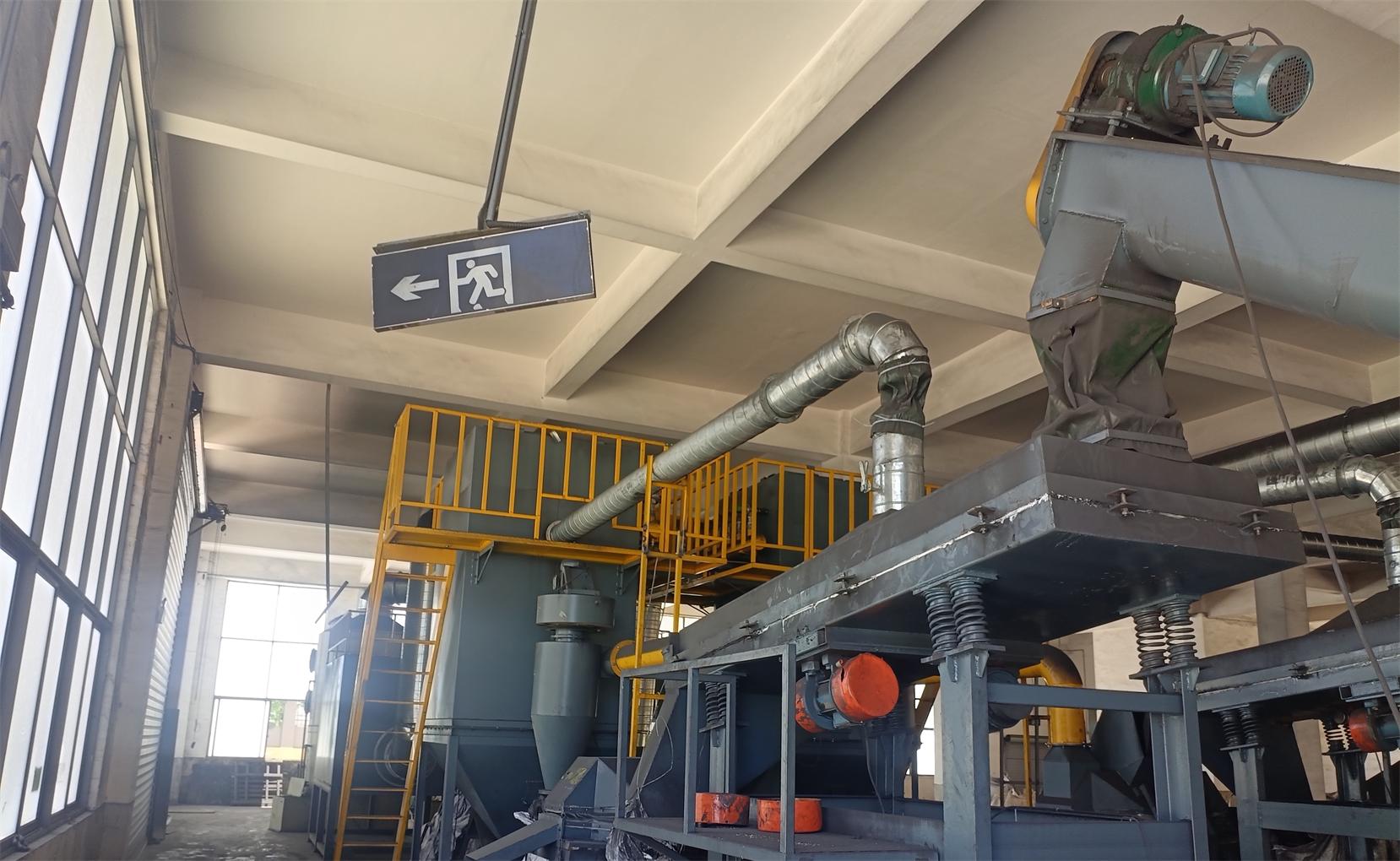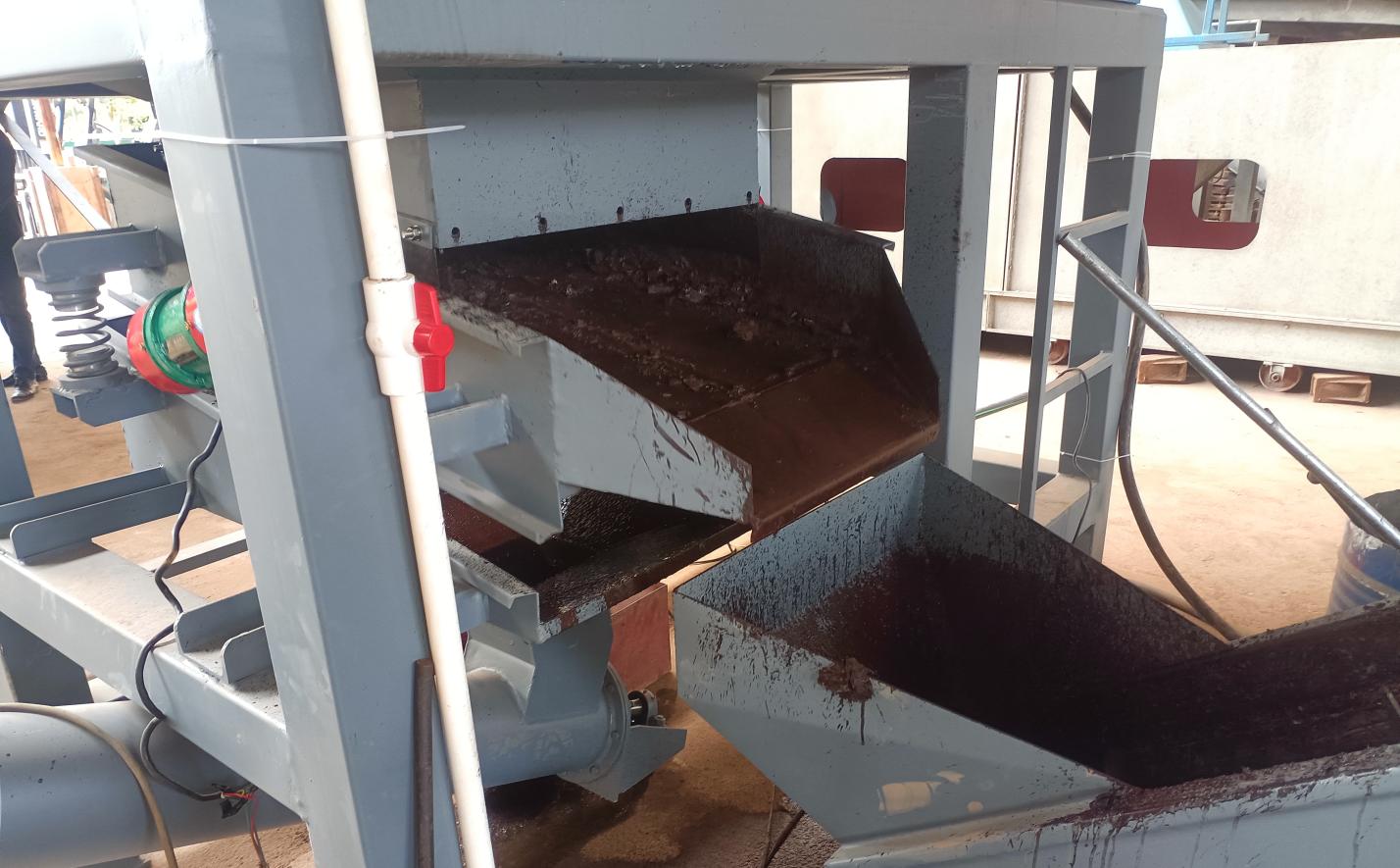
A practical look at the machines that turn used batteries, cables, and circuit boards into recoverable metal and plastic.
Two facility managers stand before identical piles of discarded material. One sees a disposal cost. The other sees copper, lead, aluminum, and plastic waiting to be separated and sold. The only difference between them is the equipment on their floor.
Recycling is no longer a side operation for large scrap yards. With metal prices volatile and environmental regulations tightening, companies in Southeast Asia, Latin America, Africa, and the Middle East are building dedicated recycling plants to process used lead acid batteries, scrap cables, waste circuit boards, and end-of-life lithium batteries. The question is no longer whether to recycle, but which machines match your incoming material and your output goals.
San Lan Technologies, established in 2007 and based in Jiangxi Province, China, has shipped recycling machinery to more than 21 countries. Their engineering team holds master's degrees in mechanical engineering and brings over 15 years of hands-on experience in e-waste recycling plant design, installation, and commissioning.
Lead Acid Battery Recycling: The Steady Revenue Stream
Used lead acid batteries (ULAB) remain one of the most recycled consumer products in the world. The chemistry is well understood, the market for recovered lead is deep, and the process can be broken into clear mechanical and metallurgical stages. For operators who want predictable cash flow, lead acid battery recycling equipment offers a proven path.
The first stage is breaking and separation. A complete plant crushes the batteries and classifies the output into four streams: lead paste, lead grids, plastic shells, and sulfuric acid. San Lan's lead acid battery breaking and separating systems handle capacities from 1 to 10 MT per hour. The lead paste then moves to a de-sulfurization unit, which removes sulfur from PbSO4, reduces melting temperature, and cuts SO2 emissions before the material ever reaches a furnace.
For metallurgical recovery, operators typically choose between a blast furnace and a rotary furnace. San Lan's blast furnace for lead battery recycling operates at temperatures up to 1800°C with a capacity of 40 to 100 MT per 24 hours and a lead recovery rate of 95%. The rotary furnace, used for paste reduction, produces crude metallic lead in batch sizes of 2 to 20 MT and achieves higher recovery rates than traditional blast furnace routes. The final refining step uses a lead refinery kettle furnace that brings crude lead to 99.999% purity, available in natural gas, diesel, or electric heated configurations. The electric variant uses near-infrared heating and can reduce energy consumption by 30% to 50% compared with conventional fuel-fired kettles.
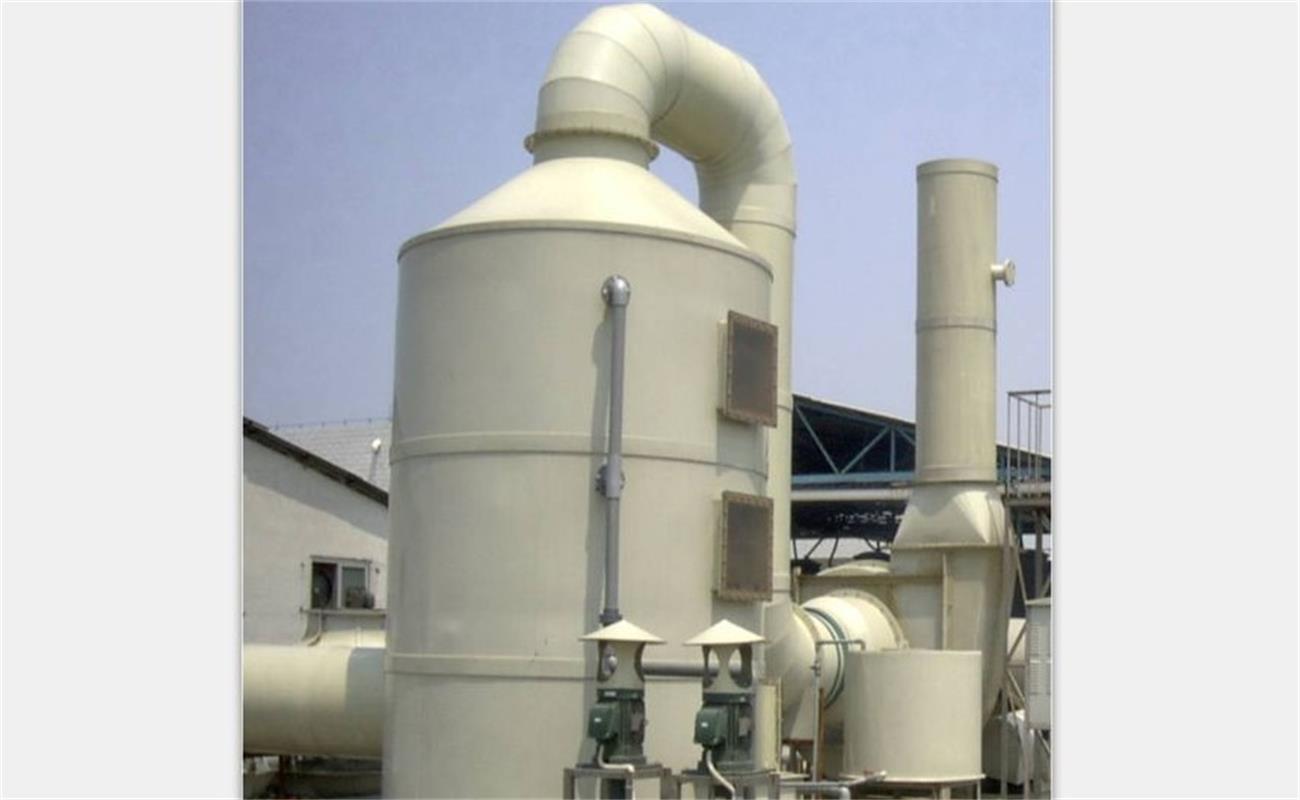
Environmental compliance is not optional. A complete lead acid battery recycling plant requires an air pollution control system for the rotary furnace and refinery kettle, plus a water treatment plant to neutralize acidic wastewater from the breaking-separation process. San Lan supplies these auxiliary systems as integrated packages, not afterthoughts.
Cable Recycling: Copper Price Makes the Math Simple
Scrap cable is essentially copper or aluminum wrapped in plastic insulation. The economics depend on two variables: the price of recovered metal and the efficiency of separation. When copper trades above certain thresholds, even small-scale cable recycling operations become profitable within months.
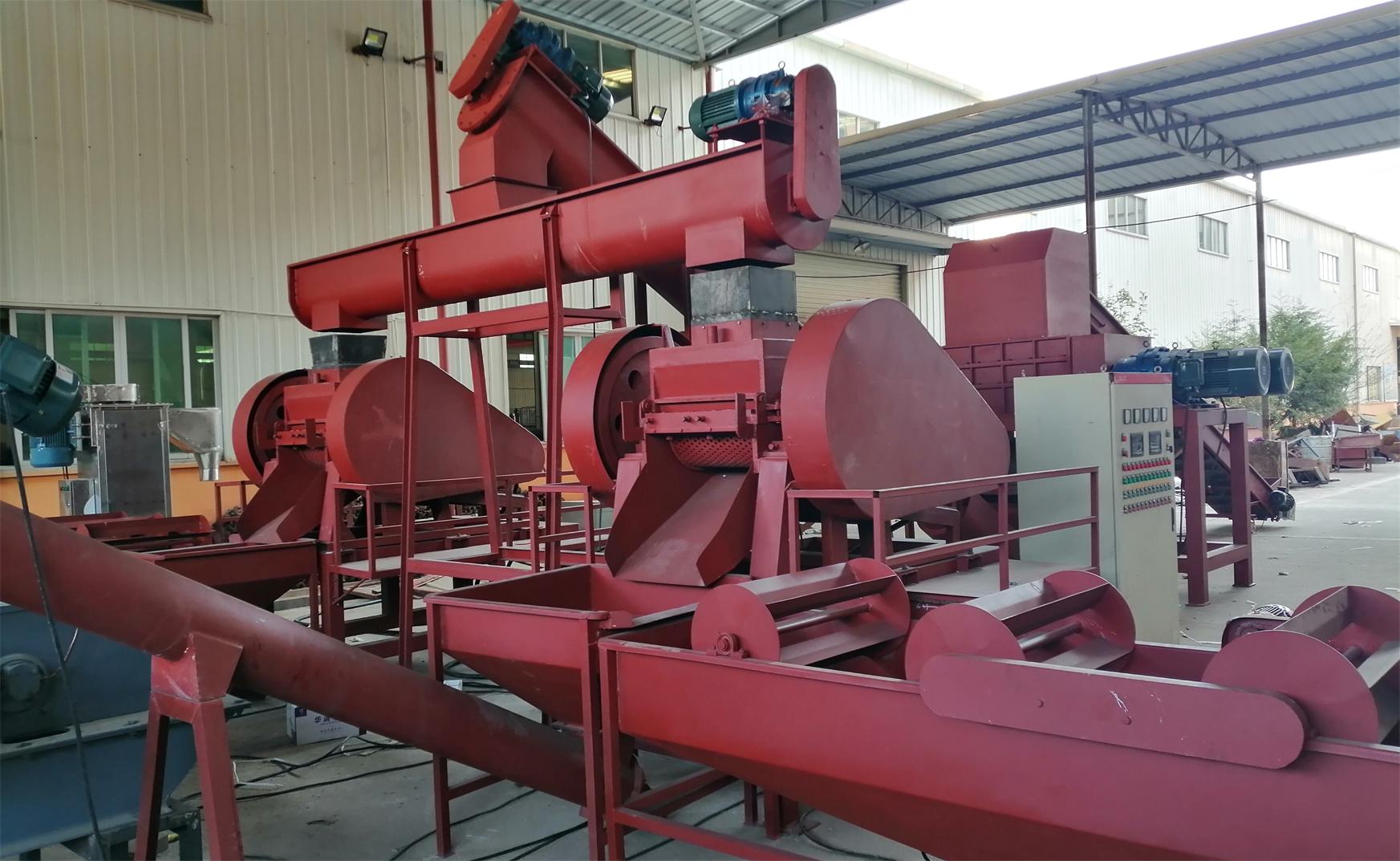
For thick industrial cables, the first step is stripping. Scrap cable strippers separate copper or aluminum from plastic insulation across cable diameters from 1.5 mm to 150 mm. San Lan offers multiple models, including the D01-8B with a 5.5 kW motor and throughput up to 15,000 kg per 10-hour shift. Stripped wire then feeds into a cable granulator, or the operator can process thin wire and mixed scrap directly through a granulator with dry or wet separation.
Granulators with dry separators use air classification and vibrating screens to separate metal granules from plastic dust. Wet separators add a water-based density separation step that can achieve higher purity on heavily contaminated material. San Lan's compact granulators and larger cable recycling plants cover capacities from 100 kg/hour to 1,200 kg/hour, depending on model and cable type. For operators processing jelly-filled telecom cables, dedicated wet-process plants are also available. Cable recycling equipment should be selected based on incoming cable diameter range, daily volume target, and whether the local market pays a premium for higher-purity copper granules.
Circuit Board Recycling: Where Precious Metals Concentrate
Printed circuit boards (PCBs) contain copper, gold, silver, palladium, and other valuable materials in concentrations far higher than natural ore. The challenge is separating these metals from fiberglass, resin, and electronic components without losing value to dust or cross-contamination.
San Lan's circuit board recycling equipment uses either dry or wet separation routes. Dry-process plants with air separators achieve copper powder purity of 96% to 98% and recovery rates around 95%, with no dust pollution when paired with cyclone separators and pulse bag dust collectors. Wet-process plants use water-based metal separation and can handle PCB waste still carrying electronic components. Capacities range from 300 kg/hour for small operations to 2,000 kg/hour for industrial-scale facilities.
The choice between dry and wet separation depends on local water costs, environmental discharge rules, and the form in which the buyer wants the output. Dry separation yields a dry copper powder that is easier to transport and sell directly to smelters. Wet separation can handle dirtier feedstock but requires a water treatment loop.
Lithium Battery Recycling: The Fastest-Growing Segment
As electric vehicles and portable electronics proliferate, spent lithium-ion batteries are becoming a major feedstock stream. Unlike lead acid batteries, which follow a straightforward mechanical and pyrometallurgical route, lithium batteries require careful handling because residual charge poses a fire risk and the electrolytes are flammable.
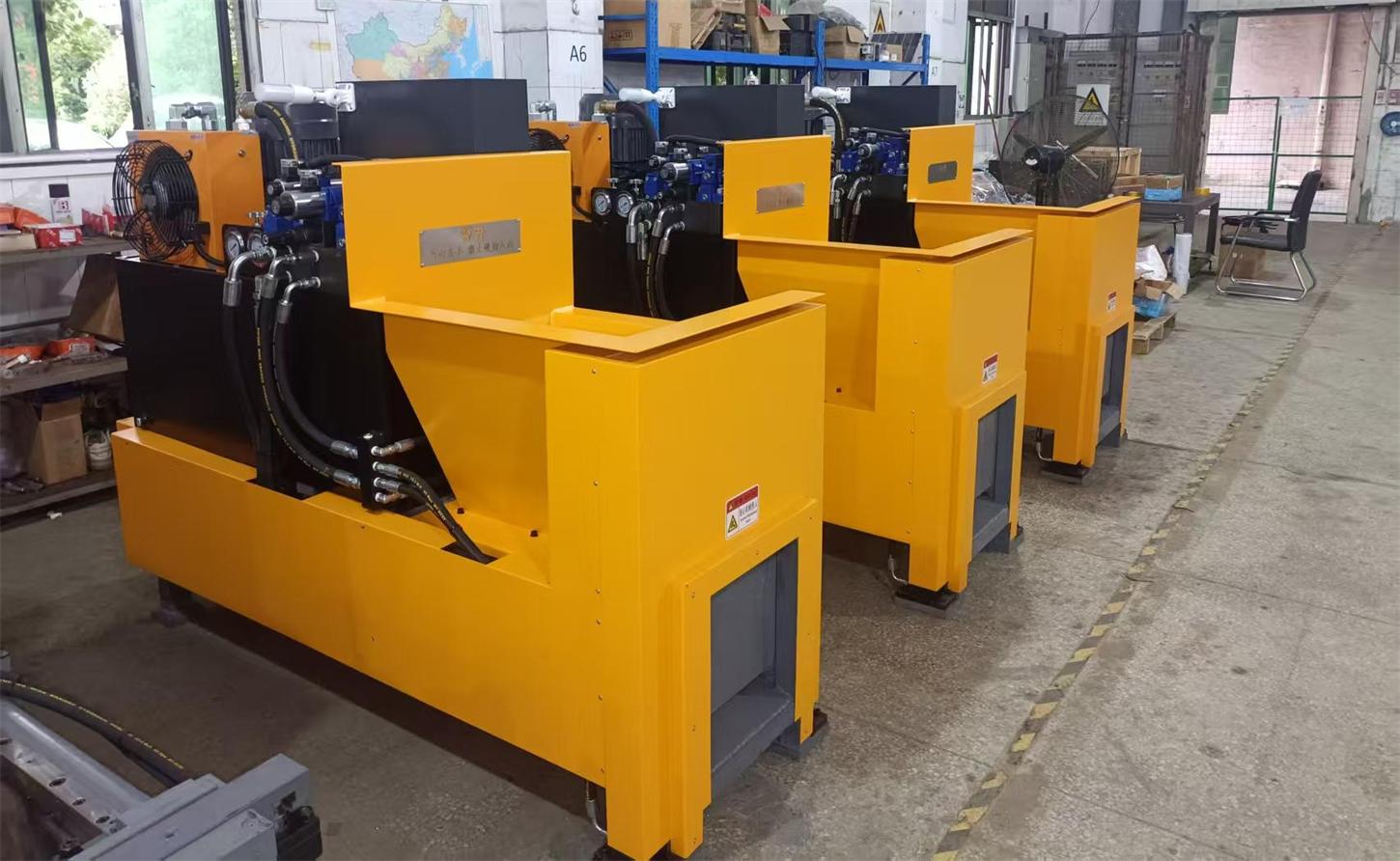
A complete lithium battery recycling plant begins with discharge and pre-crushing, followed by secondary granulation, black powder separation, and magnetic separation of iron and steel. San Lan's lithium battery breaking and separating plants handle 500 to 2,500 kg per hour, producing black mass (containing nickel, cobalt, and graphite), separated plastic film, copper, and aluminum. The plastic film can be pneumatically conveyed to a hydraulic briquetter that compresses it into blocks with a 10:1 volume reduction ratio, reducing storage and transport costs. Air pollution control systems absorb and neutralize harmful gases before emission.
For operators entering this market, the critical decision is whether to stop at mechanical separation (producing black mass for sale to refiners) or to invest in hydrometallurgical refining on-site. Most emerging-market operators start with mechanical separation because the capital requirement is lower and the equipment footprint is smaller.
Preprocessing: The Step Most First-Time Buyers Overlook
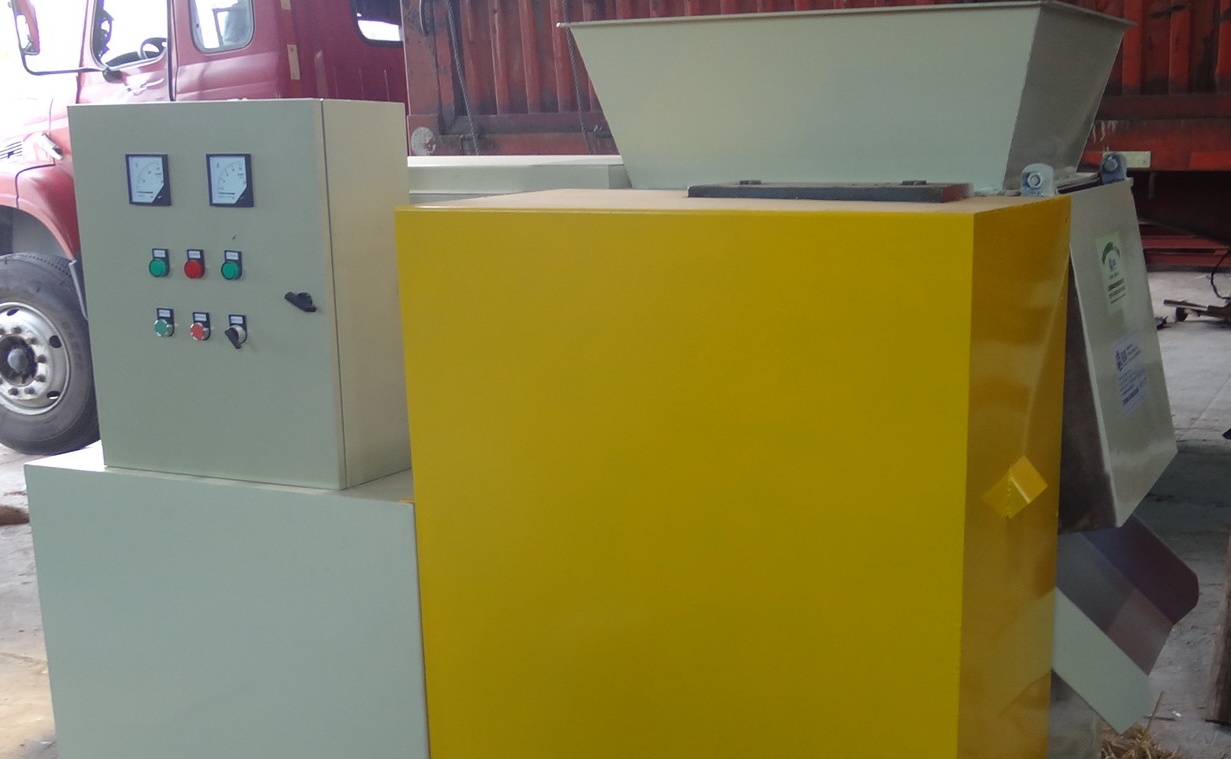
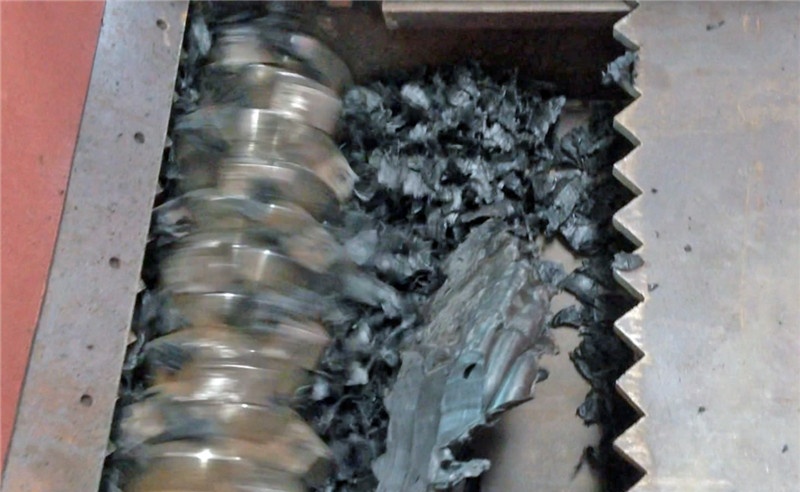
No recycling line runs efficiently if the feedstock arrives in the wrong size or shape. Refrigerators, air conditioners, large cable bundles, and mixed e-waste all require size reduction before they enter the main separation circuit. Shredders and pre-choppers are therefore not optional accessories; they are rate-limiting steps that determine the effective throughput of the entire plant.
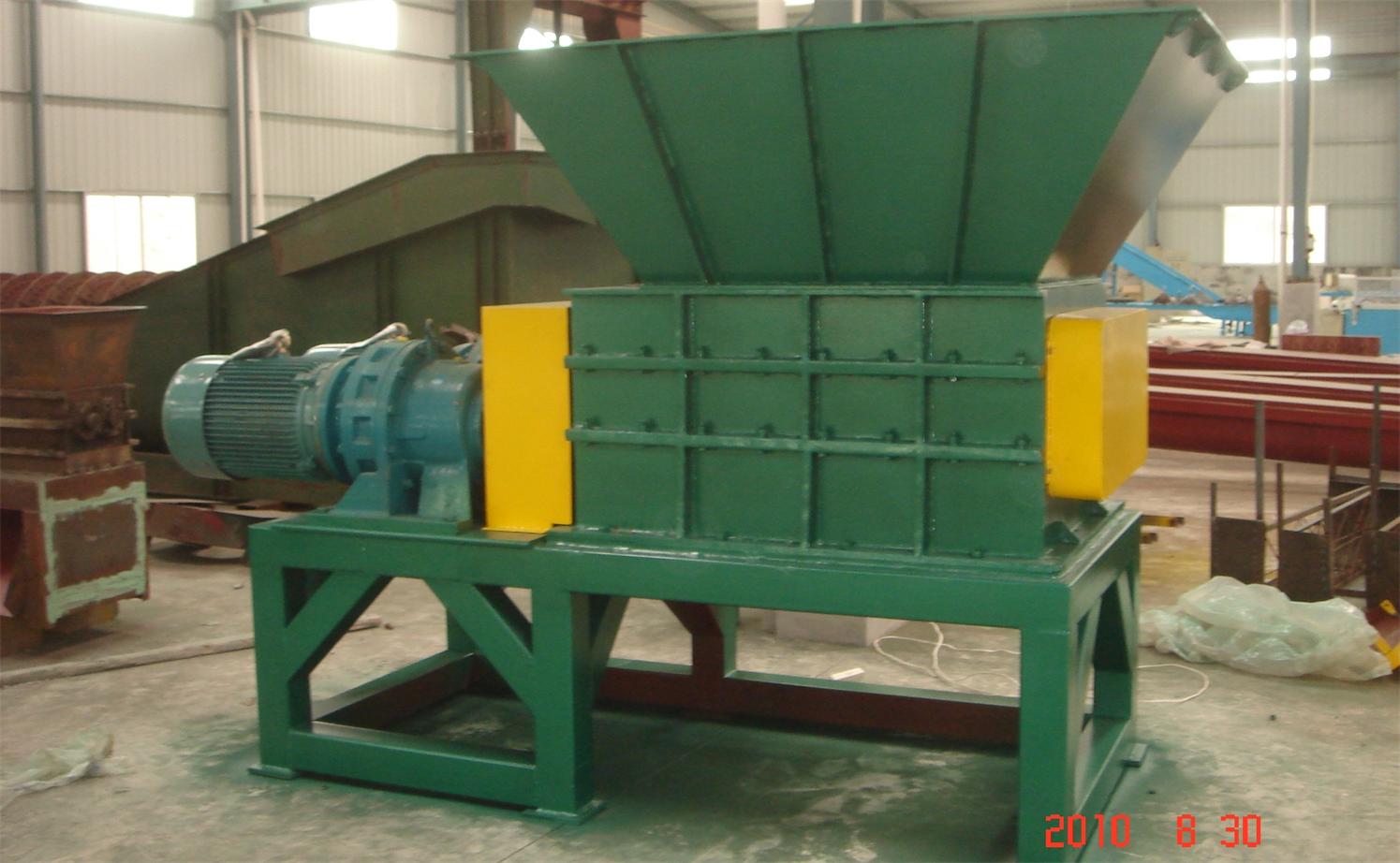
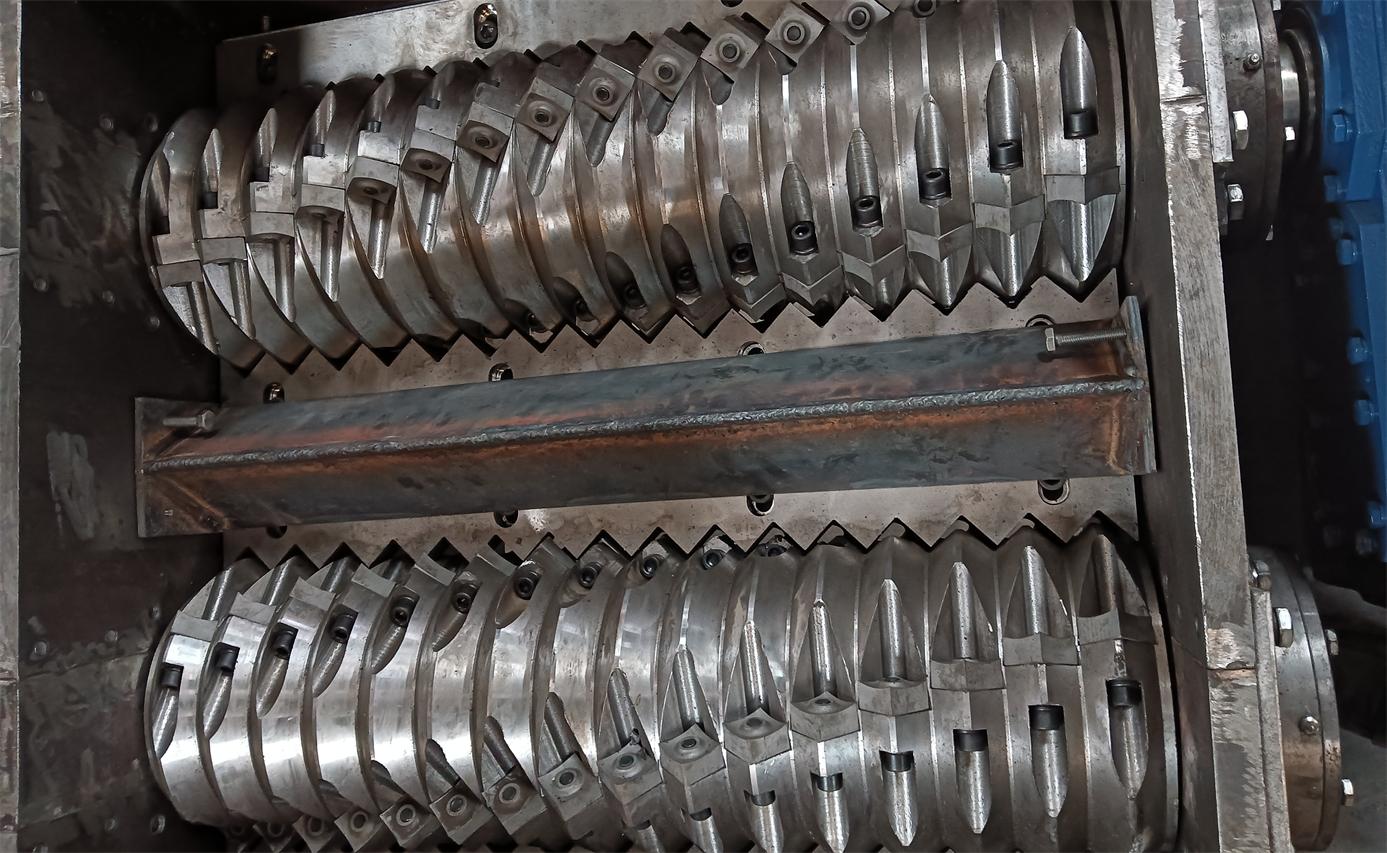
San Lan manufactures single-shaft, twin-shaft, and four-shaft shredders with capacities from 200 kg/hour to 6 MT/hour. The four-shaft shredder IC-1800, rated at 4 to 6 MT/hour with dual 22 kW motors, handles PCB, cable, refrigerators, washing machines, lead acid batteries, and lithium batteries in a single cutting chamber. For cable scrap pre-processing, the dual single-shaft shredder DSS-3000 at 2 to 3 MT/hour uses two independent shafts in one chamber to chop mixed cable into uniform pieces before granulation. Choosing the right shredder depends on the largest piece dimension in your feedstock, the required output size, and whether you need to process multiple material types on the same line.
What to Look for in a Recycling Equipment Supplier
Machinery catalogs look similar. The differences emerge after the purchase order is signed. Here are five factors that separate reliable suppliers from traders who disappear after delivery:
- EPC capability. Engineering, procurement, and construction experience matters. A supplier who has designed and commissioned complete plants knows where the integration problems hide. San Lan offers customized plant design and one-stop purchasing centers, which reduces the number of vendors a buyer must coordinate.
- Installation and commissioning support. Recycling lines involve mechanical, electrical, pneumatic, and exhaust systems. Without proper startup support, a plant can sit idle for months while local technicians troubleshoot. San Lan provides installation and commissioning as part of their project delivery.
- Material and offtake assistance. New entrants often struggle to secure consistent feedstock and to find buyers for recovered products. San Lan helps customers purchase waste material such as cable scrap, PCB scrap, and used lead acid batteries, and assists in selling outputs like copper rice, copper powder, and lead ingot.
- Proven export experience. Equipment that works in the factory may not survive tropical humidity, dust, or voltage fluctuations. A supplier with customers in Singapore, Colombia, Vietnam, Mexico, Argentina, Korea, Malaysia, Indonesia, South Africa, Tunisia, India, Kenya, Saudi Arabia, Philippines, Zambia, Israel, and other markets has already solved the packaging, documentation, and voltage adaptation problems.
- Environmental system integration. Air pollution control, water treatment, and dust collection should be designed into the plant from day one, not added later when regulators visit. San Lan supplies these as integrated packages matched to the main process line.
Start With the Material, Then Match the Machine
The most expensive mistake in recycling is buying equipment optimized for the wrong feedstock. A cable granulator will not process lead acid batteries. A lead smelting furnace will not recover lithium. Before requesting quotations, define your dominant material stream, your daily tonnage target, your available floor space, and your local environmental requirements. Only then does it make sense to compare machine specifications.
San Lan Technologies manufactures the full range of equipment described above, from individual shredders and granulators to complete turn-key recycling plants. Their product line also extends to CRT recycling machines, refrigerator and AC recycling systems, motor recycling equipment, lamp recycling machines, metal melting furnaces, hydraulic press machines, and lithium ore extraction plants for mining operations.
If you are evaluating a recycling project and need equipment selection guidance, process flow design, or a quotation for a turn-key plant, contact their technical team directly. With over 15 years of field experience and installations across more than 21 countries, they can match machine specifications to your material stream without the trial-and-error that burns capital and time.
Ready to Turn Your Waste Stream into Revenue?
San Lan Technologies designs and builds complete e-waste and battery recycling plants for operators worldwide. Whether you need a single cable granulator or a full lead acid battery recycling line with pollution control, their engineering team can provide a customized solution matched to your feedstock and capacity target.
Contact San Lan TechnologiesEmail: info@san-lan.com | WhatsApp: +86 139 2377 4083