The world generates over 50 million metric tons of electronic waste annually, yet less than 20% is properly recycled. This growing crisis presents both an environmental challenge and a significant business opportunity. For companies looking to enter the recycling industry or expand their existing operations, investing in the right recycling equipment is the critical first step toward turning waste streams into valuable raw materials.
Whether you are processing used lead acid batteries, discarded lithium-ion cells, obsolete circuit boards, or scrap cables, the efficiency of your recovery process directly impacts your profitability and environmental footprint. Modern recycling technology has evolved dramatically, offering automated systems that achieve recovery rates exceeding 95% while meeting strict environmental regulations.
As governments worldwide tighten environmental regulations and consumers demand more sustainable practices, the recycling industry is experiencing unprecedented growth. The global e-waste recycling market is projected to expand significantly, driven by increasing awareness of resource scarcity and the economic value of recovered materials.
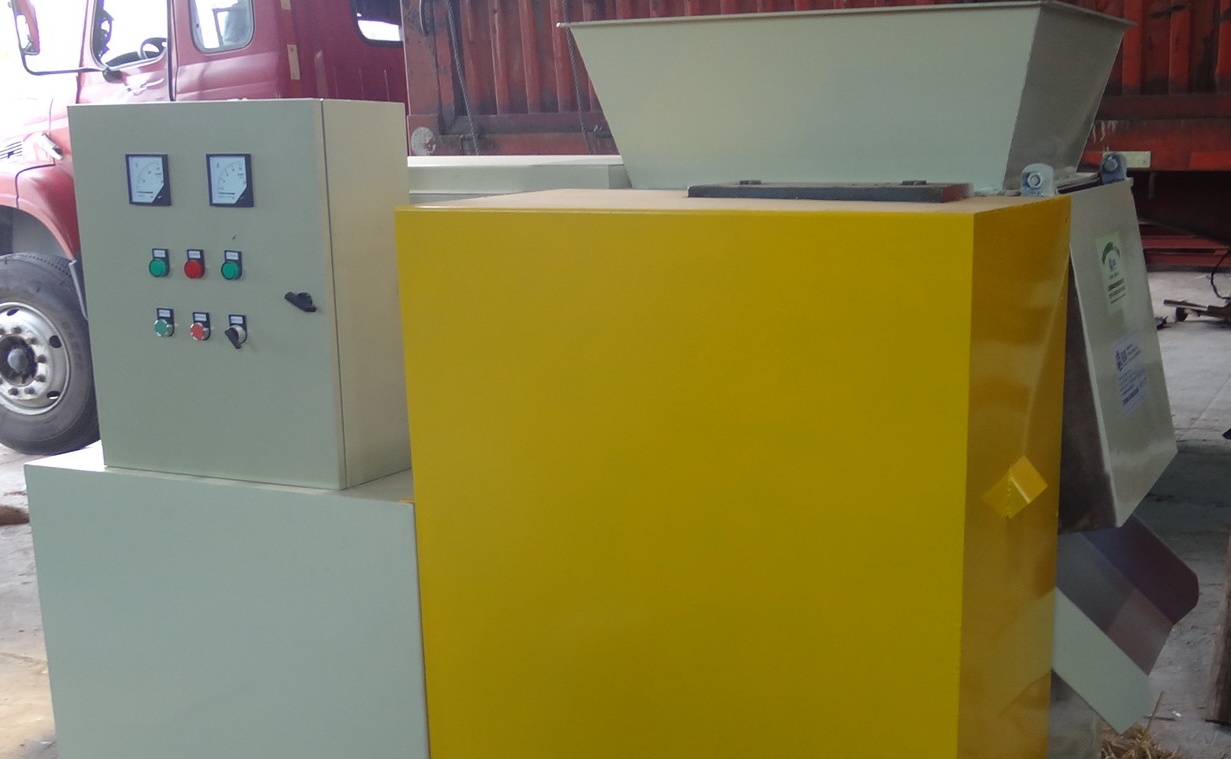
Batteries represent one of the most urgent recycling challenges. Lead acid batteries contain toxic lead and sulfuric acid that can contaminate soil and water if improperly disposed of. Meanwhile, spent lithium-ion batteries from electric vehicles and consumer electronics contain valuable metals like nickel, cobalt, and lithium that are too precious to waste. Lead acid battery recycling equipment and lithium battery recycling systems are therefore becoming essential infrastructure for both developed and developing economies.
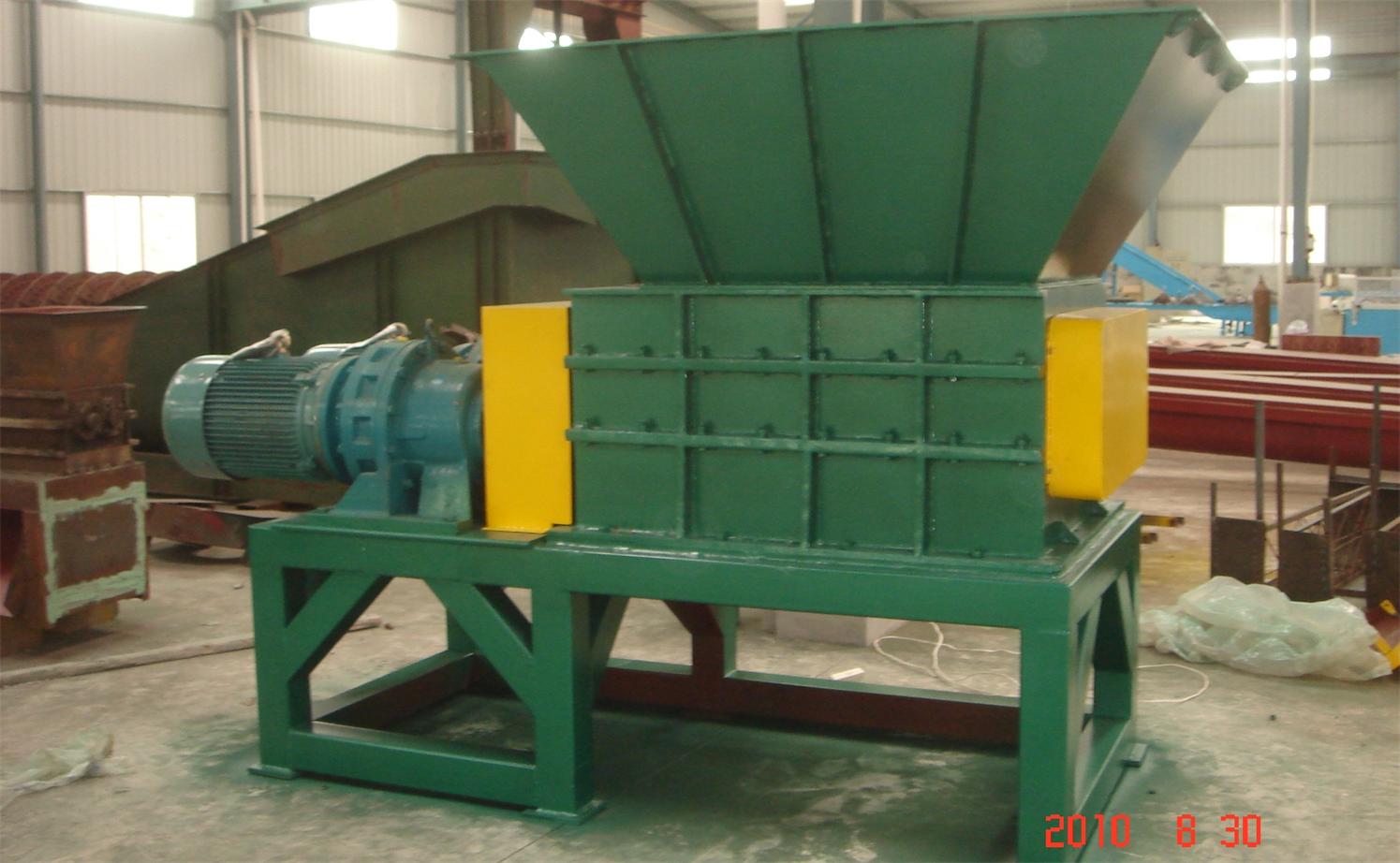
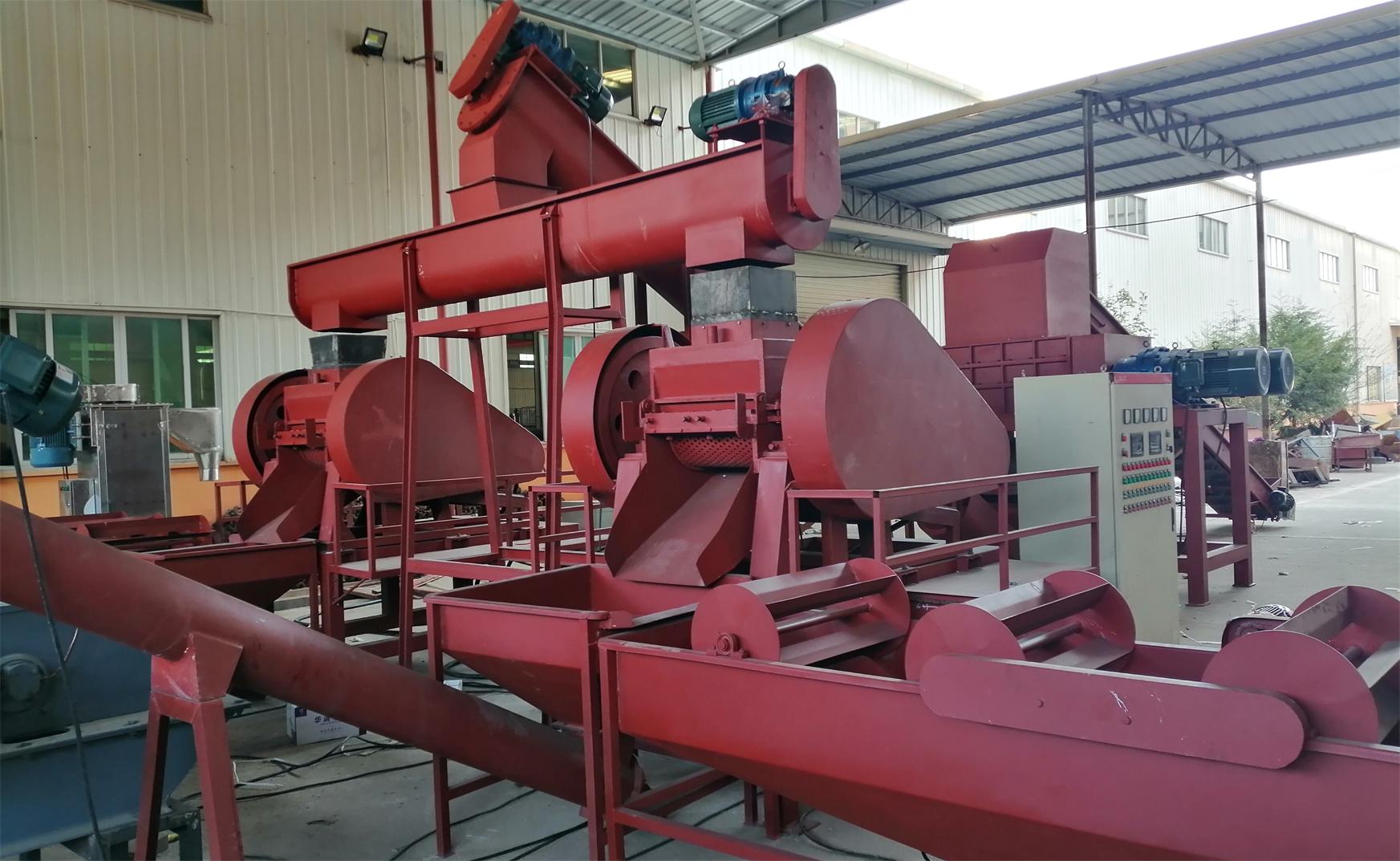
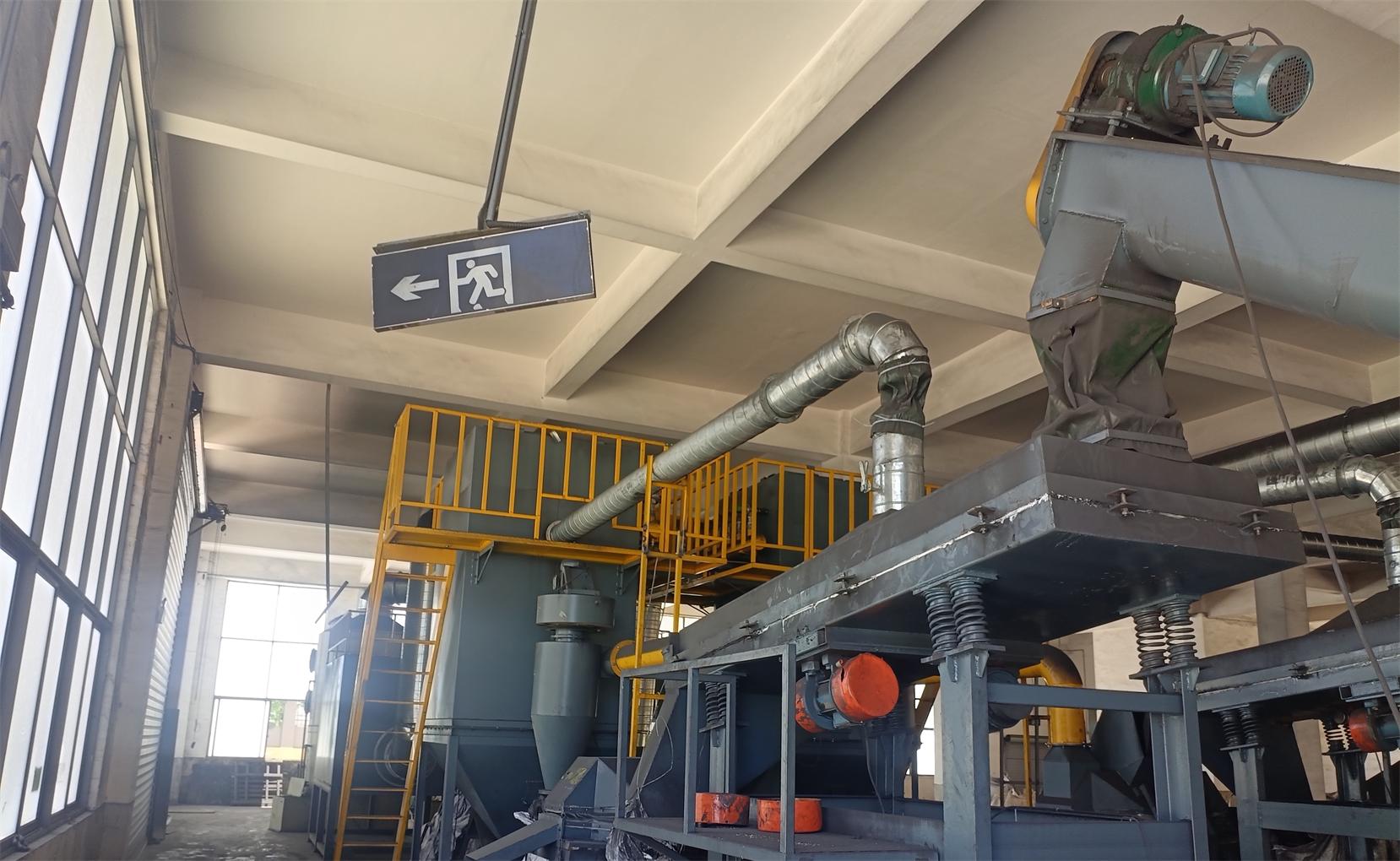
A successful recycling operation requires more than a single machine. It demands an integrated system that handles material from initial breakdown through final material separation and purification. Leading manufacturers now offer complete turnkey solutions that include pre-processing equipment, primary separation systems, and environmental protection technologies.
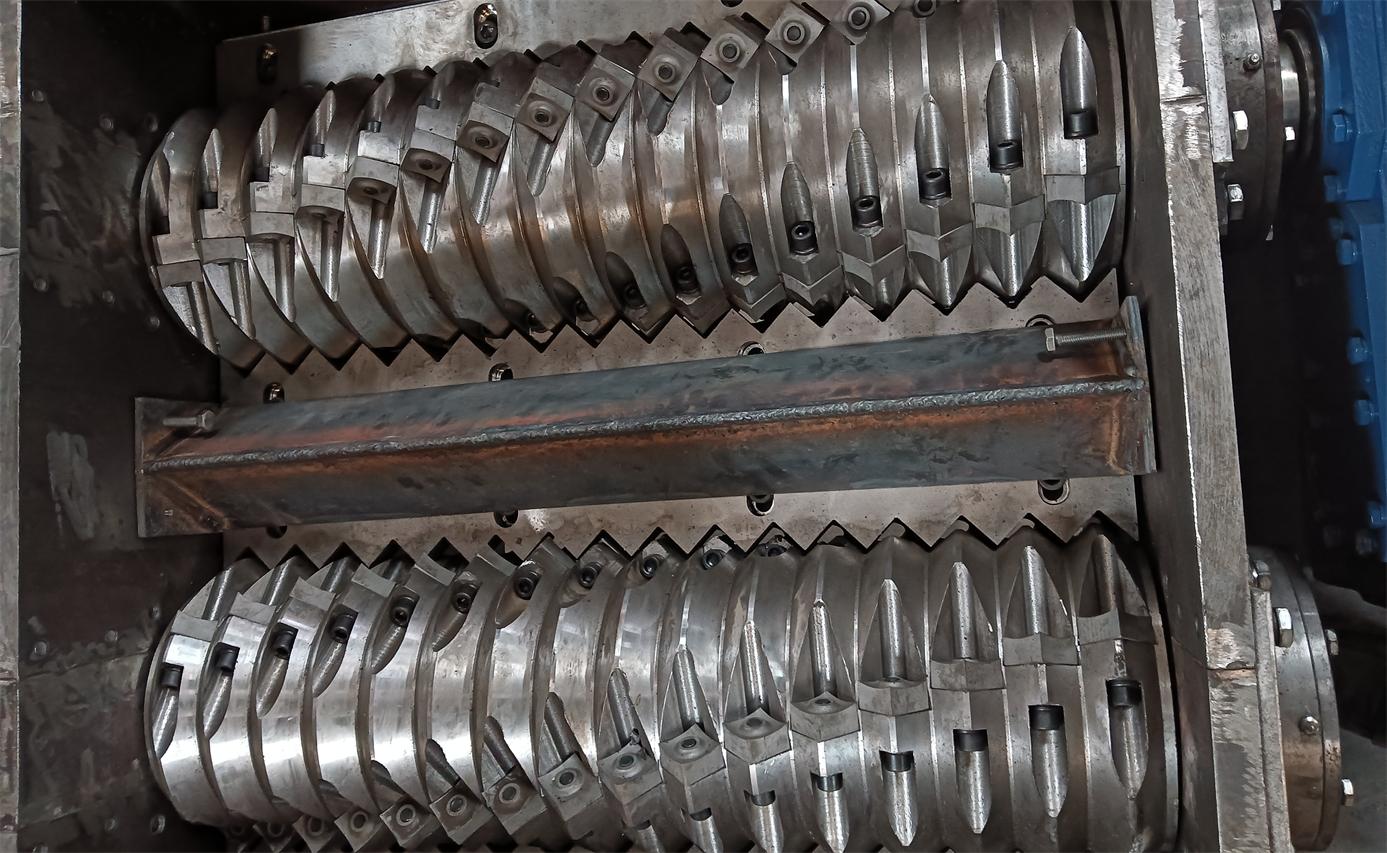
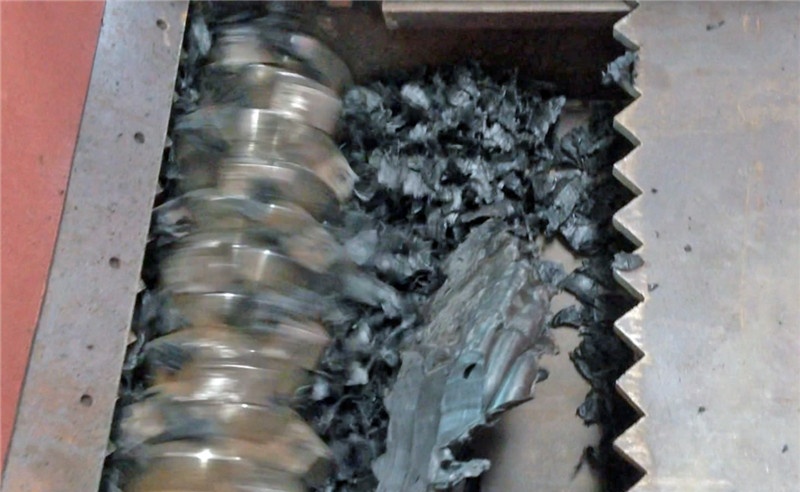
For cable recycling, modern granulator systems can process various cable types and automatically separate copper or aluminum from plastic insulation. These cable recycling equipment systems achieve high purity levels for both metal and plastic fractions, creating two valuable output streams from what was previously considered waste.
- Lead Acid Battery Recycling Plants - Complete systems for breaking, separating, and smelting used batteries with capacities from 1-10 MT per hour
- Lithium Battery Recycling Plants - Advanced equipment for recovering black mass, copper, aluminum, and plastic from Li-ion cells
- Circuit Board Recycling Systems - Wet and dry separation technologies achieving 96-98% copper powder purity
- Cable Recycling Machines - Granulators and strippers for processing scrap wire and cable
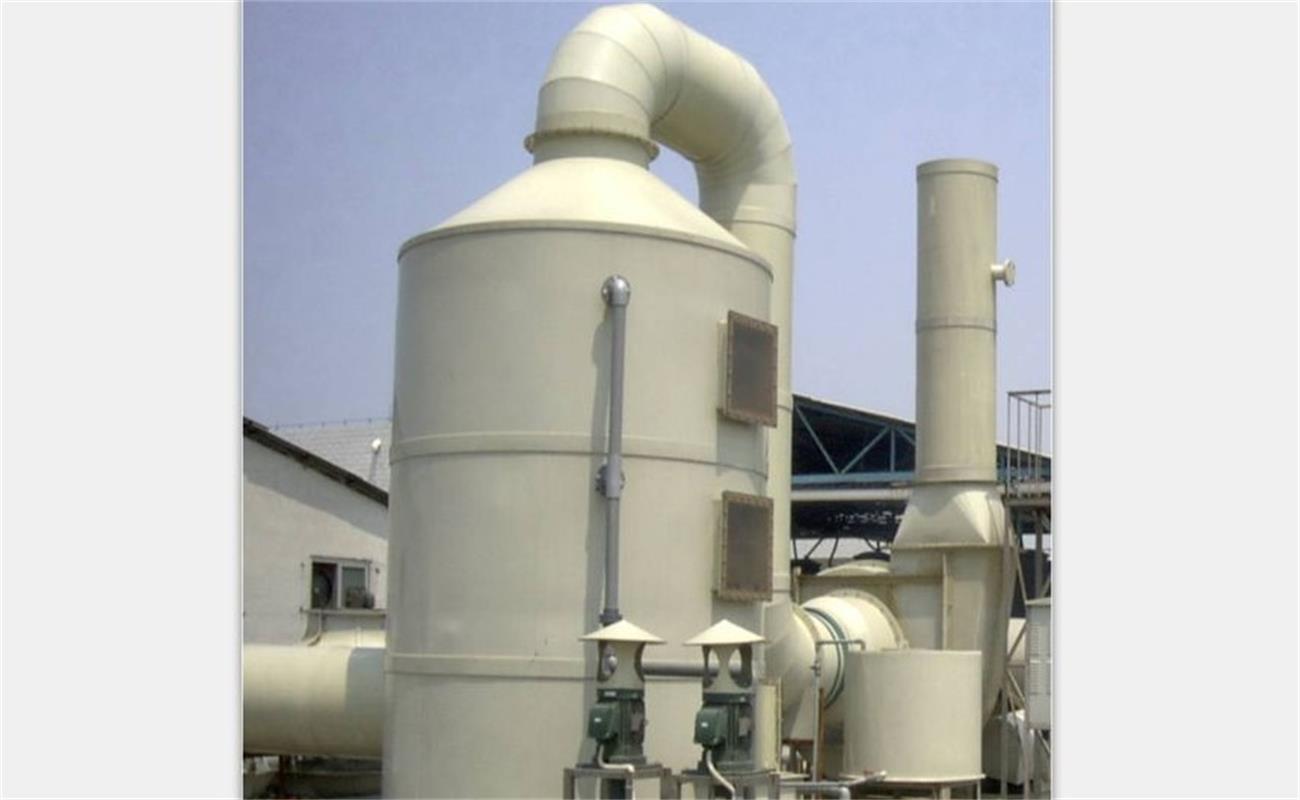
- Environmental Control Systems - Air pollution control and water treatment for compliant operations
Selecting the right equipment supplier is as important as choosing the right machinery. The ideal partner brings deep technical expertise, proven project experience, and comprehensive after-sales support. Look for manufacturers with engineering teams holding advanced degrees in mechanical engineering and substantial hands-on experience in recycling plant design.
EPC (Engineering, Procurement, Construction) capabilities are particularly valuable for new market entrants. A supplier that can deliver customized plant design, equipment supply, installation, and commissioning eliminates the complexity of coordinating multiple vendors. Additionally, some manufacturers offer extended services such as assistance sourcing raw material feedstock and helping customers market recovered products like copper ingots, lead ingots, and plastic pellets.
Experience across diverse geographic markets also matters. Recycling regulations, material compositions, and operational conditions vary significantly between regions. A supplier with installations across multiple continents understands how to adapt systems for local requirements while maintaining optimal performance.
Established in 2007, San Lan Technologies Co., Ltd has grown into a professional manufacturer of WEEE recycling machines and mining equipment, serving customers across more than 21 countries including Singapore, Colombia, Vietnam, Mexico, Argentina, Korea, Malaysia, and South Africa. The company specializes in complete recycling plant solutions rather than standalone machines.
San Lan's technical team combines master's-level mechanical engineering expertise with over 15 years of practical experience in e-waste recycling equipment. This depth of knowledge enables the company to design systems that address real-world operational challenges while maximizing recovery rates and minimizing environmental impact.
- Complete EPC project delivery from design through commissioning
- Customized plant design based on specific material streams and capacity requirements
- Raw material sourcing assistance for recycling plant operators
- Product marketing support for recovered materials
- Bilingual English and Chinese technical support for international projects
- Deep understanding of intercultural business environments
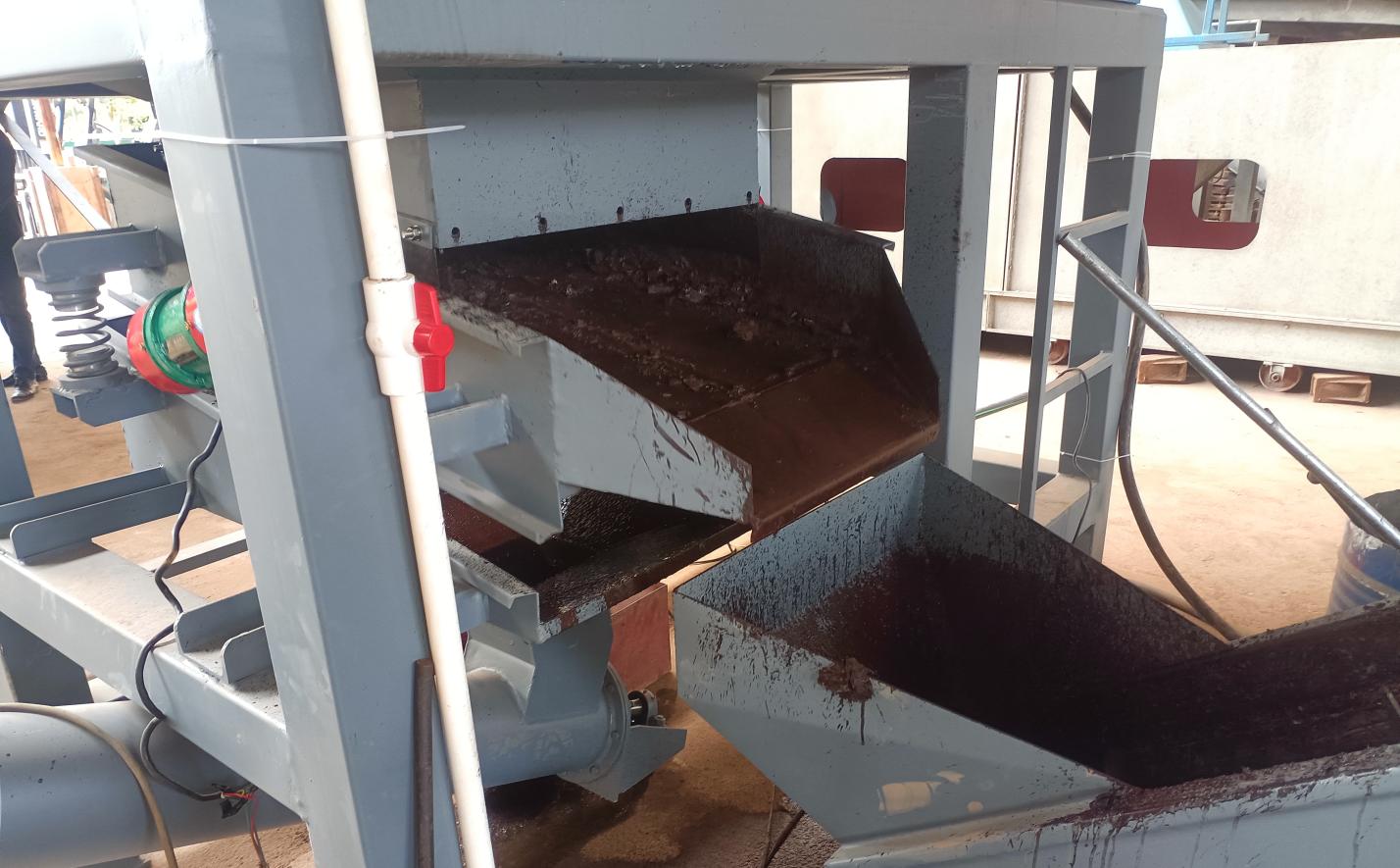
Modern recycling equipment must balance throughput capacity with recovery efficiency. San Lan's lead acid battery recycling plants, for example, offer capacities ranging from 1 to 10 metric tons per hour while achieving lead recovery rates of 95% through optimized blast furnace and rotary furnace configurations. The integrated breaking and separation systems classify batteries into four distinct output streams: lead grid, lead paste, PVC/PP plastic, and hard rubber.
For lithium battery processing, systems handling 500-2500 kg per hour safely discharge, pre-crush, and separate waste cells into black mass containing nickel, cobalt, and graphite, alongside clean streams of copper, aluminum, and plastic. Environmental protection is built into every design, with dedicated air pollution control systems that absorb and neutralize harmful gases before atmospheric release.
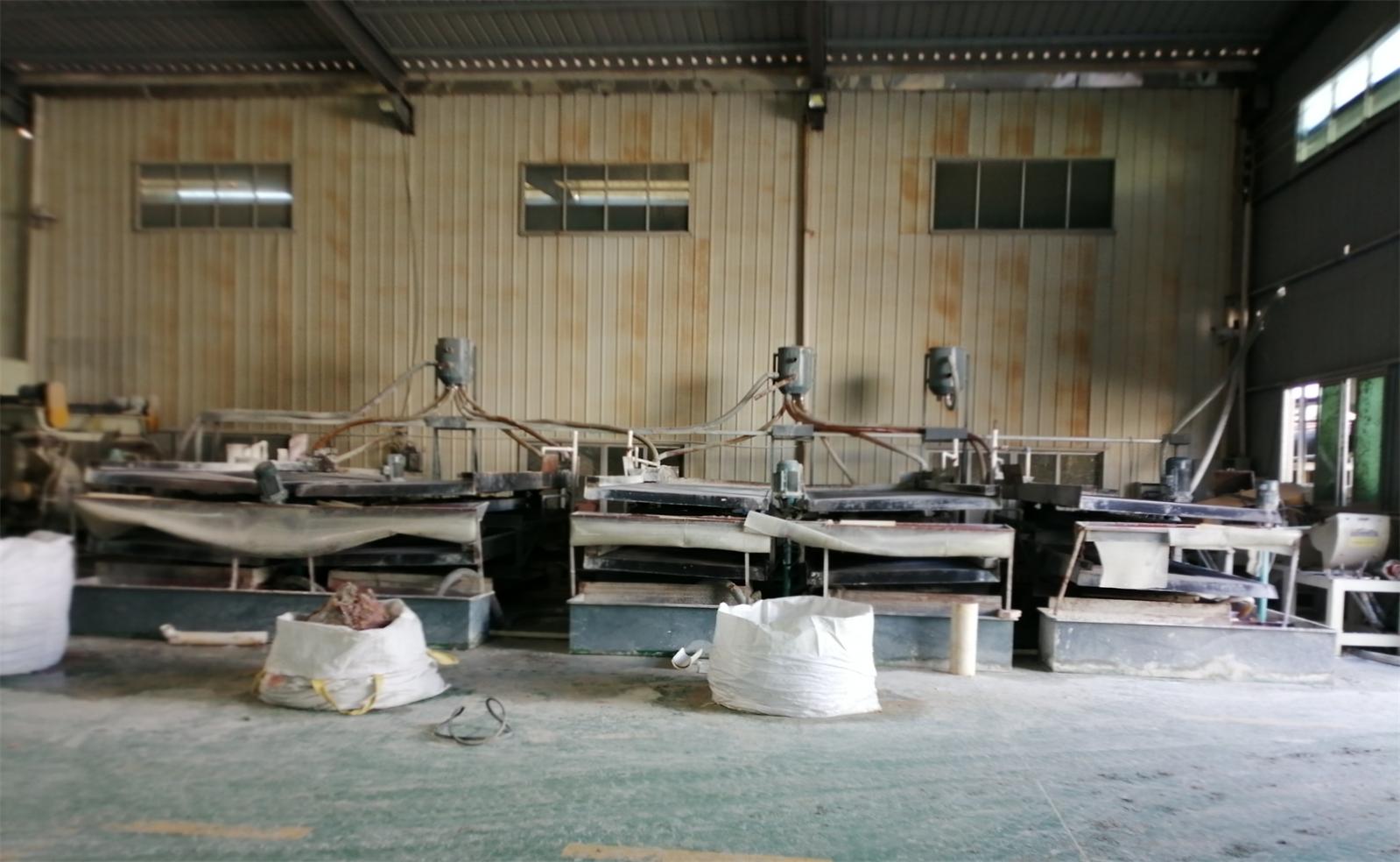
Circuit board recycling represents another area where technology has advanced significantly. San Lan offers both wet and dry separation options, with dry separation plants achieving copper powder purity of 96-98% and overall recovery rates of 95%. These systems process 300-5000 kg per hour depending on configuration, making them suitable for operations ranging from small specialized recyclers to large-scale industrial facilities.
The transition to a circular economy is not merely an environmental imperative; it is a substantial business opportunity. Companies that invest in advanced recycling equipment today position themselves at the forefront of an industry that will only grow in importance over the coming decades. With the right technology partner, waste becomes a reliable source of raw materials, and regulatory compliance becomes a competitive advantage rather than a burden.
For organizations evaluating recycling equipment investments, the key is finding a supplier that combines technical excellence with comprehensive project support. From initial consultation through long-term after-sales service, your equipment partner should demonstrate both engineering capability and genuine commitment to your operational success.
Ready to start your recycling project? San Lan Technologies offers complete e-waste recycling plant solutions including lead acid battery recycling, lithium battery recycling, circuit board recovery, and cable processing systems. With nearly two decades of experience and installations across 21+ countries, we provide the expertise and equipment you need to turn waste into valuable resources.
Contact San Lan Technologies today:
Email: info@san-lan.com | curbing888@hotmail.com
WhatsApp: +86 139 2377 4083
Website: www.san-lan.com