The Global E-Waste Challenge and the Equipment Solution
The electronics industry generates over 50 million tons of waste annually, and that number keeps climbing. Used lead-acid batteries, lithium-ion packs from EVs, circuit boards from obsolete devices, and copper-laden cable scrap represent billions of dollars in recoverable materials. Without the right machinery, these resources stay locked inside complex assemblies that manual labor cannot efficiently process.
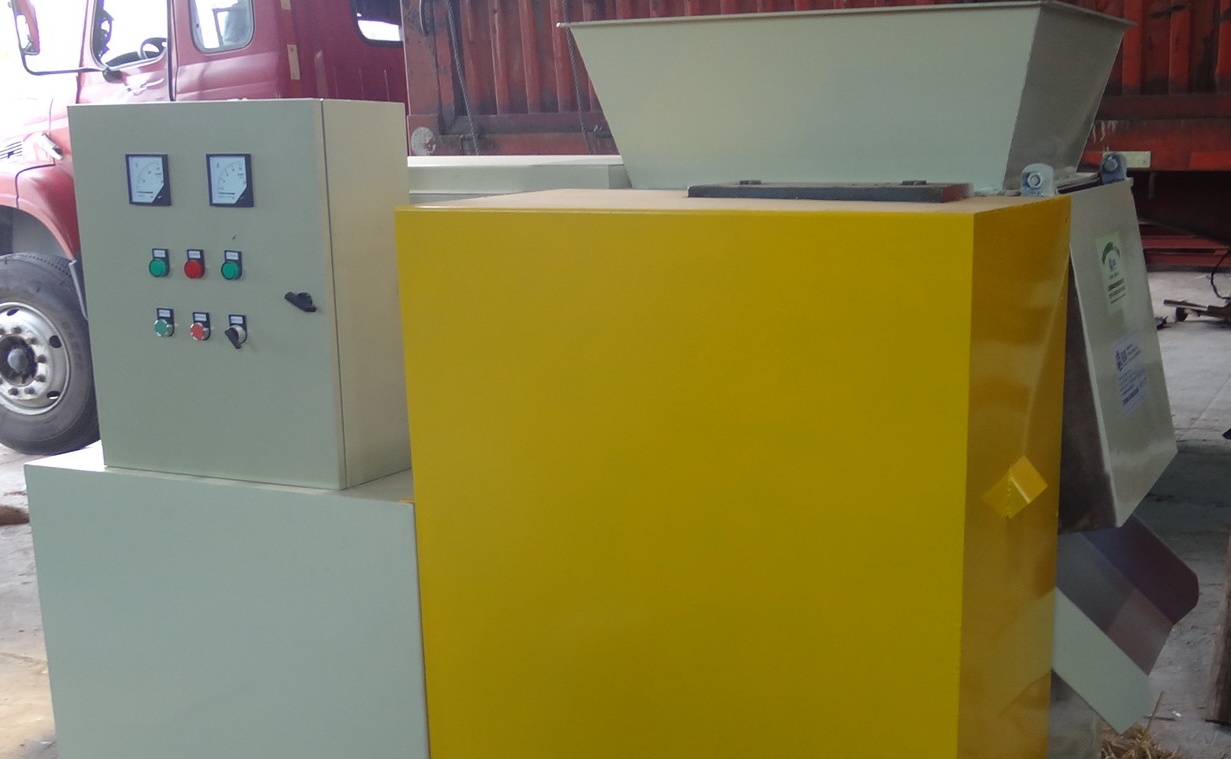
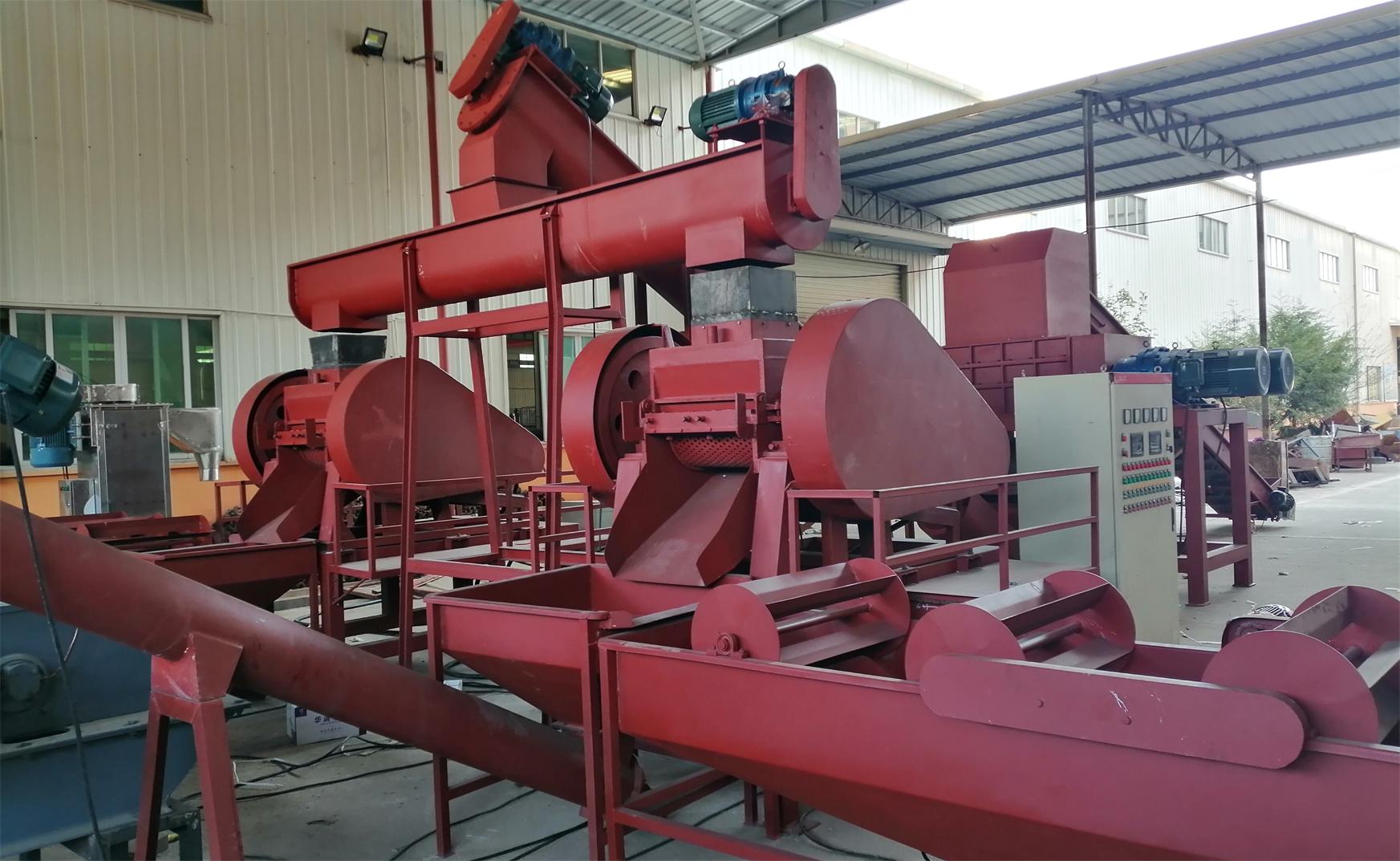
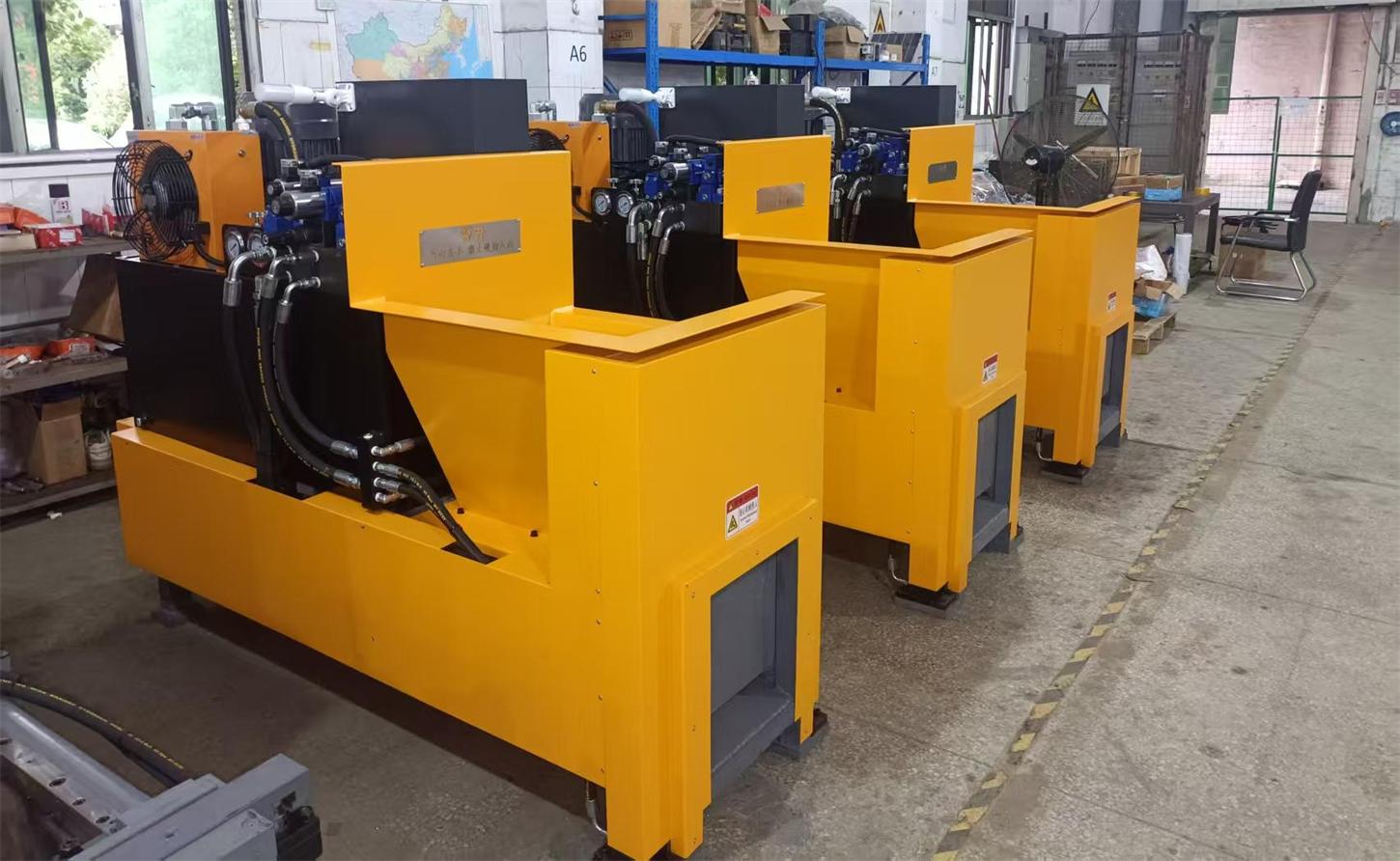
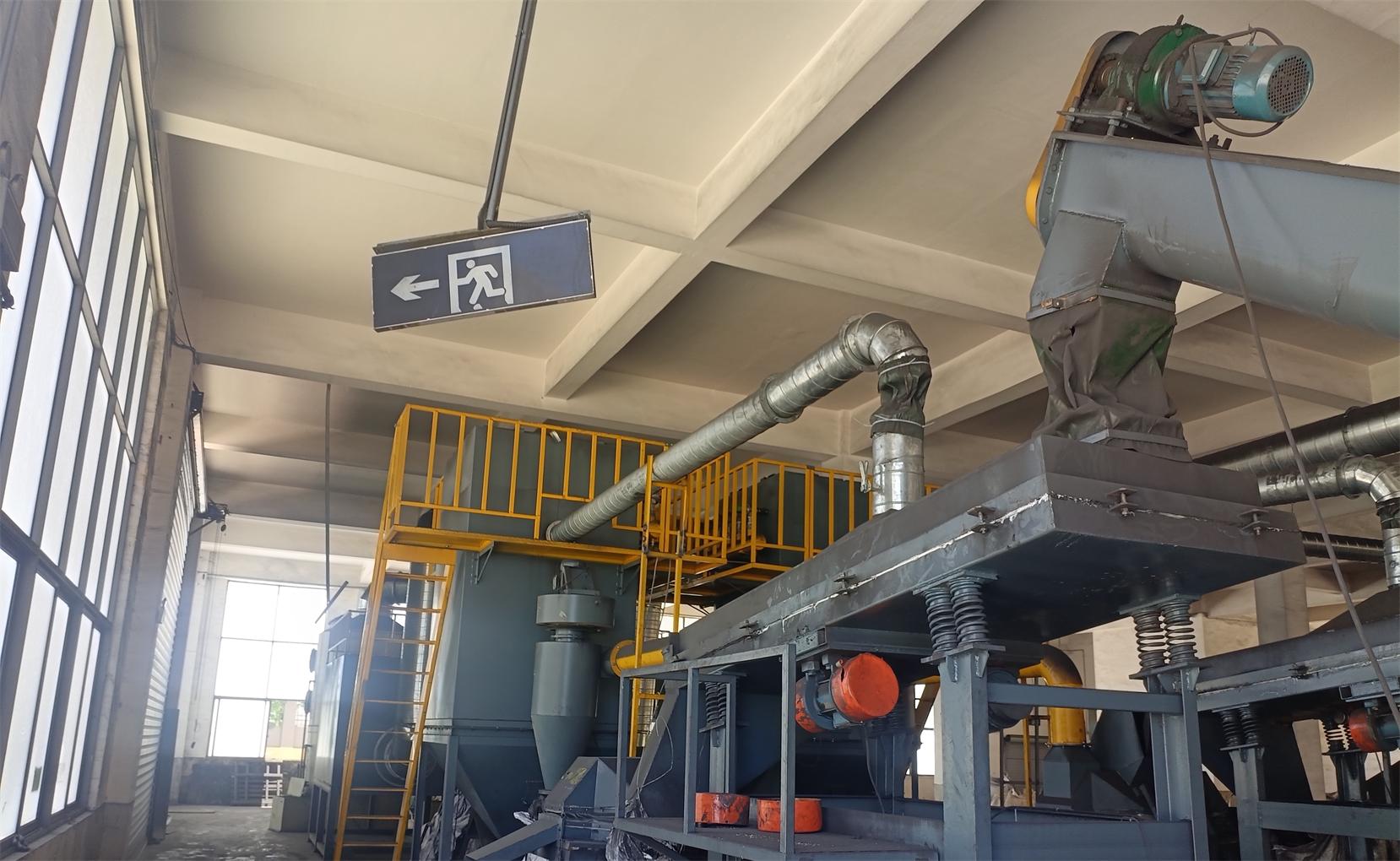
Modern recycling plants demand automated systems that can safely dismantle, crush, separate, and refine materials at industrial scale. Dry physical separation methods have largely replaced chemical leaching because they avoid secondary pollution and comply with stricter emission standards. The shift is clear: automated, environmentally compliant recycling equipment is now the backbone of every formal recovery facility.
Core Equipment Categories That Maximize Recovery Rates
Not all recycling projects are the same. Battery recyclers face acid and lead paste. Circuit board operators deal with precious metals and toxic dust. Cable processors need clean copper and aluminum fractions. Each stream requires specialized machinery designed for its unique challenges.
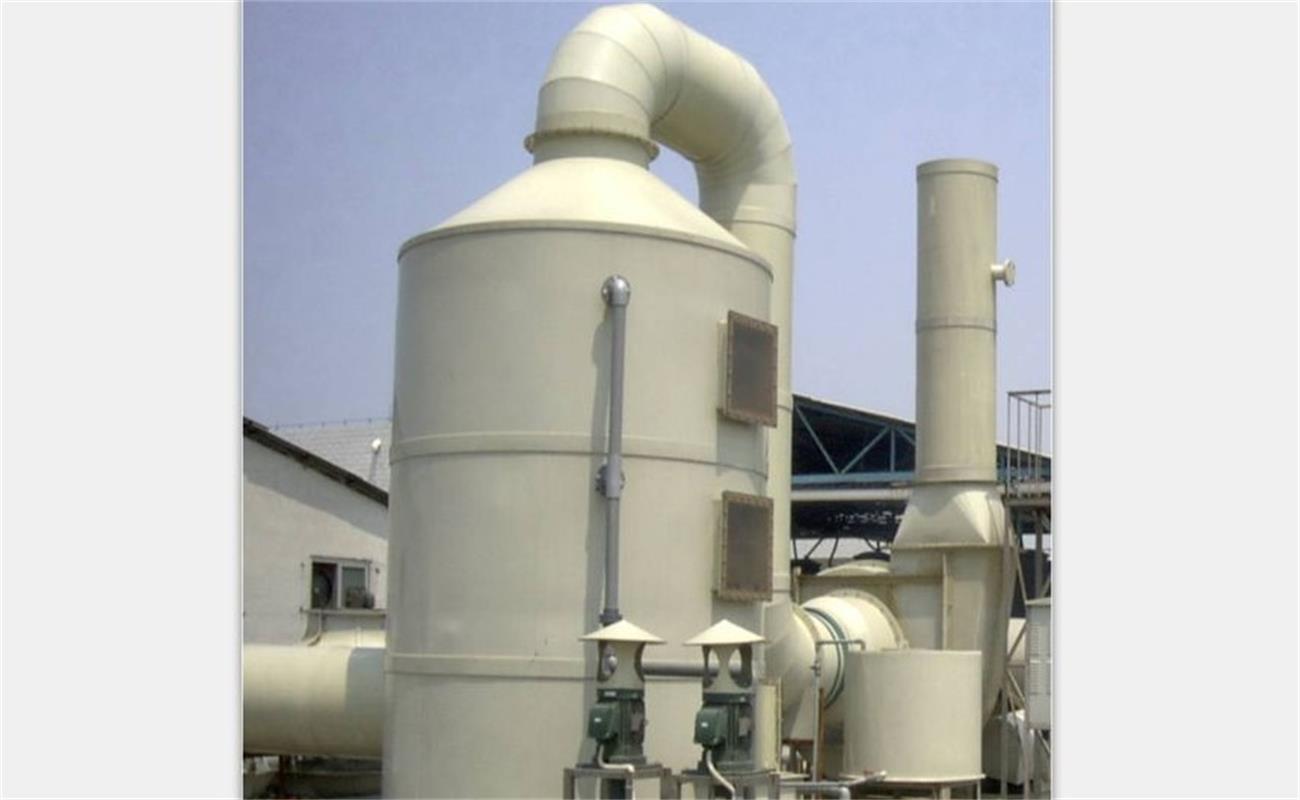
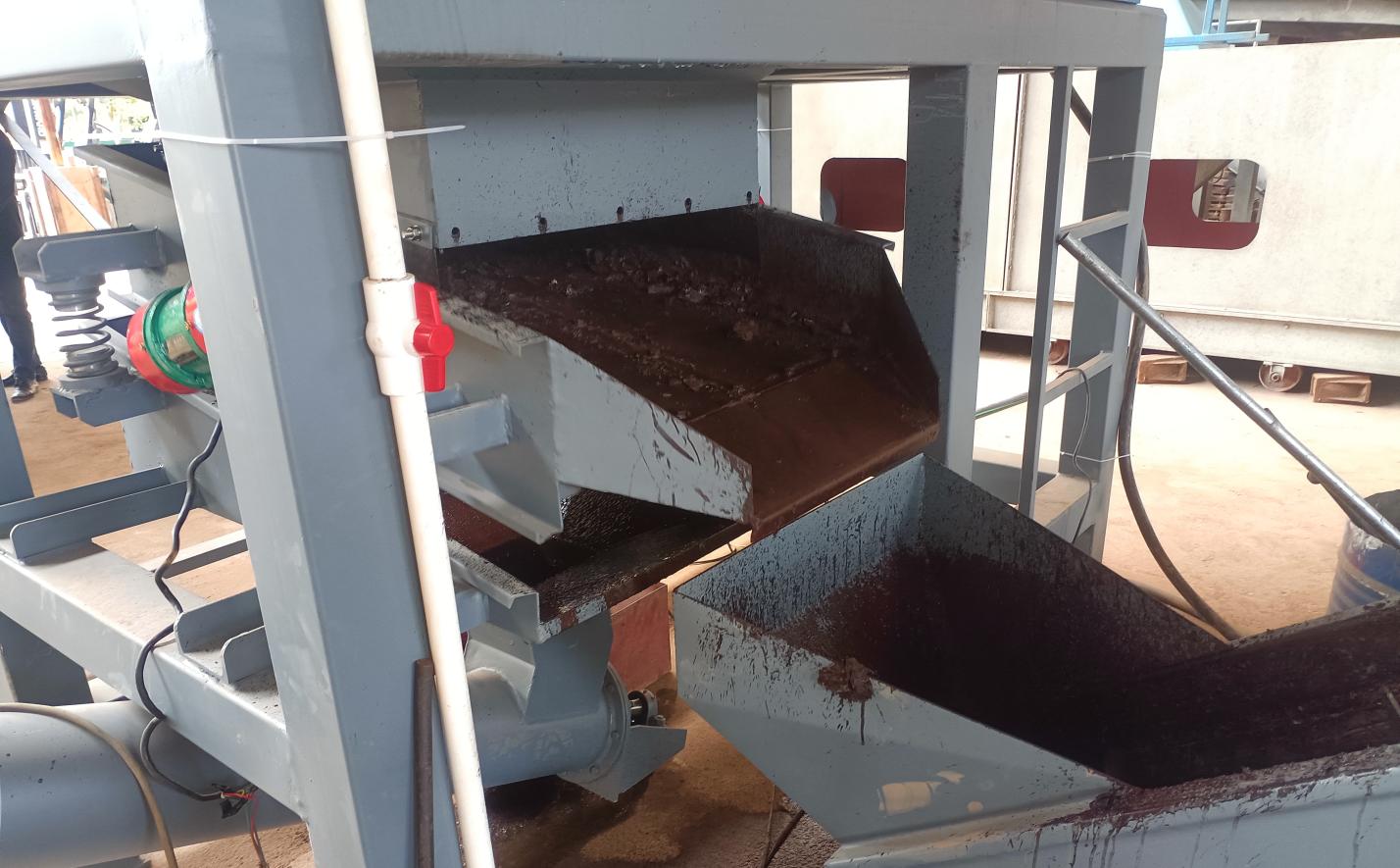
- Lead Acid Battery Recycling: A complete lead acid battery recycling equipment line includes battery breakers, separation systems, rotary furnaces for paste reduction, lead refinery kettles, and air pollution control units. Capacities range from 1 to 10 metric tons per hour, with lead recovery rates reaching 95% in well-configured plants.
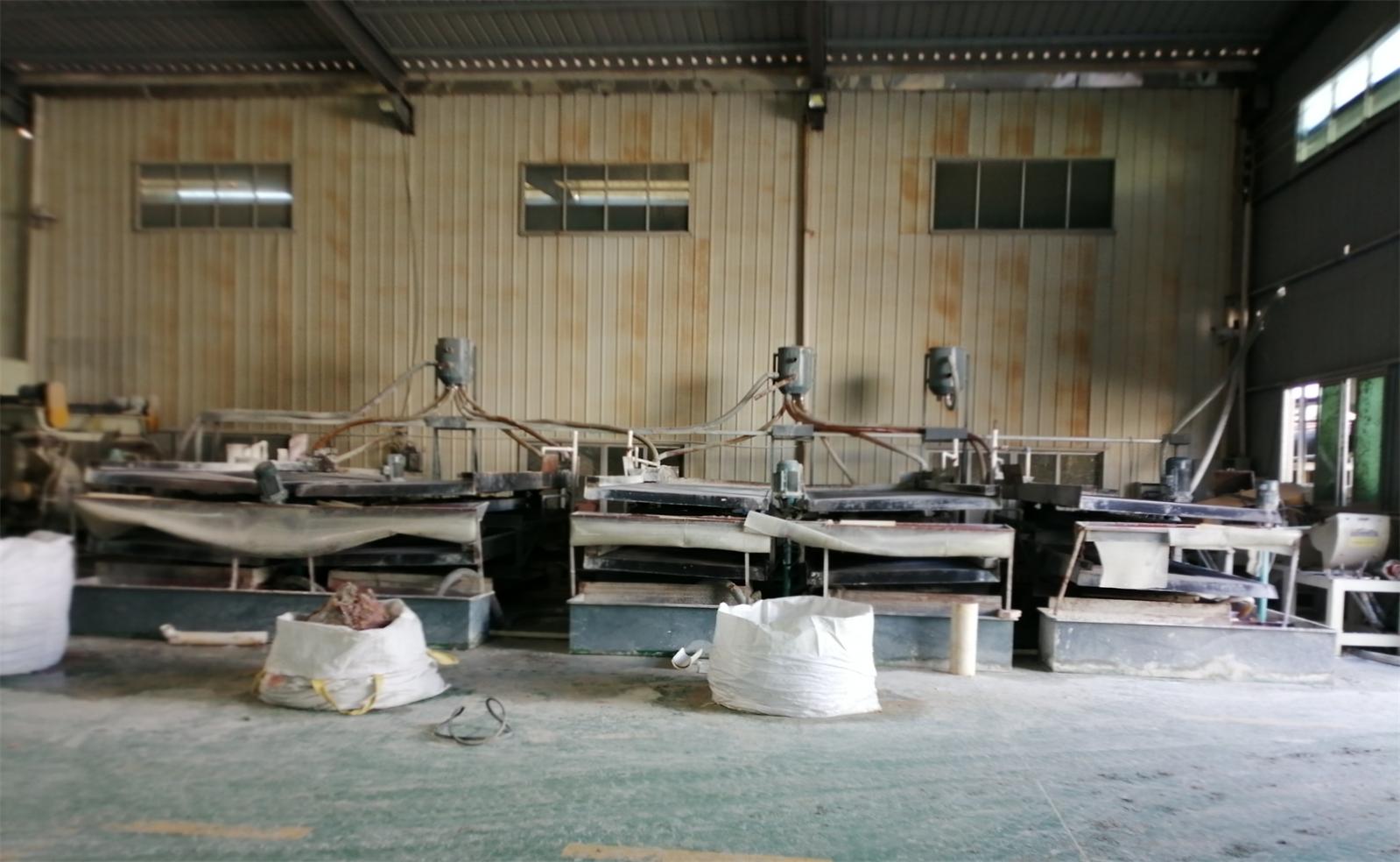
- Circuit Board Recovery: Circuit board recycling equipment uses a combination of crushing, air classification, and electrostatic separation to recover copper powder with 96-98% purity. Both dry and wet separation configurations are available, with capacities from 300 kg/hour to 2,000 kg/hour depending on material complexity.
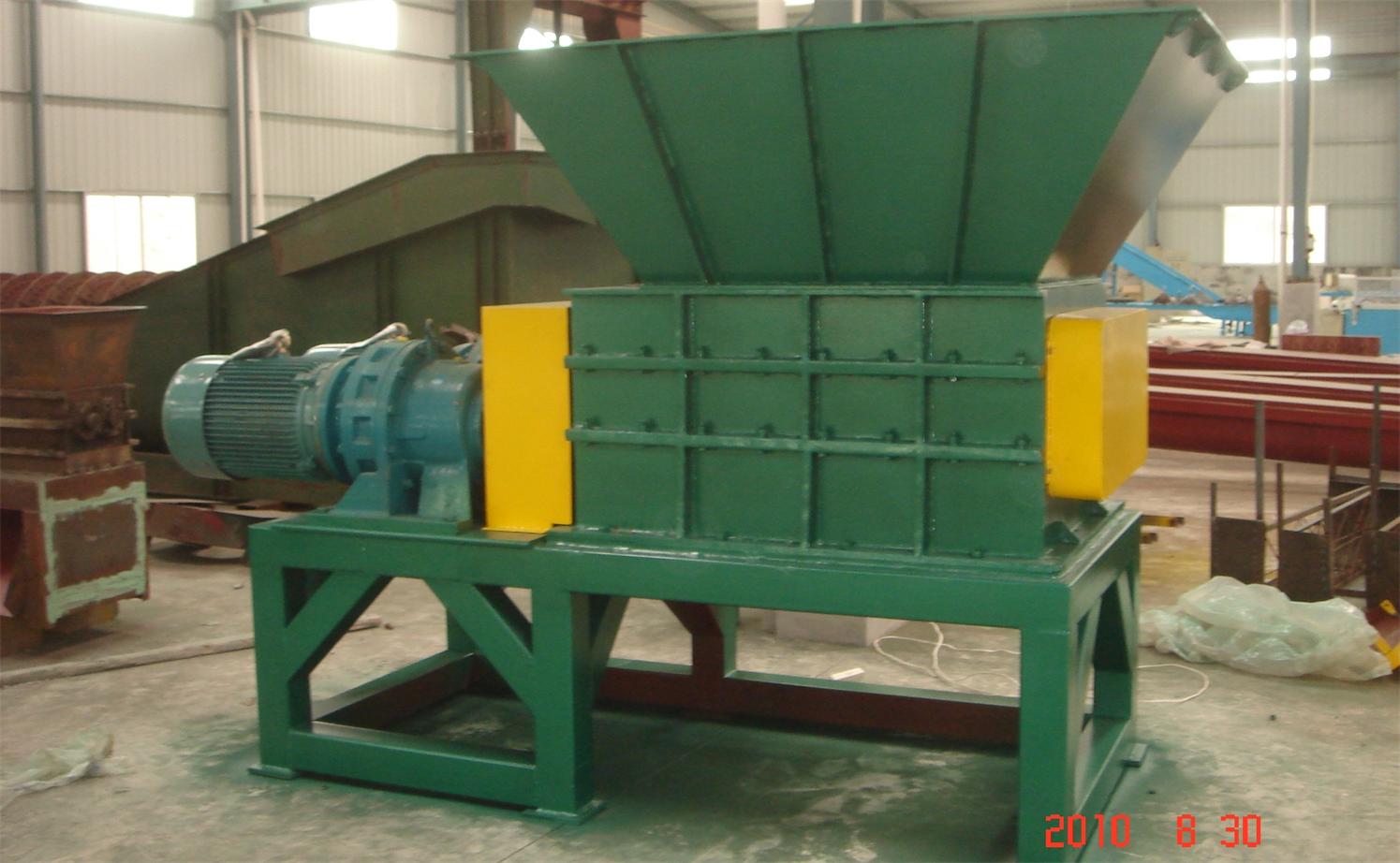
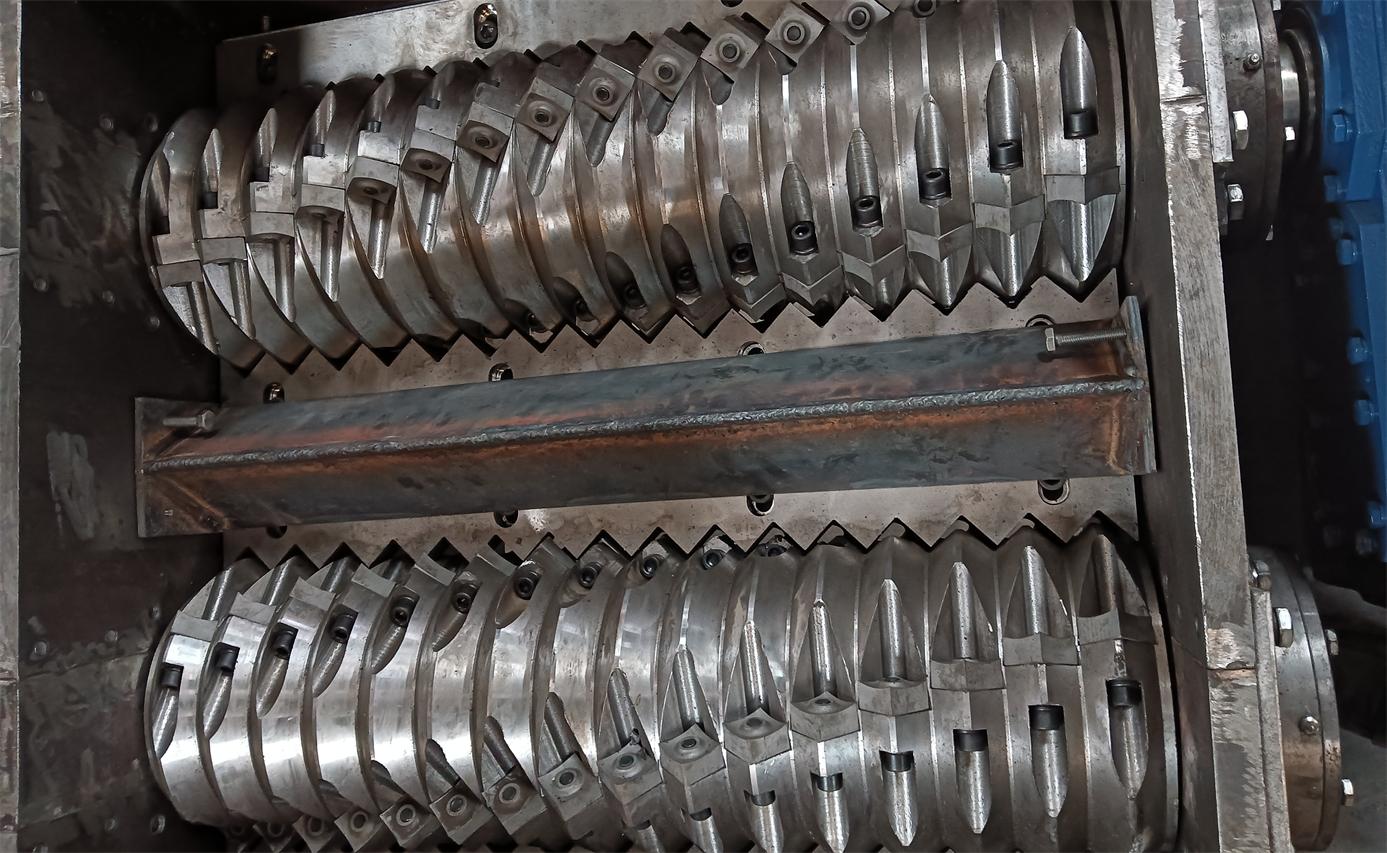
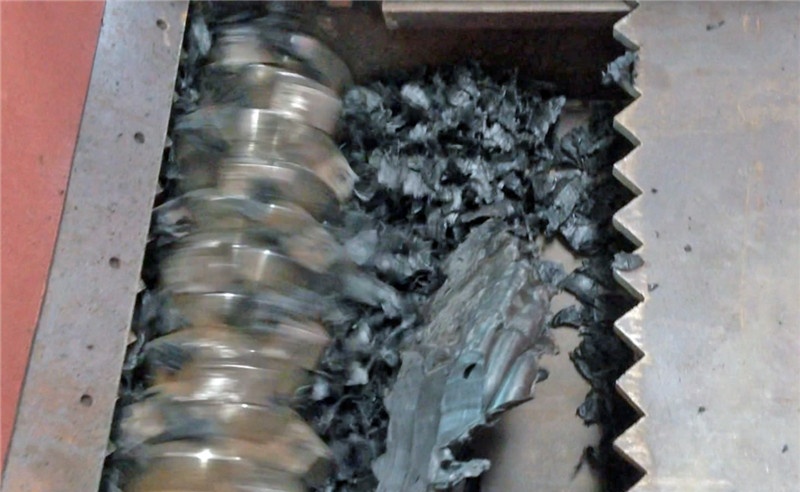
- Cable and Wire Processing: Cable recycling equipment strips and granulates insulated wire to produce clean copper or aluminum granules separated from plastic insulation. Modern granulators handle everything from fine communication cable to thick industrial power cable, with throughput up to 1,200 kg/hour.
What Separates a Reliable Equipment Supplier from the Rest
Buying recycling machinery is not like buying a standard industrial tool. You are investing in a complete processing ecosystem that must run reliably for years under harsh conditions. The wrong supplier can leave you with incompatible machines, missing safety systems, or spare parts that take months to arrive.
Look for manufacturers who offer more than a catalog. A true equipment partner provides customized plant design, installation and commissioning support, operator training, and a proven spare parts supply chain. They should also understand your local environmental regulations and adapt the dust collection, effluent treatment, and emission control systems accordingly.
Experience matters. Teams with over 15 years of hands-on work in e-waste machinery understand the real-world problems that laboratory prototypes miss. They know which blade alloys survive abrasive battery paste, how to prevent lithium battery thermal runaway during shredding, and why closed-loop water systems save both money and compliance headaches in circuit board wet separation.
Beyond Machinery: End-to-End Project Support
The most successful recycling ventures do not stop at equipment installation. They secure reliable feedstock sources, optimize recovery yields, and find profitable outlets for recovered materials. Some equipment manufacturers now extend their services to help customers purchase scrap materials, connect with investors for plant construction, and even market the end products such as copper rice, lead ingots, or aluminum granules.
This end-to-end approach turns a machinery vendor into a business development ally. For entrepreneurs entering the recycling sector for the first time, this guidance can mean the difference between a plant that struggles and one that reaches profitability within its first year of operation.
Making the Right Investment Decision
Before signing a purchase order, visit the manufacturer's facility if possible. Watch their machines process material similar to your own feedstock. Ask about load testing, dust leakage inspections, and voltage adaptation for your local power grid. Request references from customers in regions with comparable environmental regulations.
Also consider scalability. A modular plant design lets you start with core equipment and expand capacity as your supply contracts grow. This approach reduces initial capital risk while preserving the option to double or triple throughput without replacing your entire line.
San Lan Technologies has been manufacturing recycling equipment since 2007, serving clients across 21 countries with complete plant solutions for lead-acid batteries, lithium-ion batteries, circuit boards, cables, and more. With an in-house technical team holding master's degrees in mechanical engineering and deep experience in EPC project delivery, we help recyclers move from concept to commissioning. Explore our full range of recycling machinery or contact us directly to discuss your project requirements.