The global surge in electronic waste is creating both an environmental challenge and a business opportunity. With millions of tons of used batteries, scrap cables, and obsolete circuit boards discarded every year, the demand for efficient recycling solutions has never been higher. For entrepreneurs and established companies looking to enter this market, choosing the right recycling equipment is the single most important decision that will determine profitability, compliance, and long-term success.
The Battery Recycling Opportunity
Used lead acid batteries represent one of the most recycled consumer products in the world. Unlike many other waste streams, nearly every component of a lead acid battery has value: the lead grid, lead paste, plastic casing, and even the sulfuric acid can be recovered and reused. Similarly, the explosive growth of electric vehicles and portable electronics has created a massive incoming wave of spent lithium-ion batteries that contain valuable materials like nickel, cobalt, copper, aluminum, and graphite.
However, turning this waste stream into a profitable business requires more than good intentions. It requires the right machinery, proper process design, and a reliable equipment partner who understands both the technology and the business of recycling.
Essential Equipment for Lead Acid Battery Recycling
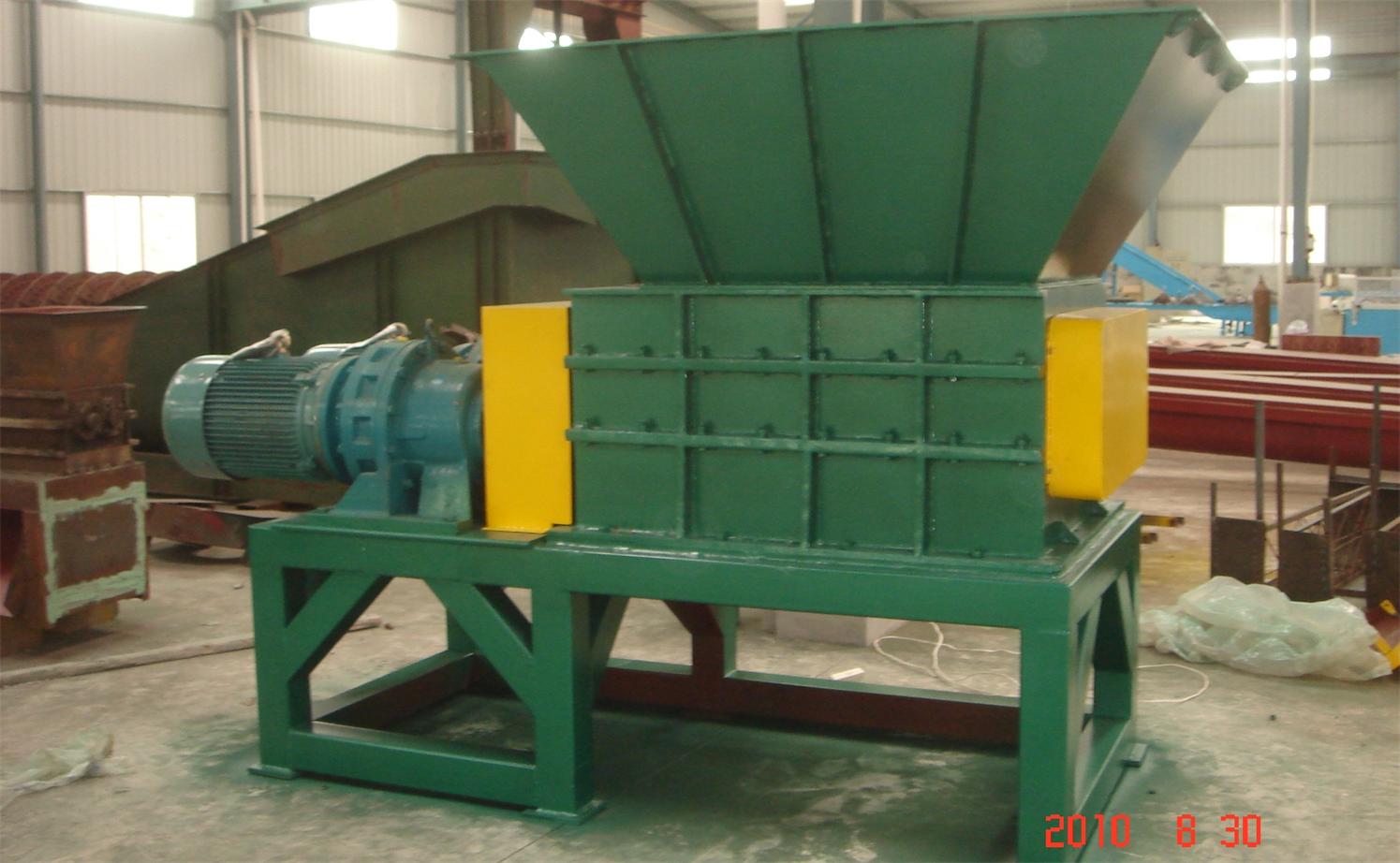
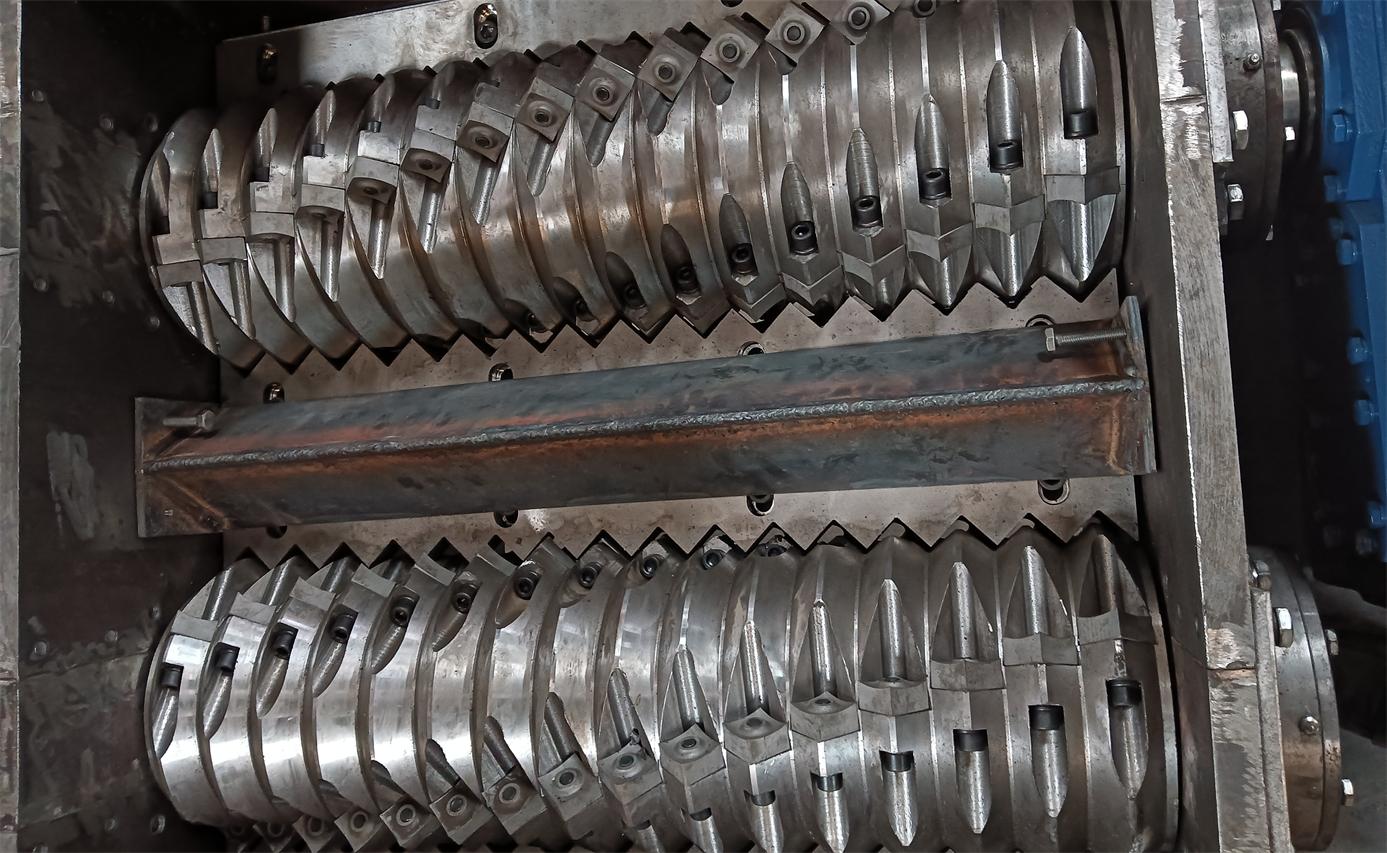
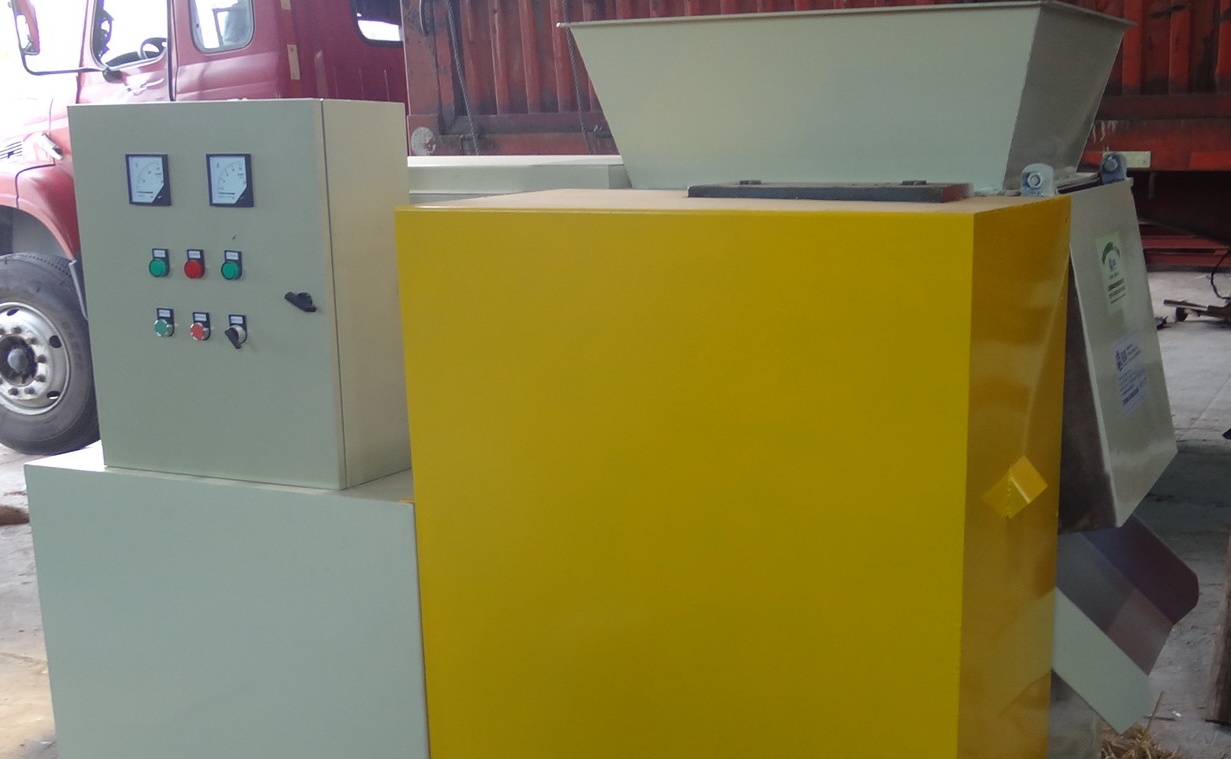
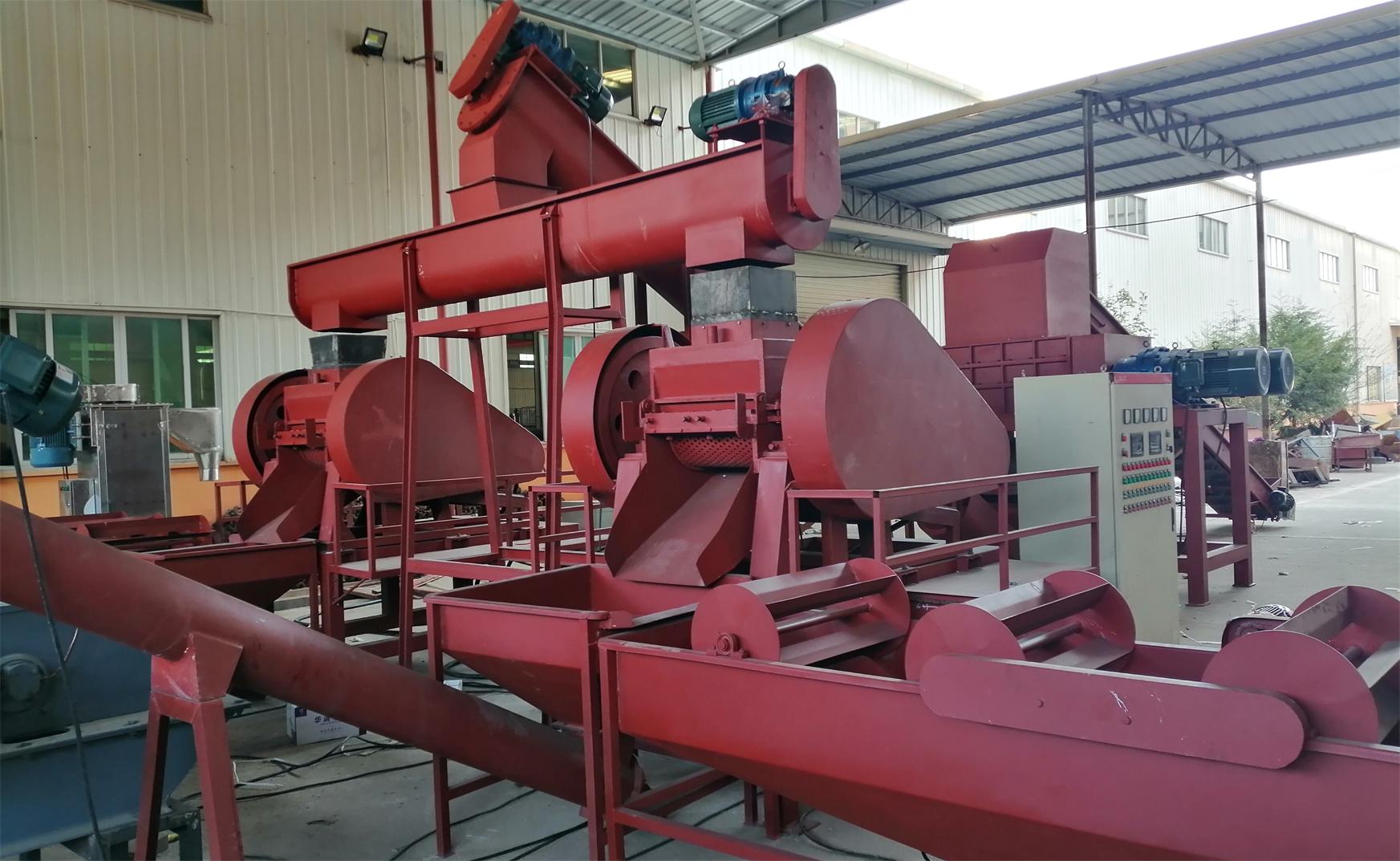
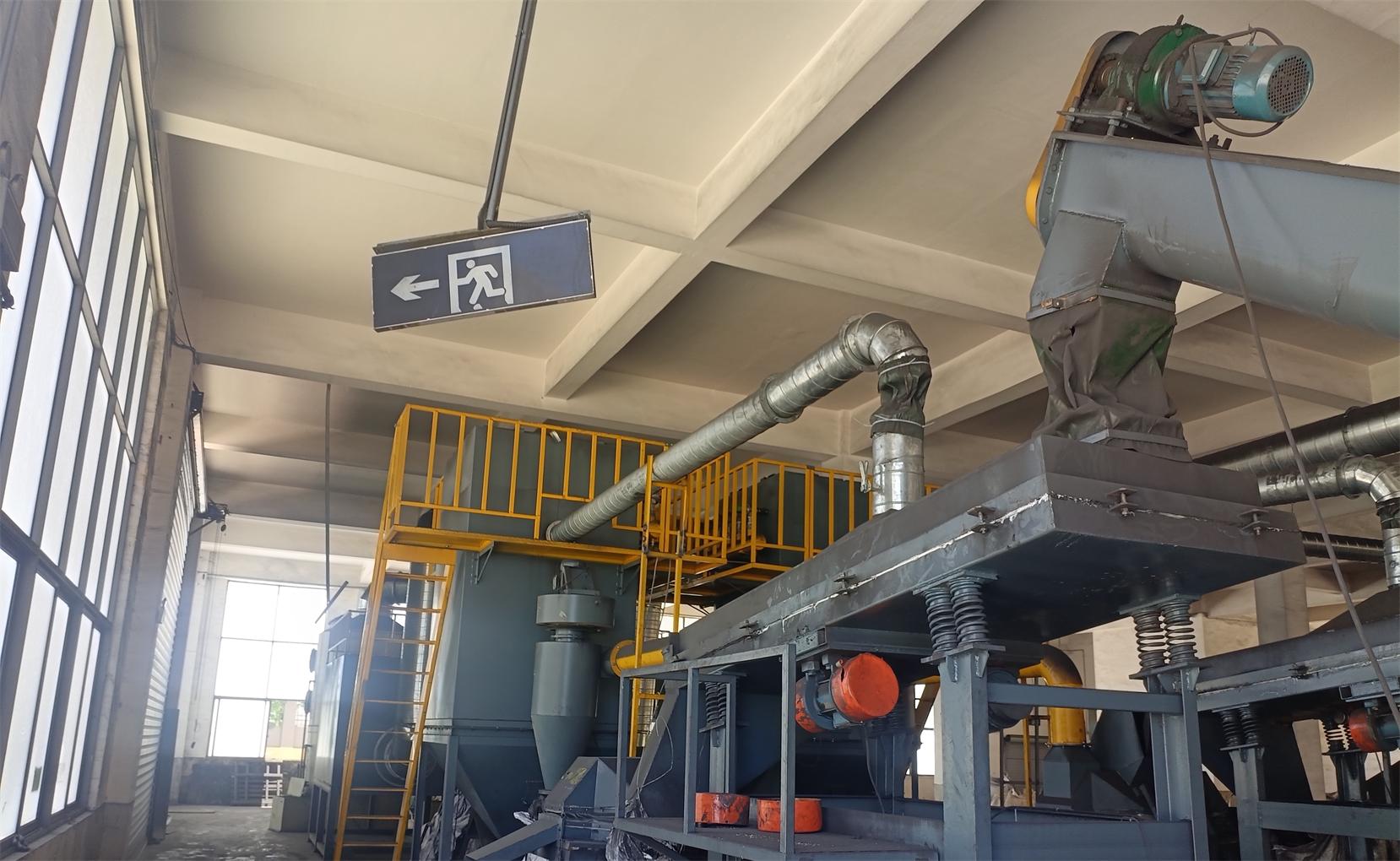
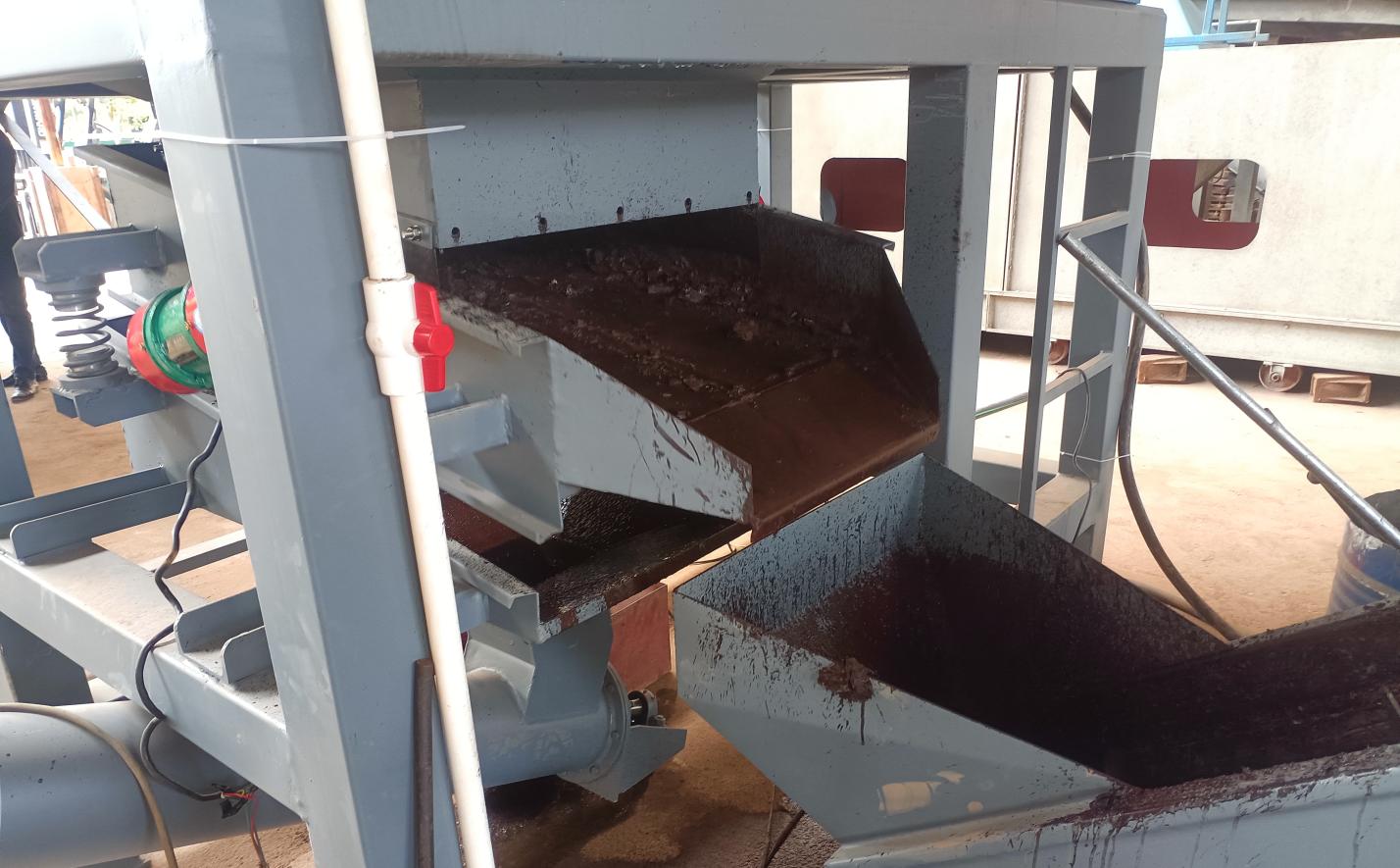
A complete lead acid battery recycling equipment line typically includes several key stages. The process begins with breaking and separation, where batteries are crushed and sorted into their constituent parts: lead paste, lead grids, plastic, and acid. Modern breaking and separating systems can process 1 to 10 metric tons per hour, automatically classifying materials with high efficiency.
After separation, the lead paste undergoes de-sulfurization to remove sulfur and reduce melting temperature, which saves energy and reduces emissions. The processed paste then moves to smelting. Rotary furnaces and blast furnaces are the two primary options, with rotary furnaces offering higher lead recovery rates and blast furnaces providing continuous operation with capacities of 40 to 100 metric tons per 24 hours.
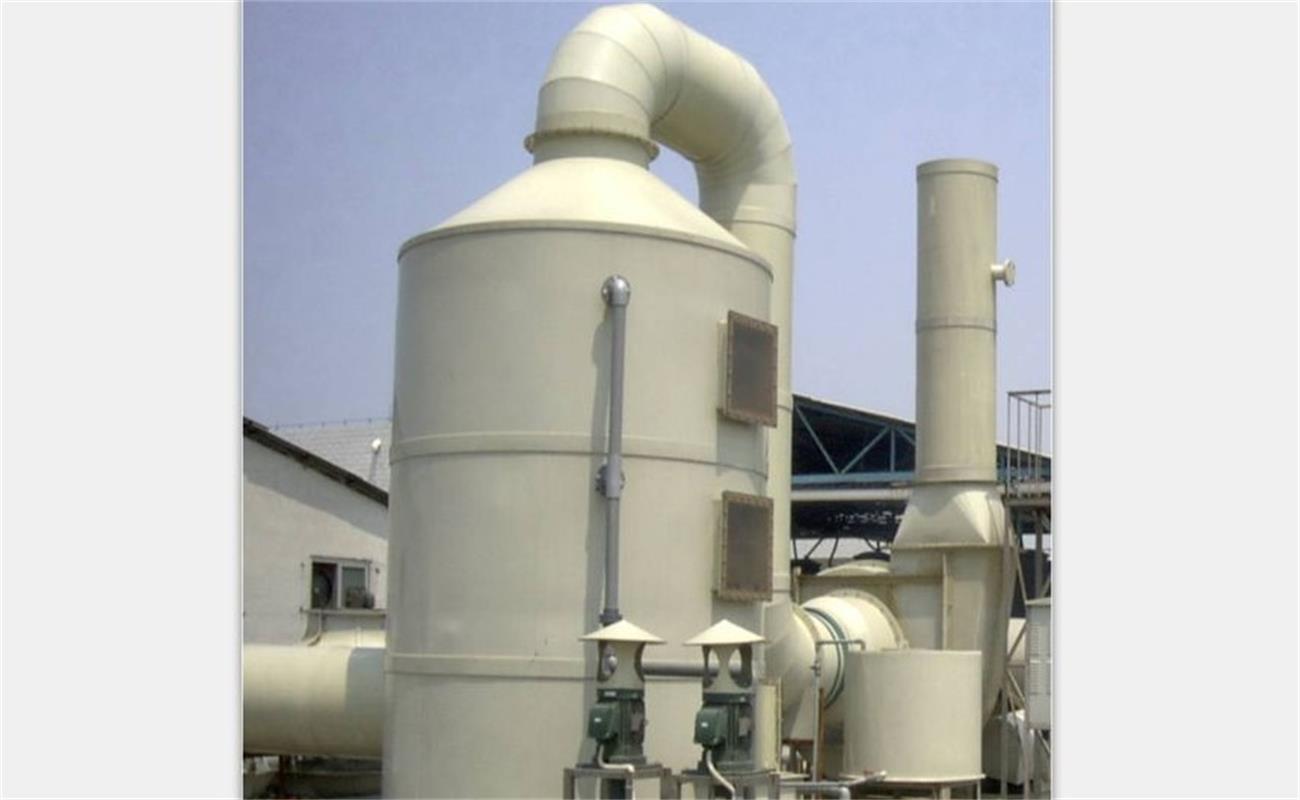
The crude lead produced from smelting must then be refined to achieve commercial purity. Electric refinery kettle furnaces using near-infrared heating technology can achieve 99.999% lead purity while saving 30% to 50% on energy consumption compared to conventional fuel-heated systems. Finally, a comprehensive air pollution control system and water treatment plant ensure the entire operation meets environmental regulations.
Lithium Battery Recycling: Capturing the Growing Market
As the world transitions to electric mobility, lithium-ion batteries are becoming the next major recycling frontier. A complete lithium battery recycling plant must safely handle the unique challenges these batteries present, including residual charge, flammable electrolytes, and toxic materials.
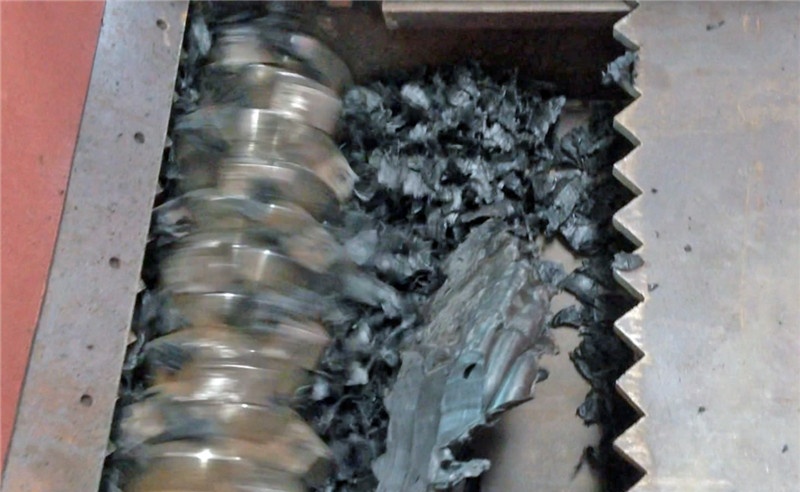
The standard process includes discharging, pre-crushing, secondary granulation, and multi-stage separation to recover black mass containing nickel, cobalt, and graphite, along with separated copper, aluminum, and plastic fractions. Capacities typically range from 500 to 2,500 kilograms per hour. Air pollution control systems are essential at every stage to capture and neutralize harmful gases before emission.
Beyond Batteries: Diversifying with Cable and Circuit Board Recycling
While batteries offer strong margins, successful recycling businesses often diversify across multiple waste streams. Cable recycling equipment represents an excellent complementary business line. Scrap cable strippers can handle diameters from 1.5mm to 150mm, separating copper or aluminum from plastic insulation. For mixed cable waste, granulators with dry separators achieve copper purity of 96% to 98% with recovery rates around 95%.
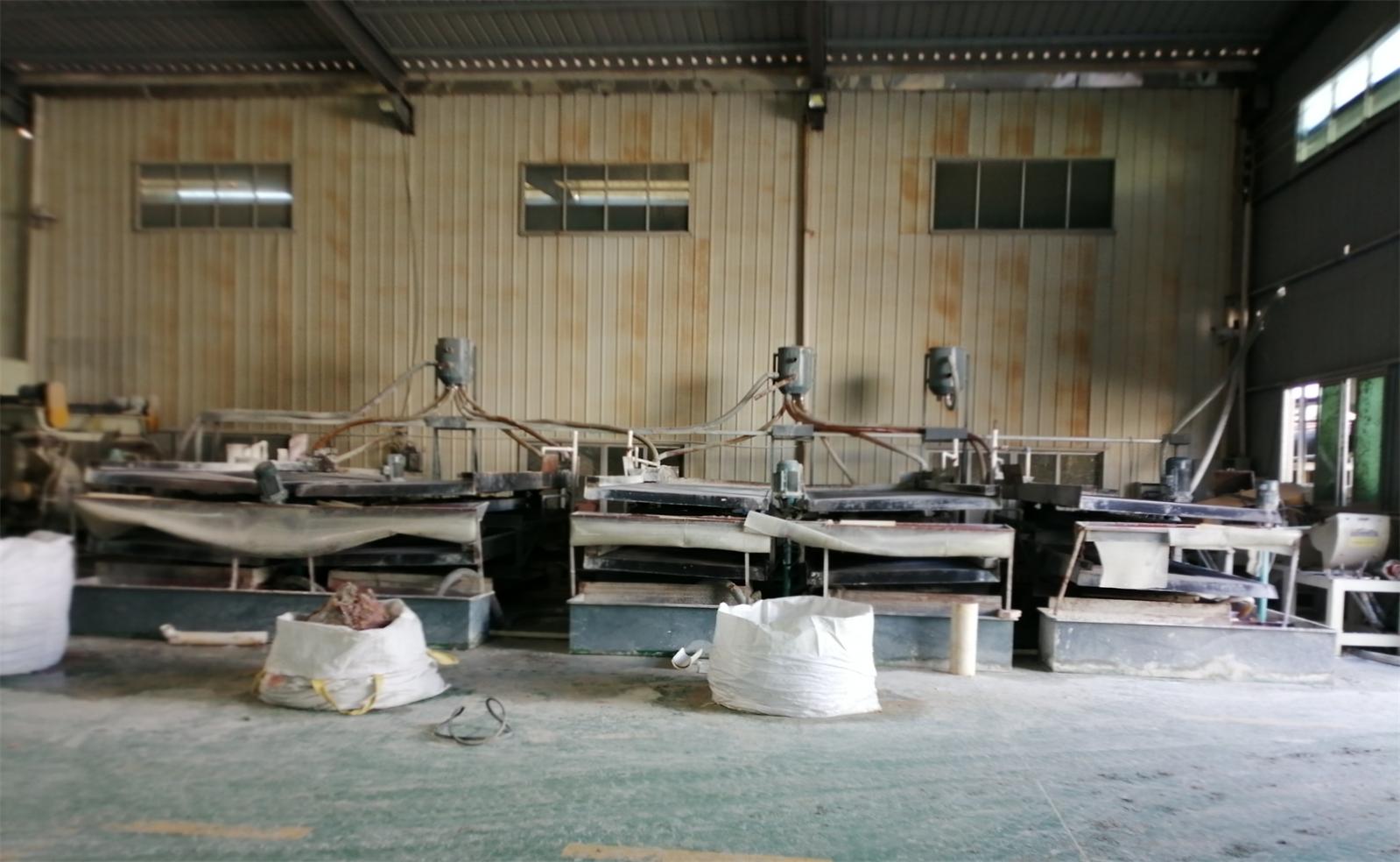
Circuit board recycling plants offer another valuable revenue stream. With capacities from 300 to 2,000 kilograms per hour, these systems recover copper powder and precious metals using either wet or dry separation technologies. The choice between wet and dry processes depends on local environmental regulations, water availability, and the specific types of boards being processed.
What to Look for in a Recycling Equipment Supplier
Selecting the right equipment partner goes beyond comparing specifications and prices. Experience matters. Look for manufacturers with a proven track record in engineering, procurement, and construction of complete recycling plants. The ideal supplier should offer customized design services rather than one-size-fits-all solutions, because every market has different feedstock characteristics, regulatory requirements, and output specifications.
Technical support capability is equally important. A supplier with an in-house technical team holding advanced degrees in mechanical engineering and over 15 years of direct experience in e-waste recycling machinery can save you countless hours of troubleshooting and optimization.
Additional value-added services separate truly professional suppliers from mere equipment traders. These include assistance sourcing waste material feedstock, help selling recovered products like copper rice and lead ingots, and even support finding investors or partners for plant construction projects.
Why San Lan Technologies Stands Apart
Founded in 2007 and headquartered in Jiangxi Province, China, San Lan Technologies has established itself as a professional manufacturer of WEEE recycling machines and mining equipment. With customers across more than 21 countries including Singapore, Colombia, Vietnam, Mexico, Argentina, Korea, Malaysia, and South Africa, the company has built its reputation on delivering practical, reliable equipment backed by genuine technical expertise.
San Lan's product range covers the full spectrum of e-waste recycling needs: lead acid battery recycling plants, lithium battery recycling plants, circuit board recycling systems, cable recycling machines, CRT cutters, refrigerator and air conditioner recycling equipment, motor recycling machines, shredders, and even lithium ore extraction plants for mining operations.
The company's engineering team brings deep academic credentials and practical experience to every project. Rather than simply selling machines, San Lan provides turnkey solutions including customized plant design, installation and commissioning, operator training, and ongoing technical support. For customers entering the recycling business for the first time, San Lan can even assist with purchasing scrap materials and marketing recovered products.
With essentially bilingual capabilities in English and Chinese, plus strong understanding of intercultural business environments, San Lan communicates effectively with clients worldwide throughout every phase of project development.
Building Your Recycling Business the Right Way
The recycling industry rewards preparation and penalizes shortcuts. Investing in quality equipment from an experienced manufacturer pays dividends through higher recovery rates, lower downtime, easier regulatory compliance, and better resale values for your recovered materials.
Whether you are planning a specialized lead acid battery recycling operation, adding lithium battery processing to capture the EV revolution, or building a diversified e-waste recycling facility handling cables, circuit boards, and appliances, the foundation of your success starts with choosing the right equipment partner.
Contact San Lan Technologies today to discuss your project requirements and discover how their experience and comprehensive equipment range can help transform your recycling vision into a profitable reality. Reach out via email at info@san-lan.com or WhatsApp at +86 139 2377 4083 for a consultation tailored to your market.