Every year, millions of tons of electronic waste are discarded worldwide, yet only a fraction is properly recycled. Hidden within those discarded batteries, cables, and circuit boards lies a treasure trove of recoverable metals: copper, aluminum, lead, lithium, cobalt, and even precious metals. For entrepreneurs and established operators alike, the e-waste recycling industry represents one of the most compelling opportunities in the circular economy. However, success depends heavily on one critical decision: choosing the right recycling equipment supplier who can deliver complete, reliable, and efficient processing solutions.
The Growing Opportunity in E-Waste Recycling
The global e-waste stream continues to expand rapidly as consumer electronics, electric vehicles, and industrial equipment reach end-of-life in ever-greater numbers. Regulatory frameworks across North America, Europe, Asia, and Africa are tightening, mandating higher recycling rates and stricter environmental compliance. This creates a powerful market dynamic: rising feedstock availability, increasing metal prices, and regulatory pressure that forces informal operators to upgrade or exit.
For investors entering this space, the economics are compelling. A well-designed recycling plant can recover 90% or more of the metal content from waste streams, transforming low-value scrap into high-margin commodities. The key is selecting processing equipment that matches your feedstock, capacity requirements, and local regulatory environment.
Core Recycling Streams: Batteries, Cables, and Circuit Boards
While e-waste encompasses hundreds of product types, three categories dominate the volume and value equations for most recycling operations: batteries, cables, and printed circuit boards (PCBs). Each stream requires specialized equipment, and understanding these requirements is essential when planning your facility.
Batteries: Used lead acid batteries (ULAB) and lithium-ion batteries represent two of the largest and fastest-growing recycling segments. Lead acid batteries contain recoverable lead, plastic, and acid, while lithium batteries yield black mass (containing nickel, cobalt, and graphite), copper, aluminum, and plastic.
Cables: Scrap copper and aluminum cables are among the most accessible feedstocks for new operators. Modern cable granulators can separate metal from plastic insulation with purity rates exceeding 98%.
Circuit Boards: PCBs contain copper, gold, silver, and other precious metals. Mechanical separation systems can recover copper powder with 96-98% purity, providing an excellent feedstock for further refining.
Lead Acid and Lithium Battery Recovery Systems
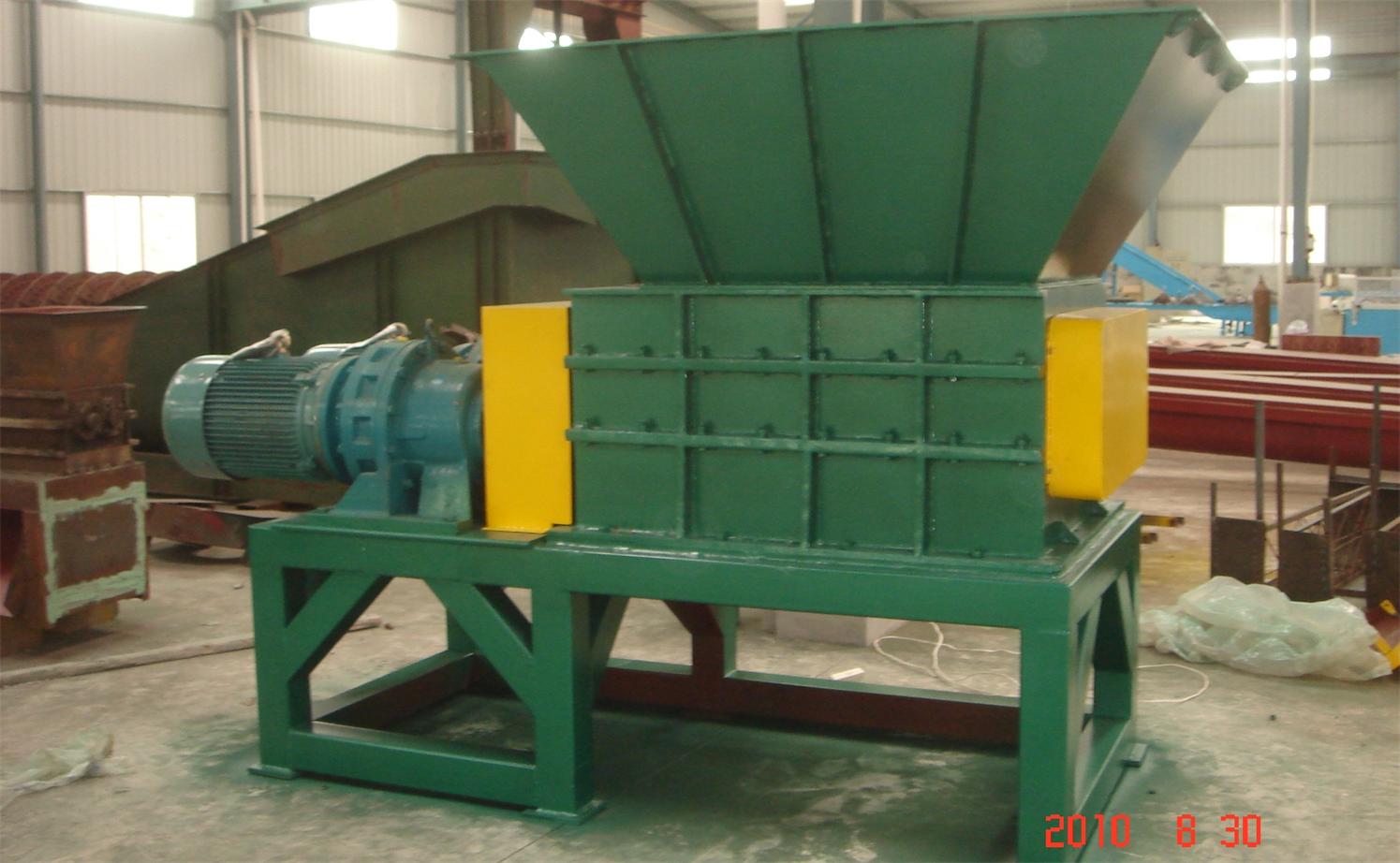
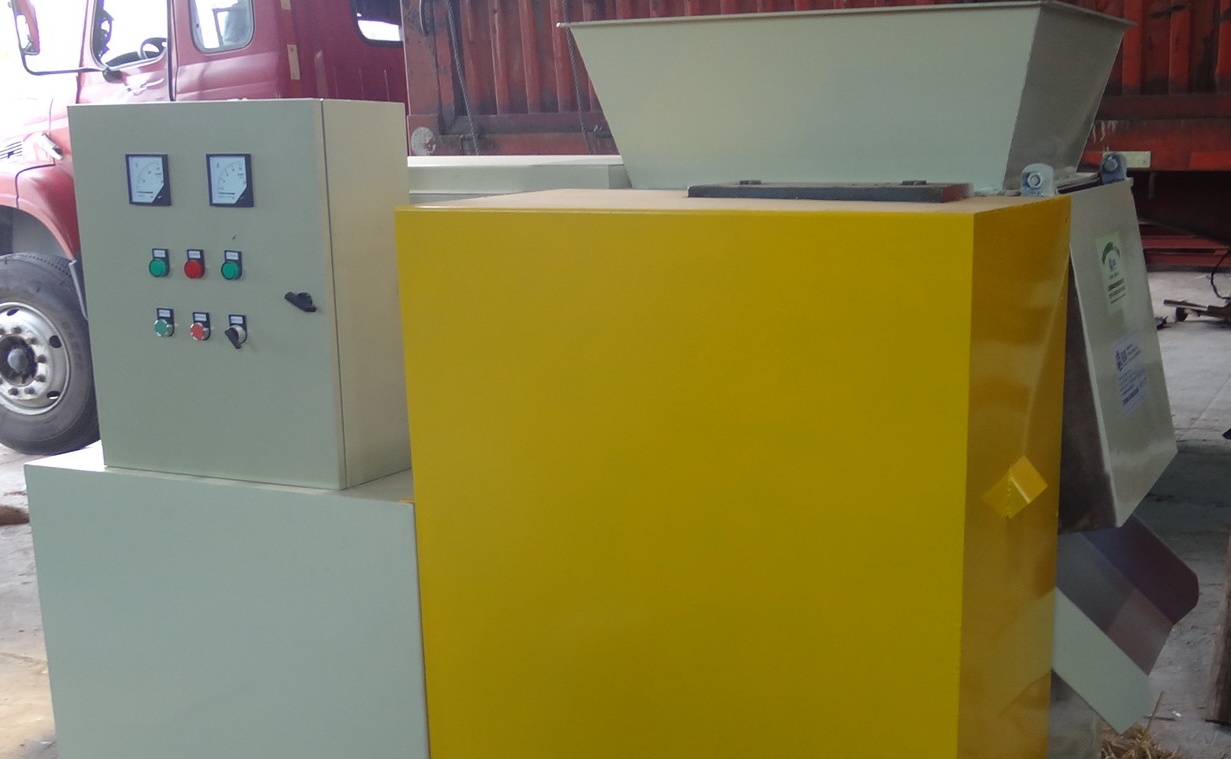
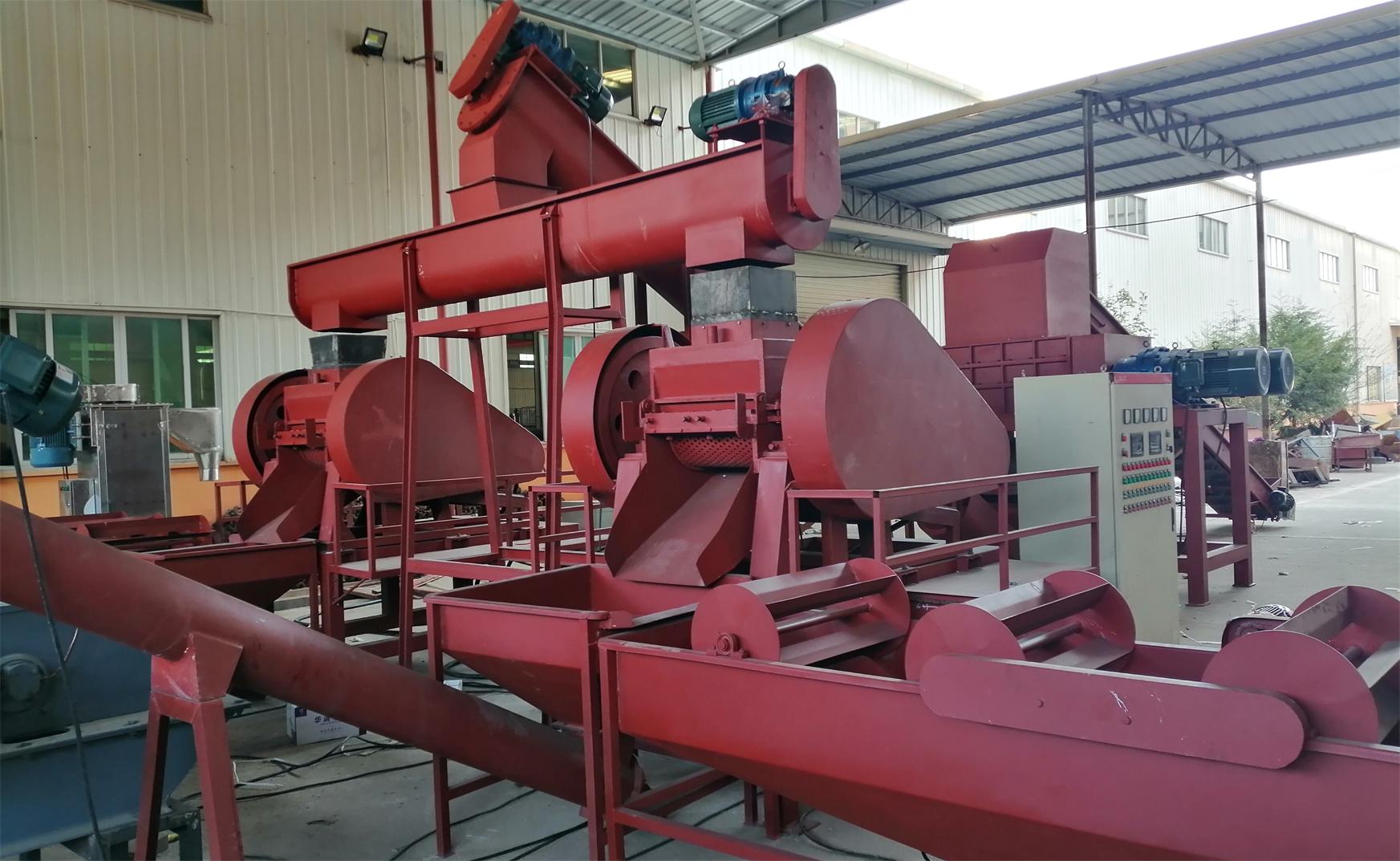
Battery recycling is technically demanding but highly profitable when executed with the right equipment. For lead acid battery recycling equipment, a complete system typically includes battery breaking and separation units, paste desulfurization systems, rotary furnaces or blast furnaces for smelting, lead refinery kettles, air pollution control systems, and wastewater treatment plants. Capacity generally ranges from 1 to 10 metric tons per hour, depending on the scale of operation.
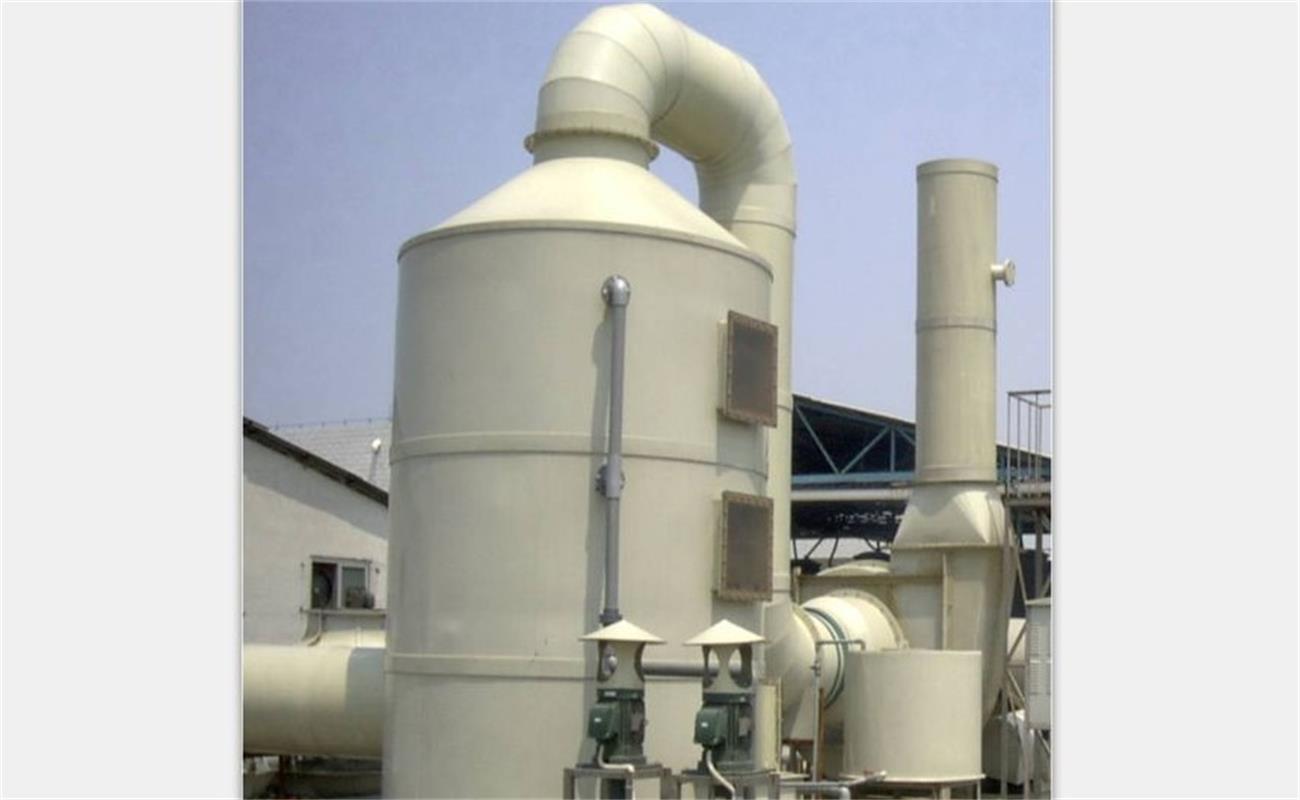
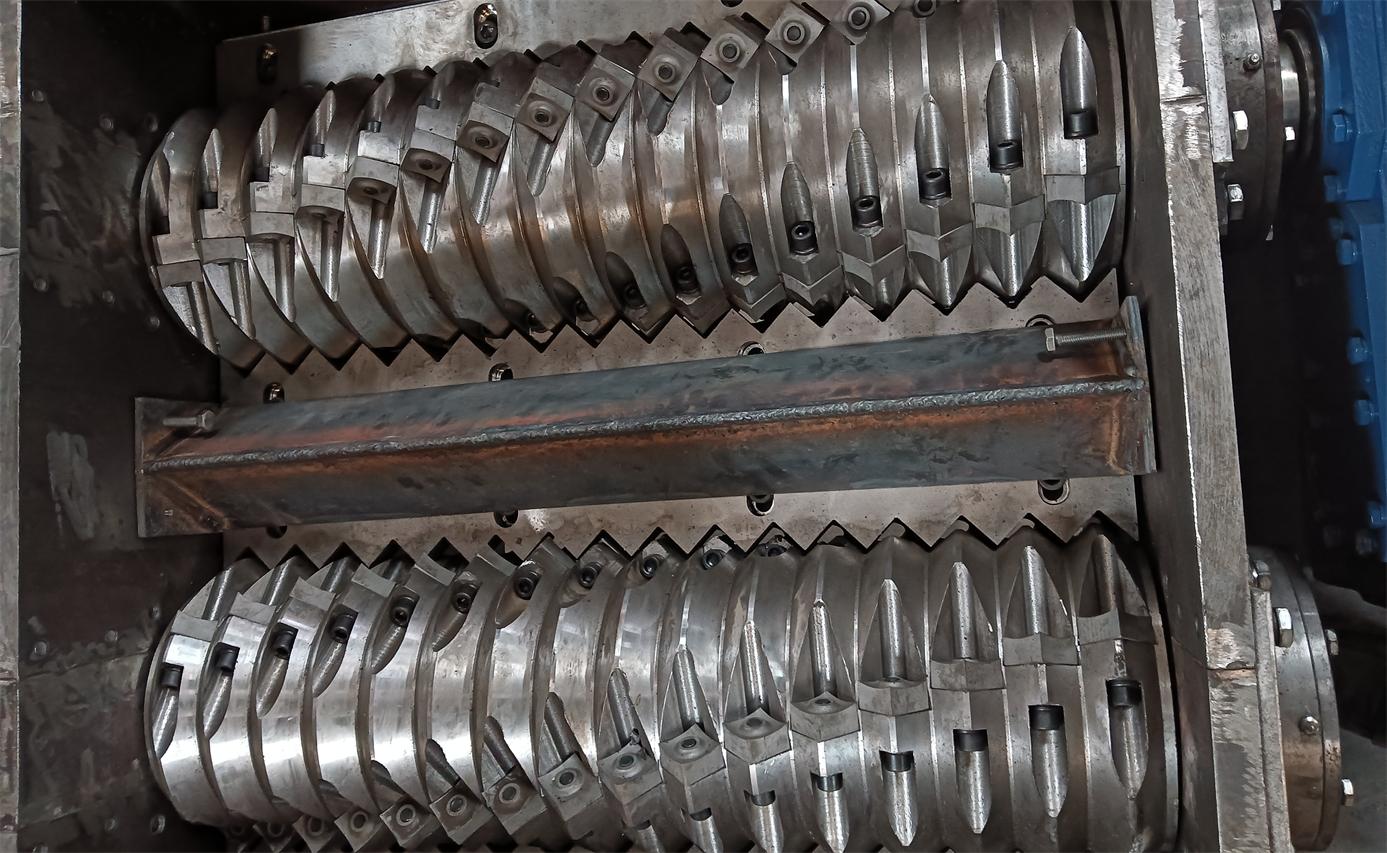
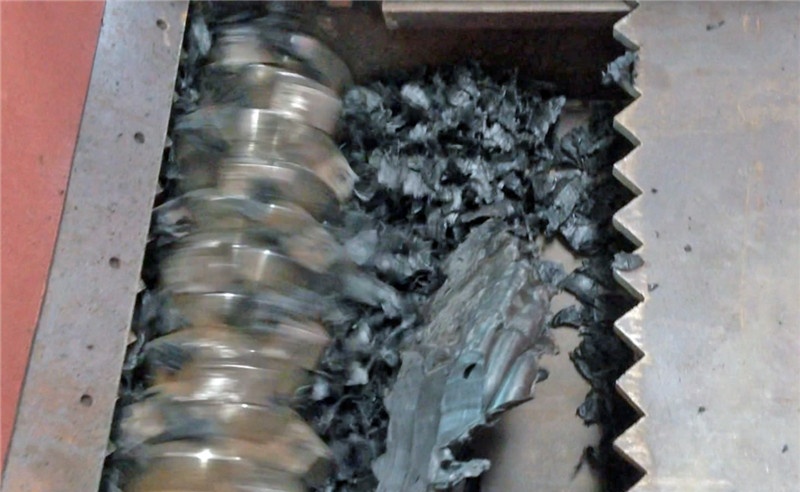
On the lithium side, li battery recycling equipment must handle the unique challenges of lithium-ion cells, including safe discharging, pre-crushing under inert atmosphere, secondary granulation, and multi-stage separation to recover black mass, copper, aluminum, and plastic. Capacities typically range from 500 to 2,500 kg per hour. A critical component is the air pollution control system, which neutralizes harmful gases generated during crushing and separation.
Cable and PCB Processing Equipment
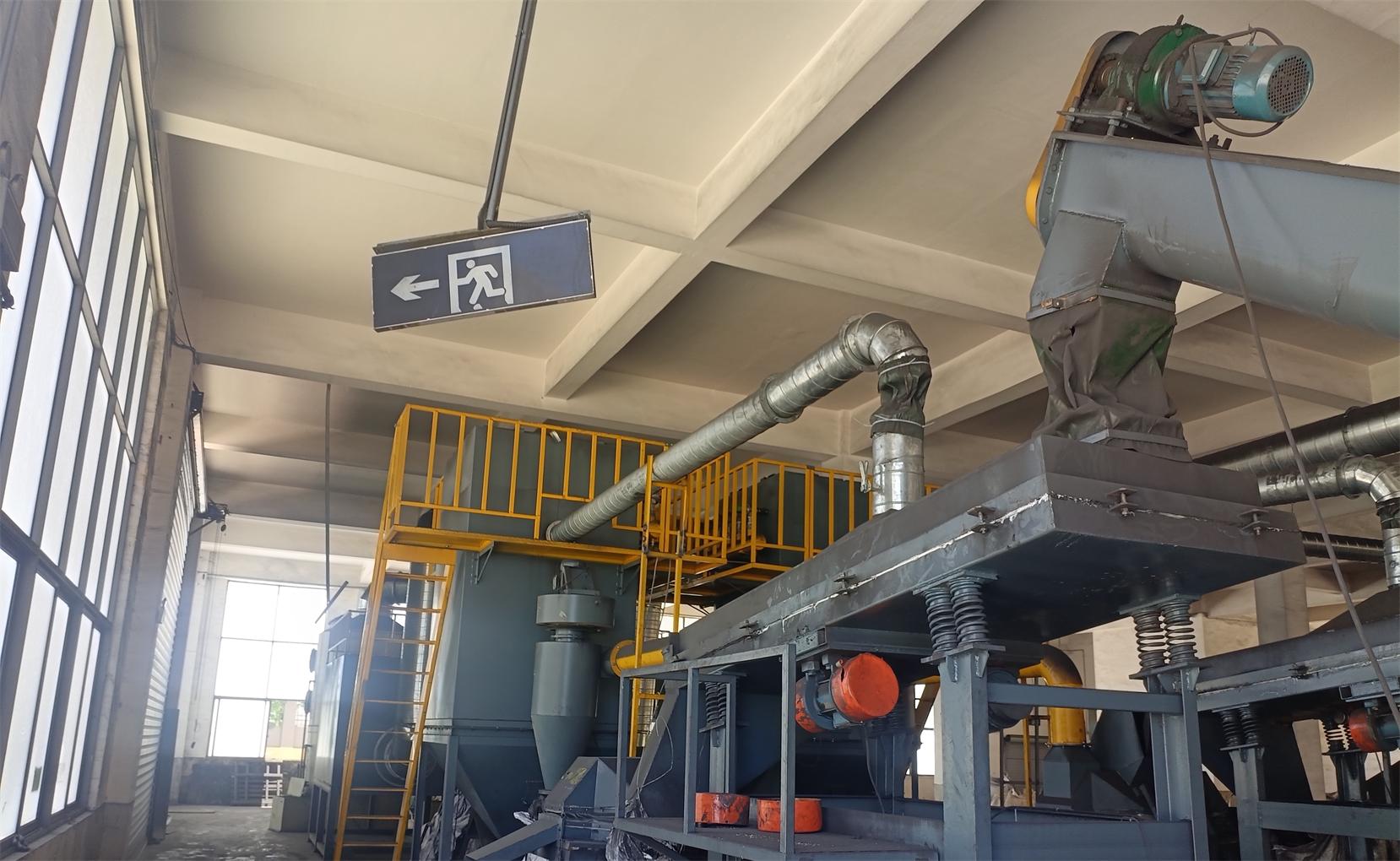
For operators focused on cable scrap, modern cable recycling equipment offers multiple processing routes. Scrap cable strippers handle large-diameter wires, while compact granulators with dry or wet separators process smaller cables and harnesses. Advanced systems incorporate electrostatic separators for secondary purification, ensuring minimal copper loss in the plastic fraction. Capacities range from 100 kg/hour for entry-level units to over 1,200 kg/hour for industrial-scale plants.
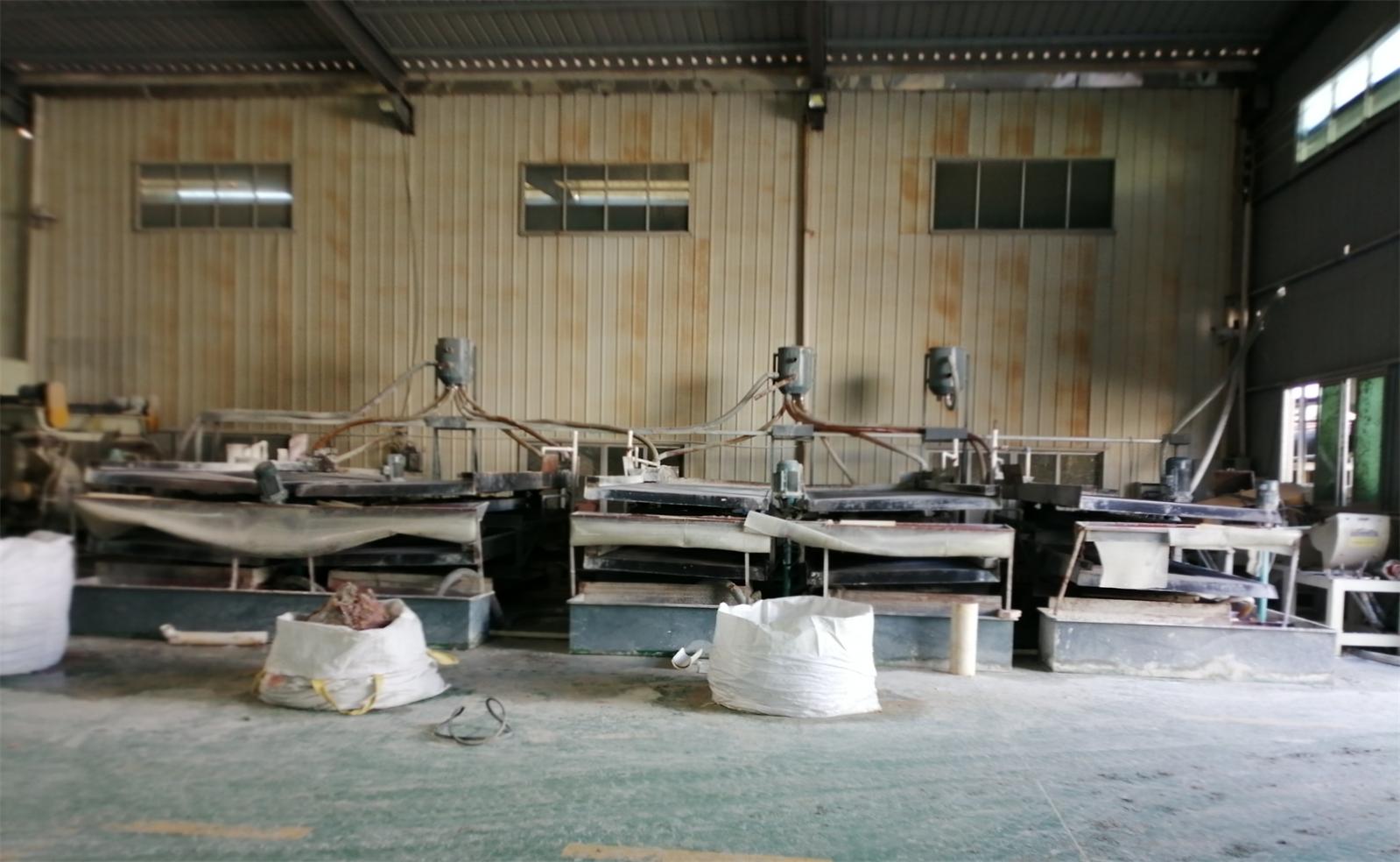
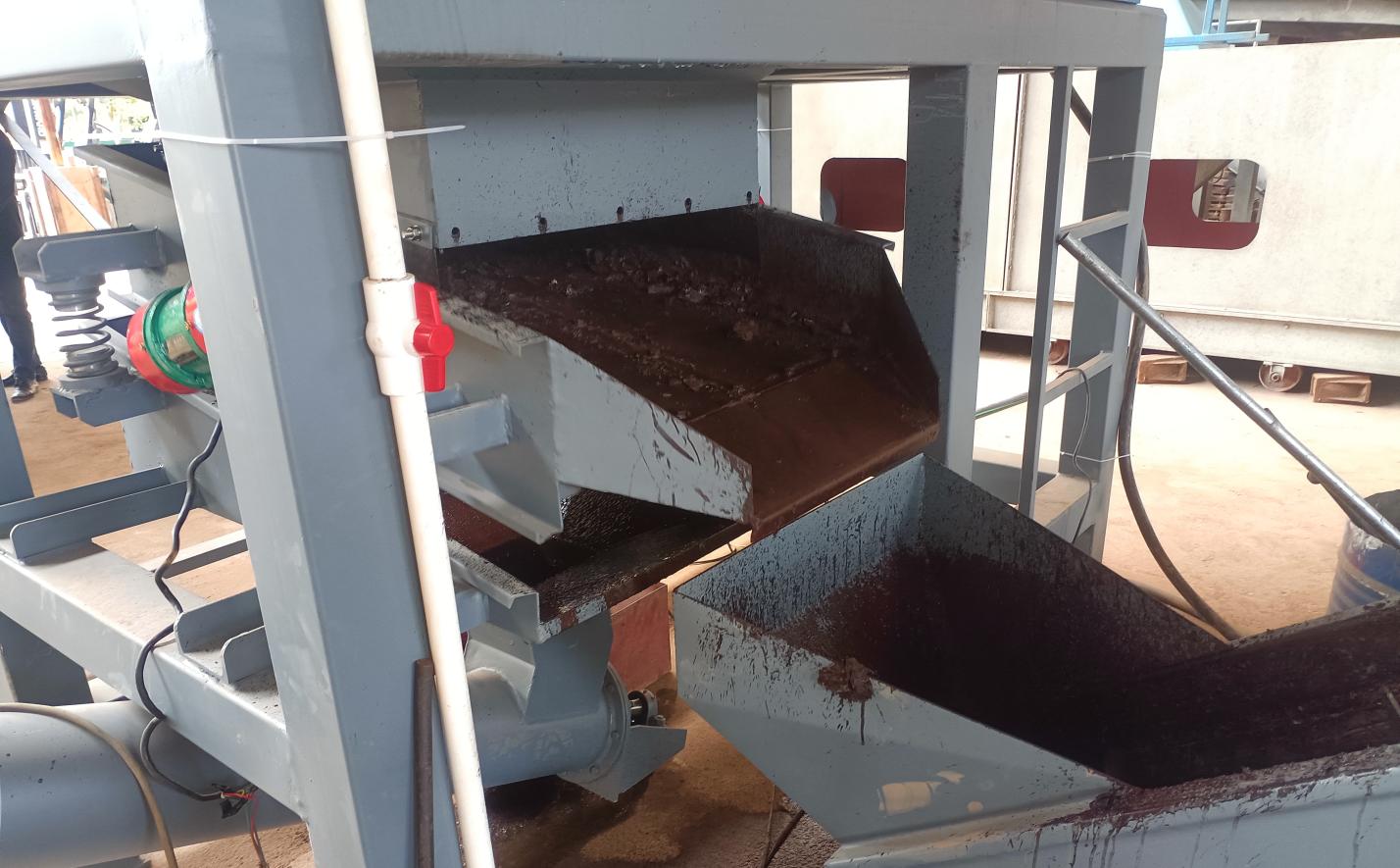
Circuit board recycling presents different challenges due to the presence of electronic components, solder, and mixed materials. Circuit board recycling equipment typically employs mechanical processes including crushing, air separation, and electrostatic separation to recover copper powder and precious metal concentrates. Both dry and wet separation technologies are available, with wet systems offering higher purity for certain feedstock types. Copper powder purity of 96-98% is achievable with well-tuned systems.
What Sets a Reliable Equipment Partner Apart
Selecting an equipment supplier is about far more than comparing price lists. The best partners bring deep technical expertise, proven international experience, and comprehensive support capabilities. Here are the factors that separate industry leaders from commodity traders:
Technical Depth: Look for suppliers with in-house engineering teams holding advanced degrees in mechanical engineering and direct experience designing recycling systems. The complexity of e-waste processing demands more than off-the-shelf solutions.
EPC Capabilities: Engineering, Procurement, and Construction (EPC) experience means your supplier can handle customized plant design, equipment integration, installation, and commissioning as a single responsibility. This dramatically reduces project risk and coordination overhead.
One-Stop Purchasing: The ideal partner offers complete plant solutions, not just individual machines. This ensures compatibility between process stages and simplifies spare parts management.
Global Service Experience: Suppliers with installations across diverse regions understand how to adapt equipment for different raw material characteristics, environmental regulations, and operational conditions.
Value-Added Support: Leading suppliers go beyond equipment delivery to assist with raw material sourcing, product offtake arrangements, and even investor introductions for project financing.
Communication: Bilingual teams with cross-cultural competence ensure that project requirements, technical specifications, and operational training are clearly understood regardless of your location.
Building a Future-Proof Recycling Operation
The e-waste recycling industry is evolving rapidly. Battery chemistries are changing, regulatory thresholds are tightening, and market demands for higher purity outputs are increasing. When designing your facility, consider equipment that offers modular expansion capability, robust pollution control systems, and the flexibility to handle multiple feedstock types. This future-proofing approach protects your capital investment and positions your operation to capture emerging opportunities.
Environmental compliance is not optional. Modern recycling plants must incorporate air pollution control systems, wastewater treatment, and dust collection from the initial design phase. Attempting to retrofit environmental controls onto existing equipment is invariably more expensive and less effective than integrated solutions.
Ready to Turn Waste into Value? San Lan Technologies Co., Ltd. has been manufacturing professional WEEE recycling machines and mining equipment since 2007. With customers in over 21 countries and a technical team bringing master's-level engineering expertise and more than 15 years of industry experience, San Lan delivers complete EPC solutions from customized design through installation and commissioning. Whether you need recycling equipment supplier support for lead acid batteries, lithium-ion cells, cables, circuit boards, or integrated multi-stream plants, our team provides one-stop purchasing, raw material sourcing assistance, and product offtake support. Contact us today to discuss your project requirements and discover how the right equipment partner can accelerate your path to profitable, compliant recycling operations.