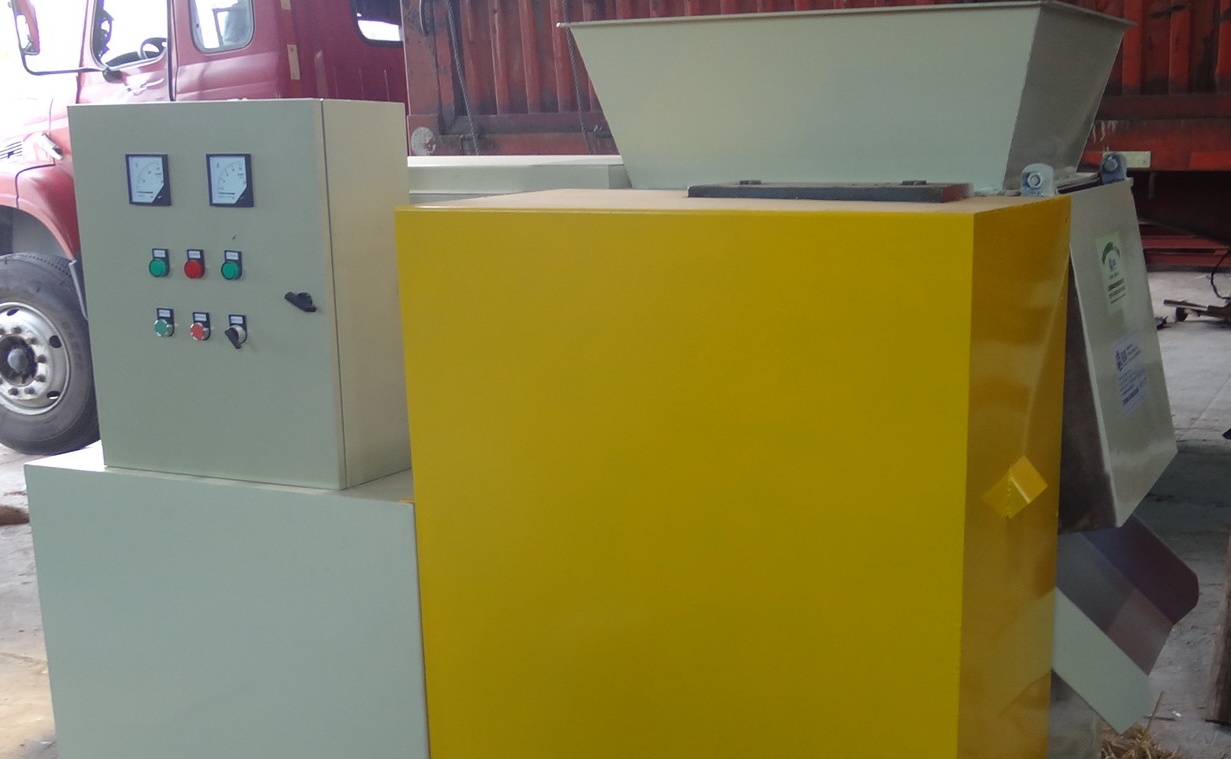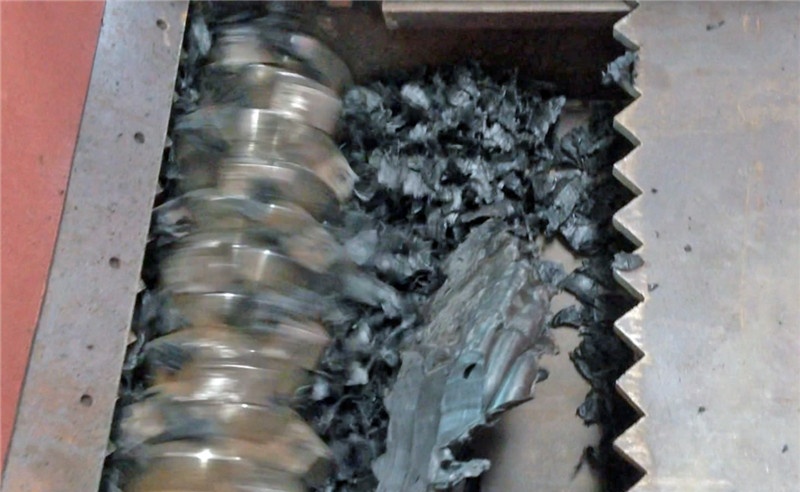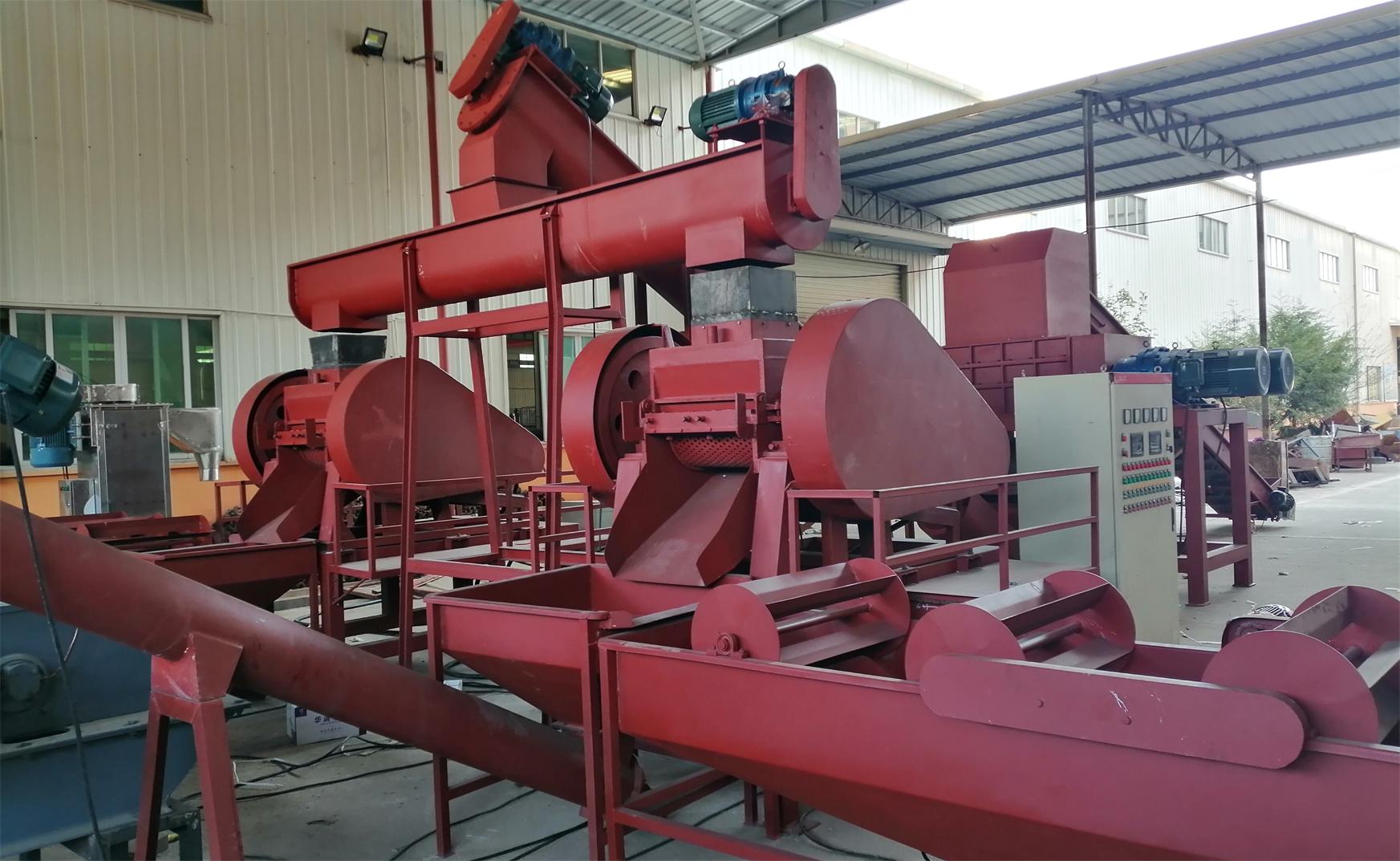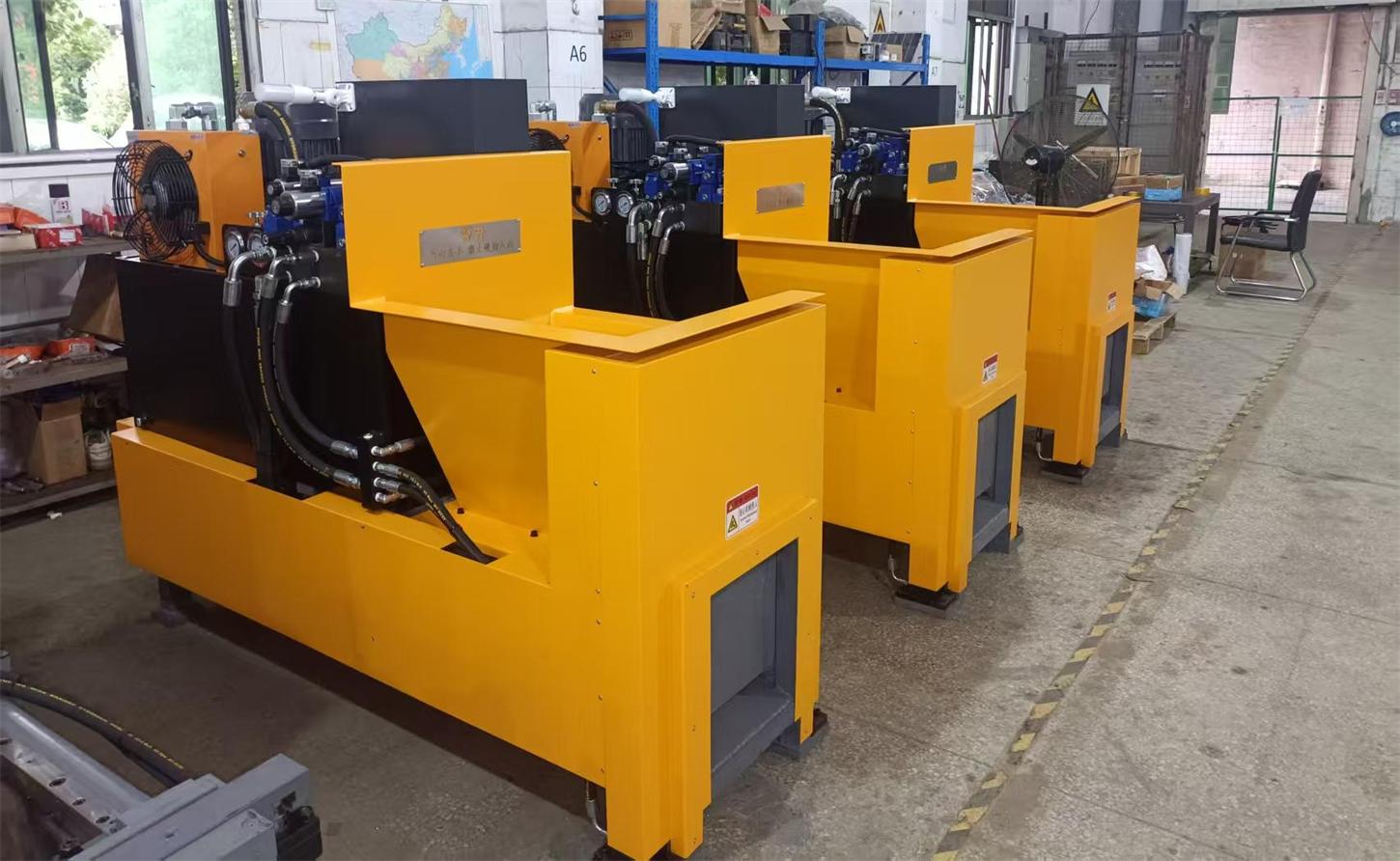
The world generates over 50 million metric tons of electronic waste every year, and only a fraction of it is properly recycled. For entrepreneurs and established companies alike, this represents both an environmental challenge and a significant business opportunity. Whether you are looking to process discarded batteries, scrap cables, or obsolete circuit boards, investing in reliable recycling machinery is the first step toward turning waste into valuable raw materials.
However, not all recycling equipment is created equal. The difference between a plant that runs at a loss and one that generates consistent profit often comes down to three factors: choosing the right machines for your feedstock, working with a supplier who understands the full project lifecycle, and ensuring your operation meets environmental standards from day one.
Match Your Equipment to Your Waste Stream
The most common mistake new recycling entrepreneurs make is buying generic equipment that does not match the specific materials they plan to process. Each waste stream has unique physical and chemical characteristics, and the machinery must be designed accordingly. Here are three of the most profitable segments in the current market:
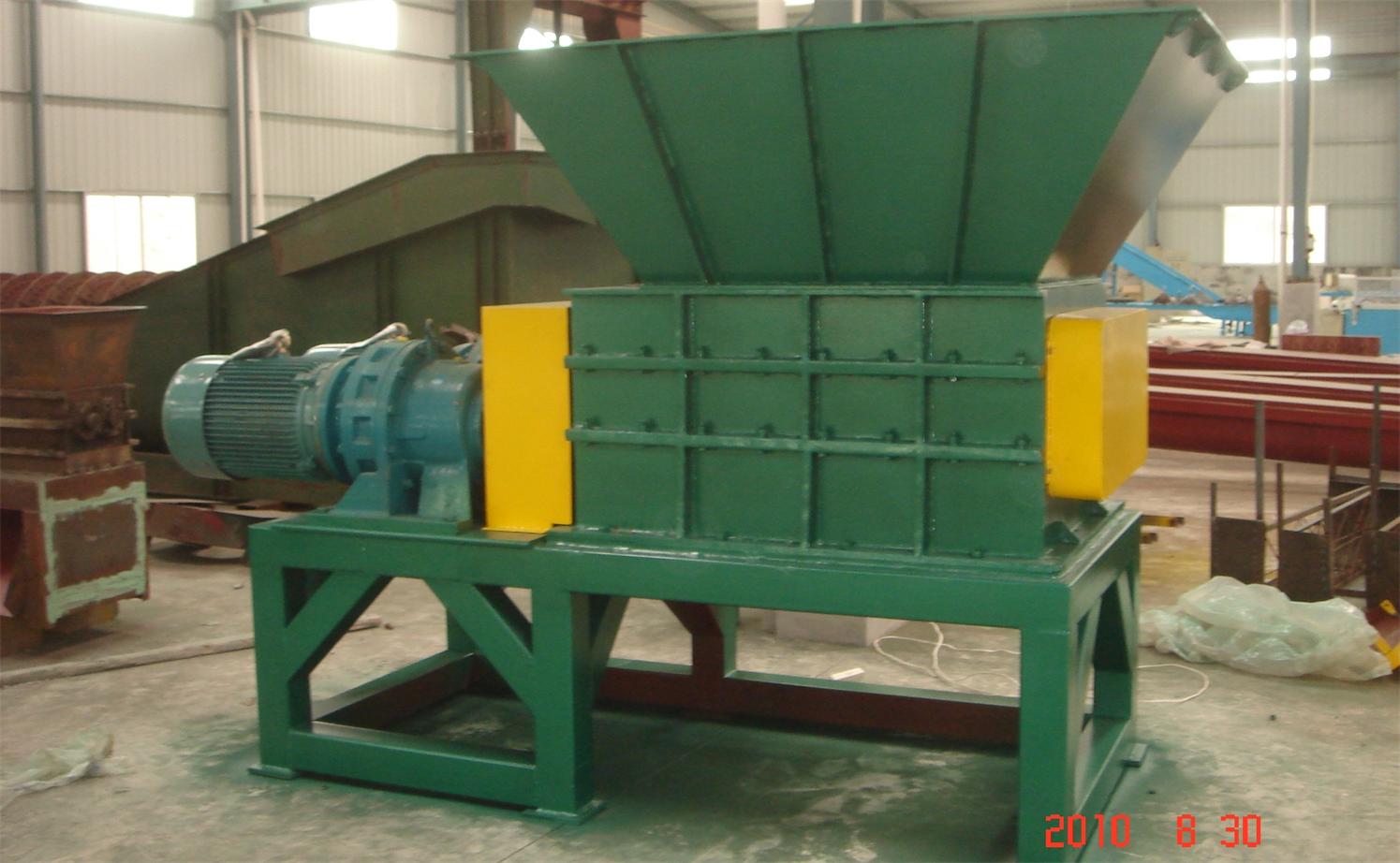
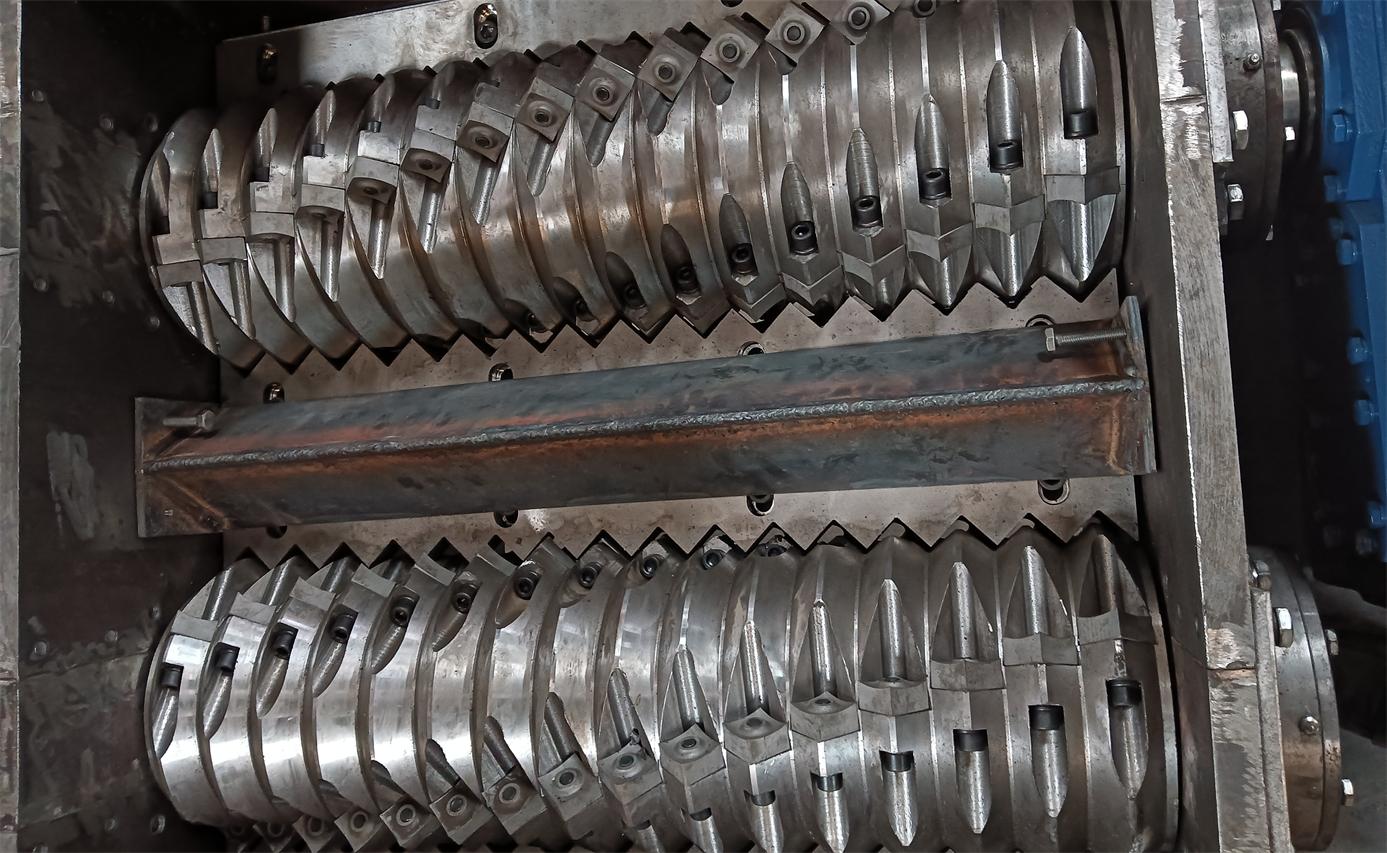
Used lead acid batteries remain one of the most recycled consumer products globally. A complete lead acid battery recycling equipment line breaks and separates batteries to recover acid, plastic shells, lead grids, and lead paste. Systems with capacities ranging from 1 to 10 metric tons per hour typically include breaking and separation units, rotary furnaces for paste reduction, blast furnaces with 95% lead recovery rates, and refinery kettles that produce 99.999% pure lead. Auxiliary systems such as de-sulfurization units, water treatment plants, and air pollution control systems ensure the entire operation meets environmental regulations.
Scrap copper and aluminum cable represents a high-volume, high-value waste stream. Modern cable recycling equipment uses dry or wet separation methods to crush and granulate cables, then separate the metal from plastic insulation. Equipment options include compact granulators with dry separators, wet process lines, and scrap cable strippers that handle diameters from 1.5 mm to 150 mm. Capacity options range from 100 kg/hour for small operations up to 1,200 kg/hour for industrial-scale plants.
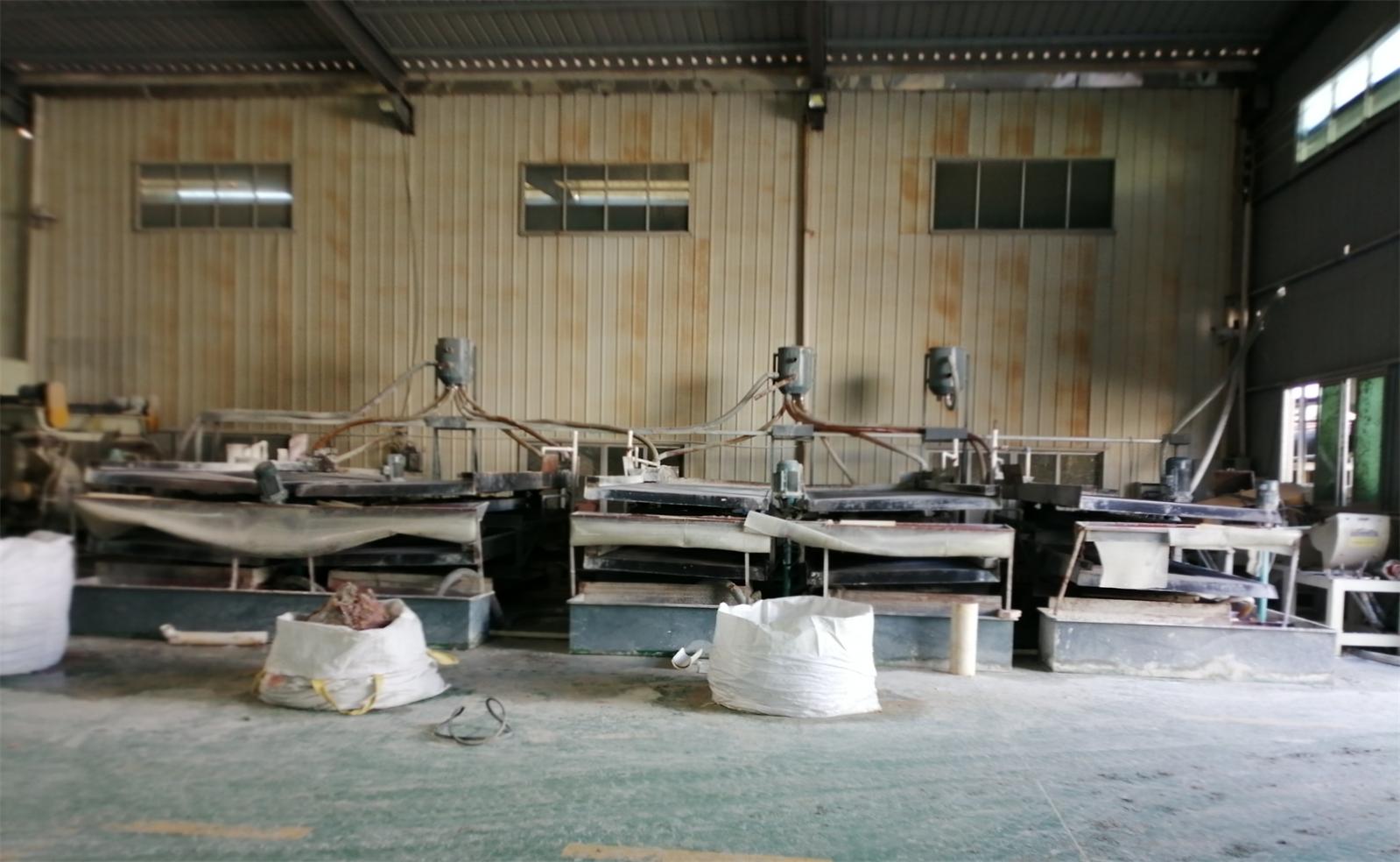
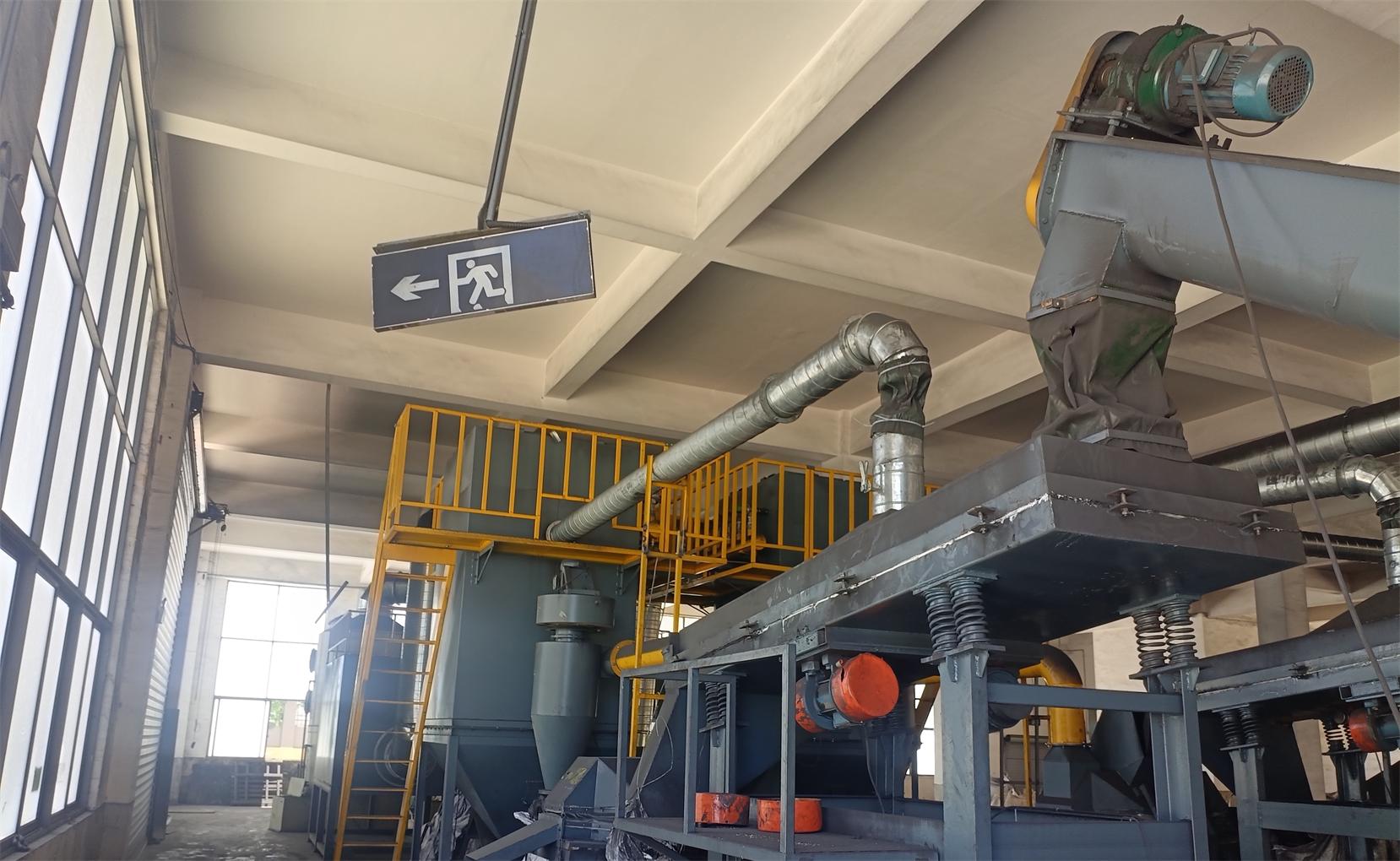
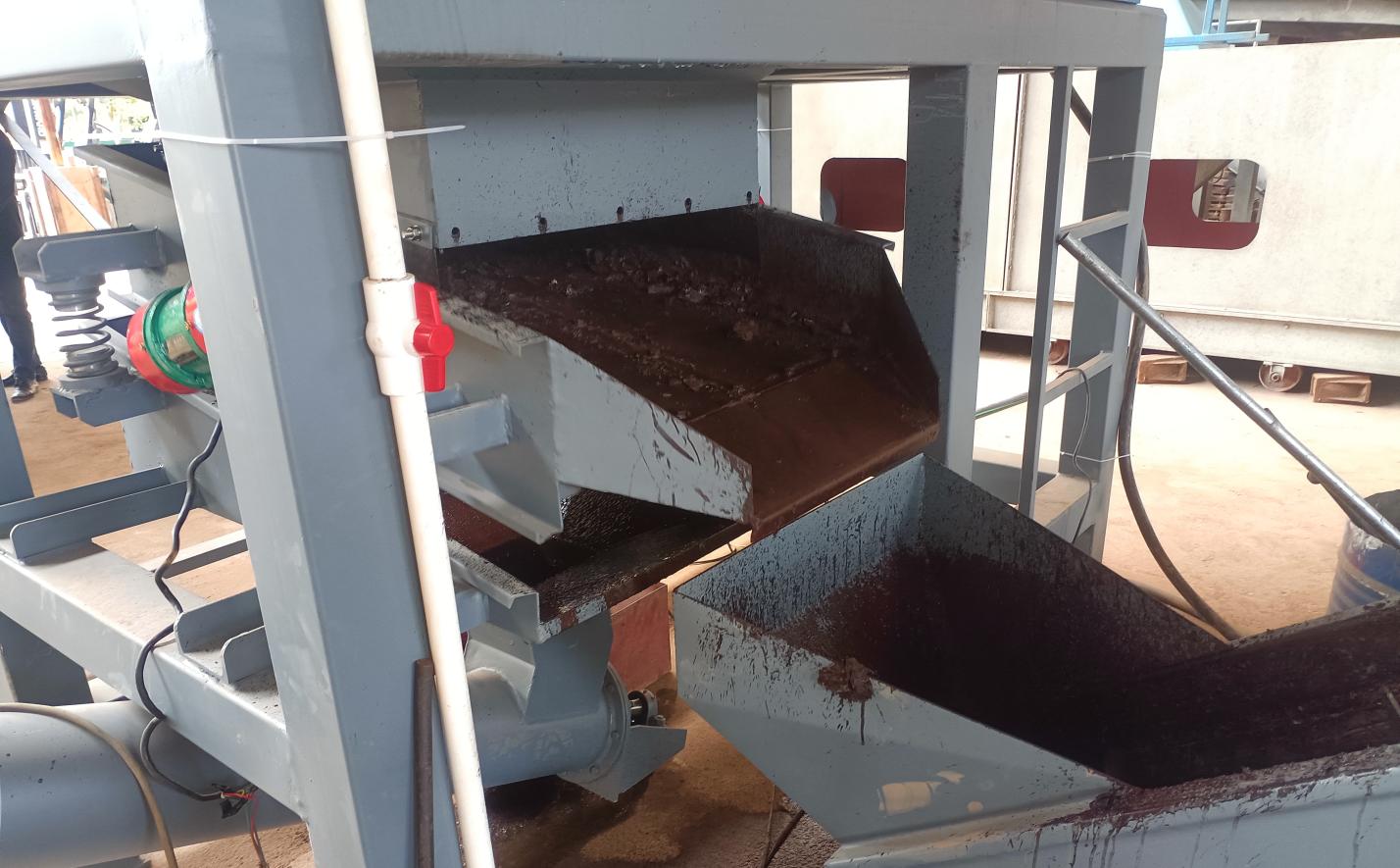
Printed circuit boards contain copper, precious metals, and non-metal resin powder. Specialized circuit board recycling equipment uses mechanical crushing combined with air or water separation to recover these materials. Both dry and wet separation plants are available, with capacities from 300 kg/hour to 2,000 kg/hour. Copper powder purity reaches 96–98%, and the process is designed to minimize dust pollution through integrated pulse bag dust collectors.
Look Beyond the Machine Itself
Buying equipment is only part of the equation. A successful recycling plant requires customized layout design, installation, commissioning, and ongoing technical support. Many first-time buyers focus entirely on price and specifications, only to discover later that their supplier cannot help with plant layout, worker training, or troubleshooting when something goes wrong.
An experienced supplier should offer engineering support that covers the full project lifecycle. This includes feasibility analysis based on your local waste availability, customized plant design that accounts for your site constraints and environmental regulations, one-stop purchasing that eliminates the need to coordinate multiple vendors, and on-site installation and commissioning to ensure everything works together as a system.
Additional value-added services can significantly improve your return on investment. Some suppliers help customers source waste materials such as cable scrap, PCB scrap, and used lead acid batteries. Others assist with selling recovered products—including copper rice, copper powder, and lead ingots—to downstream buyers. These services are especially valuable for new market entrants who have not yet established their own supply and distribution networks.
Experience and Global Reach Matter
Recycling machinery operates under harsh conditions. Dust, vibration, corrosive chemicals, and continuous running hours all place extreme demands on equipment design and build quality. A supplier with deep experience in the field will have refined their designs based on real-world feedback from operating plants.
When evaluating a manufacturer, look for a technical team with solid engineering credentials and at least a decade of hands-on experience in e-waste recycling machinery. A supplier who has delivered equipment to diverse markets—from Southeast Asia to Latin America to Africa—will have encountered a wide range of operating conditions and regulatory environments. This global experience often translates into more robust equipment design and better project guidance.
Communication is another factor that is easy to overlook until problems arise. Working with a supplier that has bilingual technical and commercial staff simplifies everything from initial specification discussions to after-sales support. Clear communication reduces misunderstandings, speeds up problem resolution, and builds the trust necessary for a long-term partnership.
Environmental Compliance Is Not Optional
Environmental regulations for recycling plants are becoming stricter worldwide. Lead acid battery recycling, in particular, involves handling sulfuric acid, lead compounds, and potentially toxic emissions. Lithium battery recycling carries risks related to electrolyte handling and thermal runaway. Even cable and PCB recycling generates dust that must be captured before it enters the workplace or surrounding environment.
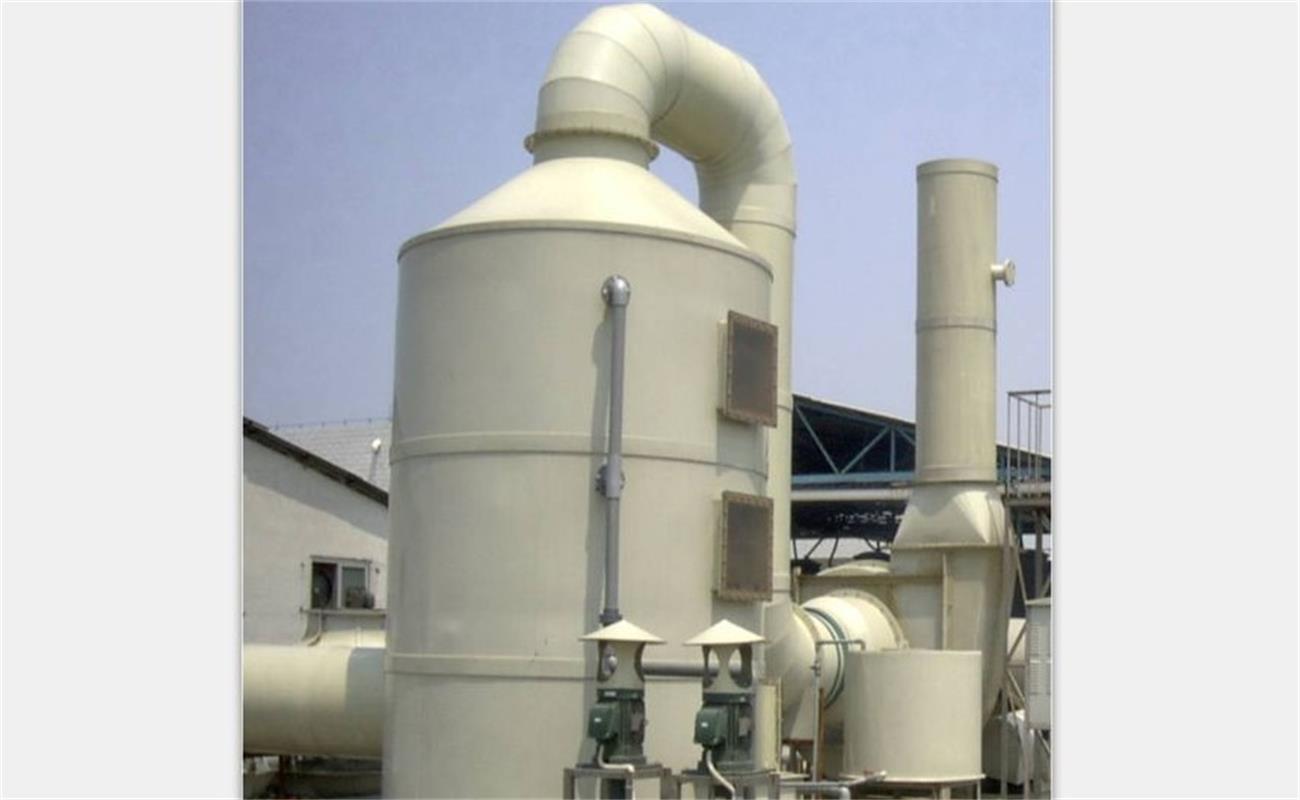
A complete recycling line should include integrated pollution control systems. For battery recycling, this means acid neutralization, waste water treatment, and exhaust gas scrubbing. For dry separation processes, it means pulse bag dust collectors and cyclone separators. Buying equipment without these systems may save money upfront, but it exposes your operation to shutdowns, fines, and liability.
Starting or expanding an e-waste recycling business does not have to be complicated. The right equipment partner can guide you from initial concept through to profitable operation. If you are evaluating lead acid battery recycling equipment, cable recycling equipment, or circuit board recycling equipment, contact San Lan Technologies to discuss your project specifications and receive a tailored equipment proposal.