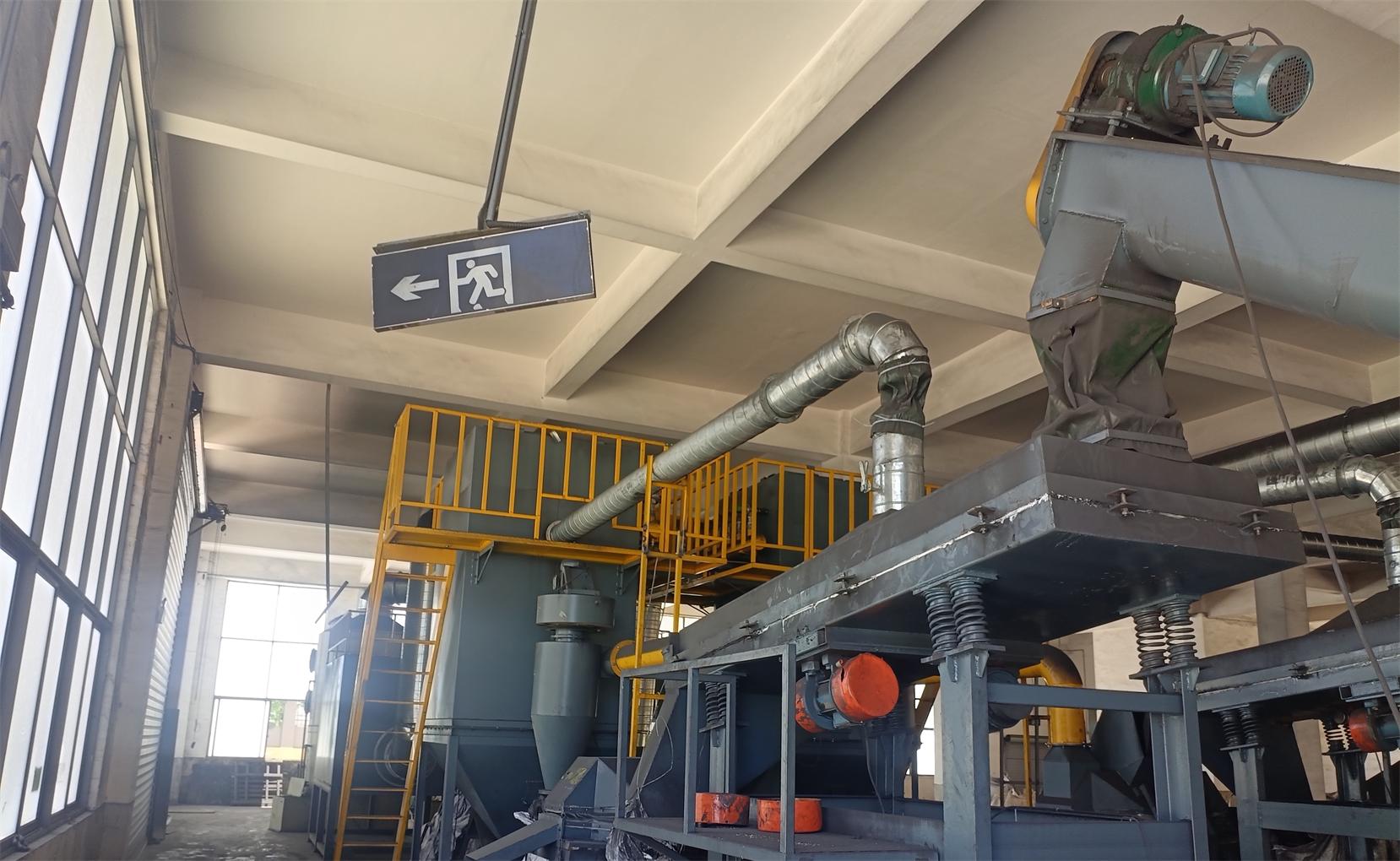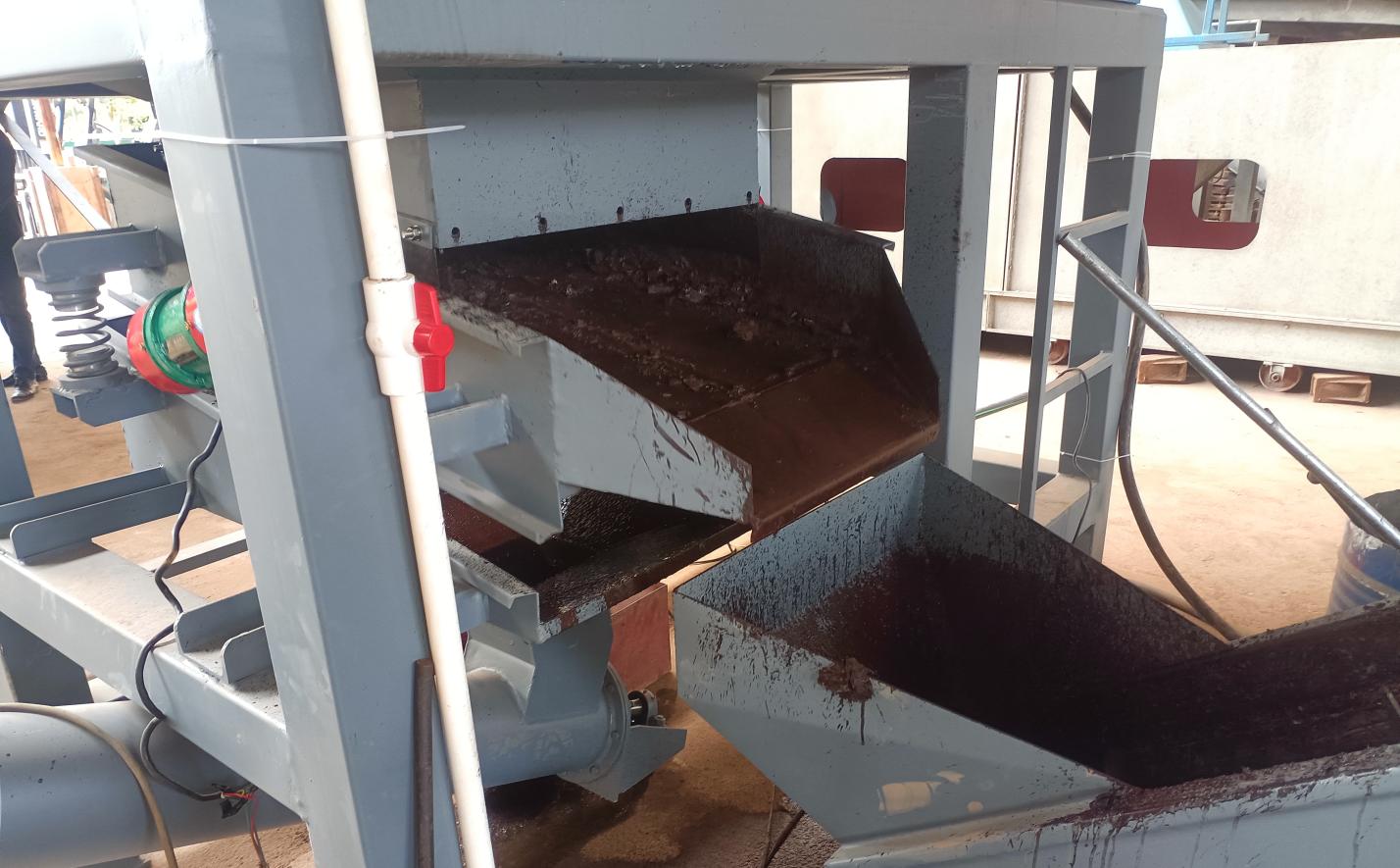
A practical guide to selecting the right recycling equipment partner for batteries, cables, and circuit boards.
The global e-waste stream is growing at an unprecedented pace. Every year, millions of tons of used electronics, spent batteries, and obsolete cables reach end-of-life. For forward-thinking entrepreneurs and established recyclers alike, this represents not an environmental burden, but a significant business opportunity. The key to turning that opportunity into consistent profit lies in choosing the right recycling equipment and, more importantly, the right equipment partner.
In today's recycling landscape, performance is no longer defined by a single machine. It is determined by how effectively an entire plant synchronises to transform raw scrap into high-purity, high-value output. Whether you are processing used lead acid batteries, lithium-ion packs, copper cables, or printed circuit boards, a well-designed system can dramatically improve recovery rates, reduce operational costs, and keep your facility compliant with tightening environmental regulations.
Identify Your High-Value Recycling Streams
Before investing in machinery, it is essential to understand which waste streams offer the best returns in your market. Four categories consistently stand out for their metal content and established demand:
Used lead acid batteries (ULAB) remain one of the most recycled consumer products worldwide. A complete lead acid battery recycling equipment line breaks and separates batteries to recover lead paste, lead grids, plastic shells, and acid. Modern plants can achieve lead recovery rates up to 95% when equipped with advanced smelting furnaces and desulfurization units.
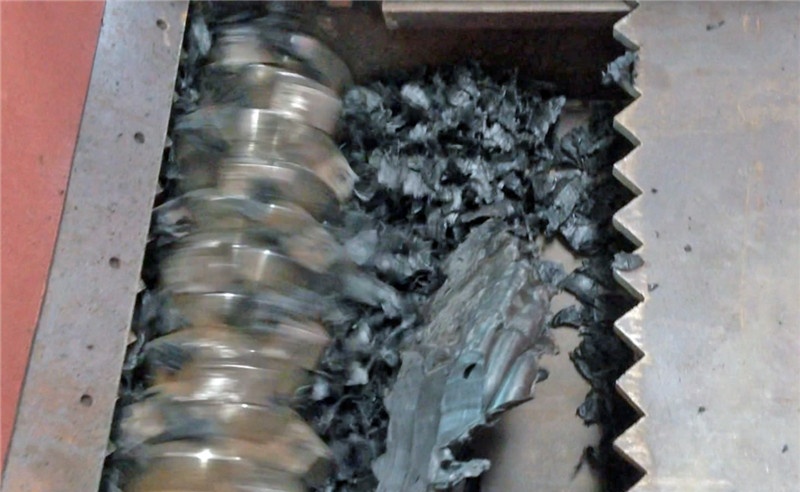
Driven by the electric vehicle and consumer electronics boom, spent lithium-ion batteries are becoming a critical feedstock. A dedicated lithium battery recycling plant separates black mass (containing nickel, cobalt, and graphite), copper, aluminum, and plastic film. Capacities typically range from 500 to 2,500 kg per hour, depending on automation level.
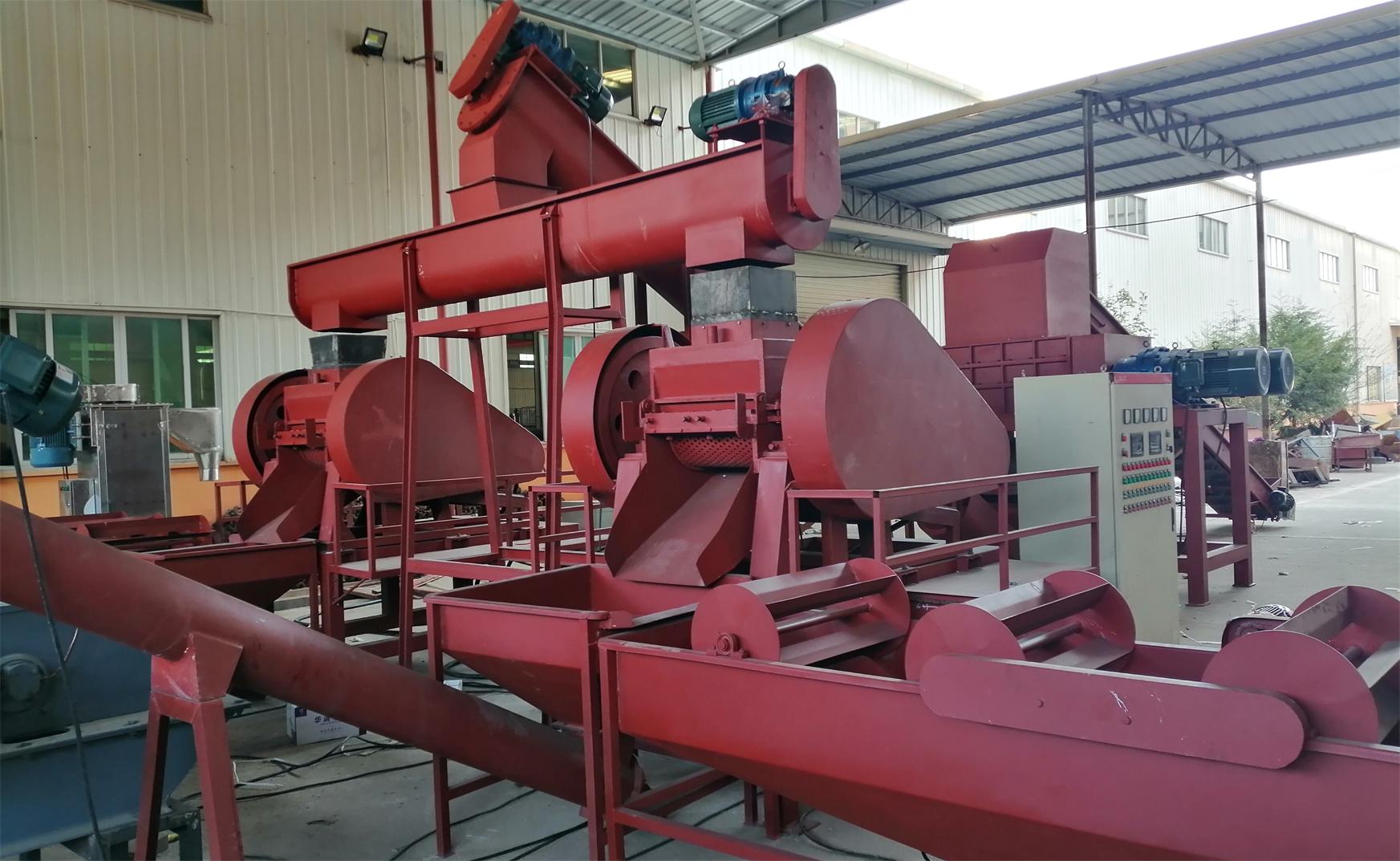
Copper and aluminum cable scrap holds strong market value. The right cable recycling equipment uses dry or wet separation to produce clean copper granules (often called "copper rice") and separate plastic insulation. Granulators with air separators can reach copper purity levels of 96-98%.
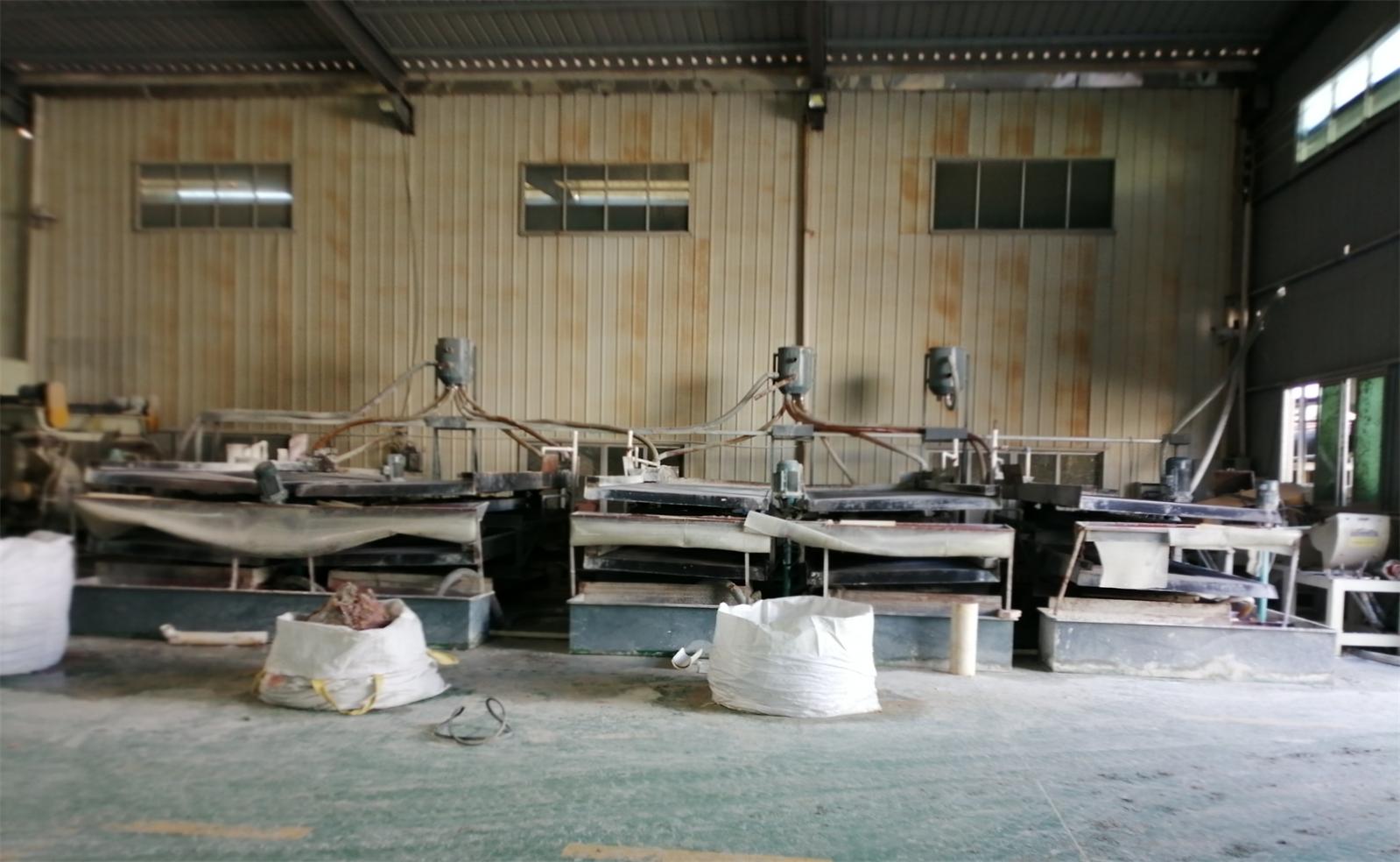
PCBs contain copper, precious metals, and rare earth elements. Specialized circuit board recycling equipment employs mechanical shredding, air separation, and sometimes wet separation or electrostatic sorting to recover copper powder and metal concentrates without harmful incineration.
Design for the Complete System, Not Just the Machine
One of the most common mistakes new recyclers make is purchasing standalone machines without considering material flow, dust control, and downstream separation. A high-performance recycling plant must be reverse-engineered from the desired final material specification.
For example, a lead acid battery recycling line should include:
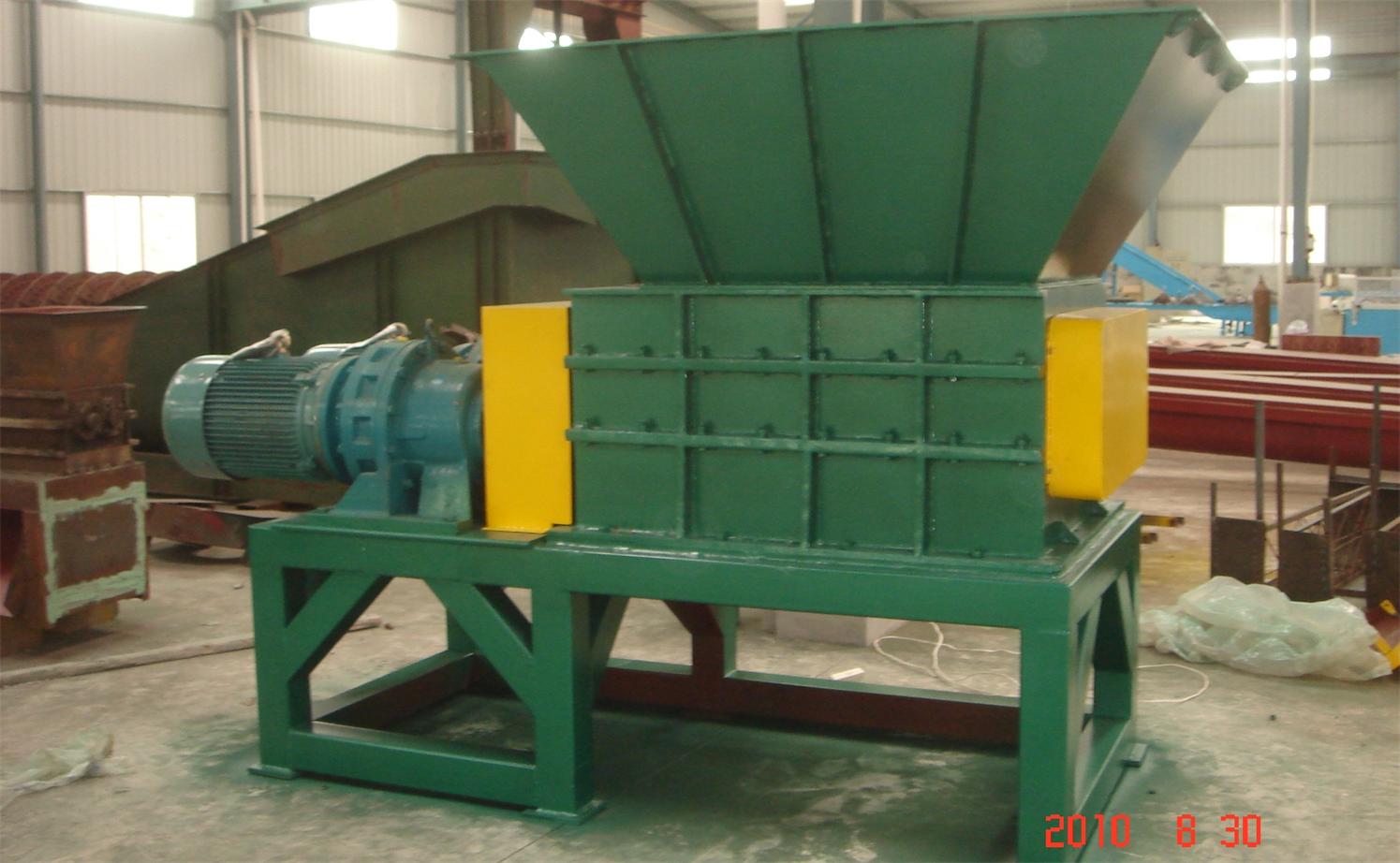
- A battery cutter or breaker to safely open batteries and drain acid
- A separation system to classify lead paste, lead grids, plastic, and hard rubber
- A desulfurization unit to treat lead paste before smelting
- A rotary furnace or blast furnace for lead reduction
- A refinery kettle to purify crude lead to 99.999% purity
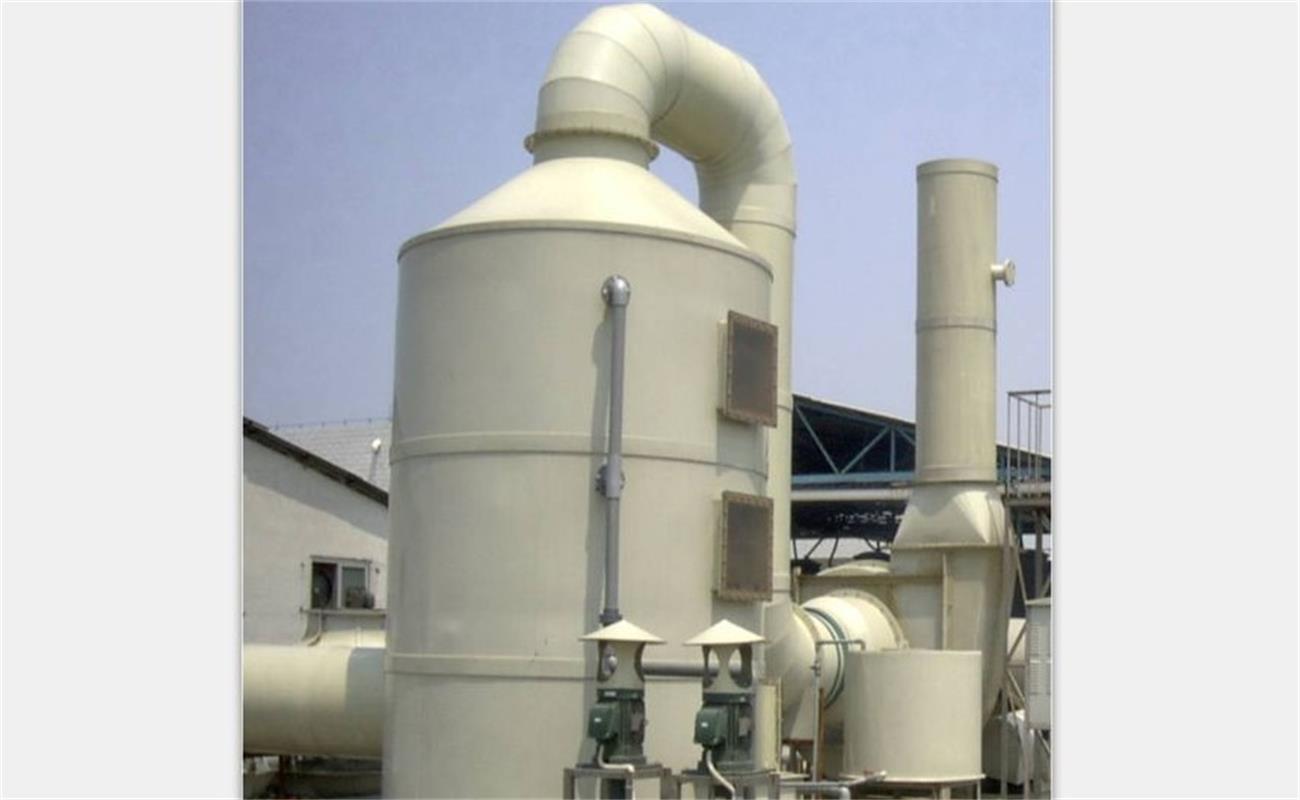
- An air pollution control system and wastewater treatment plant to meet environmental standards
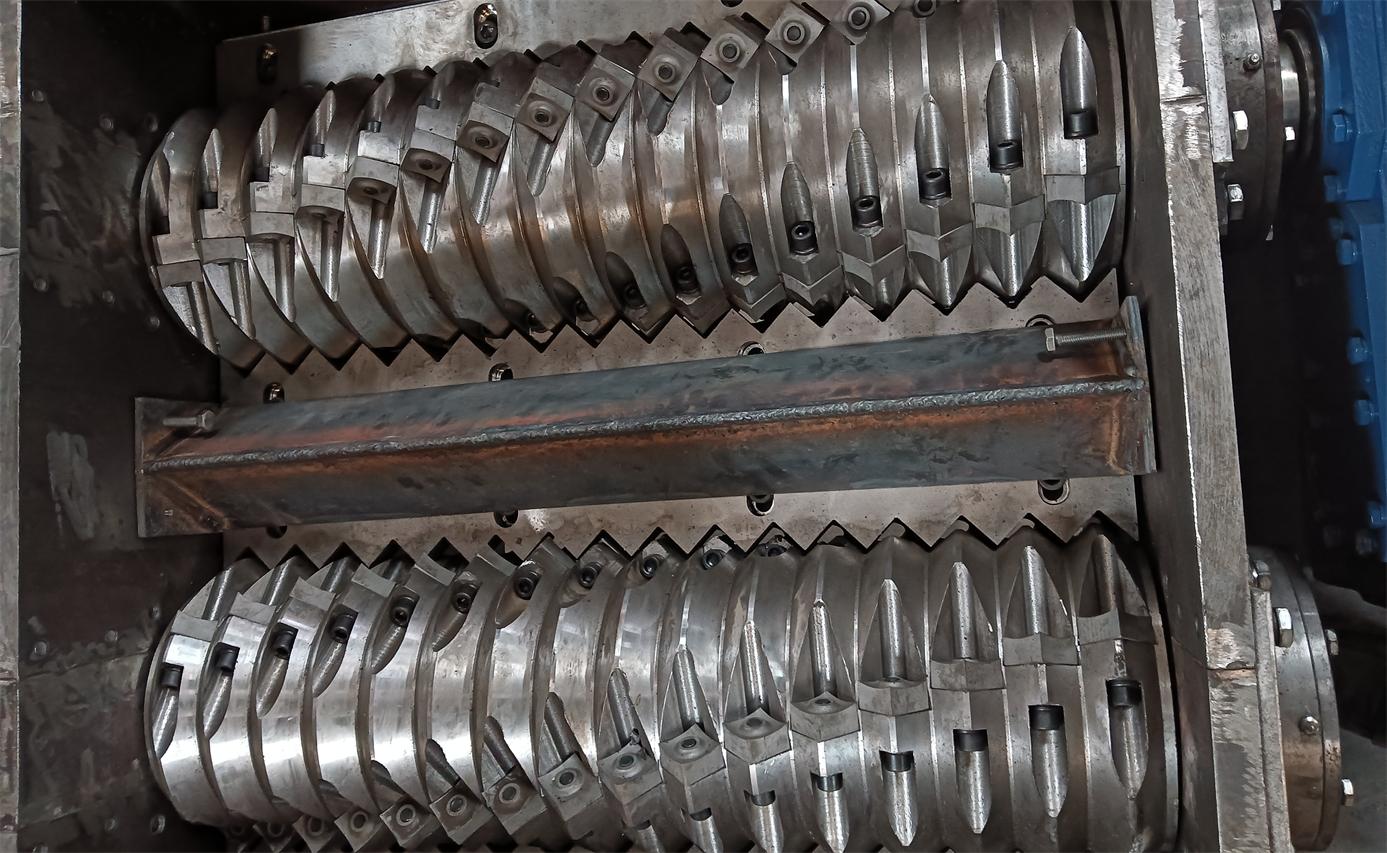
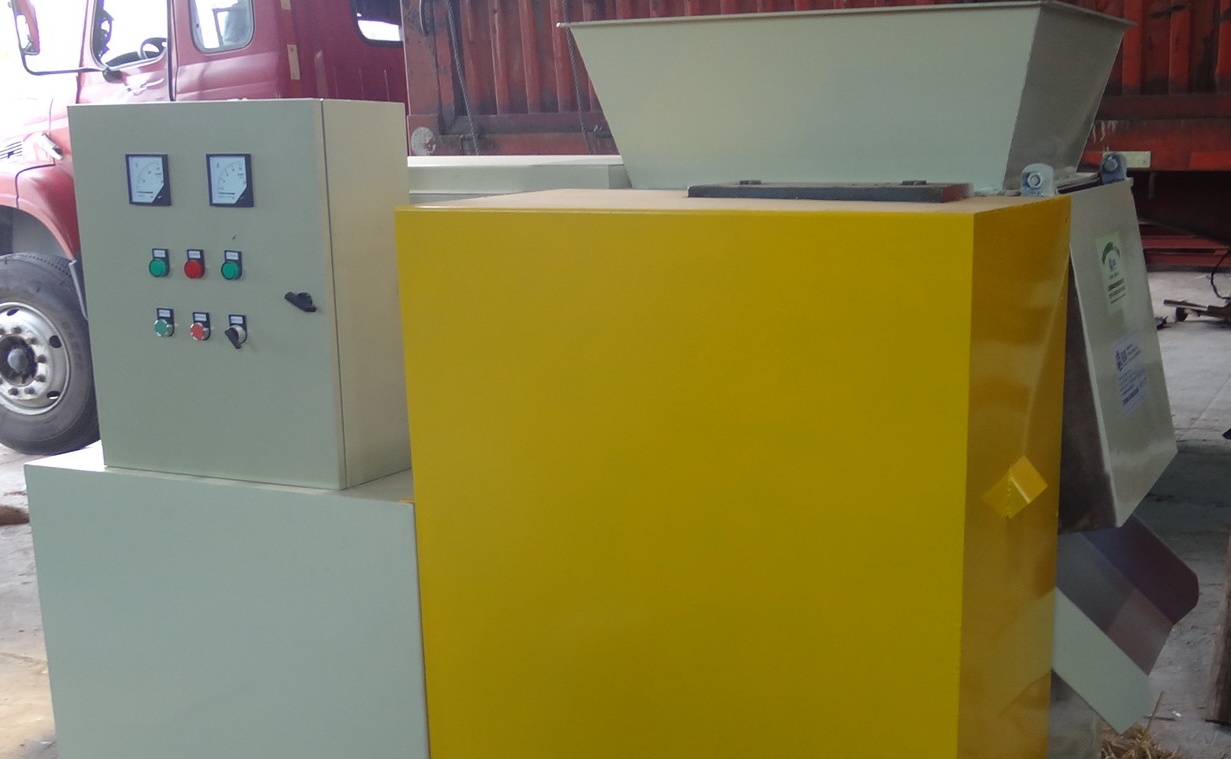
Similarly, a lithium battery recycling system requires discharging stations, pre-crushers, secondary granulators, magnetic separators, and black powder separation units. Each stage must be matched in capacity and mechanically integrated to avoid bottlenecks.
Why One-Stop Purchasing and EPC Partnerships Matter
Sourcing crushers, separators, furnaces, and pollution control equipment from multiple vendors creates compatibility risks, delays, and blurred accountability. Working with a single supplier that offers Engineering, Procurement, and Construction (EPC) services eliminates these headaches.
An experienced EPC partner handles iterative plant design, equipment manufacturing, shipping, installation, and commissioning as one cohesive project. This approach ensures that conveyor angles, transfer points, dust collection hoods, and control systems are optimised for your specific material flow from day one.
Beyond installation, a true partner can also help source raw material feedstock (such as cable scrap, PCB scrap, or used batteries) and assist in selling your recovered products (copper rice, lead ingots, aluminum granules) to downstream buyers. These value-added services can significantly shorten your path to profitability.
What to Look for in a Recycling Equipment Supplier
Not all equipment manufacturers are equally equipped to support international recycling ventures. When evaluating potential partners, consider the following criteria:
Technical depth. Look for a supplier whose engineering team includes mechanical specialists with advanced degrees and deep domain knowledge in recycling processes. The ability to customise capacity, layout, and automation level for your local conditions is essential.
Proven international track record. A supplier with customers across multiple continents understands the logistics, voltage standards, and regulatory differences that can derail a project. Bilingual support and cross-cultural communication skills are invaluable when coordinating complex installations overseas.
Environmental compliance expertise. Modern recycling plants must satisfy strict air emission, wastewater, and noise regulations. Your equipment partner should provide integrated pollution control systems, including dust collectors, acid gas scrubbers, and effluent treatment plants, not as optional extras, but as core components of the design.
After-sales commitment. Downtime in a recycling plant is lost revenue. Ensure your supplier offers readily available spare parts, remote technical support, and on-site maintenance capacity. A partnership that truly begins at commissioning, rather than ending there, is the hallmark of a reliable vendor.
Future-Proof Your Investment
The recycling industry is evolving rapidly. New battery chemistries, stricter purity standards, and shifting commodity prices mean that the plant you build today must adapt to the market realities of tomorrow. Modular plant design, upgradable control systems, and scalable capacity are not luxuries; they are necessities.
Choosing a partner with a broad product portfolio, from shredders and pre-choppers to specialized furnaces and ore extraction equipment, gives you a long-term pathway to diversify your operations without replacing your entire facility.
San Lan Technologies Co., Ltd. has been designing and manufacturing WEEE recycling machinery and mining equipment since 2007. With a professional technical team, solid EPC project experience, and customers in over 21 countries, we provide customised, one-stop recycling plant solutions from concept to commissioning.
Whether you are planning a lead acid battery recycling line, a lithium battery recovery plant, a cable granulation facility, or a complete e-waste processing center, we can help you engineer a system built for performance, compliance, and profitability. Contact us today to discuss your project requirements.