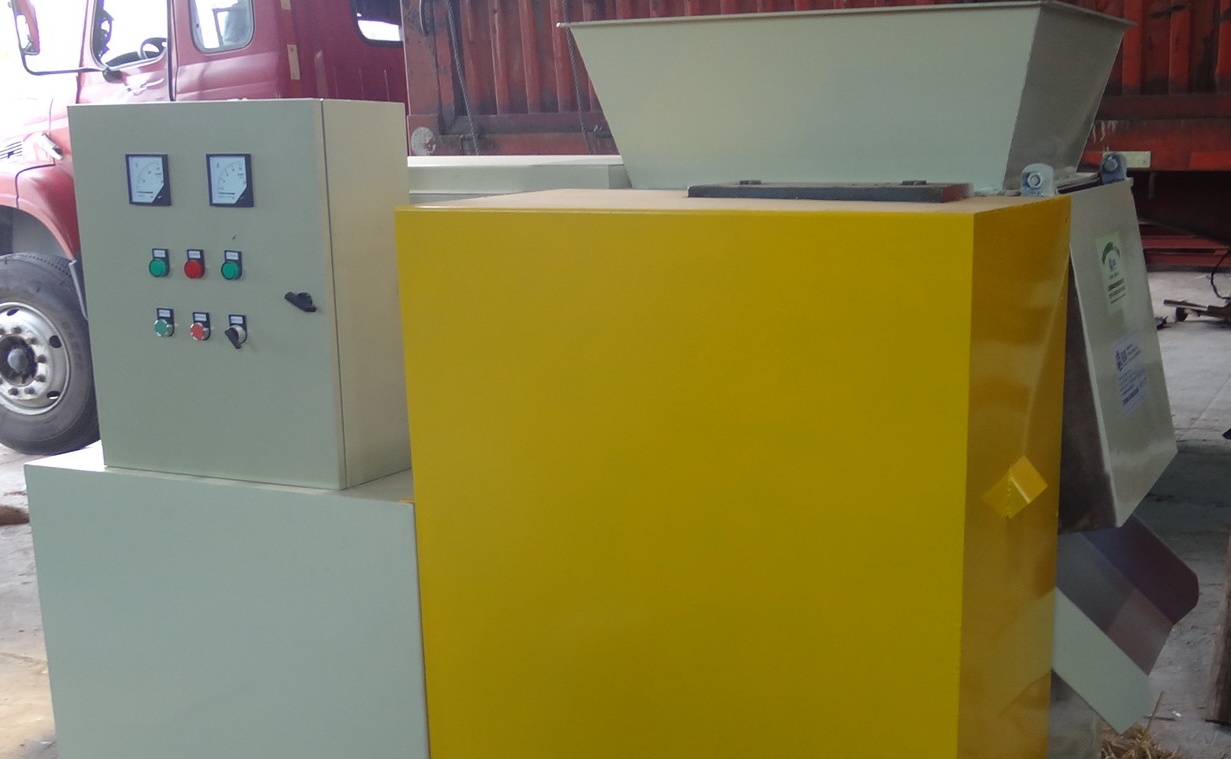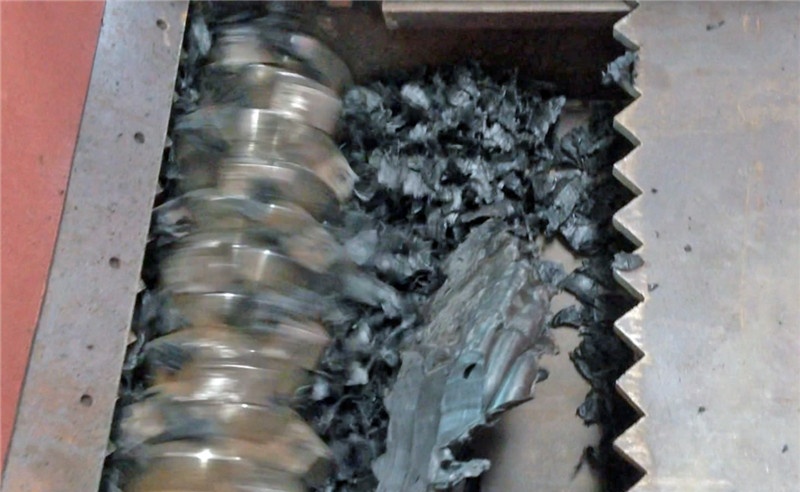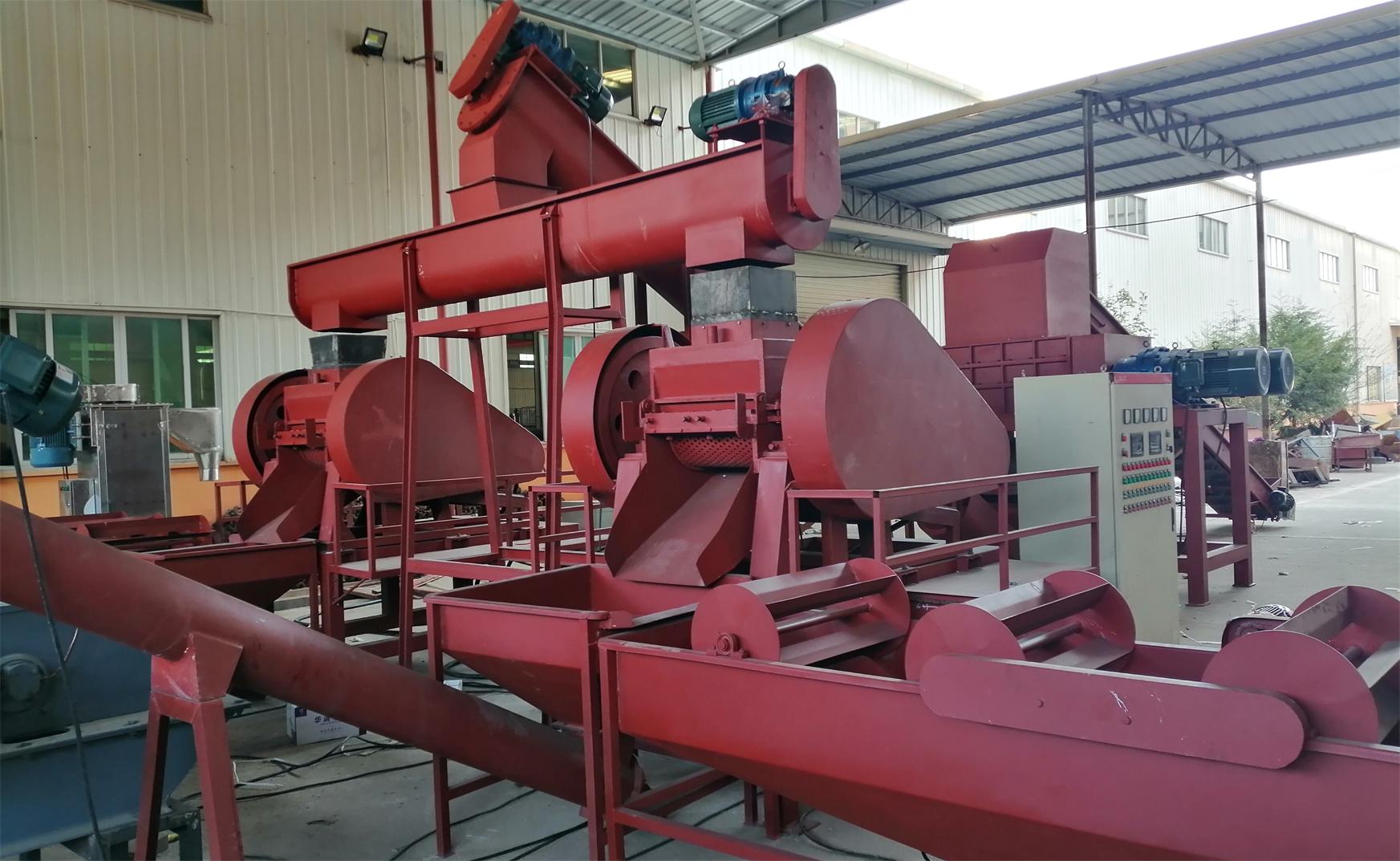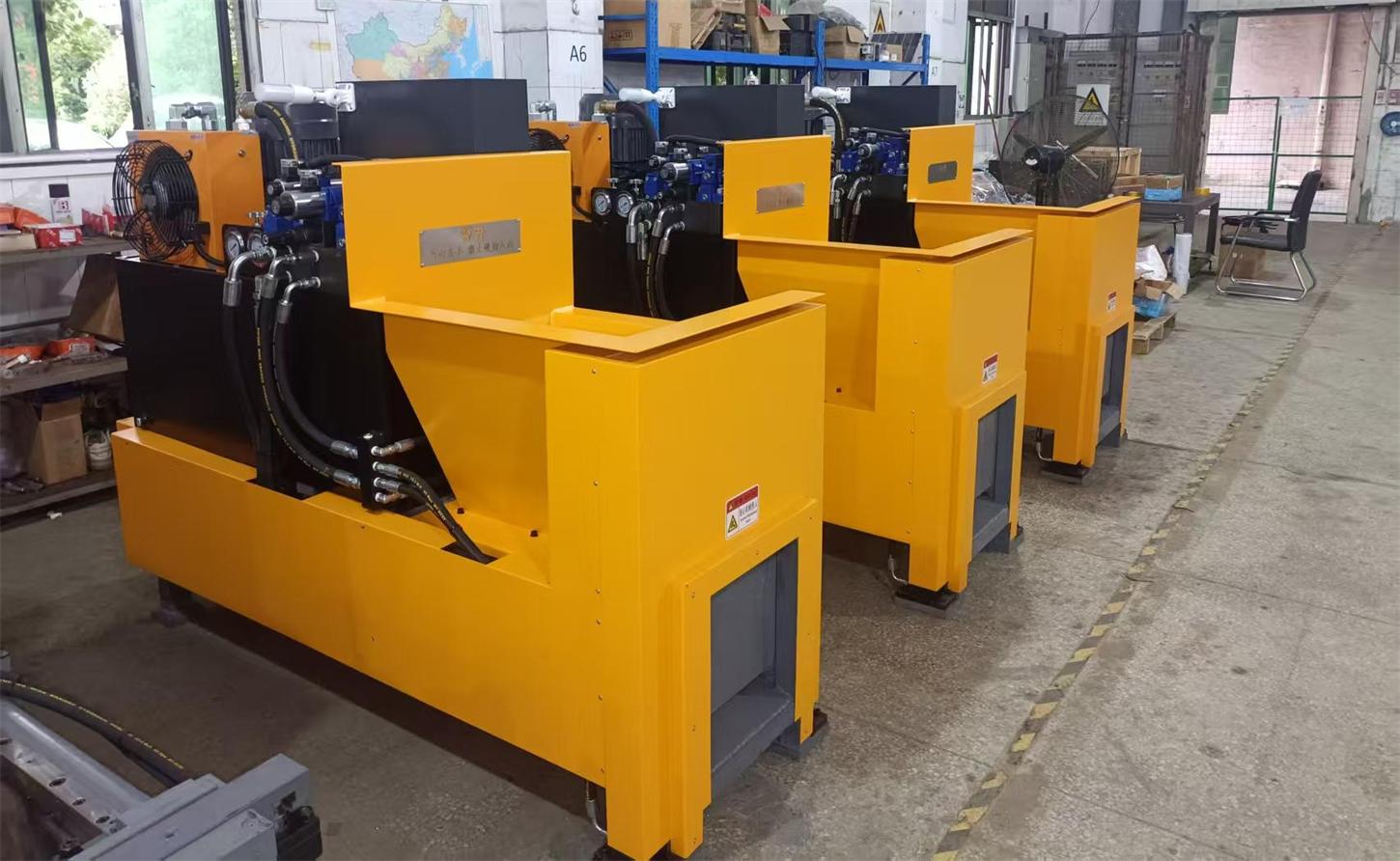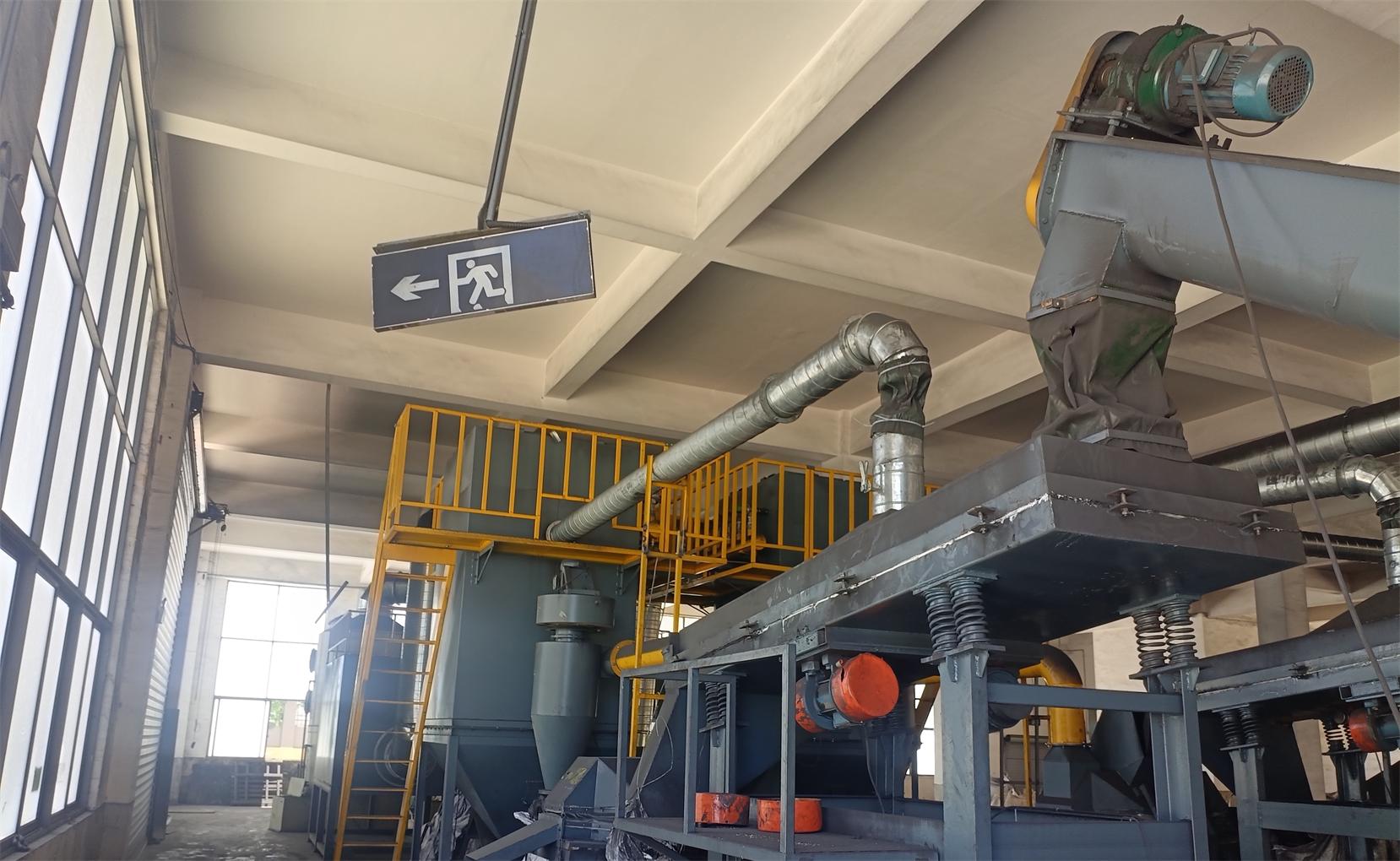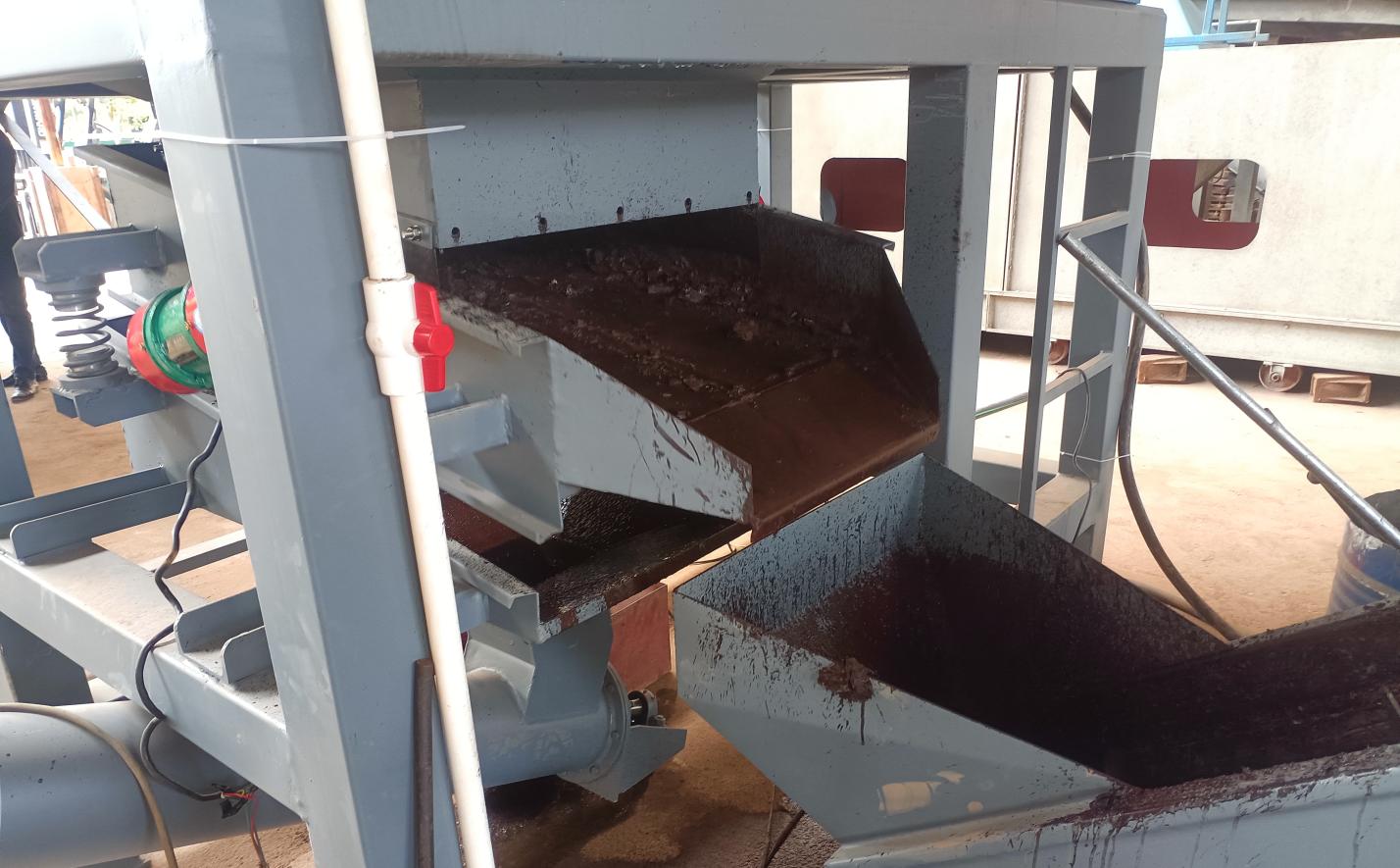
The global surge in electronic waste has created both an environmental challenge and a significant business opportunity. With over 50 million tons of e-waste generated annually, recycling companies that invest in the right technology are positioned to turn discarded materials into profitable resources while supporting sustainability goals.
The Growing Business Case for E-Waste Recycling
Electronic waste contains valuable materials including copper, aluminum, lead, lithium, and precious metals. Rather than allowing these resources to end up in landfills, modern recycling facilities are extracting and reintroducing them into the supply chain. This approach reduces mining demand, lowers environmental impact, and creates steady revenue streams for recycling operations.
Success in this industry depends heavily on selecting equipment that matches your material stream, capacity requirements, and output quality goals. The right machinery can mean the difference between marginal returns and a thriving recycling business.
Cable Recycling: Turning Copper Waste into Revenue
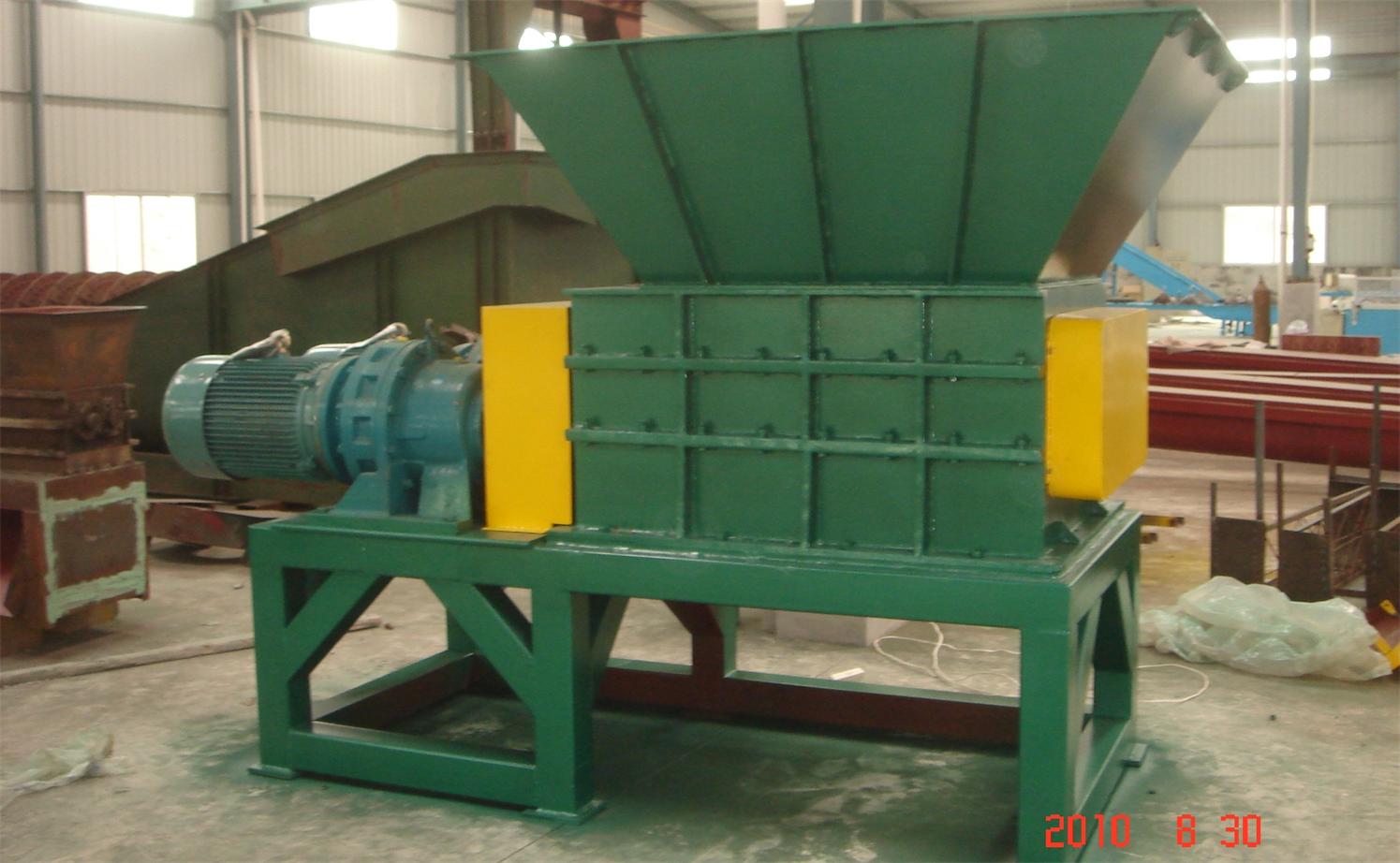
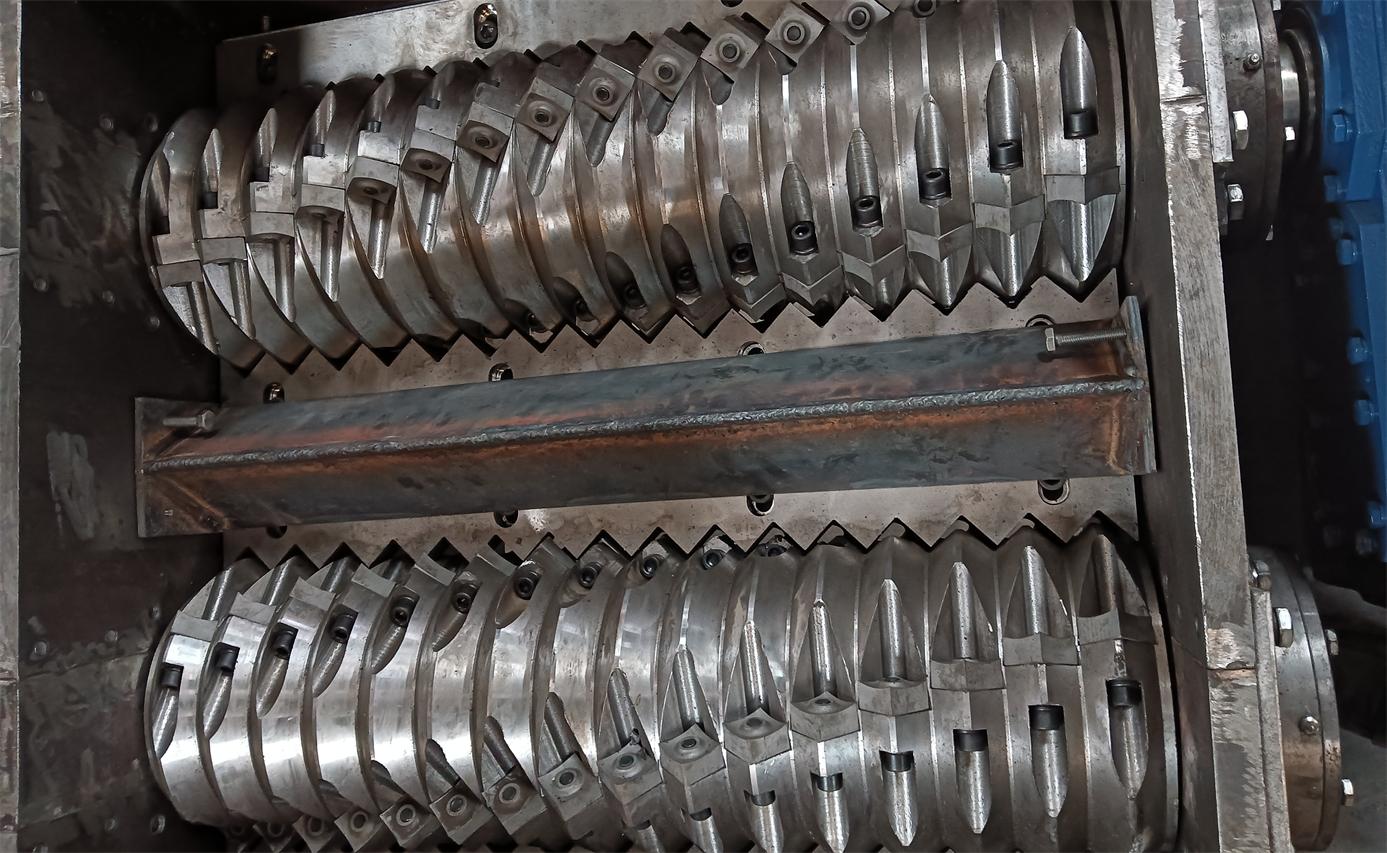
Scrap cables and wires represent one of the most accessible entry points into the recycling industry. Copper maintains strong market value, and the separation technology required has become increasingly efficient. Modern cable recycling equipment uses advanced granulation and air separation systems to recover copper and aluminum from plastic insulation with minimal material loss.
When evaluating cable recycling systems, consider processing capacity, separation purity, and the range of cable diameters the equipment can handle. The best systems offer dry separation methods that eliminate water consumption while delivering copper purity levels exceeding 95 percent.
Battery Recycling: Unlocking Value from Spent Power Sources
Used lead acid batteries and lithium-ion batteries require specialized handling due to their chemical composition and environmental risks. However, they also contain high concentrations of recoverable materials. Properly designed lead acid battery recycling equipment can break down batteries safely, separating lead paste, lead grids, plastic casings, and acid for individual recovery and resale.
For lithium-ion batteries, which power everything from electric vehicles to consumer electronics, recycling technology must address the complexity of electrode materials, electrolytes, and separator films. Advanced systems now recover black mass containing nickel, cobalt, and graphite, along with copper and aluminum fractions, making lithium battery recycling increasingly economically viable.
PCB Recycling: Recovering Precious Metals from Circuit Boards
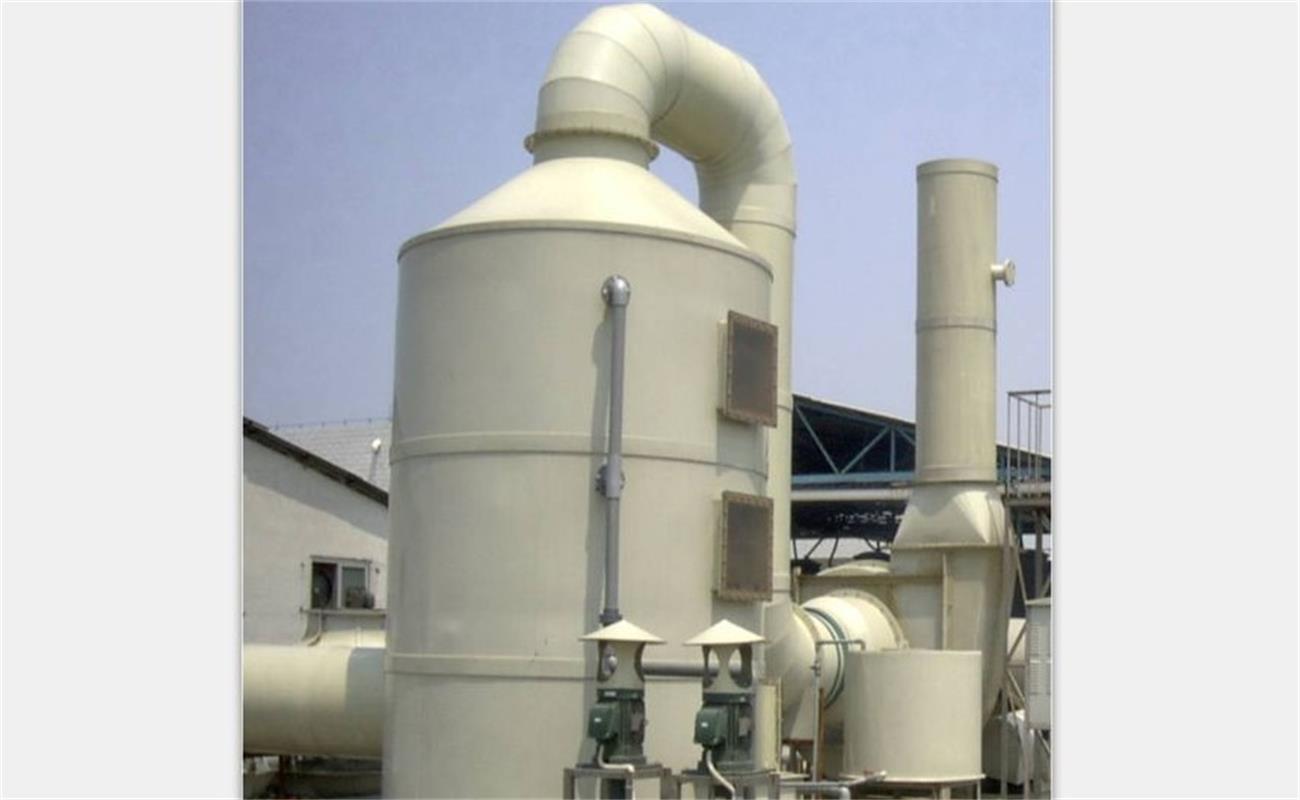
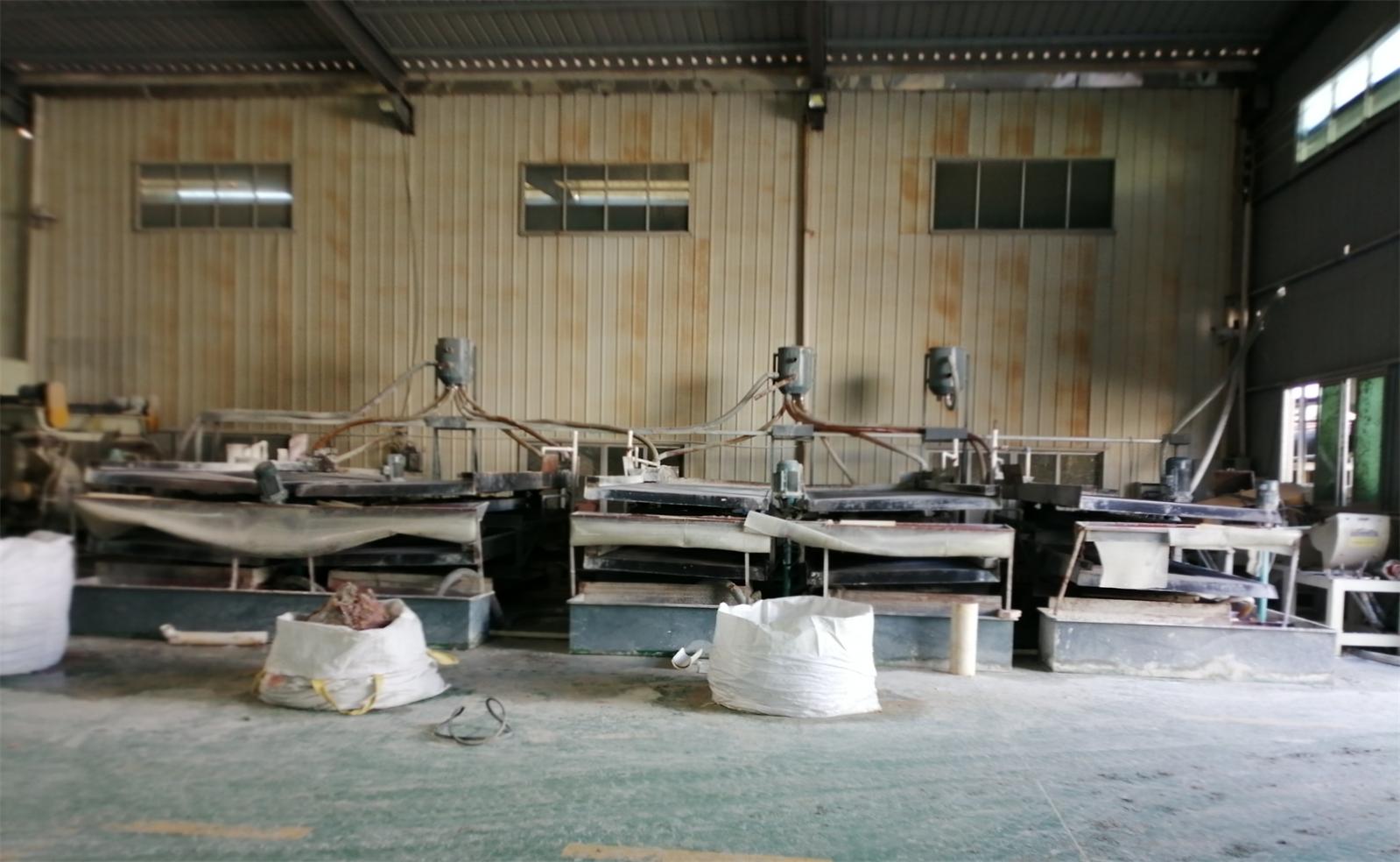
Printed circuit boards contain some of the highest concentrations of valuable metals found in e-waste, including copper, gold, silver, and palladium. Specialized circuit board recycling equipment employs mechanical crushing followed by wet or dry separation techniques to isolate metal powders from non-metallic components.
The choice between wet and dry separation methods depends on your local environmental regulations, water availability, and target output specifications. Wet separation systems typically achieve higher metal recovery rates, while dry systems offer lower operating costs and simpler facility requirements.
What to Look for in a Recycling Equipment Partner
Selecting a supplier involves more than comparing equipment specifications. Consider these factors when making your decision:
Technical Depth: Look for manufacturers whose engineering teams combine advanced degrees in mechanical engineering with hands-on experience in e-waste processing. This blend of academic knowledge and practical expertise proves essential when solving complex separation and recovery challenges.
Customization Capability: No two recycling operations are identical. The ability to tailor equipment capacity, configuration, and auxiliary systems to your specific needs ensures optimal performance. Suppliers offering turnkey engineering, procurement, and construction services can save significant coordination time.
End-to-End Project Support: Comprehensive support including customized design, equipment manufacturing, installation, commissioning, and operator training reduces downtime and accelerates your path to profitability. Some experienced suppliers also assist with sourcing waste materials and finding buyers for recovered outputs.
Global Track Record: Manufacturers with installations across diverse regions demonstrate adaptability to different regulatory environments, material characteristics, and operational conditions. A customer base spanning twenty or more countries indicates proven reliability in varied settings.
Why Proven Experience Matters
Companies that have spent nearly two decades in the recycling equipment industry have accumulated practical knowledge that newer entrants simply cannot replicate. They have refined their designs through real-world feedback across multiple continents, adapted to changing material compositions, and developed troubleshooting expertise that benefits every customer.
Established manufacturers understand the full recycling ecosystem, often providing guidance beyond equipment supply. This includes advice on material sourcing, plant layout optimization, and connecting customers with buyers for recovered materials such as copper rice, lead ingots, and lithium concentrate. Their strategic understanding of building recycling businesses from initial concept through operational development adds significant value for new market entrants.
Taking the Next Step
Whether you are entering the recycling industry or upgrading existing operations, investing in quality equipment from an experienced manufacturer lays the foundation for long-term success. The combination of advanced technology, professional support, and proven reliability helps transform waste streams into consistent revenue while contributing to global sustainability efforts.
Begin by assessing your target materials, desired processing capacity, and available facility space. Then consult with equipment specialists who can translate your requirements into a tailored recycling solution that meets both your operational goals and your budget.