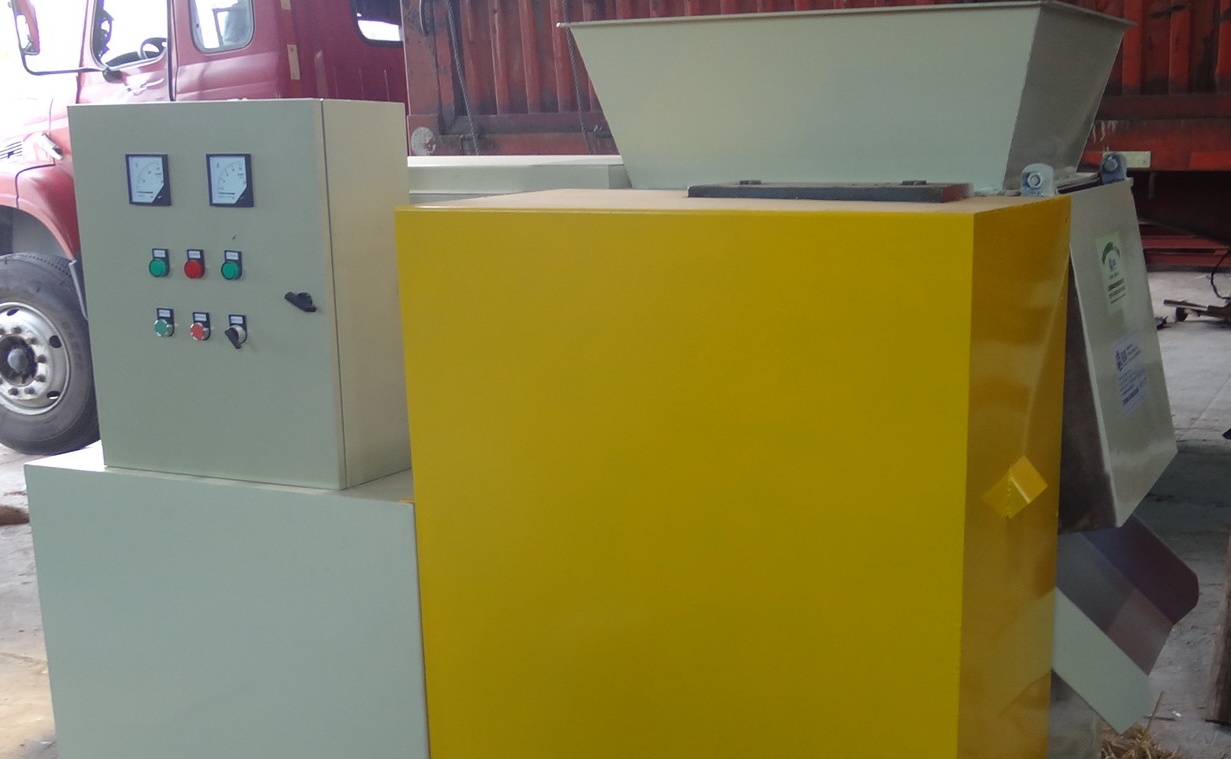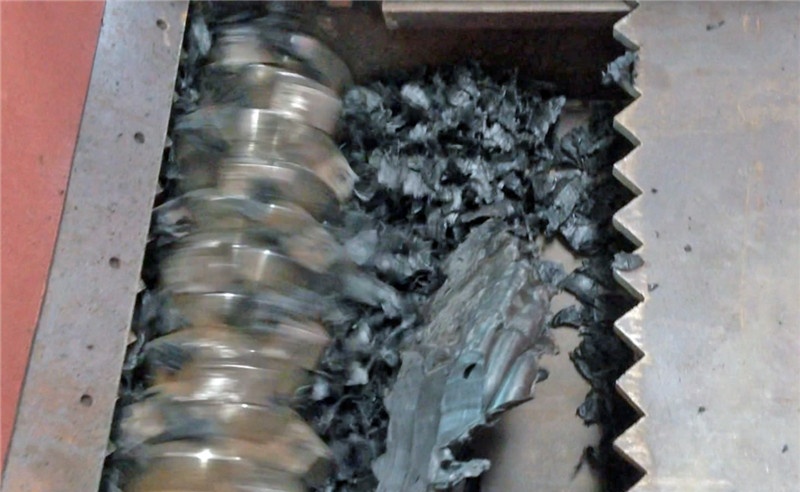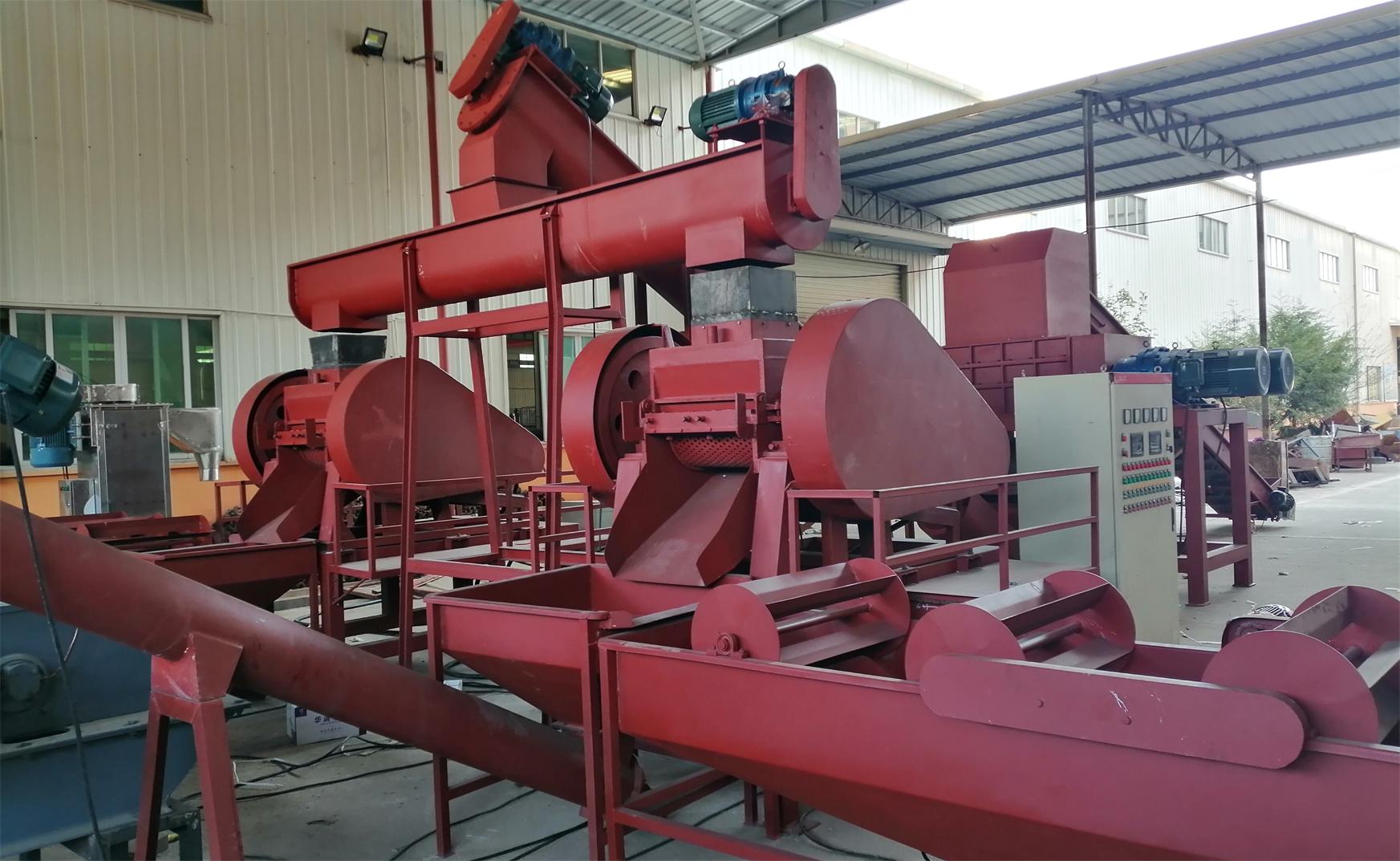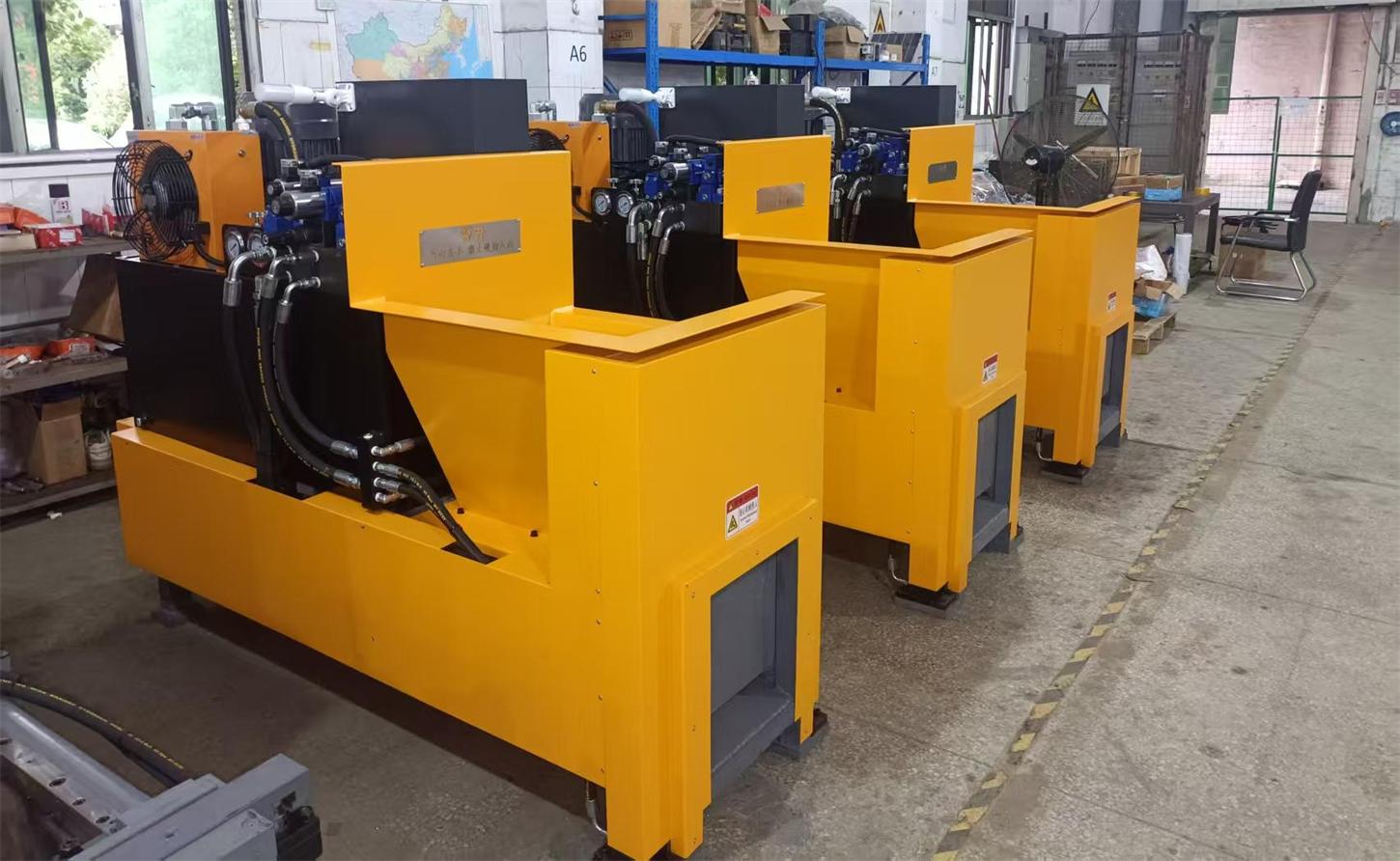
Two entrepreneurs in Lagos receive the same warehouse lease offer on the same Monday morning. Both see the same mountain of discarded batteries, cable reels, and old circuit boards piling up at the nearby industrial zone. One rents manual tools and hires a dozen workers to strip copper by hand. The other flies to Jiangxi Province to visit a machinery plant that has been building recycling lines since 2007. Three years later, the first operator is still fighting inconsistent output, workplace injuries, and environmental complaints. The second has shipped copper powder to a Korean smelter, sold lead ingots to a battery manufacturer in Mexico, and is preparing a second plant in Tunisia.
The difference was not ambition. It was equipment.
Why E-Waste Recycling Is Now a Structural Opportunity
Every smartphone, refrigerator, and electric vehicle contains metals that do not lose their properties after use. Copper remains conductive. Lead still stores energy. Gold keeps its corrosion resistance. The challenge is not scarcity of material; it is scarcity of efficient ways to liberate that material from plastic, glass, and composite housings.
Regulatory pressure is tightening across continents. Extended producer responsibility laws now require manufacturers to account for the end-of-life cost of their products. Landfill bans on batteries and electronics are expanding. At the same time, primary mining faces deeper deposits, higher energy costs, and stiffer social licenses. These three forces—regulation, landfill limits, and mining economics—push waste streams toward recycling plants instead of dumps.
The operators who capture this flow early will define the supply chains of the next decade. The ones who hesitate will keep paying tipping fees while their competitors sell recovered metal back to the same manufacturers.
Three Recovery Lines That Pay for Themselves Fastest
Not all recycling streams are equally profitable for new entrants. After fifteen years of installing plants in twenty-one countries, we have observed that three categories consistently deliver the shortest payback periods and the most stable margins.
Lead Acid Battery Recycling
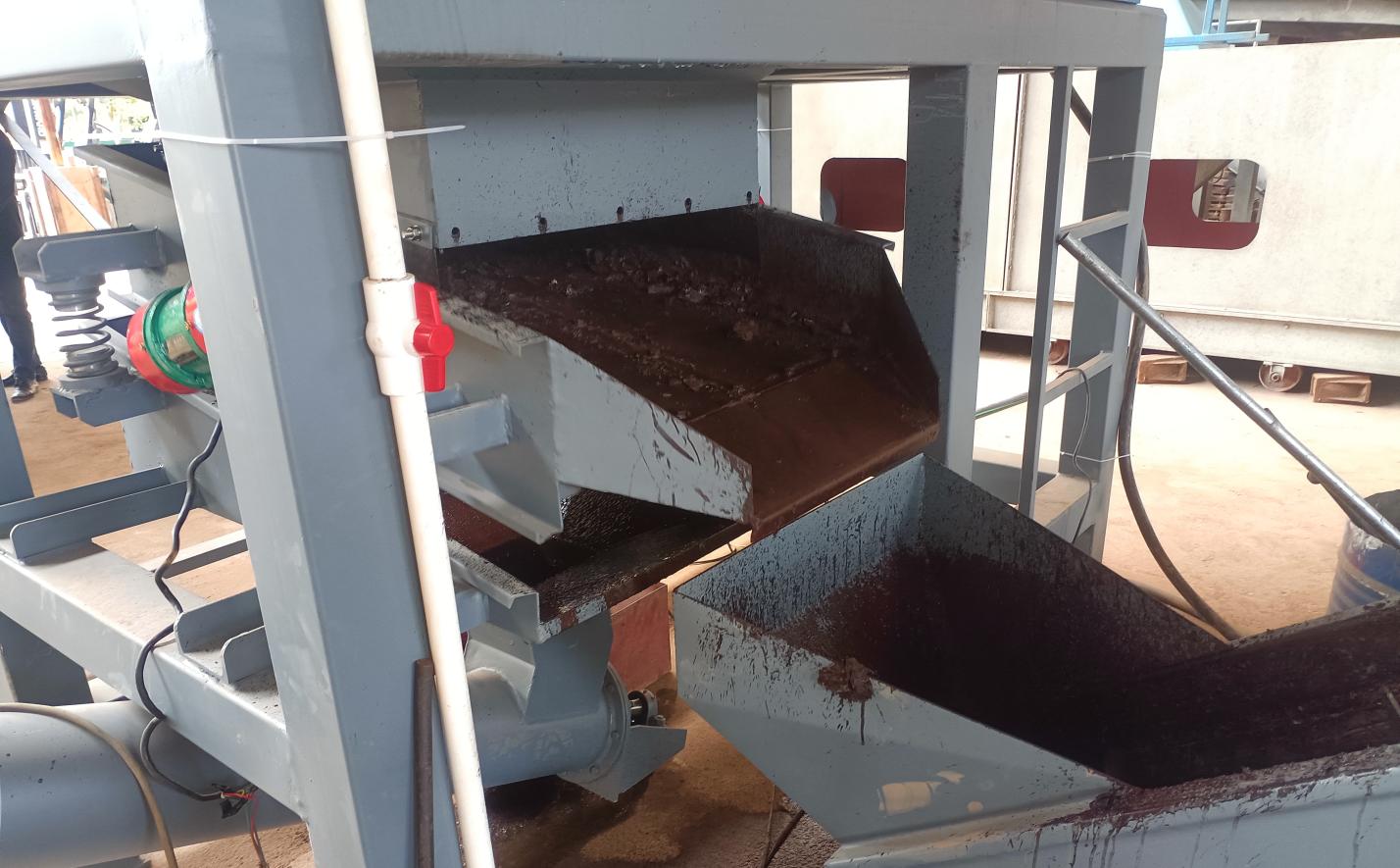
Used lead acid batteries are heavy, dense, and rich in recoverable metal. A single automotive battery contains lead grids, lead paste, sulfuric acid, and polypropylene casing. With the right lead acid battery recycling equipment, an operator can separate these four fractions in one continuous line, then feed the lead paste into a rotary furnace or blast furnace to produce crude metallic lead. The lead recovery rate in modern systems exceeds 95 percent, and the refined lead can return to battery manufacturers at prices tied to the London Metal Exchange. The plastic fraction sells to injection molders. Even the acid can be neutralized and reused. Nothing leaves the plant as waste.
Cable and Wire Recycling
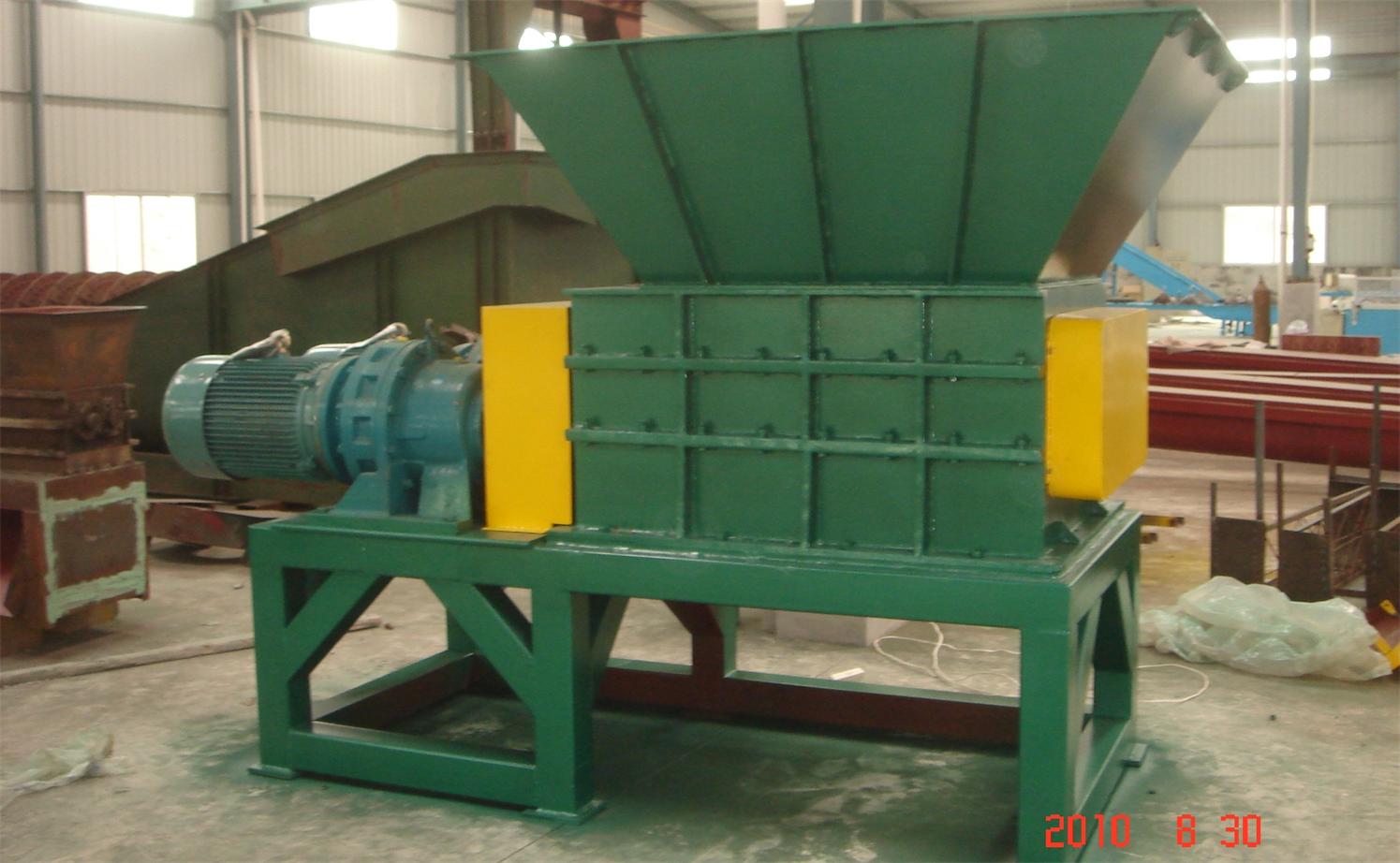
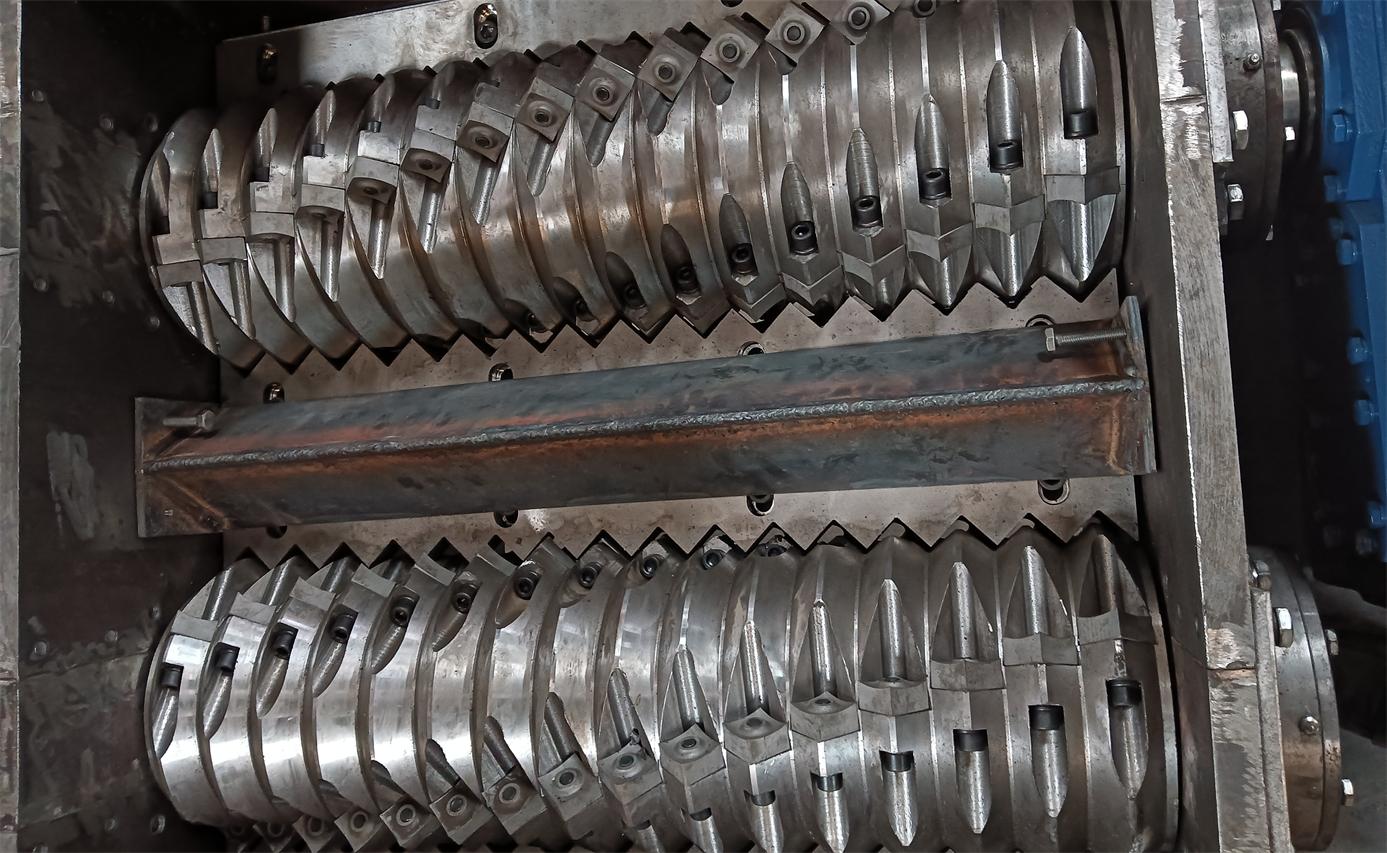
Scrap cable is everywhere: demolition sites, telecom upgrades, power grid maintenance, and automotive dismantling. The economics are simple. Copper trades at a premium, and the plastic insulation has secondary market value as regrind or fuel. A cable recycling equipment line—typically a combination of pre-chopper, granulator, and air or water separator—turns mixed cable scrap into clean copper granules and separated plastic within minutes. Dry separation systems avoid water treatment costs. Wet separation systems achieve higher purity. The choice depends on local electricity prices, water availability, and the required purity of the copper output. Either way, a one-ton-per-hour plant can process the cable volume of a midsize city.
Printed Circuit Board Recovery
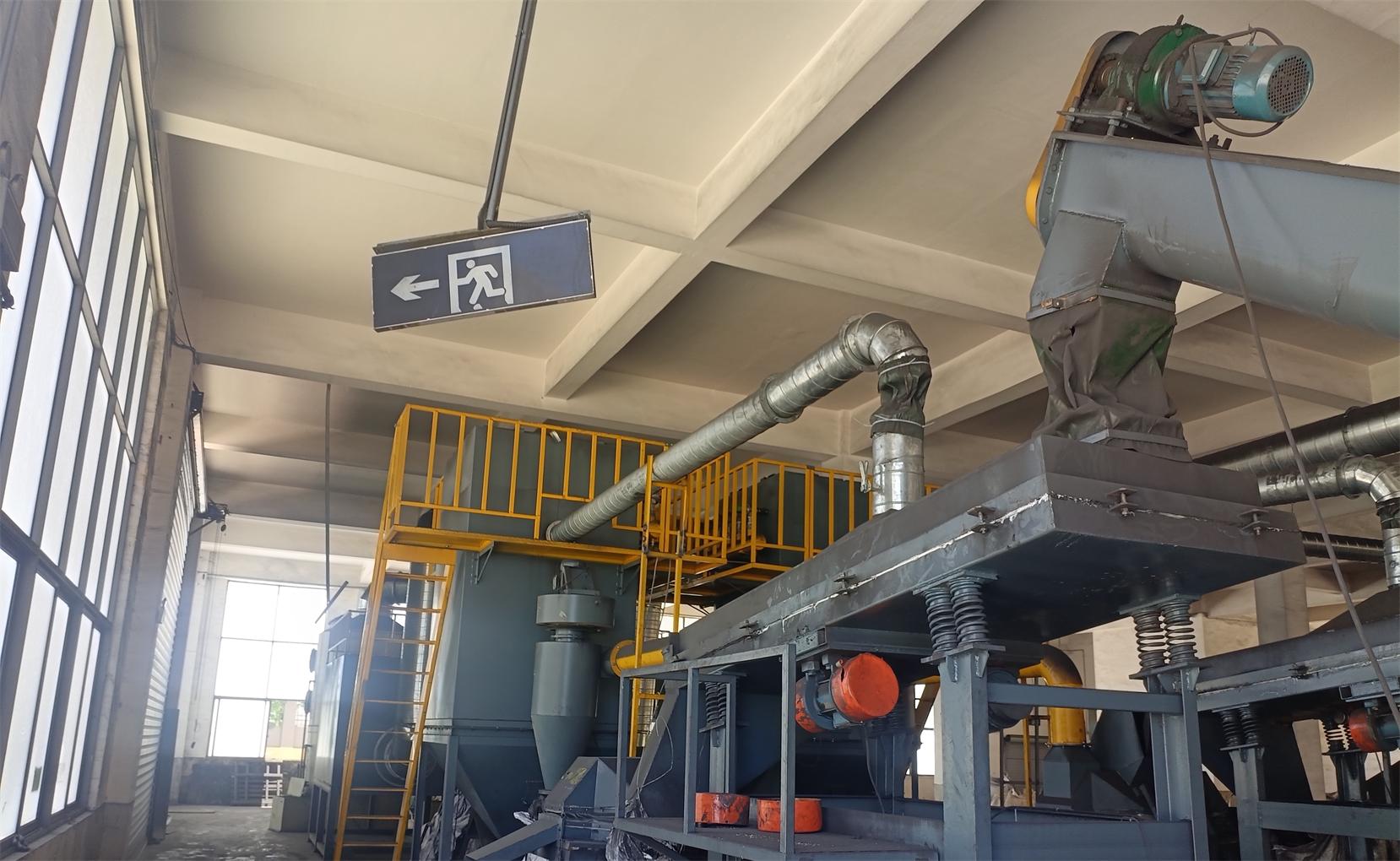
Circuit boards are the most complex feedstock, but also the most valuable per kilogram. They contain copper, solder, gold, silver, and palladium in concentrations that rival high-grade ore. Circuit board recycling equipment uses mechanical crushing, air classification, and electrostatic separation to recover a copper powder fraction with 96 to 98 percent purity, plus a precious-metal-rich concentrate that can be sent to integrated smelters or hydrometallurgical refiners. Because no chemicals are used in the mechanical stage, permitting is faster and operating costs are lower than full refining plants.
What Separates a Profitable Plant from a Struggling One
Buying recycling machinery is not like buying a standard excavator or truck. Every feedstock is different. Battery paste from tropical climates carries more moisture than paste from arid regions. Cable insulation formulations vary by country and vintage. Circuit boards from consumer electronics have different component densities than boards from industrial controllers. Off-the-shelf machines often fail because they were designed for an idealized material that does not exist in your local market.
The operators who succeed follow a different path. They choose suppliers who ask about feedstock composition before quoting a price. They insist on pilot testing with their actual material. They demand process flow diagrams that include not just the main machine, but the dust collection, effluent treatment, and air pollution control systems required for environmental compliance. They treat the plant as an integrated system, not a collection of individual machines.
Here is what that integrated approach looks like in practice:
- Pre-treatment matched to feedstock. Batteries need cutting and acid drainage before crushing. Cable needs length reduction and sometimes jelly removal. Boards need component removal or direct shredding depending on the metal content.
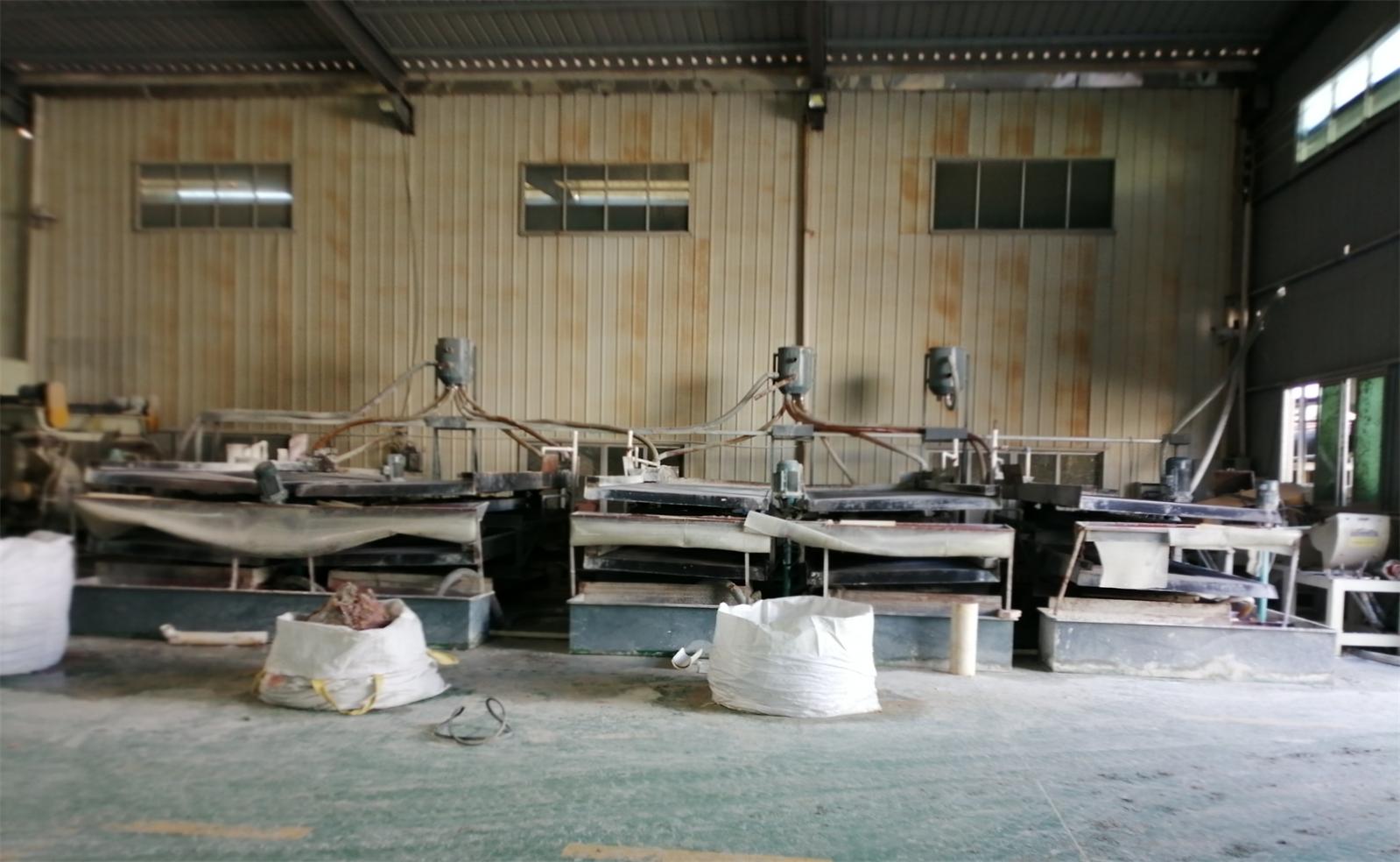
- Separation technology chosen for product specs. Air separation is dry and cheap. Wet separation achieves higher purity. Electrostatic separation handles fine fractions. The right combination depends on what your buyer requires.
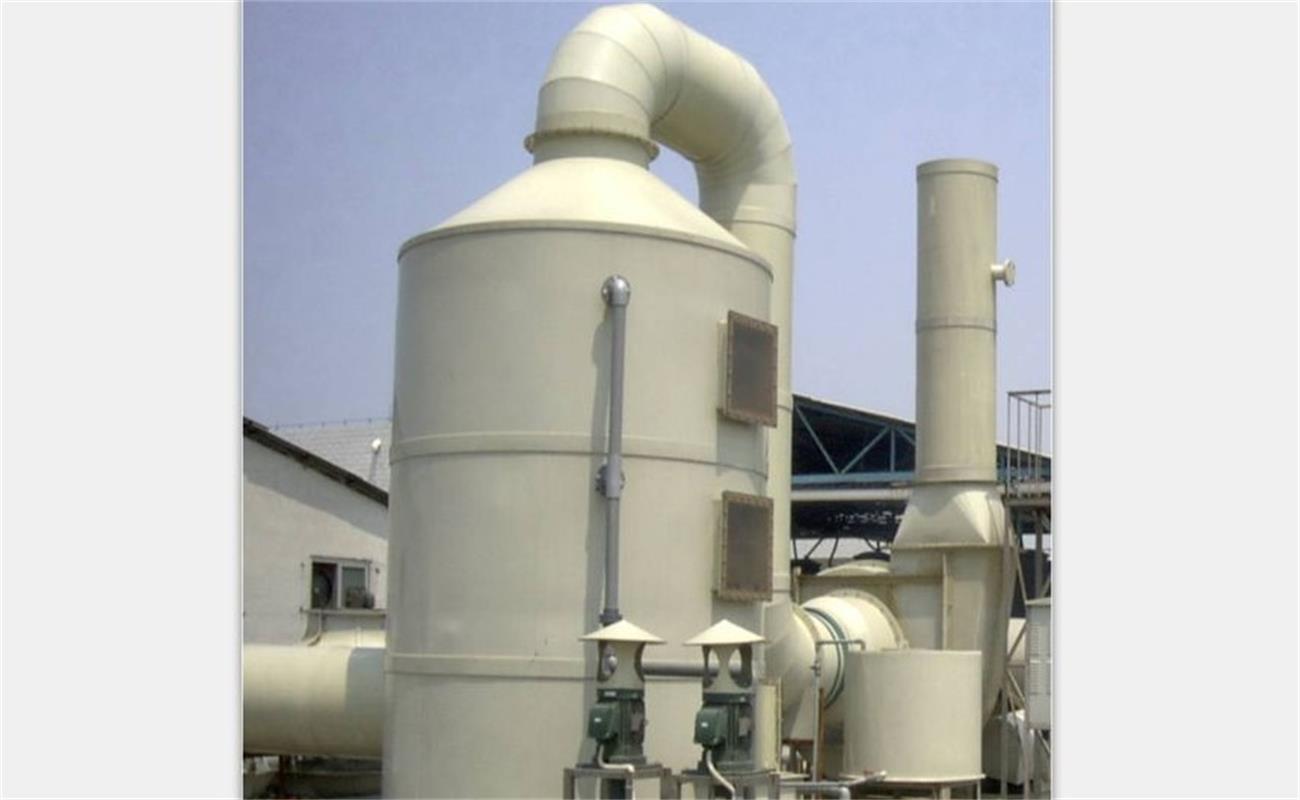
- Pollution control designed into the layout. Lead smelting generates SO2. Battery crushing releases acid mist. Lithium battery shredding risks thermal runaway. Each hazard requires specific capture and treatment equipment, not an afterthought exhaust fan.
- Downstream support beyond the machine. The best suppliers help you source feedstock, connect with metal buyers, and even find investors for plant expansion.
The Advantage of Working with an EPC-Experienced Team
San Lan Technologies was founded in 2007 in Ganzhou, Jiangxi Province, China. Over the past eighteen years, the company has evolved from a single-machine workshop into a full-service engineering, procurement, and construction partner for recycling plants. The technical team includes mechanical engineers with master degrees and more than fifteen years of field experience in e-waste recycling machinery.
This depth matters when a project moves from paper to concrete. A customer in Colombia needed a lead acid battery recycling plant adapted to tropical humidity. The team redesigned the paste filtration stage. A customer in Saudi Arabia required a cable granulator that could handle armored mining cable with steel reinforcement. The pre-chopper specification was changed from standard to heavy-duty. A customer in Kenya had limited grid power. The circuit board line was rebalanced to run key equipment in sequence rather than simultaneously.
These are not custom options from a catalog. They are engineering responses to real conditions, made possible by a team that has installed equipment in Singapore, Vietnam, Mexico, Argentina, South Africa, India, Israel, Zambia, and fourteen other countries.
Beyond Equipment: What a Real Partnership Includes
Machinery is only the beginning. Many new plant operators fail not because their equipment is poor, but because they cannot secure consistent feedstock or find reliable buyers for their recovered metal. San Lan addresses this gap with services that extend well past the commissioning ceremony.
The company helps customers identify and purchase waste material—cable scrap, PCB scrap, used lead acid batteries—directly from generators. It introduces operators to end buyers of copper rice, lead ingots, and aluminum fractions. For customers who want to expand but lack capital, San Lan can connect them with investors interested in recycling plant construction. And for entrepreneurs who are entering the sector for the first time, the team provides training on operation, maintenance, and regulatory compliance.
This is the difference between a vendor and a partner. A vendor ships a machine and moves on. A partner stays until the plant is profitable.
How to Start Your Plant Project
The most successful projects we have seen follow a clear sequence. First, define your feedstock. Collect samples of the actual material you plan to process, note the volumes available per month, and document any local handling restrictions. Second, define your products. Decide whether you will sell mixed fractions or refined metal, and identify potential buyers before you order equipment. Third, define your constraints. Measure your power supply, water access, workshop dimensions, and environmental permits. Fourth, contact an equipment supplier with this information and request a process flow designed for your specific conditions.
A supplier who gives you a price before asking these questions is selling inventory, not solving your problem. A supplier who asks about your feedstock, your market, and your infrastructure first is building a plant that will still be running a decade from now.
Ready to turn scrap into a revenue stream?
San Lan Technologies designs, builds, and commissions recycling plants for lead acid batteries, lithium batteries, cables, circuit boards, refrigerators, motors, and more. With eighteen years of experience and installations in over twenty-one countries, we provide not just machines, but complete project execution from raw material sourcing to metal sales support.
Contact us at info@san-lan.com or via WhatsApp at +86 139 2377 4083 to discuss your feedstock, your targets, and the equipment configuration that fits your market.