From Scrap to Profit: How Modern Recycling Equipment Turns Waste into Valuable Resources
Every year, millions of tons of electronic waste pile up in landfills worldwide. Yet hidden within those discarded batteries, cables, and circuit boards lies a treasure trove of recoverable materials—copper, aluminum, lead, lithium, and precious metals. The challenge? Extracting these valuable resources efficiently, safely, and profitably. That is exactly where professional recycling equipment makes the difference between waste and wealth.
The Growing Demand for Professional Recycling Solutions
The surge in electric vehicles, consumer electronics, and renewable energy storage has created an unprecedented demand for raw materials. At the same time, stricter environmental regulations and rising awareness of sustainable practices are pushing businesses to find responsible ways to handle end-of-life products. Simply dumping e-waste is no longer an option—economically or environmentally.
For entrepreneurs and established companies alike, this shift represents a massive opportunity. Setting up a recycling plant with the right machinery allows you to transform waste streams into revenue streams while contributing to a circular economy. But success depends heavily on choosing equipment that matches your material input, capacity requirements, and output goals.
Key Recycling Technologies You Should Know
Lead Acid Battery Recycling Equipment
Used lead acid batteries remain one of the most recycled products globally, and for good reason. Over 95% of the materials in a typical battery can be recovered and reused. However, the process requires specialized machinery to break down batteries safely, separate lead paste from plastic casings, and extract sulfuric acid without causing environmental harm.
Modern lead acid battery recycling equipment handles the entire workflow—from cutting and breaking to separation and smelting. Advanced systems can process 1 to 10 metric tons per hour, recovering lead grid, lead paste, plastic shells, and even treating acidic wastewater to meet environmental standards. Features like rotary furnaces for paste reduction and refinery kettles for producing 99.999% pure lead make these plants highly efficient investments.
Lithium Battery Recycling Plant
With the explosion of electric vehicles and portable electronics, spent lithium-ion batteries have become one of the fastest-growing waste categories. Unlike lead acid batteries, lithium batteries require careful discharging and crushing to prevent thermal runaway and fire hazards.
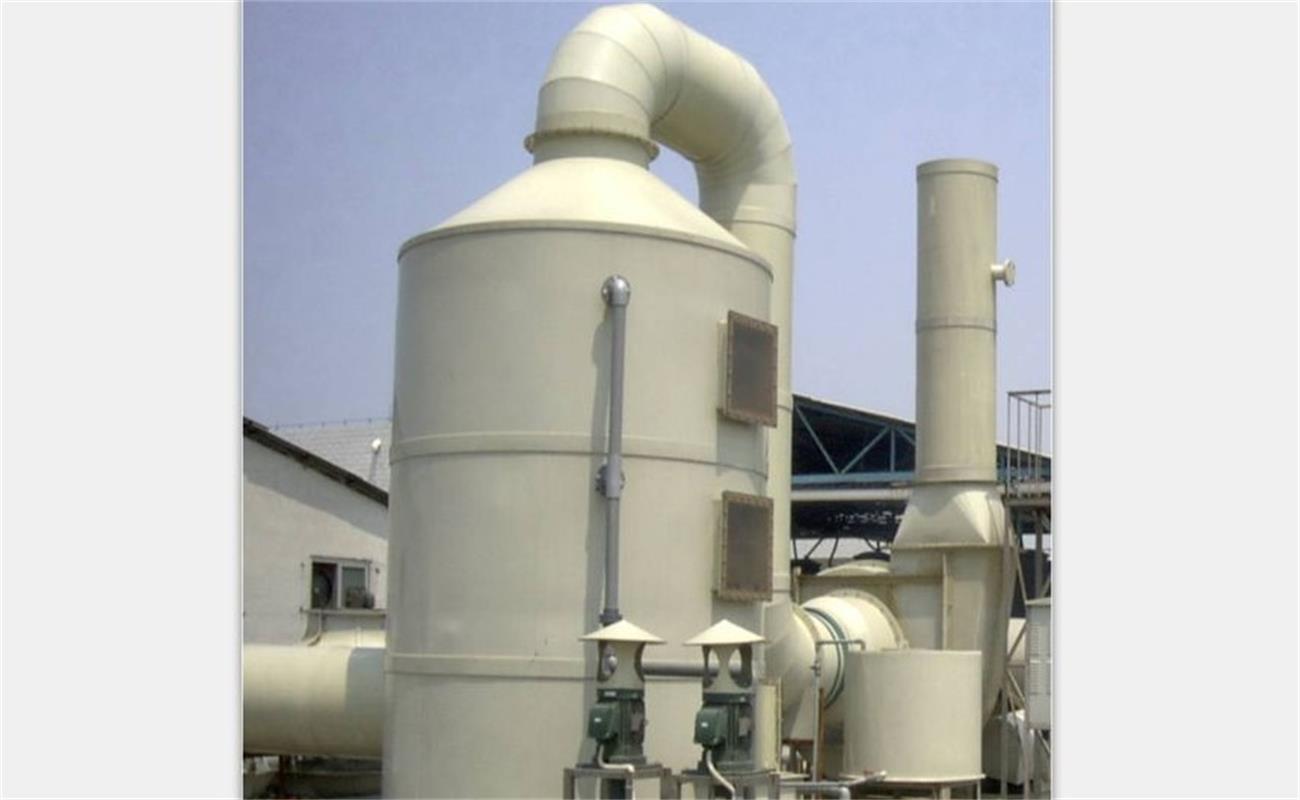
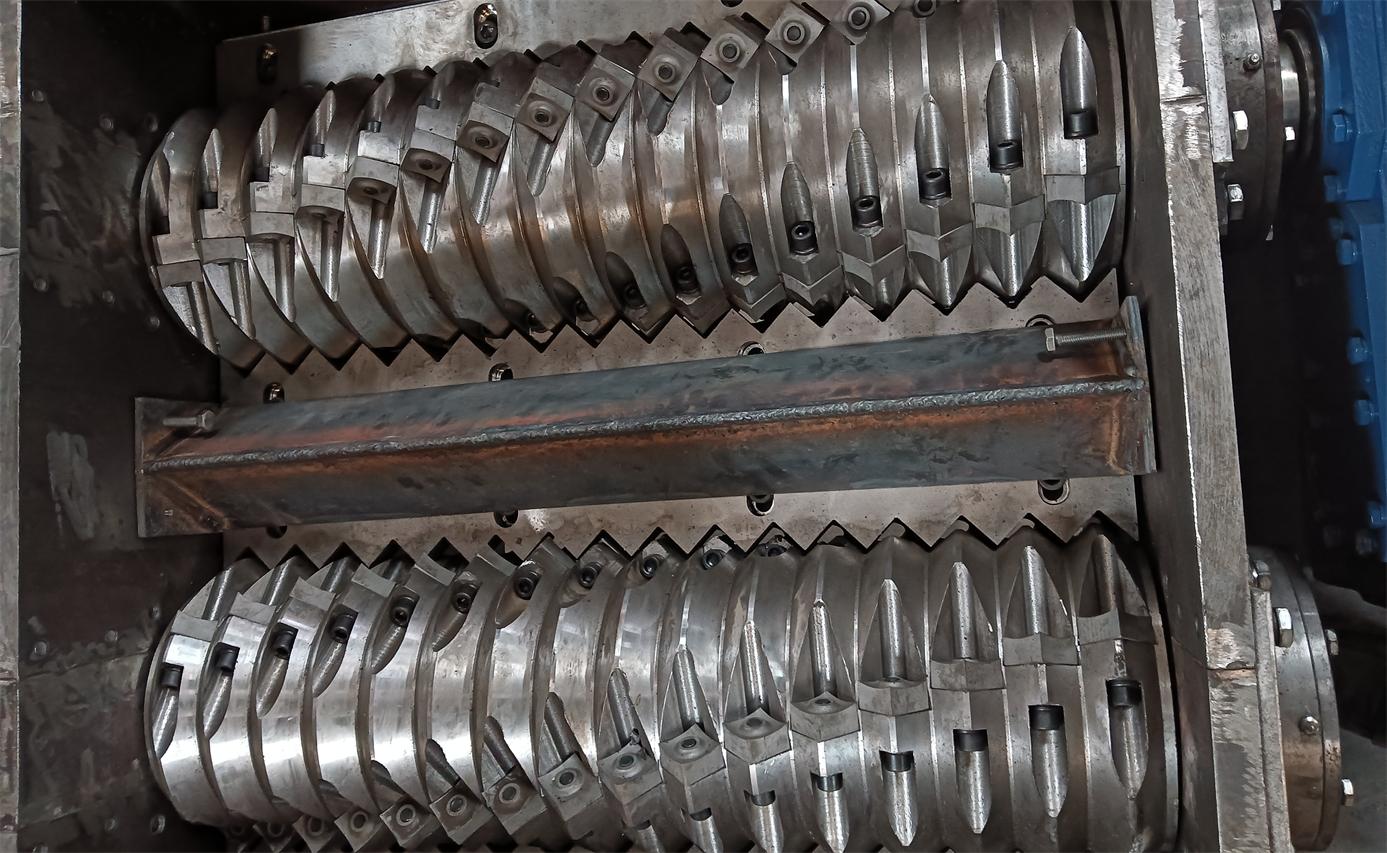
A complete lithium battery recycling plant typically includes pre-crushing, secondary granulation, magnetic separation, and air pollution control systems. These facilities recover black mass containing nickel, cobalt, and graphite, along with separated copper, aluminum, and plastic film. Capacities range from 500 to 2,500 kg per hour, depending on configuration. The key is finding a system designed with safety-first engineering and proper gas treatment to handle the volatile electrolytes found in these batteries.
Cable Recycling Machine
Scrap cable and wire represent some of the most accessible recycling opportunities. Whether dealing with household wiring, industrial power cables, or telecommunications lines, the goal is simple: separate valuable copper or aluminum from plastic insulation.
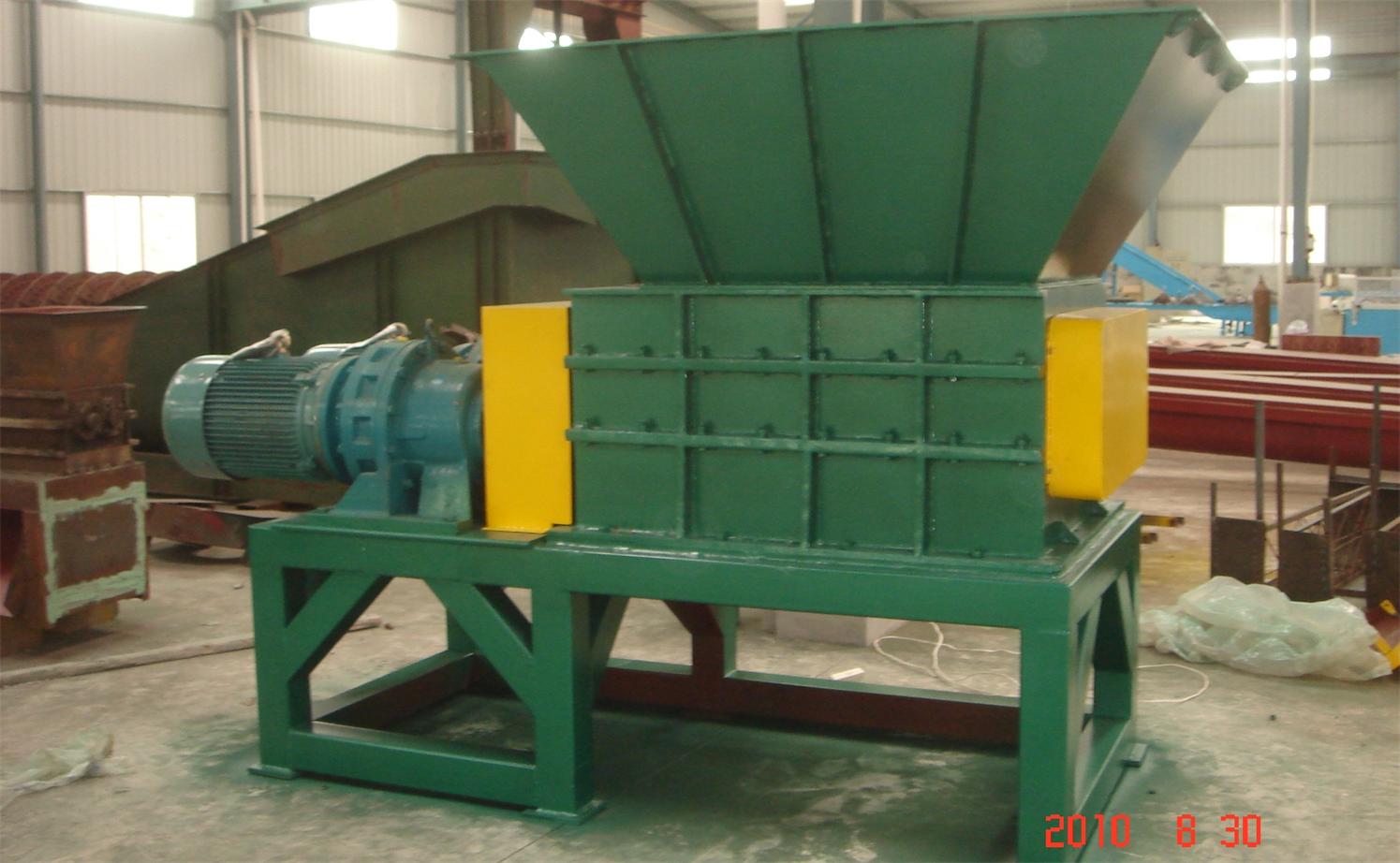
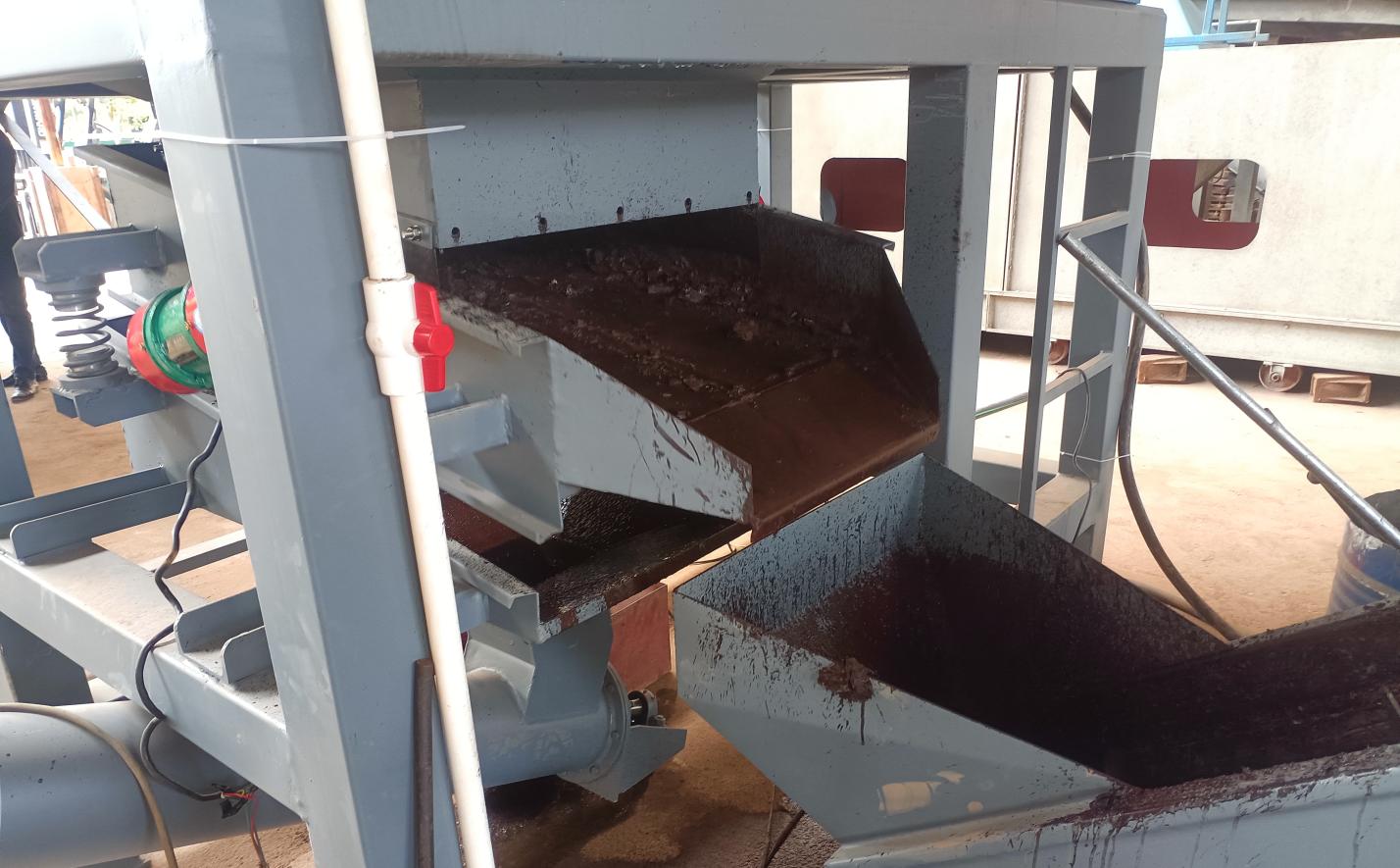
A quality cable recycling machine uses a combination of crushing, air separation, and sometimes water separation to achieve purity levels of 96% to 98% for copper powder. Dry separation systems are particularly popular because they avoid wastewater treatment concerns entirely. For thicker armored cables, pre-stripping machines can boost overall efficiency by preparing material before it enters the granulator. Output capacities vary widely—from compact units processing 100 kg per hour to industrial systems handling over 1,200 kg per hour.
Circuit Board Recycling Equipment
Printed circuit boards contain some of the highest concentrations of precious metals found in e-waste, including gold, silver, and palladium. They also contain significant amounts of copper and other base metals. Recovering these materials profitably requires specialized circuit board recycling equipment.
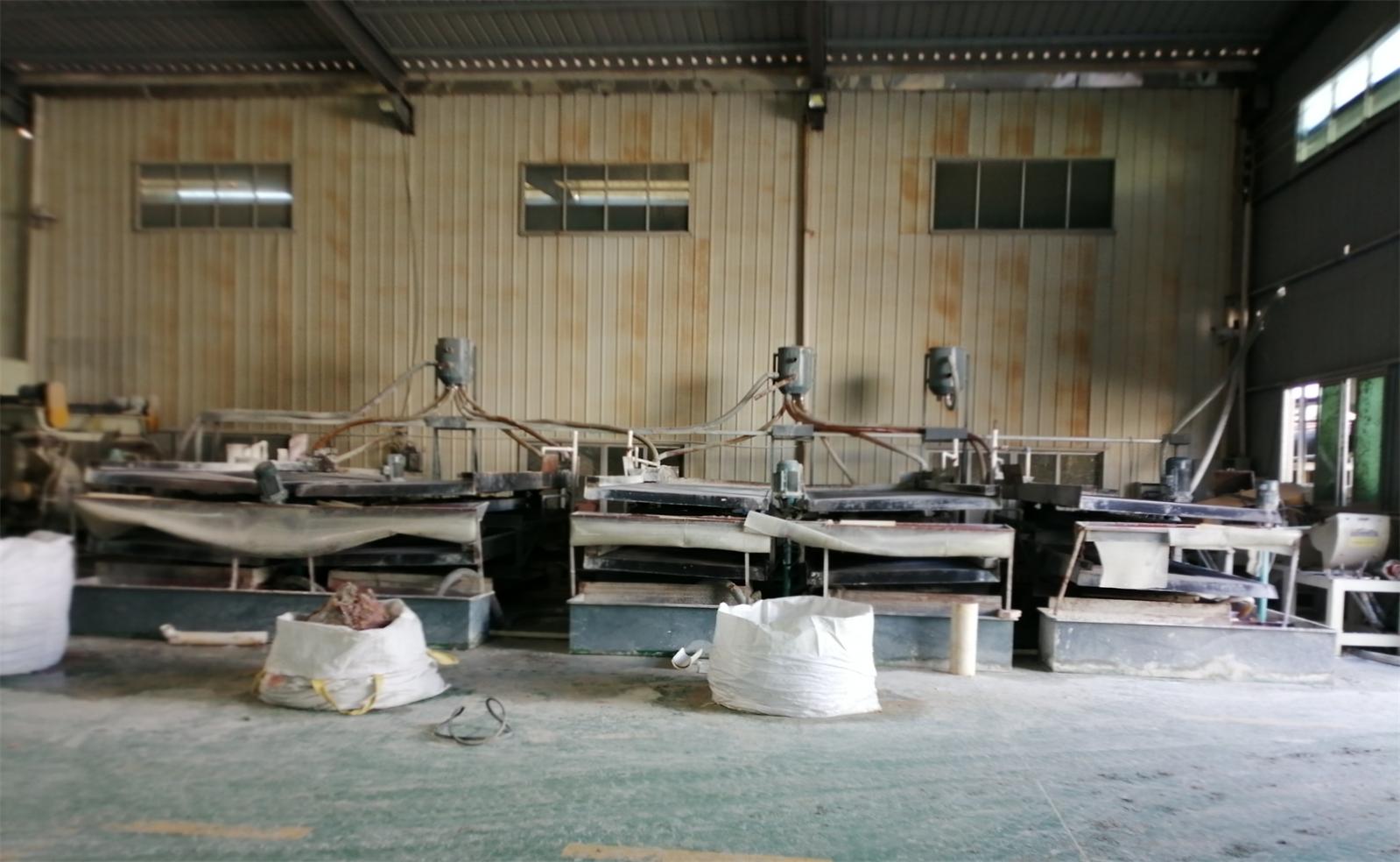
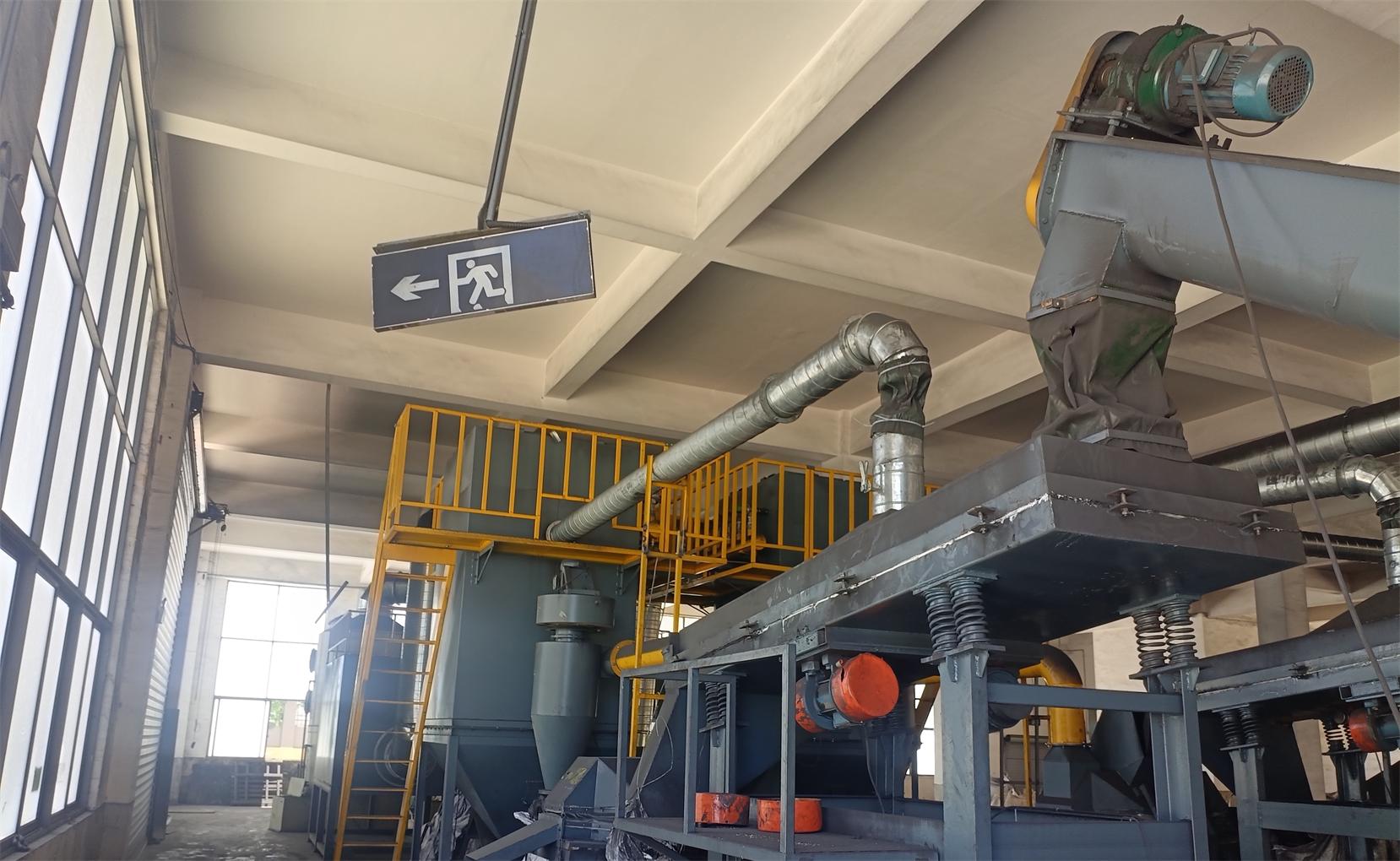
Modern PCB recycling plants use either dry or wet separation methods. Dry systems employ air separators, electrostatic separators, and pulse dust collectors to recover metal powder without water consumption. Wet systems use water-based metal separation for even higher recovery rates, particularly when processing boards with electronic components still attached. Depending on the model, these plants can process anywhere from 300 kg to 2,000 kg per hour while maintaining recovery rates around 95%.
What Sets Apart a Reliable Equipment Supplier
Purchasing recycling machinery is a significant capital investment, and the difference between a smooth operation and a costly headache often comes down to the supplier you choose. Here are critical factors to evaluate:
Critical Factors for Choosing a Supplier
- Technical expertise and experience. Look for manufacturers with deep domain knowledge in mechanical engineering and years of hands-on experience in e-waste recycling.
- Turnkey capabilities. The best suppliers offer complete engineering, procurement, and construction (EPC) services including customized plant design and commissioning.
- Proven international track record. A supplier serving customers across diverse markets demonstrates adaptability to different regulatory environments.
- After-sales support. Reliable technical support, spare parts availability, and troubleshooting assistance are essential for minimizing downtime.
- Integrated value-added services. Some suppliers help customers source waste materials, find investors, and market recovered outputs.
San Lan Technologies: Your Partner in Recycling Success
Since 2007, San Lan Technologies Co., Ltd has been designing and manufacturing professional recycling equipment from its base in Ganzhou, Jiangxi Province, China. With customers in over 21 countries across Asia, Africa, Europe, and the Americas, the company has built a reputation for practical, reliable solutions backed by solid engineering.
San Lan's product portfolio covers virtually every major e-waste category: lead acid battery recycling plants, lithium-ion battery recycling systems, cable granulators and strippers, PCB recycling lines, CRT cutters, refrigerator and AC recycling machines, motor dismantling equipment, multi-purpose shredders, lamp recycling systems, and metal melting furnaces. The company also manufactures mining equipment including lithium ore extraction plants with processing capacities up to 5,000 metric tons per day.
What distinguishes San Lan is its team's combination of academic credentials—master's degrees in mechanical engineering—and over 15 years of practical experience in recycling plant design. The company offers fully customized solutions based on customer's specific scrap types, target capacity, available workshop space, and final product requirements. From initial material testing through machine configuration, installation, and ongoing support, San Lan's engineers work closely with clients to ensure each plant achieves its production and profitability targets.
For businesses exploring recycling opportunities, San Lan also provides strategic guidance on securing raw material supplies, attracting investment partners, and selling recovered commodities. This end-to-end perspective helps customers build sustainable operations rather than simply buying machines.
Take the Next Step
The recycling industry is not just growing—it is transforming from a niche environmental activity into a mainstream, profitable business sector. Whether you are looking to process lead acid batteries, recover copper from scrap cables, or extract value from lithium-ion cells, the right equipment and the right partner make all the difference.
If you are evaluating recycling equipment for your business, reach out to discuss your specific material, capacity, and budget requirements. A well-designed recycling plant, built with proven technology and supported by experienced engineers, can turn today's waste challenges into tomorrow's revenue streams.
Contact San Lan Technologies Co., Ltd
Email: info@san-lan.com
WhatsApp: +86 139 2377 4083
Website: www.san-lan.com