Every year, millions of tonnes of electronic waste are discarded worldwide, yet most of the valuable metals inside never get recovered. One tonne of mobile phone circuit boards contains more gold than a tonne of high-grade mined ore. The message is clear: e-waste is not trash; it is a concentrated ore stream waiting for the right recycling equipment to unlock its value.
For entrepreneurs and established recyclers alike, the difference between a marginal operation and a highly profitable plant usually comes down to three things: choosing the right feedstock, using efficient machinery, and partnering with an experienced equipment supplier who understands the full recovery chain.
Why E-Waste Recycling Is a High-Margin Business
The global e-waste management market is projected to reach $145 billion by 2030, growing at a CAGR of over 13%. Despite this growth, formal recycling channels still process only a fraction of what is generated. That gap represents both an environmental challenge and a commercial opportunity.
High-value feedstocks such as printed circuit boards (PCBs), copper cables, and used batteries contain recoverable quantities of copper, aluminum, lead, lithium, cobalt, nickel, and precious metals. With the right equipment, recovery rates can exceed 95% for base metals, and the resulting concentrates or ingots can be sold directly to smelters and refiners.
Essential Recycling Equipment for Maximum Metal Recovery
Not all recycling plants are the same. The equipment you choose should match your feedstock, target end-products, and local environmental regulations. Below are the core systems that form a complete recovery operation.
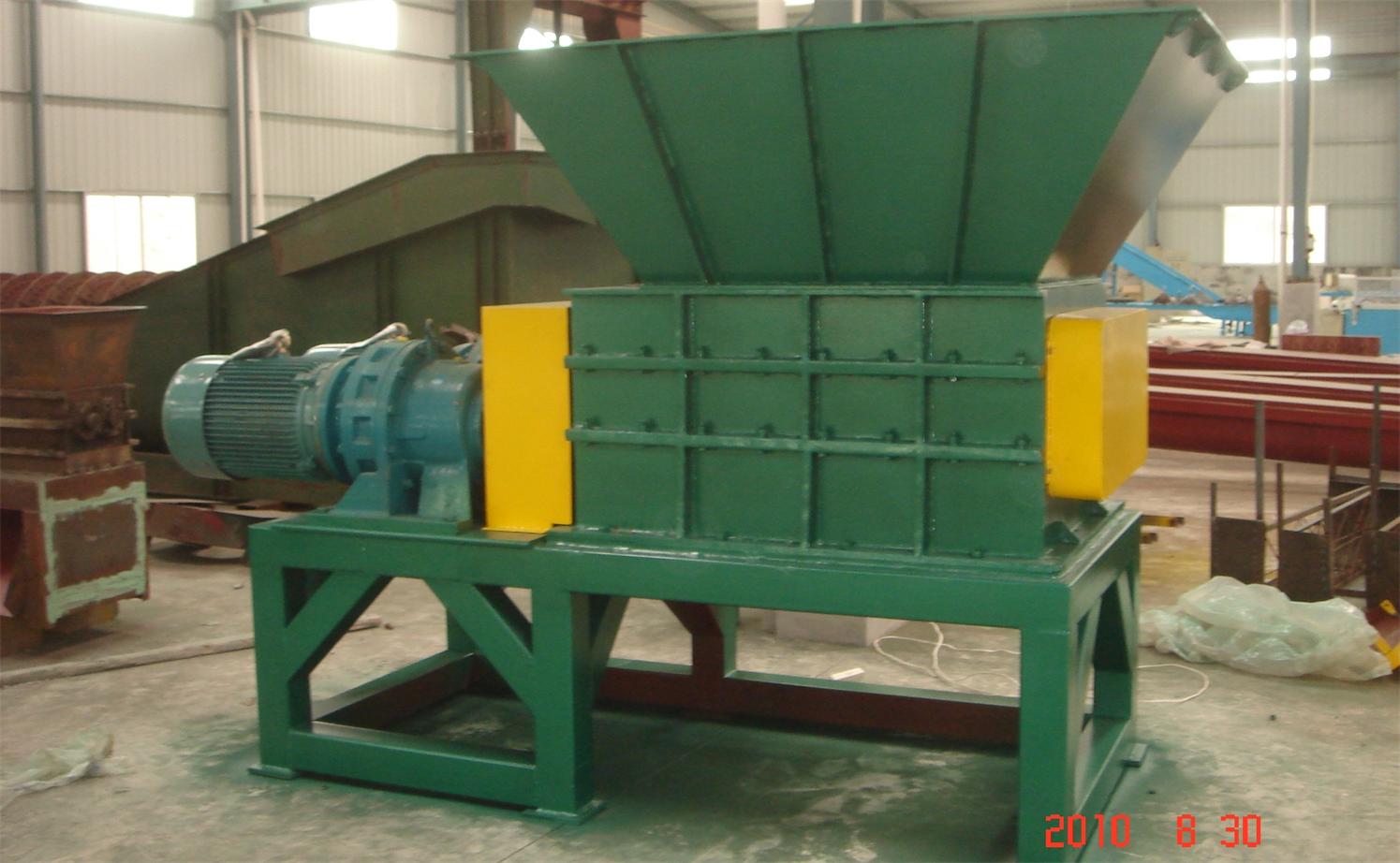
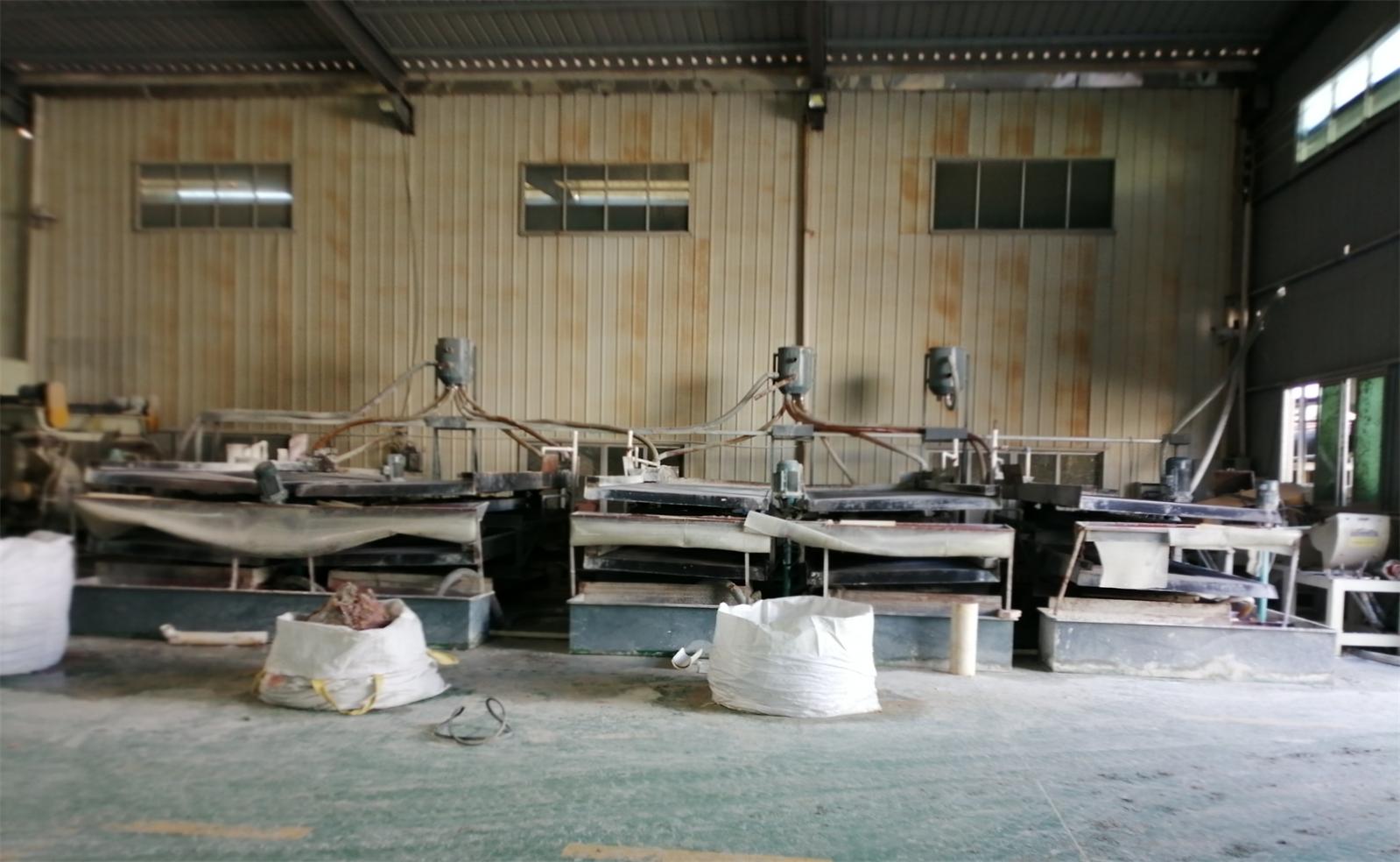
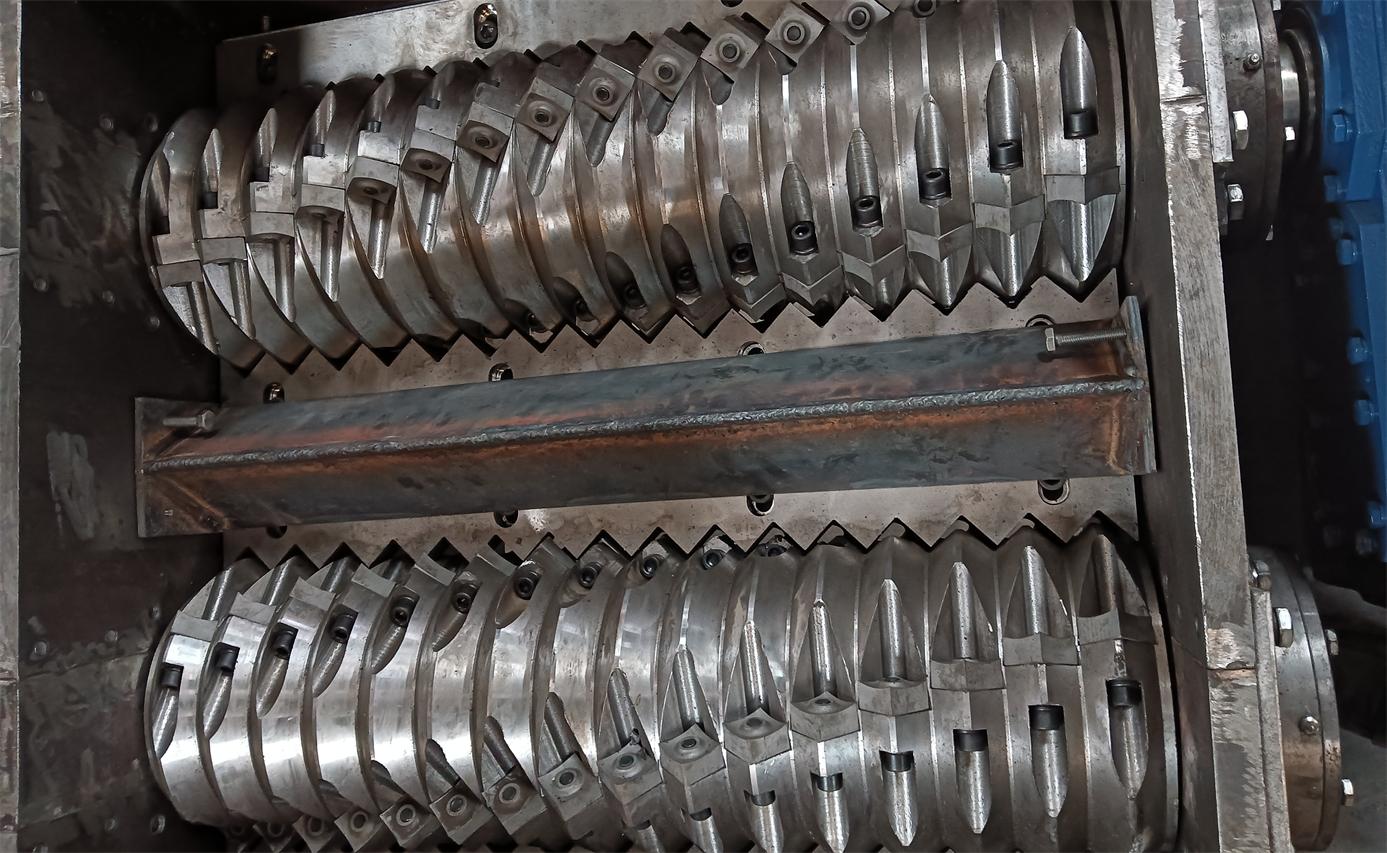
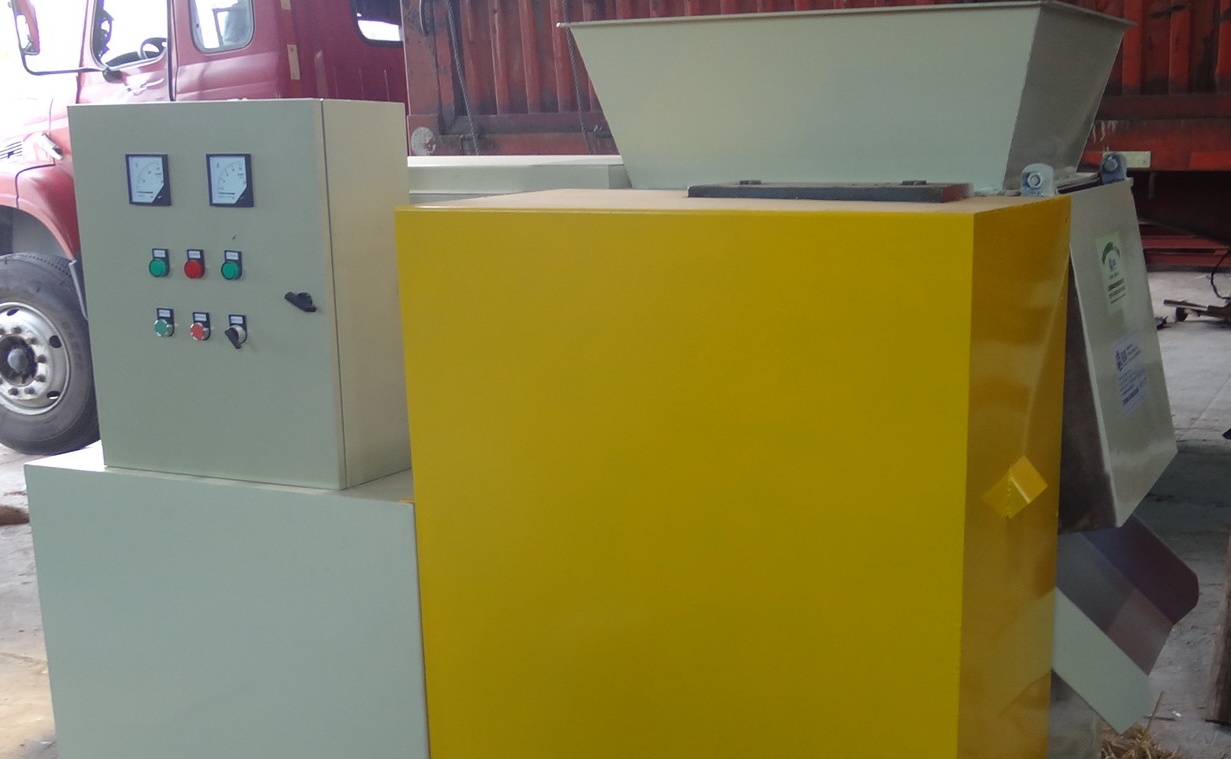
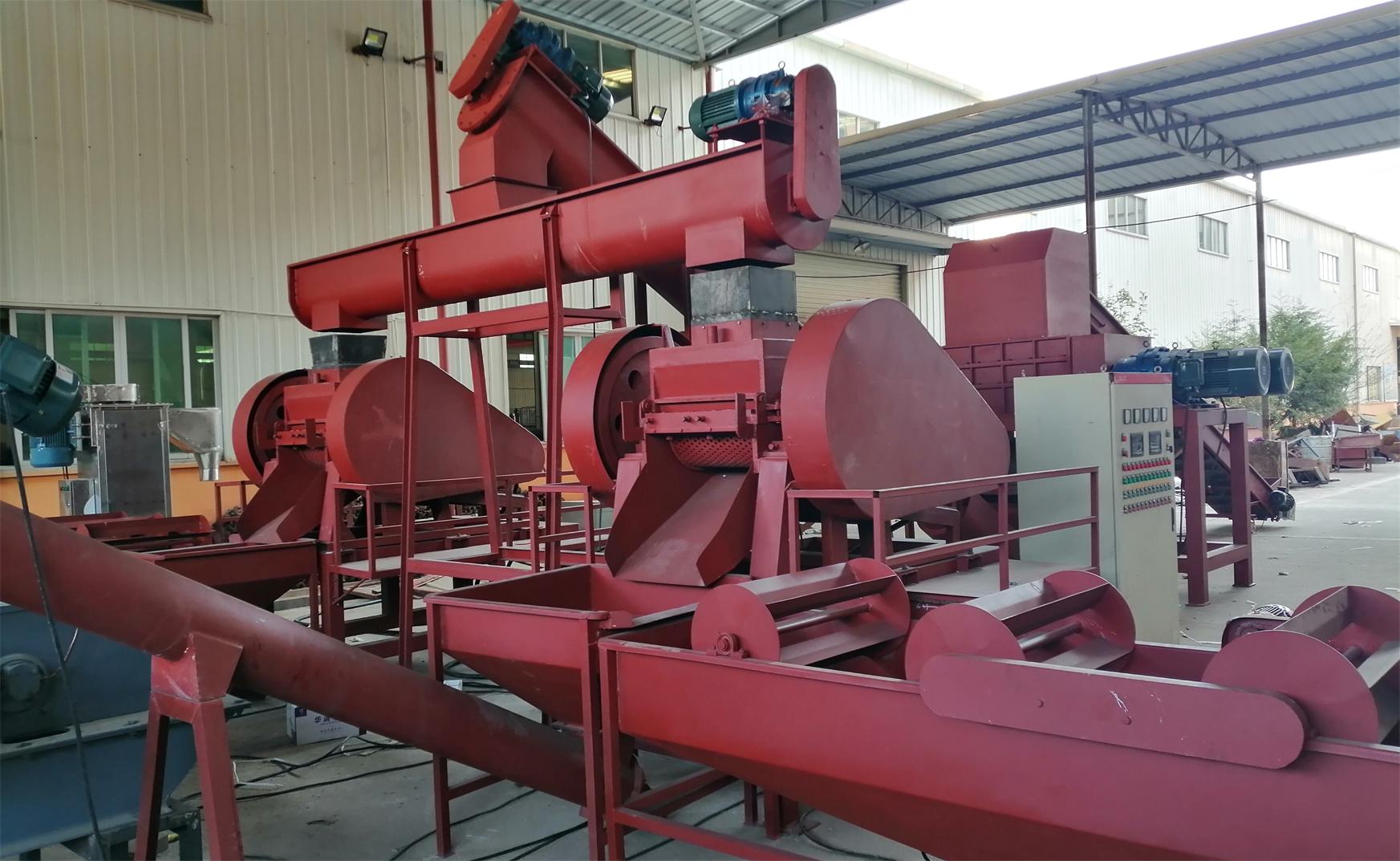
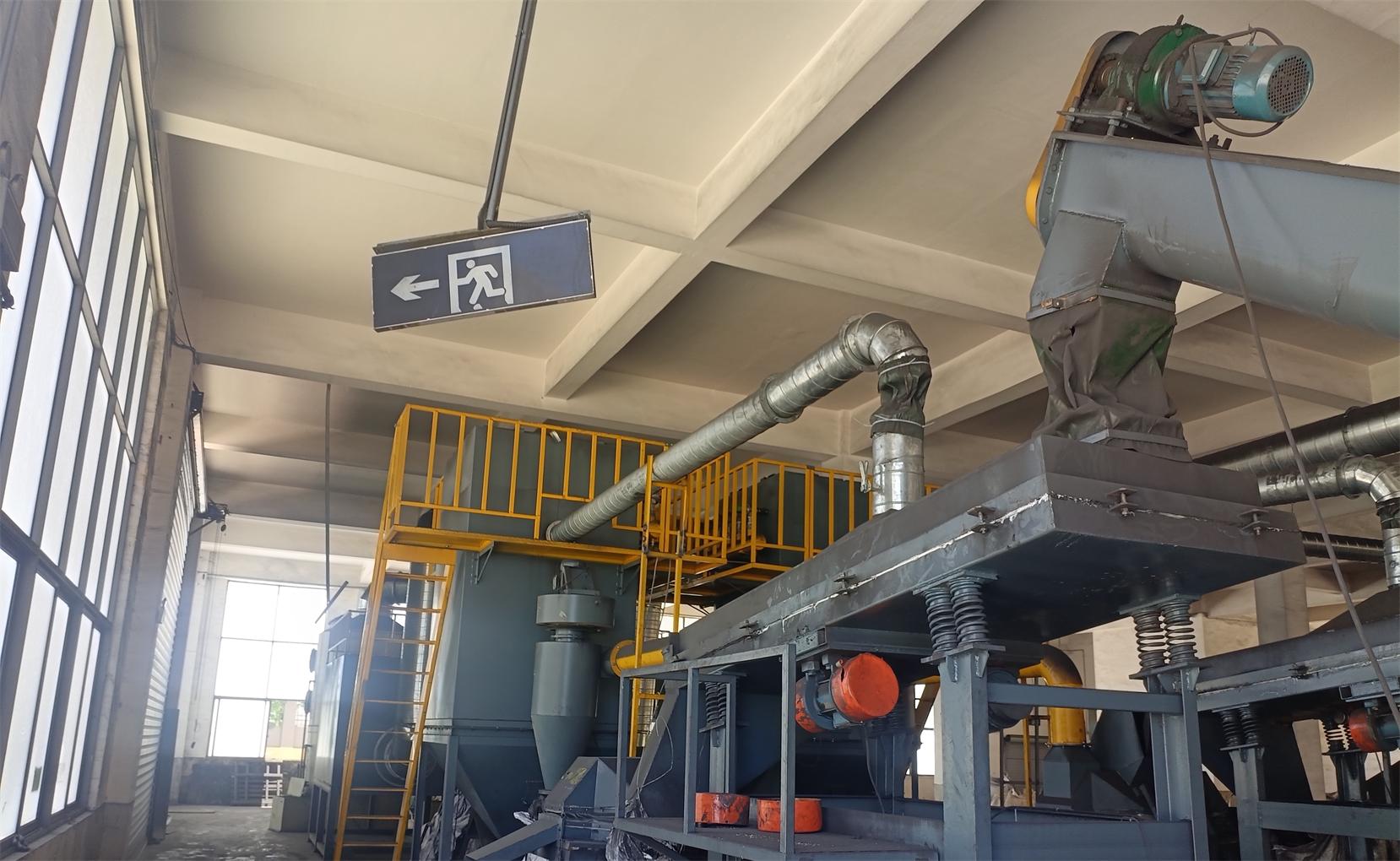
PCBs are one of the highest-value fractions in e-waste. A modern circuit board recycling equipment line typically includes shredders, crushers, and separation units to recover copper powder and precious-metal-bearing fractions. Dry separation systems with air classifiers and electrostatic separators can achieve copper purity of 96–98% without water consumption, while wet separation systems are suited for processing boards with components still attached. Capacities range from 300 kg/hour to over 2000 kg/hour depending on the model.
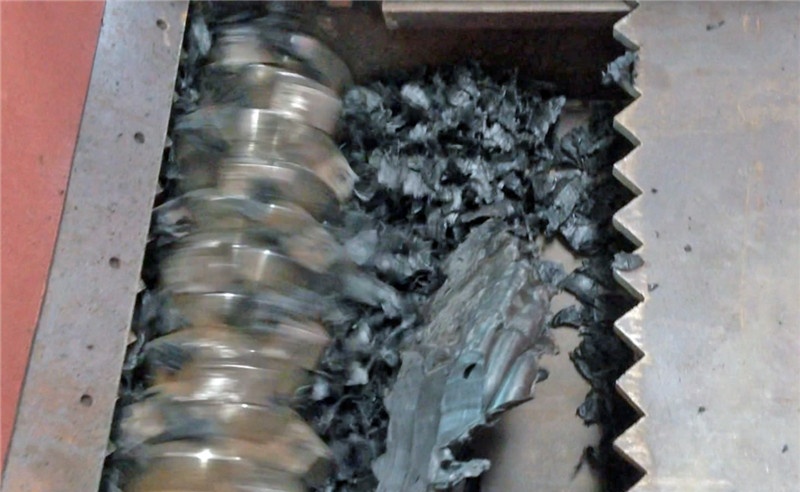
Scrap cable is one of the most accessible feedstocks for new recyclers. A cable recycling equipment line uses granulators and dry separators to strip insulation and isolate clean copper or aluminum granules. Compact units start around 100 kg/hour, while industrial plants can process over 1200 kg/hour. The recovered copper rice typically assays at 99% purity, making it immediately saleable to metal traders and smelters.
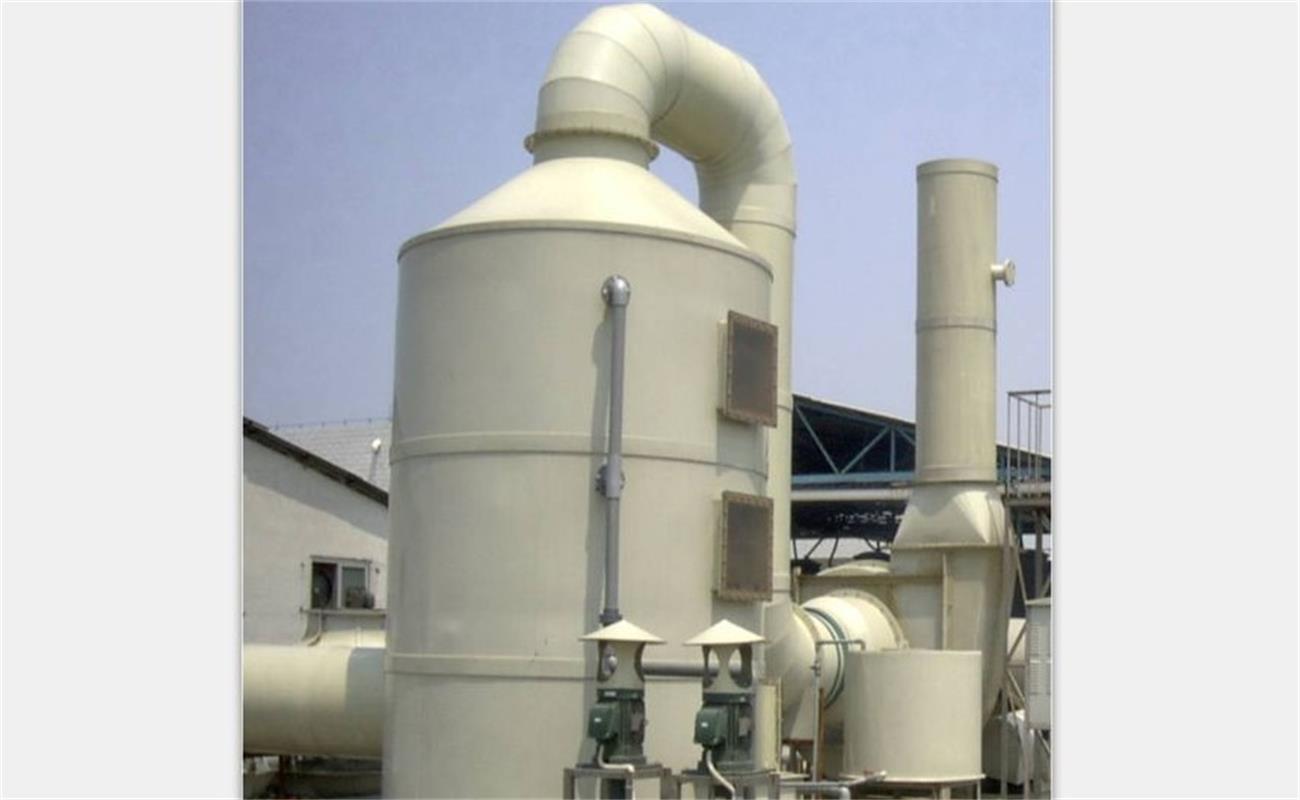
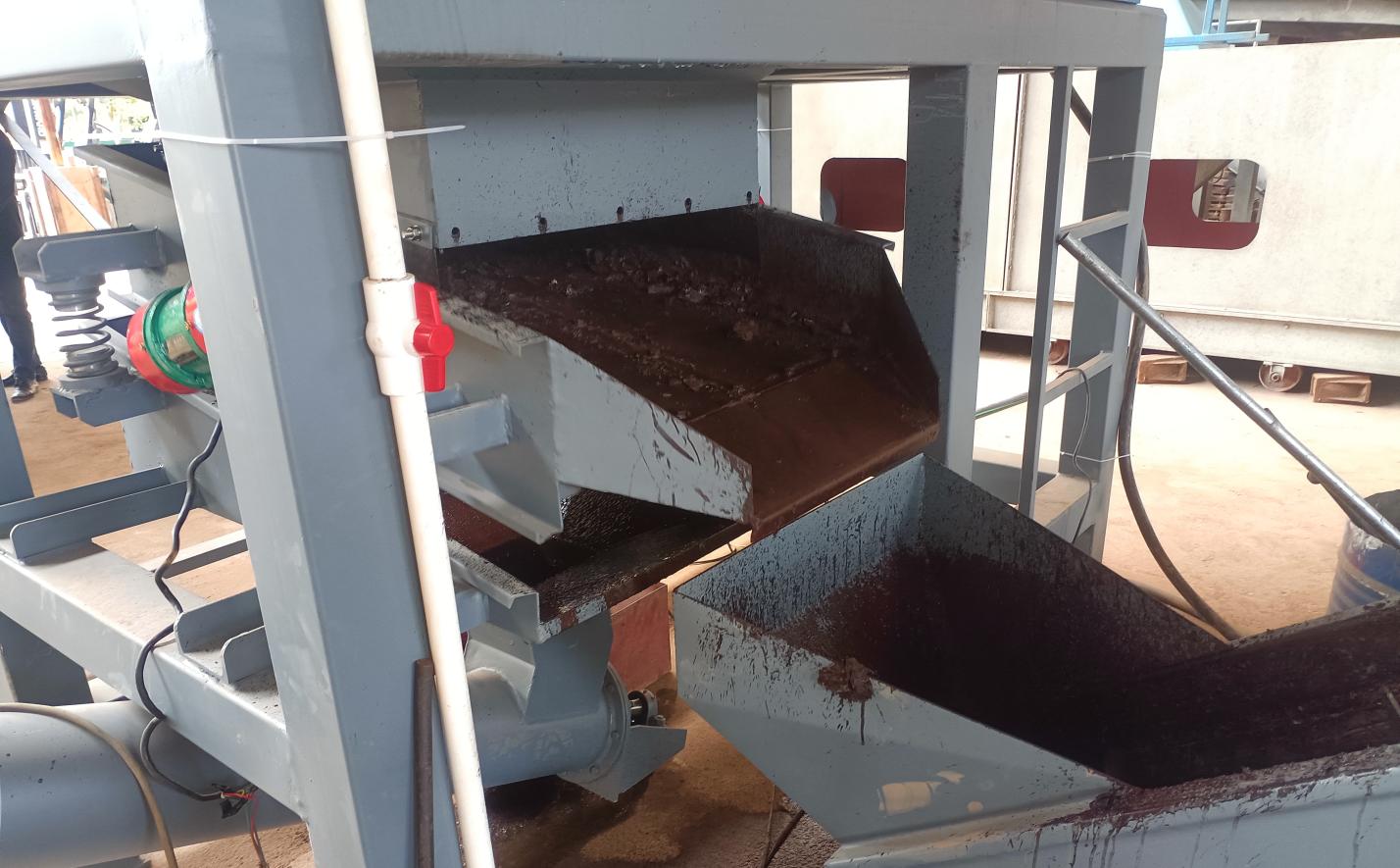
Used lead acid batteries (ULAB) are classified as hazardous waste, but they are also a concentrated source of lead and plastic. A complete lead acid battery recycling equipment line includes battery cutters, breaking and separation systems, paste filtration, desulfurization units, smelting furnaces (rotary or blast), refinery kettles, and air pollution control systems. Recovery rates for lead can reach 95%, and the refined lead ingot can achieve 99.999% purity. Plants are typically engineered for 1–10 MT/hour feed capacity.
With the surge in electric vehicles and consumer electronics, spent lithium-ion batteries have become a critical secondary source of cobalt, nickel, copper, graphite, and lithium. A lithium battery recycling line includes discharge systems, pre-crushers, secondary granulators, magnetic separators, and black-mass separation stages. Capacities typically range from 500 to 2500 kg/hour. Because lithium batteries carry fire and thermal runaway risks, specialized air pollution control and inert-gas protection systems are essential.
What to Look for in a Recycling Equipment Supplier
Buying machinery is only the beginning. A truly valuable supplier provides engineering support, installation, commissioning, and after-sales service. When evaluating a partner, consider the following:
- Technical depth: Does the supplier have an in-house engineering team with relevant degrees and long-term field experience?
- Customization capability: Can the plant layout and process flow be adapted to your specific feedstock and local regulations?
- Turnkey experience: Has the supplier delivered complete EPC (Engineering, Procurement, Construction) projects, or do they only sell individual machines?
- Environmental compliance: Do the proposed systems include dust collection, effluent treatment, and exhaust gas cleaning to meet modern emission standards?
- Downstream support: Can the supplier help you source raw material or find buyers for recovered metals?
One-Stop Solutions From San Lan Technologies
San Lan Technologies Co., Ltd, established in 2007 and based in Jiangxi Province, China, has spent nearly two decades building a comprehensive portfolio of WEEE recycling machinery and mining equipment. The company serves customers in more than 21 countries, including Singapore, Colombia, Vietnam, Mexico, Argentina, Korea, Malaysia, Indonesia, South Africa, India, and Saudi Arabia.
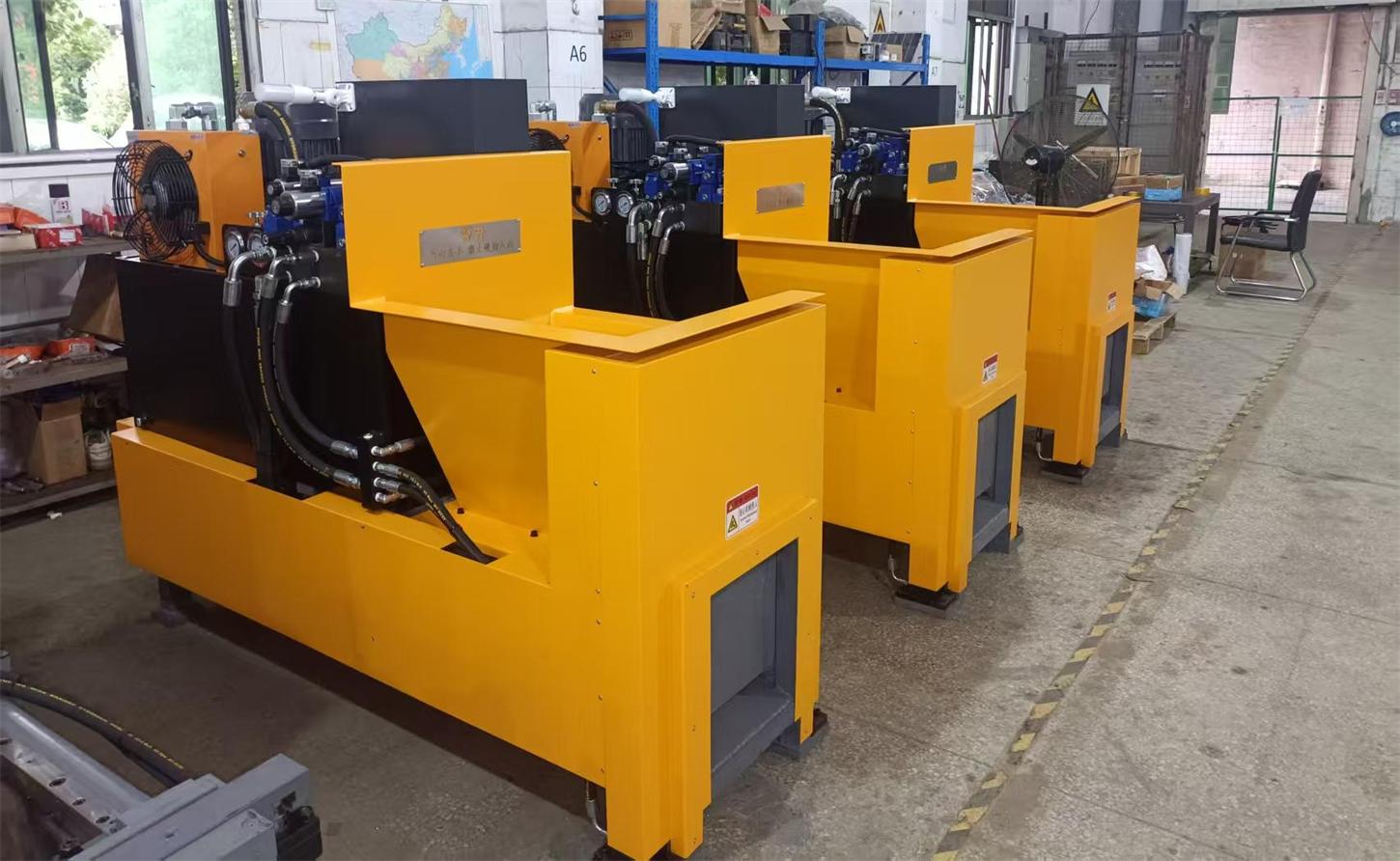
San Lan’s product range covers the full recovery chain: circuit board recycling plant, cable recycling plant, lead acid battery recycling plant, lithium battery recycling plant, CRT cutters, refrigerator and AC recycling lines, motor dismantling machines, shredders, hydraulic presses, and metal melting furnaces.
Beyond equipment manufacturing, San Lan offers differentiated value-added services that many pure vendors cannot match:
- EPC project delivery with customized plant design and one-stop purchasing
- Assistance procuring waste feedstock such as cable scrap, PCB scrap, and used lead acid batteries
- Support selling recovered products including copper rice, lead ingots, and aluminum granules
- Investor and partnership introductions for recycling plant construction
- Installation, commissioning, and operator training on-site
The technical team holds master’s degrees in mechanical engineering and brings over 15 years of direct experience in e-waste recycling machine design and project execution. This depth allows San Lan to troubleshoot process bottlenecks, optimize recovery yields, and keep plants running at design capacity.
Take the Next Step Toward Profitable Recycling
The e-waste recycling sector rewards operators who combine high-quality feedstock with reliable, well-integrated equipment and experienced technical support. Whether you are planning your first plant or expanding an existing line, selecting the right machinery partner is the most important decision you will make.
Visit www.san-lan.com to explore the full product catalog, request a customized quotation, or arrange a technical consultation with San Lan’s engineering team. With the right equipment and the right partner, your scrap stream can become a steady source of recovered metal and long-term profit.