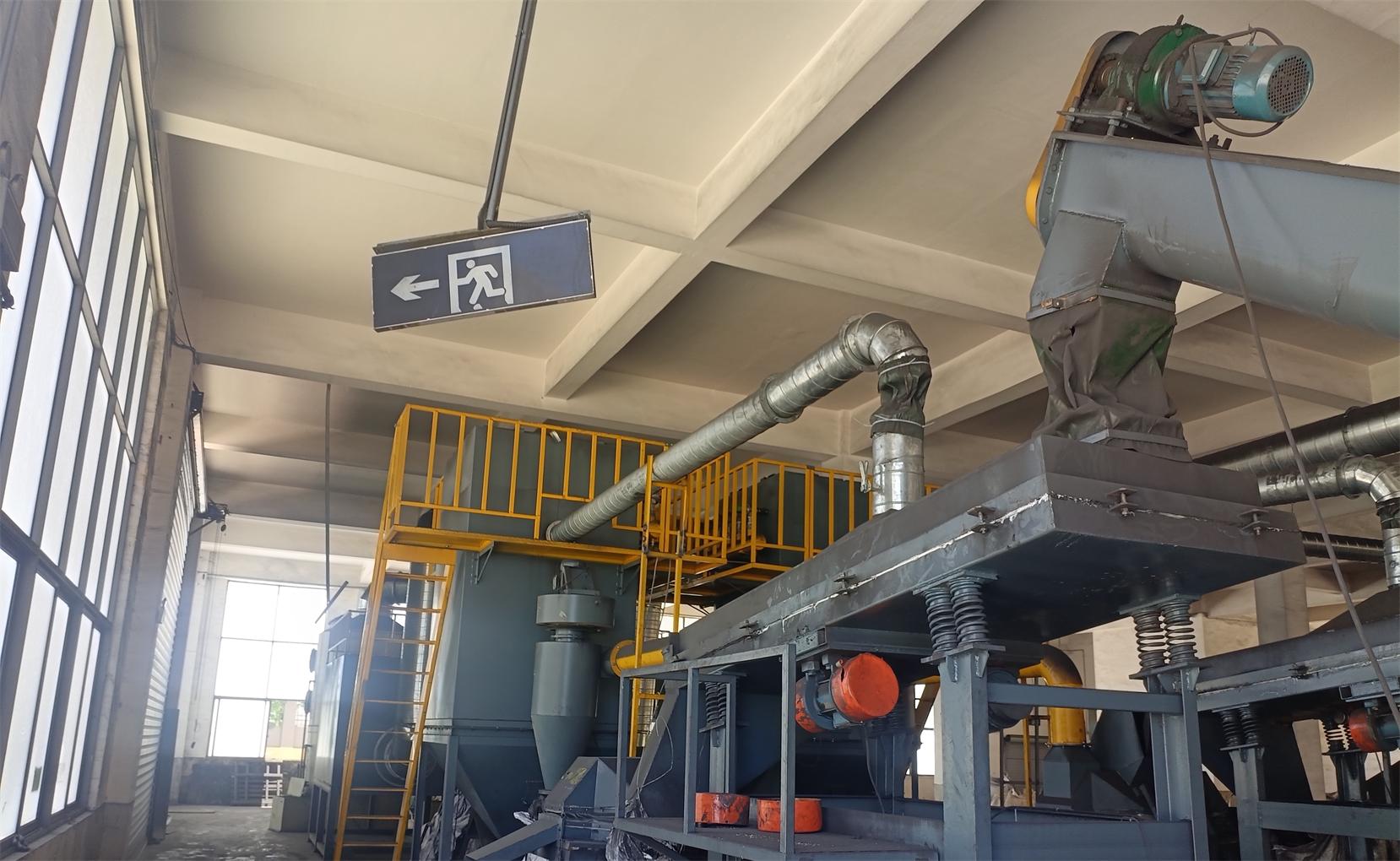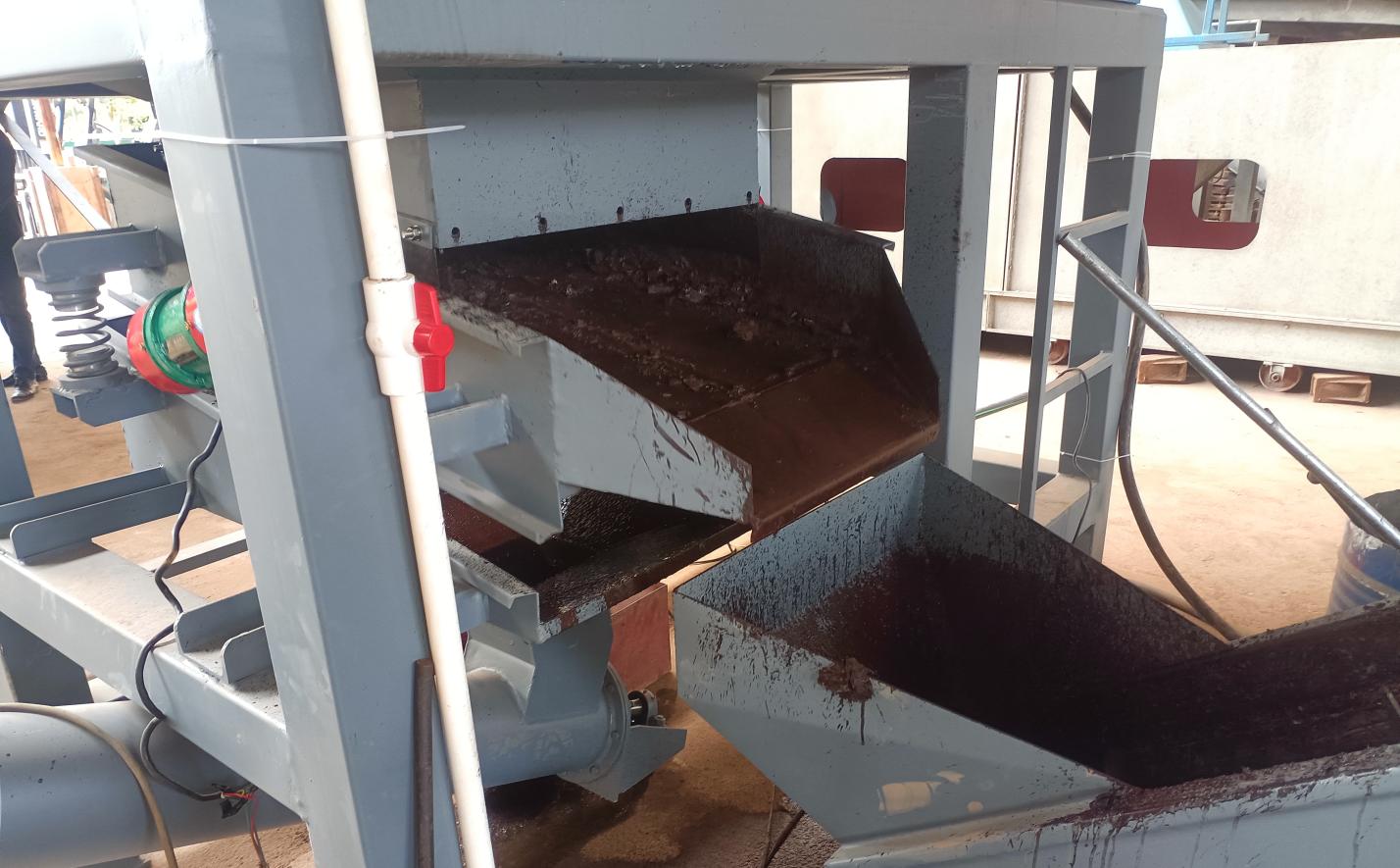
For entrepreneurs and established recycling companies alike, investing in the right recycling equipment is the critical first step toward capturing value from discarded electronics, cables, and batteries. With metal prices remaining strong and environmental regulations tightening across the globe, the recycling industry has evolved from a niche operation into a high-margin, technology-driven business.
Why E-Waste Recycling Is a High-Growth Market
Several powerful trends are converging to make e-waste recycling one of the most attractive industrial sectors today:
- Rising metal prices: Copper, lithium, lead, and precious metals have maintained elevated price levels, making material recovery highly profitable.
- Regulatory pressure: Directives like WEEE in Europe and similar frameworks in Asia and the Americas are mandating responsible disposal and creating compliance-driven demand.
- Corporate sustainability goals: Major manufacturers are seeking certified recycled materials to meet carbon-neutral commitments.
- Urbanization and infrastructure upgrades: Demolition, power grid modernization, and consumer electronics turnover generate massive volumes of scrap material annually.
Three Core Recycling Streams Driving Revenue
Successful recycling operations typically focus on one or more of these high-value material streams:
1. Cable and Wire Recycling
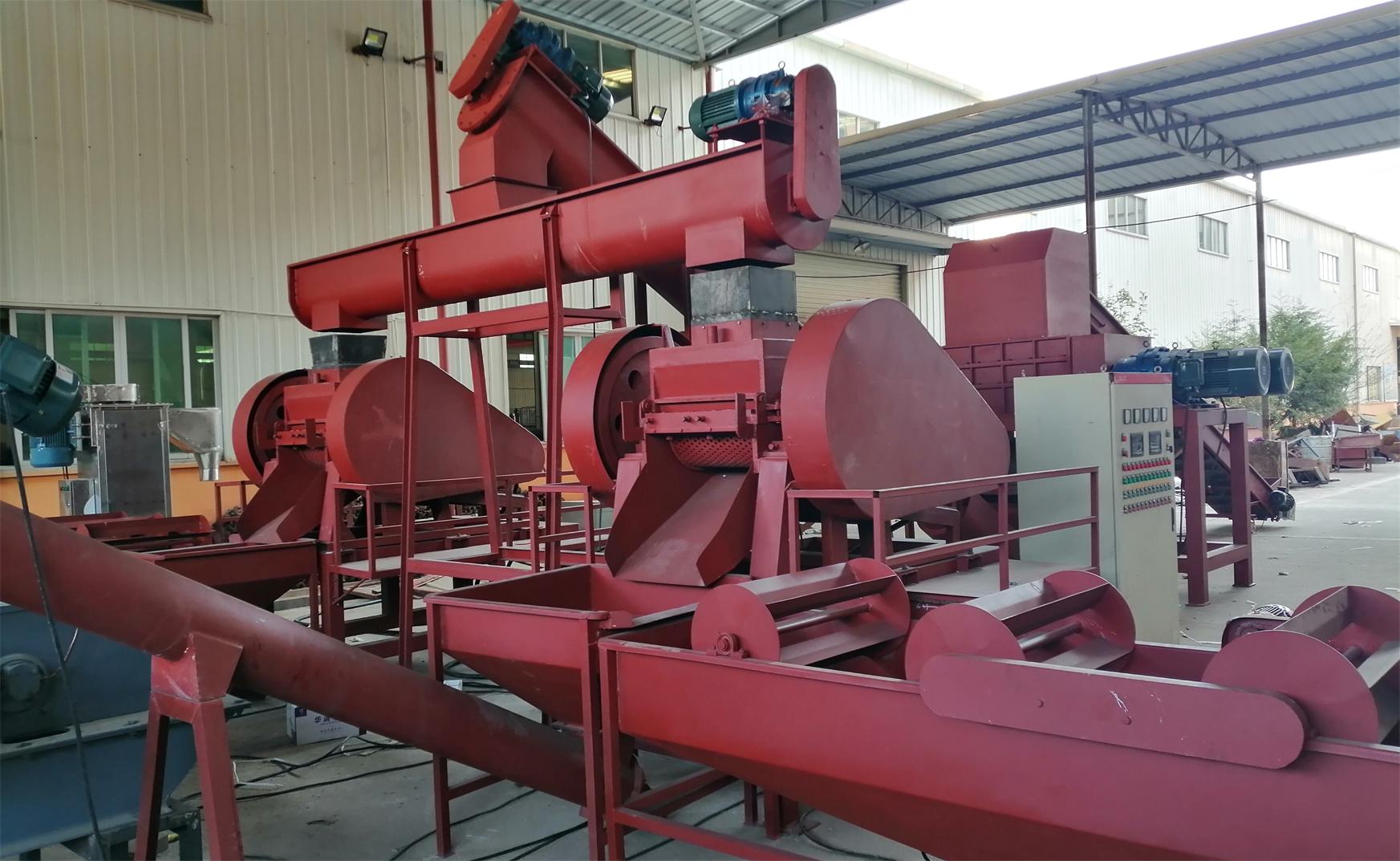
Scrap cables from construction, telecommunications, and automotive sectors contain valuable copper and aluminum. A professional cable recycling equipment setup can process anywhere from 200 kg/hour to 1,200 kg/hour, separating metal from plastic insulation with purity rates exceeding 95%. With copper prices holding firm, cable recycling delivers rapid payback periods for operators.
2. Battery Recycling — Lead Acid and Lithium-Ion
Used lead acid batteries represent one of the most recycled consumer products globally, with mature technology for breaking, separating, and smelting to recover lead, plastic, and acid. Meanwhile, spent lithium-ion batteries from electric vehicles and electronics are creating an entirely new growth frontier. Advanced lead acid battery recycling equipment can achieve lead recovery rates above 95%, while lithium battery systems recover black mass, copper, aluminum, and plastics at capacities of 500–2,500 kg/hour.
3. Printed Circuit Board (PCB) Recycling
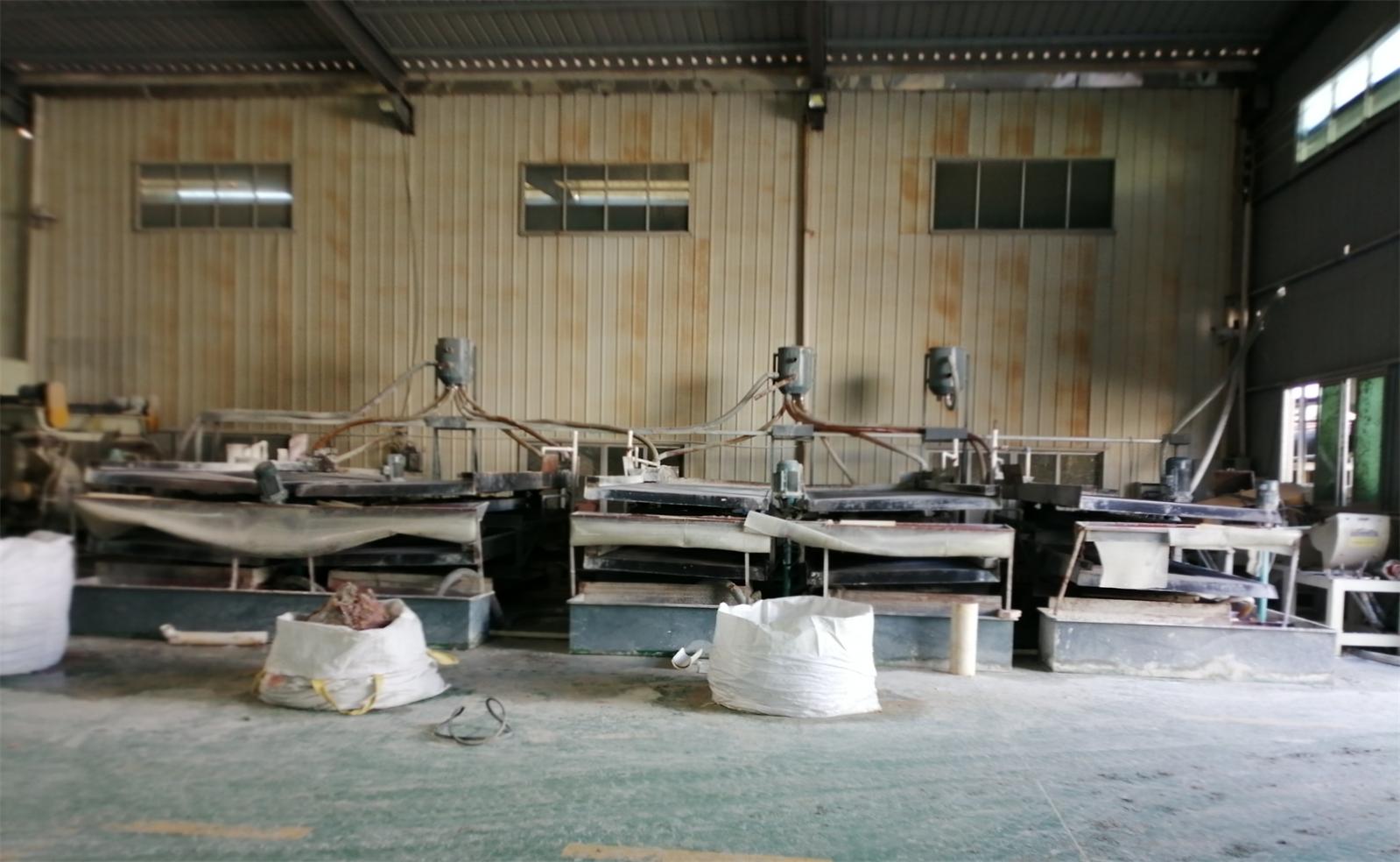
Discarded electronics contain PCBs rich in copper, gold, silver, and palladium. Specialized circuit board recycling equipment uses dry or wet separation processes to recover copper powder with 96–98% purity, while capturing precious metals for further refining. Capacities range from 300 kg/hour to 2,000 kg/hour depending on material complexity.
What to Look for in a Recycling Equipment Partner
Choosing the right equipment supplier can mean the difference between a profitable operation and a costly mistake. Here are five essential criteria to evaluate:
- Technical depth and experience: Look for manufacturers with proven engineering teams, in-house R&D, and deep domain knowledge across multiple recycling streams.
- Turnkey EPC capability: The best partners offer end-to-end Engineering, Procurement, and Construction services — from plant layout design to installation and commissioning.
- Customization flexibility: Every feedstock and market is different. Your supplier should customize capacity, configuration, and automation levels to match your specific requirements.
- After-sales support: Reliable technical support, spare parts availability, and remote troubleshooting are critical for minimizing downtime.
- Value-added services: Leading suppliers help customers source raw scrap materials and sell finished products like copper ingots, lead ingots, or plastic pellets — effectively acting as a business partner, not just a vendor.
San Lan Technologies: 18 Years of Recycling Excellence
Founded in 2007, San Lan Technologies Co., Ltd has established itself as a trusted manufacturer of WEEE recycling machinery and mining equipment. With customers in over 21 countries — including Singapore, Colombia, Vietnam, Mexico, Argentina, South Africa, India, and Saudi Arabia — San Lan delivers proven solutions backed by real-world performance.
The company’s comprehensive product portfolio covers the full spectrum of e-waste recycling needs:
- Lead acid battery recycling plants (1–10 MT/hour)
- Lithium-ion battery recycling systems (500–2,500 kg/hour)
- Circuit board recycling plants with dry and wet separation
- Cable granulators and wire strippers
- CRT cutters and refrigerator recycling lines
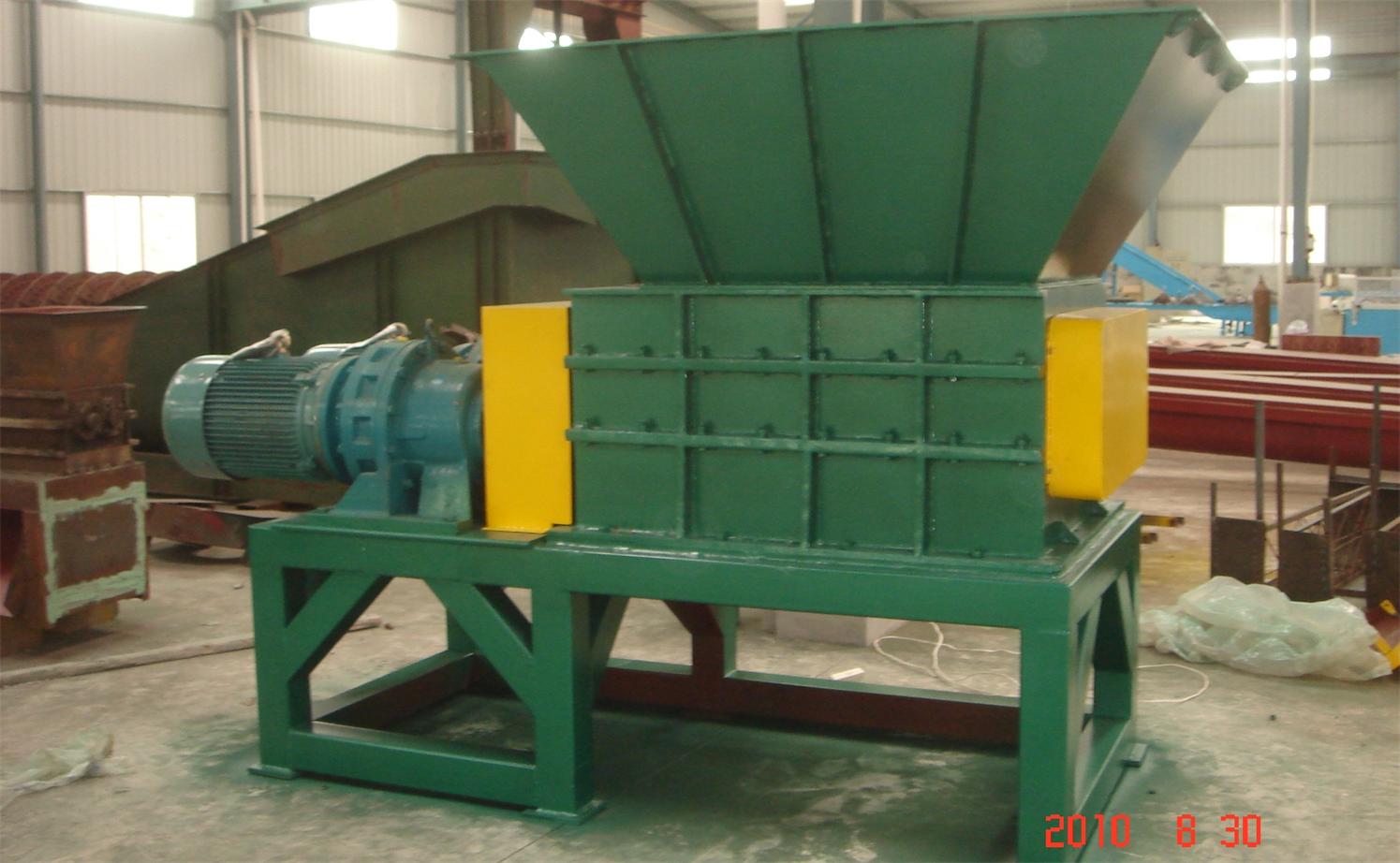
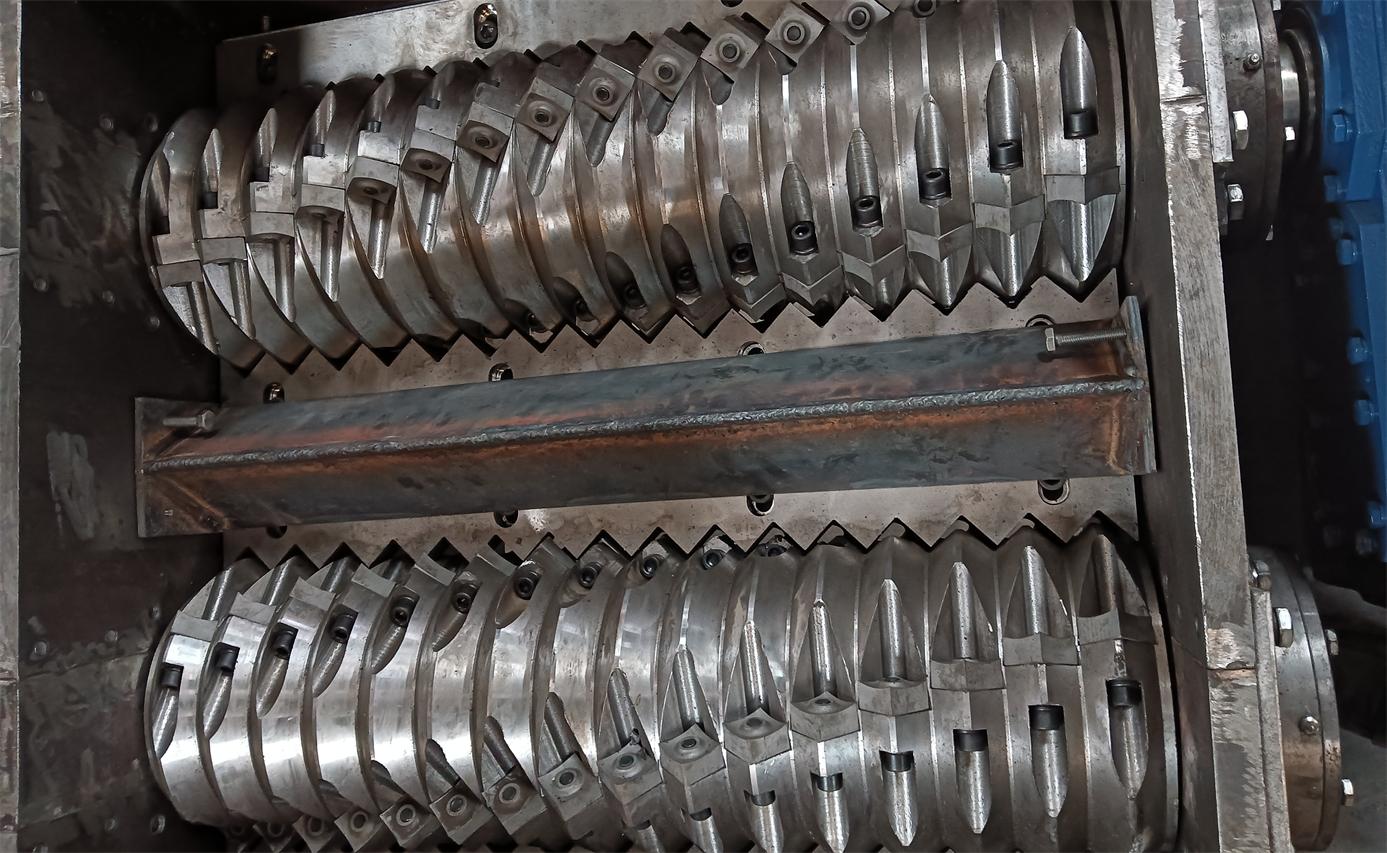
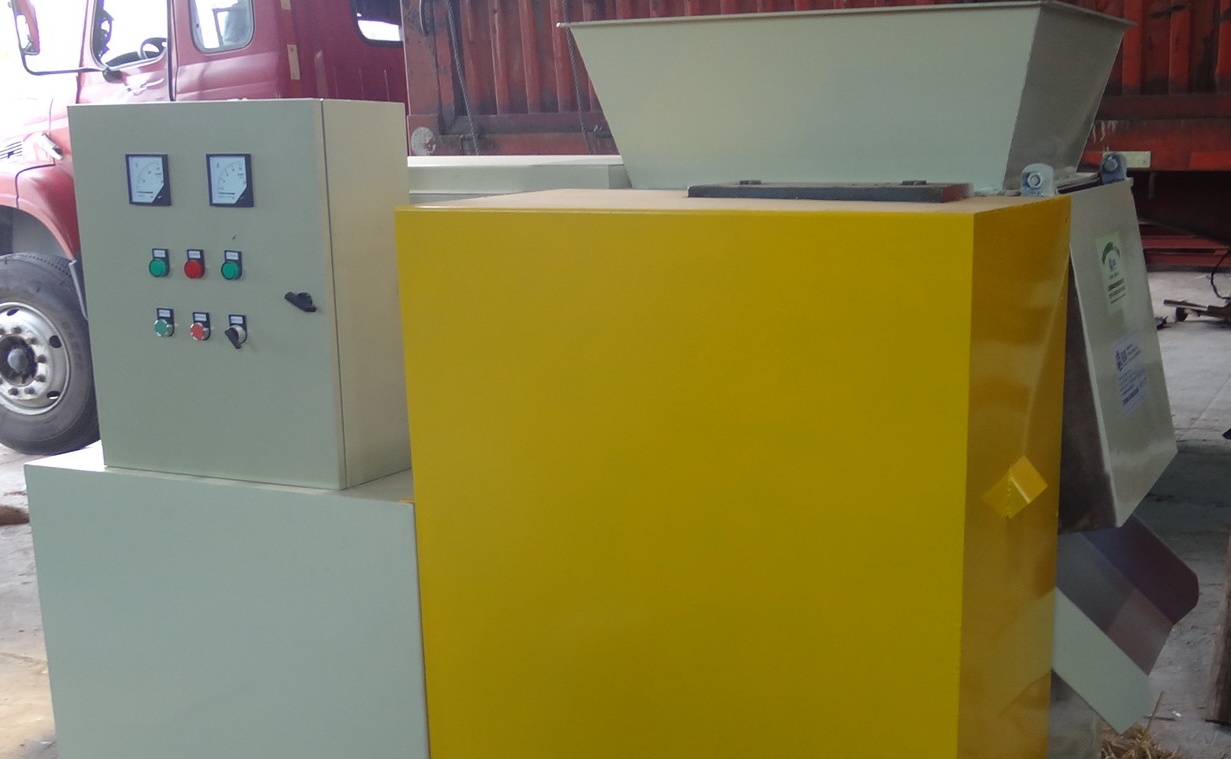
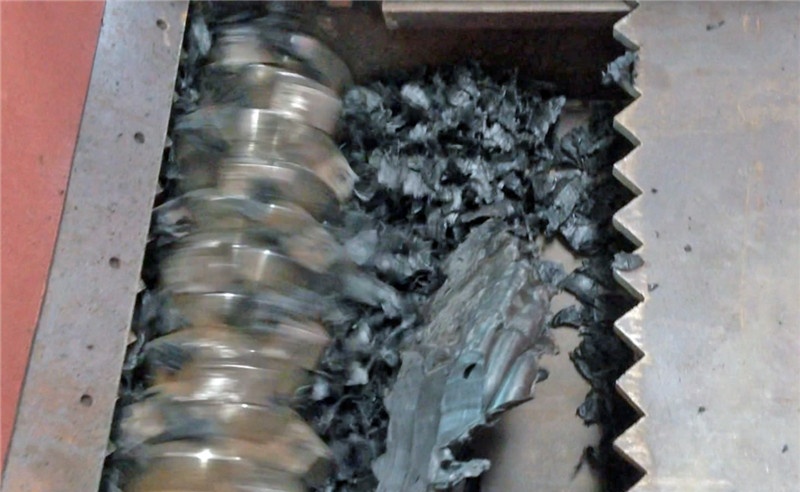
- Industrial shredders and pre-choppers
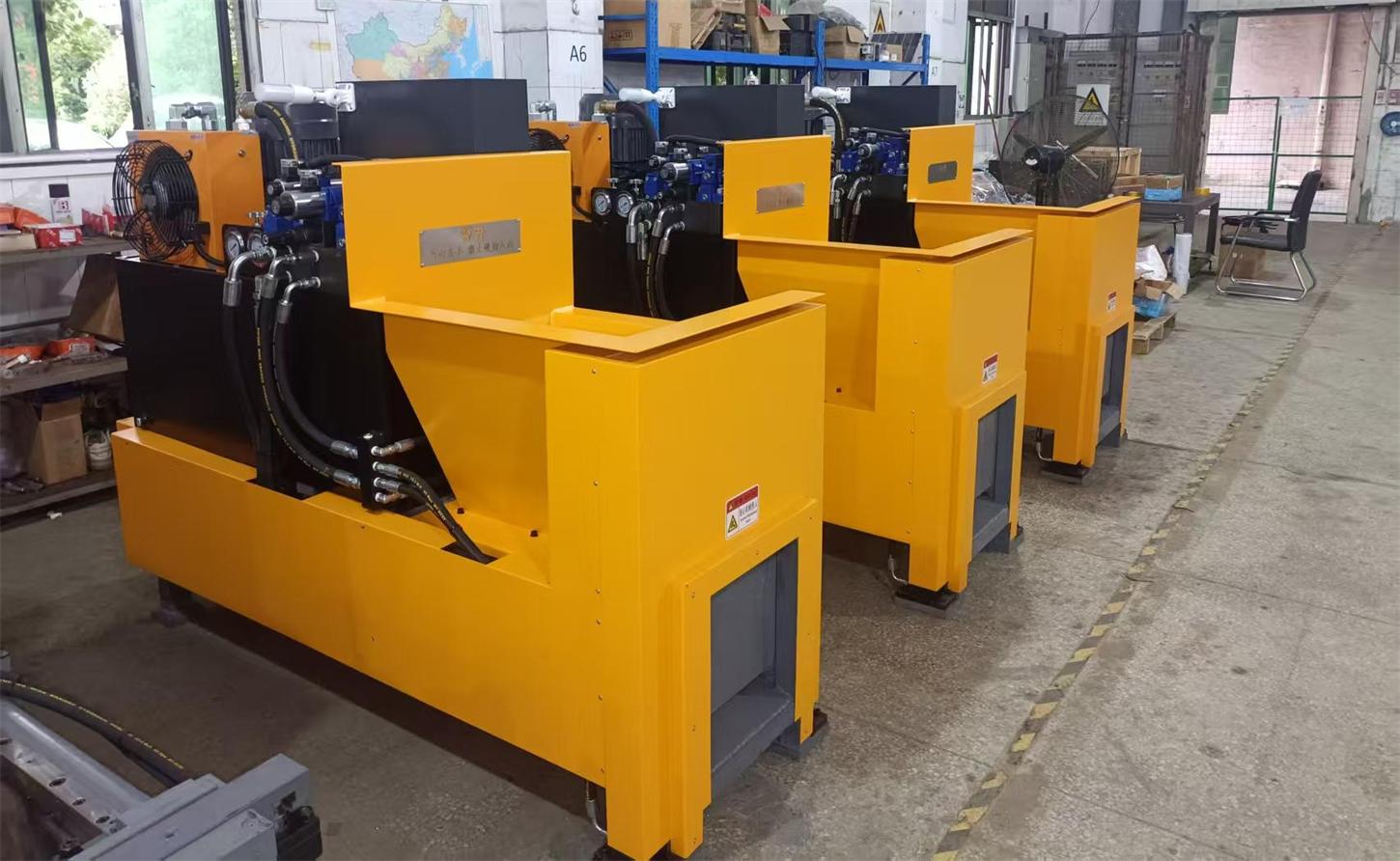
- Metal melting furnaces and hydraulic presses
What sets San Lan apart is its integrated approach. The company’s master’s-level engineering team brings over 15 years of hands-on experience in e-waste recycling machine design. Beyond manufacturing, San Lan provides full EPC project delivery, helps customers procure waste feedstock, and even assists in selling recovered materials — creating a complete ecosystem for recycling business success.
Ready to turn e-waste into profit? Whether you are launching a new recycling venture or scaling an existing operation, San Lan Technologies offers the equipment expertise, project experience, and global support to help you succeed. Contact our team today for a customized recycling plant proposal tailored to your material stream, capacity requirements, and investment budget.
Email: info@san-lan.com | WhatsApp: +86 139 2377 4083
Web: www.san-lan.com