From Scrap to Profit: A Practical Guide to E-Waste Recycling Equipment Investment
Every year, millions of tonnes of electronic waste pile up in landfills, burying valuable metals like copper, gold, and lithium beneath layers of discarded plastic. Yet for savvy investors and entrepreneurs, this growing waste stream represents one of the most compelling industrial opportunities of the decade. With the right recycling equipment, what looks like trash transforms into a revenue-generating asset.
The global e-waste management market is projected to reach $145 billion by 2030, driven by shorter device lifespans, stricter environmental regulations, and soaring demand for recovered critical minerals. Whether you are entering the recycling industry for the first time or scaling an existing operation, understanding which equipment to invest in—and who to partner with—determines whether your plant thrives or struggles.
Why E-Waste Recycling Is a Defensible Growth Market
Three powerful forces are converging to make e-waste recycling an attractive long-term business. First, regulatory pressure is intensifying worldwide. Extended Producer Responsibility (EPR) frameworks now mandate that manufacturers recycle 60% to 80% of the electronics they place on the market, with heavy penalties for non-compliance. This creates guaranteed feedstock demand for recyclers.
Global e-waste generation could reach 82 million tonnes annually by 2030, yet formal recycling capacity captures only a fraction of this volume. The gap between supply and processing capacity leaves substantial room for new entrants.
Second, recovered materials command premium pricing. One tonne of mobile phone circuit boards contains more gold than a tonne of high-grade mined ore. Copper, aluminum, cobalt, and nickel recovered from batteries and cables trade at or near primary metal prices, giving recyclers healthy margins when operations are scaled efficiently.
Third, battery waste—both lead-acid and lithium-ion—is exploding in volume. Electric vehicle adoption, renewable energy storage, and consumer electronics are flooding the market with end-of-life batteries that contain valuable metals but hazardous chemicals. Specialized lead acid battery recycling equipment and lithium-ion processing lines are no longer optional; they are essential infrastructure for any serious recycling operation.
Core Equipment Categories Every Recycler Should Understand
E-waste recycling is not a single process. It is a hierarchy of operations, each requiring specific machinery. Understanding these categories helps you build a phased investment plan rather than overcommitting capital prematurely.
Battery Recycling Systems
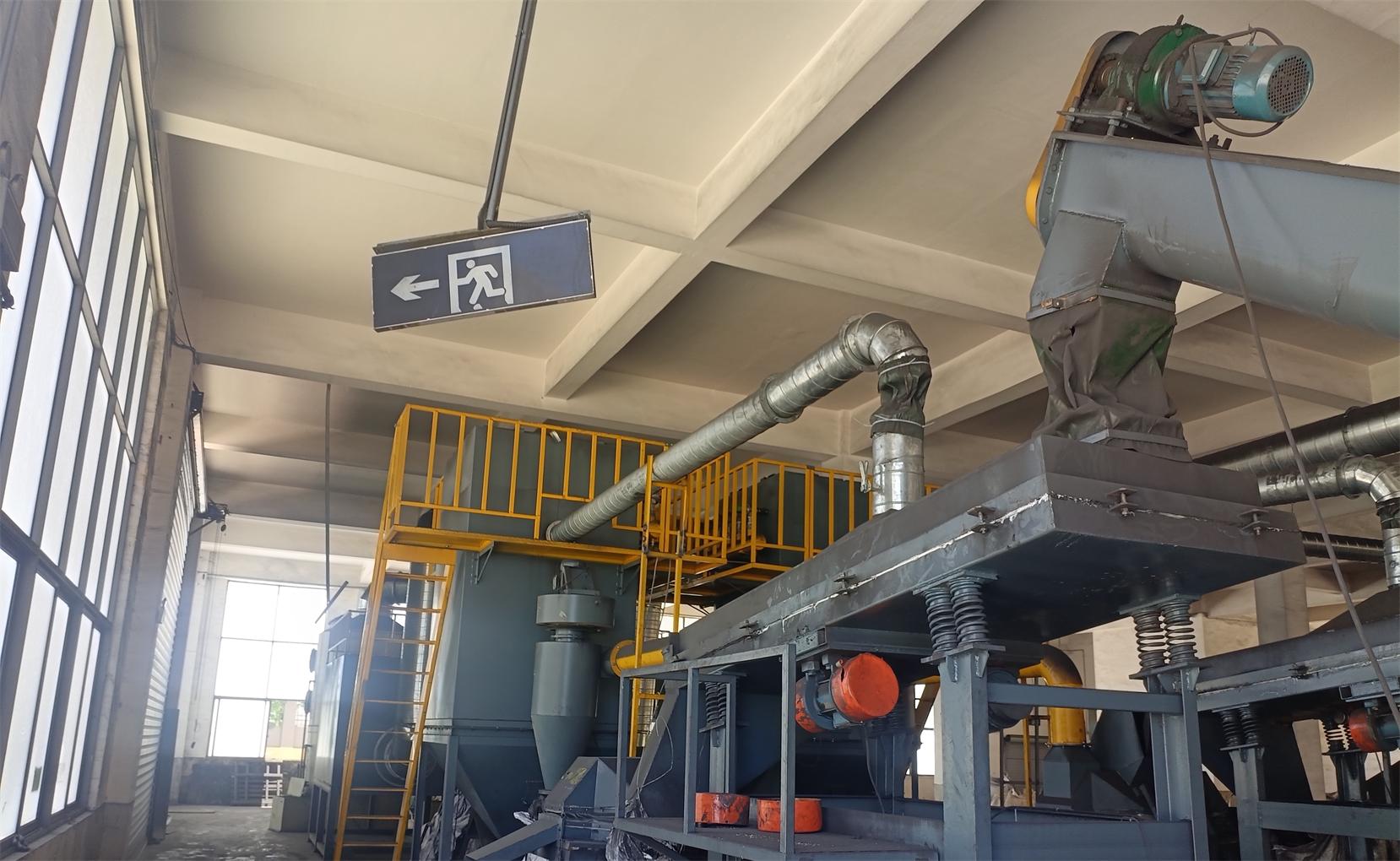
Lead-acid batteries remain the most recycled consumer product globally, with established collection networks and predictable material values. A complete lead acid battery recycling equipment line typically includes battery breakers and separation systems, paste desulfurization units, rotary furnaces or blast furnaces for lead reduction, refining kettles for purity upgrade, and air pollution control systems. Modern plants achieve lead recovery rates exceeding 95% while meeting strict environmental emission standards.
Lithium-ion battery recycling represents the fastest-growing segment. These systems require discharge stations, pre-crushing units, secondary granulators, magnetic separators, and black mass recovery lines. Because lithium batteries pose fire and toxicity risks, automated processing with integrated gas collection and neutralization is critical for safe operation.
Circuit Board Recovery Lines
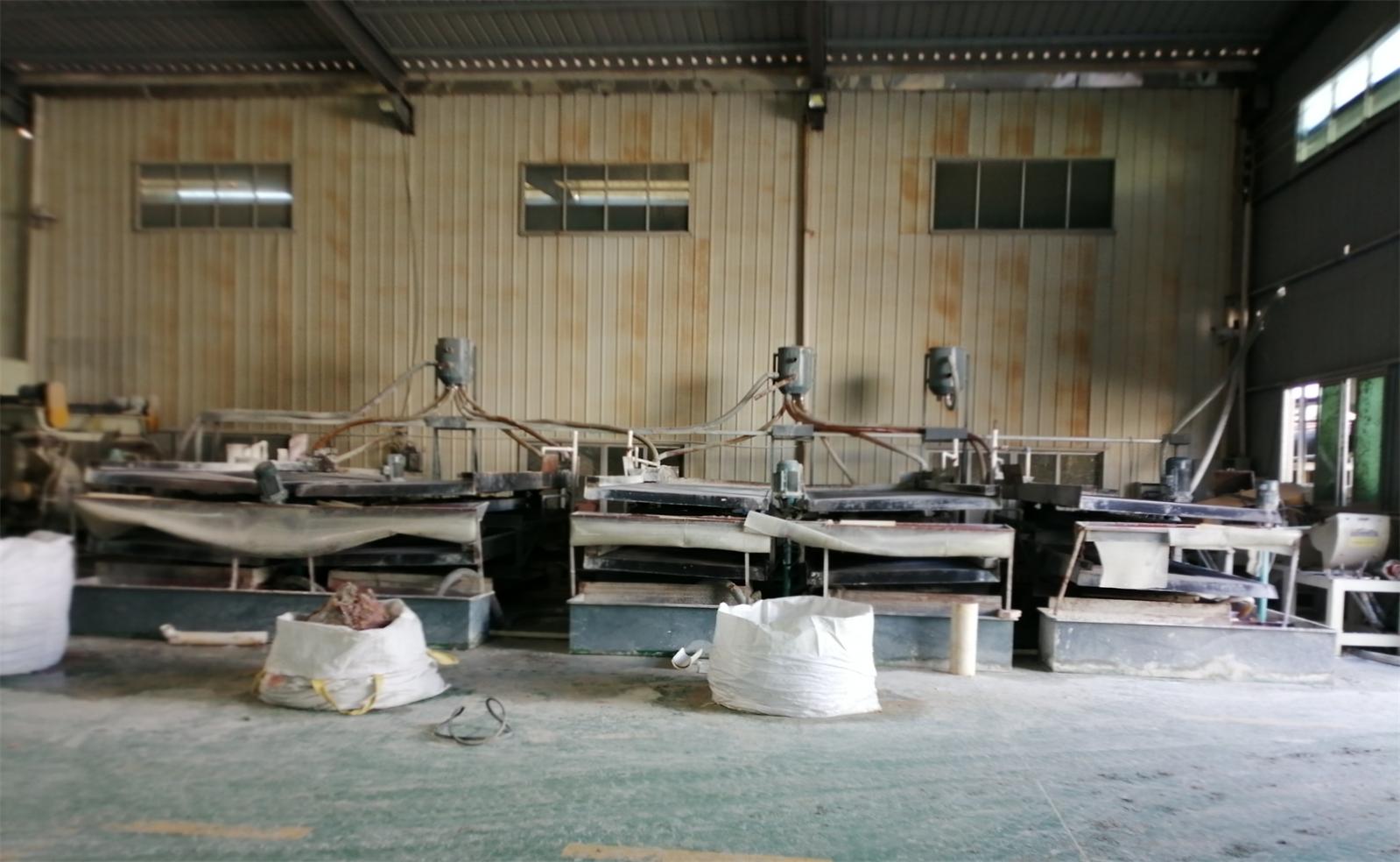
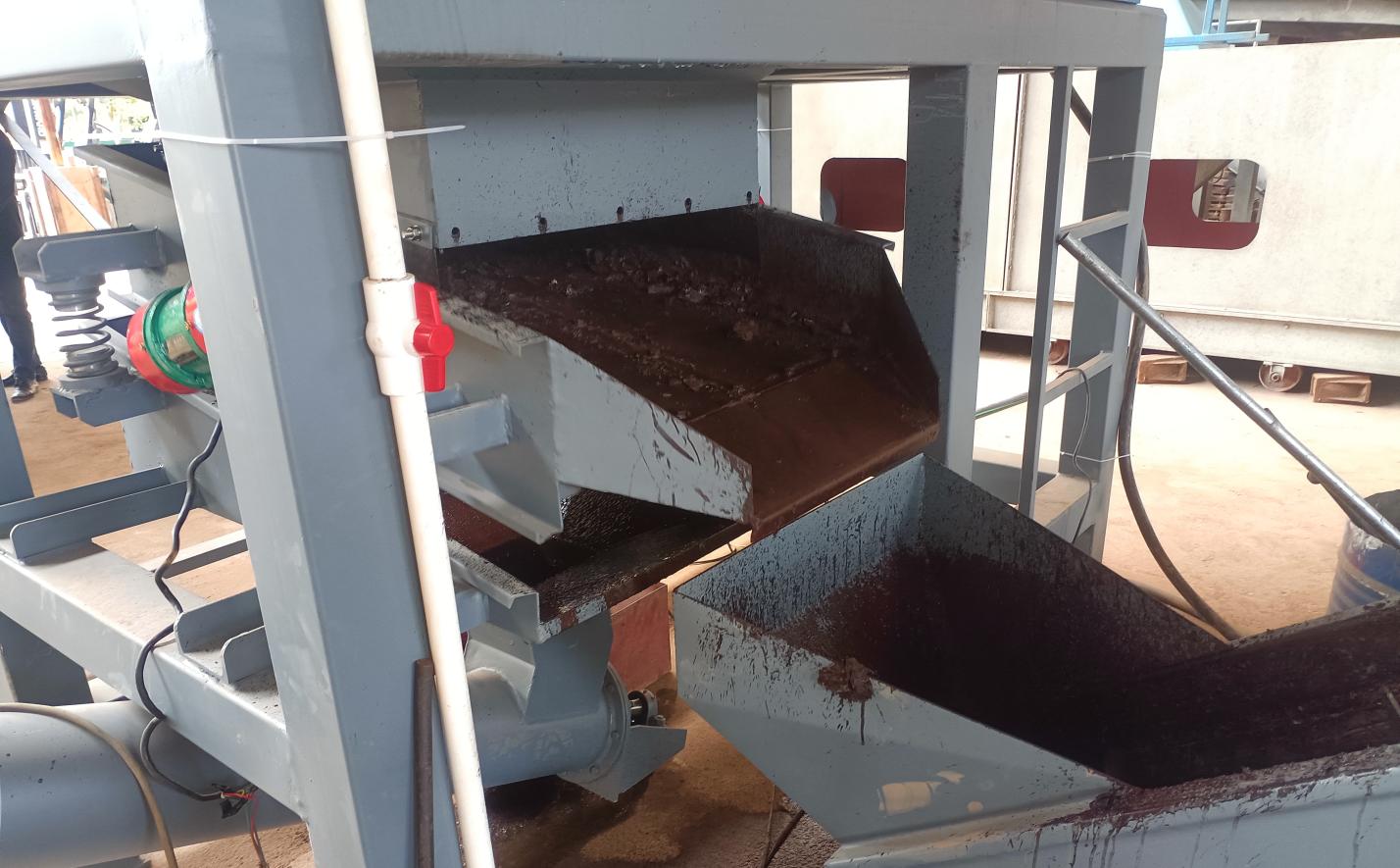
Printed circuit boards (PCBs) are the most valuable fraction of e-waste by weight. Circuit board recycling equipment uses either dry separation (air classification, electrostatic separation) or wet separation (water-based metal recovery) to extract copper powder and precious metal concentrates. Capacities range from 300 kg/hour for small operations to 2,000 kg/hour or more for industrial-scale plants. Copper purity from well-designed systems reaches 96% to 98%, directly salable to smelters.
Cable and Wire Processing
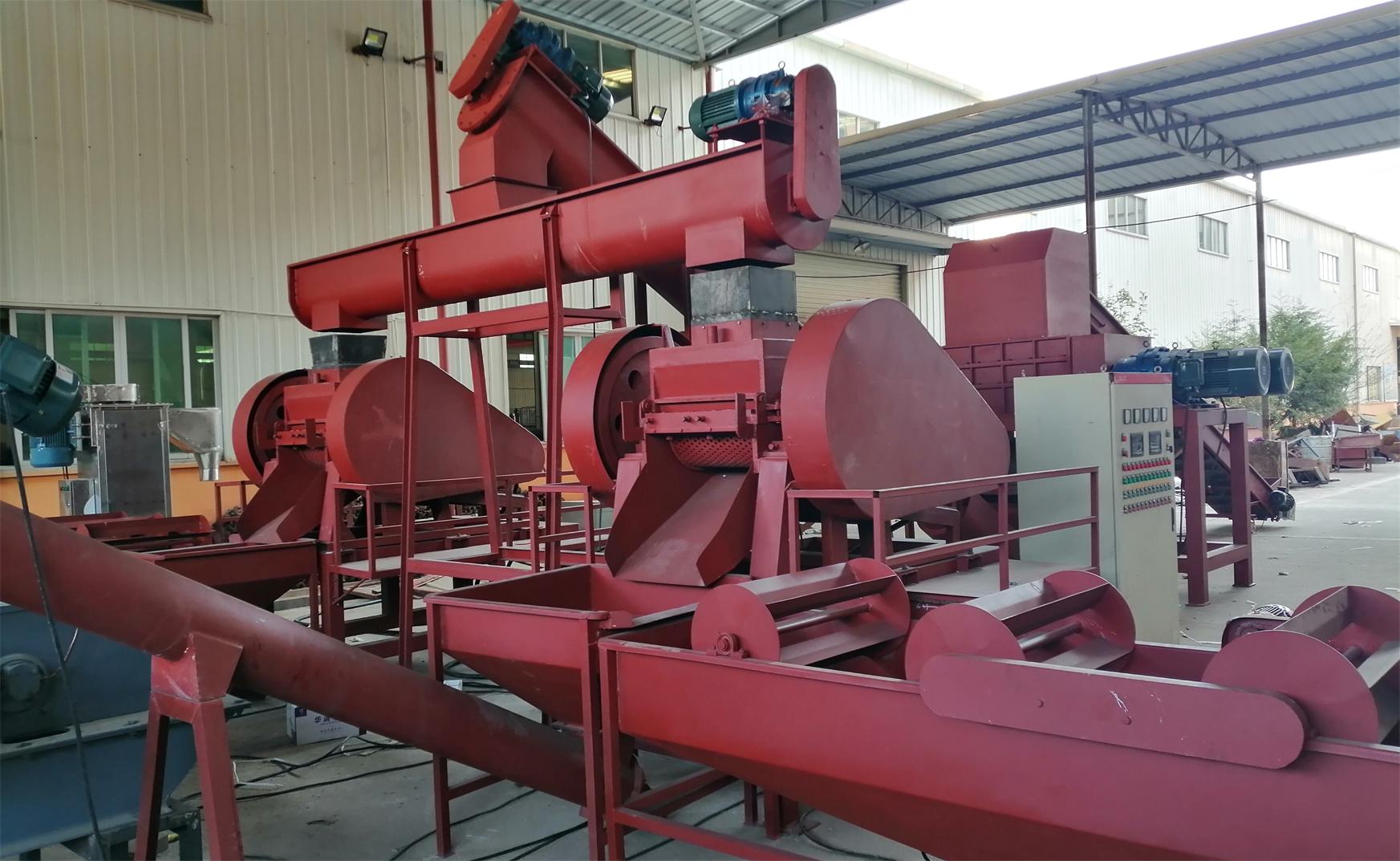
Scrap cables represent one of the easiest entry points into recycling. Cable recycling equipment includes strippers for large-diameter wire and granulators with dry separators for mixed cable fractions. A compact granulator processing 200 kg to 1,200 kg per hour can serve as a profitable standalone business or feedstock preparation step for larger integrated plants. The key metric is copper recovery rate: quality systems separate over 99% of conductive metal from plastic insulation.
Pre-Processing and Support Machinery
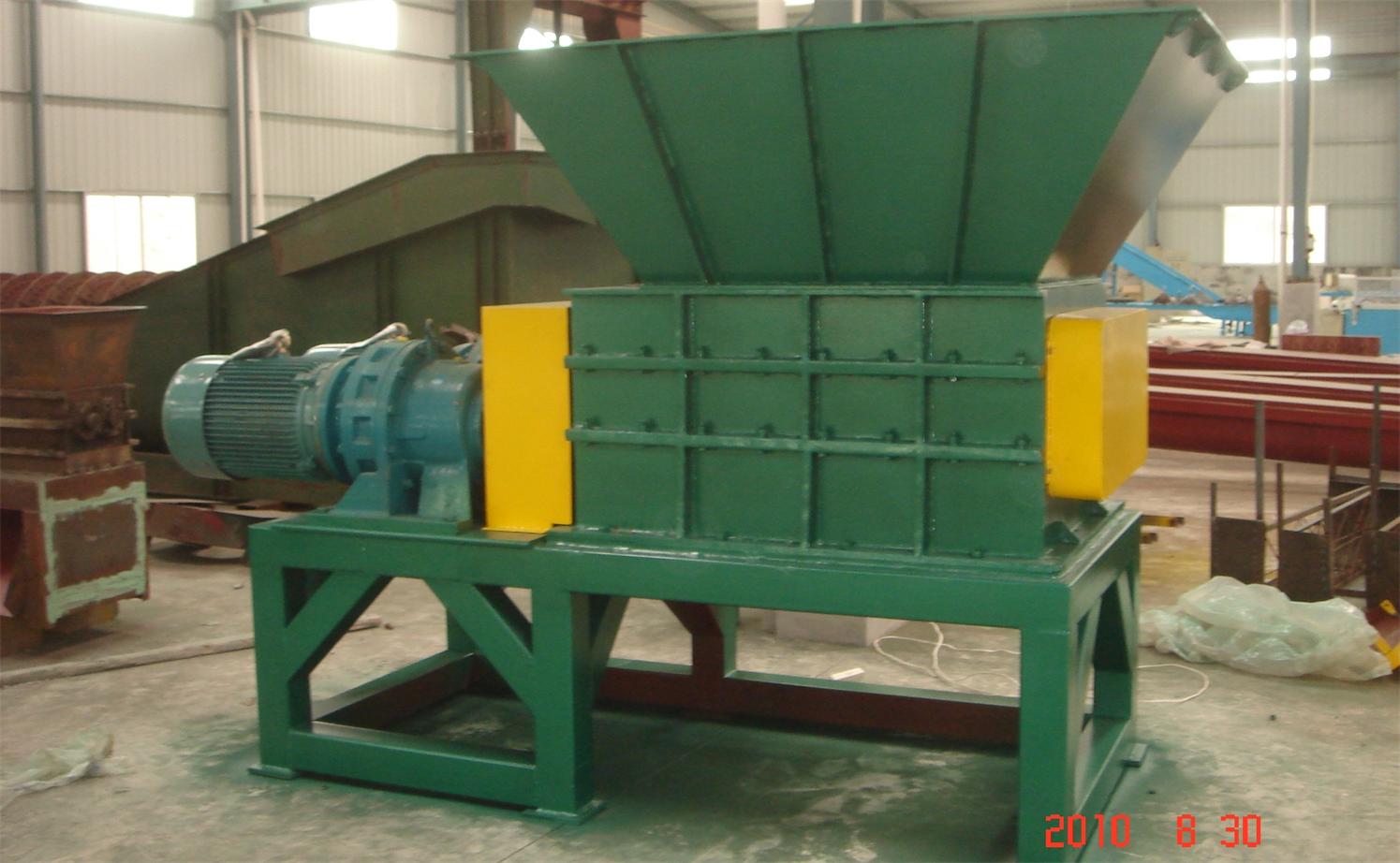
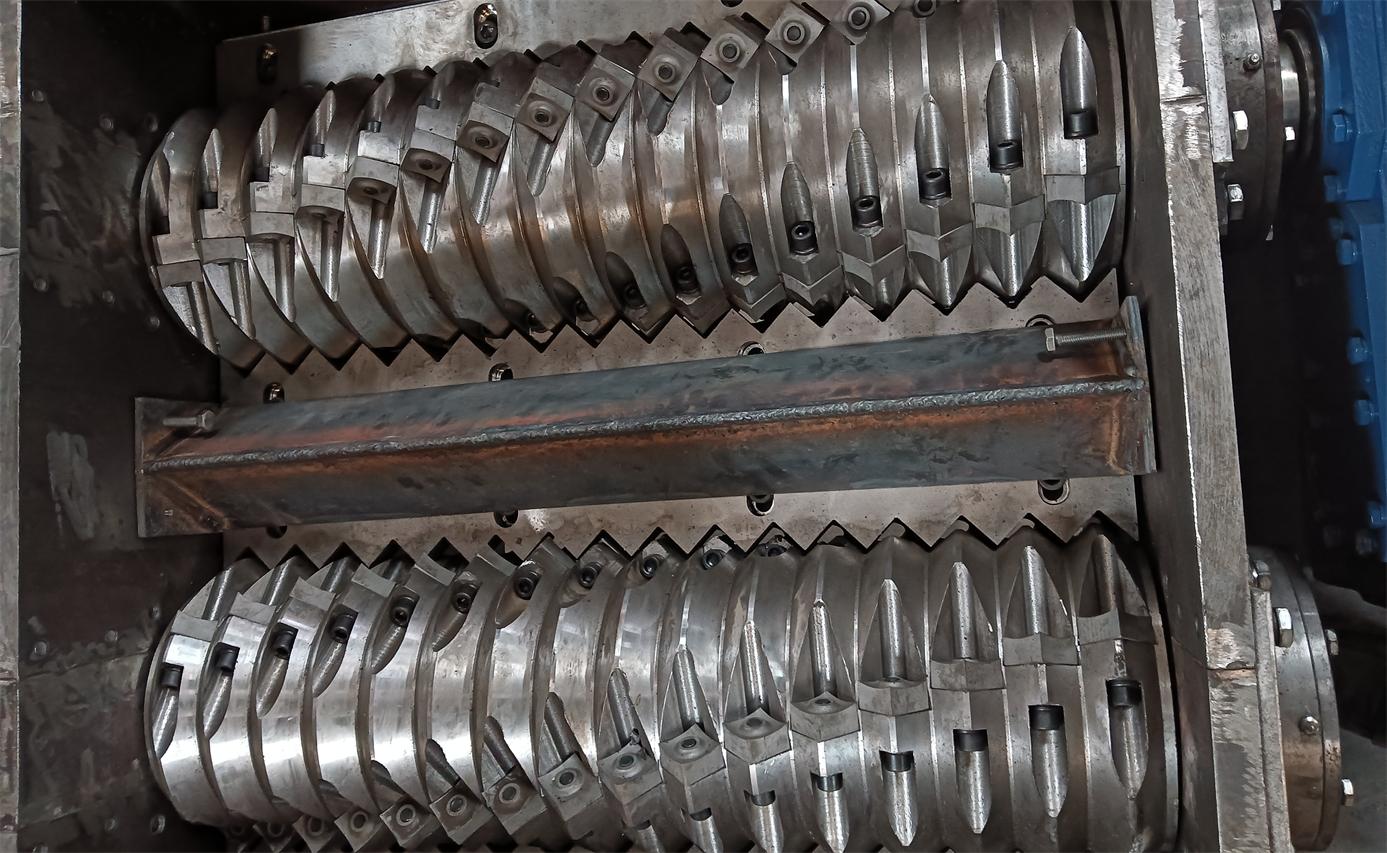
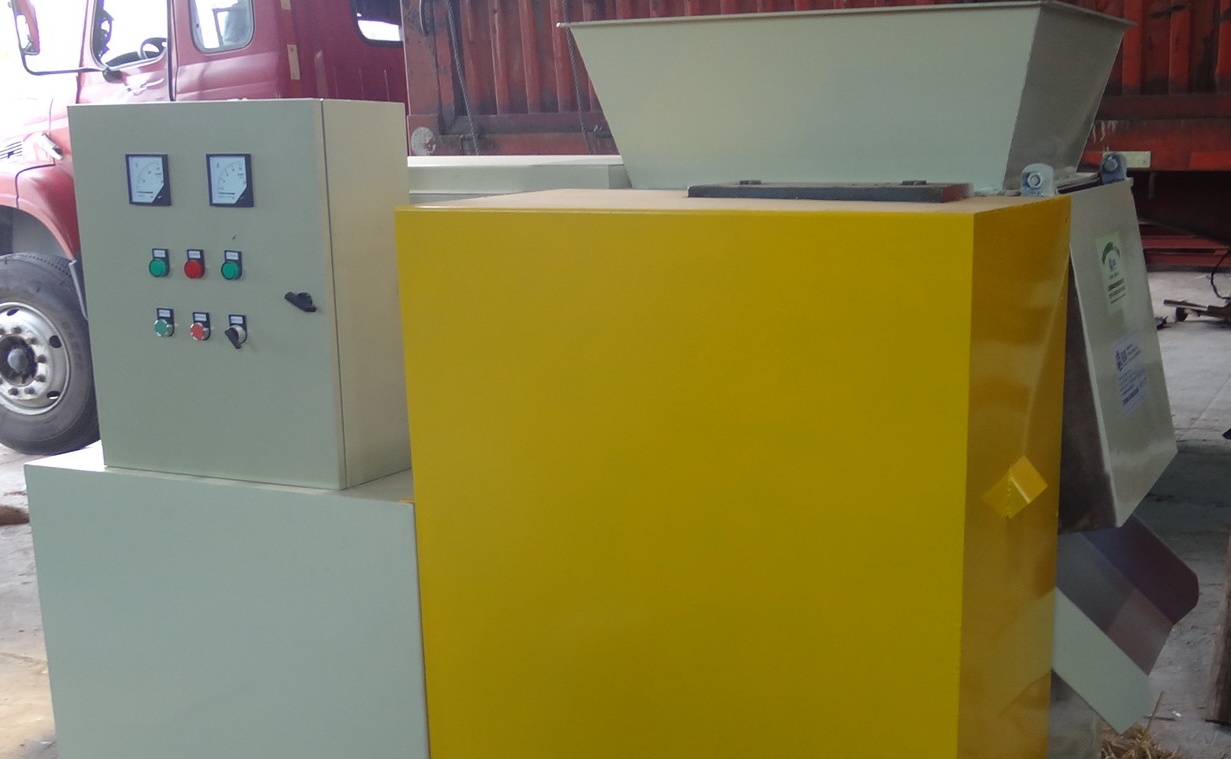
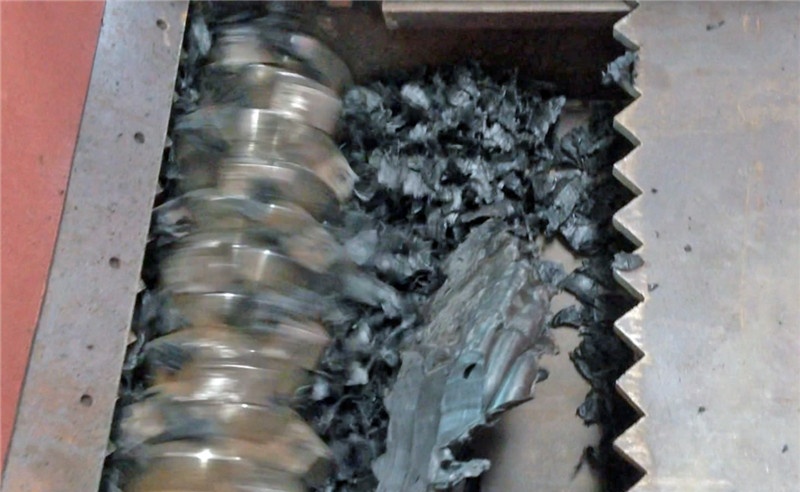
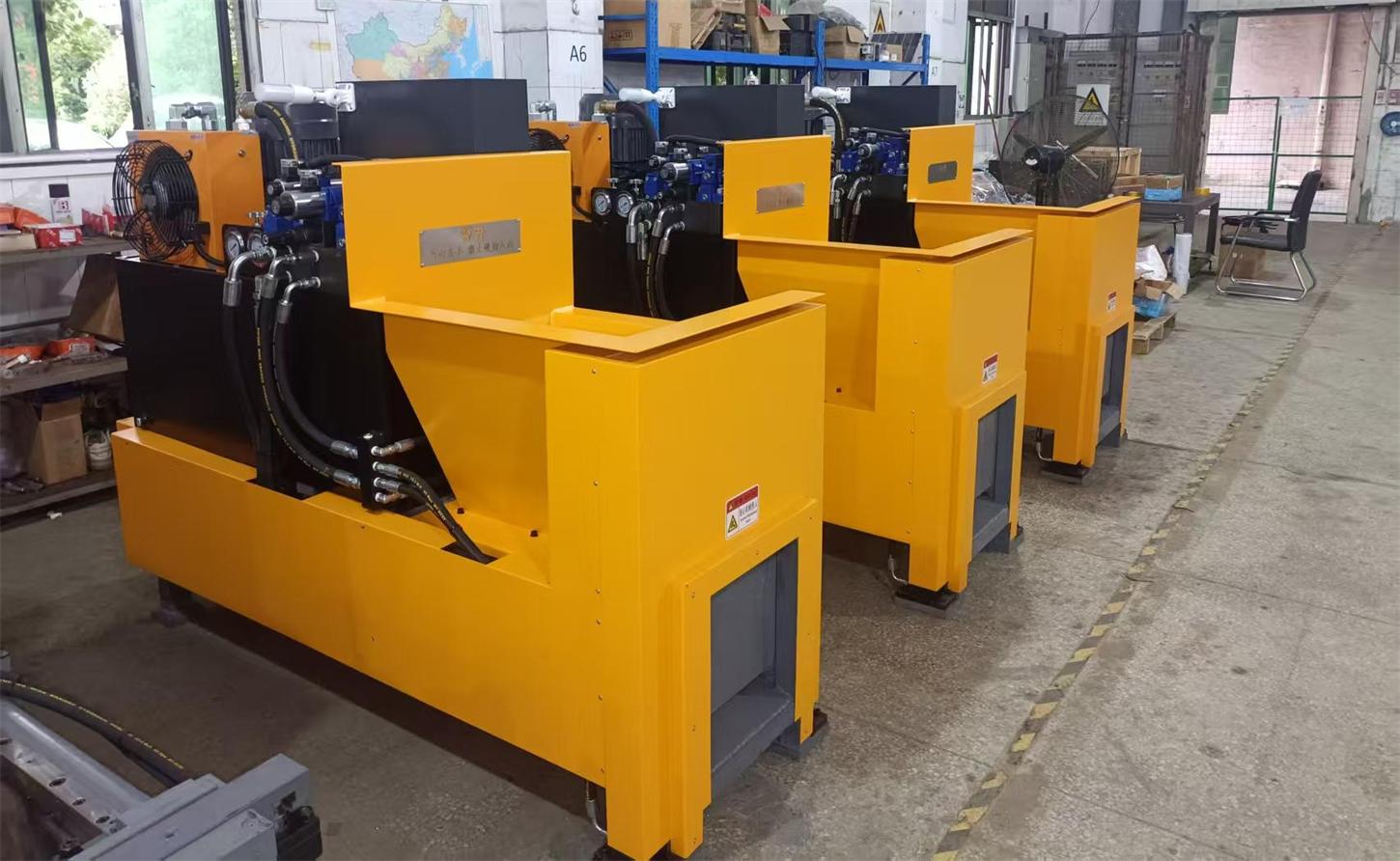
Before specialized recovery, most e-waste requires size reduction and sorting. Industrial shredders—single-shaft, twin-shaft, and four-shaft configurations—handle everything from refrigerators and air conditioners to bundled cables and circuit boards. Hydraulic briquetting machines compress loose metal powders into dense blocks for easier transport and furnace feeding. Refrigerant recovery machines safely extract gases from cooling appliances before shredding. Selecting the right shredder capacity and blade configuration for your primary feedstock prevents bottlenecks downstream.
Choosing the Right Equipment Partner
Equipment specifications on paper rarely tell the full story. The difference between a smooth project and a costly headache often comes down to the manufacturer's experience and support capabilities. When evaluating suppliers, consider these factors beyond quoted throughput rates:
• Engineering depth: Can the supplier customize plant layout and material flows for your specific feedstock mix, or do they only sell standardized packages?
• EPC capability: Do they offer Engineering, Procurement, and Construction services, including installation and commissioning, or will you coordinate multiple contractors?
• After-sales support: Spare parts availability, remote troubleshooting, and on-site technical assistance determine your plant's uptime.
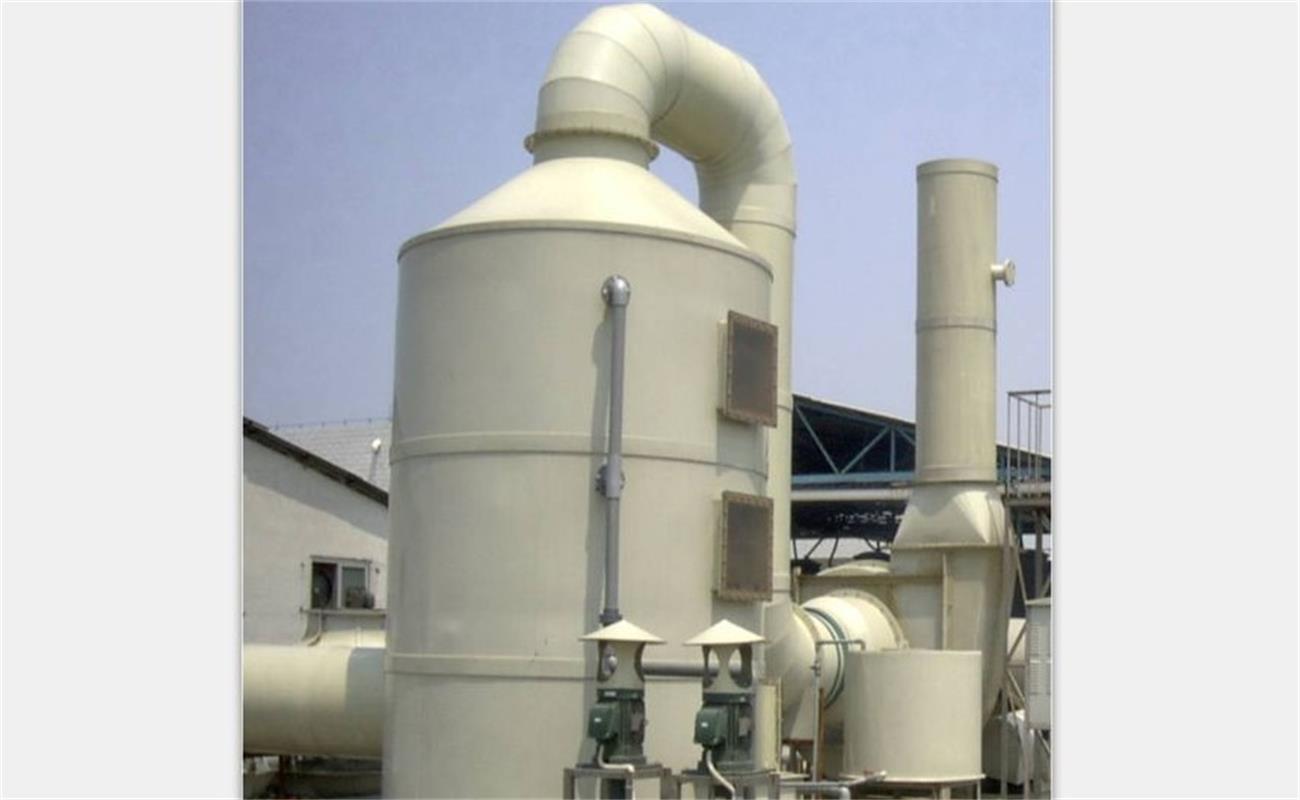
• Environmental compliance: Do their systems include integrated pollution control—dust collection, effluent treatment, and gas scrubbing—to satisfy local regulations?
• Operational experience: Has the manufacturer operated recycling plants themselves, or only built equipment? Hands-on operational knowledge translates into more reliable machine design.
A supplier who understands both the mechanical and commercial sides of recycling can help you avoid common pitfalls: underestimating power requirements, overlooking material preprocessing steps, or failing to account for residue disposal costs.
San Lan Technologies: Integrated Solutions from a Specialist Team
Founded in 2007 and headquartered in Jiangxi Province, China, San Lan Technologies Co., Ltd has spent nearly two decades specializing exclusively in WEEE recycling machinery and mining equipment. Unlike generalist industrial equipment traders, San Lan designs and manufactures complete processing lines for lead-acid batteries, lithium-ion batteries, circuit boards, cables, CRT monitors, refrigerators, air conditioners, and electric motors.
Core strength: San Lan's technical team holds master's degrees in mechanical engineering and brings over 15 years of direct experience in e-waste recycling machine design and plant operation. This is not theoretical knowledge—it is built from solving real material separation challenges in running plants.
The company serves customers across 21 countries including Singapore, Colombia, Vietnam, Mexico, Argentina, Korea, Malaysia, Indonesia, South Africa, India, and Saudi Arabia. Its product range spans 13 categories and approximately 60 individual machines, from shredders and granulators to rotary furnaces, refining kettles, and air pollution control systems.
What distinguishes San Lan from catalog suppliers is its end-to-end project capability. The team provides customized plant design, equipment manufacturing, installation and commissioning, and even operational support such as sourcing waste feedstock and marketing recovered materials. For investors new to recycling, this turnkey approach de-risks the launch phase significantly.
Key equipment highlights include lead-acid battery breaking and separation systems with 1–10 MT/hour capacity; lithium battery recycling plants processing 500–2,500 kg/hour; circuit board recovery lines achieving 96–98% copper powder purity; and cable granulators handling 200–15,000 kg per shift. All systems can be configured with integrated environmental controls to meet local emission and effluent standards.
Building Your Recycling Operation: A Phased Approach
Most successful recycling businesses do not launch with a full-scale integrated plant on day one. A phased approach reduces capital risk and allows you to refine operations as you learn your local feedstock characteristics.
• Phase 1 – Collection and preprocessing: Start with dismantling, sorting, and size reduction. A shredder and basic separation equipment lets you test feedstock volumes and build supplier relationships with minimal capital outlay.
• Phase 2 – Mechanical recovery: Add granulators, air separators, or wet separation lines to produce metal concentrates. These intermediate products have established buyers even if you do not yet run refining operations.
• Phase 3 – Advanced refining: Once mechanical lines are profitable and feedstock is secure, invest in pyrometallurgical furnaces or hydrometallurgical circuits to capture the full value chain from metal concentrates to ingots or high-purity salts.
Each phase should be planned with future expansion in mind. Layout, power supply, and environmental permits should accommodate downstream equipment before you commit to the initial installation.
Final Thoughts: Timing Matters
The e-waste recycling industry is approaching an inflection point. Regulatory mandates, critical mineral security concerns, and rising landfill costs are converging to make formal recycling not just environmentally preferable but economically necessary. Early movers who secure reliable equipment partnerships and establish feedstock networks will benefit from years of growing demand.
Equipment selection is the single most consequential decision in this journey. The right machines, backed by experienced engineering support, turn complex waste streams into predictable revenue. The wrong choices lead to maintenance nightmares, compliance violations, and stranded capital.
Ready to explore equipment options for your recycling project? San Lan Technologies offers free consultation on plant design, equipment selection, and project feasibility. With nearly 20 years of specialized experience and installations across 21 countries, the team can help you match the right machinery to your feedstock and budget.
Visit www.san-lan.com to browse the complete product catalog, or contact the team directly via email at info@san-lan.com or WhatsApp at +86 139 2377 4083 for a personalized project assessment.