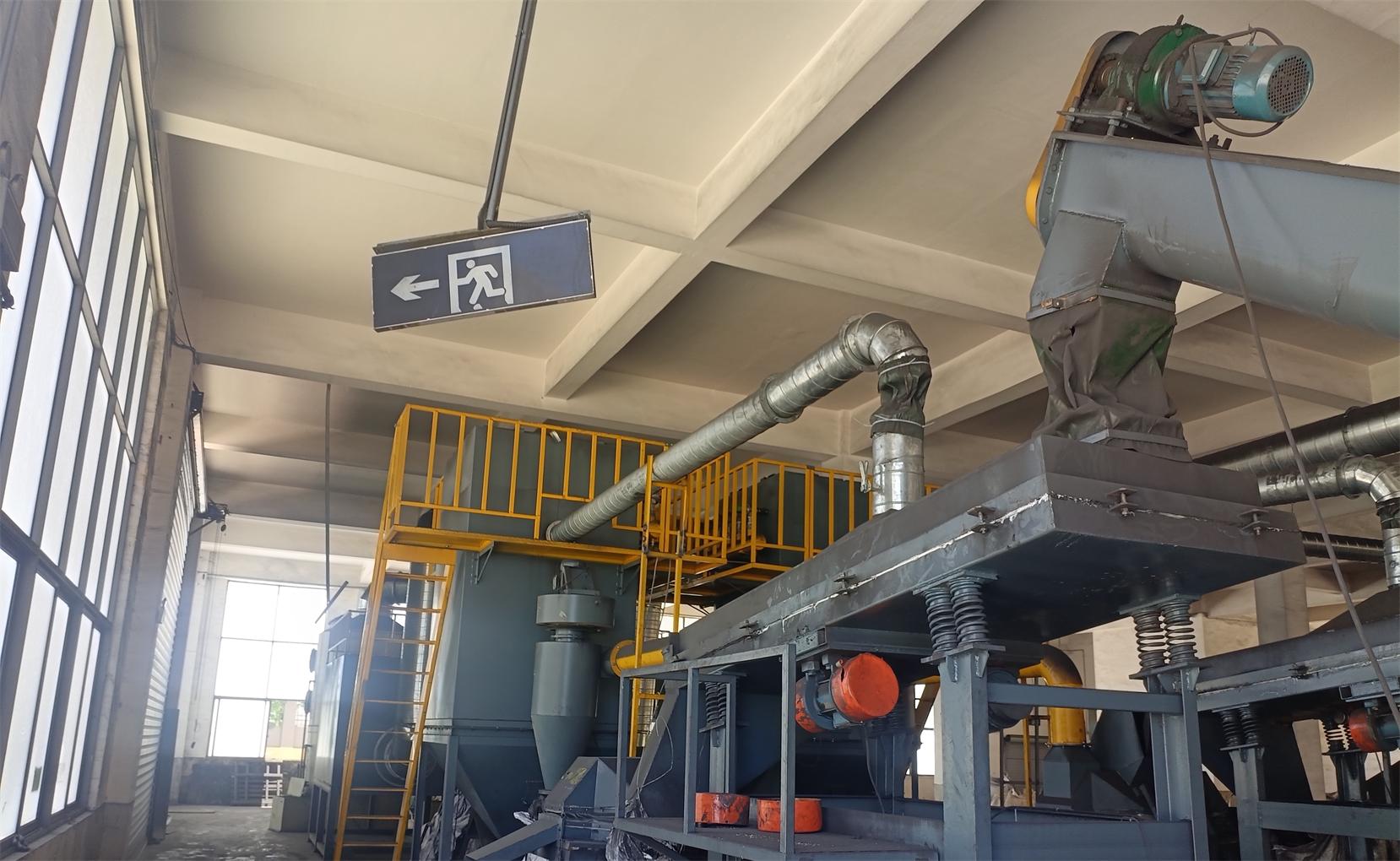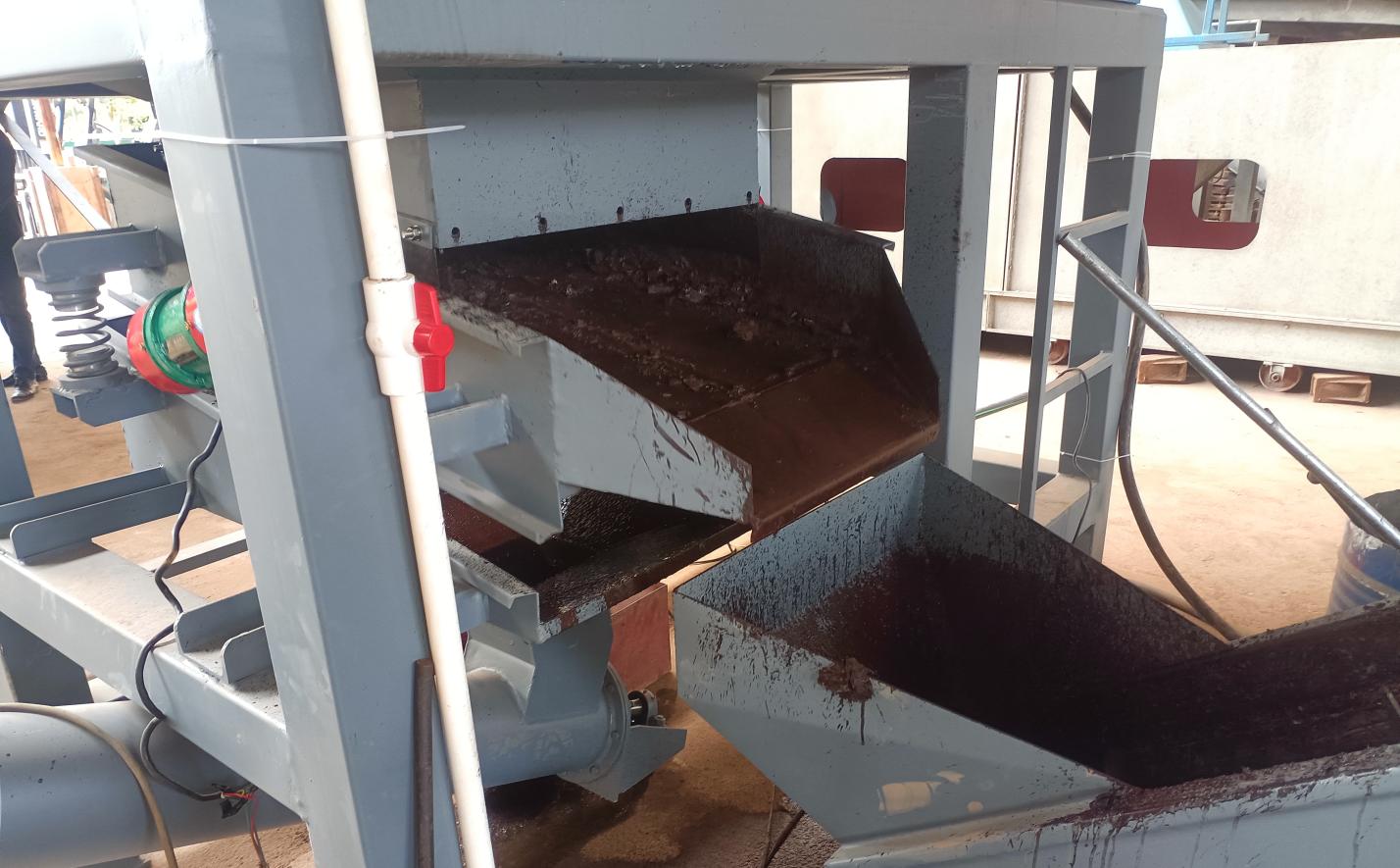
Every year, millions of tonnes of electronic waste pile up in landfills, yet buried within that waste are valuable metals — copper, aluminum, lead, lithium, gold, and silver — representing billions of dollars in recoverable resources. The question is not whether e-waste recycling is profitable. It is whether you have the right equipment and partner to capture that value.
Why E-Waste Recycling Is a High-Growth Opportunity
The global push for sustainability, combined with stricter environmental regulations, has turned e-waste recycling from a niche operation into a mainstream business. Governments worldwide are mandating extended producer responsibility (EPR), forcing manufacturers to ensure their products are recycled at end-of-life. This creates a reliable, growing feedstock for recycling plants.
Beyond policy, the economics are compelling. Recovered copper, aluminum, lead, lithium, and precious metals command strong market prices. A well-configured recycling plant can generate revenue from multiple material streams, reducing reliance on any single commodity.
Core Equipment Every Recycling Plant Needs
The profitability of your operation depends heavily on the machinery you install. Here are the essential equipment categories that form the backbone of a modern recycling facility.
Lead Acid Battery Recycling Equipment
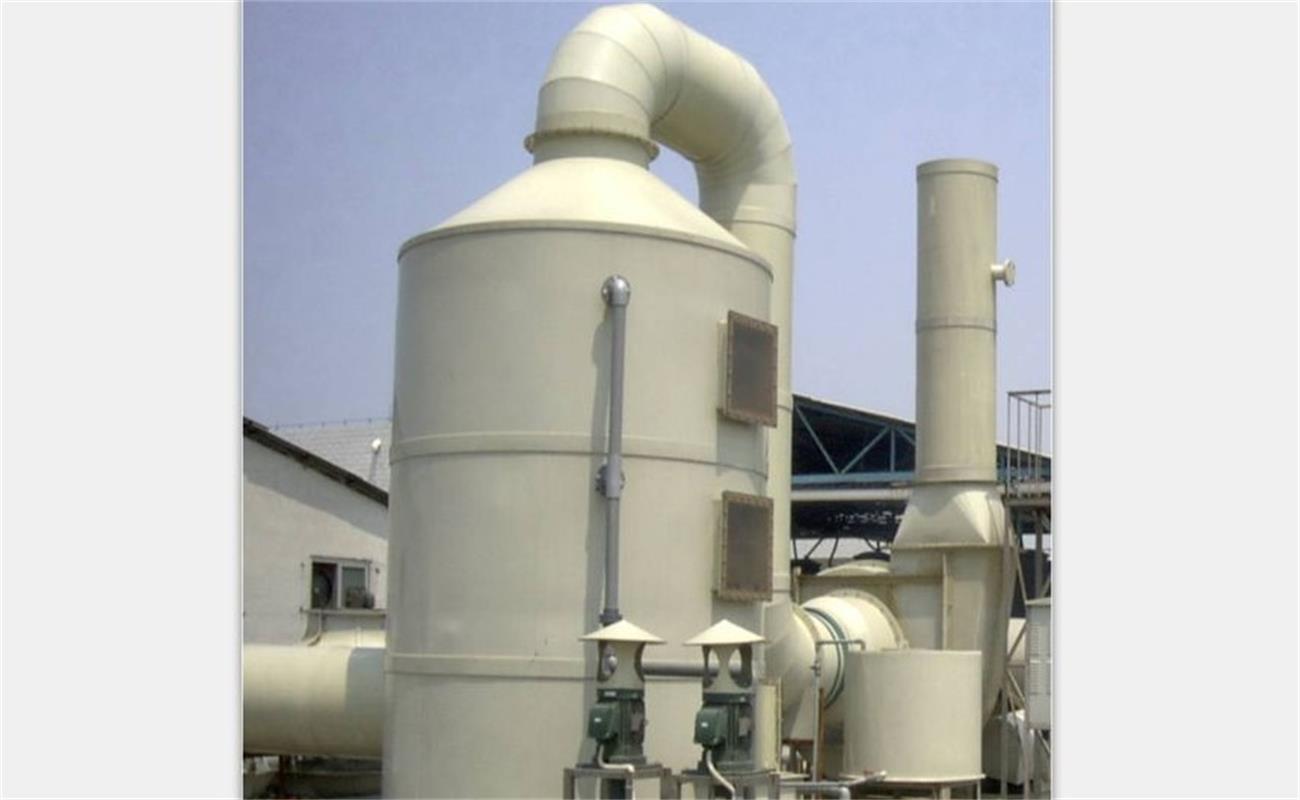
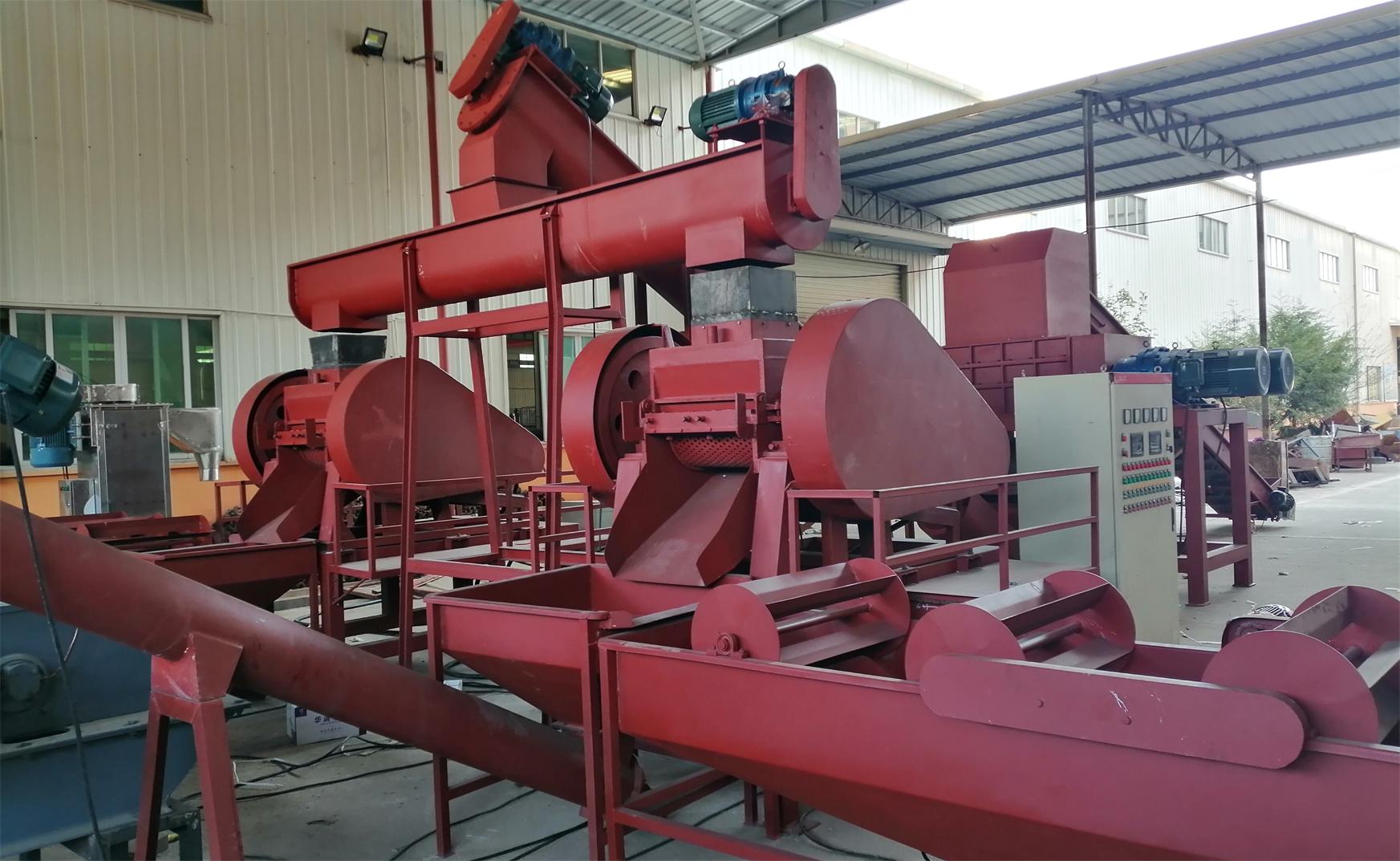
Used lead acid batteries (ULAB) represent one of the most recycled consumer products in the world. A complete lead acid battery recycling equipment line typically includes battery cutters, breaking and separation systems, de-sulfurization units, rotary furnaces for paste reduction, refinery kettles, and air pollution control systems. The goal is to recover lead paste, lead grids, plastic casings, and acid in a safe, environmentally compliant manner. Capacities generally range from 1 to 10 MT per hour, depending on your feedstock volume.
Cable Recycling Equipment
Scrap cables are a rich source of copper and aluminum. Cable recycling equipment — including scrap cable strippers and cable granulators with dry or wet separators — separates metal from plastic insulation efficiently. Modern systems can process everything from thin communication wires to thick industrial cables. Output purity for copper can reach 96–98%, making it attractive to metal refiners.
Circuit Board Recycling Equipment
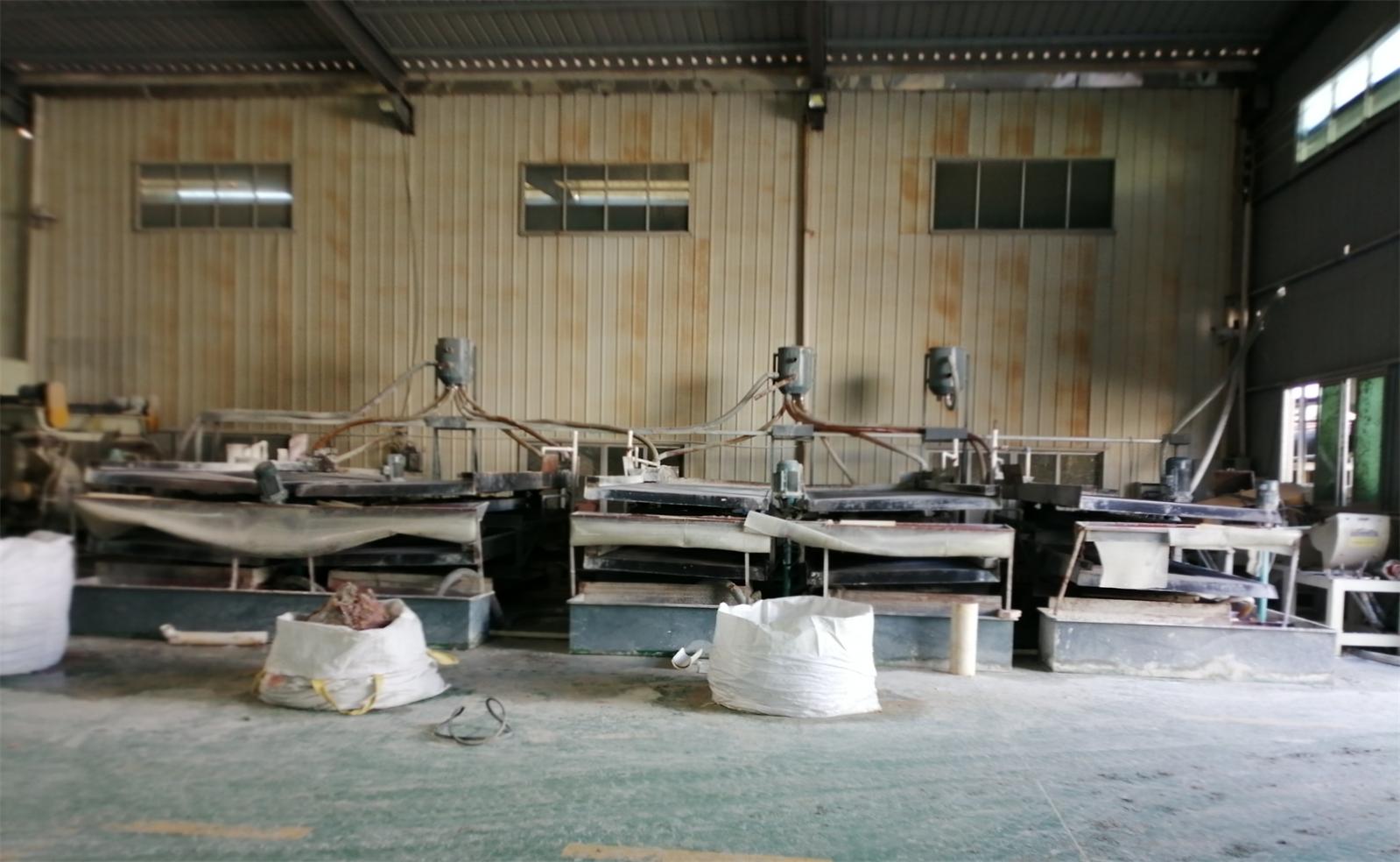
Printed circuit boards (PCBs) contain concentrated amounts of copper, gold, silver, and other precious metals. Circuit board recycling equipment uses mechanical processes such as shredding, air separation, electrostatic separation, and wet separation to recover metal powders without harmful chemical leaching. Depending on the model, daily throughput can range from 4 to 6 tonnes per 8-hour shift, with recovery rates up to 95%.
Lithium Battery Recycling Plant
With the electric vehicle revolution accelerating, spent lithium-ion batteries are becoming a major feedstock. A lithium battery recycling plant breaks and separates waste batteries to recover black mass (containing nickel, cobalt, and graphite), copper, aluminum, and plastic. Capacities typically range from 500 to 2,500 kg per hour. Proper air pollution control is essential due to the volatile nature of lithium compounds.
Supporting Machinery
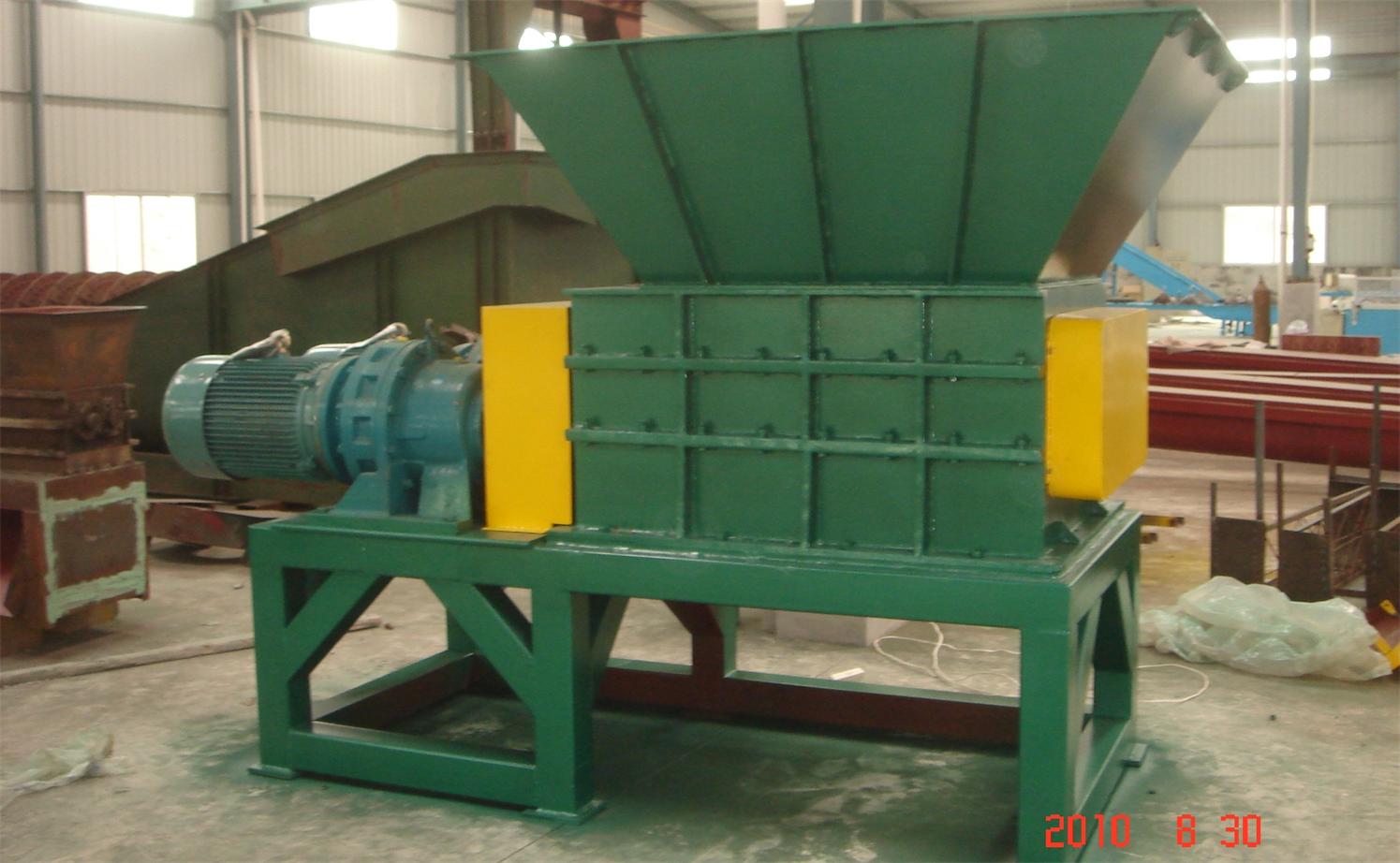
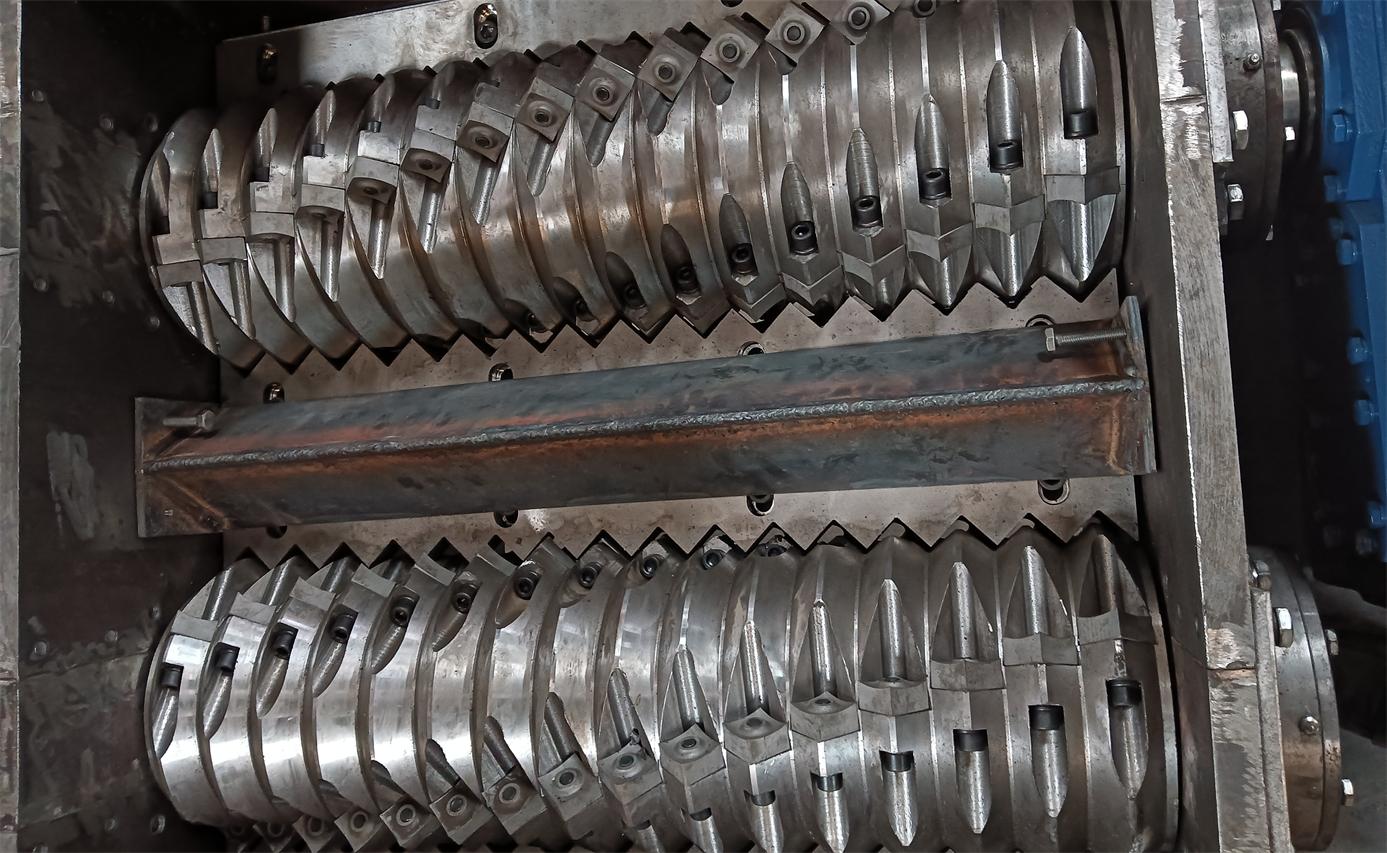
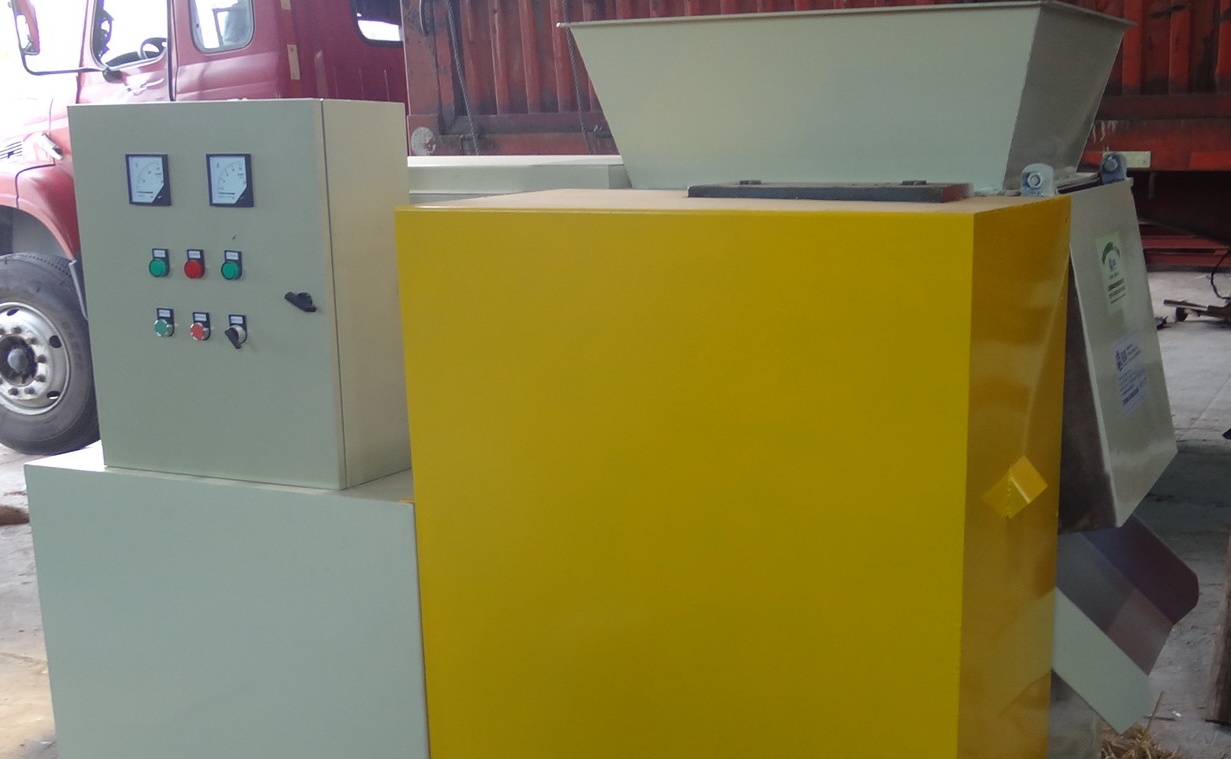
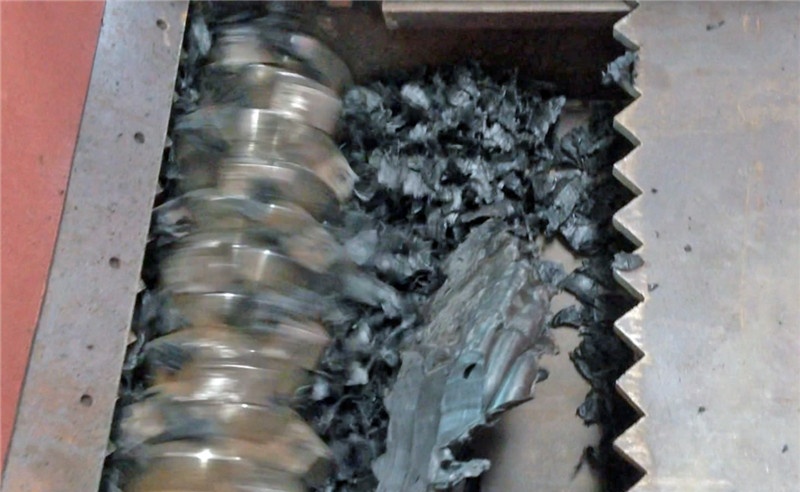
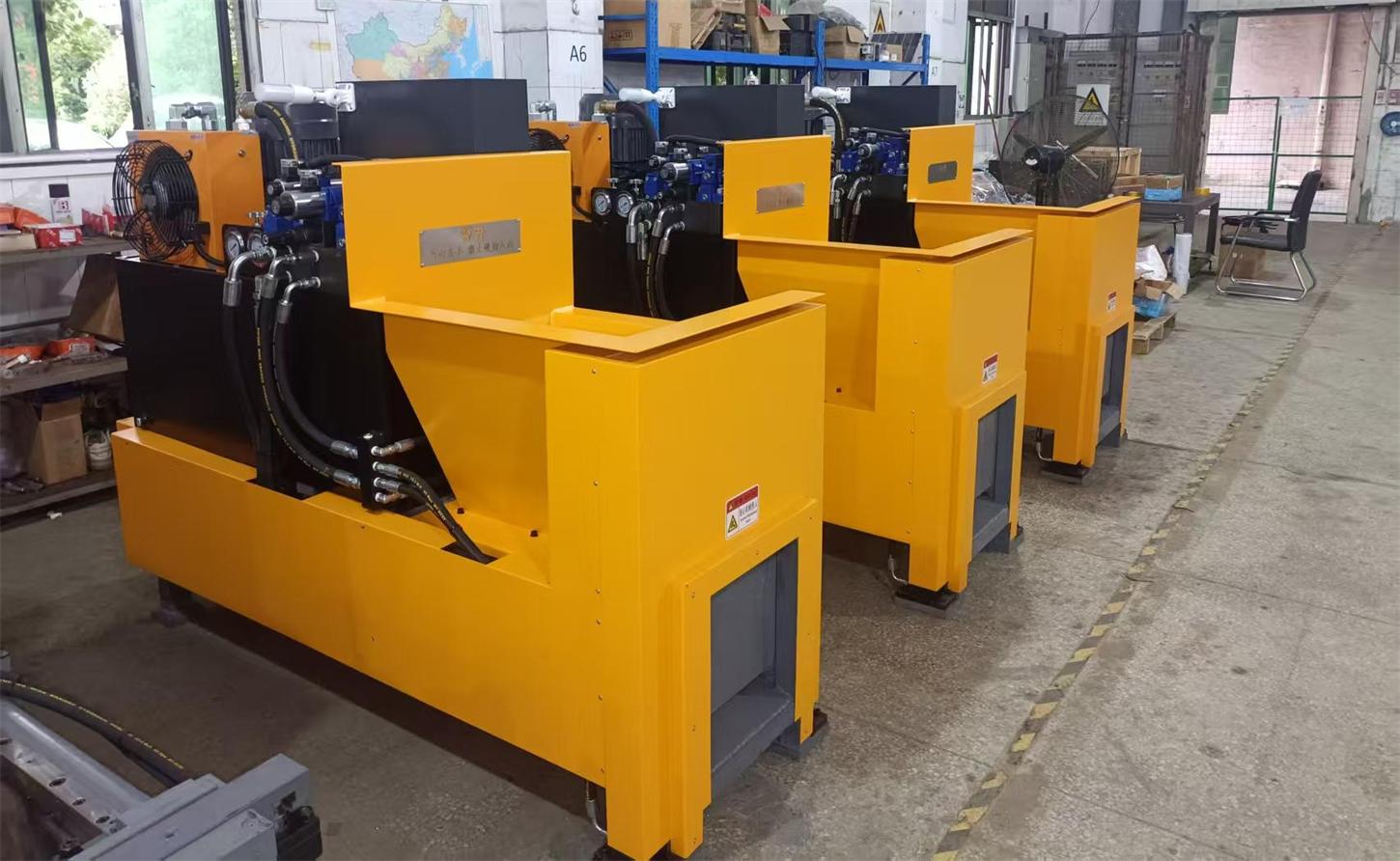
Beyond the core lines, most plants also require shredders and pre-choppers for size reduction, hydraulic presses for metal briquetting, and melting furnaces to cast recovered metals into ingots. Refrigerator and AC recycling machines, motor recycling machines, and lamp recycling units allow you to expand into additional waste streams.
What to Look for in a Reliable Equipment Supplier
Choosing a supplier is as critical as choosing the equipment itself. Here are the key criteria to evaluate:
Technical depth: Look for a supplier with a dedicated engineering team that understands the mechanical and metallurgical aspects of recycling. Over 15 years of hands-on experience in e-waste machinery design is a strong indicator of capability.
Customization capability: No two feedstock sources are identical. Your supplier should offer customized plant design based on your material composition, target output, local regulations, and budget.
EPC project experience: Engineering, Procurement, and Construction (EPC) capability means the supplier can deliver a turnkey solution — from layout design and equipment manufacturing to installation and commissioning.
After-sales support: Training, spare parts availability, and remote technical support determine how quickly your plant reaches stable production.
Compliance assurance: The supplier should design systems that meet environmental standards, including dust collection, effluent treatment, and exhaust gas purification.
One-Stop Solutions vs. Piecemeal Purchasing
Some investors try to source equipment from multiple vendors to save costs. In practice, this often leads to integration headaches, incompatible interfaces, and blame-shifting when something goes wrong.
A one-stop supplier provides matched equipment, unified control logic, and a single point of accountability. This approach typically shortens installation time, reduces commissioning risk, and lowers total cost of ownership.
Additional value-added services — such as helping you source feedstock, find investors, or sell recovered materials like copper rice, lead ingots, or copper powder — can significantly de-risk your venture, especially if you are entering the recycling industry for the first time.
Getting Started: Next Steps for Investors
If you are considering an e-waste recycling investment, start with a clear feasibility study:
1. Analyze your feedstock: What types of e-waste are available in your region, and in what volumes?
2. Define your outputs: Which recovered materials have strong local or export demand?
3. Size your plant: Match equipment capacity to realistic feedstock supply, not optimistic projections.
4. Budget realistically: Include not just equipment costs, but also civil works, utilities, permits, and working capital.
5. Visit reference sites: Speak with operators who are already running the same equipment.
Turn Waste Into Revenue Today
E-waste recycling is not just an environmental service — it is a resource extraction business. With the right equipment partner, you can transform discarded electronics into a steady stream of valuable metals.
San Lan Technologies has been designing and manufacturing e-waste recycling machinery since 2007, serving customers across 21 countries. From lead acid battery recycling lines to cable granulators and circuit board separation plants, we provide integrated solutions tailored to your market.
Contact us to discuss your project requirements and receive a customized equipment proposal.