The global e-waste recycling market is projected to reach $145 billion by 2030, driven by rising electronic consumption, shorter device lifespans, and increasingly strict environmental regulations. For entrepreneurs and established businesses alike, this represents one of the most compelling industrial opportunities of the decade. However, success in this sector depends heavily on one critical decision: choosing the right recycling equipment supplier and machinery partner.
Understanding the E-Waste Recycling Landscape
Electronic waste is not just an environmental challenge; it is a concentrated repository of valuable metals. One tonne of mobile phone circuit boards contains more gold than a tonne of high-grade mined ore. The same holds true for copper, aluminum, silver, and increasingly, lithium and cobalt from battery systems. This fundamental reality transforms e-waste from a disposal problem into a genuine resource recovery business.
A successful recycling operation requires a clear understanding of feedstock types. The e-waste stream includes used lead acid batteries, lithium-ion batteries from electric vehicles and consumer electronics, printed circuit boards (PCBs), scrap cables and wires, CRT monitors, refrigerators, air conditioners, and electric motors. Each category demands specialized processing equipment and distinct technical expertise.
Core Equipment Categories for Maximum Recovery
Building a profitable recycling plant starts with selecting machinery that matches your target feedstock. Here are the essential equipment categories that define a comprehensive operation:
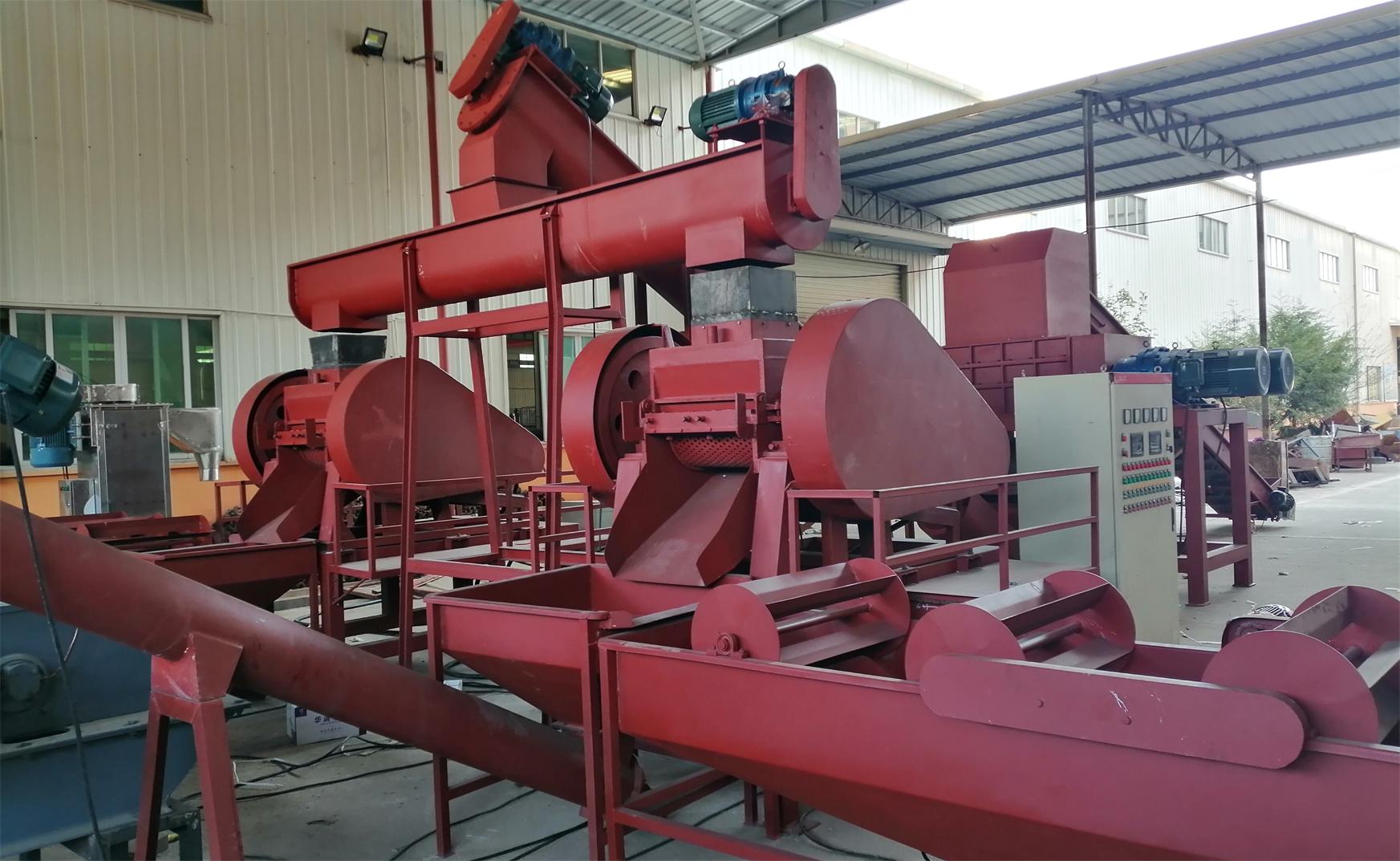
- Breaking and Separation Systems: The first step in most recycling lines, designed to crush and classify input material into recoverable fractions.
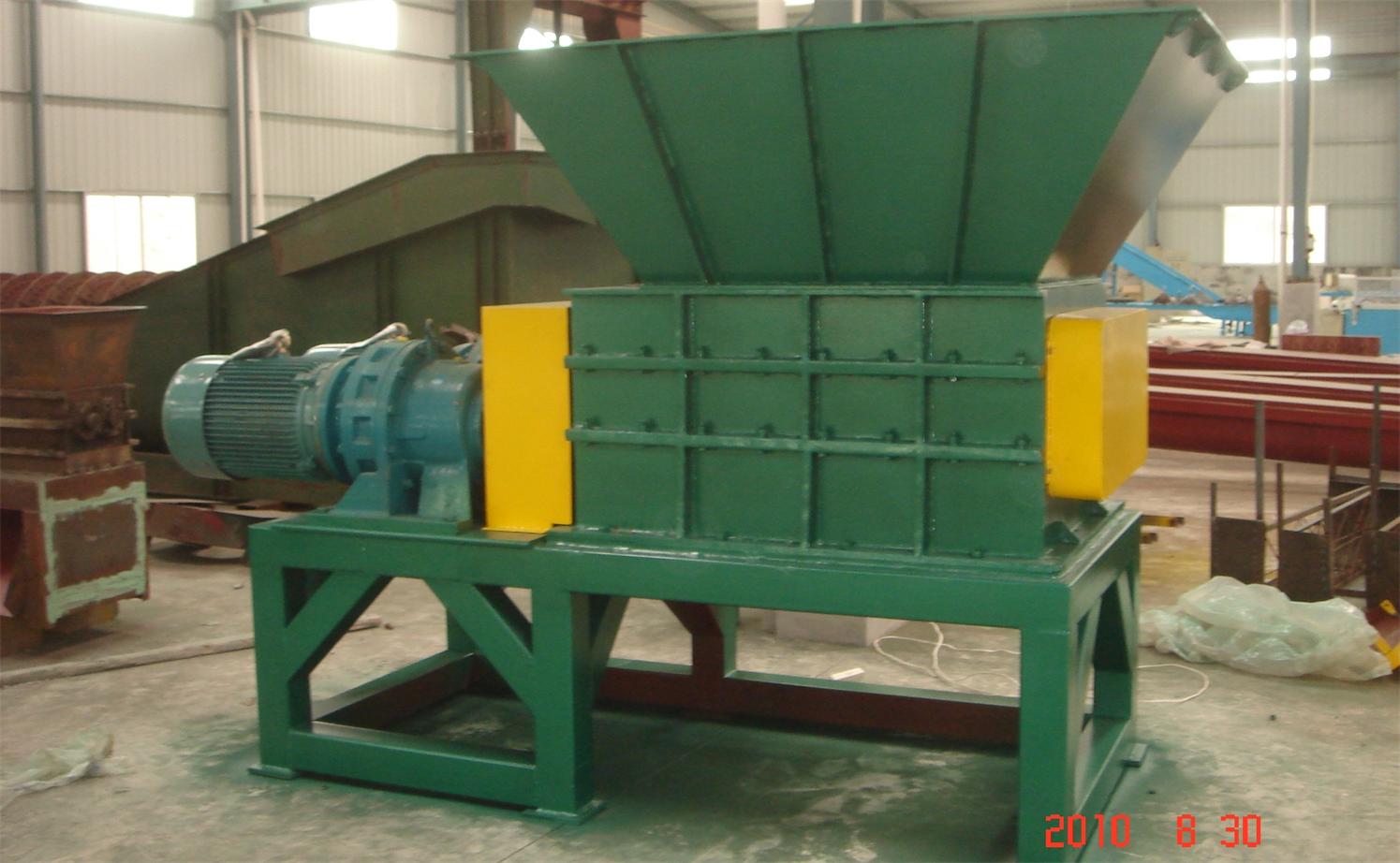
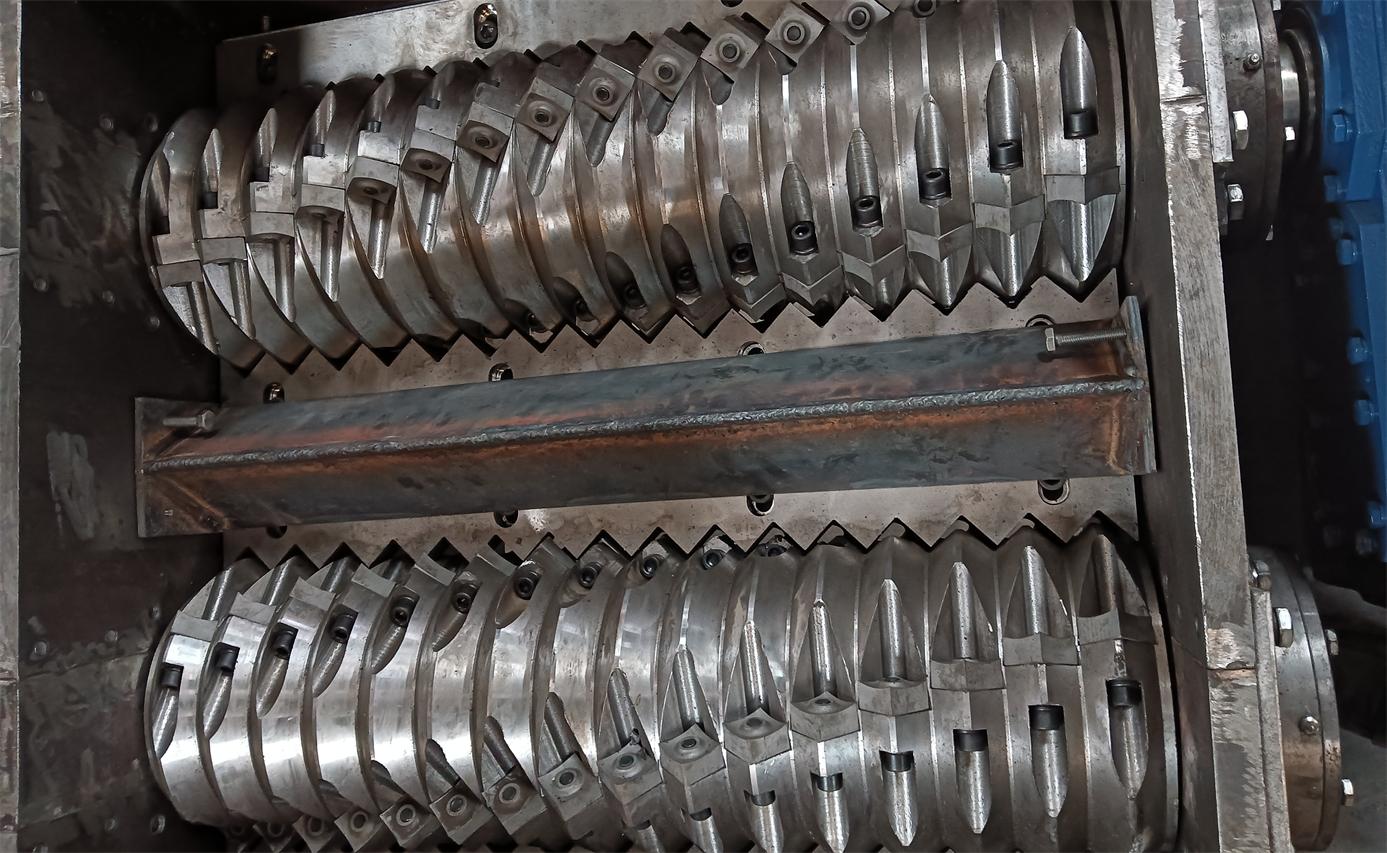
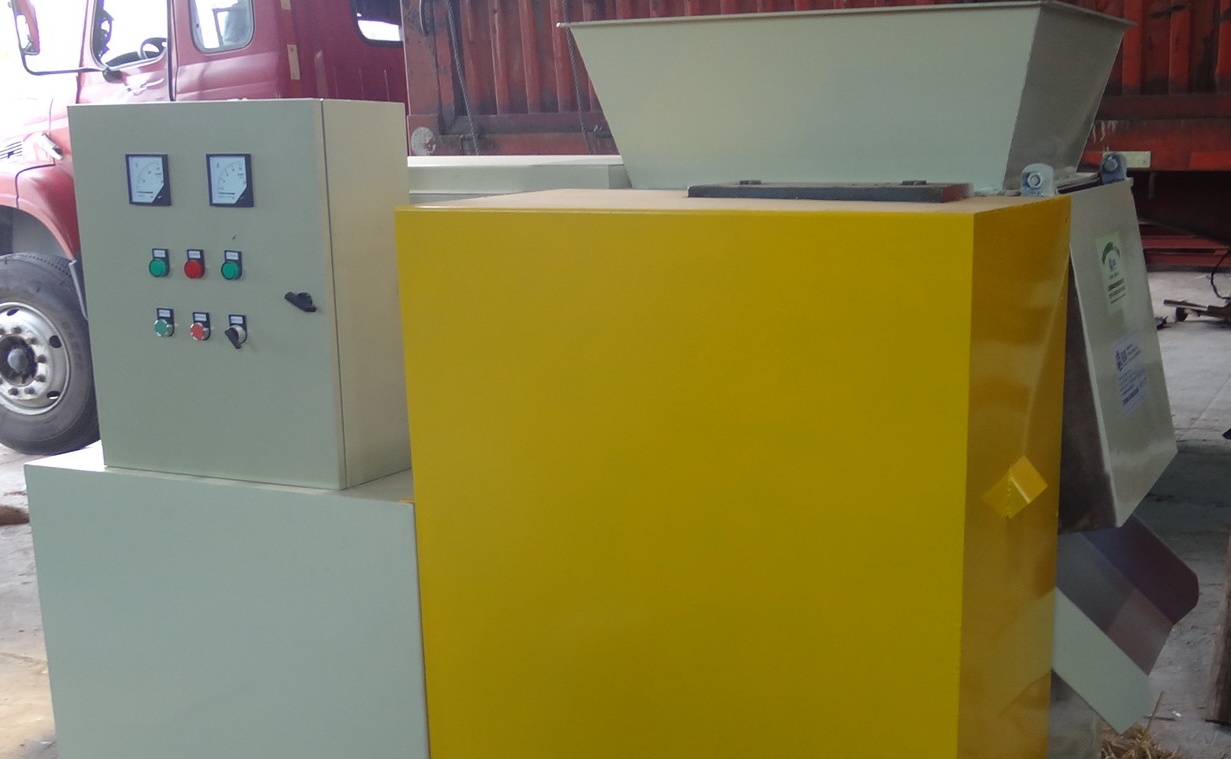
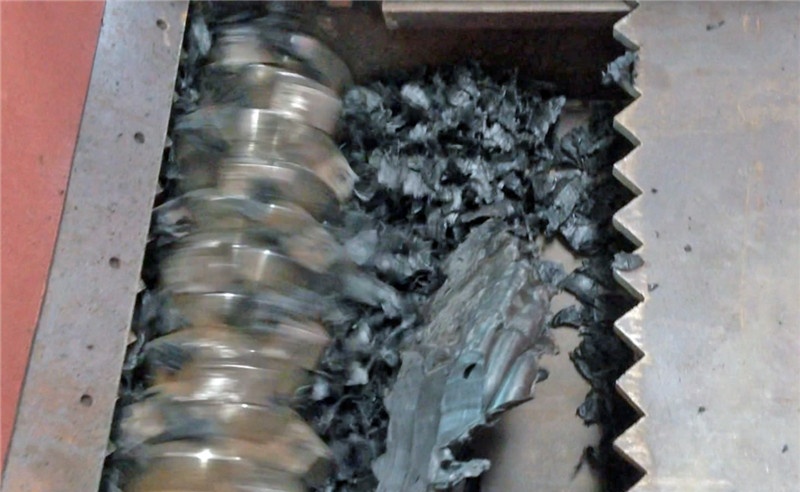
- Shredders and Pre-choppers: Multi-purpose size reduction equipment handling everything from cables and PCBs to refrigerators and batteries.
- Smelting and Refining Furnaces: High-temperature systems for converting metal concentrates into ingots or refined products.
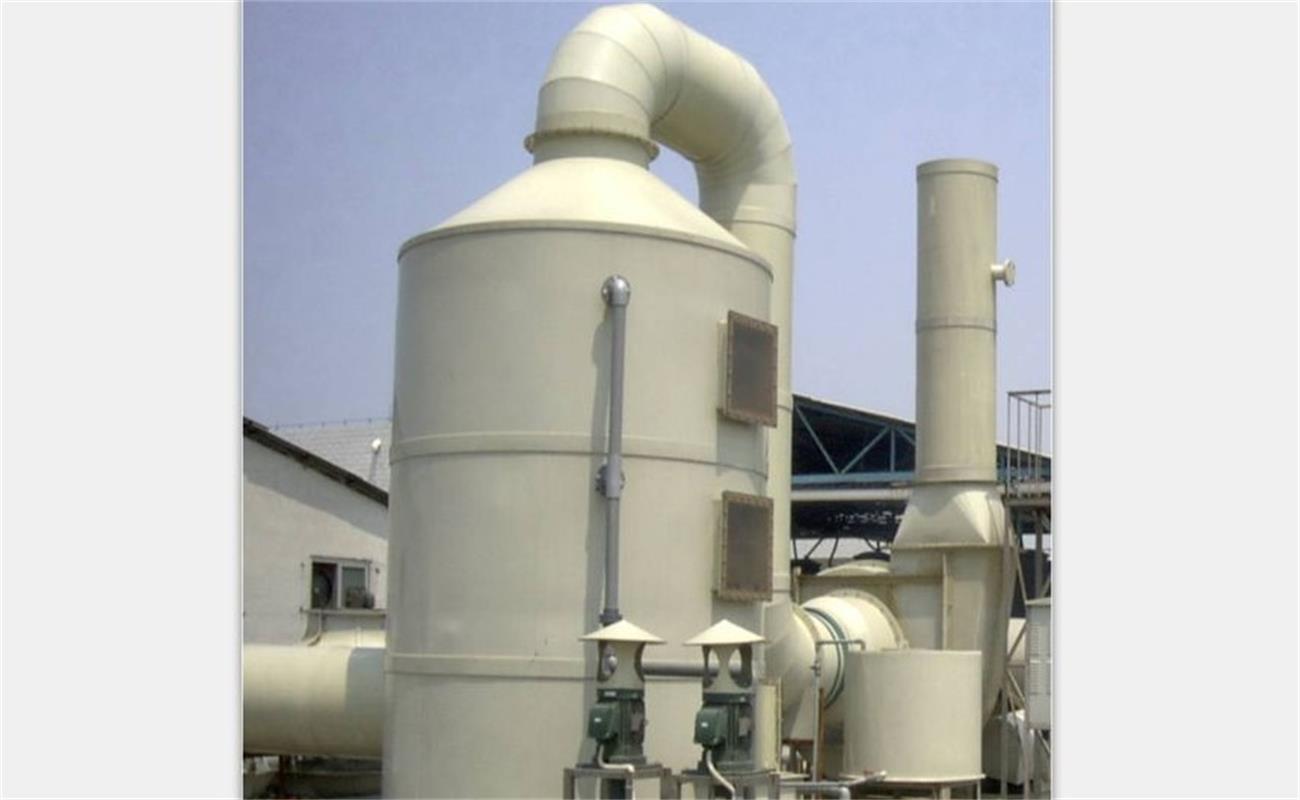
- Pollution Control Systems: Essential environmental compliance equipment treating exhaust gases and wastewater.
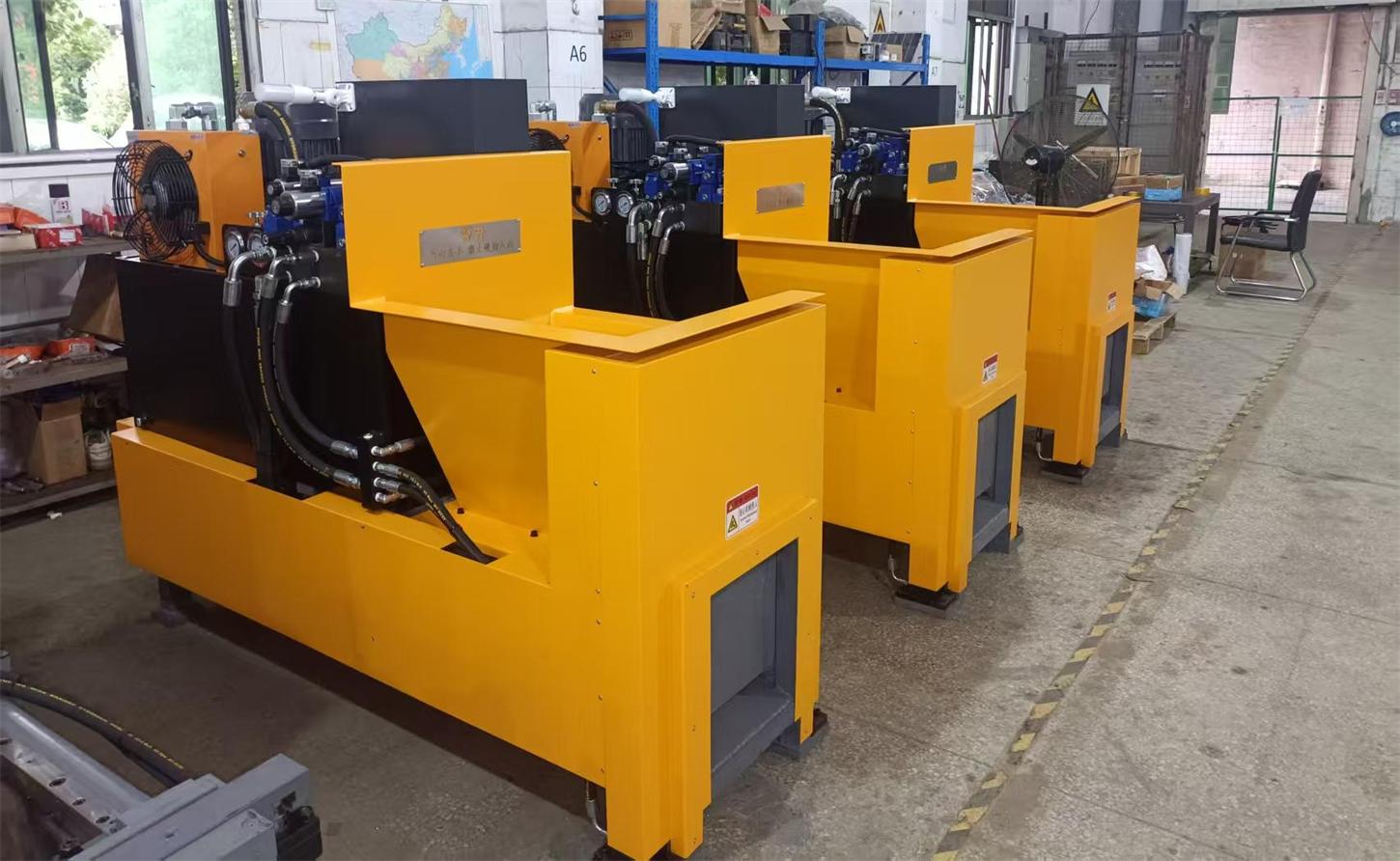
- Auxiliary Equipment: Hydraulic briquetters, balers, filter presses, and conveyors that complete the process line.
Lead Acid Battery Recycling: A Proven High-Value Stream
Used lead acid batteries represent one of the most established and profitable recycling streams globally. With over 1 billion units discarded annually worldwide, the supply is vast and consistent. A complete lead acid battery recycling equipment line typically includes battery breaking and separation systems, de-sulfurization units, blast or rotary furnaces for paste reduction, lead refinery kettles, and air pollution control systems.
Modern lead acid battery recycling plants can achieve lead recovery rates exceeding 95%, producing pure lead ingots suitable for battery manufacturing or other industrial applications. The process also recovers valuable plastic cases and sulfuric acid, creating multiple revenue streams from a single feedstock. Capacity typically ranges from 1 to 10 metric tonnes per hour, making this scalable for both emerging and established operators.
Cable and PCB Recycling: Maximizing Metal Recovery
Scrap cables and printed circuit boards contain exceptionally high concentrations of copper, often 20-40% by weight for PCBs and nearly pure copper for certain cable types. The right cable recycling equipment can separate copper and aluminum from plastic insulation with recovery rates above 95%, producing clean metal granules and plastic pellets that command premium prices in secondary markets.
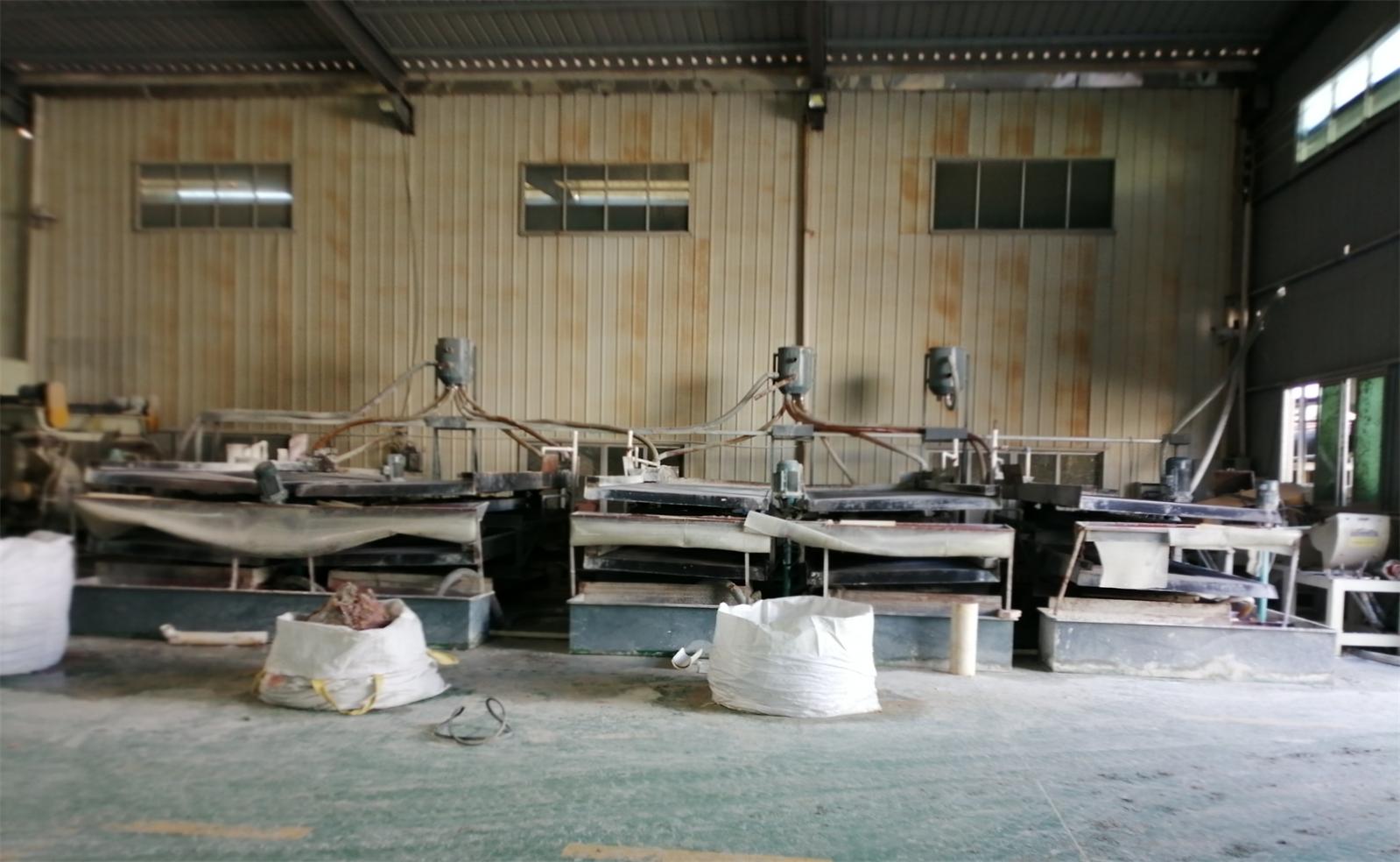
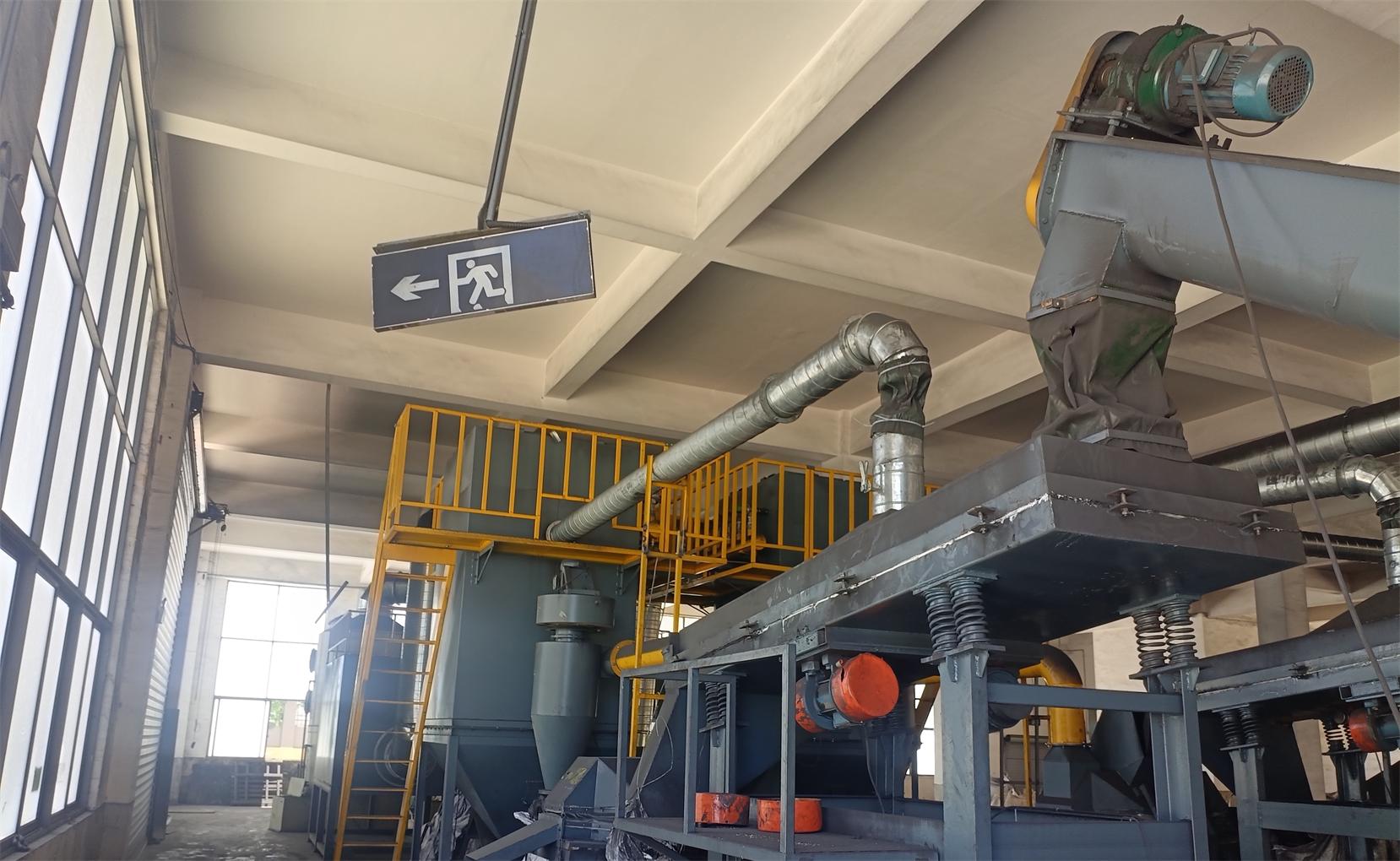
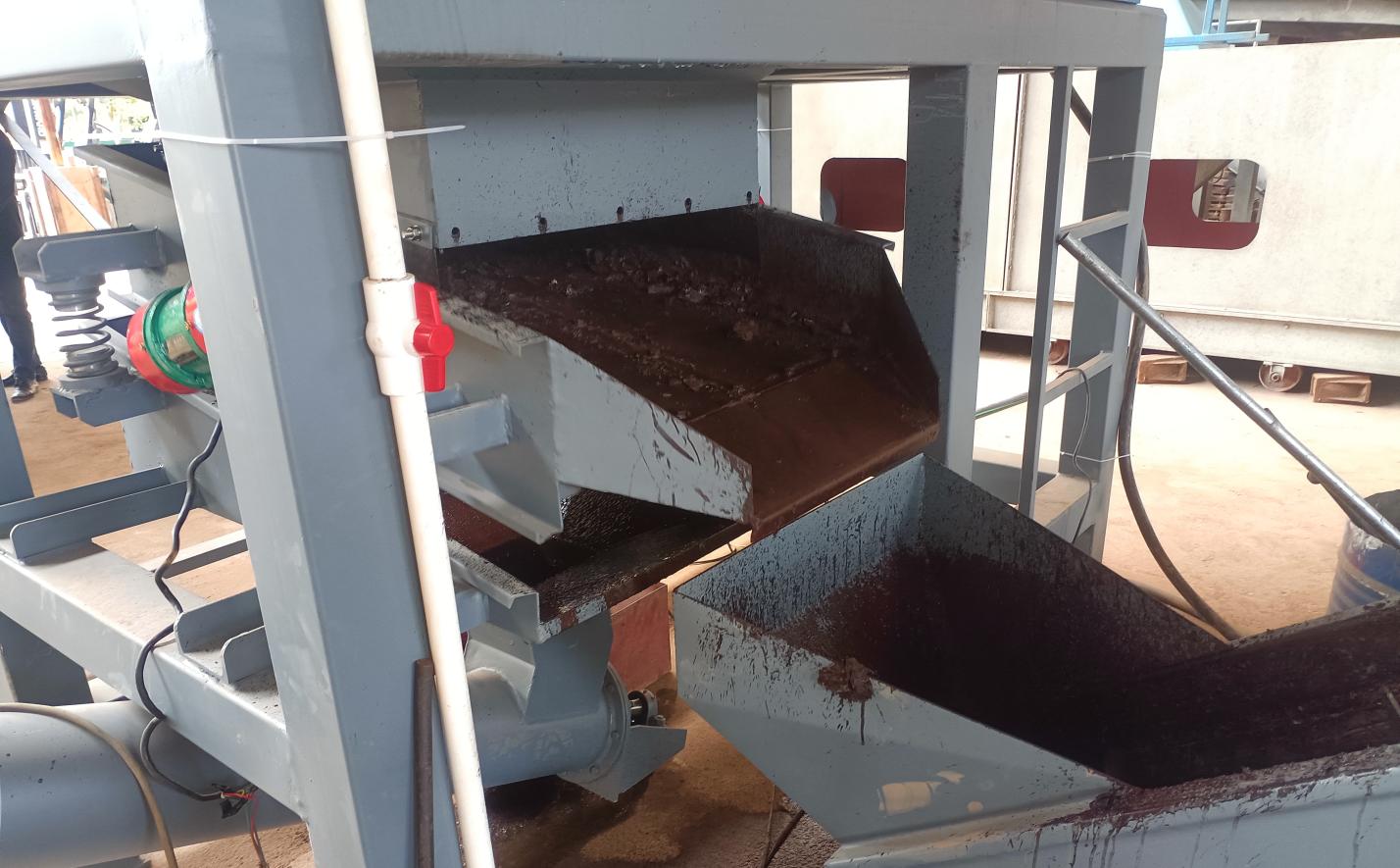
For circuit board processing, advanced plants use either wet or dry separation technologies. Wet separation systems with water-based metal separators achieve copper powder purity of 96-98% and can process up to 2,000 kg per hour. Dry separation lines utilizing air classifiers, electrostatic separators, and pulse dust collectors offer environmentally friendly alternatives with comparable recovery rates. These systems recover not just copper, but also precious metals including gold, silver, and palladium concentrated in PCB fractions.
Lithium Battery Recycling: Capturing the Electric Vehicle Revolution
The explosive growth of electric vehicles and portable electronics has created an unprecedented surge in end-of-life lithium-ion batteries. This feedstock contains valuable black mass rich in nickel, cobalt, and graphite, alongside recoverable copper, aluminum, and plastics. Unlike lead acid batteries, lithium batteries require specialized handling due to fire risks and toxic electrolyte components.
A professional lithium battery recycling line includes discharge systems, pre-crushing units, secondary granulation, black powder separation, magnetic separation for ferrous metals, and dedicated air pollution control equipment. Capacities range from 500 to 2,500 kg per hour, with comprehensive safety systems to manage thermal runaway risks. As battery chemistry evolves, equipment flexibility becomes essential for processing diverse cell formats and chemistries.
Why Experience Matters in Equipment Selection
Not all recycling equipment supplier partnerships are created equal. The difference between a profitable plant and a costly learning experience often comes down to the technical depth and project experience of your equipment partner. E-waste recycling involves complex material science, environmental compliance, and process integration challenges that generic machinery vendors simply cannot address.
Key capabilities to demand from your equipment partner:
- Proven EPC (Engineering, Procurement, Construction) project experience with customized plant design
- Master's-level mechanical engineering expertise with 15+ years of specialized e-waste recycling experience
- Complete one-stop sourcing including installation, commissioning, and operator training
- Supply chain support for both raw material sourcing and finished product sales
- Environmental compliance systems meeting international emission and wastewater standards
Scaling from Start-up to Full Production
The most successful recycling entrepreneurs start with a clear feedstock strategy and scalable equipment configuration. Rather than attempting to process every type of e-waste immediately, focus on one or two high-volume streams such as lead acid batteries or scrap cables. Establish profitable operations, then expand into lithium batteries, PCBs, or refrigerator recycling as capital and expertise allow.
Modular equipment design enables this staged growth approach. Initial investments in breaking, shredding, and separation systems can later be augmented with smelting furnaces, refining kettles, or advanced hydrometallurgical units. Each expansion captures progressively purer metal fractions and higher margins while leveraging existing infrastructure and operational experience.
Ready to transform waste into profit? With nearly two decades of experience and installations across 21+ countries, San Lan Technologies Co., Ltd provides complete e-waste recycling plant solutions from initial concept through production. Our engineering team combines deep mechanical expertise with real-world operational knowledge to deliver equipment systems that maximize recovery rates, minimize environmental impact, and generate sustainable returns. Whether you are exploring your first recycling venture or expanding an existing operation, we offer the technical partnership and equipment portfolio to achieve your goals. Visit www.san-lan.com to explore our complete range of recycling solutions and discuss your project requirements.