The global surge in electronic consumption has created an unprecedented challenge鈥攁nd opportunity. Every year, millions of tons of discarded electronics, used batteries, and scrap cables pile up in landfills. Yet hidden within this so-called "waste" lies significant economic value. Copper, lead, lithium, and precious metals are all recoverable with the right equipment. For entrepreneurs and established businesses alike, investing in professional recycling machinery is no longer just an environmental choice; it is a strategic business move.
Not all e-waste is processed the same way. The equipment you need depends heavily on the material stream you plan to handle. Here are three of the most profitable and established recycling sectors:
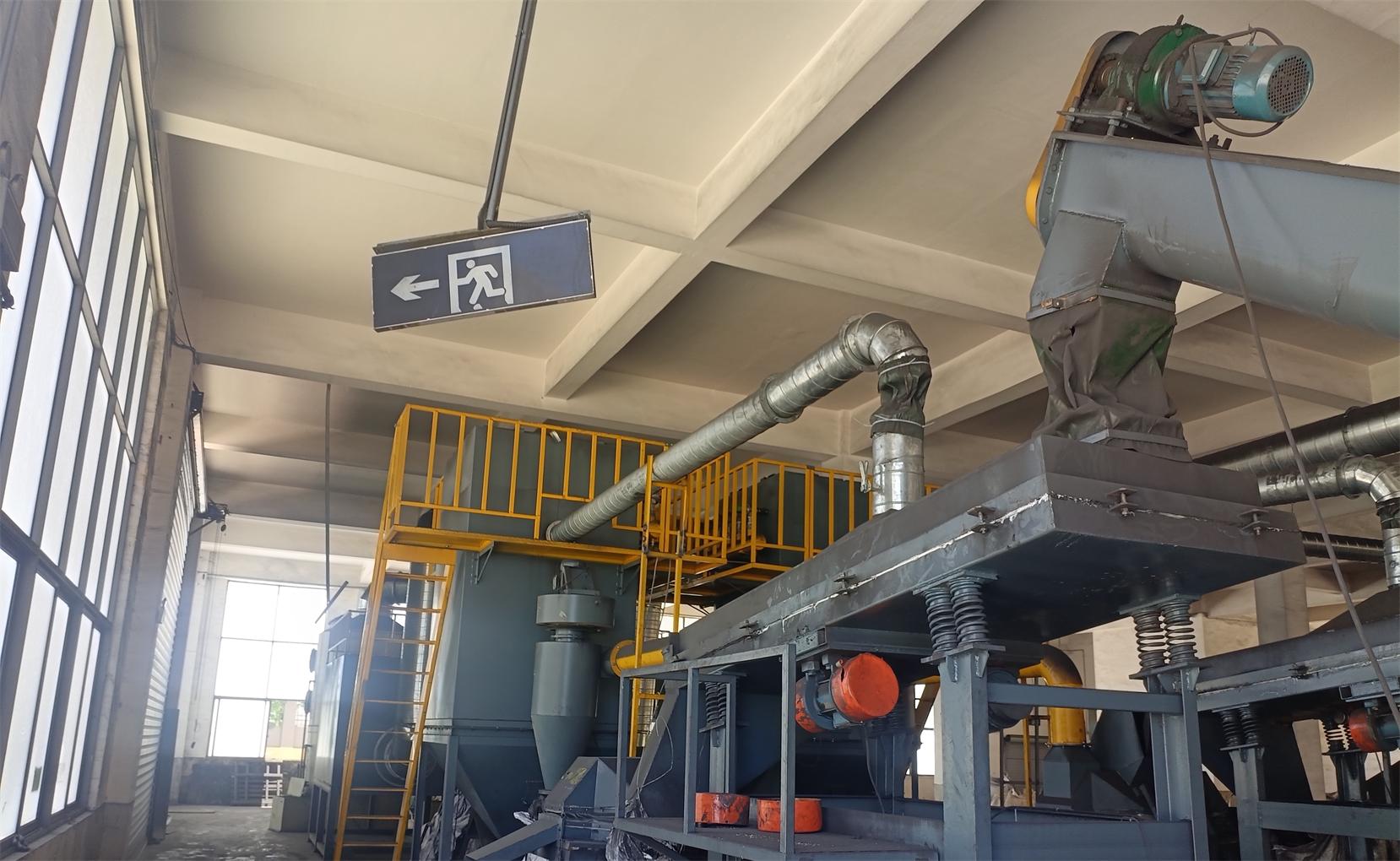
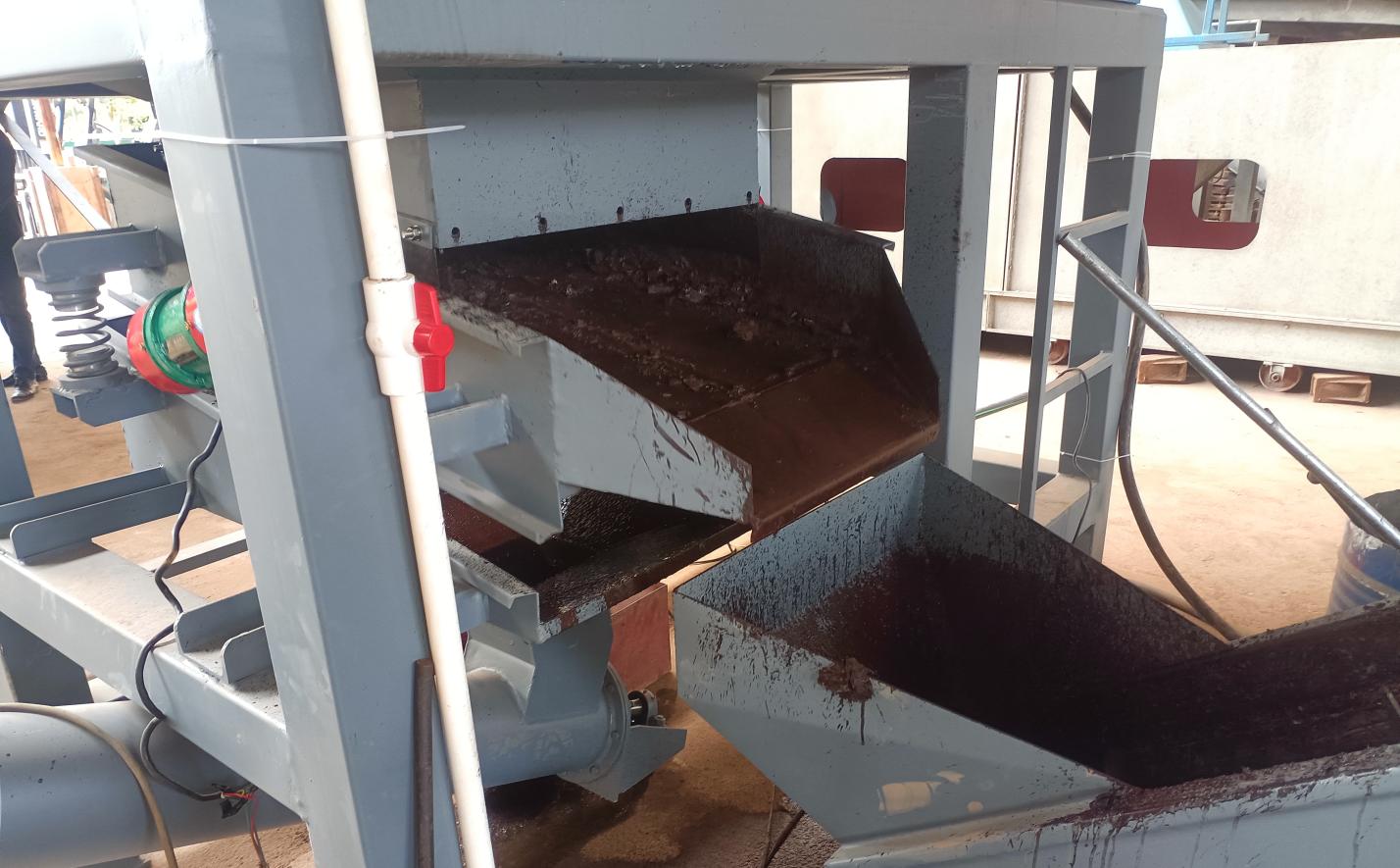
Printed circuit boards (PCBs) are found in nearly every electronic device, from computers and smartphones to industrial control systems. They contain copper, gold, silver, and palladium. A professional circuit board recycling plant uses a combination of crushing, grinding, air separation, and electrostatic separation to recover metal powders with purity levels reaching 96鈥?8%. Wet separation systems are also available for processing PCB waste that still contains electronic components. Capacities typically range from 300 kg/hour to 2,000 kg/hour, making it feasible for both small workshops and large industrial operations.
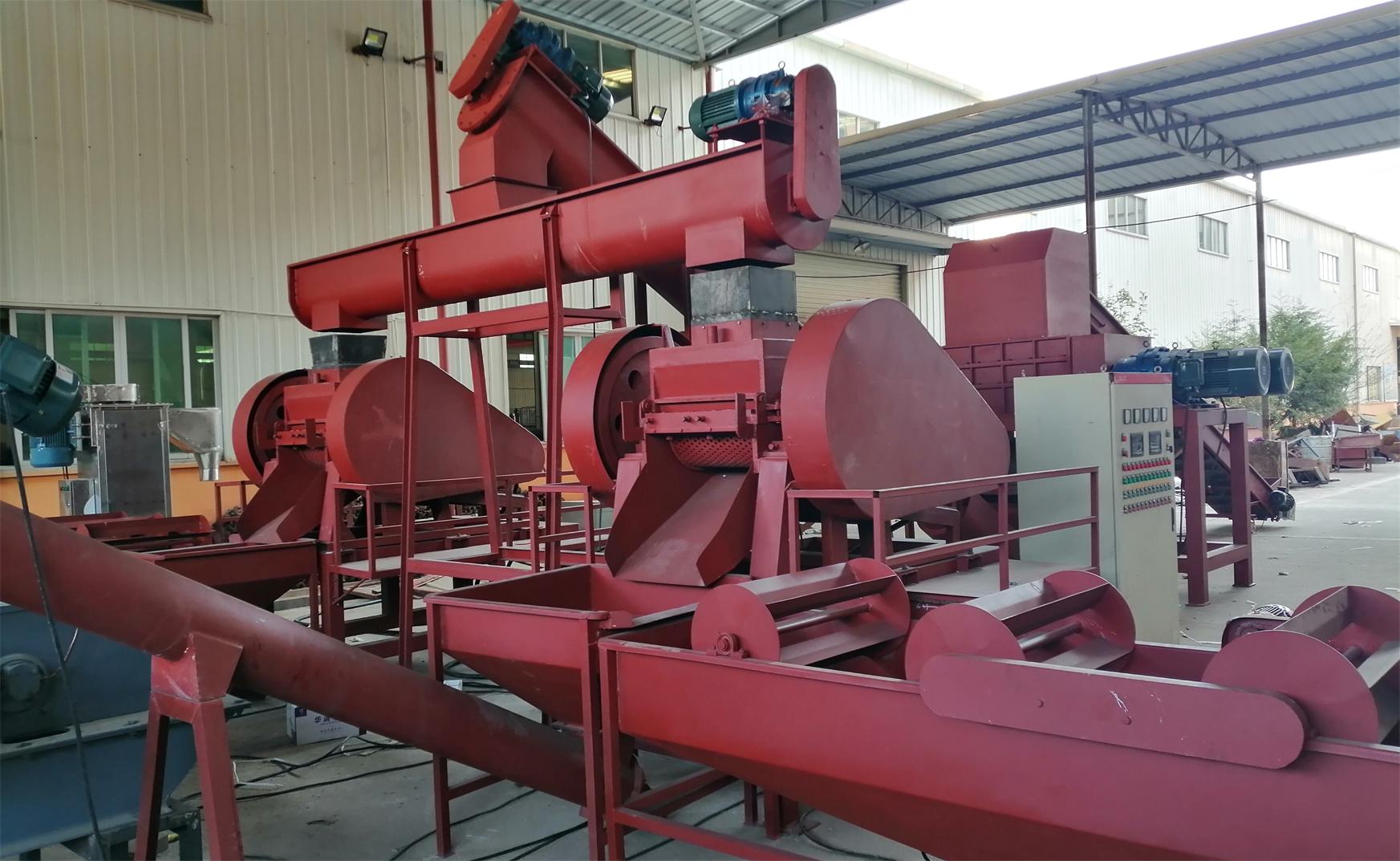
Scrap cables are one of the most accessible feedstocks for new recycling businesses. Copper and aluminum are easily separated from plastic insulation using dry mechanical processes. A complete cable recycling plant typically includes scrap cable strippers for large-diameter wires and granulators with air separators for finer cables. Modern systems can process everything from jelly-filled telecommunications cables to standard building wire, with throughputs ranging from 200 kg/hour to over 1,200 kg/hour. The resulting "copper rice" commands strong market prices and consistent demand from metal refineries.
Used lead acid batteries represent one of the most recycled industrial products globally. A complete used lead acid battery recycling line breaks and separates batteries into four outputs: lead paste, lead grids, plastic shells, and acid. Advanced systems include de-sulfurization units to reduce sulfur content before smelting, rotary furnaces or blast furnaces for lead reduction, and refinery kettles to produce 99.999% pure lead ingots. For lithium-ion batteries, specialized li battery recycling equipment safely discharges, crushes, and separates black mass (containing nickel, cobalt, and graphite), copper, aluminum, and plastic film.
While each material stream requires specific machinery, most mechanical recycling lines follow a similar logic:
- Pre-processing and Sorting. Feedstock is manually or automatically sorted to remove unsuitable materials. Batteries may be cut open to drain acid; large cables are stripped to remove insulation.
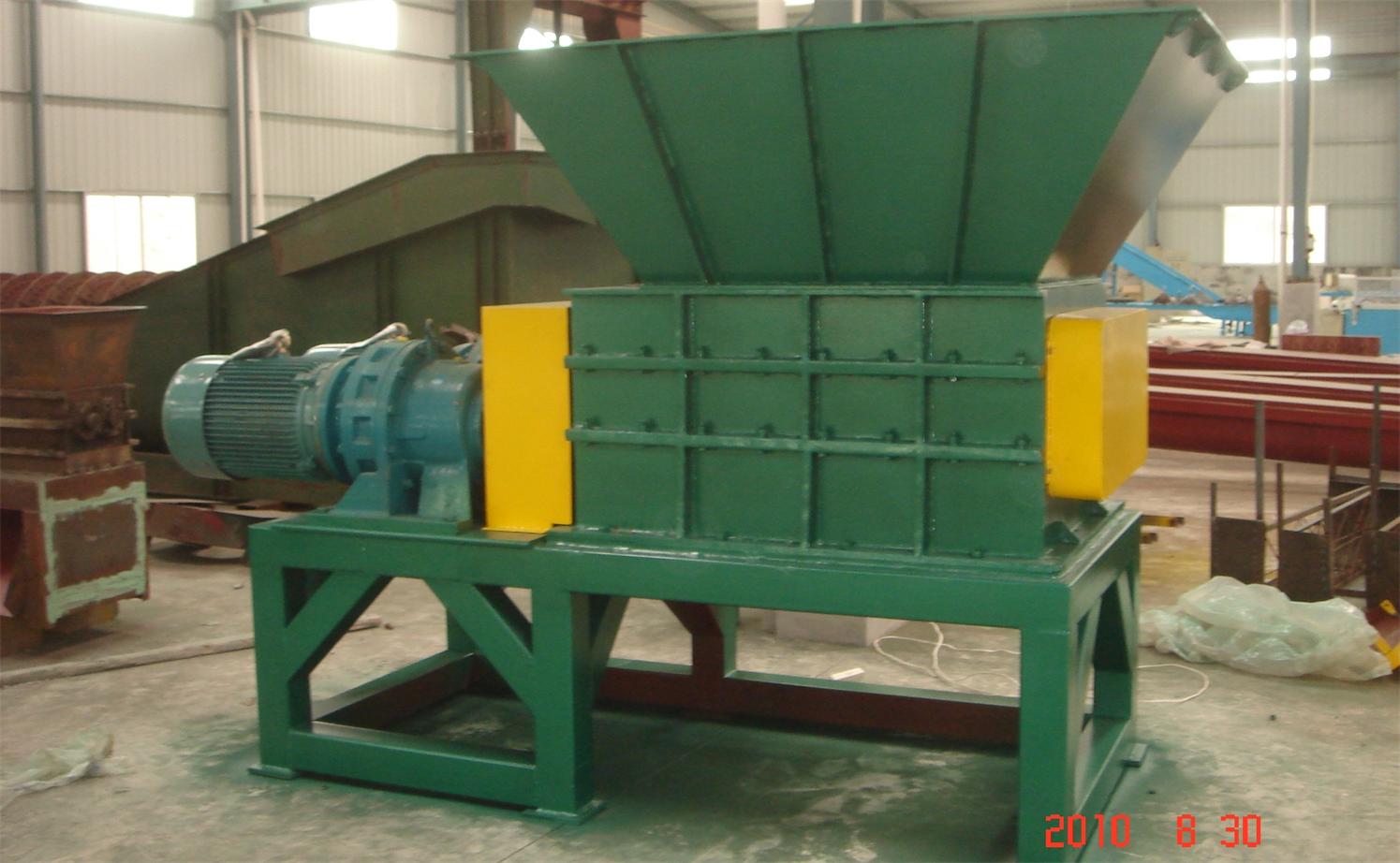
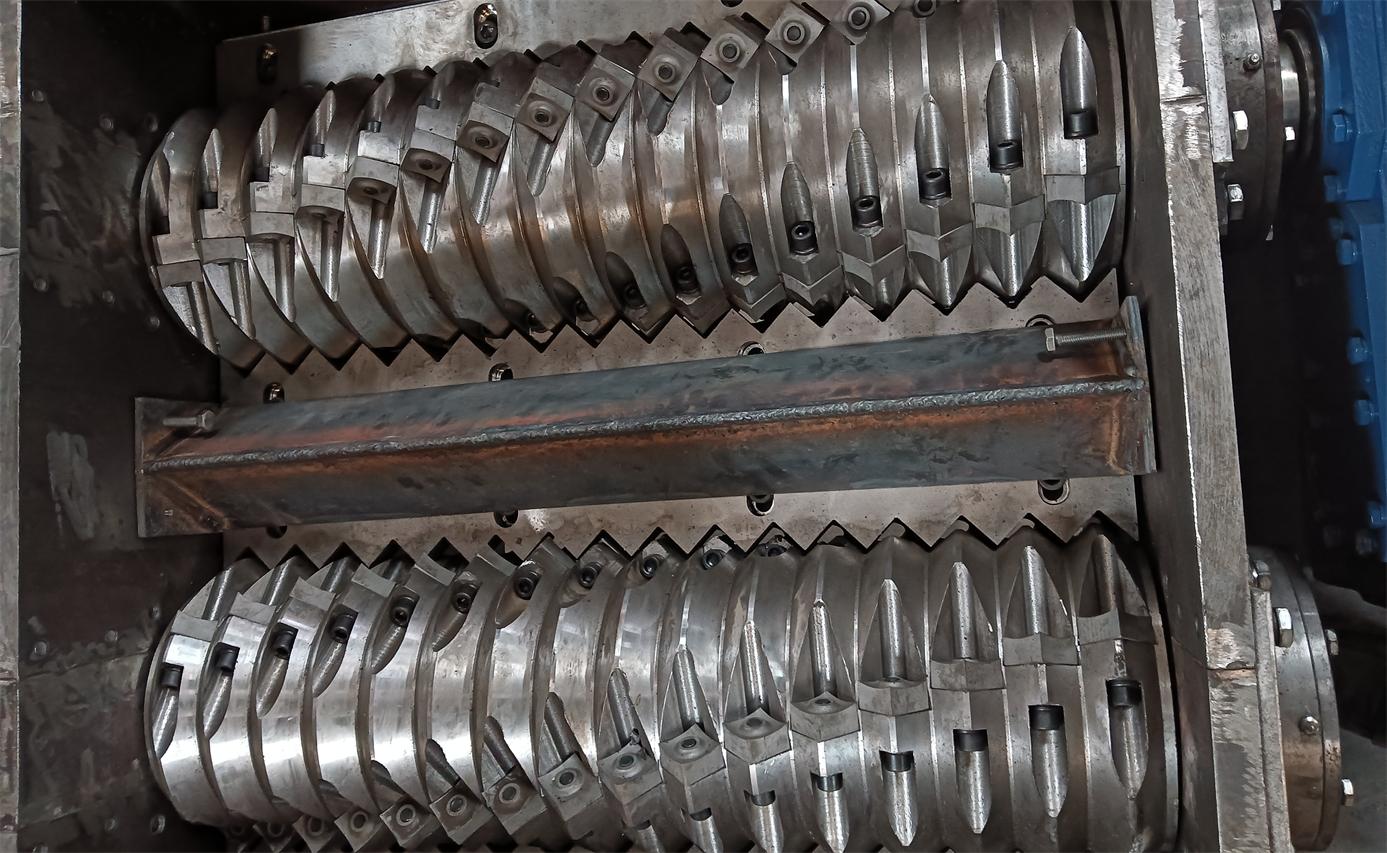
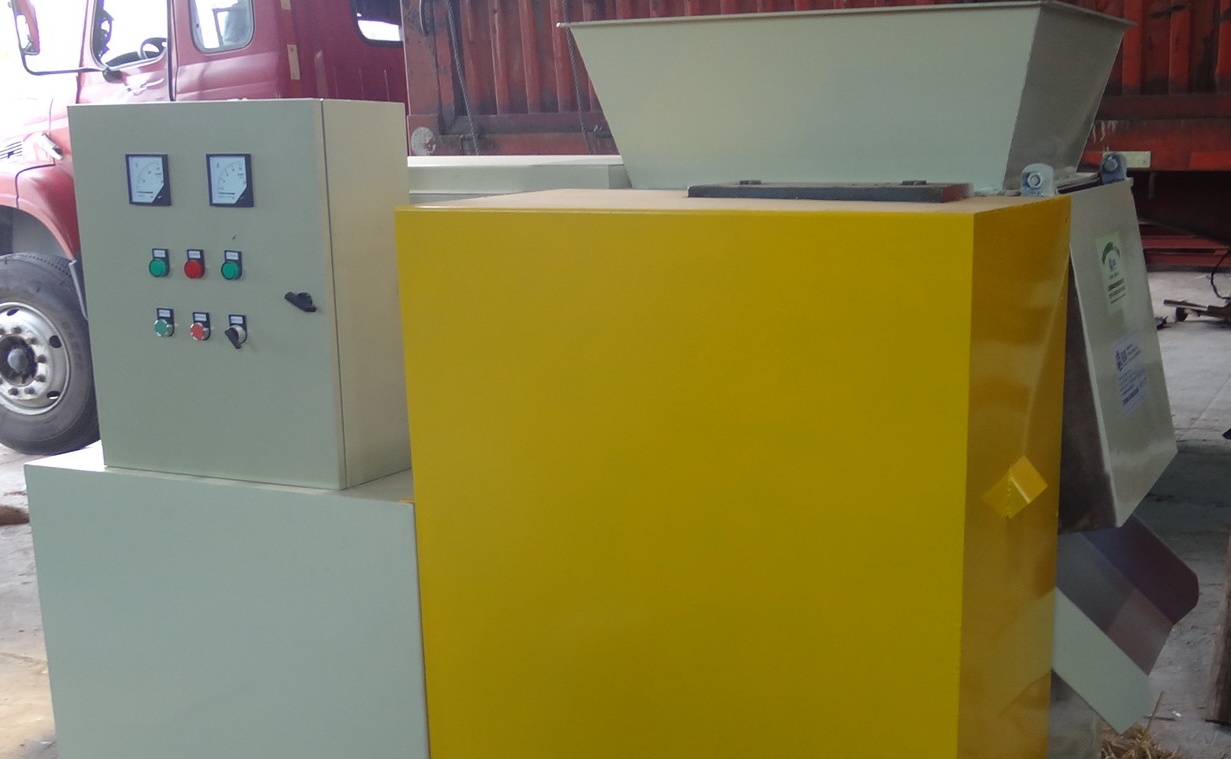
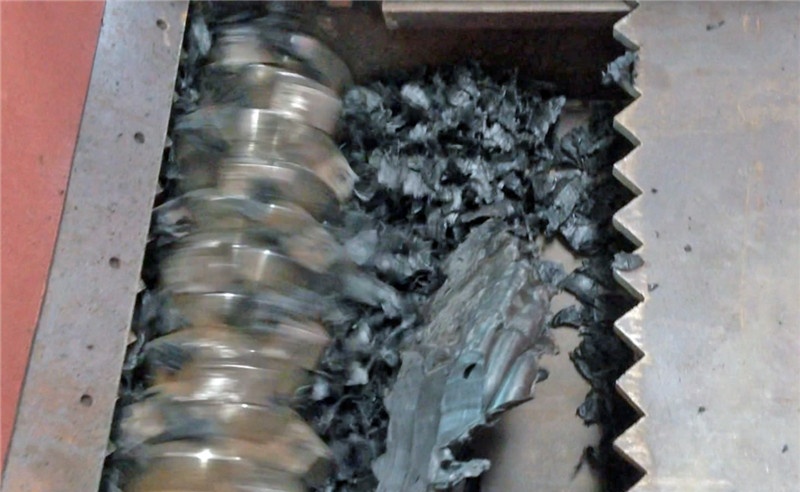
- Size Reduction. Shredders and crushers break material into smaller particles. Four-shaft shredders are ideal for mixed e-waste, while hammer mills are common in PCB lines.
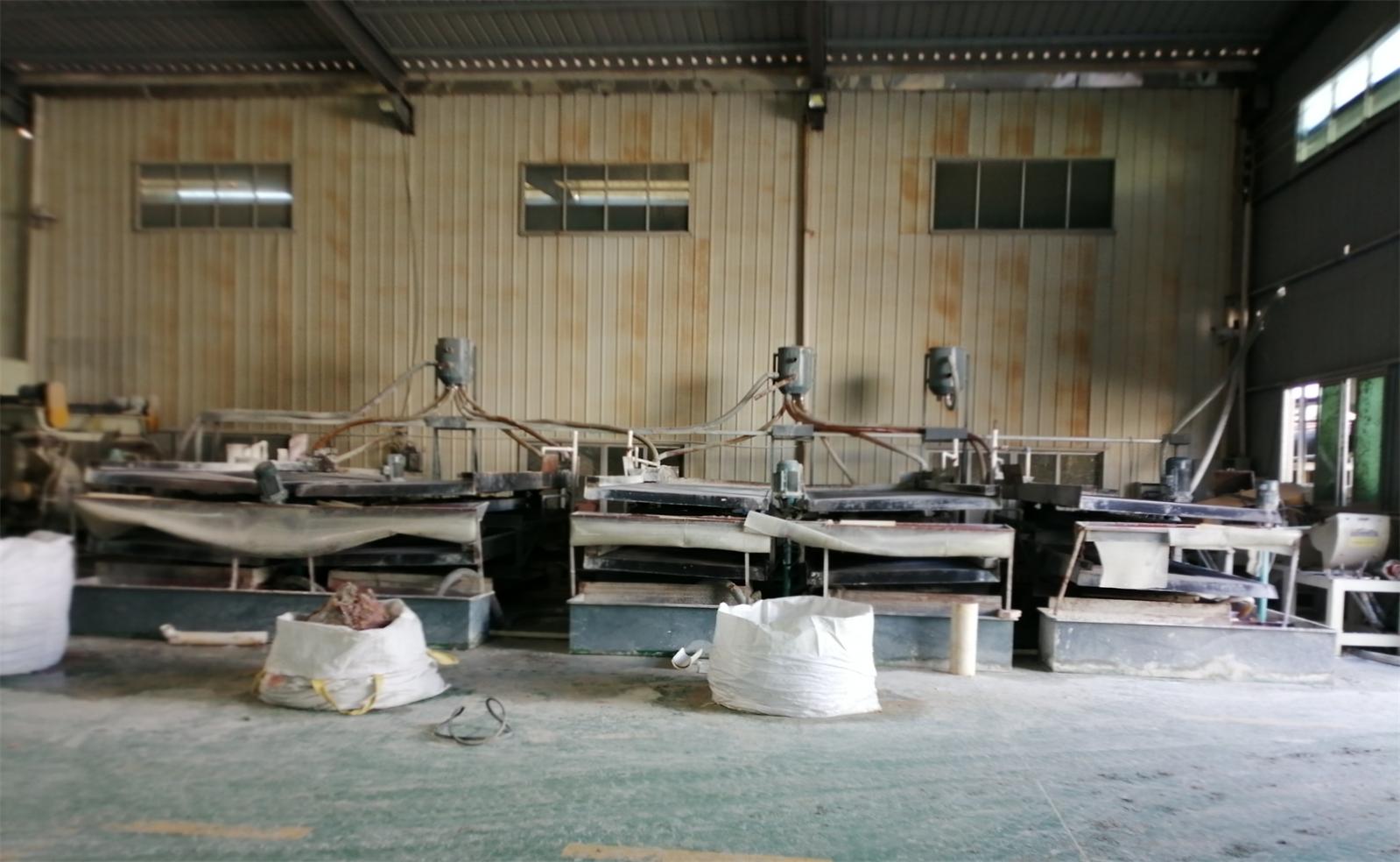
- Separation. Air separators remove lightweight plastics and dust. Electrostatic or wet separation methods isolate metal fractions. Magnetic separators remove ferrous contaminants.
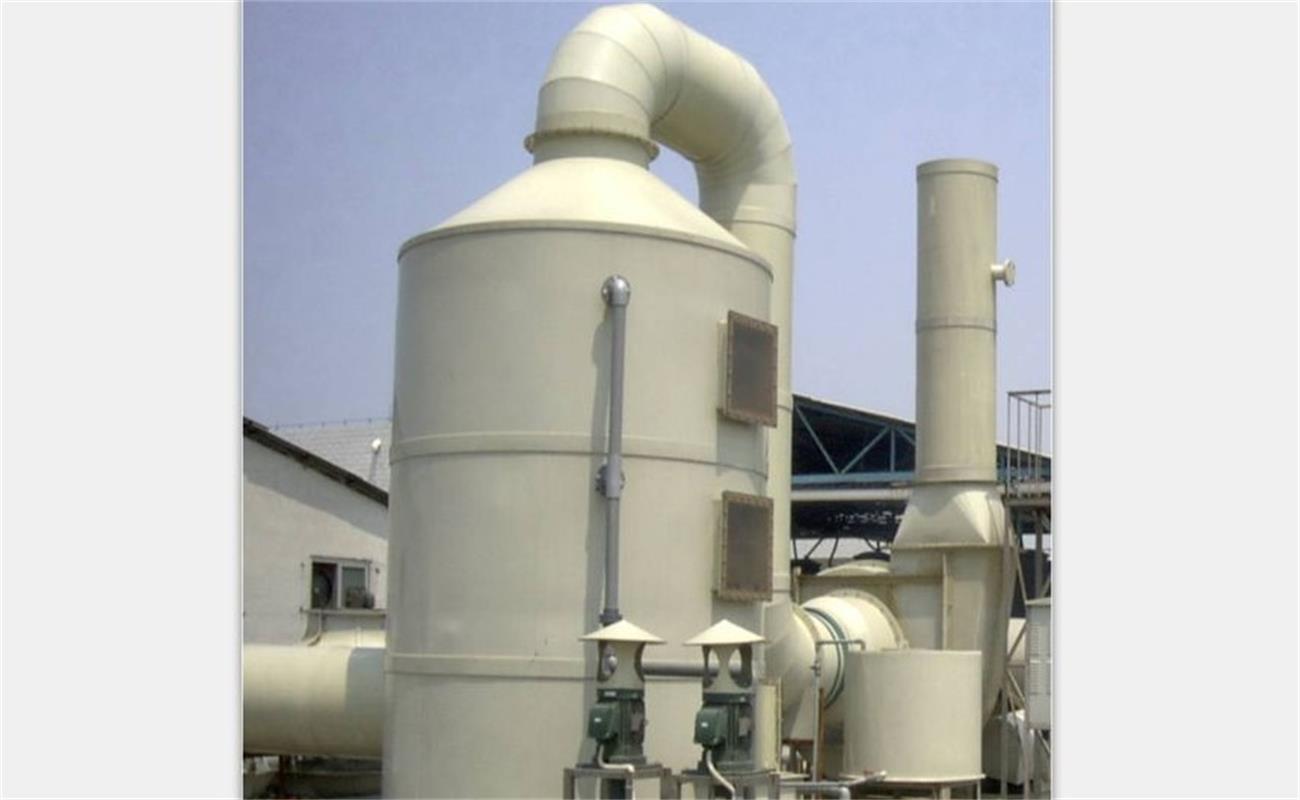
- Environmental Control. Professional plants integrate dust collection systems, air pollution control towers, and water treatment units to ensure compliance with environmental regulations.
- Refining (Optional). Recovered metals can be melted in induction furnaces to produce ingots for direct sale to foundries.
Choosing machinery is only part of the equation. The supplier you partner with directly impacts your project's success. Consider these factors:
Technical Depth. Look for manufacturers with in-house engineering teams experienced in mechanical design, separation technology, and environmental compliance. A supplier that only assembles components cannot offer meaningful process optimization.
Turnkey Capability. The best suppliers provide more than machines. They offer plant layout design, installation, commissioning, and operator training. EPC (Engineering, Procurement, Construction) experience is a strong indicator of reliability.
Proven Track Record. International installations across diverse regions demonstrate that equipment can handle different operational conditions and raw material qualities. Ask for reference customers and case studies.
After-Sales Support. Recycling lines run for years. Ensure your supplier offers spare parts availability, remote technical support, and on-site service when needed.
Environmental Compliance. Modern recycling is heavily regulated. Your supplier should understand local emission standards and design systems that meet or exceed them.
San Lan Technologies Co., Ltd, established in 2007, has spent nearly two decades building a reputation as a professional manufacturer of WEEE recycling machines and mining equipment. Based in Ganzhou, Jiangxi Province, China, the company serves customers in over 21 countries, including Singapore, Colombia, Vietnam, Mexico, Argentina, Korea, Malaysia, and South Africa.
What sets San Lan apart is its comprehensive approach. The company does not simply sell individual machines; it delivers complete recycling solutions. For lead acid battery recycling, San Lan offers everything from battery cutters and breaking-separation systems to de-sulfurization units, rotary furnaces, and refinery kettles. For lithium battery recycling, the product line covers discharging equipment, crushing and separation lines, plastic briquetters, and dedicated air pollution control systems.
San Lan's technical team includes mechanical engineering professionals with over 15 years of experience in e-waste recycling equipment. The company provides customized plant design, helps customers source waste feedstock, and even assists in marketing recovered products such as copper rice and lead ingots. This end-to-end support reduces risk for new market entrants and helps experienced operators scale efficiently.
Entering the recycling industry requires capital, planning, and the right partnerships. Start by identifying your available feedstock. If you have steady access to scrap cables, a cable granulator line offers a relatively low barrier to entry. If you are located near automotive or industrial battery sources, a lead acid battery recycling plant can deliver strong margins at scale. For regions with abundant obsolete electronics, a circuit board recycling line unlocks access to precious metals.
Regardless of your starting point, prioritize equipment quality and supplier reliability over the lowest quoted price. Downtime in a recycling plant is expensive. Poor separation efficiency directly reduces revenue. Environmental non-compliance can result in shutdowns.
The transition to a circular economy is accelerating. Governments are tightening e-waste regulations, and raw material prices remain volatile. Businesses that invest now in professional recycling infrastructure position themselves for long-term profitability.
If you are evaluating recycling equipment for your next project, San Lan Technologies welcomes the opportunity to discuss your requirements. From initial concept to full plant commissioning, our team is ready to help you turn waste into valuable resources.
Contact San Lan Technologies:
- Email: info@san-lan.com
- WhatsApp: +86 139 2377 4083
- Website: www.san-lan.com