Let's talk about something that keeps operations humming, costs under control, and headaches at bay: smart equipment maintenance. You know that feeling when your favorite tools perform reliably day after day? That's no accident—it's the result of thoughtful care and preventative strategies.
In this guide, we'll explore practical approaches to significantly boost your machinery's lifespan. We're going beyond basic checklist maintenance to uncover strategies that make your equipment last longer while performing better.
The Real Cost of Waiting for Breakdowns
Consider your most essential piece of equipment. Maybe it's that trusty generator powering your operations or the specialized machining center manufacturing your signature product. Now, imagine it stops working unexpectedly. The fallout isn't just repair costs—it's delayed orders, frustrated teams, and missed opportunities.
Reactive Approach
- 3-5x higher repair costs
- Unplanned production stops
- Shorter equipment lifespan
- Stressful emergency repairs
Proactive Maintenance
- Predictable budgeting
- 25-35% longer equipment life
- Consistent quality output
- Operational peace of mind
Reading Your Equipment's Secret Language
Machinery communicates its condition in subtle ways long before catastrophic failure. Learning these signals transforms you from a passive user to a predictive partner with your equipment.
Unexpected Noises
That new squeal or grind isn't just annoying—it's an SOS call from moving parts needing attention.
Performance Shifts
When output drops without explanation or cycles take longer, your machine is waving a red flag.
Energy Hunger
Spiking power bills often mean machinery is working harder than it should—typically due to underlying issues.
Mastering Maintenance: More Than Just Changing Oil
Effective upkeep combines physical attention with operational intelligence:
Smart Scheduling
Timing matters more than frequency. Sync maintenance with usage patterns, seasonal demands, and production cycles.
Precision Lubrication
It's not just about grease quantity—using the right formulation at correct intervals prevents up to 40% of bearing failures.
Data-Driven Interventions
Tracking temperature patterns, vibration levels, and output metrics turns maintenance from guesswork to science.
The Critical Components: Your Equipment's Make-or-Break Points
Treating all parts equally leads to wasted effort. Focus these techniques where they matter most:
Bearings: The Silent Heroes
These unsung champions support everything. Keep them healthy with:
- Monthly vibration analysis checks
- Thermal imaging quarterly
- Precision alignment during installation
Electrical Systems: The Nervous System
For electrical components:
- Regular connection tightness verification
- Infrared scans identifying hotspots
- Environmental control optimization
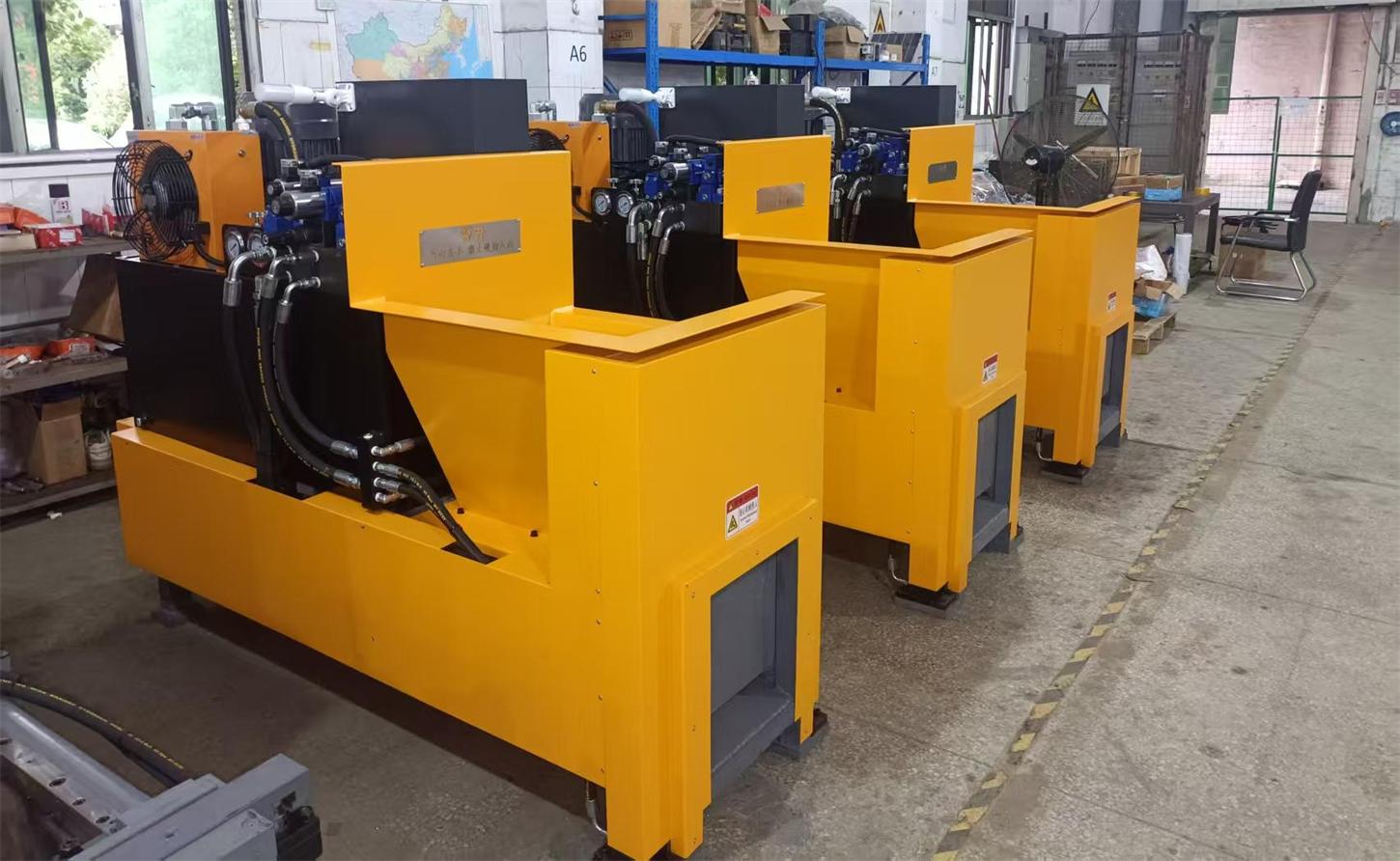
Hydraulics: The Circulatory System
Hydraulic presses and systems need:
- Microscopic contaminant monitoring
- Filter change protocols based on actual use
- Seal integrity verification cycles
The Lifecycle Approach: Maintenance Through the Years
Your maintenance plan should evolve with your equipment's age:
New Equipment Years (1-3)
- Establish baseline performance metrics
- Focus on operational training
- Implement predictive maintenance scheduling
Peak Performance Years (4-7)
- Intensify component inspections
- Consider upgrades enhancing reliability
- Document historical repair patterns
Mature Equipment Years (8+)
- Implement specialized monitoring
- Prioritize critical replacements
- Analyze rebuild vs. replacement economics
Building Your Maintenance Dream Team
Success depends on people as much as processes:
Operator Empowerment
Equip equipment users with:
- Daily checklist responsibilities
- Symptom identification training
- Quick-reporting mechanisms
Technical Expertise
Develop your specialists through:
- Component-specific certifications
- Manufacturer training events
- Cross-training on multiple systems
The Payoff: Why Smart Maintenance Matters
Beyond avoided repair bills, effective equipment maintenance delivers tangible benefits that touch every aspect of your operation:
Long-Term Reliability
Well-maintained machines run with comforting predictability, keeping your schedule on track.
Cost Control
Planned maintenance consistently costs less than emergency repairs—often saving 25-35% annually.
Quality Assurance
Properly functioning equipment produces consistent results, protecting your reputation.
Safety Enhancement
Maintained machinery poses fewer risks, creating a safer environment for your team.
Begin today with these simple steps:
- Identify your most critical equipment
- Review its maintenance history
- Schedule one proactive service this week
Consistent attention to key components creates compounding benefits. With the right maintenance cycles in place, you'll enjoy both peace of mind today and substantially extended equipment life for years ahead.