If you've ever had an air conditioner repaired, a refrigerator replaced, or worked in HVAC (Heating, Ventilation, and Air Conditioning), you've probably heard the term "refrigerant recovery." But what exactly is a refrigerant recovery machine? Why is it so important? And how do you choose the right one for the job? Let's dive in—no jargon, just plain talk about these unsung heroes of the green tech world.
1. What Even Is a Refrigerant Recovery Machine?
First things first: refrigerants are the chemicals that make your AC blow cold air and your fridge keep milk fresh. Think of them as the "blood" of cooling systems. But here's the catch: many older refrigerants (like CFCs and HCFCs) are terrible for the environment . They eat away at the ozone layer and trap heat in the atmosphere, worsening climate change. Even newer ones, like HFCs, are potent greenhouse gases.
That's where refrigerant recovery machines come in. Simply put, these are portable or stationary devices that suck the refrigerant out of old or broken cooling systems before they're repaired, recycled, or thrown away. Instead of letting the refrigerant leak into the air (which is illegal in most places, by the way), the machine captures it, cleans it up, and stores it for reuse or proper disposal.
Imagine draining oil from a car before replacing the engine—that's basically what these machines do, but for coolants. And just like you wouldn't want old oil spilling into the ground, we can't let refrigerants escape into the sky.
2. How Do These Machines Actually Work?
Don't worry, we're not going full engineering mode here—but a basic understanding helps. Let's break it down in 3 simple steps:
Step 1: Extraction
The machine connects to the cooling system (say, your AC unit) via hoses. Using a small compressor, it creates a vacuum that pulls the refrigerant out of the system. Think of it like a super-powered straw sucking up a thick milkshake—slow, steady, and thorough.
Step 2: Purification
Once the refrigerant is extracted, it's not ready to reuse yet. It might have moisture, oil, or dirt mixed in. The machine passes it through filters and dryers to clean it up. Some advanced models even separate different types of refrigerants if there's a mix-up (though that's rare if you're careful).
Step 3: Storage
Cleaned refrigerant goes into a storage tank attached to the machine. From there, it can be reused in the same system (if it's still good) or sent to a recycling facility to be repurposed. No waste, no harm—just good old-fashioned resourcefulness.
Pro tip: Some machines, like the refrigerant extraction machine l refrigerant recycling machine sd-680 , are designed for speed, while others prioritize portability. We'll get into types later!
3. Why Bother? The Environmental and Legal Lowdown
Let's get real: if refrigerant recovery machines were optional, would people still use them? Maybe not—they're an extra step, after all. But here's why they're non-negotiable:
Ozone Layer Protection
Remember the "ozone hole" scare in the 80s? That was caused by CFCs, a type of refrigerant. The Montreal Protocol, an international agreement, banned most CFCs and HCFCs to heal the ozone layer. Recovery machines ensure these banned chemicals never see the light of day again.
Fighting Climate Change
Even newer refrigerants like HFCs have global warming potentials (GWPs) thousands of times higher than CO2. For example, one pound of HFC-23 has the same warming effect as 14,800 pounds of CO2. Yikes. Recovering and recycling them cuts down on these emissions big time.
The Law Says So
In the U.S., the EPA (Environmental Protection Agency) requires anyone working on AC, refrigerators, or other cooling systems to use certified recovery machines. Fines for non-compliance can hit $37,500 per violation—no small change. Other countries have similar rules under the Kigali Amendment (part of the Montreal Protocol).
Bottom line: Using a recovery machine isn't just "green"—it's the law. And honestly, it's just the right thing to do.
4. Types of Refrigerant Recovery Machines: Which One Do You Need?
Not all recovery machines are created equal. They come in different shapes, sizes, and power levels, depending on the job. Let's break down the main categories:
Portable vs. Stationary
Portable machines are the workhorses of HVAC techs. They're lightweight (15-50 pounds), run on batteries or AC power, and fit in a truck or van. Perfect for on-site jobs like repairing a home AC or a restaurant fridge.
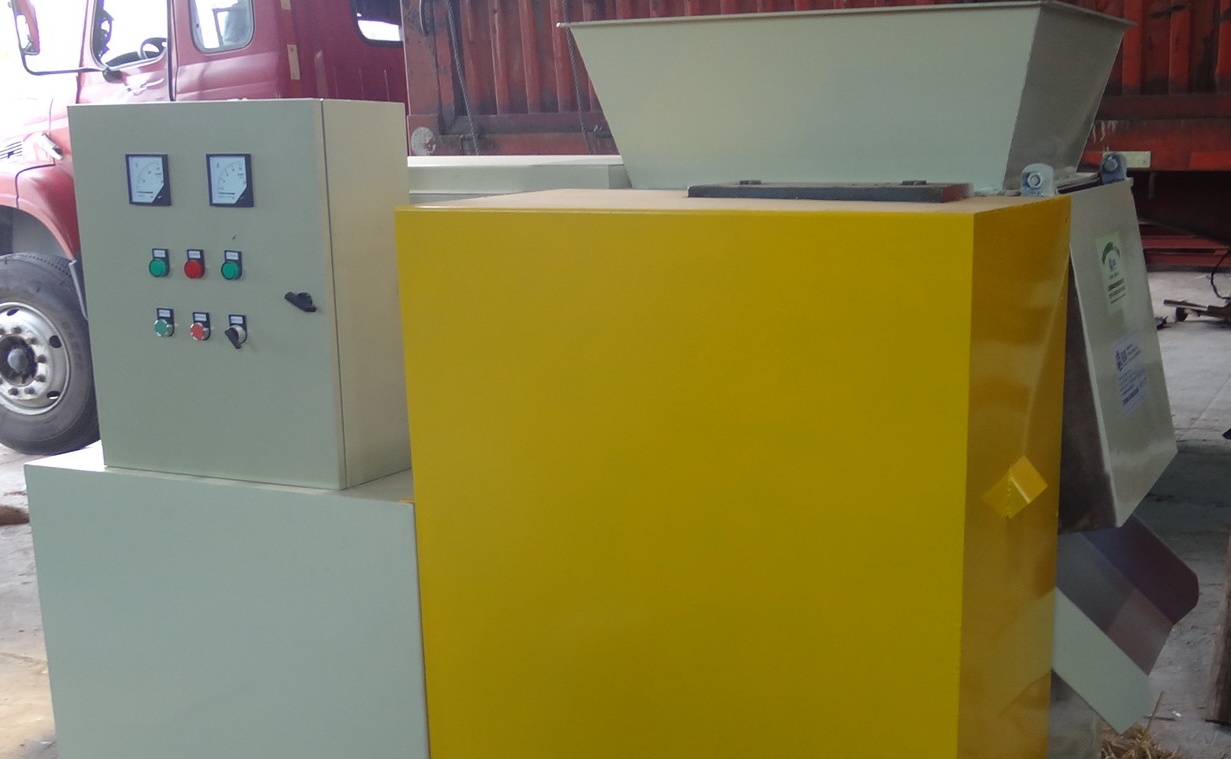
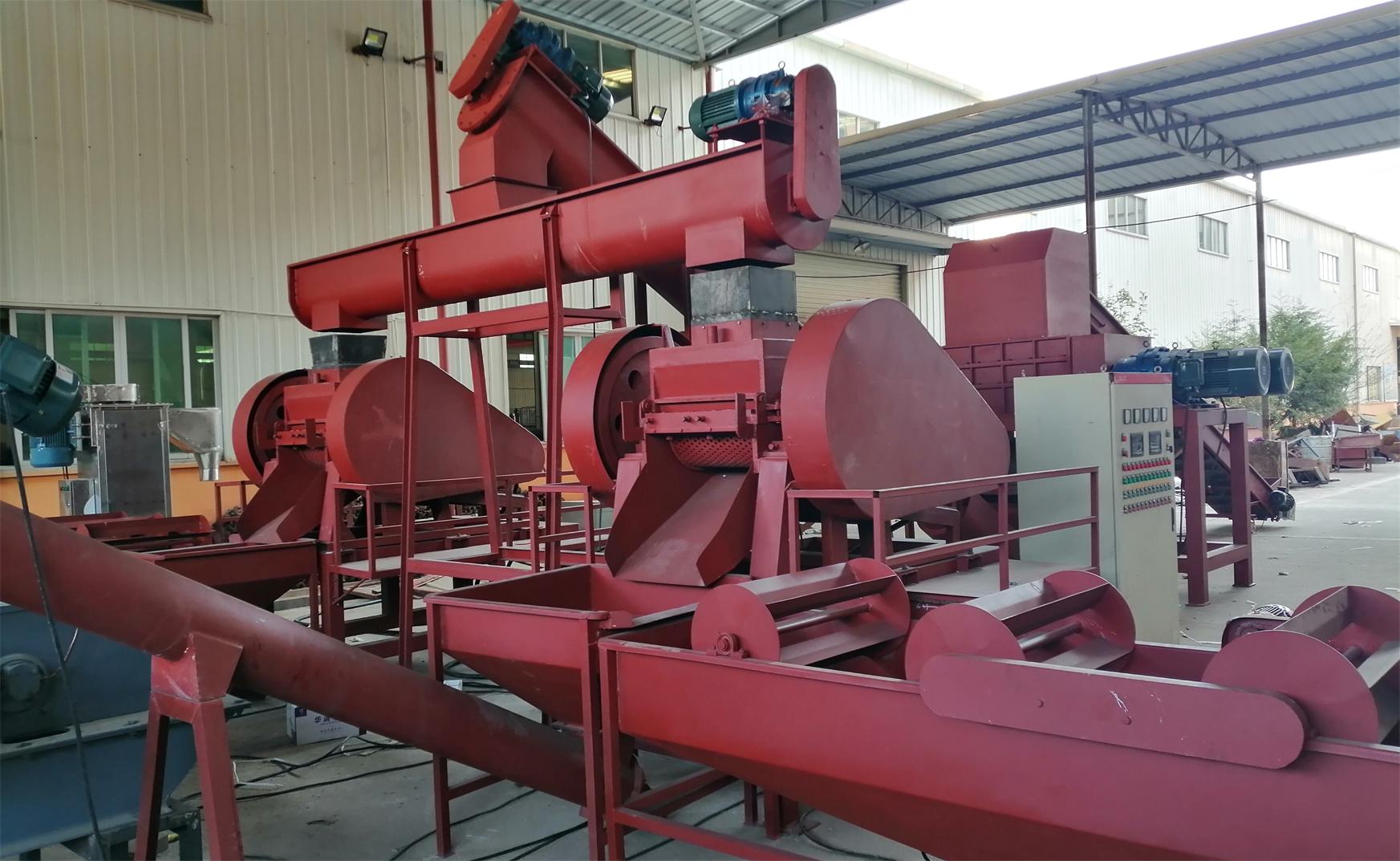
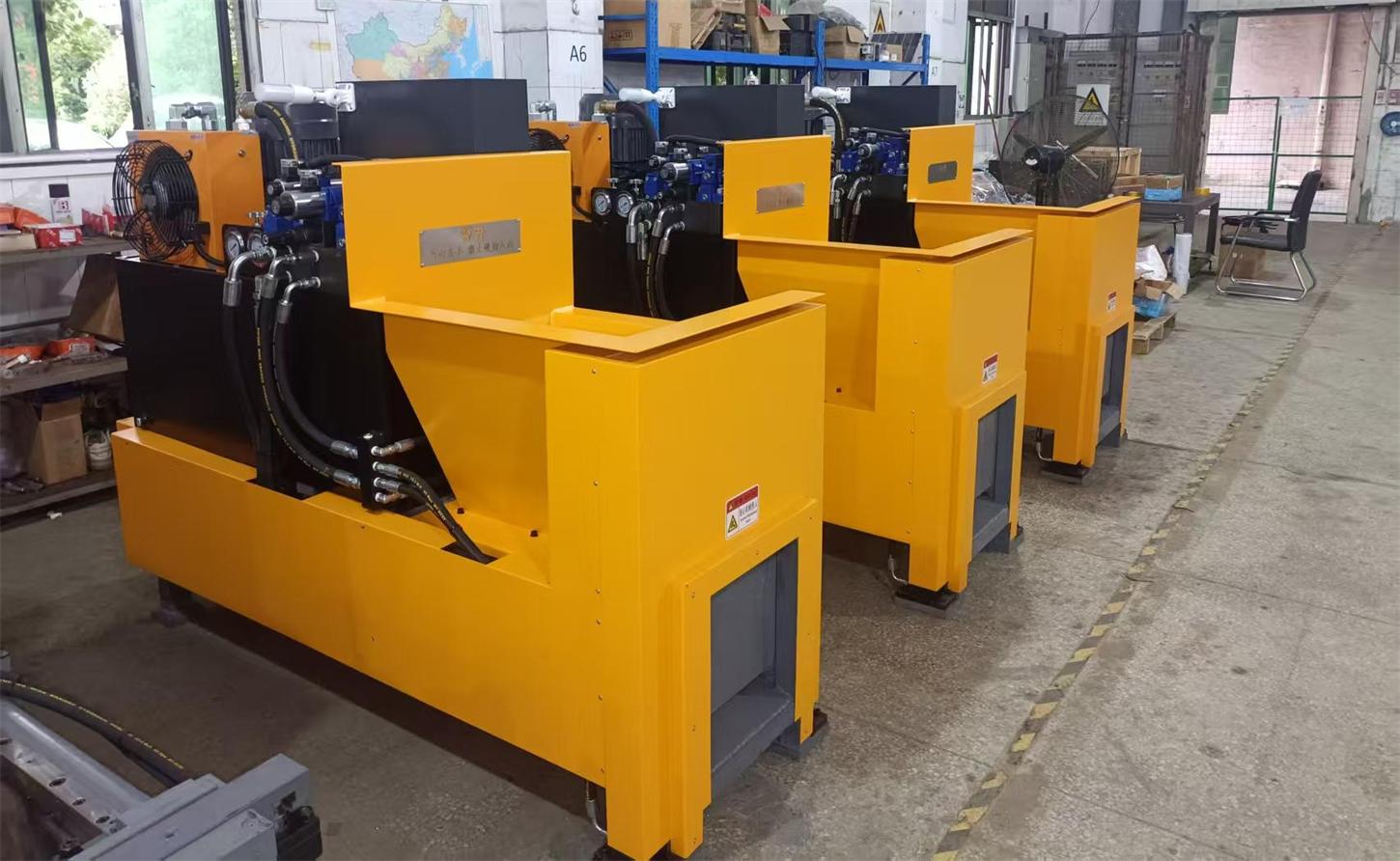
Stationary machines are bigger, heavier, and stay in one place—like a repair shop or a recycling facility. They handle larger volumes, like refrigerator & ac recycling machines equipment in a warehouse processing hundreds of old fridges. If you're dealing with industrial-sized systems (think walk-in freezers or commercial chillers), stationary is the way to go.
Speed: Fast vs. Slow
Recovery speed is measured in pounds per minute (lbs/min). A "fast" machine might do 0.5 lbs/min, while a slower one could take 2-3 minutes per pound. For small jobs (like a window AC), slow is fine. For big systems (like a hotel's HVAC), you'll want a speed demon to save time.
Refrigerant Compatibility
Some machines work with only one type of refrigerant (e.g., R-22, the old stuff), while others are "universal" and handle newer ones like R-410A or R-134a. Always check the label—using the wrong machine can damage it or leave refrigerant behind.
Manual vs. Automatic
Manual machines require the user to monitor pressure and switch modes (like from liquid to vapor recovery). Great for techs who like control but more hands-on.
Automatic machines do the thinking for you. They sense when the system is empty, shut off automatically, and even alert you if there's a leak. Perfect for busy techs or newbies who don't want to second-guess themselves.
5. Comparing Popular Models: SD-680 vs. RRM-650
To make this concrete, let's look at two real-world examples: the refrigerant extraction machine l refrigerant recycling machine sd-680 and the refrigerant recycling machine rrm-650 . These are both portable, but they shine in different scenarios.
| Feature | SD-680 | RRM-650 |
|---|---|---|
| Weight | 32 lbs (easy to carry) | 45 lbs (sturdier but heavier) |
| Recovery Speed | 0.3 lbs/min (good for small systems) | 0.6 lbs/min (faster for larger jobs) |
| Power Source | 110V AC (standard outlet) | Dual-voltage (110V/220V) for international use |
| Refrigerant Types | R-134a, R-410A, R-22 (most common) | Universal (all major types, including newer HFOs) |
| Best For | Residential HVAC, small appliances | Commercial jobs, mixed refrigerant types |
See? It's all about matching the machine to the task. A residential tech might love the SD-680 for its portability, while a commercial tech would swear by the RRM-650's speed and versatility.
6. Key Features to Look For When Buying
Shopping for a recovery machine? Don't just grab the cheapest one. Here's what to prioritize:
- Certification: Make sure it's EPA-certified (or certified by your country's environmental agency). If it's not, you could get fined, and it might not work properly.
- Durability: HVAC work is tough—machines get dropped, banged around, and exposed to dust. Look for metal casings (not plastic) and reinforced hoses.
- Noise Level: Some machines sound like a jet engine. If you're working in a quiet neighborhood, a low-noise model is worth the extra cash.
- Storage Tank Size: Tanks range from 10 lbs to 50 lbs. If you're doing multiple jobs in a day, a bigger tank means fewer trips to empty it.
- Warranty: A good warranty (2-5 years) shows the manufacturer stands behind their product. Avoid no-name brands with no warranty—you'll regret it when it breaks.
7. How to Use a Recovery Machine: A Quick Step-by-Step
Using a recovery machine isn't rocket science, but there are a few steps to get right. Here's a simplified guide (always read the manual for your specific model!):
- Prepare the system: Turn off the cooling unit and let it sit for 10-15 minutes. This lets the refrigerant settle, making extraction easier.
- Connect the hoses: Attach the machine's hoses to the system's service ports (the little valves on the AC or fridge). Use a wrench to tighten them—no leaks allowed!
- Check the tank: Make sure the storage tank is empty and properly sealed. You don't want to mix old and new refrigerant.
- Start the machine: Turn it on and let it run. Most machines have a gauge that shows pressure—when it hits zero, the system is empty.
- Shut down and disconnect: Turn off the machine, close the tank valve, and disconnect the hoses. Done! Now you can repair or recycle the system safely.
Pro tip: Always wear gloves and safety glasses. Refrigerants can be cold enough to freeze skin, and inhaling them is bad news.
8. Maintenance: Keeping Your Machine in Top Shape
Like any tool, recovery machines need love to last. Here's how to keep yours running smoothly:
- Change filters regularly: Filters get clogged with oil and dirt. Check them after every 10-15 jobs and replace if they look dirty.
- Drain the tank: Don't leave refrigerant in the tank for months—it can break down. Empty it into a larger storage cylinder when full.
- Inspect hoses: Cracks or leaks in hoses mean lost refrigerant (and lost money). replace them at the first sign of wear.
- Clean the coils: The machine's condenser coils (like the ones on your fridge) can get dusty, making it run less efficiently. Wipe them down with a soft brush.
- Store it right: Keep it in a dry, cool place when not in use. Avoid leaving it in a hot truck or a damp basement.
9. The Bigger Picture: Recycling, Air Pollution, and the Future
Recovery machines are just one piece of the puzzle. Once the refrigerant is captured, it often goes to a recycling facility. There, it's cleaned, tested, and resold as "reclaimed refrigerant." This cuts down on the need to produce new refrigerants, which uses energy and resources.
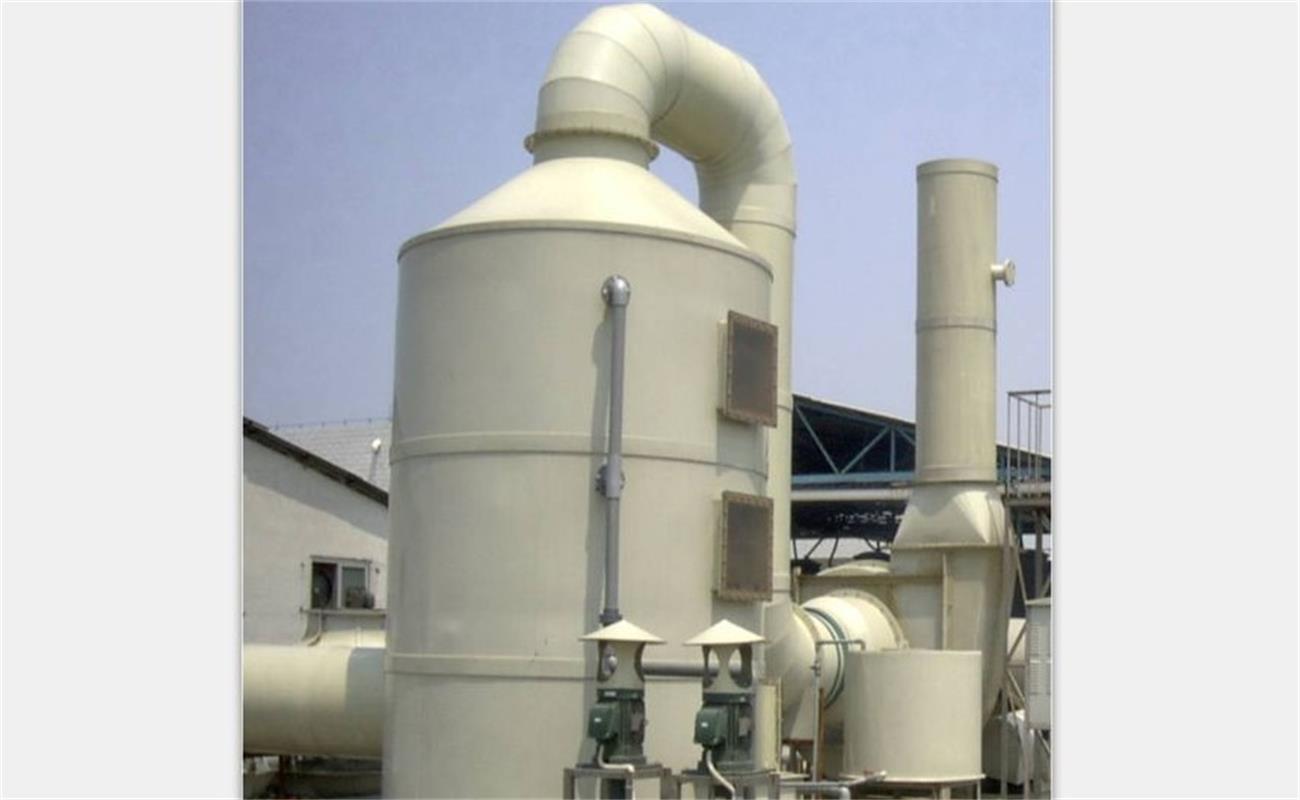
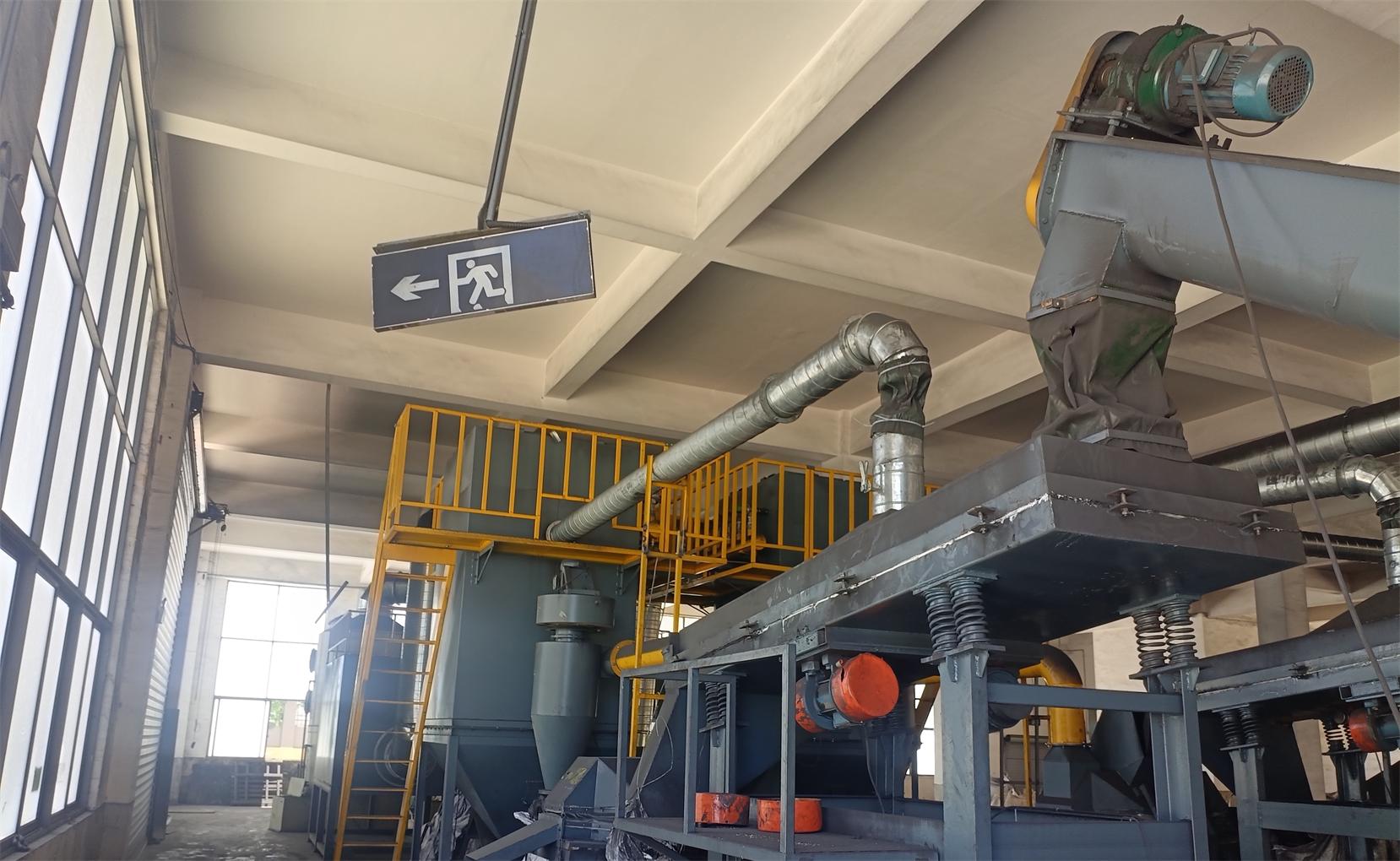
And here's where air pollution control system equipment comes in. Some recycling processes release small amounts of gases or particulates. Air pollution control systems (like scrubbers or filters) trap these, ensuring the recycling process itself is clean. It's a chain: recovery machine captures refrigerant → recycling facility cleans it → air control systems keep emissions low. Together, they make the whole cycle sustainable.
What's next for recovery machines? We're seeing smarter models with Bluetooth connectivity—you can monitor recovery progress on your phone! There are also solar-powered versions for remote areas, and machines that can recover refrigerant from "hard-to-reach" systems (like old car ACs or vending machines).
9. FAQ: Your Burning Questions Answered
Q: Can I just vent refrigerant instead of using a machine? I'll be quick!
A: Nope. Even a tiny leak is illegal. The EPA can and does fine people for venting—save yourself the hassle (and the cash) and use a machine.
Q: How much does a good portable recovery machine cost?
A: Expect to pay $500-$1,500 for a quality portable model. Stationary machines can run $2,000-$10,000, depending on size.
Q: Do I need special training to use one?
A: Yes. In the U.S., you need an EPA Section 608 certification to handle refrigerants. Most community colleges or HVAC trade schools offer short courses (1-2 days) to get certified.
Q: Can I reuse the recovered refrigerant in another system?
A: Sometimes. If it's clean and meets purity standards, yes. If it's contaminated, it needs to be recycled or destroyed at a special facility.
10. Final Thoughts: Why This Matters
Refrigerant recovery machines might not be the most glamorous tech out there, but they're crucial. They protect the ozone layer, fight climate change, and keep us compliant with the law. Every time an HVAC tech fires up their machine, they're doing their part to keep our planet cool—literally and figuratively.
Whether you're a homeowner getting an AC fixed, an HVAC pro shopping for tools, or just someone curious about green tech, remember: the next time you feel that blast of cold air from your fridge, there's a good chance a recovery machine helped make it possible—without harming the environment.
So here's to the unsung heroes of cooling systems: refrigerant recovery machines. They may not get the spotlight, but the planet (and your wallet) sure appreciates them.