Two entrepreneurs, one scrap yard, and the difference between buying a machine and building a plant.
Two entrepreneurs visit the same electronics scrap yard on the same morning. One buys a shredder and a conveyor belt based on a brochure price. The other spends three weeks mapping material flows, recovery targets, and local environmental rules before signing a purchase order. Five years later, only one is still in business.
The difference is not capital. It is system thinking.
Electronic waste is not a single material. It is a portfolio of radically different feedstocks, each with its own physics, hazards, and profit margins. Treating a refrigerator, a lithium battery, and a telephone cable as the same input is the fastest way to destroy equipment, violate emissions rules, and lose money. The right approach starts with understanding what you are actually feeding into your plant.
Know Your Feedstock Before You Choose Your Machine
Cable scrap is mostly copper or aluminum locked inside plastic insulation. The goal is clean metal separation with minimal loss. A cable recycling equipment line typically combines a stripper or granulator with an air or water separator. Dry separation avoids wastewater treatment costs. Wet separation can handle finer particles and mixed cables. The choice depends on your local water costs, cable diameter mix, and purity requirements. Granulators range from compact 100 kg/hour units for small workshops to 1,200 kg/hour systems for industrial yards.
Lead acid batteries are a different discipline entirely. The casing must be opened, acid neutralized, and the internal components separated into lead paste, lead grids, and plastic. A complete lead acid battery recycling equipment line includes a breaker, separation system, desulfurization unit, and smelting furnace. Paste reduction in a rotary furnace recovers metallic lead at rates above 95 percent. The refinery kettle then pushes purity to 99.999 percent. Skip any of these stages and you leave money in the waste stream while creating regulatory liability.
Lithium-ion batteries introduce thermal runaway risk and fluorinated electrolytes. Safe processing requires controlled discharge, inert atmosphere pre-treatment, and mechanical separation to recover black mass, copper, aluminum, and plastic. Capacity ranges from 500 to 2,500 kg/hour. Air pollution control is non-negotiable.
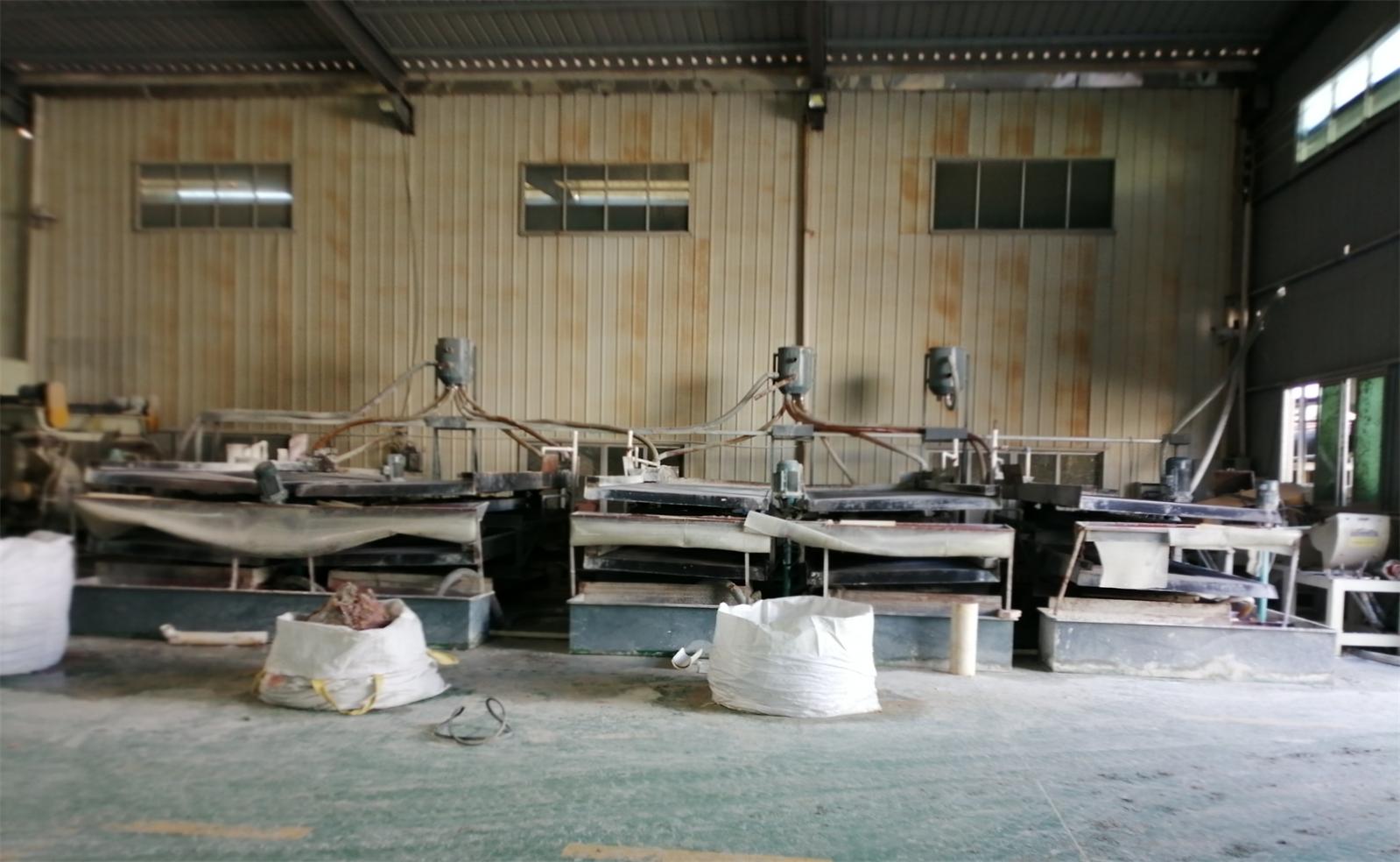
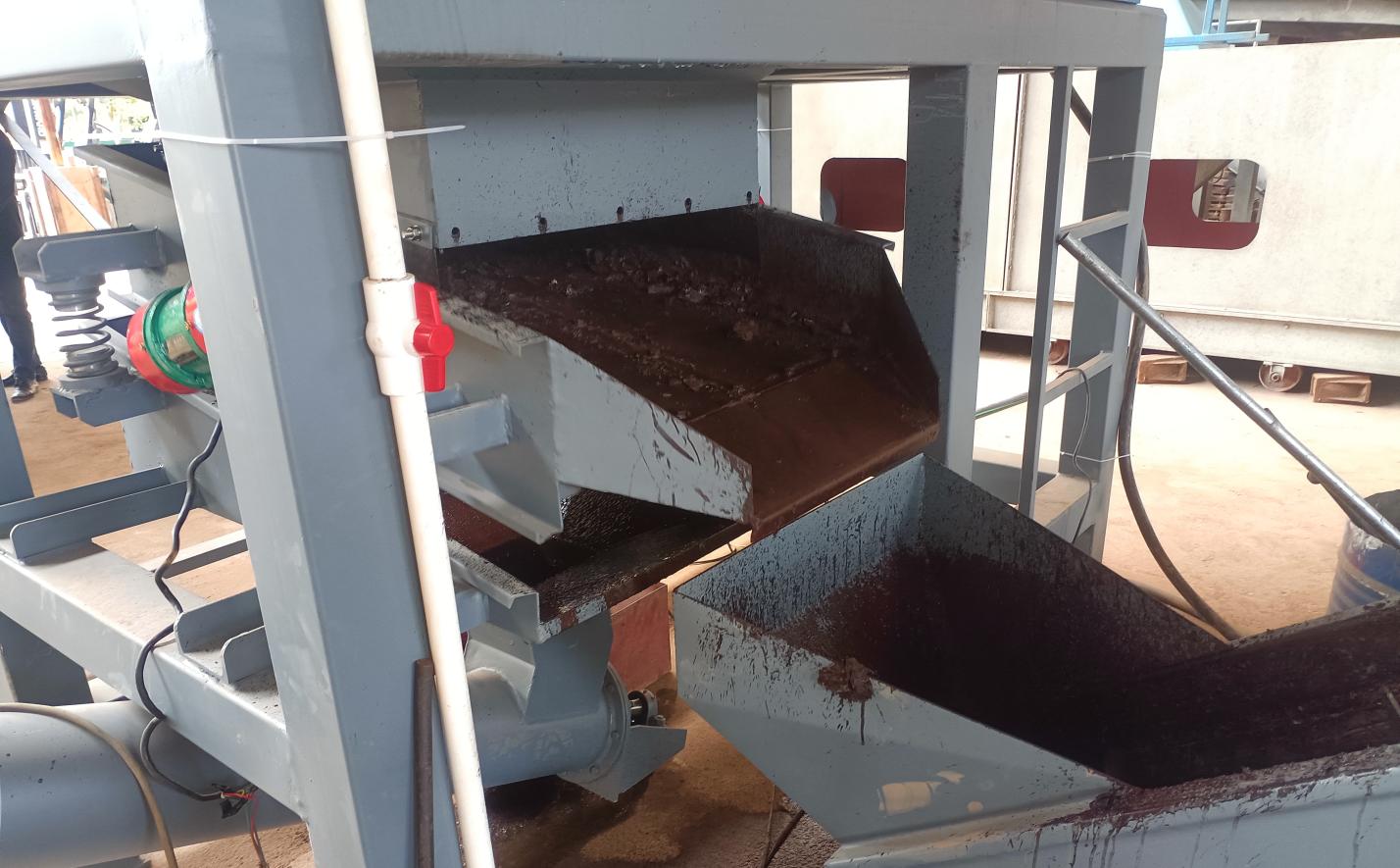
Printed circuit boards contain copper, precious metals, and hazardous halogenated compounds. Circuit board recycling equipment uses either dry air separation or wet water-metal separation. Dry systems with electrostatic separators achieve 96 to 98 percent copper powder purity at throughputs up to 2,000 kg/hour. Wet systems can process boards with components still attached. The decision hinges on whether you are optimizing for throughput or feedstock flexibility.
A Machine Is Not a Plant
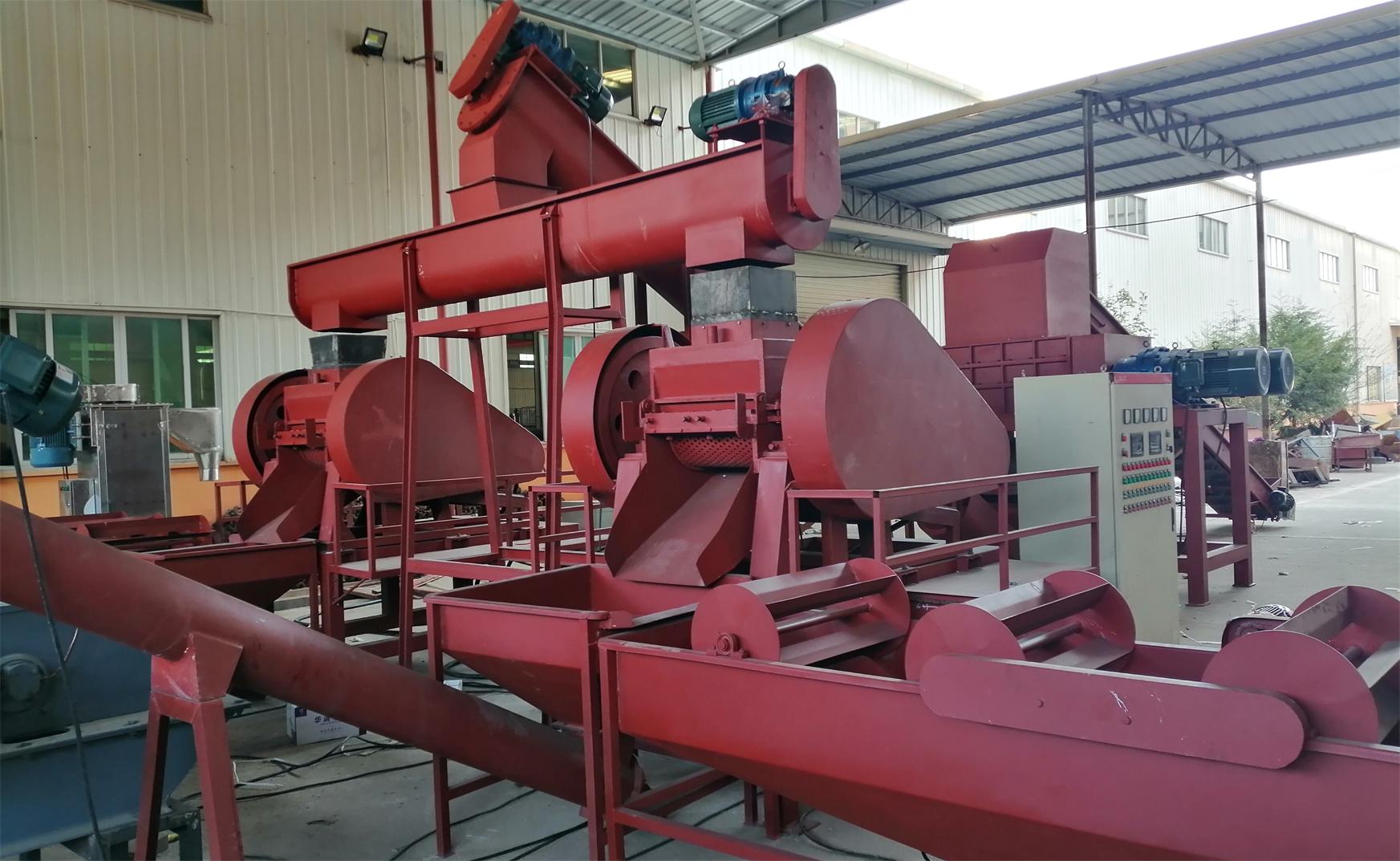
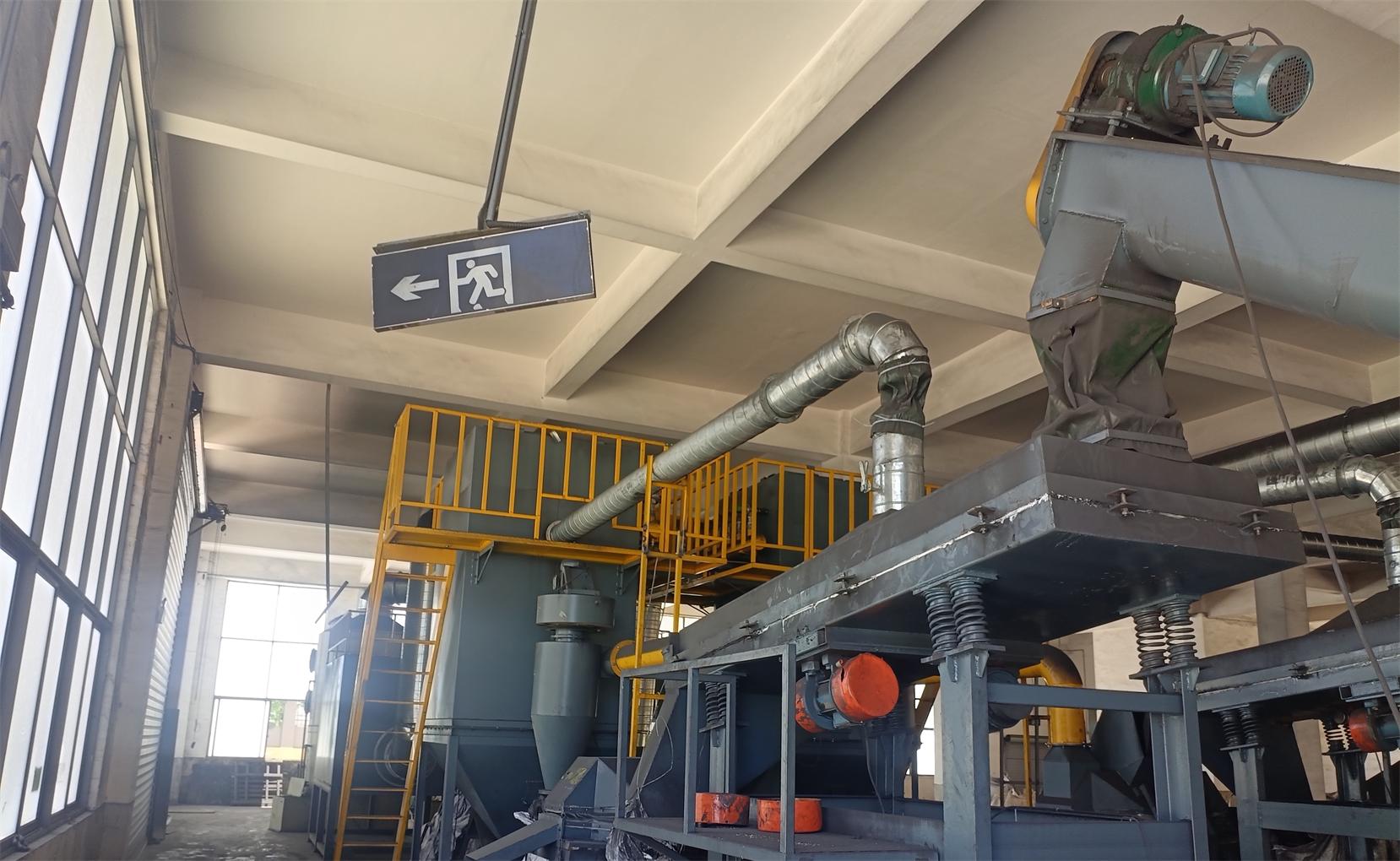
Individual machines solve isolated problems. A profitable recycling operation solves the whole chain. That chain includes:
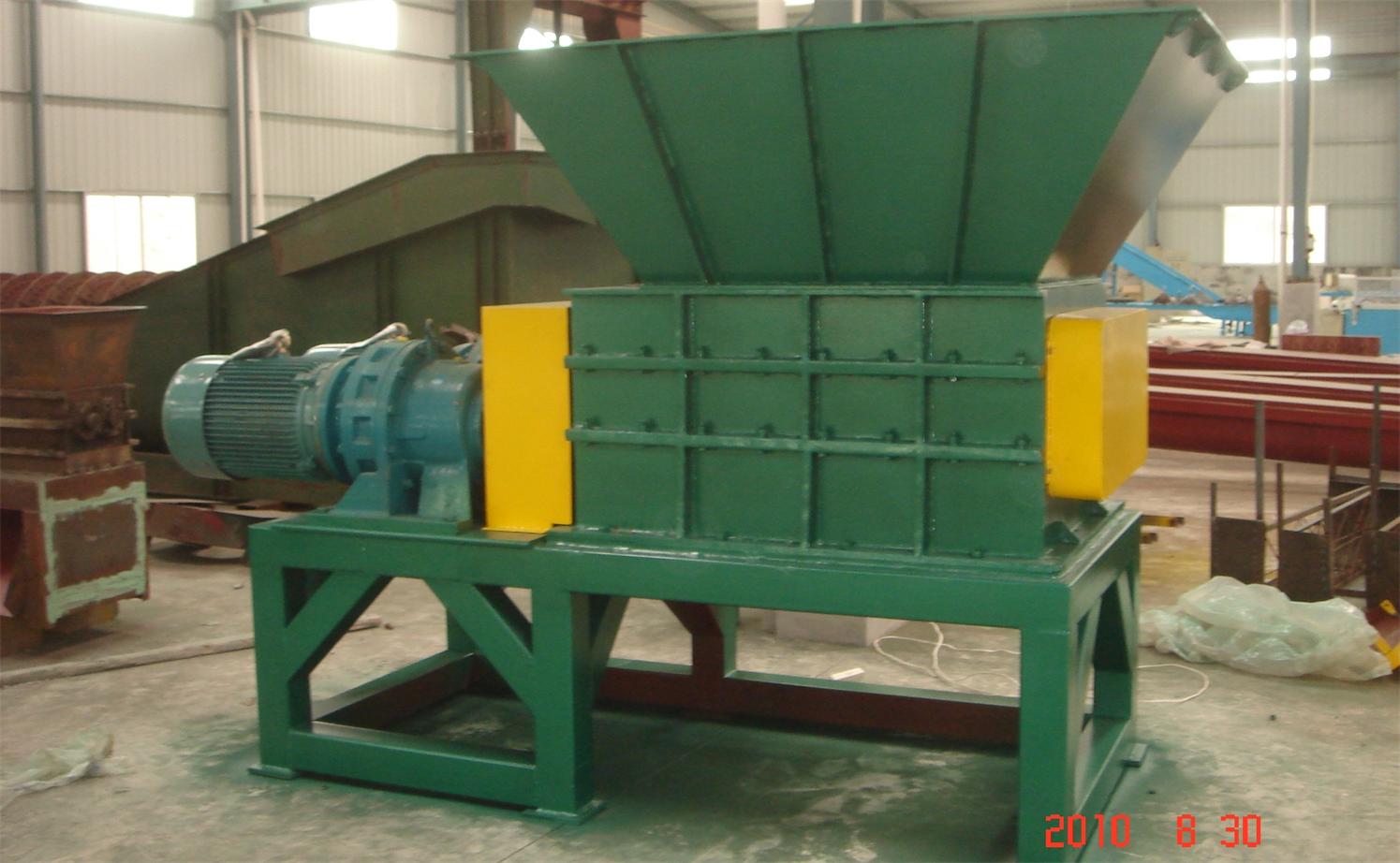
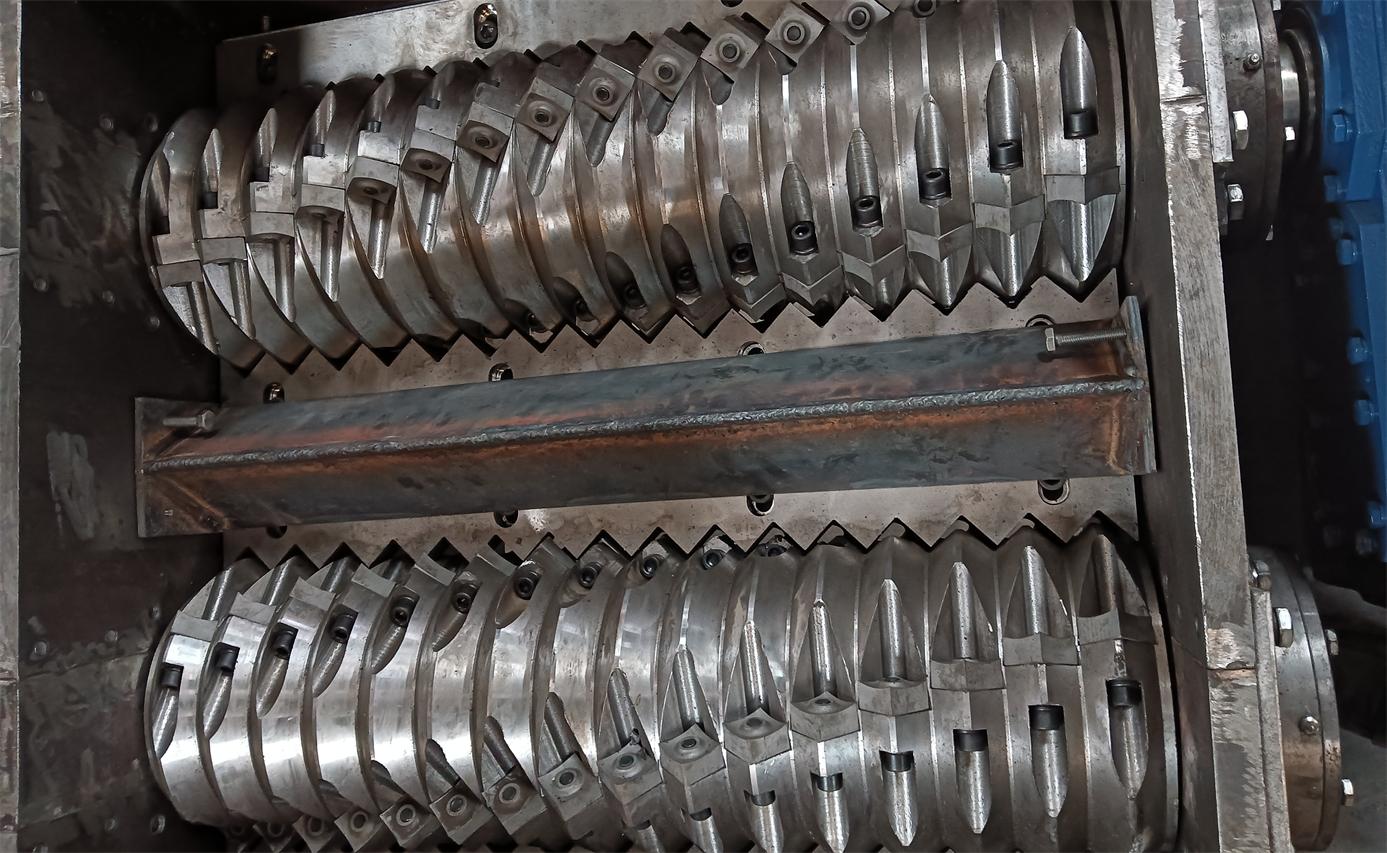
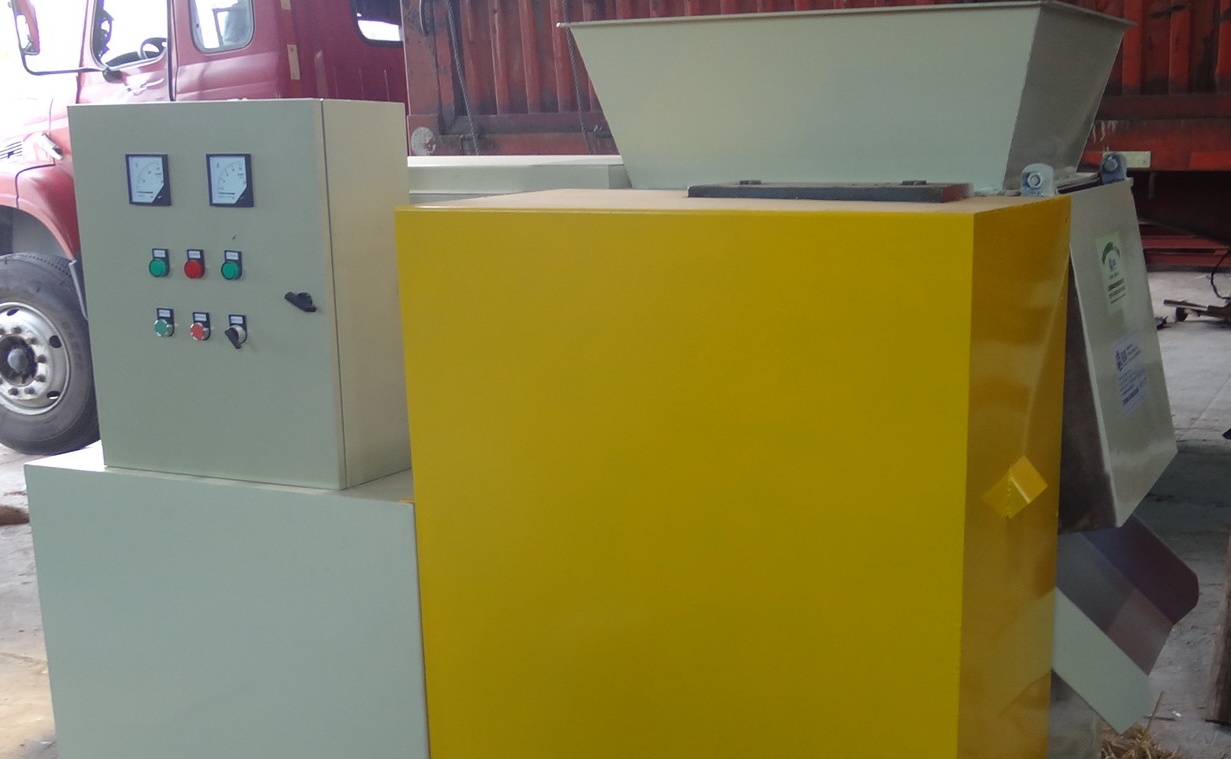
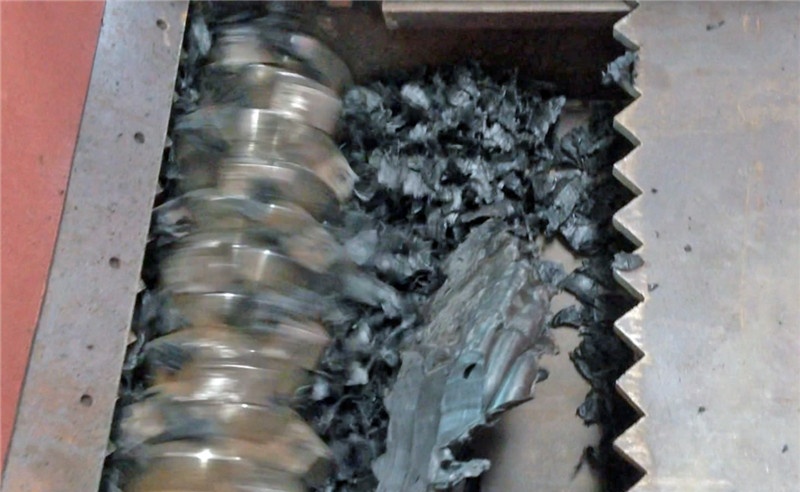
Pre-processing. Shredders and pre-choppers reduce bulky items to uniform size before they enter specialized lines. Four-shaft shredders handle mixed e-waste at 4 to 6 MT/hour. Single-shaft units focus on cables and plastics at 300 to 1,000 kg/hour.
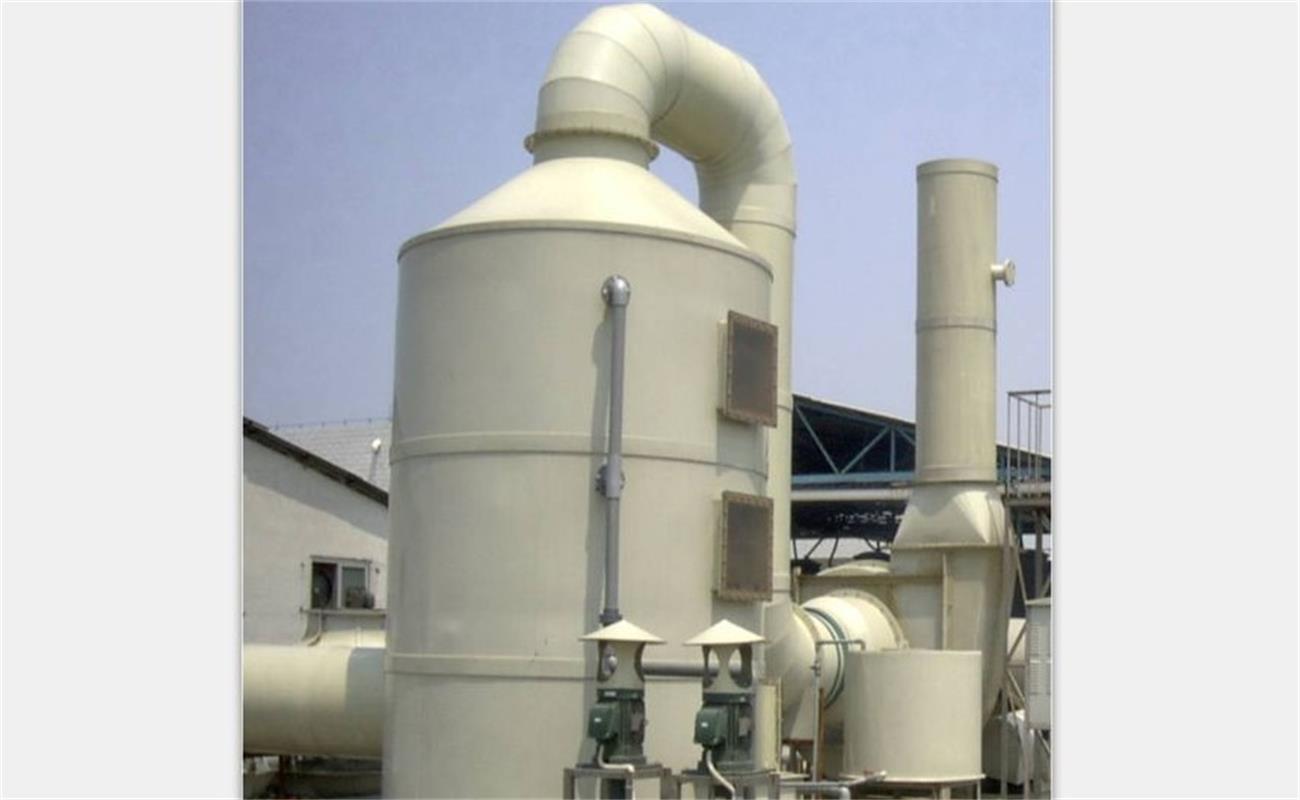
Environmental compliance. Air pollution control systems, water treatment plants, and sealed dust-proof structures are not optional accessories. They are license-to-operate equipment. Every jurisdiction now requires proof of emission control before granting operational permits.
Downstream refining. Separated metal often needs melting into ingots before sale. Medium-frequency induction furnaces handle iron, copper, aluminum, tin, gold, and silver. Without this step, you are selling intermediate product at intermediate margins.
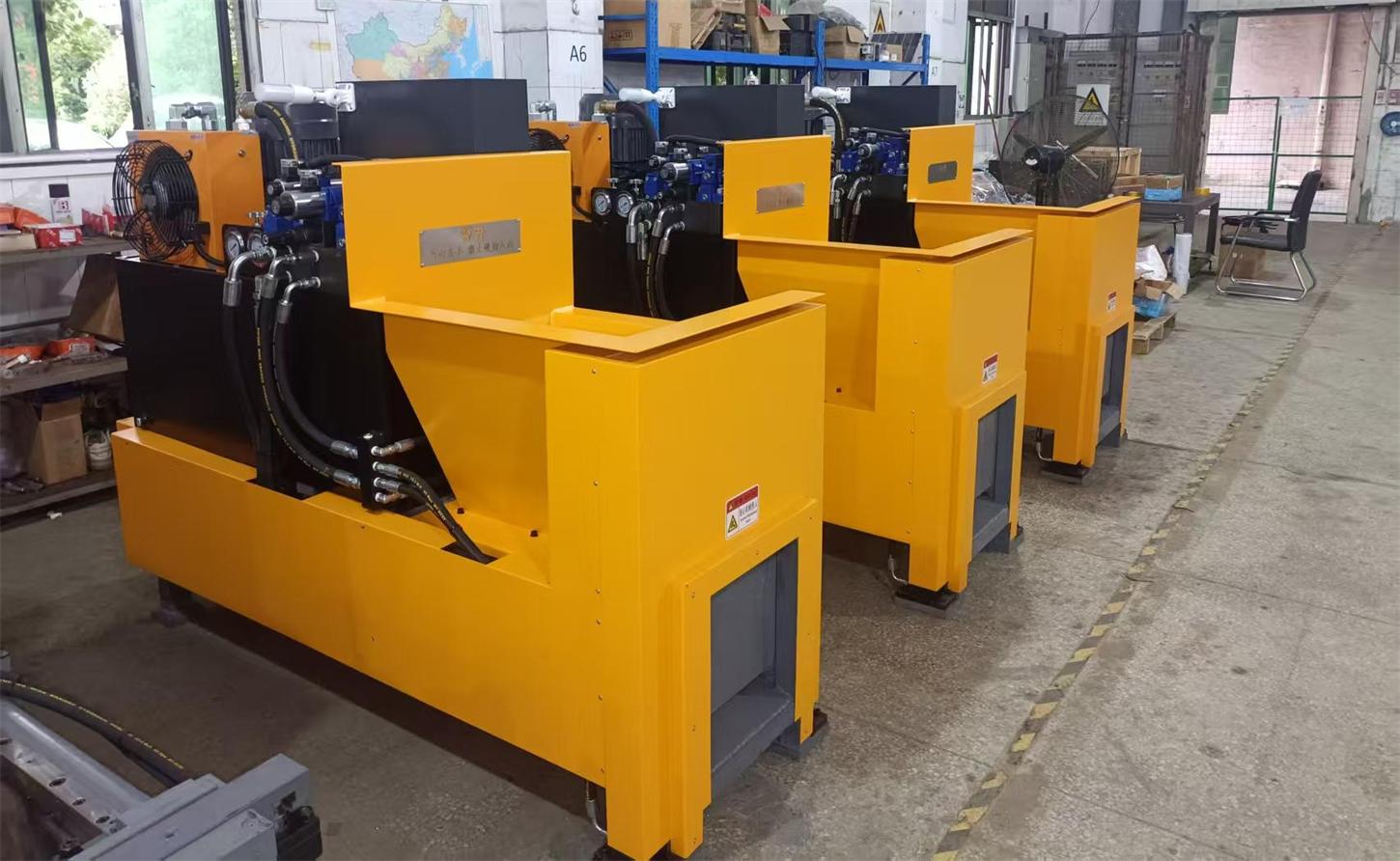
Auxiliary systems. Filter presses, pneumatic conveyors, hydraulic briquetters, and balers keep material moving and storage efficient.
A supplier who answers in specifications is a manufacturer. A supplier who answers only in adjectives is a trader.
How to Evaluate a Supplier
Here is what to verify before you transfer funds:
Why San Lan Technologies
San Lan Technologies Co., Ltd., established in 2007 in Jiangxi Province, China, manufactures complete WEEE recycling plants and mining equipment. The product range covers cable recycling machines, lead acid battery recycling plants, lithium battery recycling plants, circuit board recycling plants, shredders, CRT cutters, refrigerator and AC recycling lines, motor dismantling equipment, hydraulic presses, lithium ore extraction plants, nano ceramic grinding media, lamp recycling machines, and metal melting furnaces.
The technical team includes mechanical engineering masters with more than fifteen years of direct experience in e-waste recycling machinery. San Lan has delivered projects to clients in over twenty-one countries, including Singapore, Colombia, Vietnam, Mexico, Argentina, Korea, Malaysia, Indonesia, South Africa, Tunisia, India, Kenya, Saudi Arabia, Philippines, and Zambia.
Services extend beyond equipment supply to include customized plant design, one-stop purchasing, installation and commissioning, waste material sourcing assistance, investor partnership for plant construction, and product-offtake support for recovered metals.
The Checklist Before You Sign
The scrap yard will still be there in five years. The question is whether your plant will be.
Contact San Lan Technologies for a project assessment tailored to your material mix and capacity target.
Email: info@san-lan.com | WhatsApp: +86 139 2377 4083
Learn more about our recycling solutions
San Lan Technologies Co., Ltd. | Industry Park, Shicheng County, Ganzhou City, Jiangxi Province, P.R. China