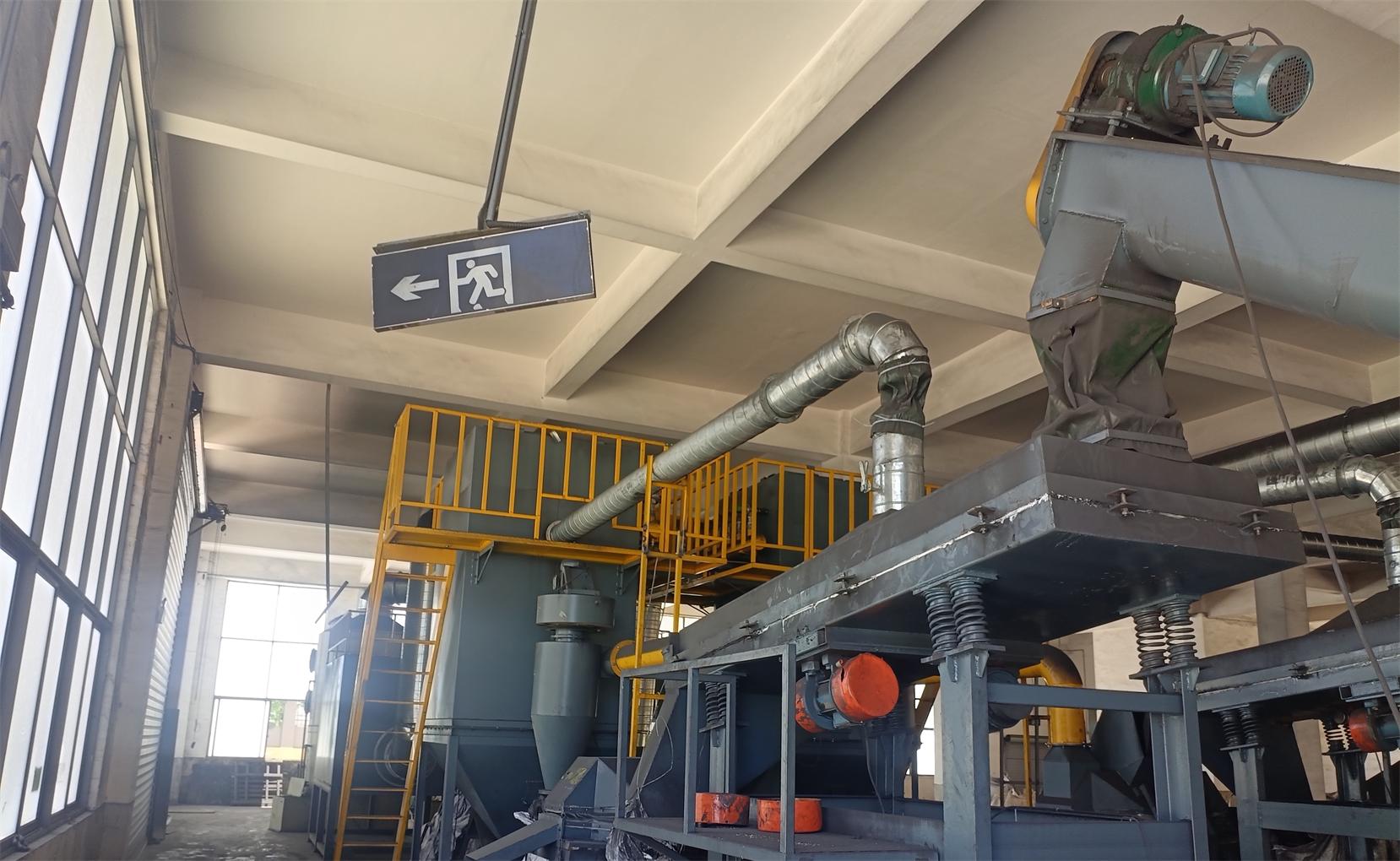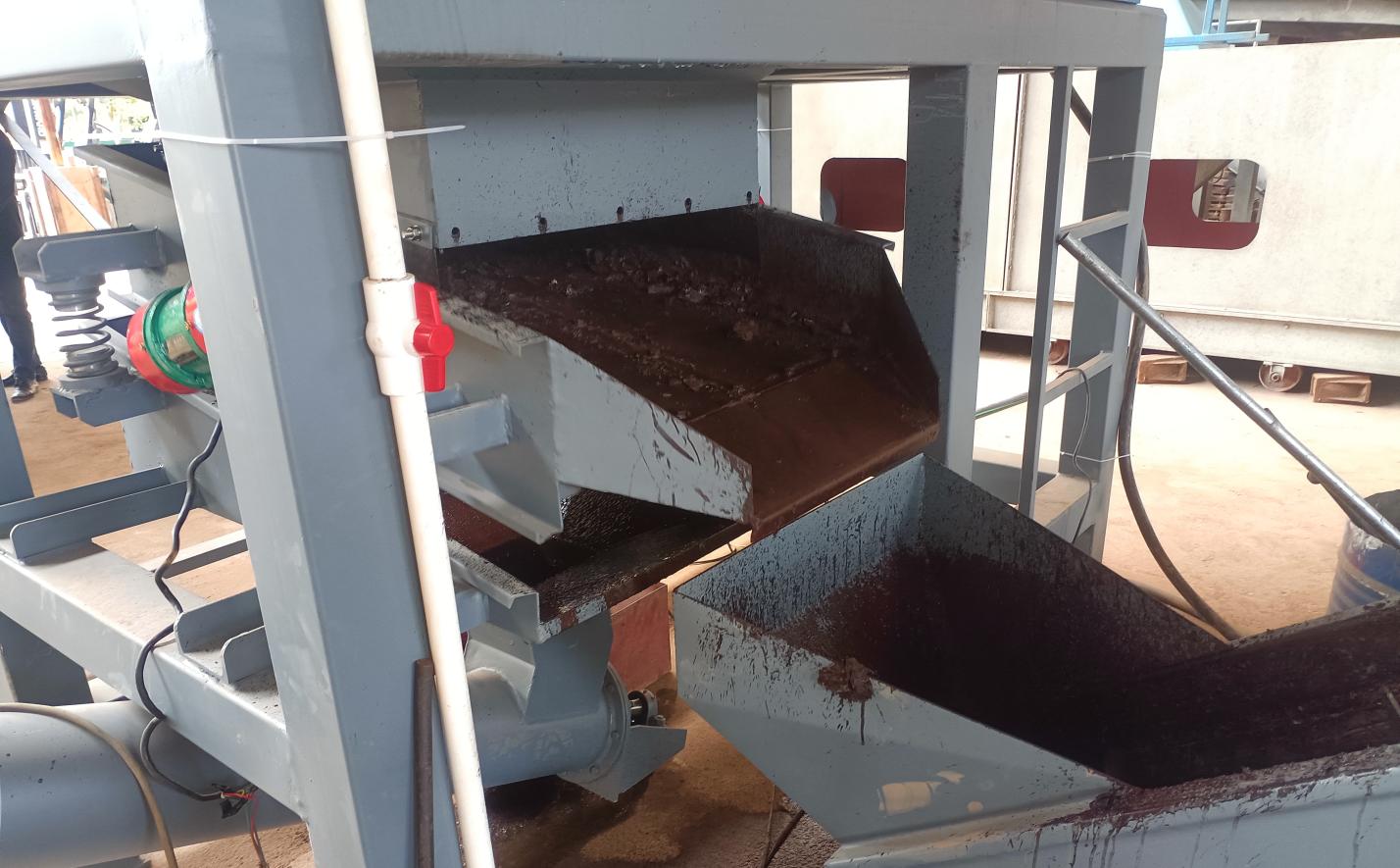
Every year, millions of tons of discarded electronics pile up in landfills, leaking hazardous materials while buried treasure goes to waste. Copper, aluminum, lead, lithium, and precious metals sit inside old phones, laptop batteries, car circuit boards, and household appliances. The difference between environmental liability and profitable resource recovery often comes down to one decision: choosing the right recycling equipment supplier.
Governments across Southeast Asia, the Middle East, Africa, and Latin America are tightening e-waste disposal regulations. Manual dismantling is being restricted. Open burning and acid leaching face heavy penalties. Formal recycling plants need automated, compliant machinery that can process large volumes safely and efficiently. For investors and plant operators, this shift creates both an obligation and an opportunity.
Why Equipment Quality Defines Your Recycling Business
Not all recycling machines deliver the same return on investment. Low-grade equipment may promise attractive upfront prices, but hidden costs quickly appear: frequent blade replacements, dust leakage fines, low metal recovery rates, and expensive retrofitting to meet local environmental standards.
High-performance recycling equipment should recover resources efficiently while keeping operating costs predictable. Physical dry separation technology, for example, avoids the chemical pollution and secondary waste associated with wet processing or acid extraction. A closed dust-proof structure protects workers and prevents metal loss. Modular design lets you expand capacity as your feedstock grows, rather than rebuilding from scratch.
Key insight: The most profitable recycling plants treat equipment selection as a 10-year decision, not a one-time purchase. Total cost of ownership matters more than sticker price.
Major E-Waste Recycling Equipment Categories
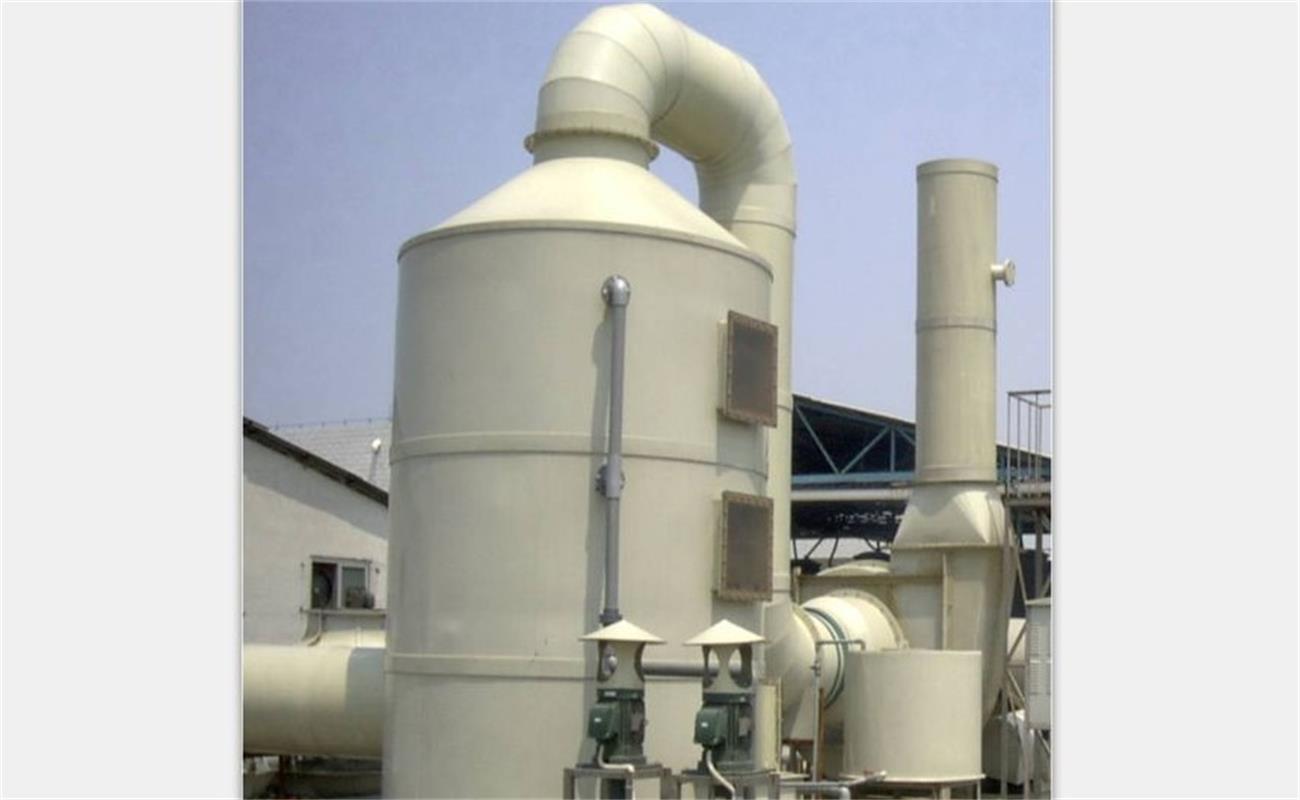
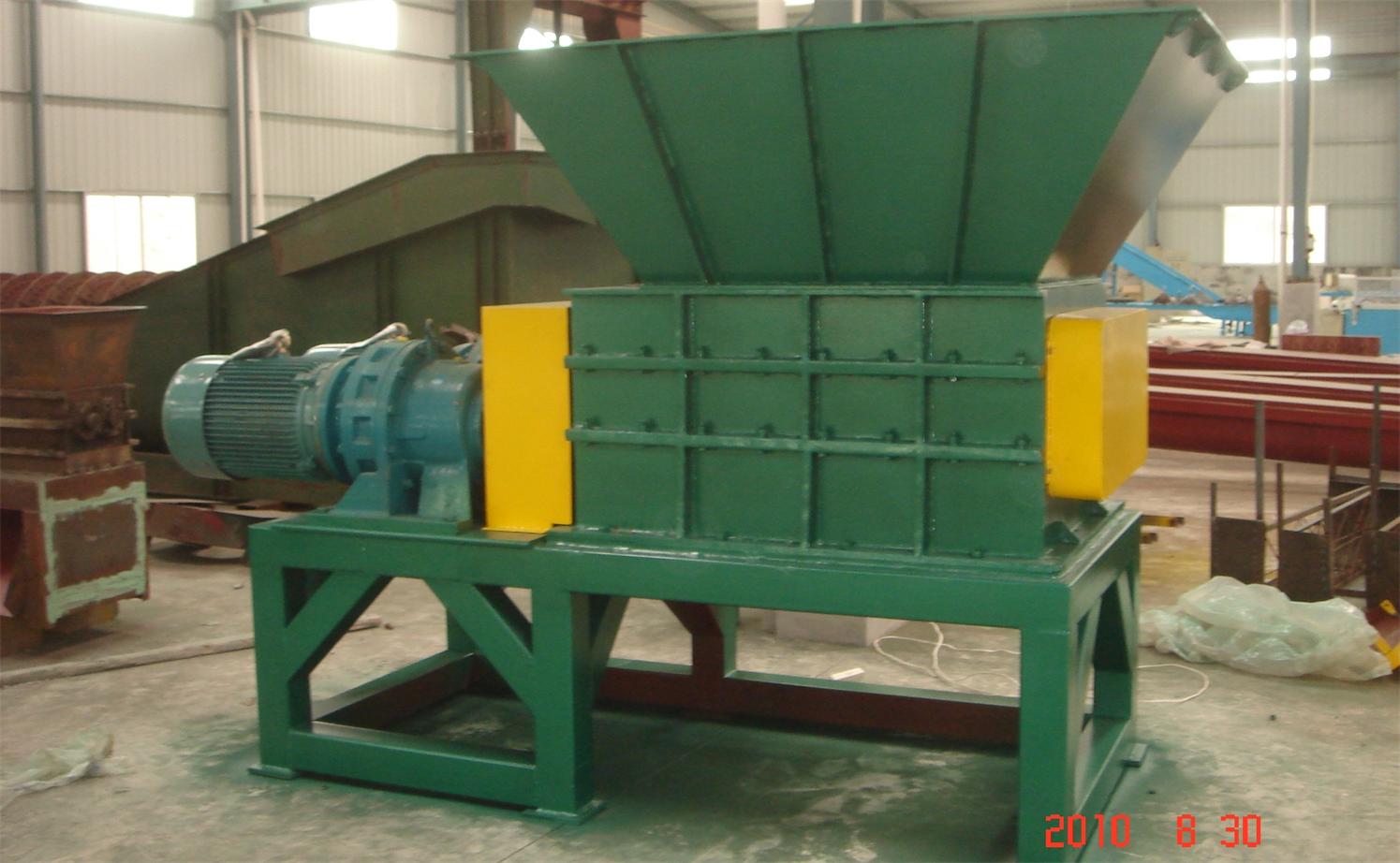
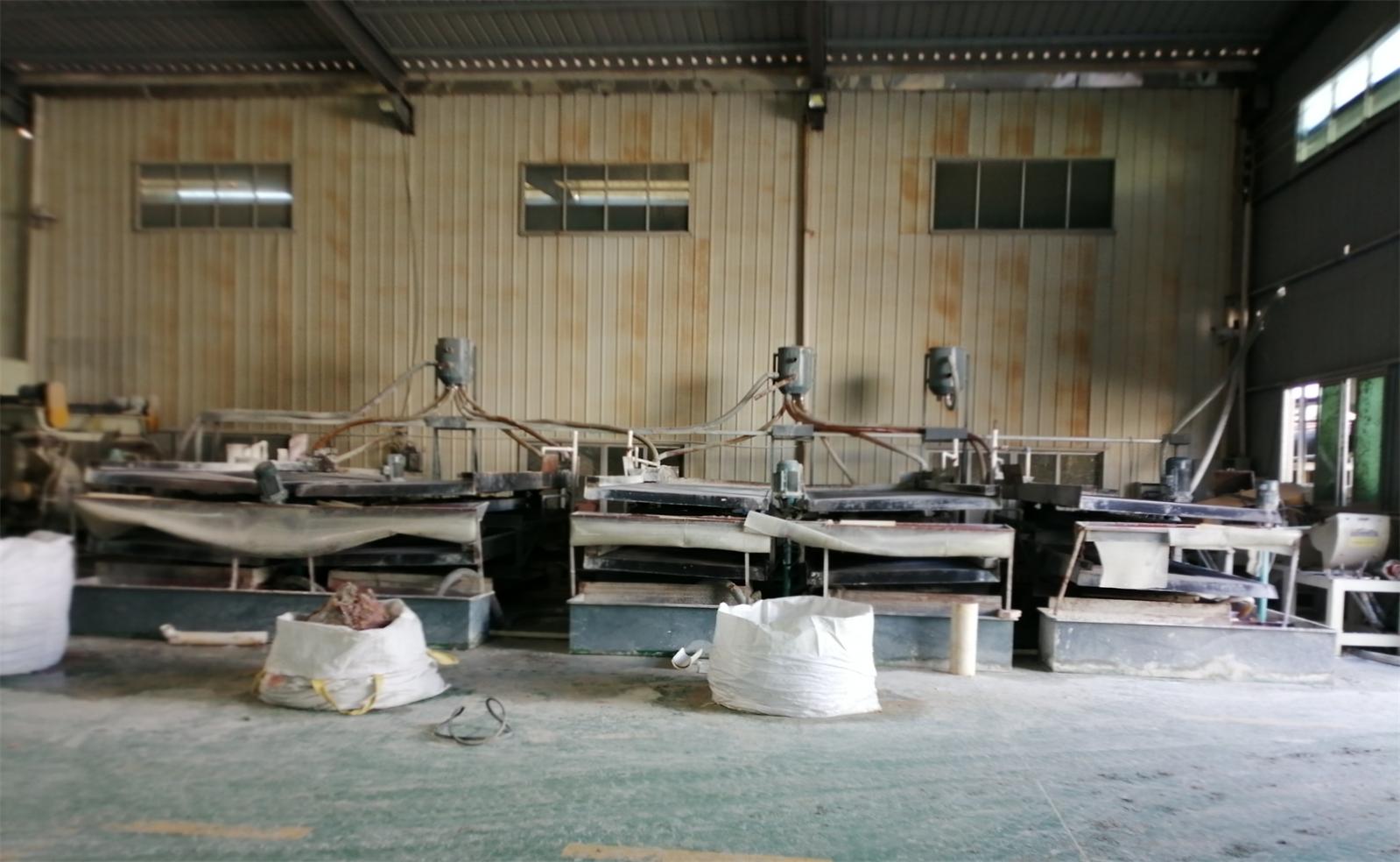
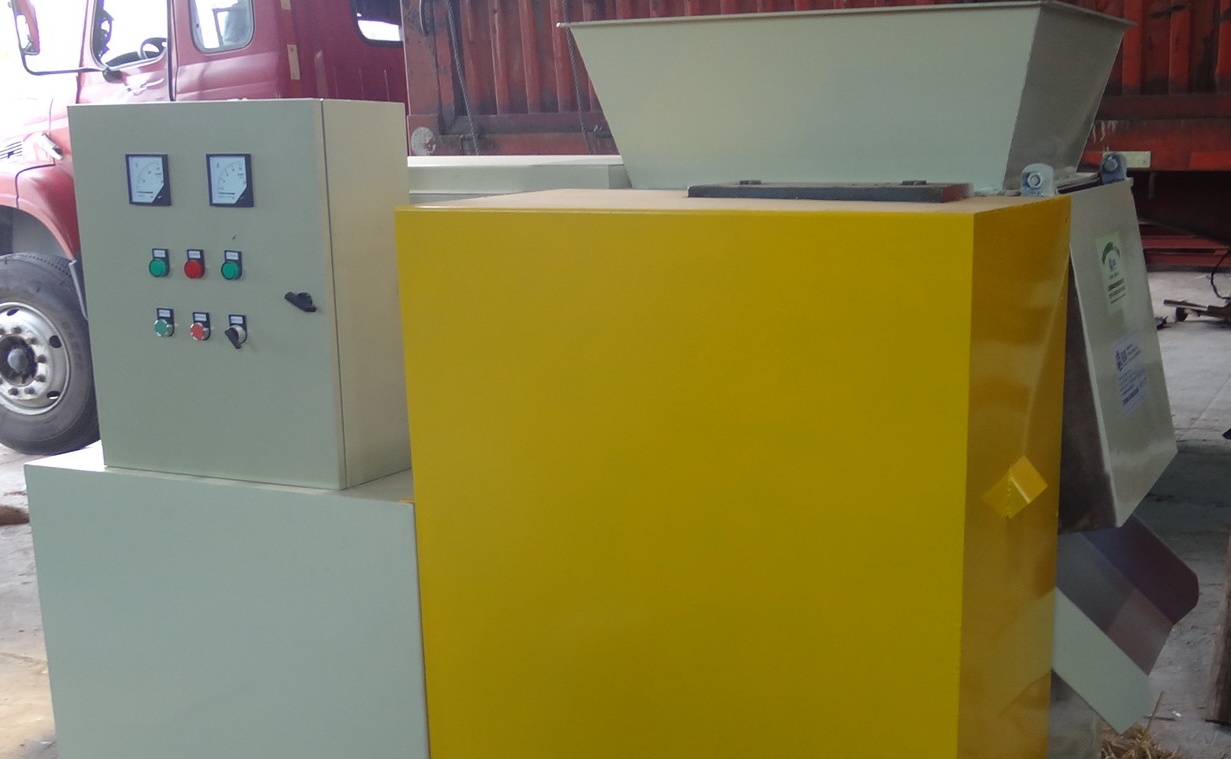
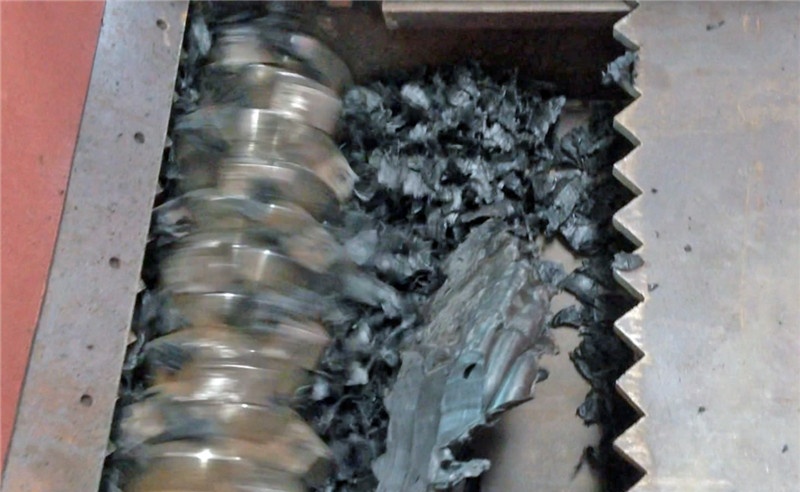
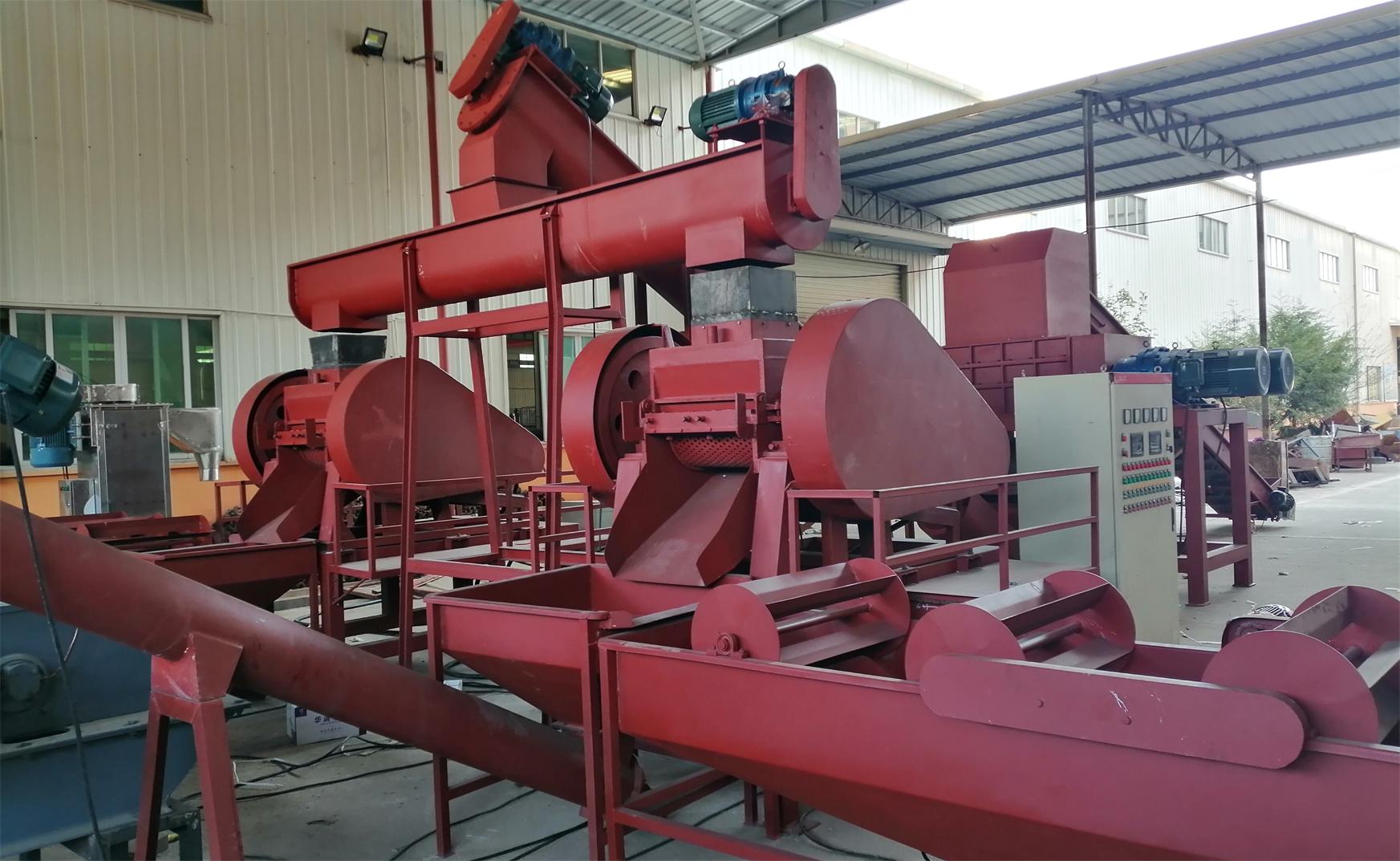
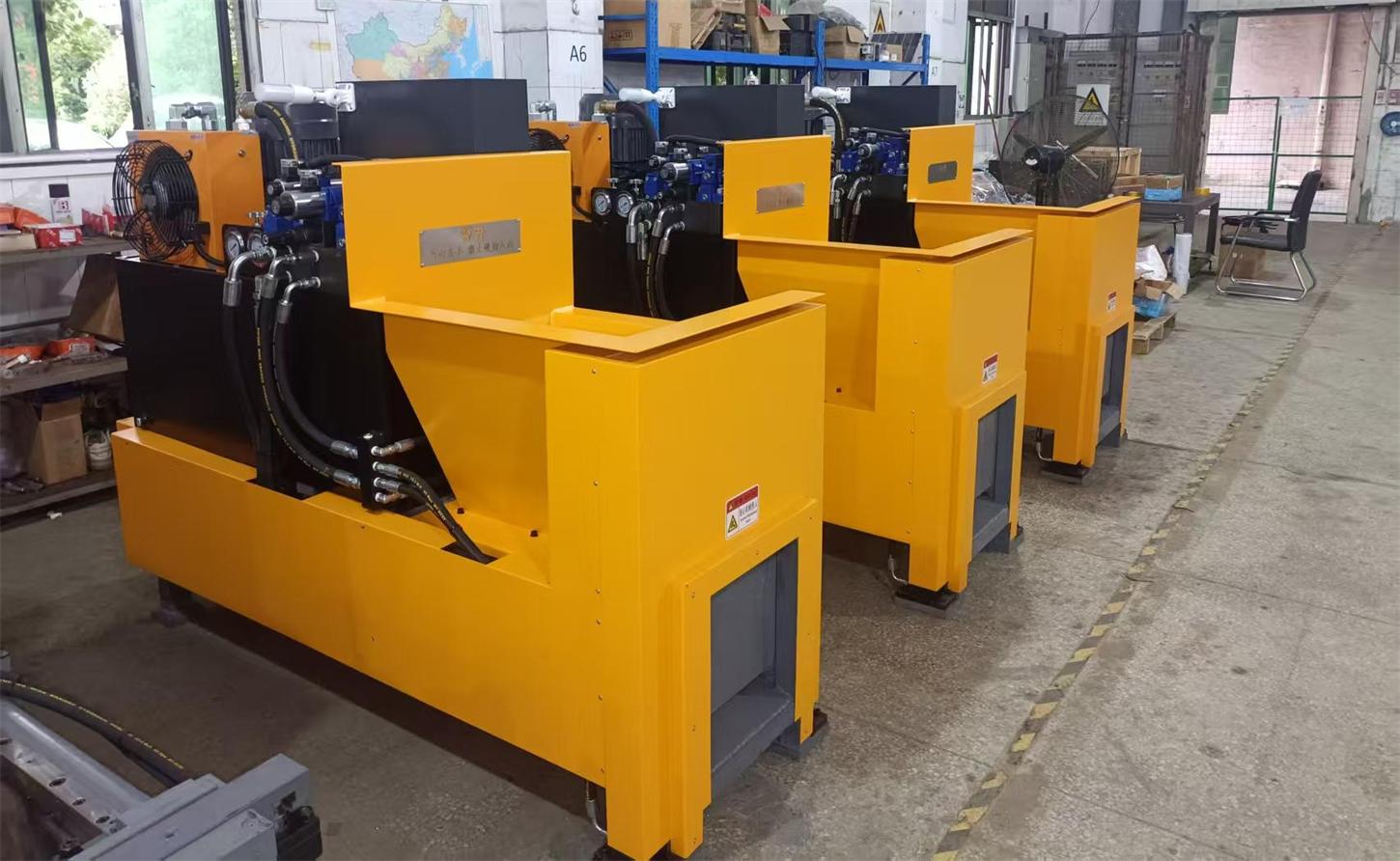
A complete e-waste recycling operation typically involves multiple processing lines tailored to different waste streams. Here are the core categories that established suppliers should offer:
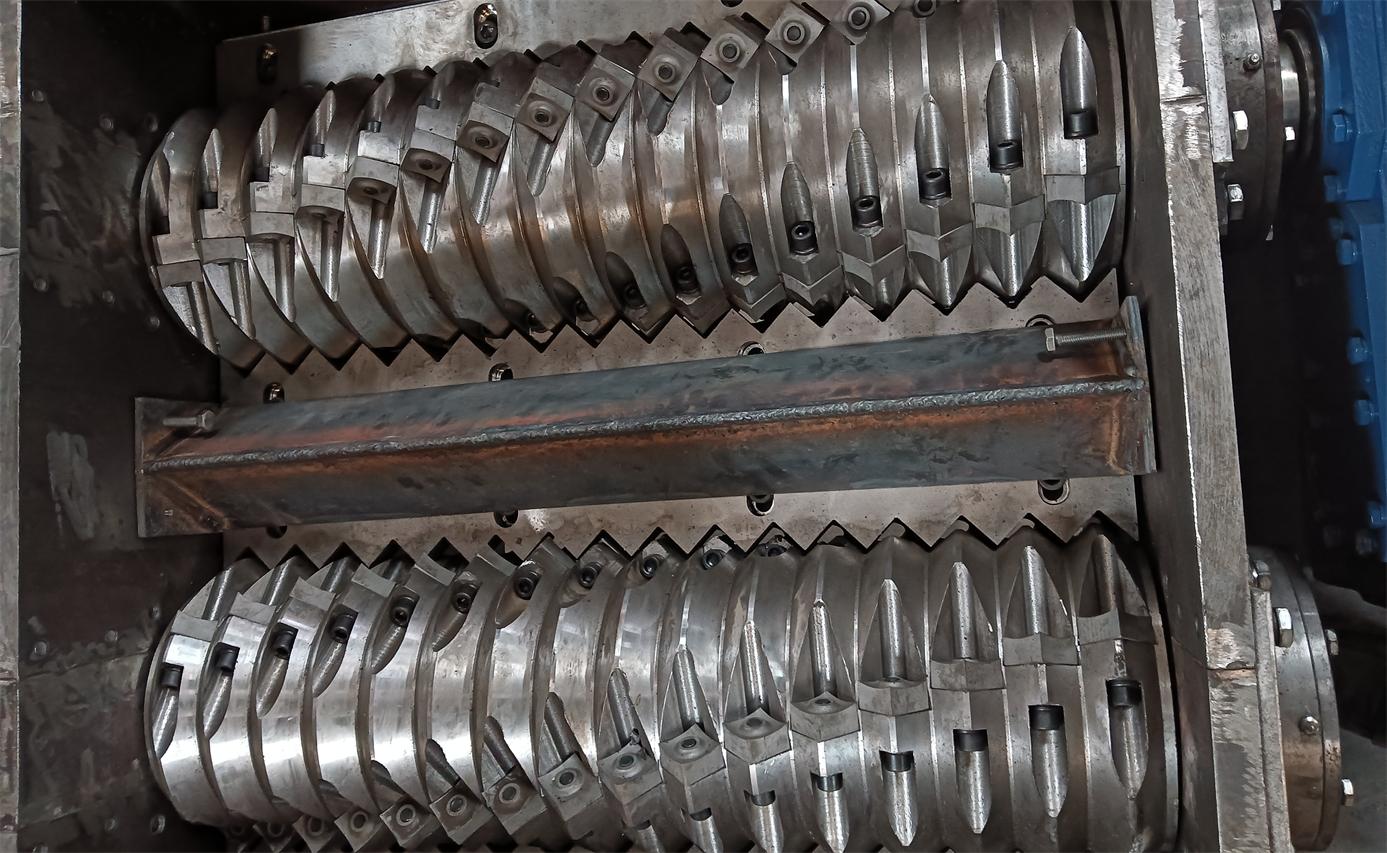
Beyond these core lines, comprehensive suppliers also provide pre-shredders, refrigerant extraction machines for refrigerator and AC recycling, CRT cutters for monitor disposal, motor stator dismantling equipment, and lamp recycling systems that safely capture mercury from fluorescent tubes.
What Separates a Reliable Supplier from a Catalog Vendor
Anyone can list machines on a website. The hard part is delivering a plant that actually works in your local conditions, with your specific waste stream, under your regulatory framework. When evaluating a recycling equipment supplier, look beyond product photos and check for these capabilities:
1. EPC project experience. Engineering, procurement, and construction capabilities mean the supplier can design your entire plant layout, not just ship individual machines. This eliminates integration headaches between incompatible components.
2. Customization for local conditions. Power supply standards, ambient humidity, available workshop space, and labor skill levels vary dramatically between regions. A supplier that only offers fixed configurations will force you to adapt your operation to their machine. A true partner adapts the machine to your operation.
3. Installation and commissioning support. Even well-built equipment needs proper setup, calibration, and operator training. Suppliers who disappear after delivery leave you with expensive metal sculptures instead of productive assets.
4. Pre-shipment testing. Load operation trials, dust leakage inspection, and voltage adaptation debugging should be standard procedure, not optional extras.
5. Downstream market connections. The best suppliers understand that selling you equipment is only half the job. Some can help source waste feedstock or connect you with buyers for recovered materials like copper rice, lead ingots, or plastic pellets.
San Lan Technologies: Built for Real-World Recycling Operations
San Lan Technologies Co., Ltd has manufactured WEEE recycling machines and mining equipment since 2007. Based in Ganzhou, Jiangxi Province, China, the company serves customers across more than 21 countries including Singapore, Colombia, Vietnam, Mexico, Argentina, South Africa, India, Saudi Arabia, and Zambia.
The technical team includes mechanical engineering professionals with over 15 years of direct experience in e-waste recycling machine design. This depth shows in the product range: from lead acid battery recycling equipment with integrated breaking, separation, desulfurization, and refining systems, to cable recycling equipment that handles everything from thin communication wires to thick industrial power cables.
San Lan's approach centers on complete project delivery rather than piecemeal sales. The company offers customized plant design, one-stop equipment procurement, installation and commissioning, and ongoing technical support. For investors entering the recycling sector, San Lan can also assist with feedstock sourcing, product offtake connections, and even partnership arrangements for plant construction.
Notable capabilities: Bilingual English-Chinese support, EPC project execution, custom capacity design from small workshops to industrial bases, and help with both upstream waste procurement and downstream material sales.
Questions to Ask Before You Buy
Before committing to any recycling equipment purchase, request clear answers to these practical questions:
- What is the actual metal recovery rate for your specific waste stream, and can the supplier provide reference plant data?
- Does the equipment meet your local environmental emission standards out of the box, or will modifications be needed?
- What spare parts wear out first, what do they cost, and how quickly can replacements arrive in your country?
- Will engineers visit your site for installation, or is support limited to video calls and manuals?
- Can the supplier provide contact details of existing customers in your region who operate similar equipment?
Ready to explore your e-waste recycling project? San Lan Technologies offers free consultations on plant design, equipment selection, and project feasibility. With machines spanning battery recycling, cable granulation, circuit board recovery, and full refrigerator shredding lines, San Lan can match the right equipment to your material stream and production goals.
Contact the team via email at info@san-lan.com or WhatsApp at +86 139 2377 4083 to discuss your requirements. You can also browse the full product catalog at www.san-lan.com.