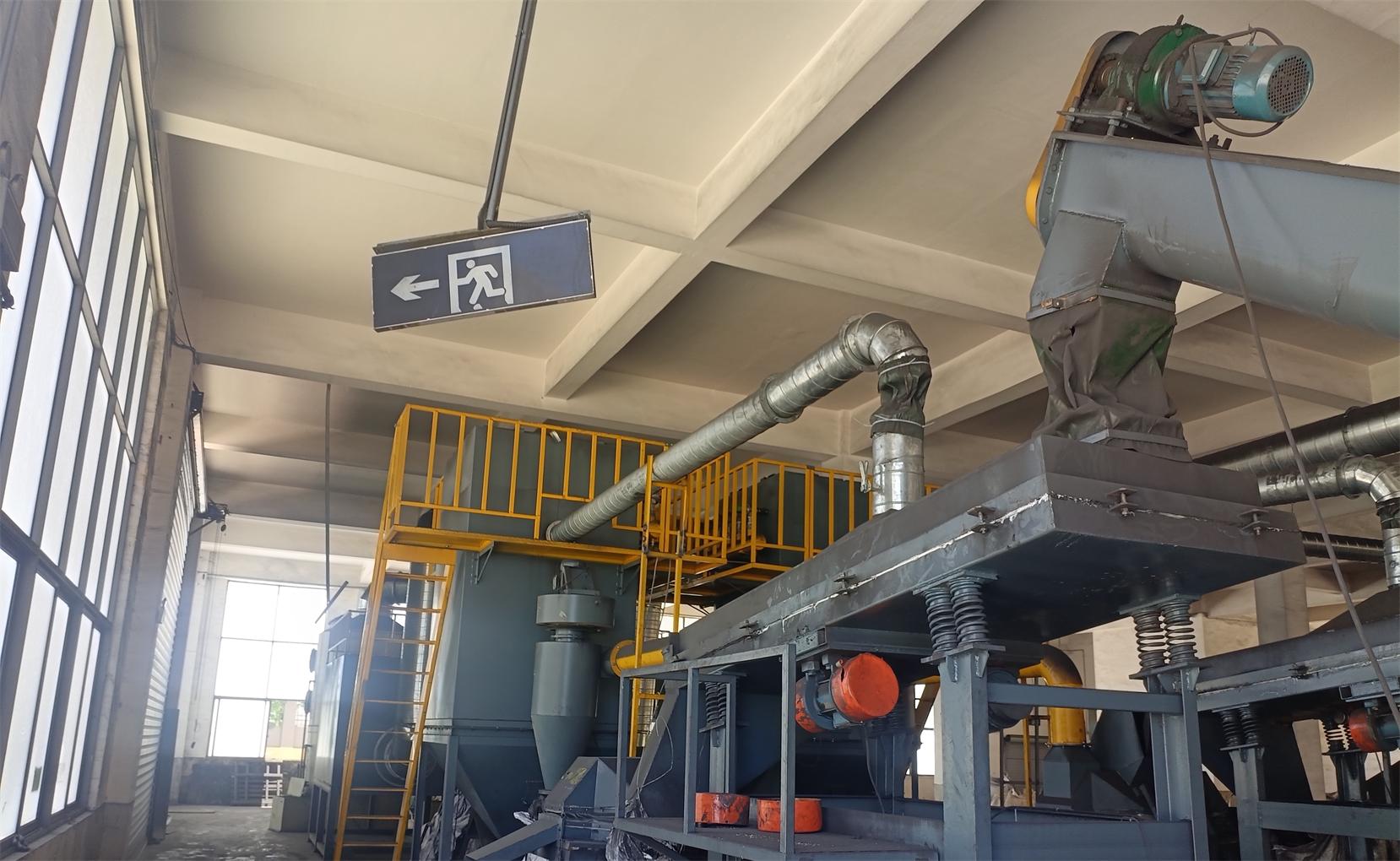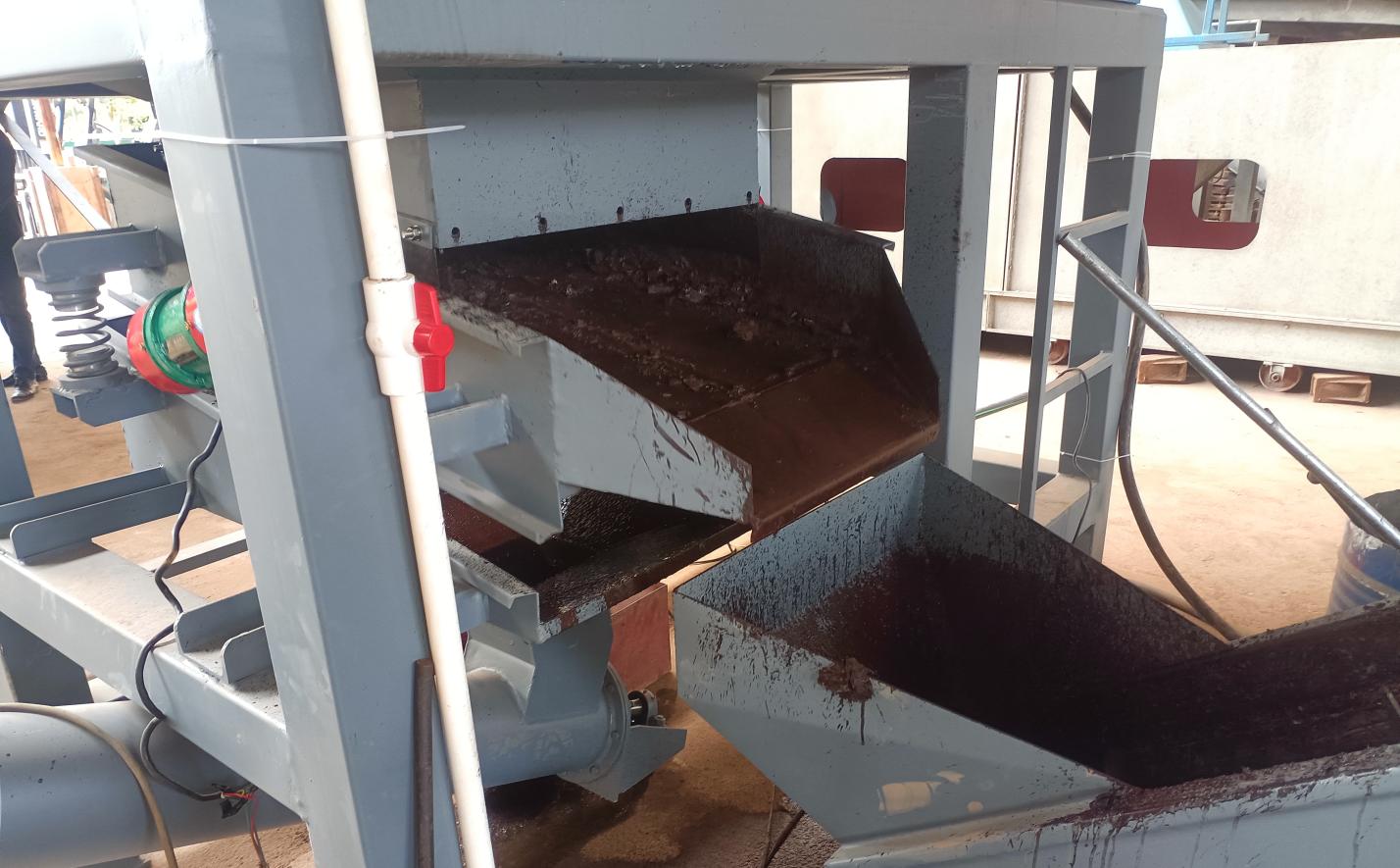
Why E-Waste Recycling Demands Specialized Equipment
Electronic waste contains a complex mixture of valuable metals, hazardous substances, and recyclable plastics. Manual dismantling is inefficient, environmentally risky, and unable to keep pace with rising volumes. Modern recycling equipment automates the separation of copper, aluminum, lead, lithium, and precious metals from electronic scraps with precision and safety.
Governments across Southeast Asia, Africa, Latin America, and the Middle East are tightening disposal regulations. Formal recycling plants equipped with mechanized sorting and extraction systems are replacing informal workshops. This shift creates strong demand for reliable machinery that can handle diverse feed materials while maintaining environmental compliance.
Key Categories of Recycling Machinery
A comprehensive e-waste recycling operation typically requires multiple processing lines tailored to specific material streams. Understanding the core equipment categories helps investors plan capacity, layout, and capital allocation effectively.
Lead Acid Battery Recycling Systems
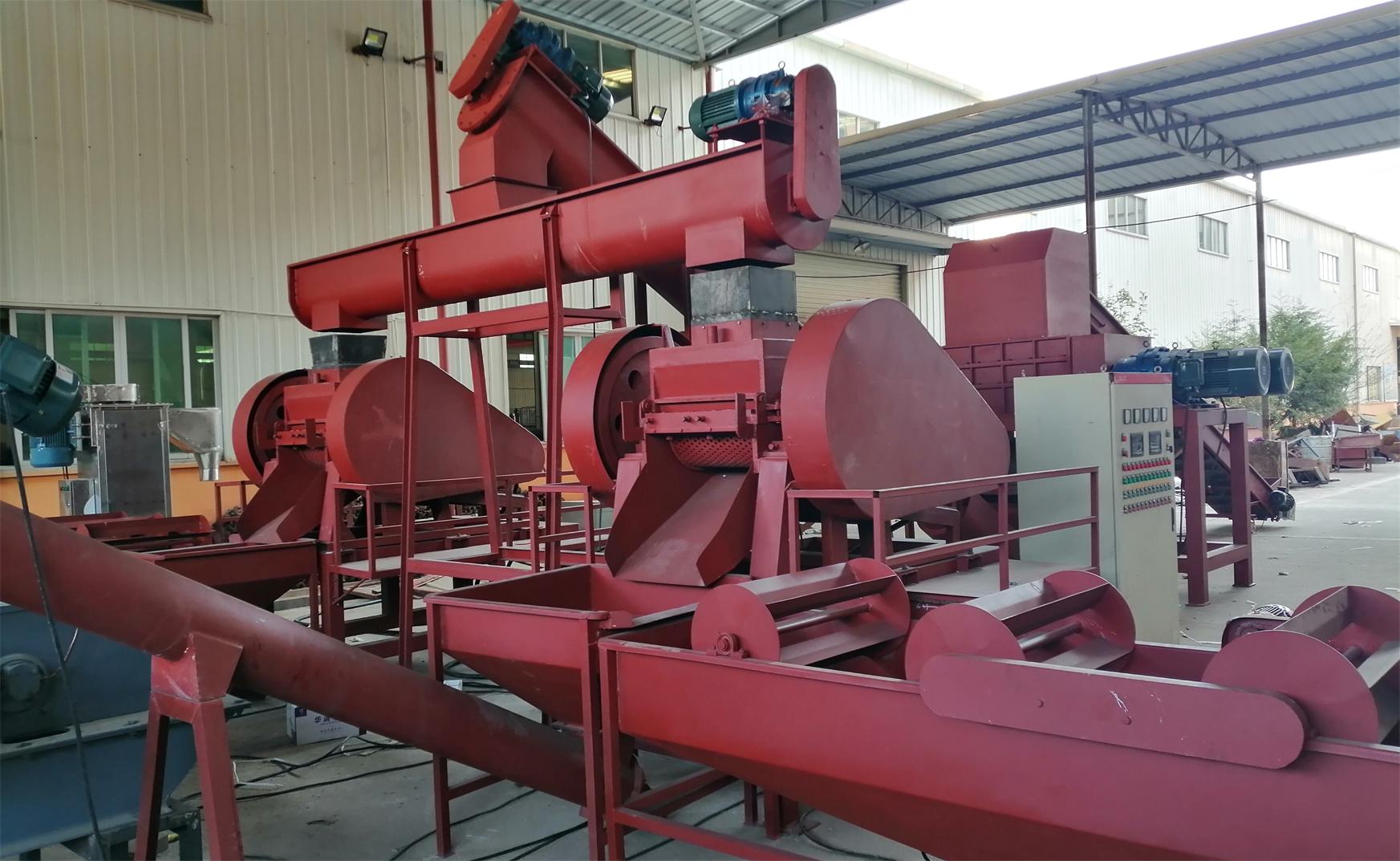
Used lead acid batteries represent one of the most recycled consumer products globally. A complete lead acid battery breaking and separation system crushes and classifies batteries into four distinct output streams: lead paste, lead grids, plastic shells, and sulfuric acid. Capacities typically range from 1 to 10 metric tons per hour, with downstream smelting equipment converting lead paste into crude metallic lead through rotary furnaces or blast furnaces achieving recovery rates up to 95 percent.
Lithium Battery Processing Lines
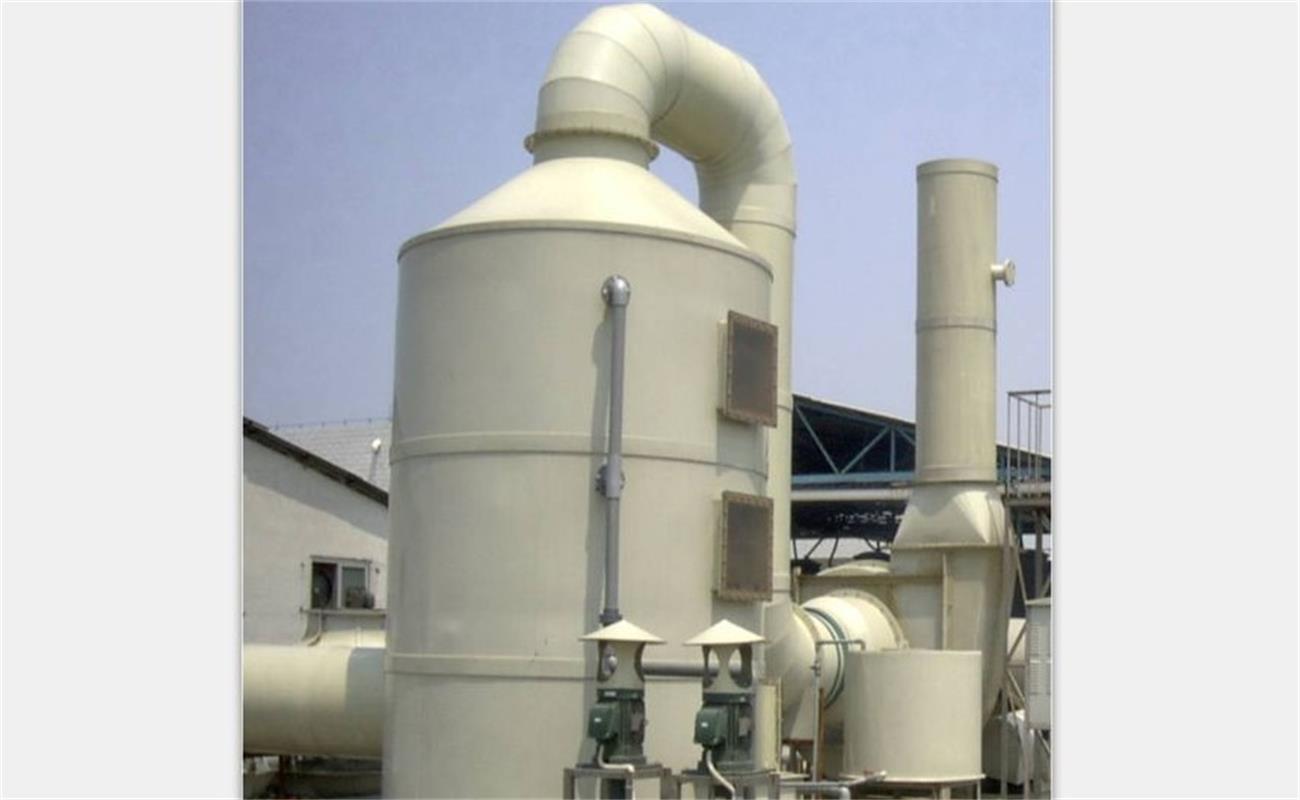
The explosive growth of electric vehicles and consumer electronics has made spent lithium-ion batteries a critical raw material source. A modern lithium battery recycling plant handles capacities from 500 to 2,500 kilograms per hour, separating black mass containing nickel, cobalt, and graphite from plastic film, copper, and aluminum. Integrated air pollution control systems neutralize harmful gases before emission, ensuring compliance with local environmental standards.
Circuit Board and Cable Recovery Equipment
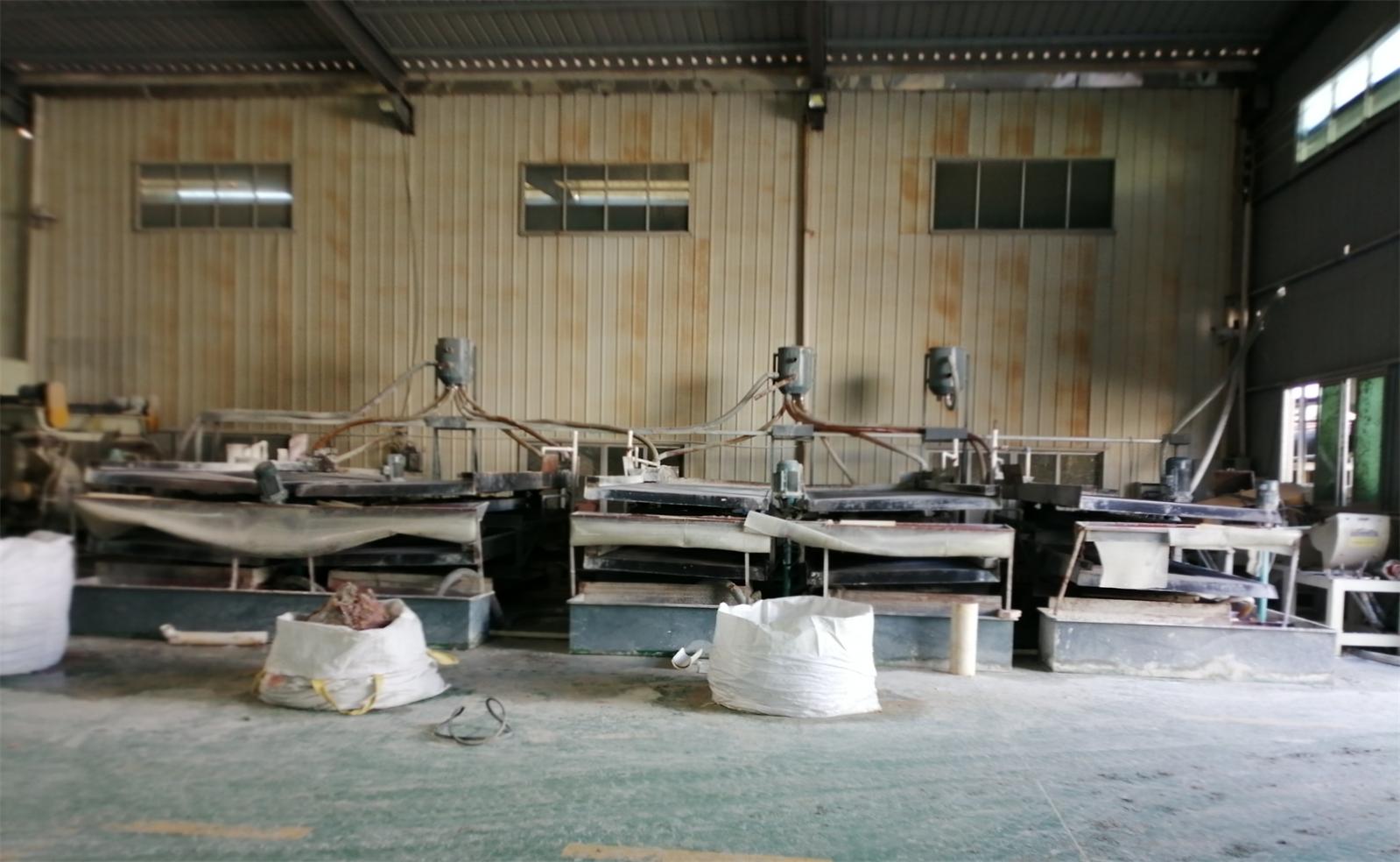
Printed circuit boards contain copper, gold, silver, and palladium in concentrations far exceeding natural ores. Dry separation plants with air classifiers and electrostatic separators achieve copper powder purity of 96 to 98 percent without water consumption or chemical reagents. For wire and cable streams, granulators combined with dry separators recover copper and aluminum from plastic insulation with recovery rates exceeding 95 percent.
What to Look for in a Equipment Partner
Selecting the right machinery supplier directly impacts project timeline, operational efficiency, and long-term profitability. Experienced manufacturers bring more than hardware to the table.
Technical Depth Matters. Look for suppliers whose engineering teams hold advanced degrees in mechanical engineering and possess deep hands-on experience in e-waste processing. The ability to customize equipment for local power supplies, material compositions, and environmental regulations separates established manufacturers from trading companies.
Turnkey EPC capabilities reduce coordination risk. Suppliers that handle design, procurement, installation, and commissioning as a single contract deliver faster startup and clearer accountability. Some experienced providers also assist with raw material sourcing and help market recovered metals, offering genuine end-to-end partnership rather than a simple equipment transaction.
After-sales support availability in your region is critical. Continuous batch processing demands responsive spare parts supply and technical assistance. Verify that your prospective partner has export experience to your country and can provide references from operators with similar scale and feed materials.
Global Reach and Proven Performance
Established equipment manufacturers with international project portfolios demonstrate adaptability to diverse regulatory environments and material conditions. San Lan Technologies, founded in 2007 and based in Jiangxi Province, China, has supplied recycling equipment to customers across more than 21 countries including Singapore, Colombia, Vietnam, Mexico, Argentina, Korea, Malaysia, Indonesia, South Africa, Tunisia, India, Kenya, Saudi Arabia, and the Philippines.
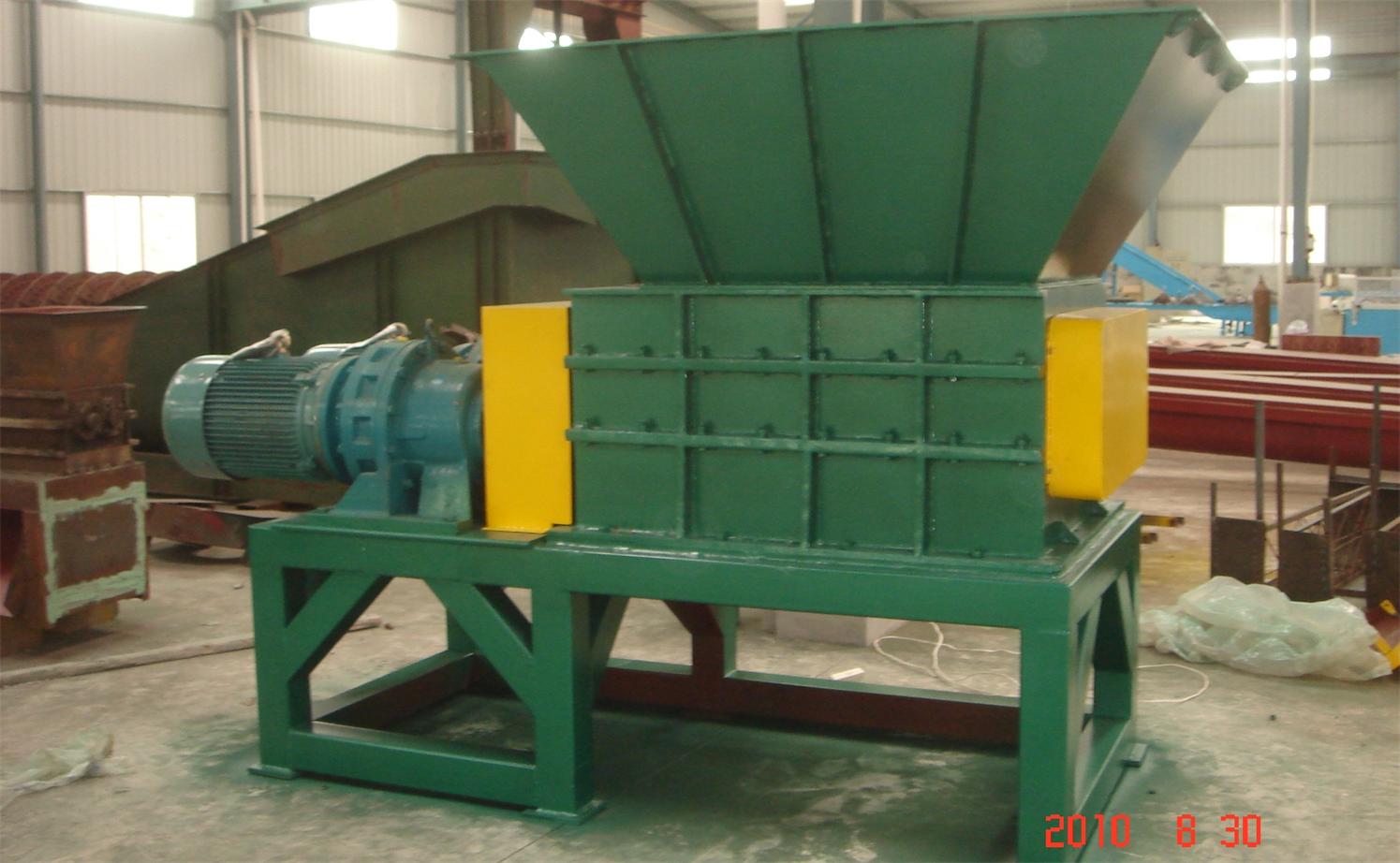
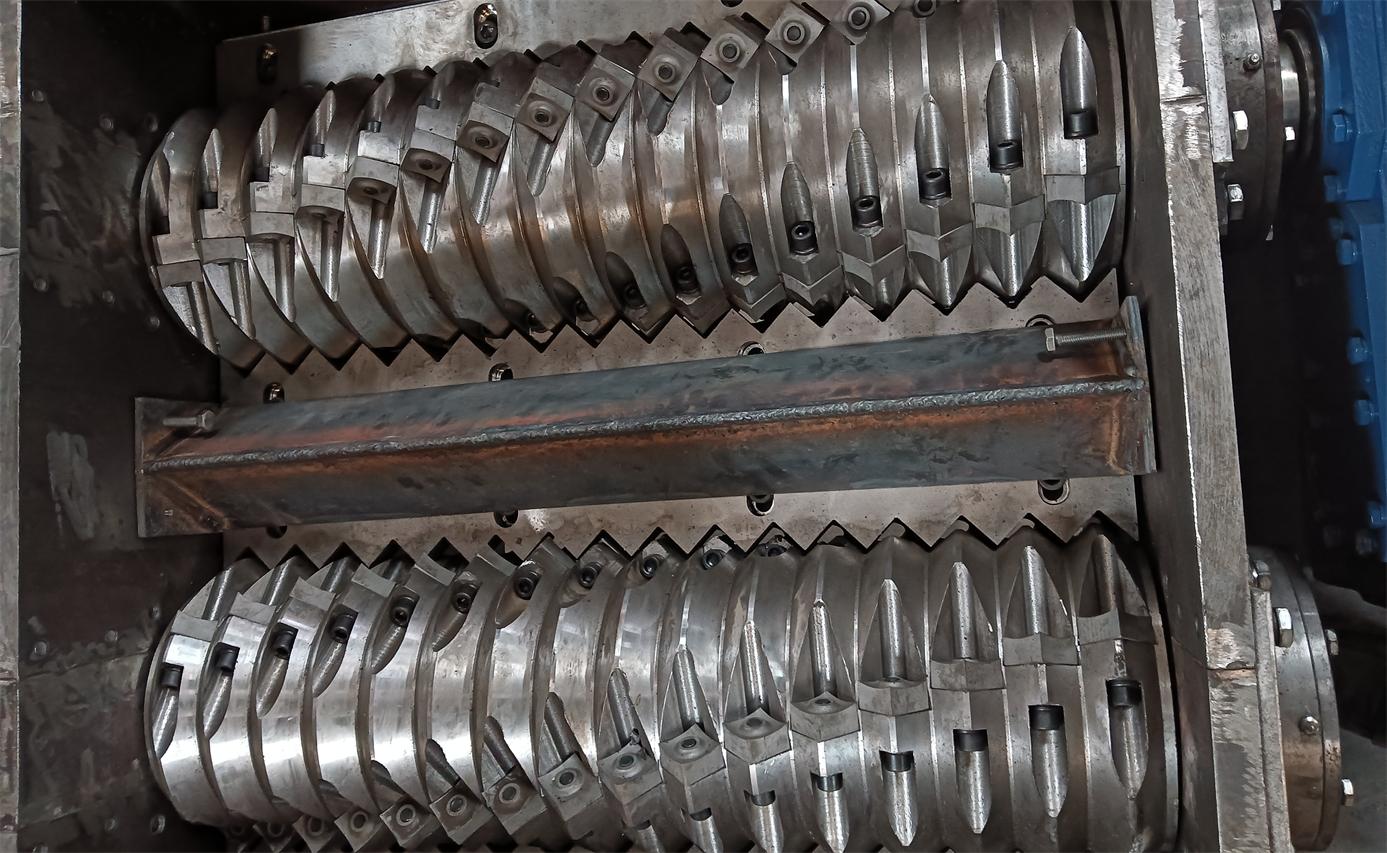
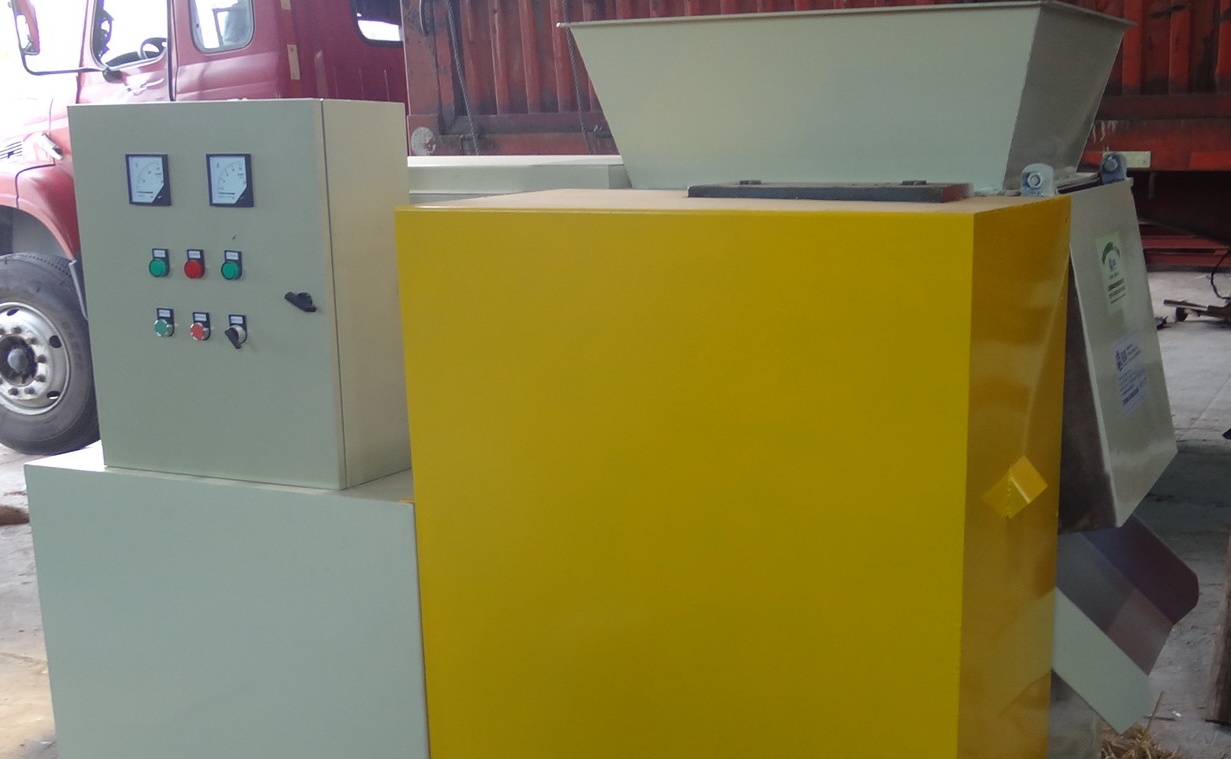
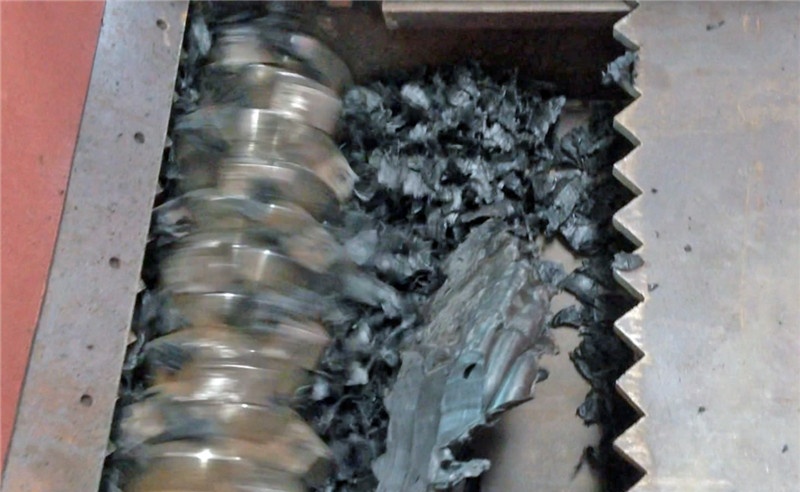
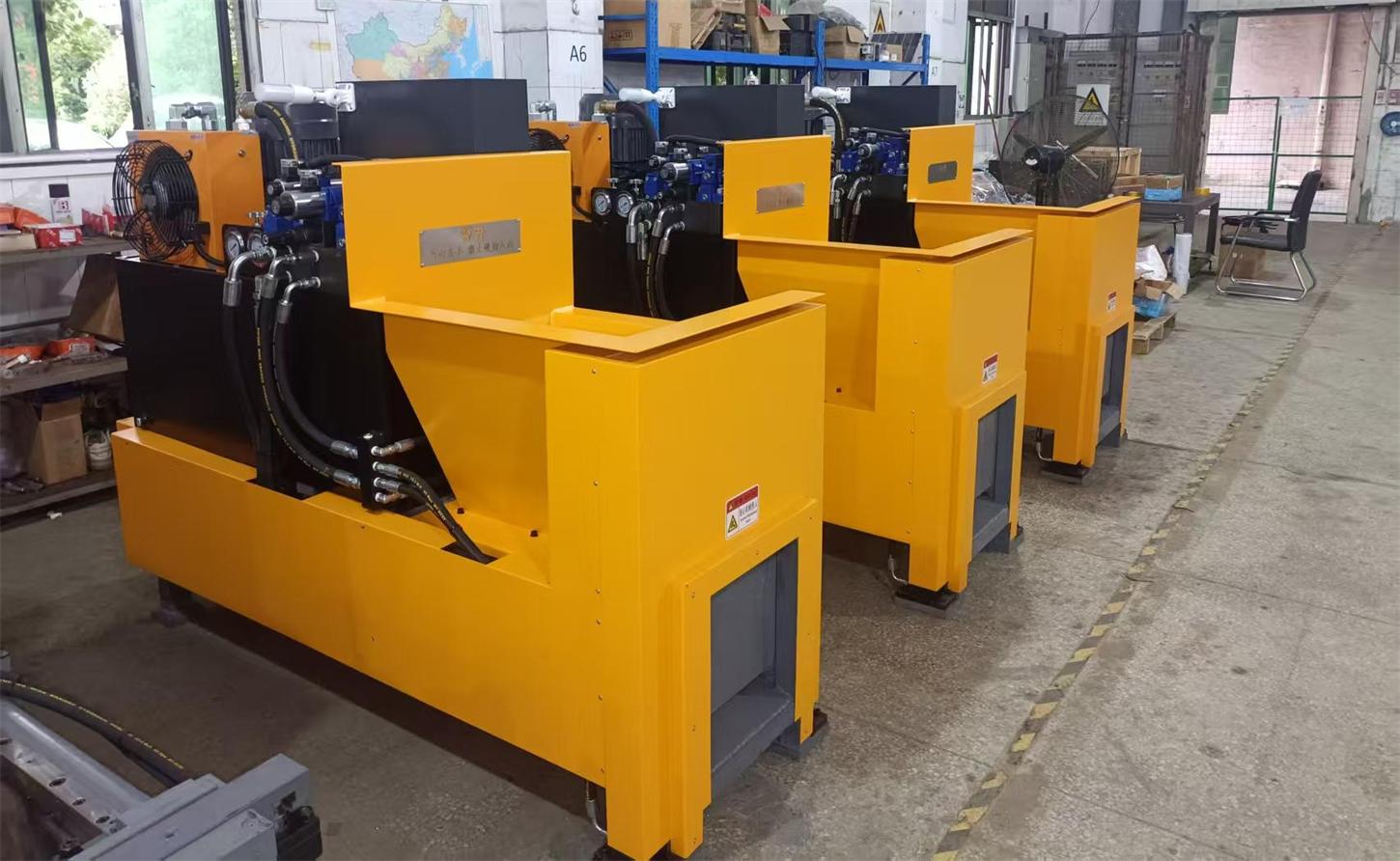
This geographic diversity indicates engineering flexibility and a proven ability to customize systems for tropical, desert, and temperate climates with varying electrical standards and labor skill levels. The product range spans lead acid battery recycling lines, lithium battery processing plants, circuit board separation systems, cable granulators, shredders, CRT cutters, refrigerator recycling lines, motor dismantling equipment, hydraulic presses, and auxiliary dust control and water treatment systems.
Planning Your Recycling Facility
Successful facility planning begins with a clear understanding of feed material availability and target output specifications. Conduct a material audit to quantify local waste streams by type and volume. Battery recycling operations differ fundamentally from circuit board or cable processing in terms of chemistry, safety requirements, and output products.
Site layout should accommodate material receiving zones, pre-processing areas, main production halls, finished product storage, and waste treatment facilities. Environmental controls including dust collection, exhaust gas scrubbing, and wastewater treatment must be designed to meet both current regulations and anticipated future tightening.
Modular plant designs offer significant advantages for growing operations. Starting with a core processing line and space reserved for expansion allows operators to validate market demand and cash flow before committing to full capacity. This approach reduces initial capital exposure while preserving the ability to scale rapidly as material supply contracts mature.
Conclusion
The e-waste recycling sector offers compelling economics for operators equipped with the right technology and partnerships. As environmental regulations tighten and raw material prices remain volatile, the ability to recover metals and plastics from end-of-life products becomes increasingly strategic. Investing in proven recycling equipment from experienced manufacturers positions your operation for compliance, efficiency, and long-term profitability.
Ready to explore equipment options for your recycling project? San Lan Technologies offers free consultation on system design, capacity planning, and investment budgeting. With over 15 years of manufacturing experience and installations across 21 countries, our engineering team can help you select the optimal configuration for your local market conditions. Contact us via WhatsApp at +86 139 2377 4083 or email info@san-lan.com to discuss your requirements.