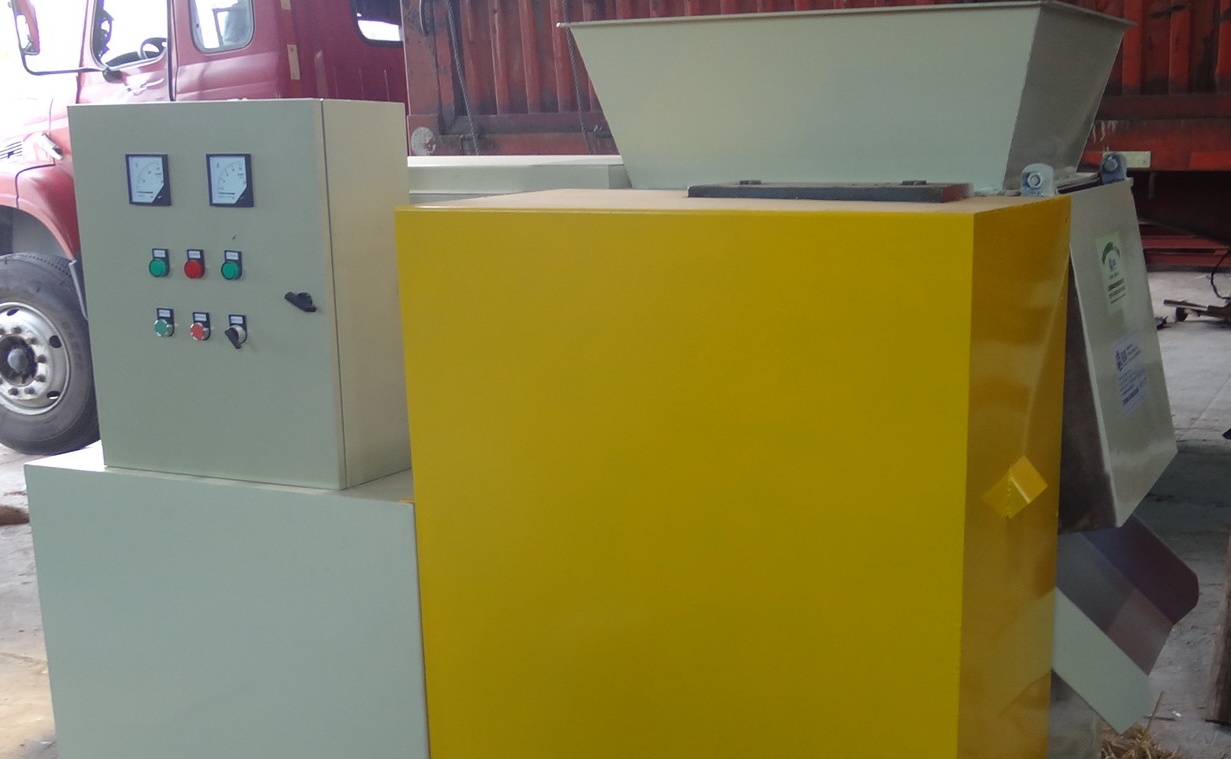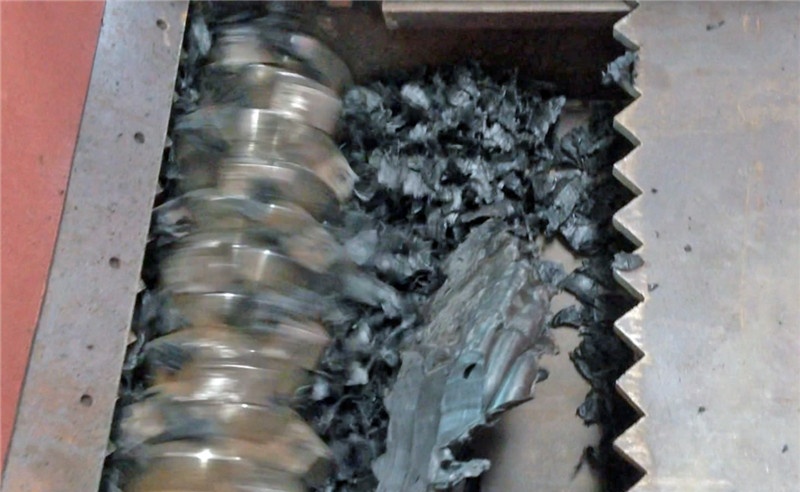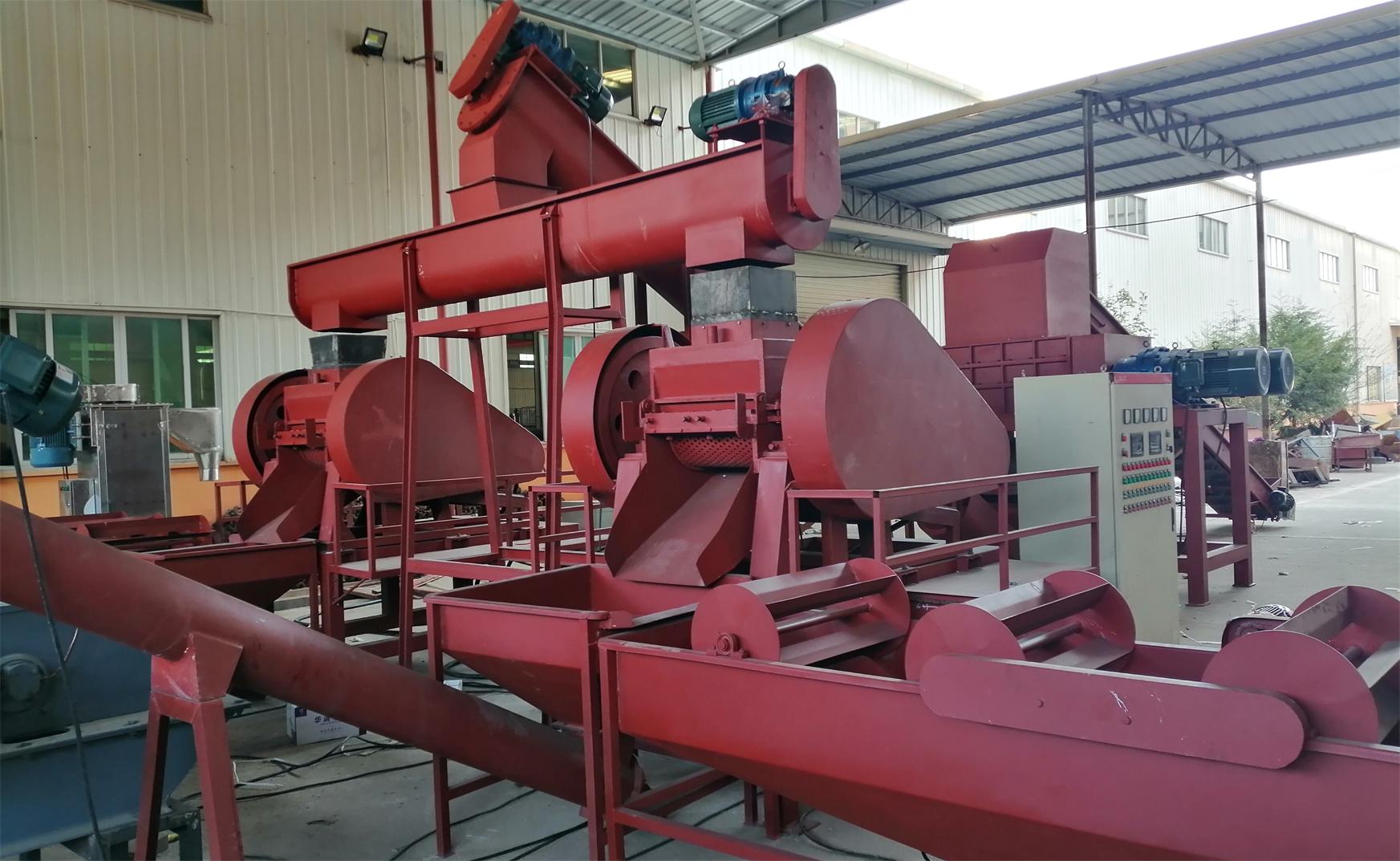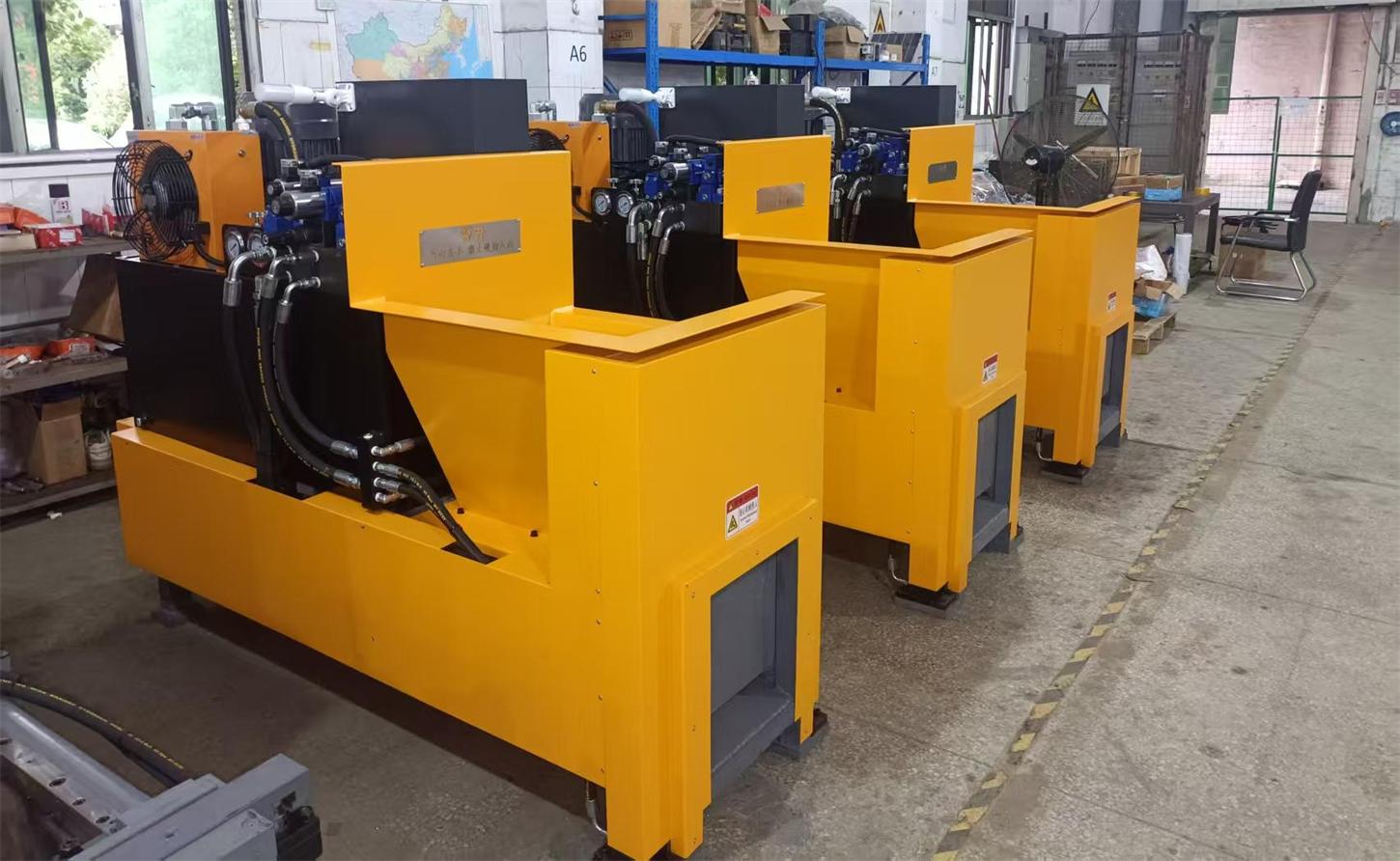
Two recycling entrepreneurs visited the same trade show in Guangzhou. Both wanted to build a lead acid battery recycling plant. One signed a purchase order for standalone machines from three different vendors. The other spent an extra week asking questions and left with a single-source EPC partner. Eighteen months later, only one of them was operational.
The difference was not budget. It was the quality of the questions asked before the money moved.
Global e-waste generation is accelerating. Used lead acid batteries, scrap cables, end-of-life circuit boards, and spent lithium-ion batteries represent both an environmental liability and a recoverable resource. The equipment you choose determines whether that resource becomes profit or headache. This guide outlines five questions every buyer should ask before investing in lead acid battery recycling equipment, cable recycling systems, or any other e-waste processing machinery.
Question 1: Does the Supplier Deliver Machines or Complete Plant Solutions?
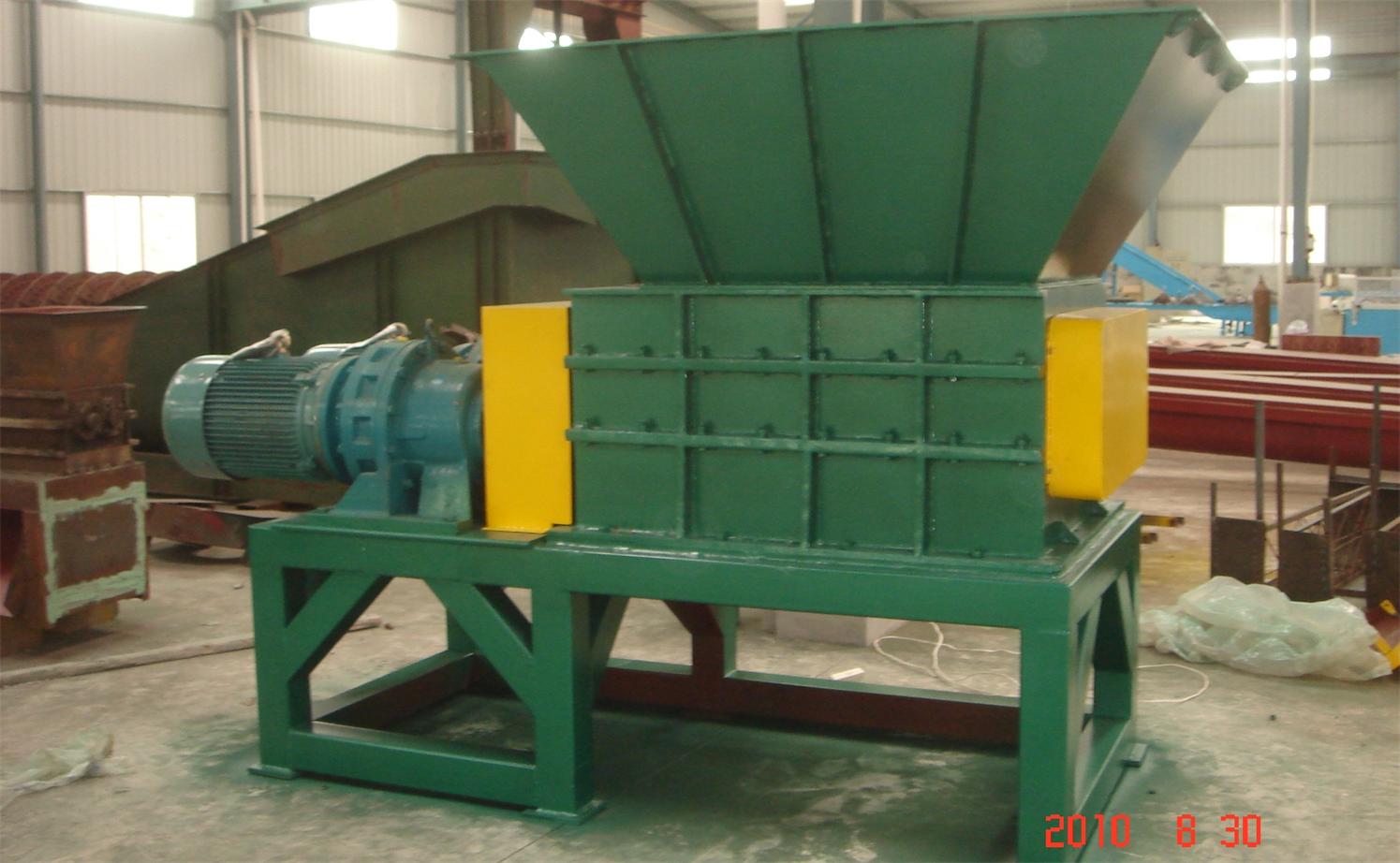
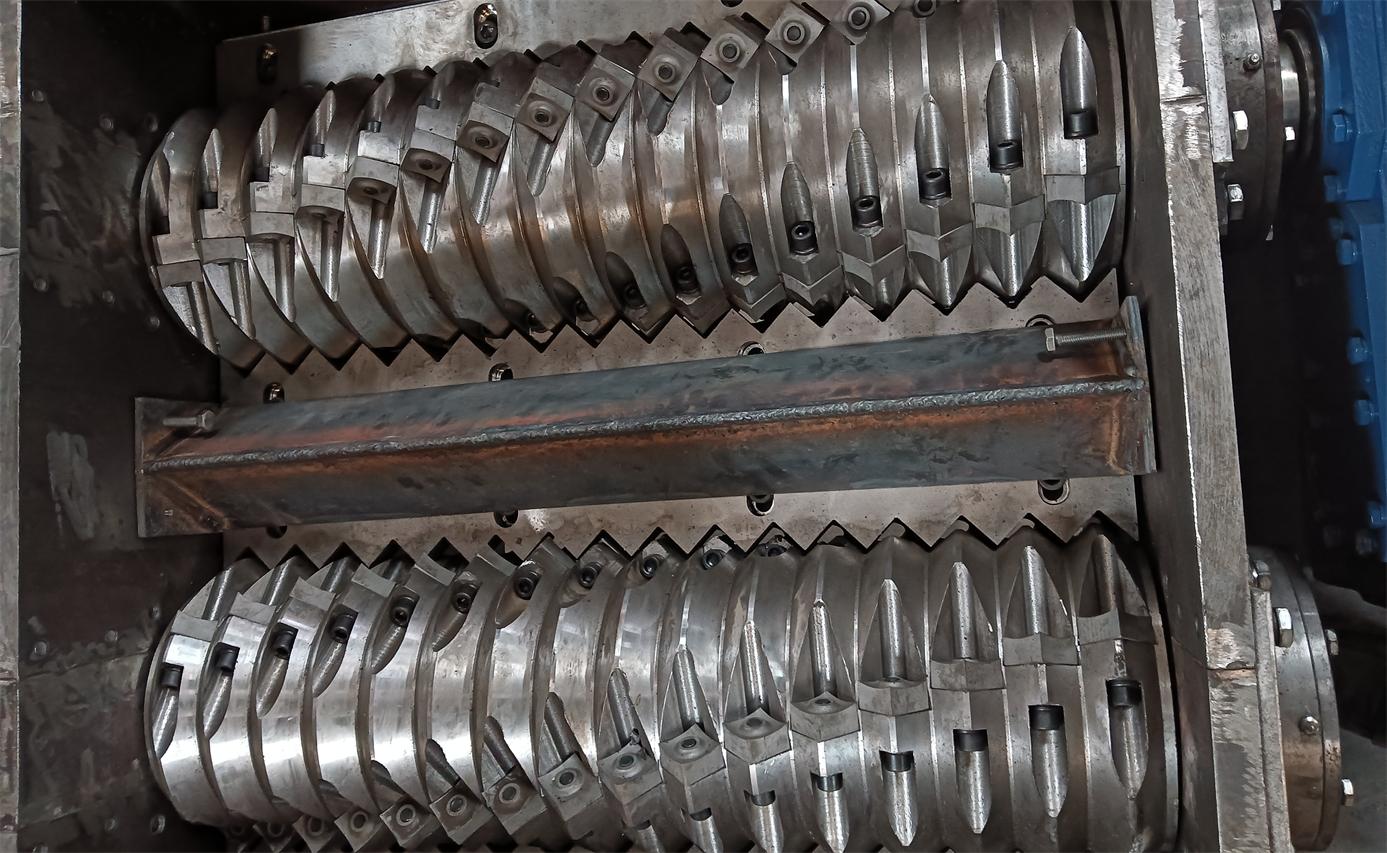
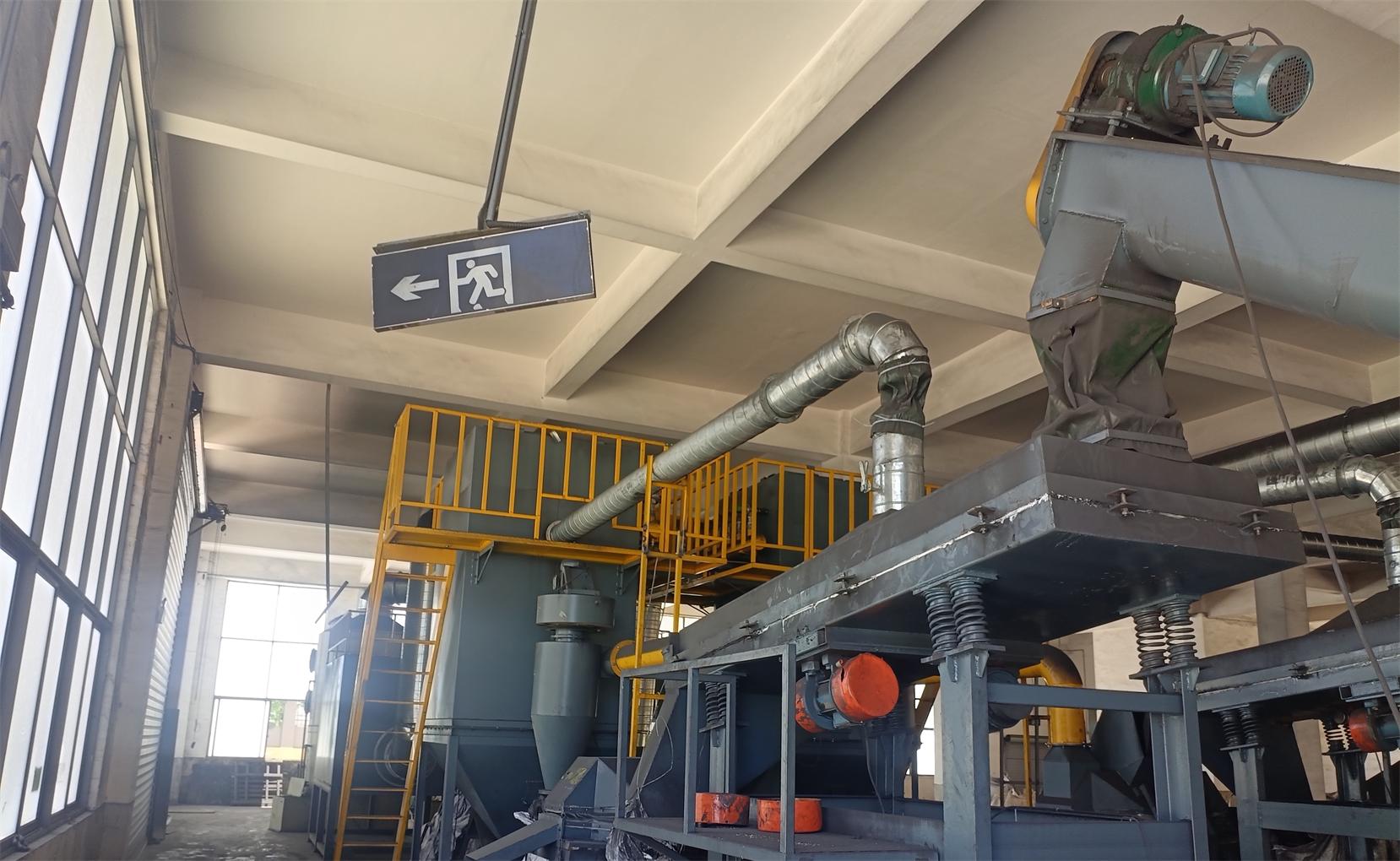
A recycling plant is not a collection of machines. It is a system where throughput, material flow, emission control, and safety interlocks must work together. Buying a shredder from one vendor, a separator from another, and a pollution control unit from a third creates integration risk at every interface.
Ask potential suppliers whether they have delivered full EPC projects. Engineering, Procurement, and Construction experience means the supplier has already solved the hidden problems: foundation loading, exhaust duct routing, electrical load balancing, and inter-machine material conveying. A supplier who only sells individual machines will leave those problems on your desk.
What to verify: Request case studies or reference installations that include multiple machine types working as an integrated line. Ask who handled the civil engineering and electrical design.
Question 2: What Recovery Rates Can You Document, Not Just Advertise?
Recovery rate is the single most important economic metric in recycling. A difference of five percentage points in lead recovery or copper separation purity can swing project payback by months. Unfortunately, supplier brochures often state optimistic numbers tested under ideal conditions.
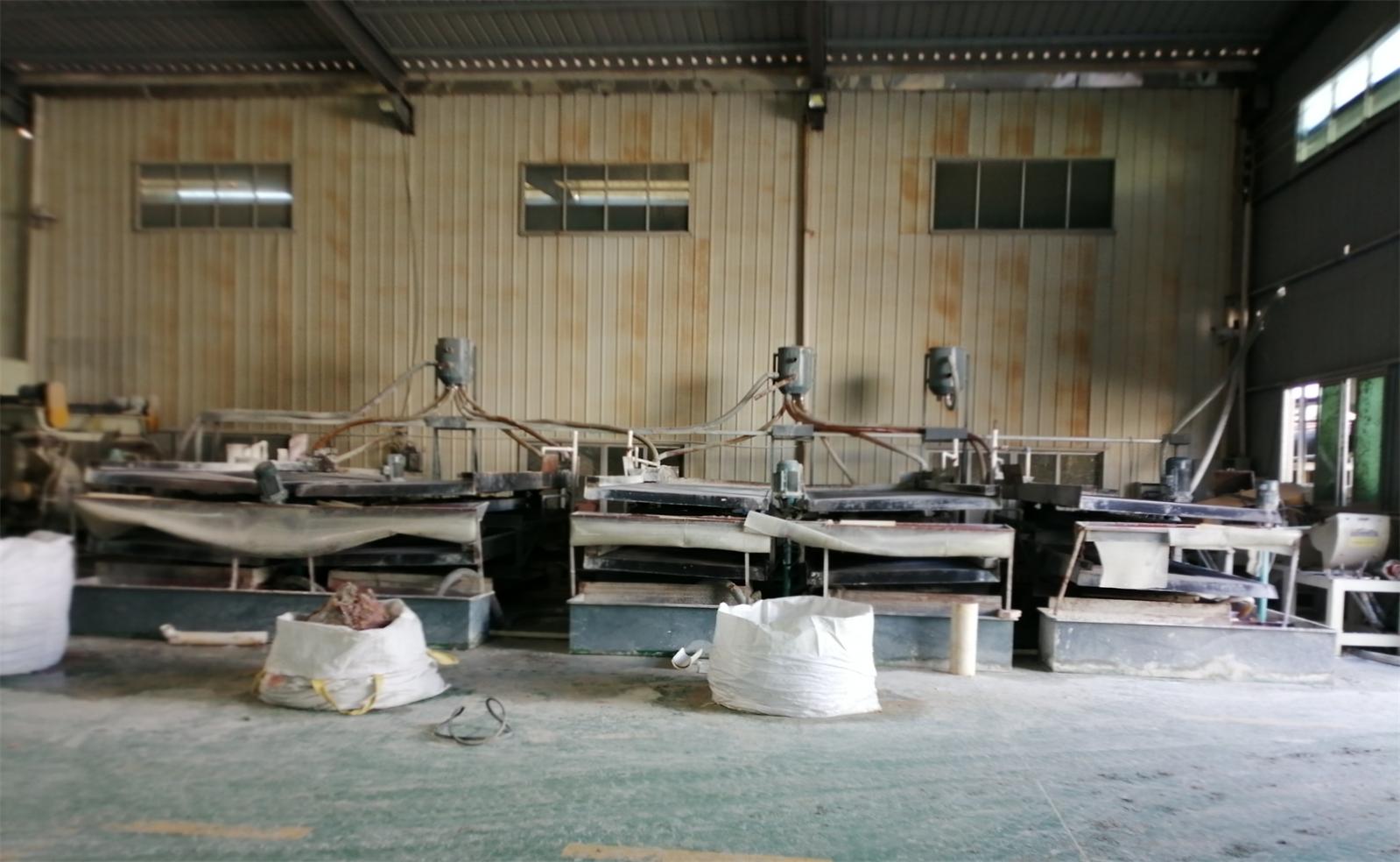
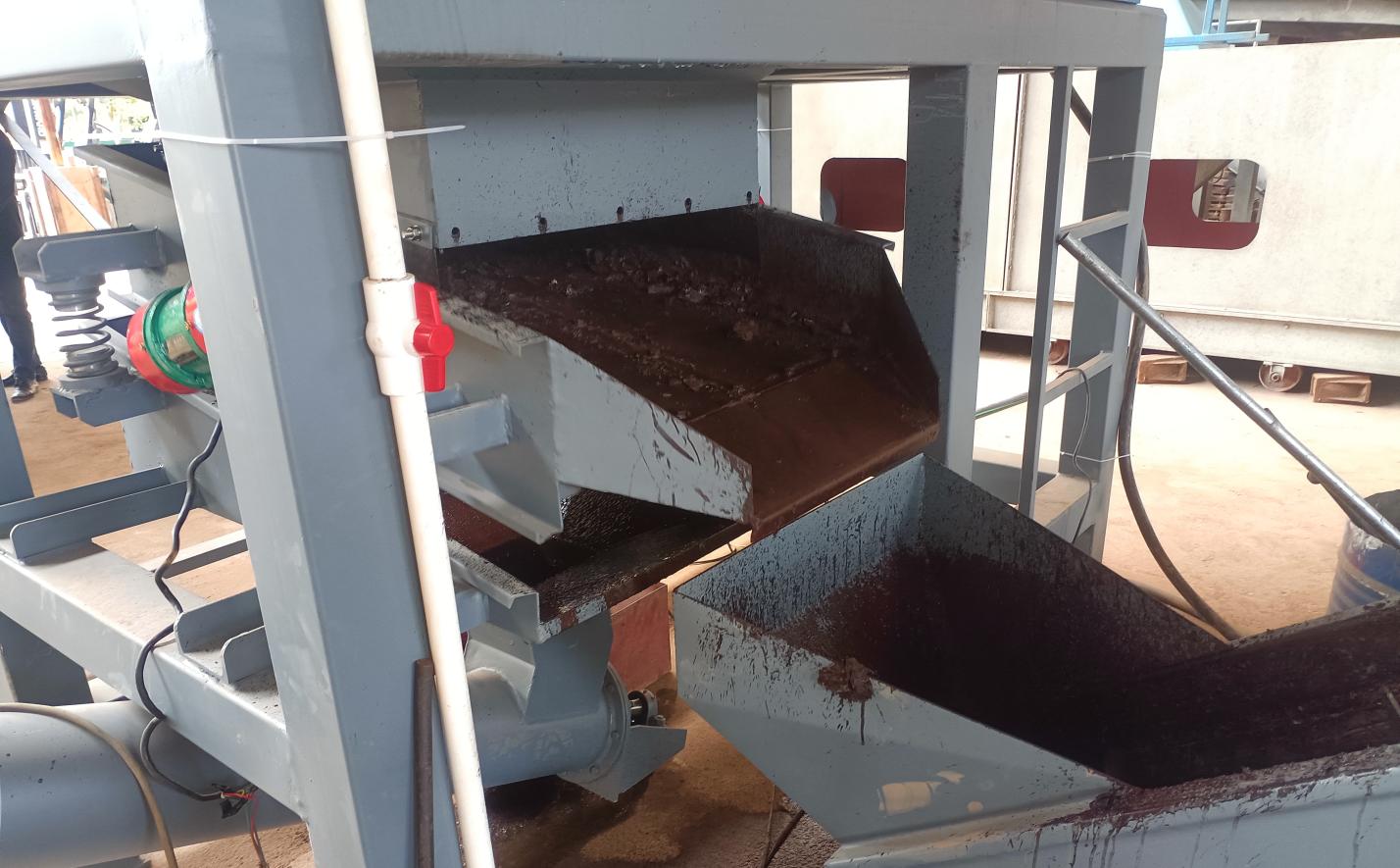
For circuit board recycling equipment, ask for documented copper powder purity and the actual separation efficiency under real feed conditions. For lead acid battery systems, ask for lead recovery rates validated over continuous operation, not just batch tests. For cable recycling equipment, ask about the separation purity of copper or aluminum from plastic insulation when processing mixed cable diameters.
What to verify: Ask for operating data from an existing plant running similar feedstock. If the supplier cannot provide this, the number on the brochure is a wish, not a promise.
Question 3: How Does the Plant Handle Environmental Compliance?
Recycling plants that process batteries, circuit boards, or refrigerant-containing appliances generate emissions, effluent, and hazardous dust. Regulatory tolerance for improper handling is shrinking in every major market. The cost of retrofitting pollution control after installation far exceeds the cost of building it in correctly from the start.
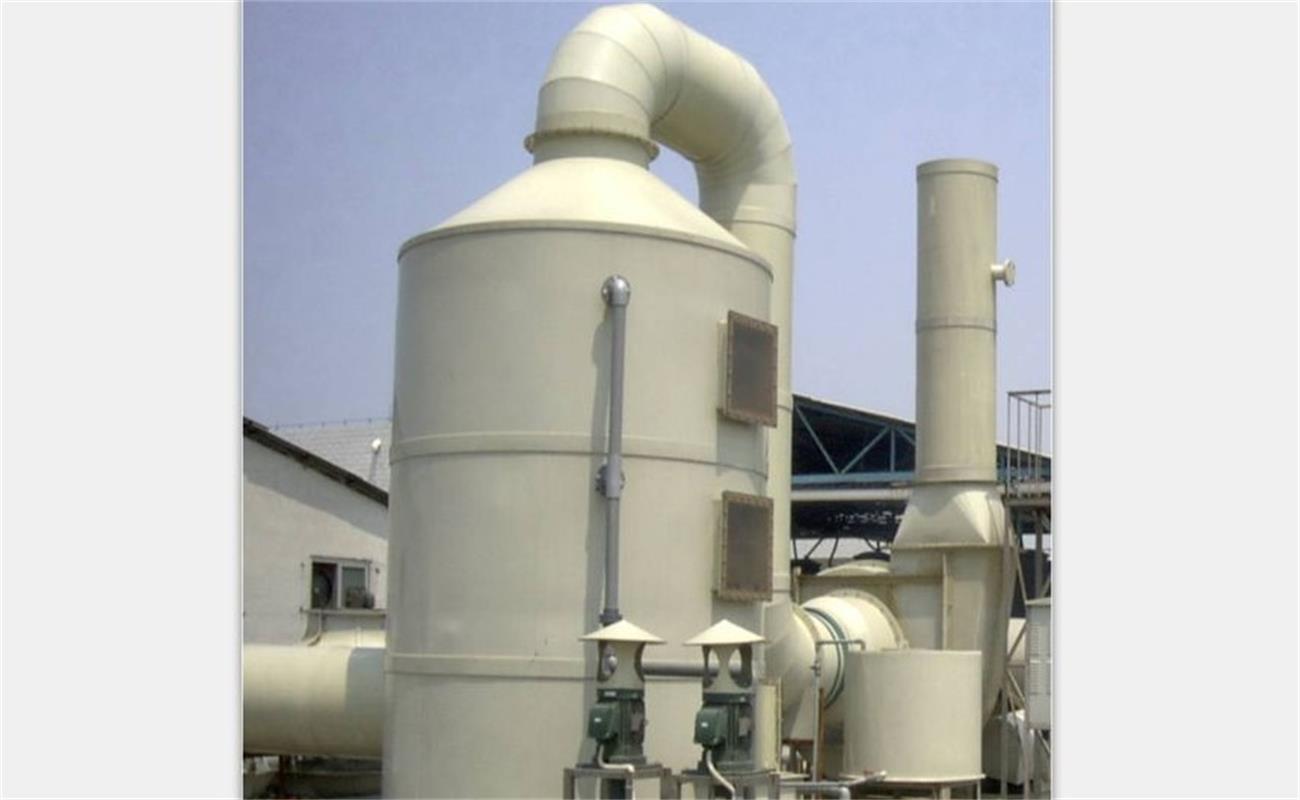
A complete recycling plant should include air pollution control systems for furnace exhaust and crushing operations, water treatment for acidic effluent, and dust collection for dry separation processes. Ask whether these are included in the scope or treated as afterthoughts. Ask for emission estimates and whether the design meets the environmental standards of your target market.
What to verify: Request a scope document that explicitly lists pollution control equipment, effluent treatment capacity, and expected emission values. Confirm whether the supplier has experience obtaining environmental permits in your region.
Question 4: What Happens After the Machines Arrive?
Installation and commissioning are where projects live or die. A machine that works in the factory may not work on your floor without proper setup, calibration, and operator training. The best equipment suppliers treat delivery as the midpoint of the relationship, not the end.
Ask about commissioning timelines, the availability of on-site technical support, and spare parts logistics. Ask whether the supplier provides operator training and process documentation. For complex lines such as a lithium battery recycling plant, the discharging, pre-crushing, and black powder separation stages require careful sequencing. Without proper training, your team will learn through trial and error at the expense of throughput and safety.
What to verify: Ask for a written after-sales support plan including response times for technical queries, spare parts delivery commitments, and the scope of operator training.
Question 5: Can the Supplier Help Beyond Equipment Supply?
Equipment is only one piece of a profitable recycling business. You also need reliable feedstock supply, a market for your recovered materials, and sometimes capital partners. A supplier who understands the full value chain can offer advantages that extend far beyond machine specifications.
Some experienced suppliers help customers source waste material such as cable scrap, used lead acid batteries, or PCB scrap. Others assist in selling the output: copper rice, lead ingot, or recovered black mass. A supplier with a global customer network may also connect you with investors or partners for plant construction. These services are difficult to value on a quotation sheet, but they often determine whether a project reaches steady-state operation.
What to verify: Ask whether the supplier offers feedstock sourcing assistance, product offtake support, or partnership facilitation. Request references from customers who have used these services.
A Supplier Checklist for Serious Buyers
1. Full EPC project experience, not just machine manufacturing
2. Documented recovery rates from operating reference plants
3. Integrated pollution control and effluent treatment in scope
4. Written commissioning, training, and spare parts support plan
5. Value-chain services: feedstock, offtake, or partnership support
Experience That Translates Into Plant Performance
San Lan Technologies has been designing and manufacturing WEEE recycling machines and mining equipment since 2007. The company has delivered integrated recycling plants to customers in more than twenty-one countries, spanning lead acid battery recycling, lithium-ion battery recovery, cable granulation, circuit board processing, and refrigerator shredding lines.
The engineering team includes professionals with master's degrees in mechanical engineering and over fifteen years of direct experience in e-waste recycling machine design. San Lan offers complete EPC project delivery, from customized plant layout and one-stop equipment procurement through installation and commissioning. The company also provides feedstock sourcing assistance, product sales support, and investor partnership facilitation for recycling plant construction.
If you are evaluating recycling equipment for your next project, the conversation should start with the right questions. The answers you receive will tell you whether you are buying machines or building a business.
Ready to discuss your recycling plant project? Browse the full range of recycling equipment or contact the San Lan team directly via info@san-lan.com or WhatsApp at +86 139 2377 4083. Technical specifications, layout proposals, and reference plant visits are available on request.