The world is drowning in electronic waste—and that is exactly why e-waste recycling has become one of the most profitable green businesses of this decade. In 2022 alone, global e-waste contained roughly $91 billion worth of recoverable raw materials, yet less than one-fifth of that value was actually recovered. The gap between waste generated and waste processed is not just an environmental crisis; it is a massive commercial opportunity for entrepreneurs who move fast and equip themselves correctly.
If you are planning to enter this market, the single most important decision you will make is choosing the right recycling equipment. The machines you install will determine your recovery rates, operating costs, environmental compliance, and ultimately your profit margins.
Electronic waste is the fastest-growing waste stream on the planet. Annual global generation is projected to reach 82 million tonnes by 2030, driven by shorter product lifecycles, rising consumer demand, and stricter regulations that ban landfilling of hazardous electronics.
Governments across Asia, Africa, Latin America, and the Middle East are introducing extended producer responsibility (EPR) frameworks and import restrictions on raw materials. These policies are forcing manufacturers to source recycled metals locally, which in turn creates a strong, policy-backed demand for recycling plants. For investors, this means the market is not merely growing—it is being mandated.
A modern e-waste recycling operation typically focuses on one or more high-value waste streams. Below are the three most commercially viable segments and the equipment required for each.
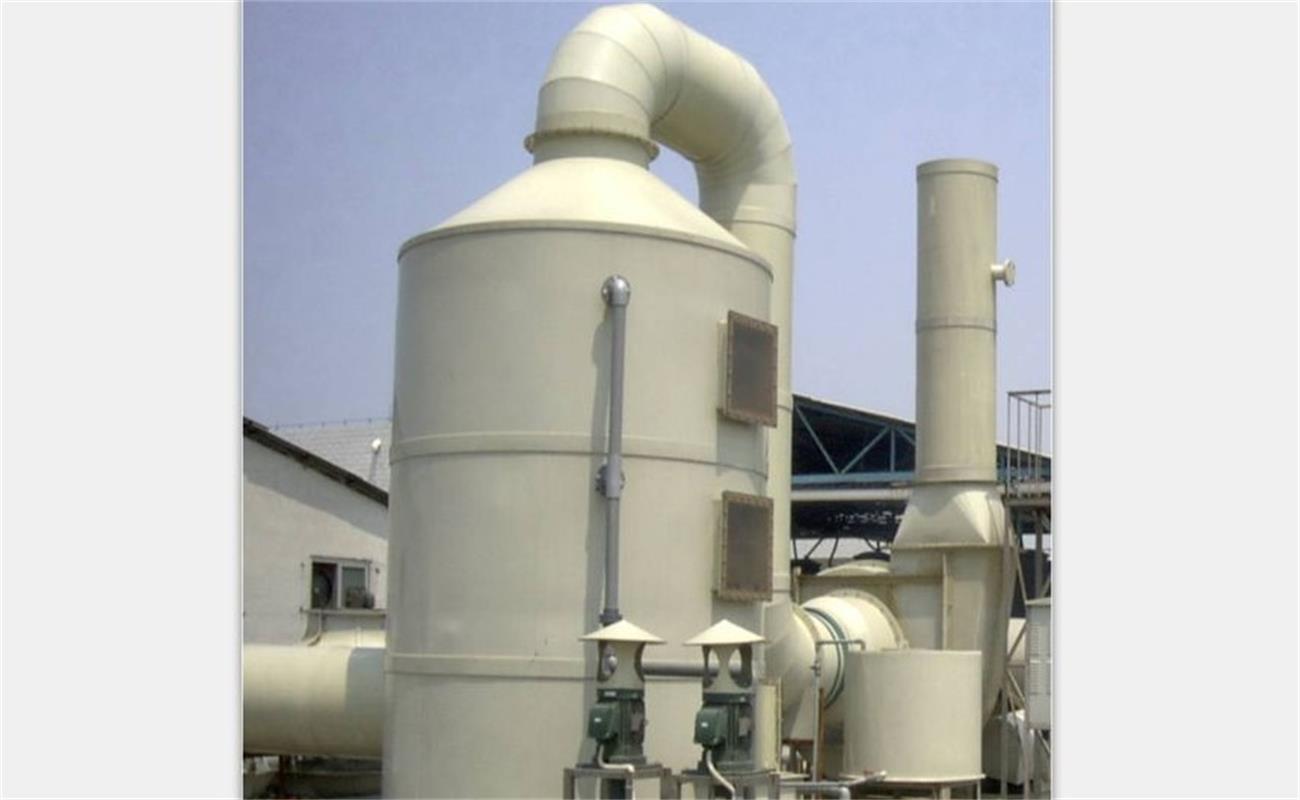
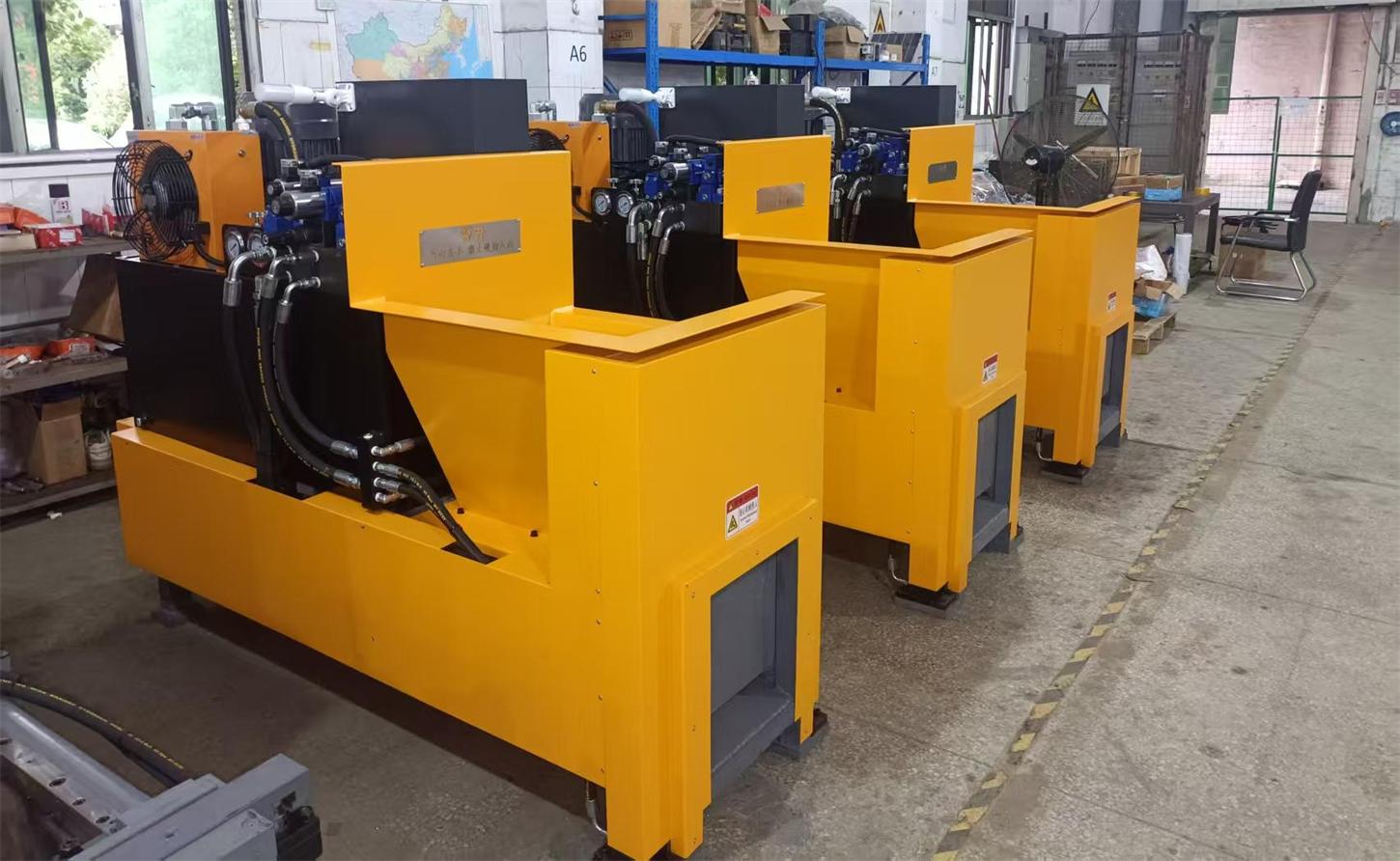
Used lead acid batteries (ULAB) remain one of the most recycled consumer products in the world because of the high value of recovered lead. A complete lead acid battery recycling equipment line includes battery breaking and separation systems, rotary furnaces for paste reduction, blast furnaces, lead refinery kettles, de-sulfurization units, and air pollution control systems. When properly configured, these plants can recover lead at rates exceeding 95% while meeting strict environmental emission standards.
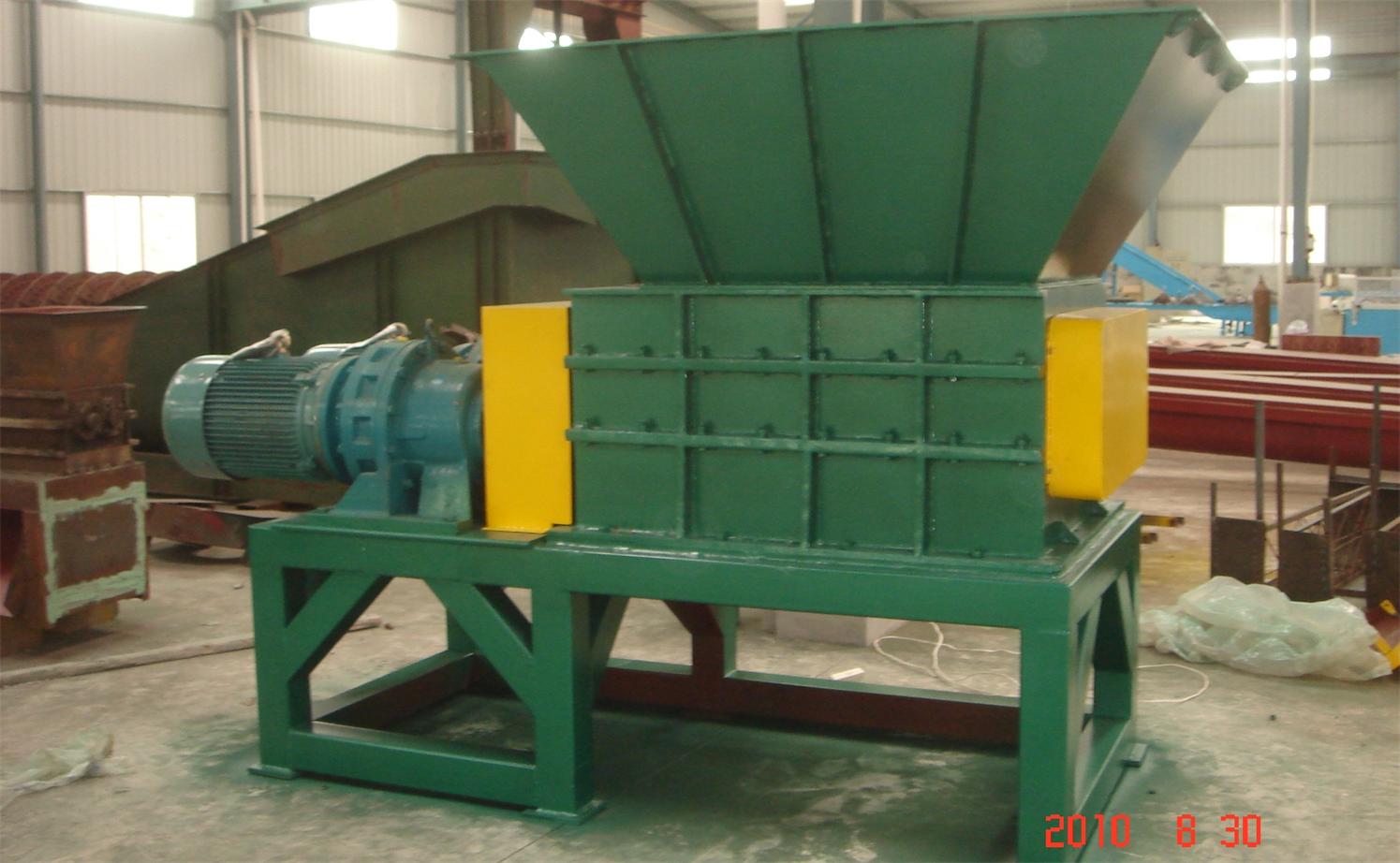
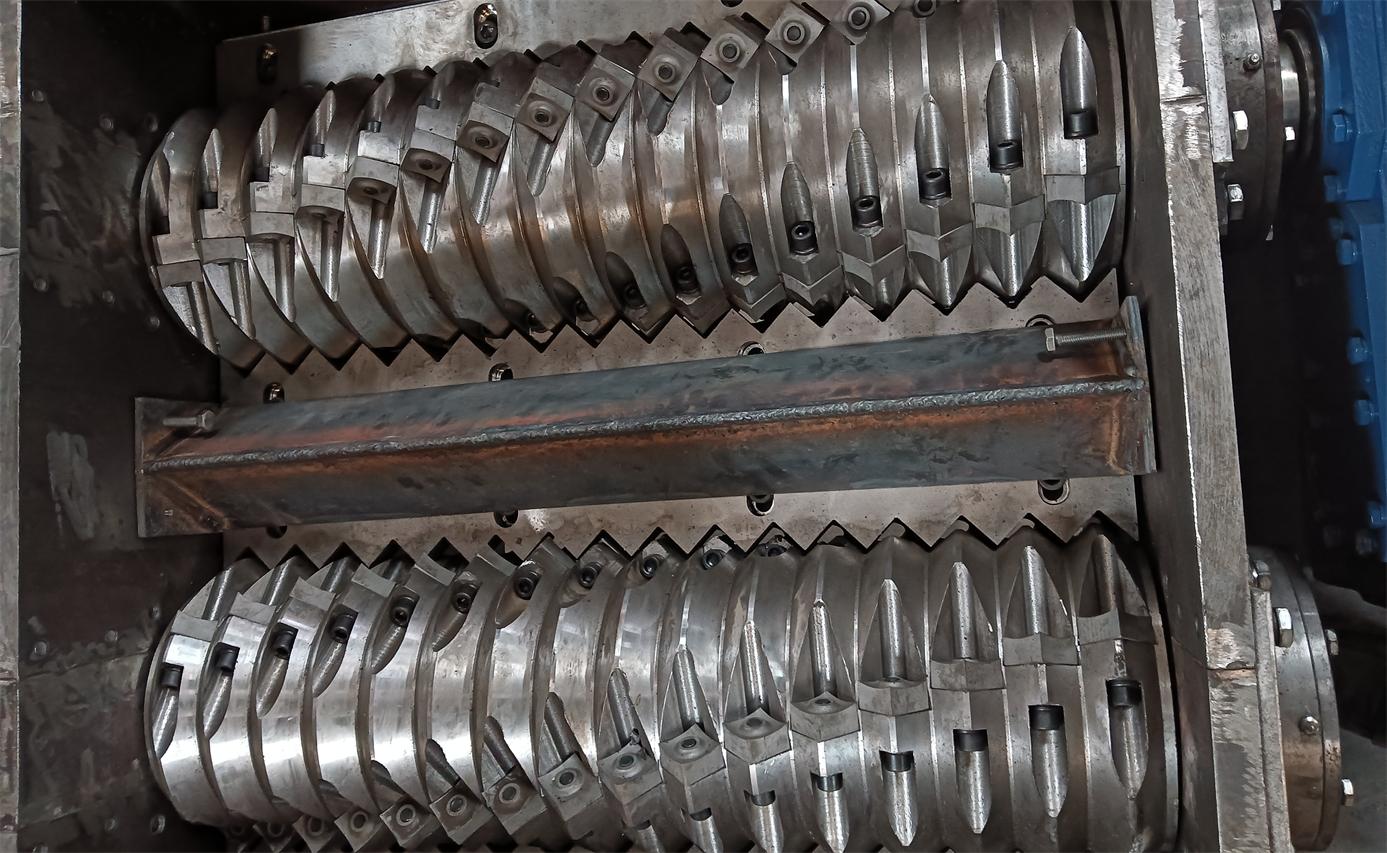
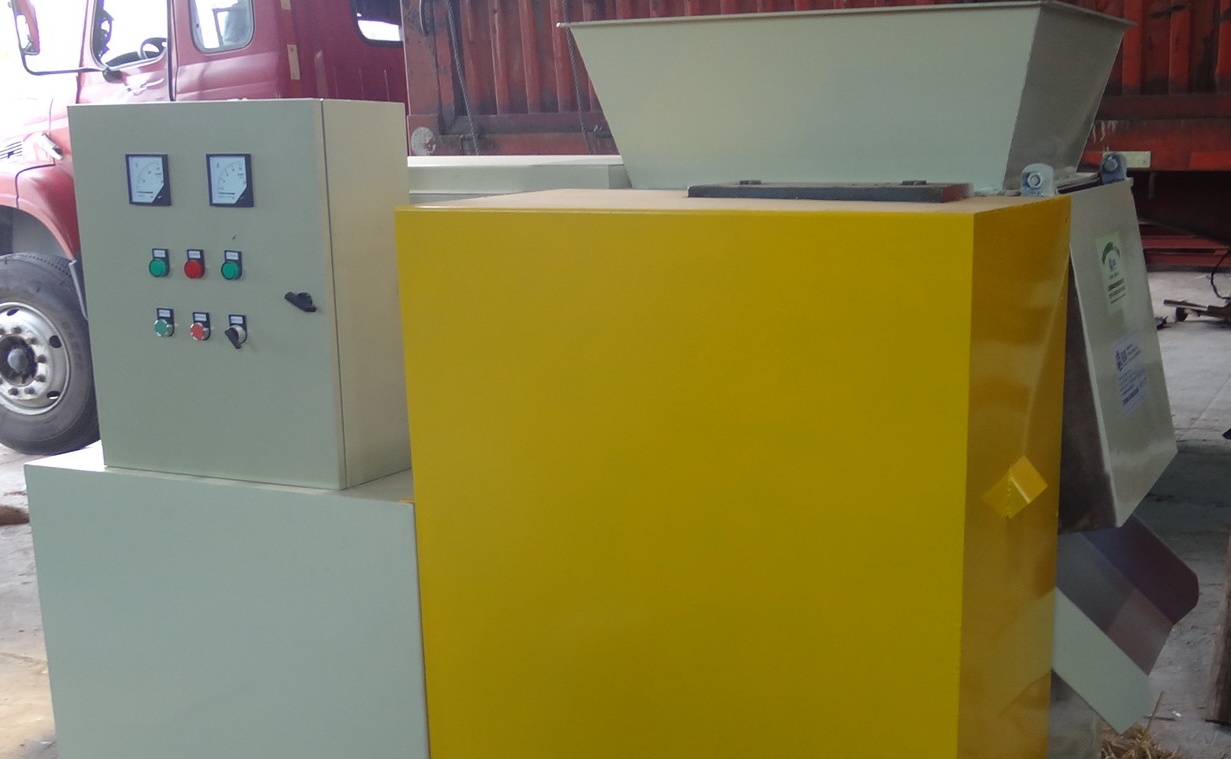
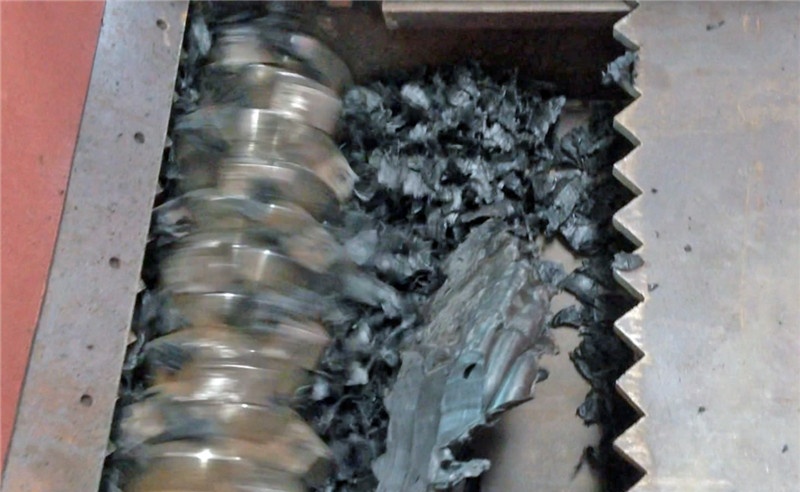
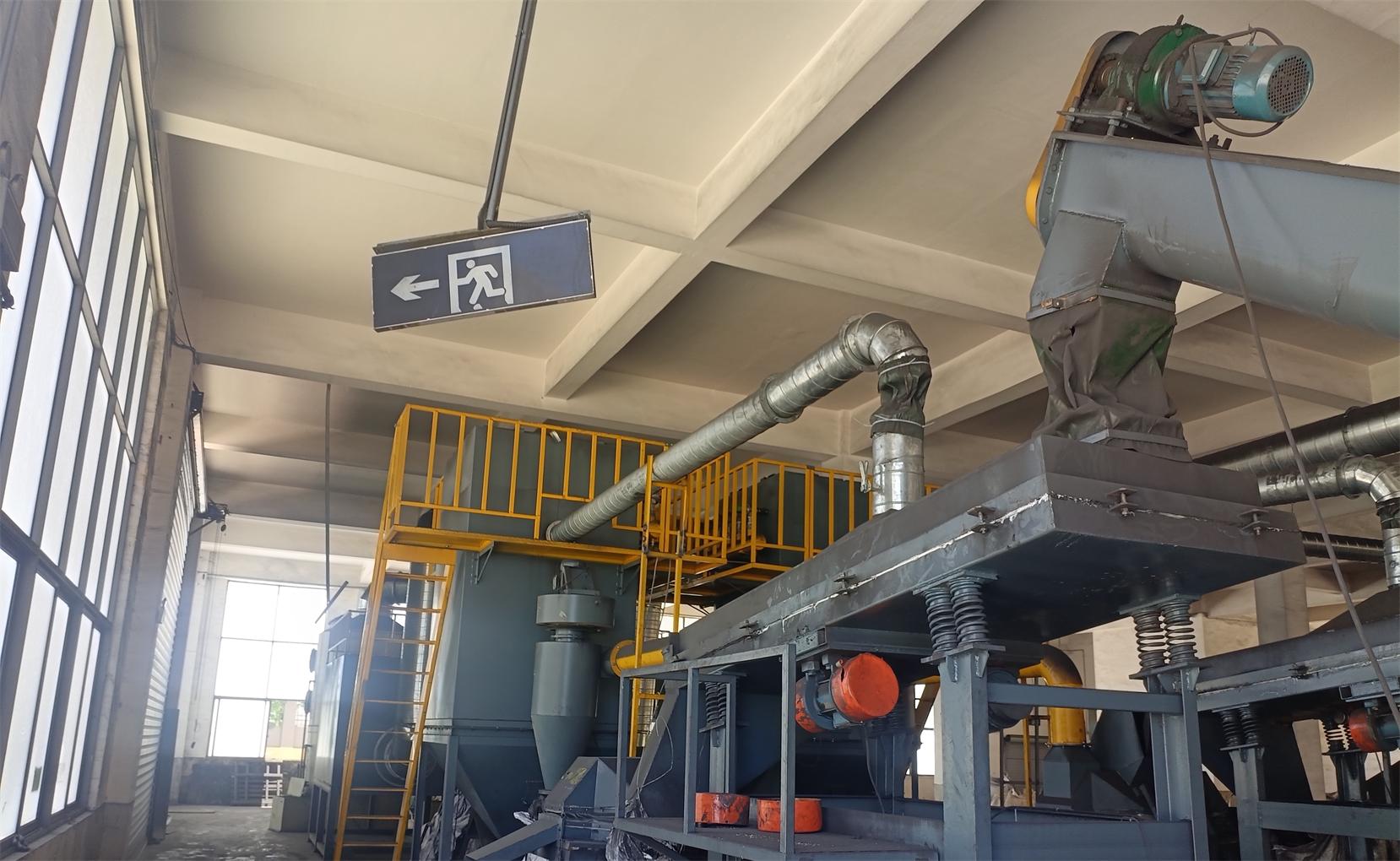
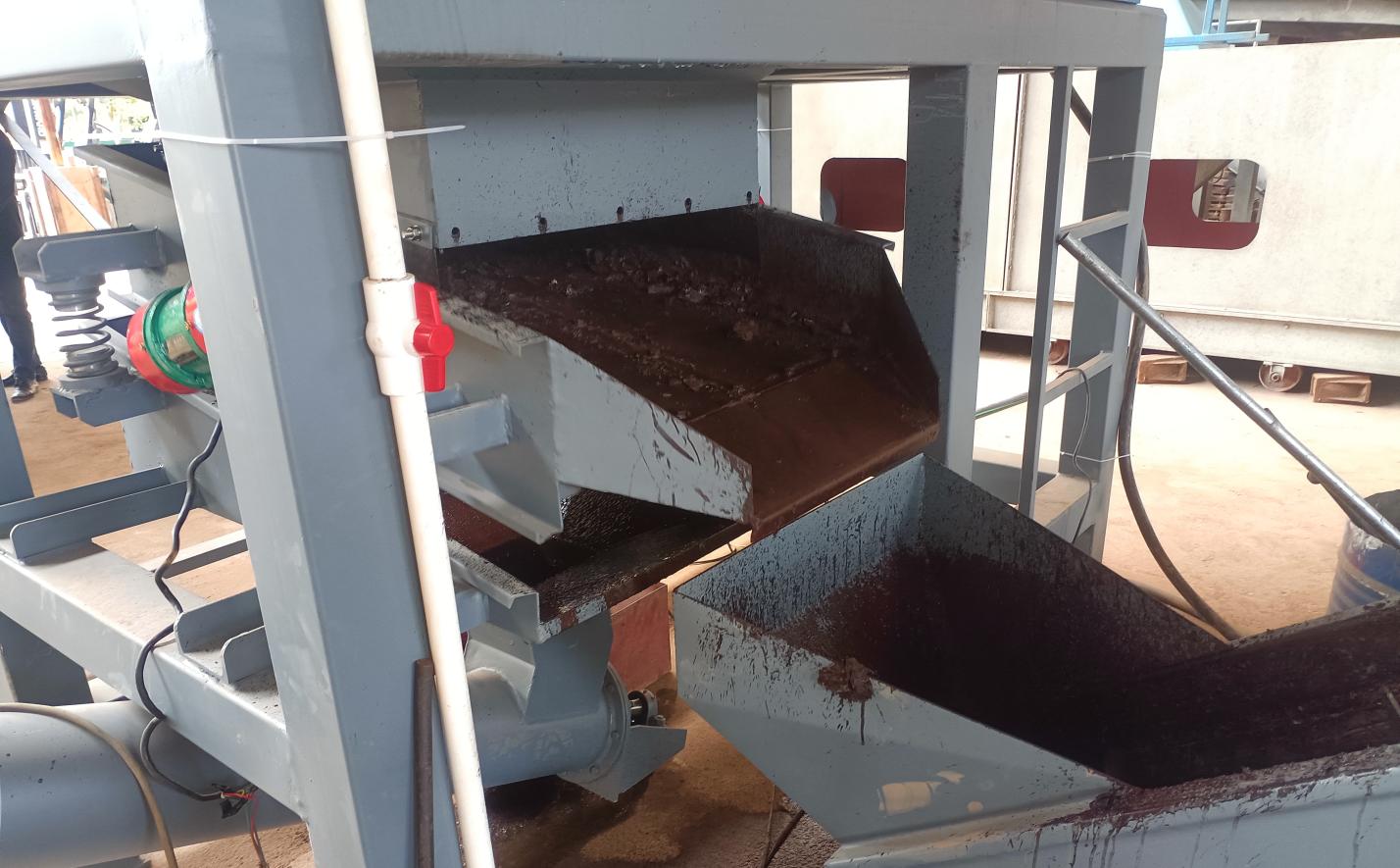
With the explosion of electric vehicles and portable electronics, spent lithium-ion batteries have become a strategic feedstock. Recovering black mass—the mixture containing nickel, cobalt, and graphite—along with copper, aluminum, and plastic fractions, requires specialized shredding, granulation, and separation equipment. Modern lithium battery recycling equipment can process 500–2,500 kg per hour and is designed with integrated air pollution control to handle the fluorine and organic solvents released during crushing.
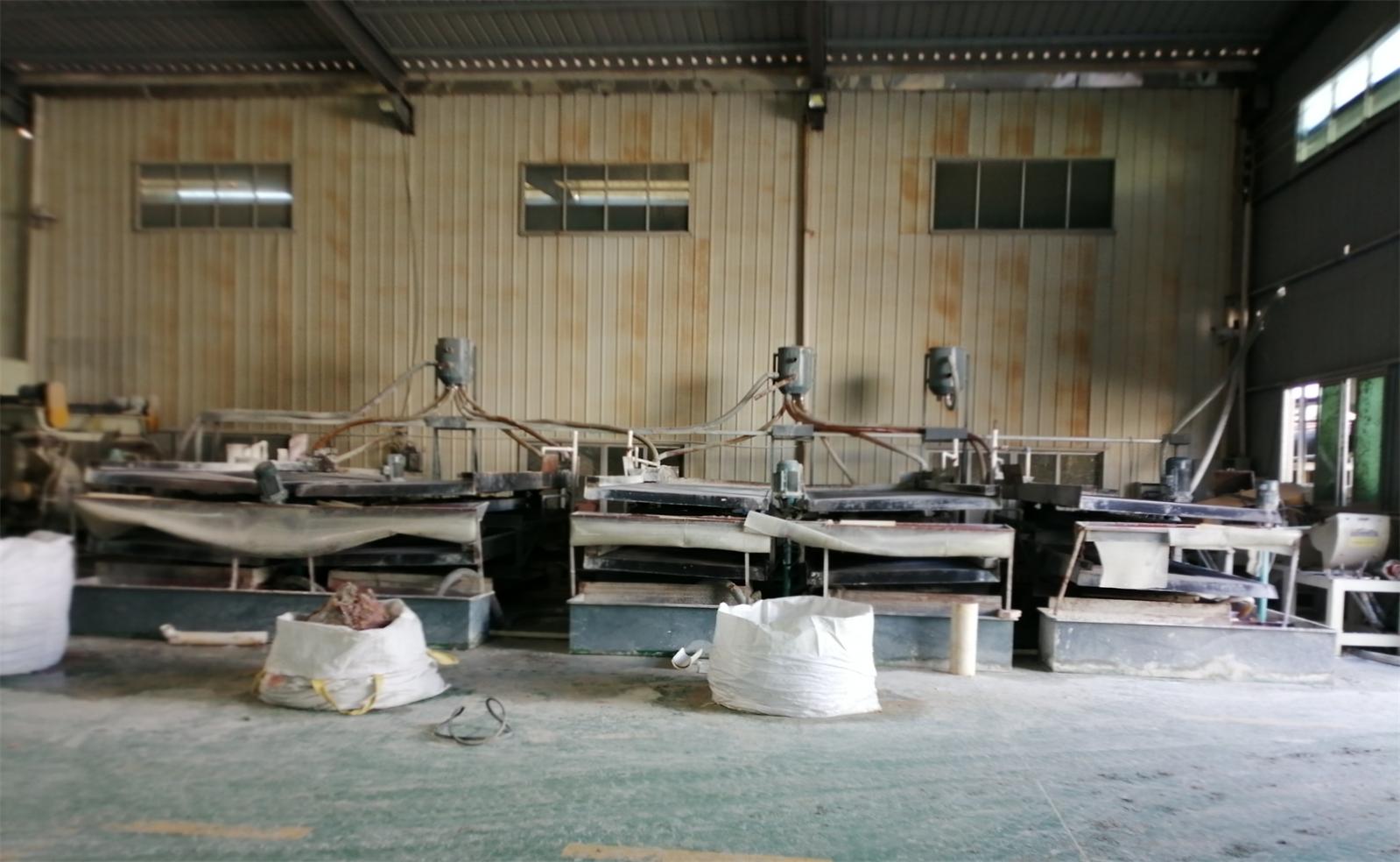
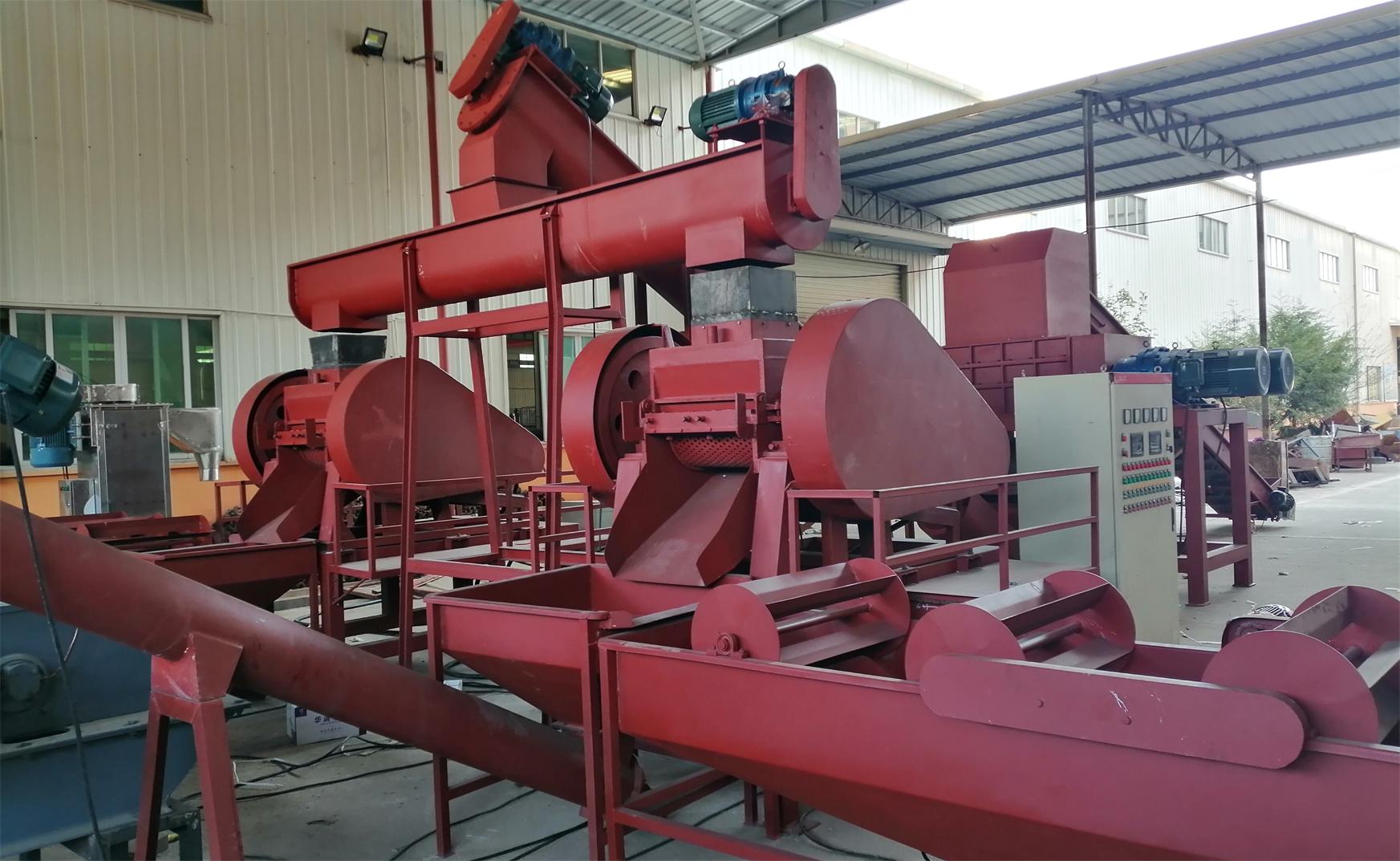
Scrap cables are one of the easiest feedstocks to source. A well-designed cable recycling equipment line uses dry or wet separation to recover copper and aluminum granules with purity levels of 96–98%. Depending on capacity requirements, plants can choose compact granulators for 200–600 kg/hour or industrial-scale systems processing over 1,000 kg/hour. Pre-choppers and scrap cable strippers are often added upstream to improve overall throughput.
While batteries and cables attract the most attention, a truly robust recycling business often diversifies into additional waste streams to maximize equipment utilization and revenue stability.
Circuit board recycling recovers copper powder and precious metals from discarded PCBs. Refrigerator and AC recycling extracts refrigerants, metals, and plastics in an environmentally safe manner. CRT recycling safely separates panel glass, funnel glass, and phosphor powder. Motor recycling dismantles electric motors to recover copper windings from stator cores. Adding one or more of these lines allows your plant to handle seasonal fluctuations in feedstock supply and negotiate better sourcing contracts.
Buying recycling machines is not like buying standard industrial equipment. Every feedstock is different, every local regulation is different, and every operator's skill level is different. Therefore, the supplier you choose should offer more than just machines.
Look for a partner that provides:
Experience matters. A supplier whose team has spent over 15 years designing and commissioning e-waste recycling machines will anticipate problems that a less experienced vendor will only discover after your plant is built.
One practical way to evaluate a supplier is to look at where their equipment is already running. Established recycling equipment manufacturers have installations across multiple continents—Singapore, Colombia, Vietnam, Mexico, Argentina, Korea, Malaysia, Indonesia, South Africa, Tunisia, India, Kenya, Saudi Arabia, Philippines, Zambia, Israel, and beyond.
A global customer list is not just a marketing point. It means the supplier has solved problems in different regulatory environments, different climates, different voltage standards, and different operator skill levels. That adaptability reduces your project risk.
The e-waste recycling market will not wait. Every year of delay means more competition for feedstock and more mature competitors capturing local market share. But moving fast does not mean moving recklessly. The difference between a plant that breaks even and a plant that generates strong returns often comes down to equipment selection and supplier support.
If you are evaluating options for lead acid battery recycling, lithium battery recycling, cable recycling, or a multi-stream e-waste plant, begin by speaking with a manufacturer that has already built and commissioned complete recycling lines worldwide. Ask for process flow designs, capacity calculations, and references from plants operating in conditions similar to yours.
The opportunity is real. The technology is proven. The only question is whether you will equip yourself with a partner capable of turning that opportunity into a profitable, compliant, long-term operation.