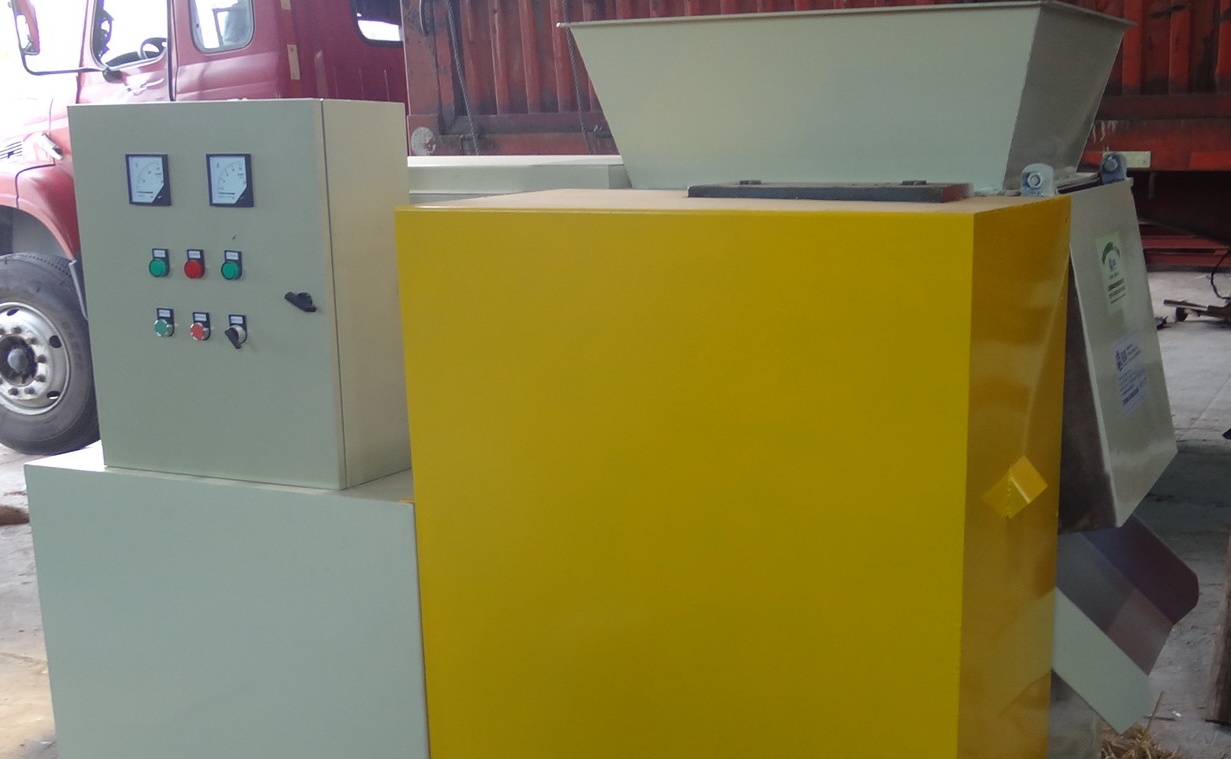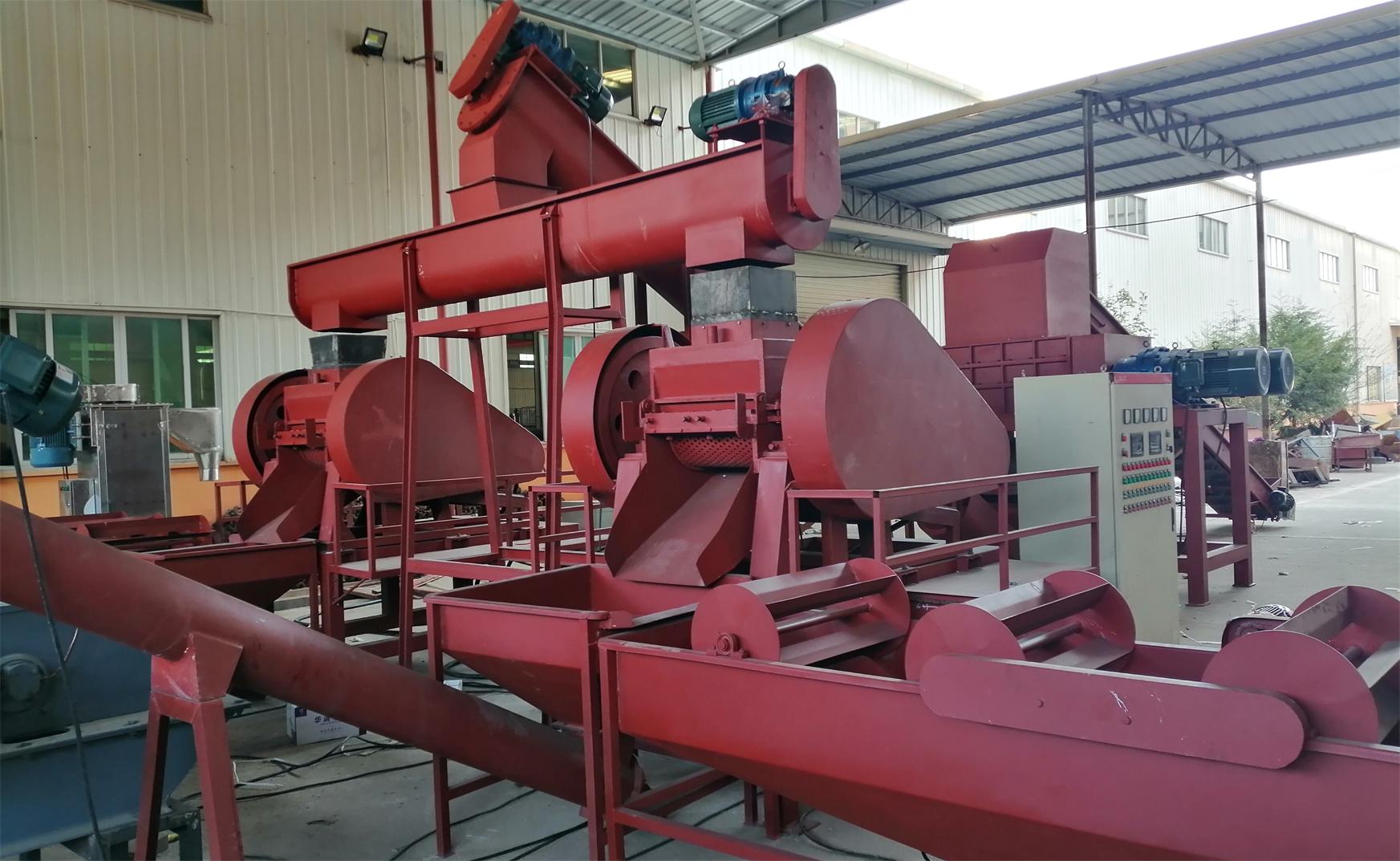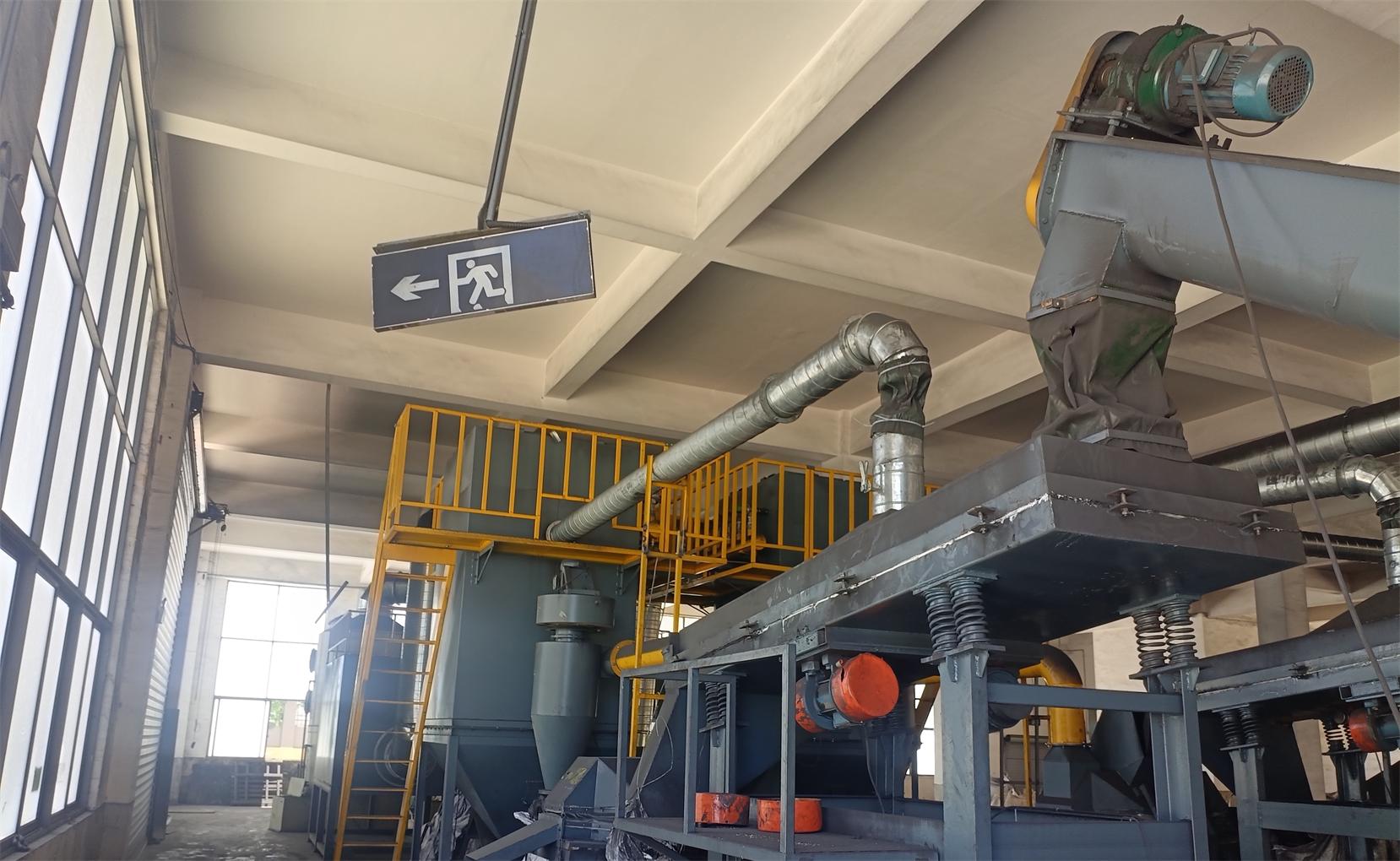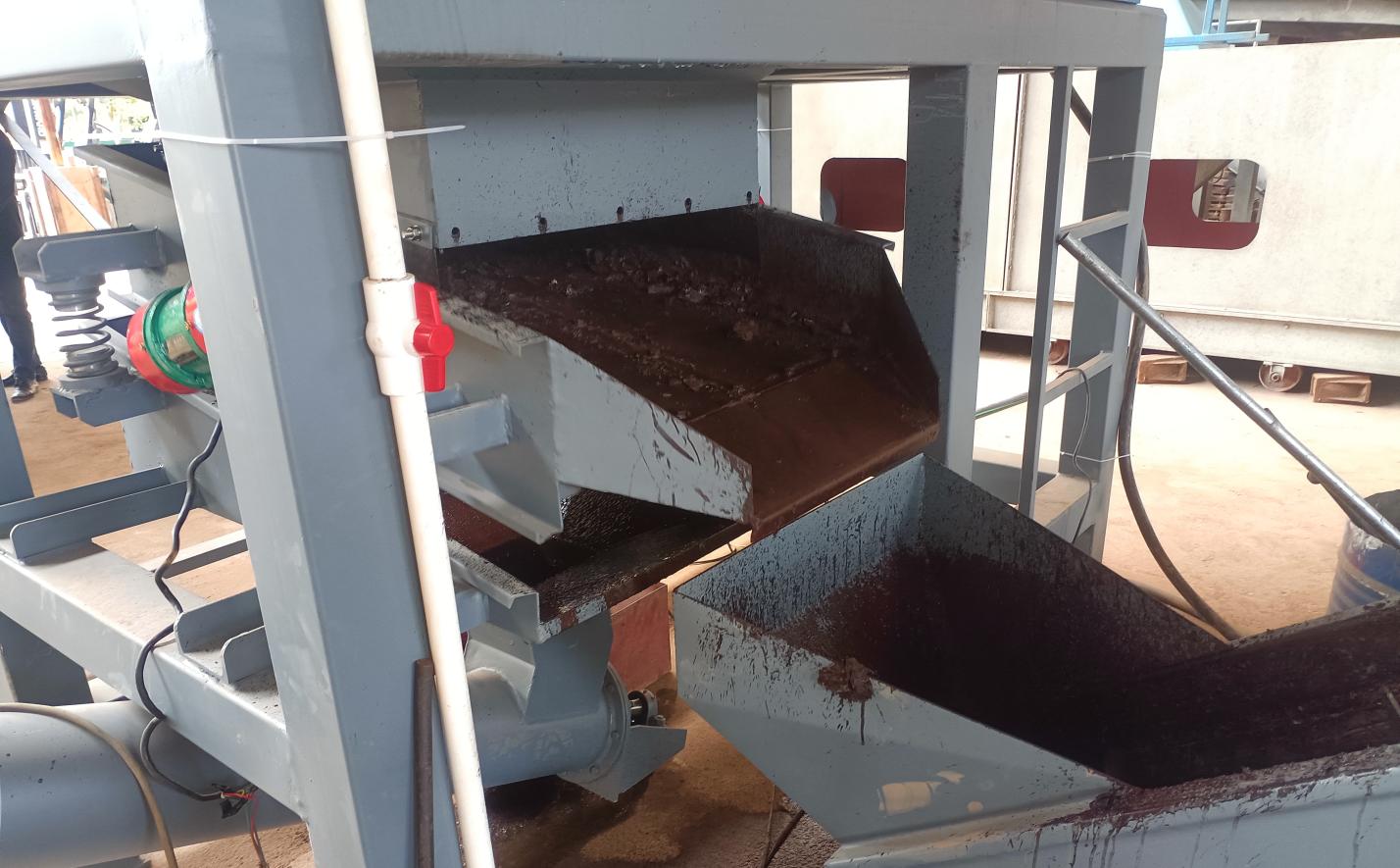
Ever stop to think about the incredible journey your old fridge takes? One day it's chilling your groceries, the next it's destined for recycling glory. But getting it from bulky appliance to neatly sorted scrap metal takes some serious muscle – enter the hard-working refrigerator crusher. You might be researching these machines right now, wading through specs and prices that vary wildly. It begs the question: why does the cost swing so much? One crucial factor hiding in plain sight is the material used in the machine’s heart – its blades. Let's break down why blade composition is a major price player.
The Unsung Heroes: What Shredder Blades Actually Do
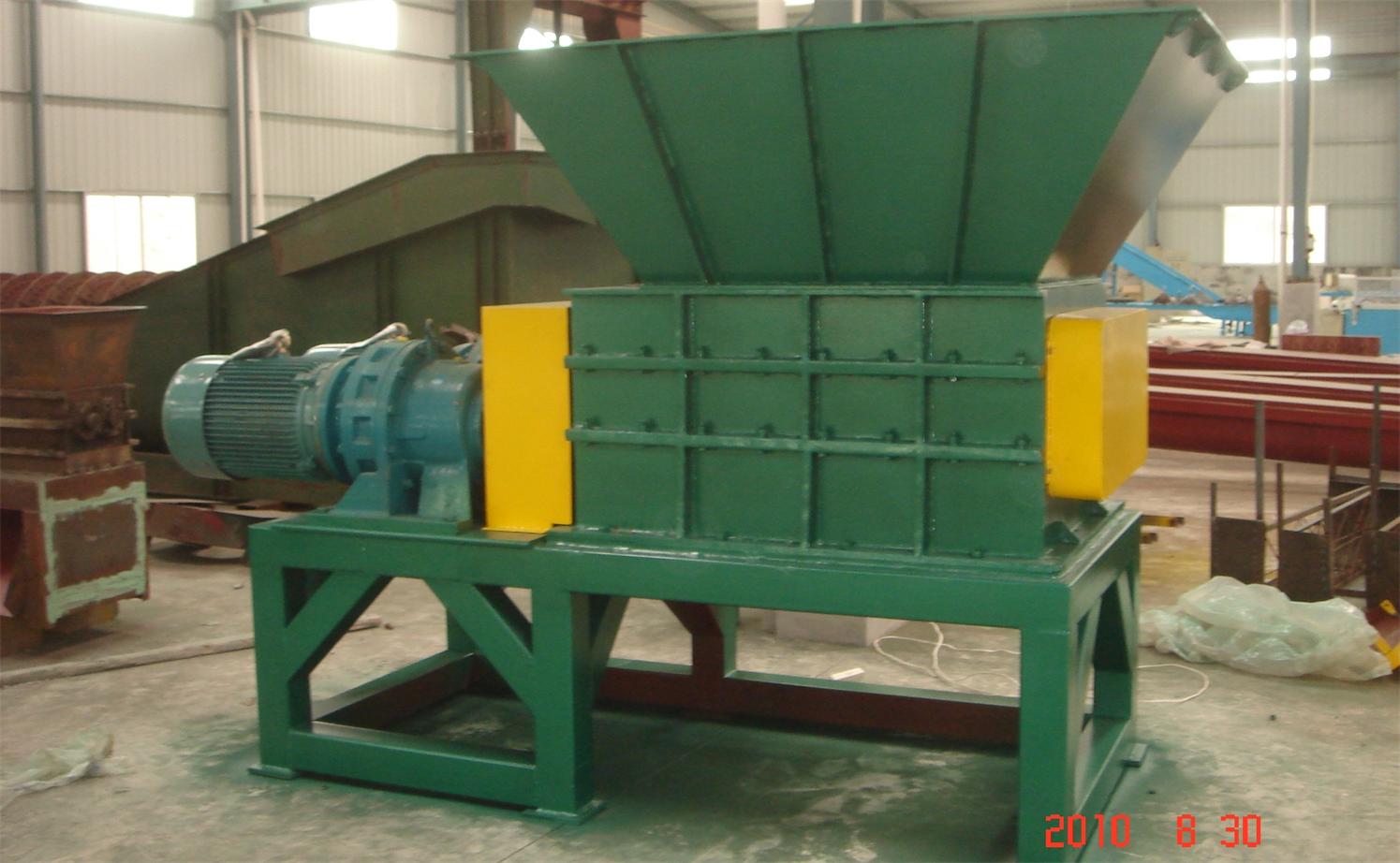
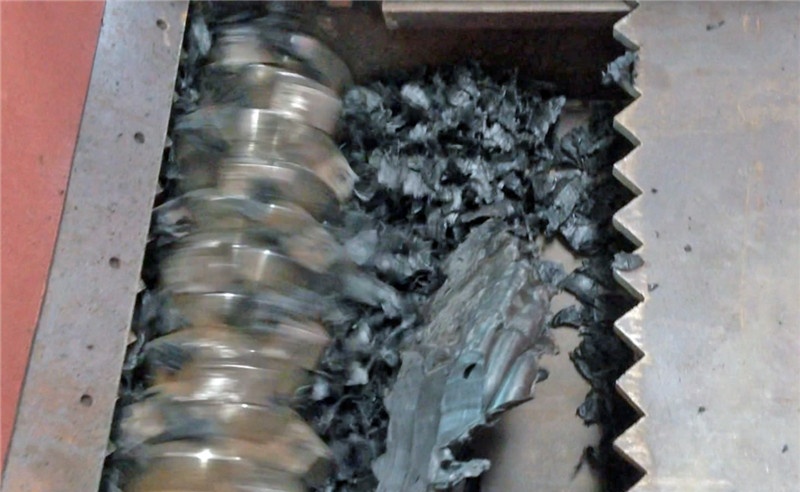
Imagine throwing a whole fridge (compressors, steel casing, insulation, plastic) into a grinder. It sounds chaotic, right? Refrigerator crushers, a specialized type of metal shredder , are built for this exact chaos. Their primary job is demolition:
- Tearing & Crushing: Physically breaking down the massive structure.
- Liberating Materials: Separating the valuable copper wire, aluminum, and steel from problematic stuff like insulation foam and refrigerants.
- Feeding Separation: Creating smaller pieces so downstream equipment (like magnets and eddy currents) can efficiently sort the metals.
This isn't gentle work. Blades smash against hardened steel, bear massive shock loads, endure heat from friction, and face abrasion from composites and plastics. They need to be incredibly tough. Their lifespan and performance directly impact how much metal gets recovered, how often the machine stops for maintenance, and ultimately, how much profit a recycling operation makes.
Steel's Reign (With Nuances): The Workhorse Options
Most industrial shredder blades start with steel as the foundation. But not all steel is created equal, and the exact recipe matters big time for both performance and price.
-
High-Carbon Steel Blades:
Think durability on a budget. These blades are hardened to withstand significant impact, making them a popular choice for general scrap applications. Pros? Lower upfront cost and decent toughness. The con? They wear down faster than premium options when constantly battling thick fridge steel and compressors, meaning more frequent replacements and downtime. Think of them as reliable but needing more attention. This is likely the baseline option reflected in the most affordable refrigerator recycling machine quotes.
-
Alloy Steel Blades (e.g., Tool Steel Grades):
This is where you step up significantly. Think grades like D2 or H13, specially formulated with elements like chromium, molybdenum, and vanadium. The result? A massive boost in toughness, wear resistance, and the ability to hold their edge much, much longer. They laugh in the face of shocks that would chip or crack a high-carbon blade. Naturally, the superior material quality and complex heat treatment these blades require mean a higher price tag. For a busy waste electric refrigerator recycling machine processing tons daily, this investment pays off through vastly reduced downtime and blade costs over the machine's life.
The Hard Stuff: Tungsten Carbide - Premium Price, Premium Performance
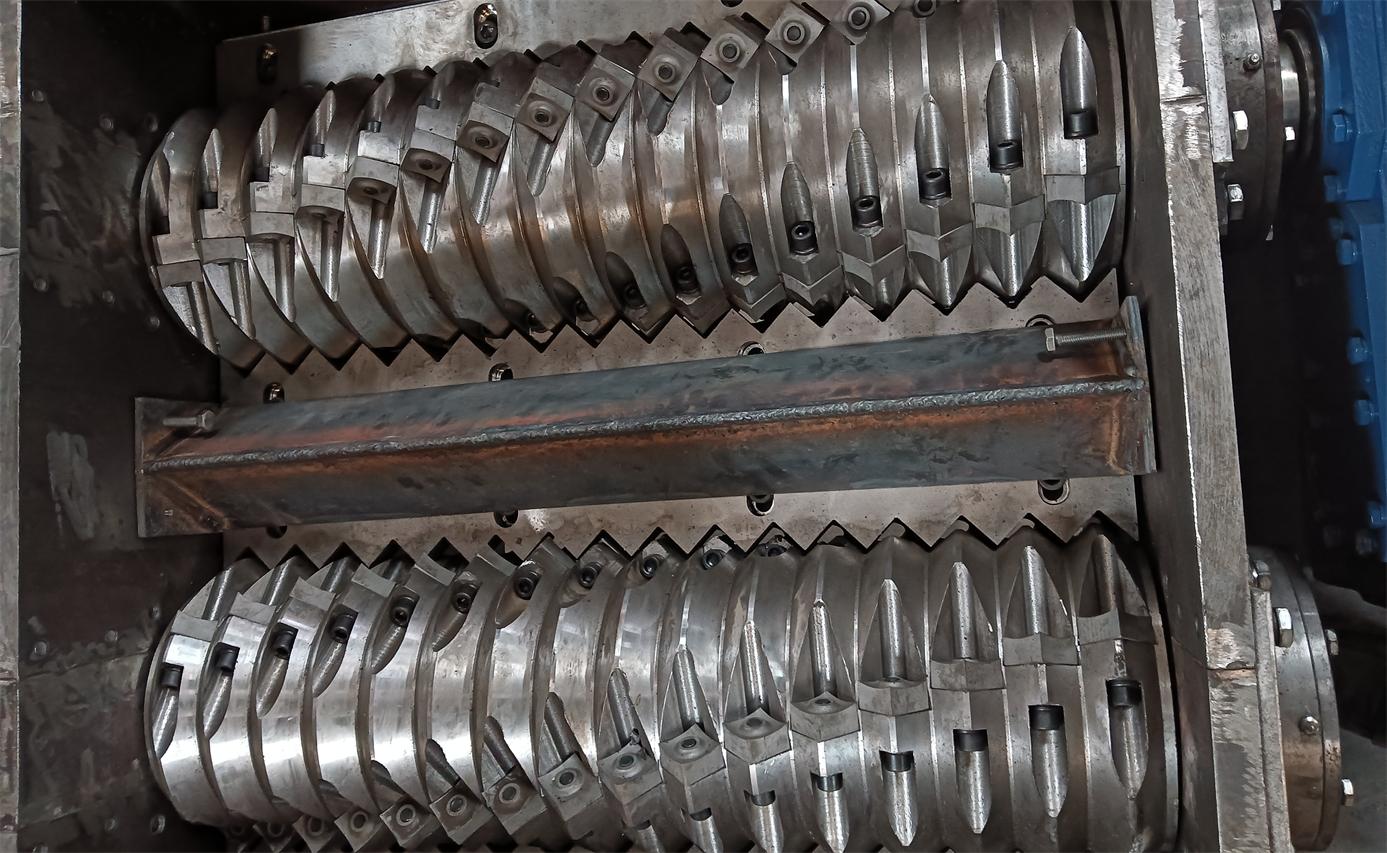
For applications demanding the absolute pinnacle of wear resistance, tungsten carbide (WC) enters the chat. This isn't a solid carbide blade (usually prohibitively expensive and brittle for shredder impacts) – it's about strategic application.
The Edge Advantage: Savvy manufacturers use carbide by either tipping the steel blade’s leading edge with welded-on carbide plates or embedding carbide inserts. This puts that incredible hardness precisely where the blade bites into the material.
Why It Costs More: Carbide is expensive. Fabricating tips or inserts is complex. Welding them securely requires specialized processes. All these factors add cost – significant cost. But what do you get?
The Payoff: Unmatched resistance to abrasion. Blades stay sharp exponentially longer, especially critical when shredding insulation-laden fridge walls that are surprisingly abrasive. This translates to massive cost savings on replacements and less downtime, making it essential for high-volume operations processing white goods around the clock. If you see a top-of-the-line high-efficiency shredder boasting premium performance, carbide-tipped blades are almost certainly part of the package (and the price).
Beyond Just the Blade Blank: The Manufacturing Markup
It's not just *what* the blade is made of. *How* it's made significantly impacts durability and cost:
- Precision Cutting & Profiling: Blanks are laser or waterjet cut from plate steel. Precision here matters for balance and fit.
- The Magic of Heat Treatment: This is critical, especially for alloy steels and carbide-tipped versions. Precise hardening (quenching) and tempering cycles determine the final toughness vs. hardness balance. Poor heat treatment leads to brittle blades that crack or soft blades that deform. Sophisticated, controlled heat treating adds cost.
- Surface Finishing: Precision grinding ensures a sharp edge profile and smooth surfaces that minimize friction and wear.
- Hardfacing/Surfacing (Optional): Applying an extra layer of wear-resistant alloy to critical areas further extends life, adding another step and cost.
- Quality Control: Rigorous checks for hardness consistency, absence of cracks (using NDT methods like MPI), and dimensional accuracy are non-negotiable for reliable blades, adding overhead.
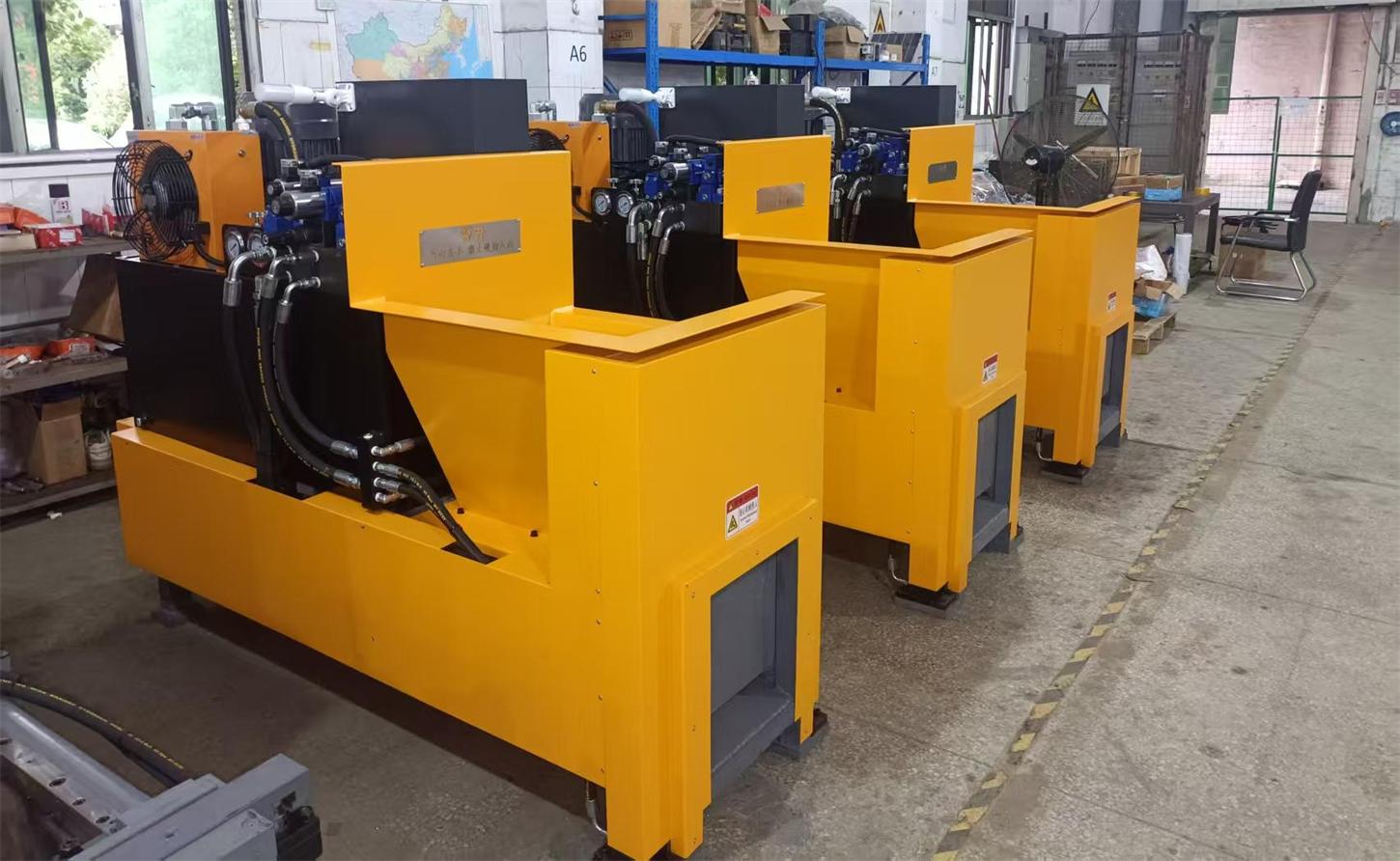
A hydraulic press manufacturer china supplier might offer cheaper blades, but skimping on these processes is a false economy. Cutting-edge technology centers producing blades for leading refrigerator recycling machine lines factor in this premium manufacturing.
Blade Cost vs. True Cost of Ownership
Focusing solely on the initial price tag of a crusher or its blades is short-sighted. The true cost comes from operating it efficiently over years. Blade material is central to this:
- Cheaper Blades (e.g., High-Carbon Steel): Lower upfront price. However, shorter lifespan means more frequent shutdowns, labor costs for changes, ongoing replacement blade purchases – costs that pile up.
- Premium Blades (e.g., Carbide-Tipped Alloy Steel): Higher sticker price. But vastly extended service intervals, less downtime, fewer replacements needed. The higher productivity keeps revenue flowing.
Downtime is the Silent Profit Killer: Every hour a waste electric refrigerator recycling machine isn't shredding is lost potential revenue. Tough blades minimize this.
Throughput Matters: Blades staying sharper longer maintain maximum shredding efficiency and particle size consistency, crucial for downstream separation – another profit factor.
Head-to-Head: How Blade Material Stacks Up on Price & Performance
| Blade Material Type | Initial Blade Cost | Impact Toughness | Abrasion/Wear Resistance | Typical Lifespan vs. Fridges | Maintenance Frequency | Best Suited For | Overall Cost of Ownership |
|---|---|---|---|---|---|---|---|
| Standard High-Carbon Steel | Lowest | Moderate | Fair (Wears Fast) | Shortest | High (Frequent changes) | Light-duty, lower-volume processing, tightest startup budgets | Higher (Frequent replacements & downtime) |
| Premium Alloy Tool Steel (e.g., D2, H13) | Moderate to High | Excellent | Good to Very Good | Significantly Longer (2-3x+) | Moderate to Low | Mainstream high-volume recycling plants, mixed scrap streams including appliances | Lower (Fewer changes, less downtime) |
| Tungsten Carbide Tipped/Inserts | Highest | Excellent (Well-bonded) | Exceptional (Longest edge retention) | Longest (Often 5x+ basic steel) | Lowest | Extremely high-volume facilities (e.g., large-scale WEEE plants), highly abrasive materials | Lowest (Minimal downtime, max productivity) |
Making the Smart Choice for Your Operation
So, how do you decide? Consider these factors:
- Volume & Demand: How many fridges are you shredding daily/monthly? High volume *demands* premium blades.
- Budget Flexibility: Can you afford the upfront premium for carbide or high-grade alloy steel for future savings?
- Material Mix: Mostly metal fridges, or lots of complex, abrasive materials like insulation composites?
- Machine Capability: Is your refrigerator recycling machine robust enough to handle the force harder blades exert? Don't put expensive blades on a weak frame.
Question Suppliers: Don't just ask the price of the refrigerator recycling machine . Ask explicitly: "What *exact* material are the blades made from?" and "What's the *expected* lifespan under typical fridge processing conditions?" Ask about hardness ratings and manufacturing processes. A reputable hydraulic press manufacturer china or shredder supplier focused on recycling will readily share these details. Compare apples to apples based on blade specs, not just machine price.
Think Long Term: Crunch the numbers beyond the initial quote. Factor in blade cost, labor cost per change, the hourly cost of machine downtime, and projected blade life. The calculator often tells the real story.
The Verdict: Yes, Blade Material is a Major Price Lever
The answer is clear-cut: the material composition of a refrigerator crusher's blades is absolutely a significant factor influencing its price. Using basic high-carbon steel keeps the initial machine cost down. Opting for advanced alloy steels with sophisticated heat treatment, or especially integrating tungsten carbide components, adds substantial cost – but delivers tangible, long-lasting value through superior performance, reduced downtime, and lower operational costs.
It’s a direct trade-off between immediate capital expenditure and long-term operational efficiency. While other factors like drive power, processing capacity, build quality, and control systems also play roles, overlooking blade composition means ignoring one of the most critical elements determining both the shredder's durability and its true total cost of ownership. When evaluating a refrigerator recycling machine quote, understanding what's hidden inside those spinning rotors – and the engineering and materials science that make them last – is fundamental to making a smart investment that maximizes your recycling operation's uptime and profitability over the long haul.