The Growing Opportunity in E-Waste Recycling
Electronic waste represents one of the fastest-growing waste streams worldwide. Lead-acid batteries from vehicles and backup power systems, copper cables from construction and telecommunications, and printed circuit boards from obsolete electronics all contain valuable recoverable materials. The businesses that invest in professional recycling infrastructure today are positioning themselves at the forefront of a sustainable, high-margin industry.
However, success in this sector depends heavily on equipment quality, process design, and technical support. A fragmented approach鈥攂uying machines from multiple vendors without integrated planning鈥攐ften leads to compatibility issues, production bottlenecks, and regulatory compliance problems.
Core Equipment Categories for Modern Recycling Plants
A comprehensive e-waste recycling operation typically requires specialized machinery across several product lines. Here are the essential categories that serious operators must consider:
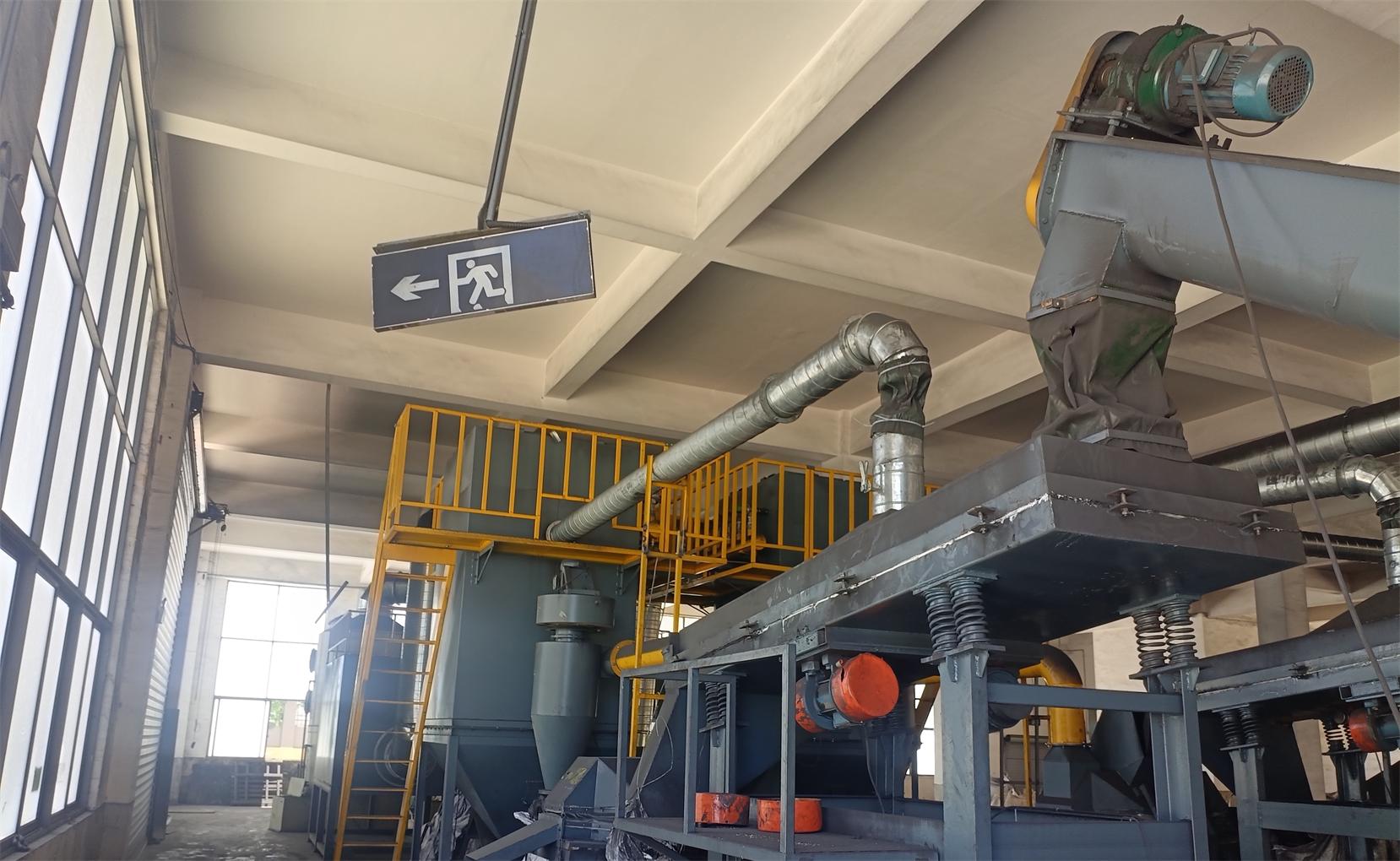
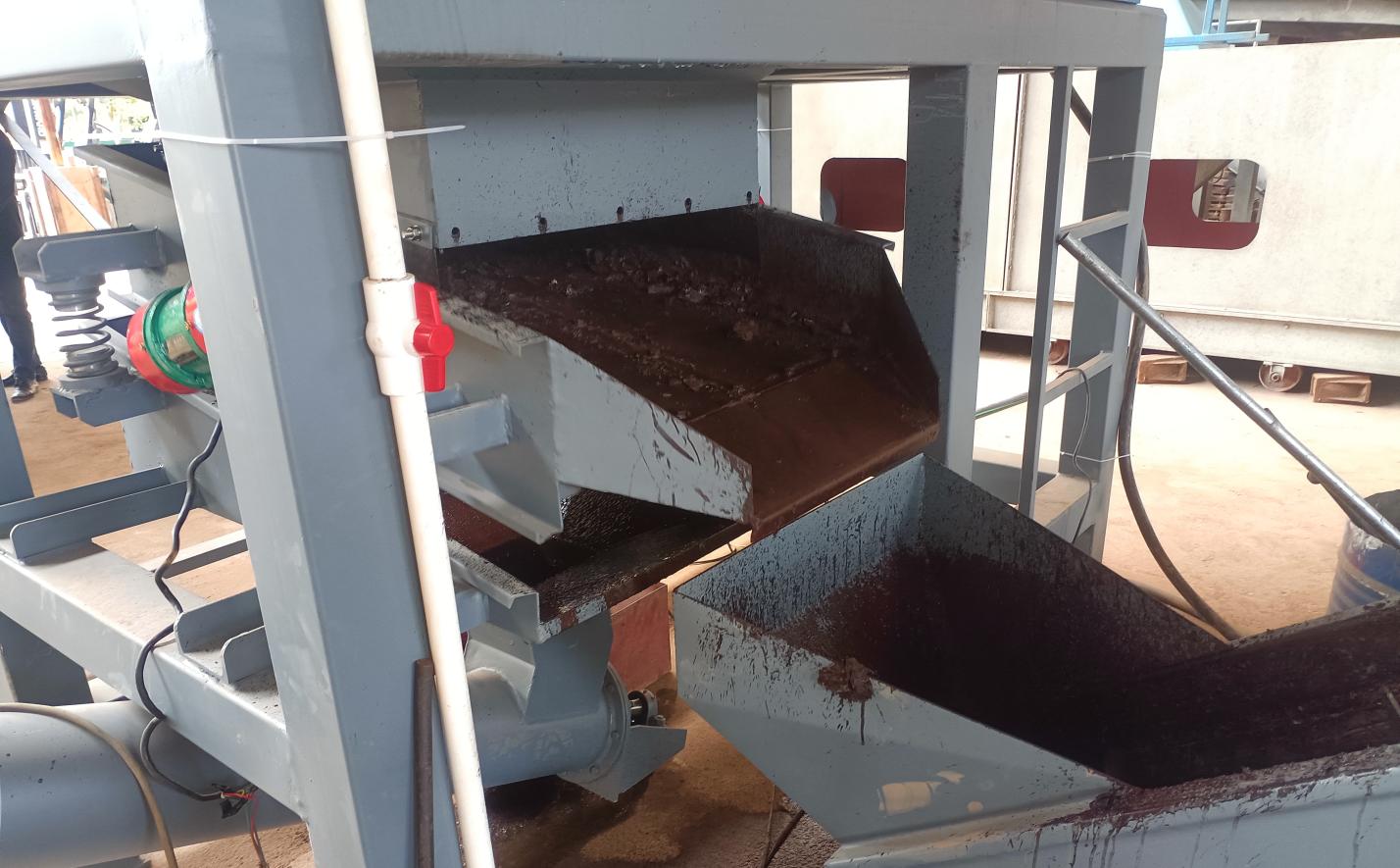
Used lead-acid batteries (ULAB) remain one of the most recycled consumer products globally. A complete lead acid battery recycling equipment line includes battery breaking and separation systems, de-sulfurization units, rotary furnaces for paste reduction, blast furnaces, lead refinery kettles, air pollution control systems, and water treatment facilities. Modern systems can process 1-10 MT per hour, achieving lead recovery rates of up to 95% and producing lead ingots with 99.999% purity.
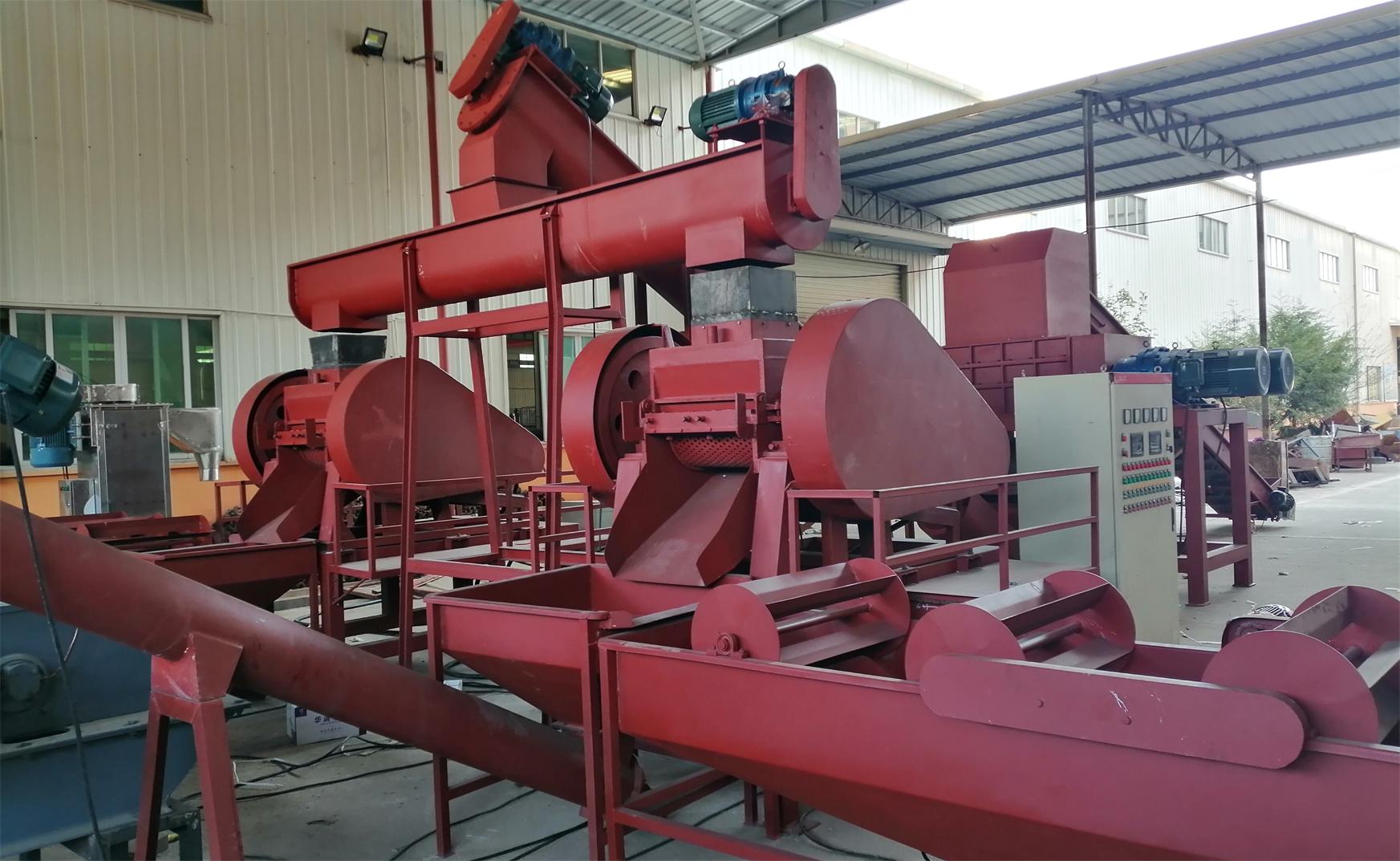
Scrap copper and aluminum cables represent significant value when properly processed. Cable recycling equipment ranges from manual scrap cable strippers for small-diameter wires to fully automated cable granulator plants with dry or wet separation systems. Advanced granulators can process 500-2000 kg per hour, separating copper or aluminum from plastic insulation with high purity and minimal dust emissions.
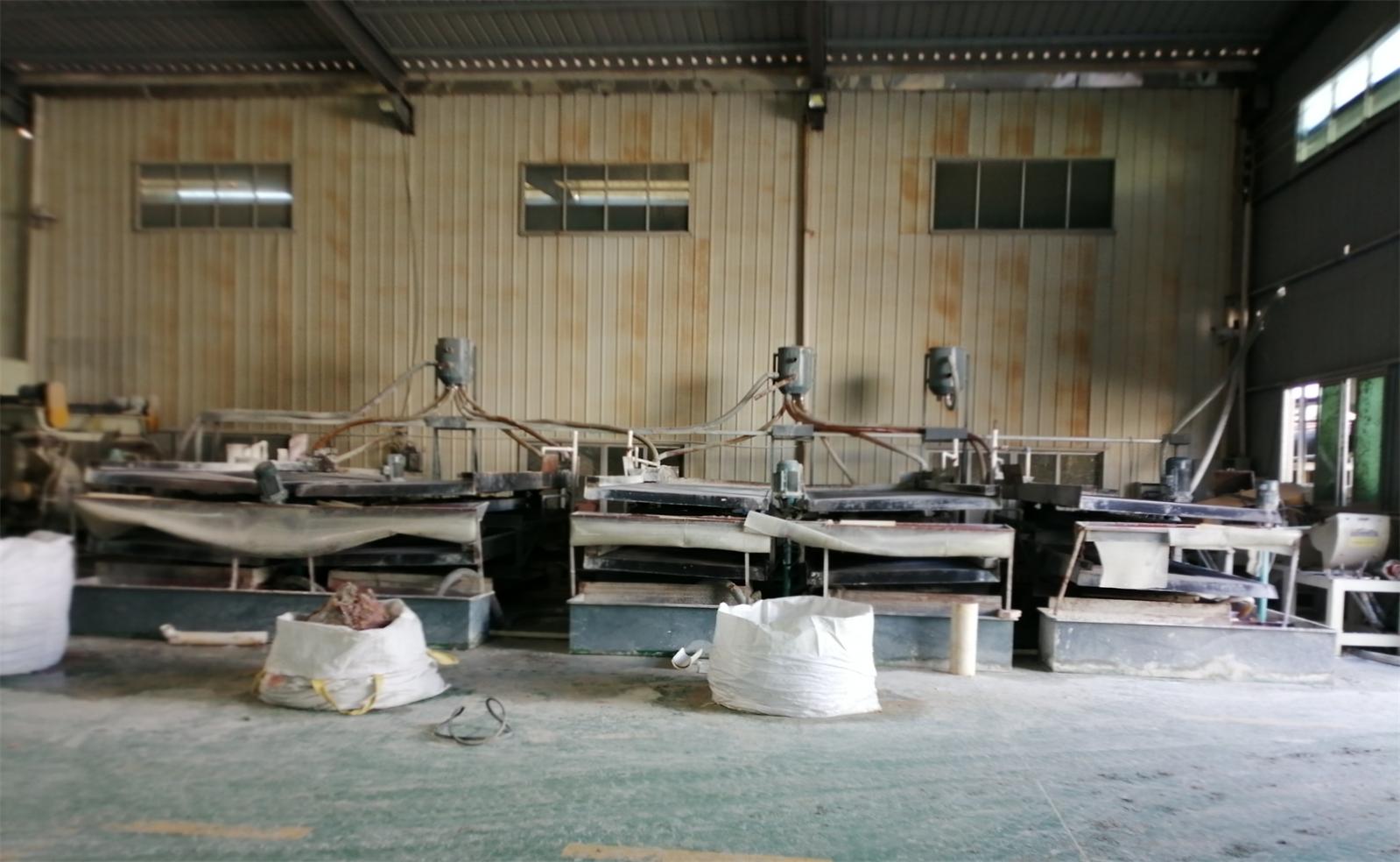
Printed circuit boards (PCBs) contain precious metals and copper that justify specialized recovery efforts. Circuit board recycling plants use mechanical crushing combined with air or water separation to recover copper powder with 96-98% purity. Meanwhile, lithium-ion battery recycling has emerged as a critical sector, with equipment designed to safely discharge, crush, and separate black mass (containing nickel, cobalt, and graphite), plastic, copper, and aluminum components.
What to Look for in a Recycling Equipment Partner
Selecting a machinery vendor goes far beyond comparing price lists. Experienced operators evaluate potential partners across multiple dimensions:
- Technical Depth: Look for manufacturers with in-house engineering teams holding advanced degrees and over 15 years of direct experience in e-waste recycling machine design.
- Turnkey Capability: The ideal partner provides EPC (Engineering, Procurement, Construction) services, delivering customized plant design, equipment supply, installation, and commissioning as a unified package.
- Proven International Experience: A supplier with installations across 20+ countries understands diverse regulatory environments, material characteristics, and operational challenges.
- Value-Added Services: Beyond equipment, the best partners assist with raw material sourcing, operator training, and even helping sell recovered products like copper rice, lead ingots, and aluminum granules.
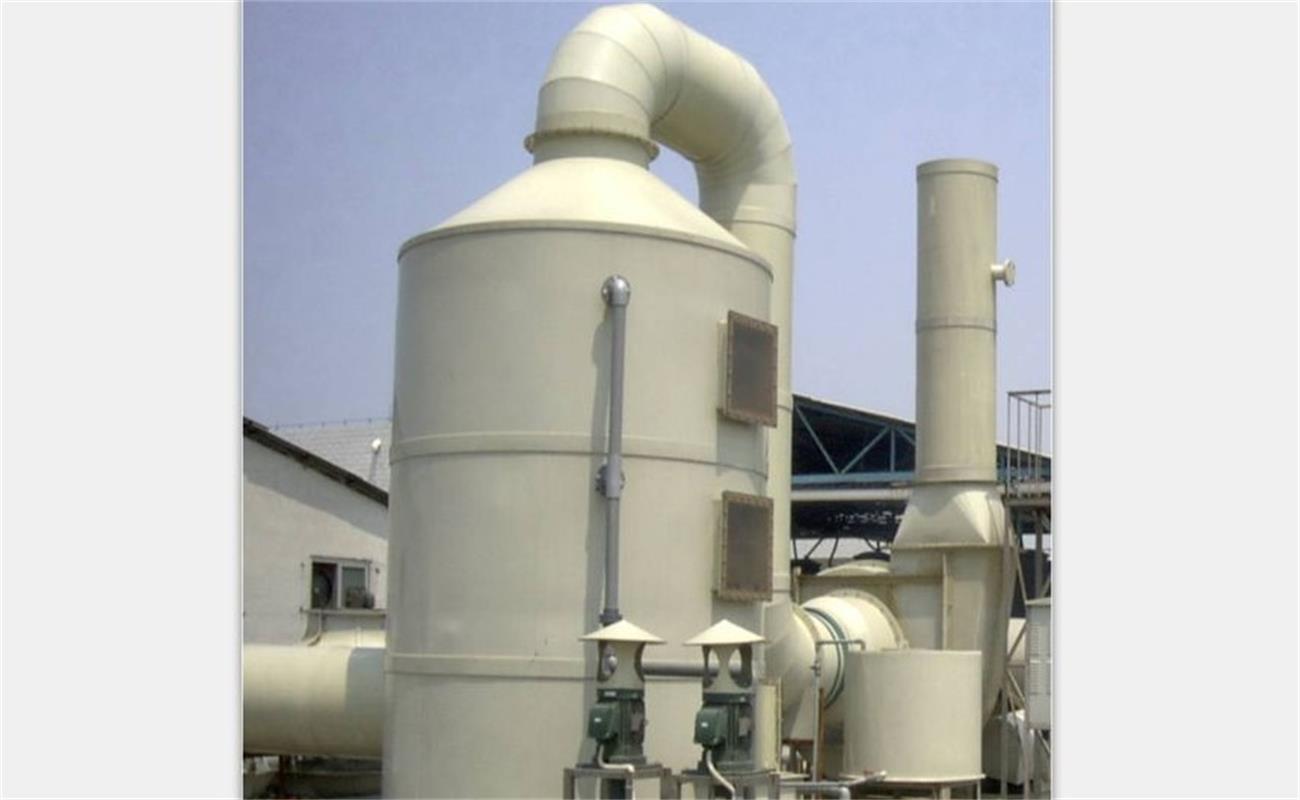
- Environmental Compliance: Modern recycling plants must meet strict emissions standards. Ensure your supplier integrates air pollution control, water treatment, and dust collection systems into the overall design.
The Turnkey Advantage: Why Integrated Solutions Outperform Piecemeal Approaches
Many entrepreneurs make the mistake of sourcing equipment from multiple vendors to save costs. In practice, this approach frequently creates integration headaches, incompatible control systems, and gaps in process flow that reduce overall recovery rates.
A turnkey solution from a single experienced provider ensures that shredders, separators, furnaces, and pollution control systems are designed to work together seamlessly. Customized layout planning optimizes material flow, reduces labor requirements, and maximizes throughput. Furthermore, unified commissioning and training mean your team learns one coherent system rather than juggling disparate technologies.
For investors new to the recycling sector, turnkey providers can also offer guidance on plant location selection, environmental permitting, and raw material supply chain development鈥攕ervices that dramatically reduce time-to-revenue.
San Lan Technologies: Eighteen Years of Recycling Excellence
Established in 2007, San Lan Technologies Co., Ltd has built a reputation as a comprehensive manufacturer of WEEE recycling machines and mining equipment. With a product catalog spanning 13 categories and over 60 individual machines, the company offers everything from lead-acid battery recycling plants and lithium-ion battery processing lines to cable granulators, circuit board separators, and multi-shaft shredders.
What sets San Lan apart is its commitment to end-to-end project support. The company's technical team includes mechanical engineering professionals with master's degrees and extensive field experience. From initial consultation through customized design, equipment manufacturing, installation, and commissioning, San Lan manages the entire project lifecycle. The company even assists clients with purchasing waste materials and marketing recovered outputs.
With successful installations in more than 21 countries鈥攊ncluding Singapore, Colombia, Vietnam, Mexico, Argentina, Korea, Malaysia, Indonesia, South Africa, India, Kenya, Saudi Arabia, and the Philippines鈥擲an Lan has demonstrated its ability to adapt solutions to diverse regulatory frameworks, climate conditions, and material streams.
Key Equipment Specifications and Performance Metrics
When evaluating recycling machinery, concrete performance data matters. San Lan's equipment lines deliver measurable results:
- Lead-acid battery recycling plants process 1-10 MT per hour with lead recovery rates up to 95%
- Lead refinery kettles produce 99.999% pure lead using energy-saving near-infrared heating (30-50% reduction in energy consumption)
- Lithium battery recycling lines handle 500-2500 kg per hour, safely recovering black mass, copper, aluminum, and plastic
- Circuit board recycling systems achieve copper powder purity of 96-98% with 95% overall recovery rates
- Cable granulators process 300-2000 kg per hour with dry or wet separation options
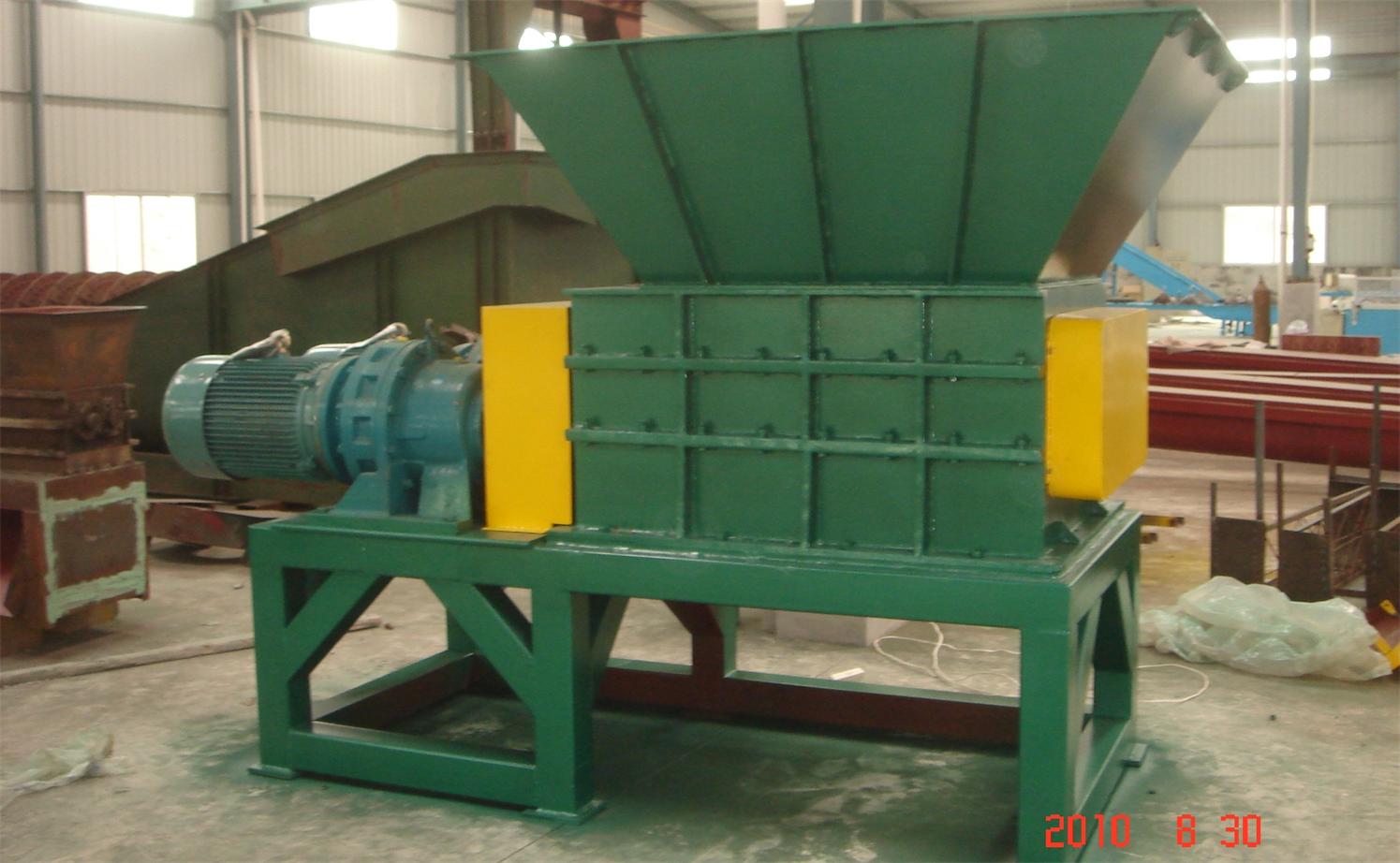
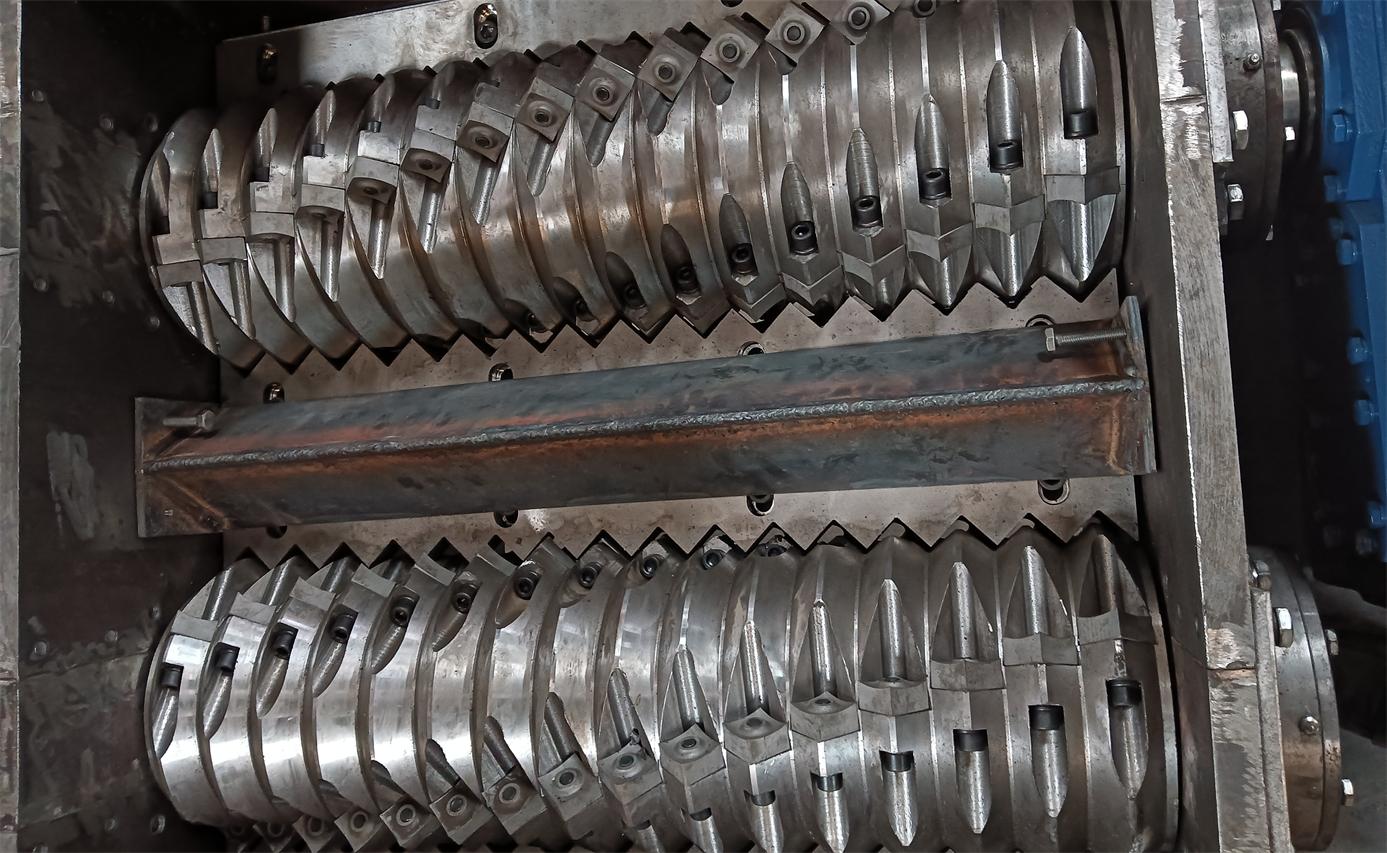
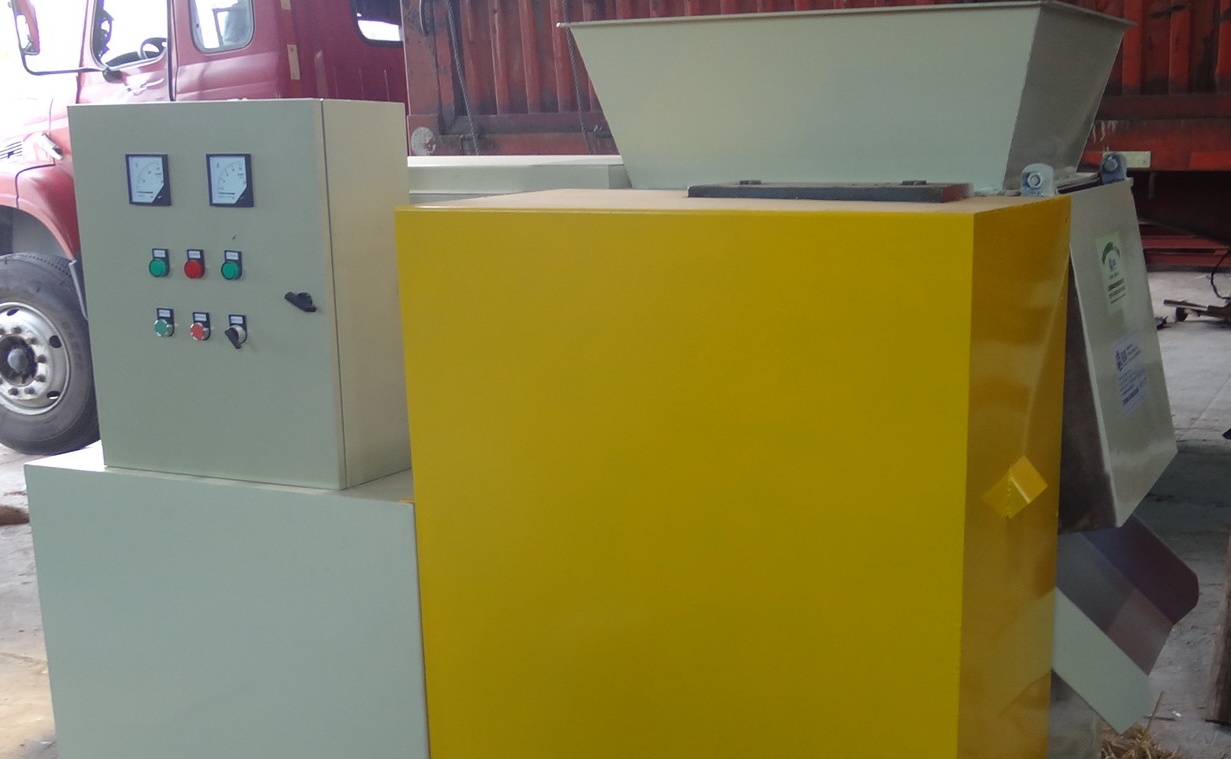
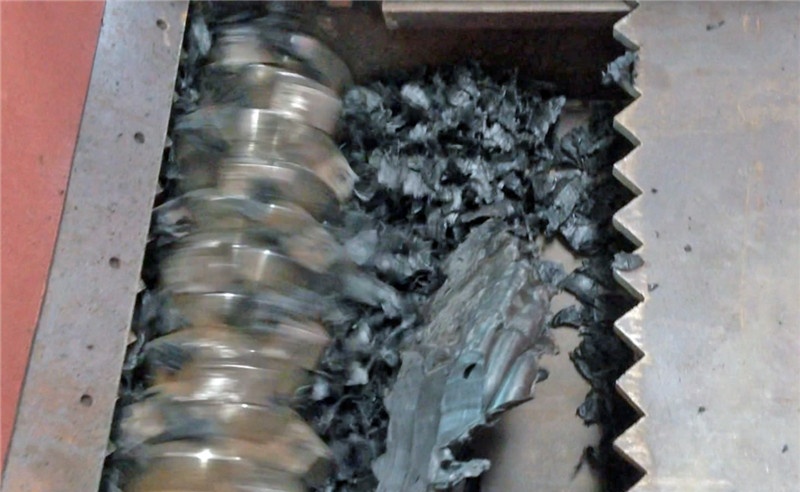
- Four-shaft shredders handle 2-6 MT per hour across multiple material types including PCB, cable, refrigerator, and battery scrap
Start Your Recycling Project Today
Whether you are a first-time investor exploring the e-waste recycling sector or an established operator looking to expand capacity, partnering with an experienced recycling equipment supplier is the critical first step toward long-term profitability.
San Lan Technologies invites you to discuss your project requirements. Their team is ready to provide technical consultation, custom plant design, and a detailed equipment proposal tailored to your material streams, production targets, and budget.
Email: info@san-lan.com | curbing888@hotmail.com
WhatsApp: +86 139 2377 4083
Website: www.san-lan.com
Location: Industry Park, Shicheng County, Ganzhou City, Jiangxi Province, China