Every used lead-acid battery that leaves a vehicle workshop or telecom facility carries two stories. One is environmental hazard: sulfuric acid, heavy metals, and toxic compounds waiting to leach into soil and water. The other is raw material value: recoverable lead, reusable plastic, and treatable acid that can feed back into manufacturing. The equipment sitting between these two stories determines whether your operation turns a profit or simply moves a problem.
San Lan Technologies has spent nearly two decades building that equipment. Founded in 2007 and now serving clients across 21 countries, the company designs and manufactures complete lead acid battery recycling equipment lines that convert scrap batteries into high-purity lead, separated plastics, and neutralized effluent—while keeping emissions within regulatory limits.
Why the Recycling Equipment Decision Matters More Than Ever
Lead-acid batteries remain the dominant rechargeable power source for vehicles, backup systems, and industrial applications. As regulatory pressure on landfill disposal tightens worldwide, the economics of professional recycling continue to improve. A properly equipped plant can recover over 95% of the lead content from used batteries and separate the polypropylene cases and hard rubber components for resale.
The difference between a marginal operation and a profitable one usually comes down to how efficiently the front-end breaking and separation stage works. If batteries are shredded without first draining the acid safely, or if the lead paste mixes with the grid alloy during separation, downstream smelting costs rise and material losses increase. San Lan's process design addresses these risks at the source.
The Complete Process: From Scrap Battery to Refined Lead
A professional recycling line follows a clear sequence. Each stage requires specific equipment, and skipping or under-sizing any one of them creates bottlenecks or compliance problems later.
Stage 1: Safe Breaking and Separation
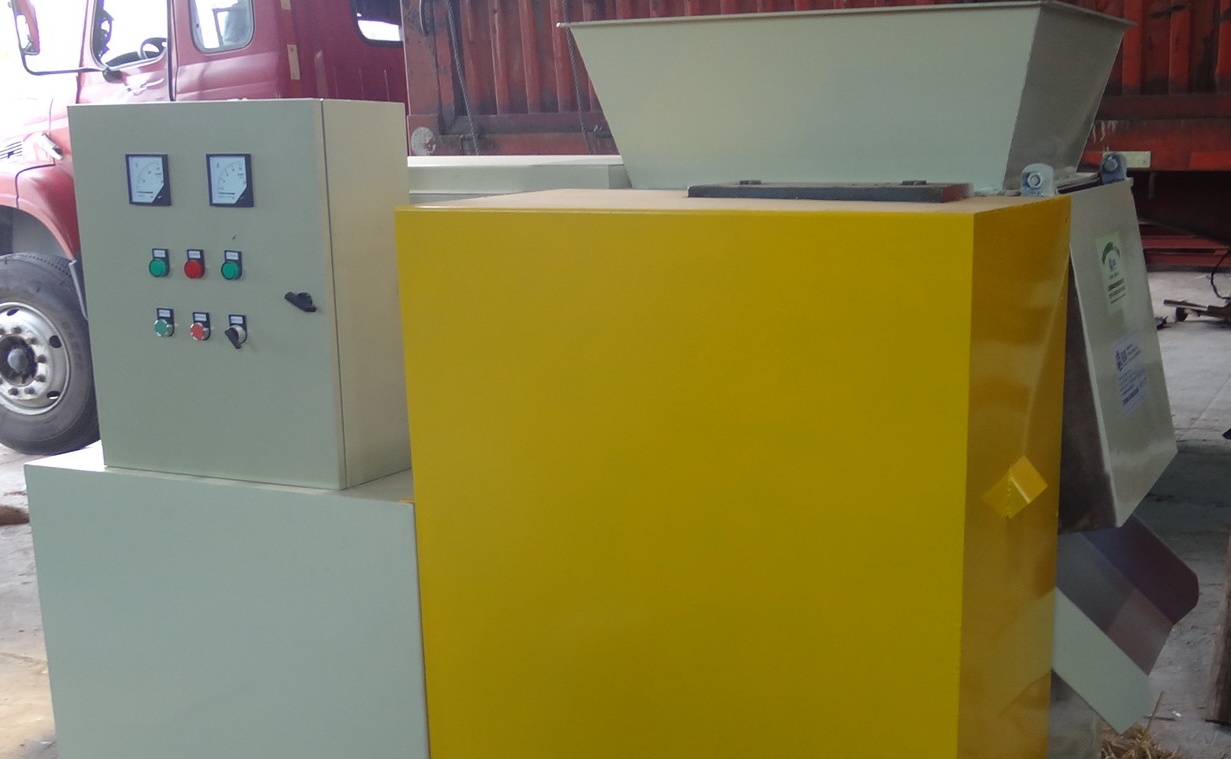
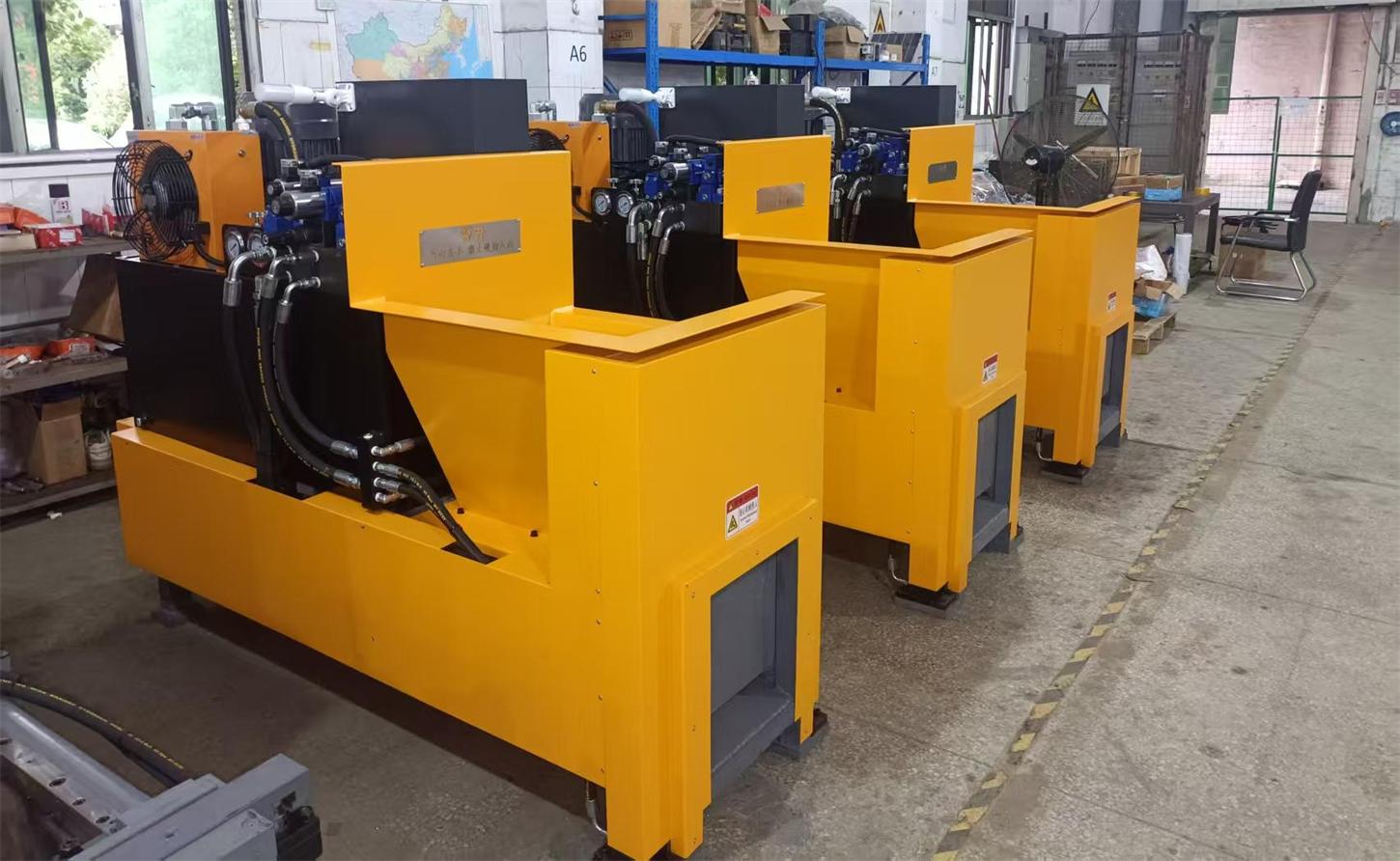
The line starts with a hydraulic battery cutter that sections each unit and drains the sulfuric acid into a sealed collection tank. This single step eliminates the safety hazard of shredding full batteries and prevents acid from contaminating the separated materials.
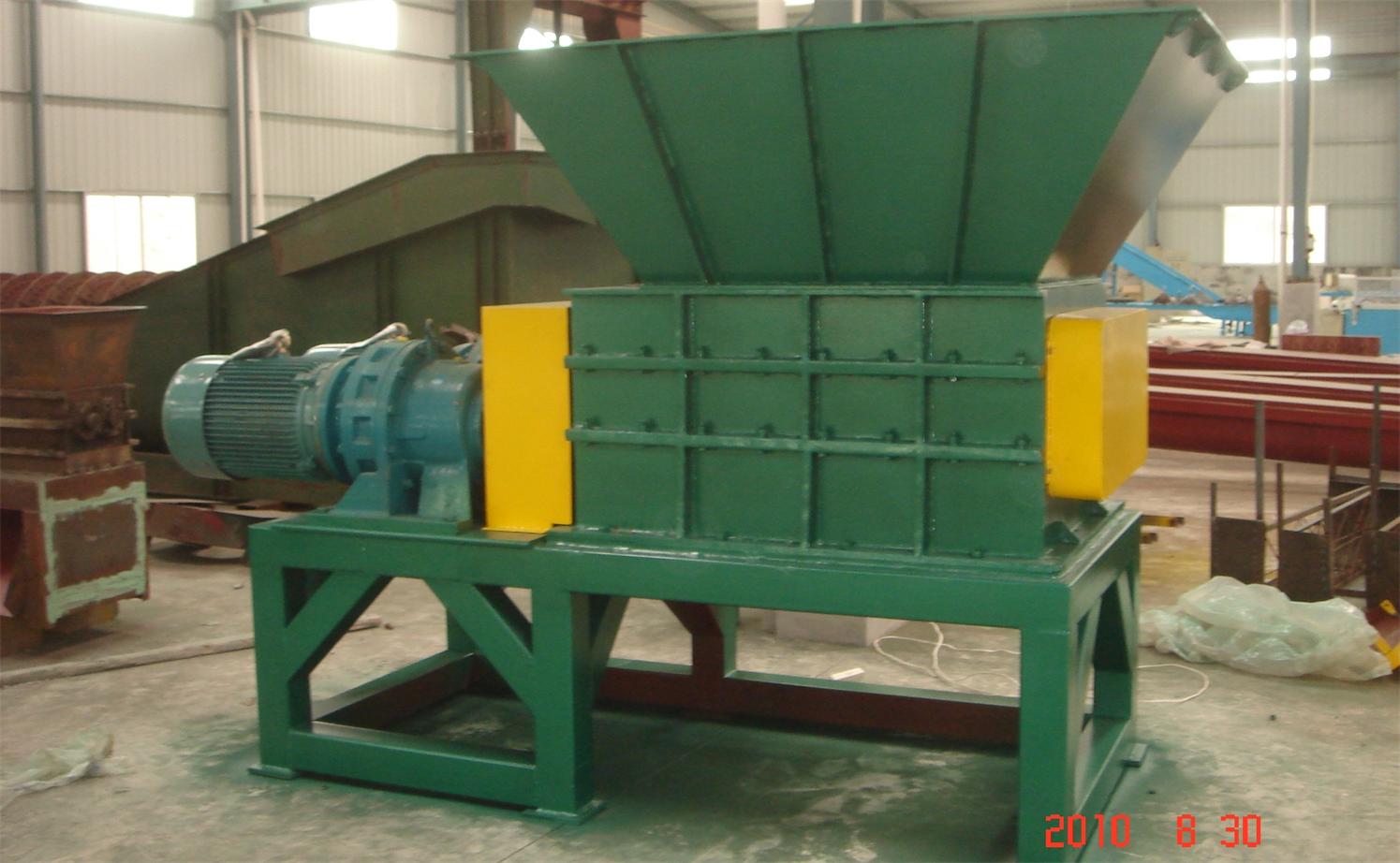
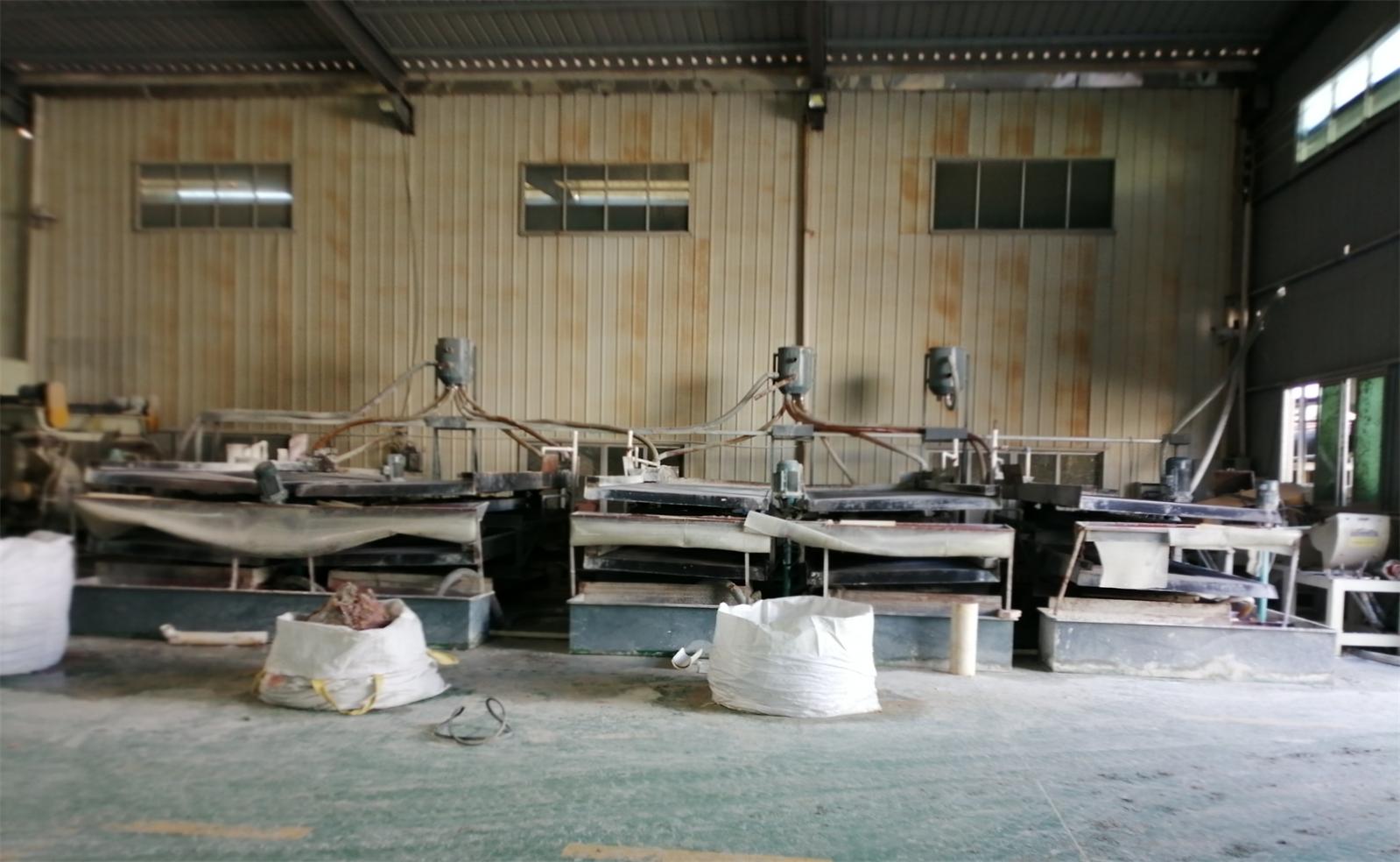
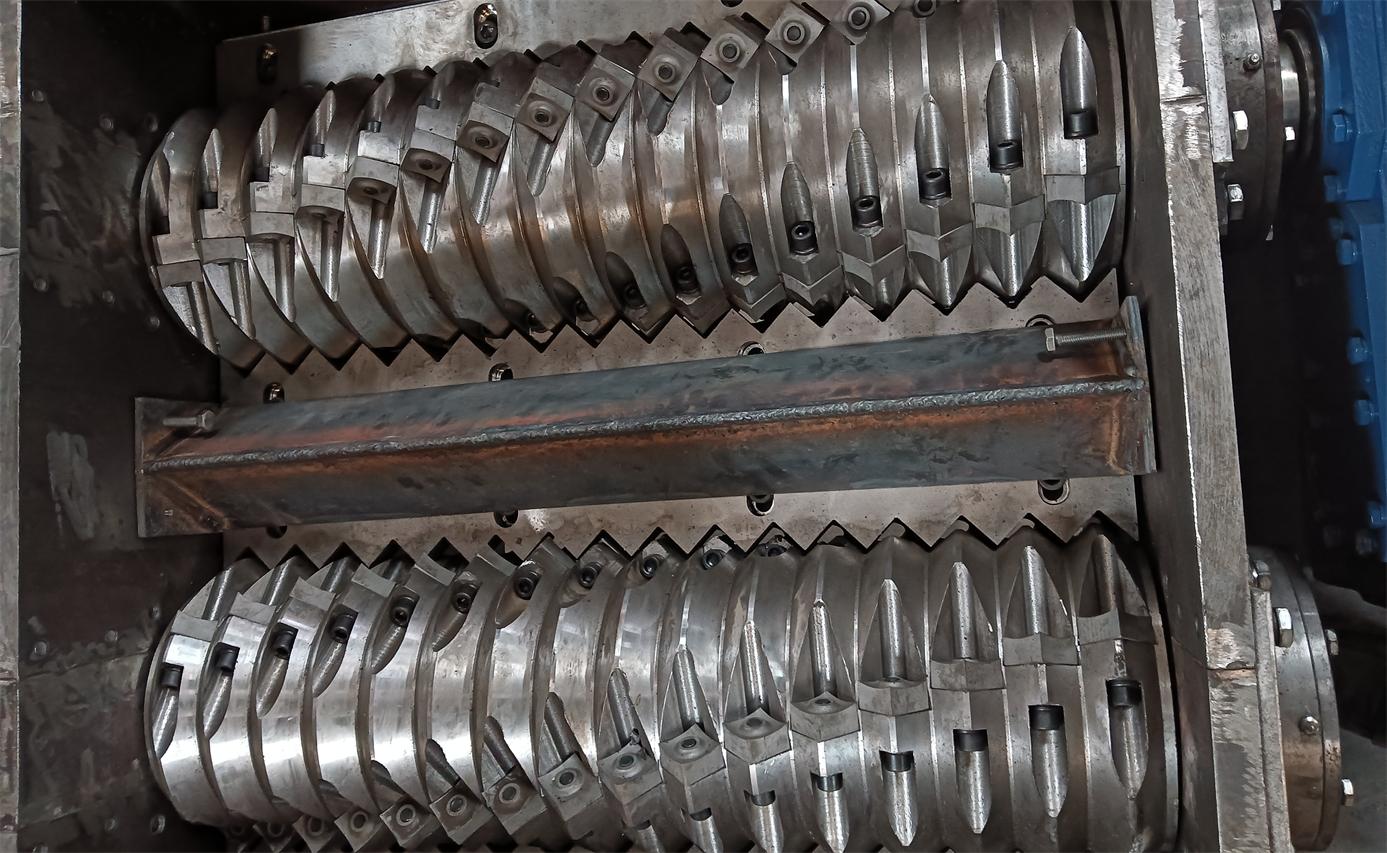
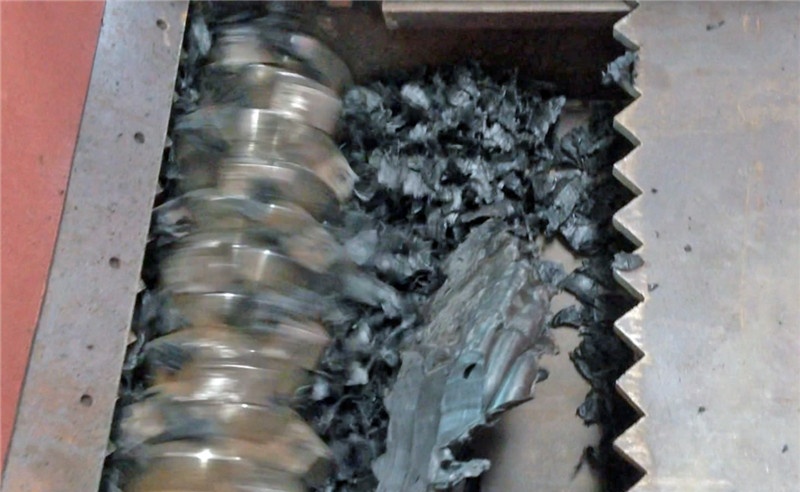
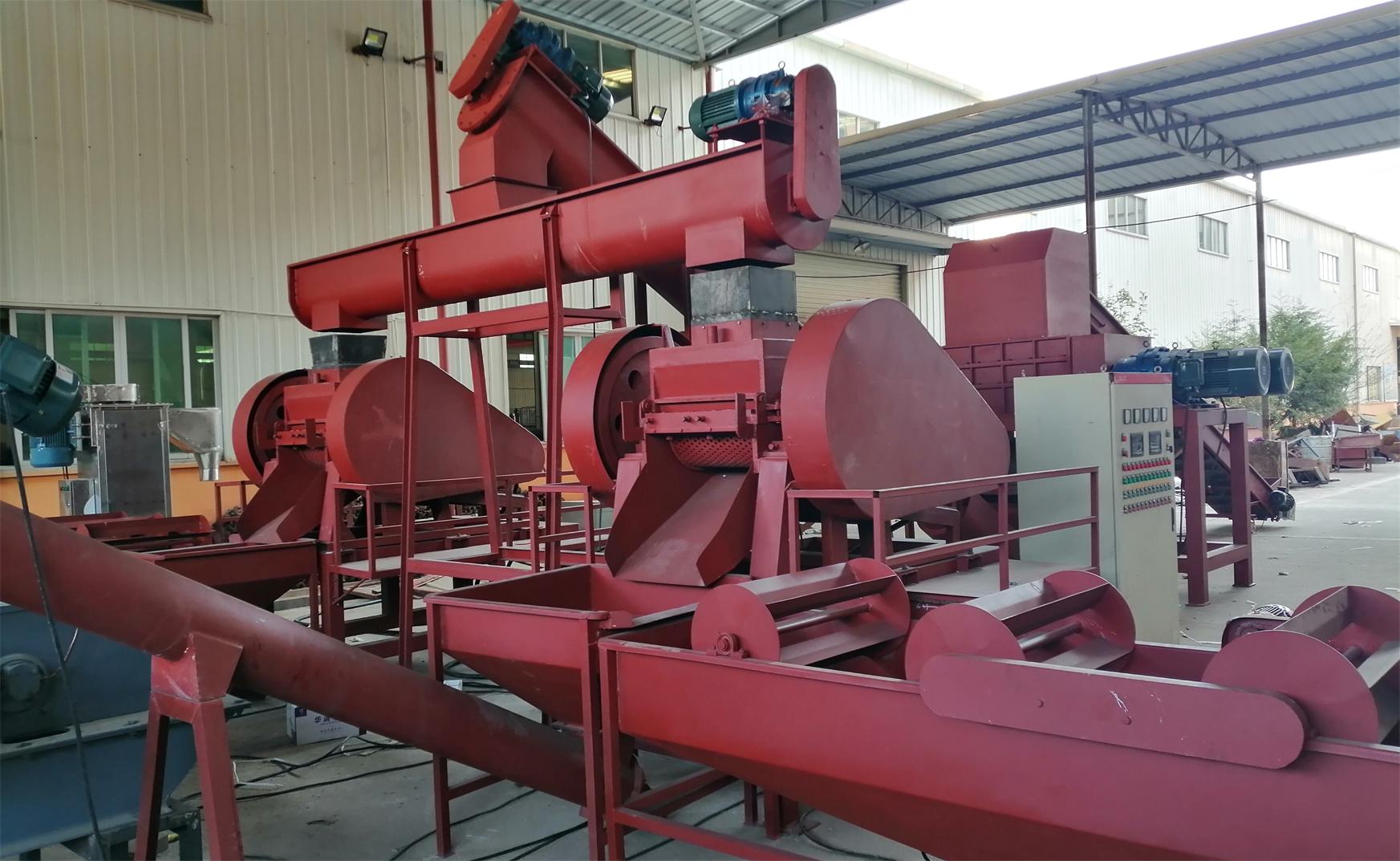
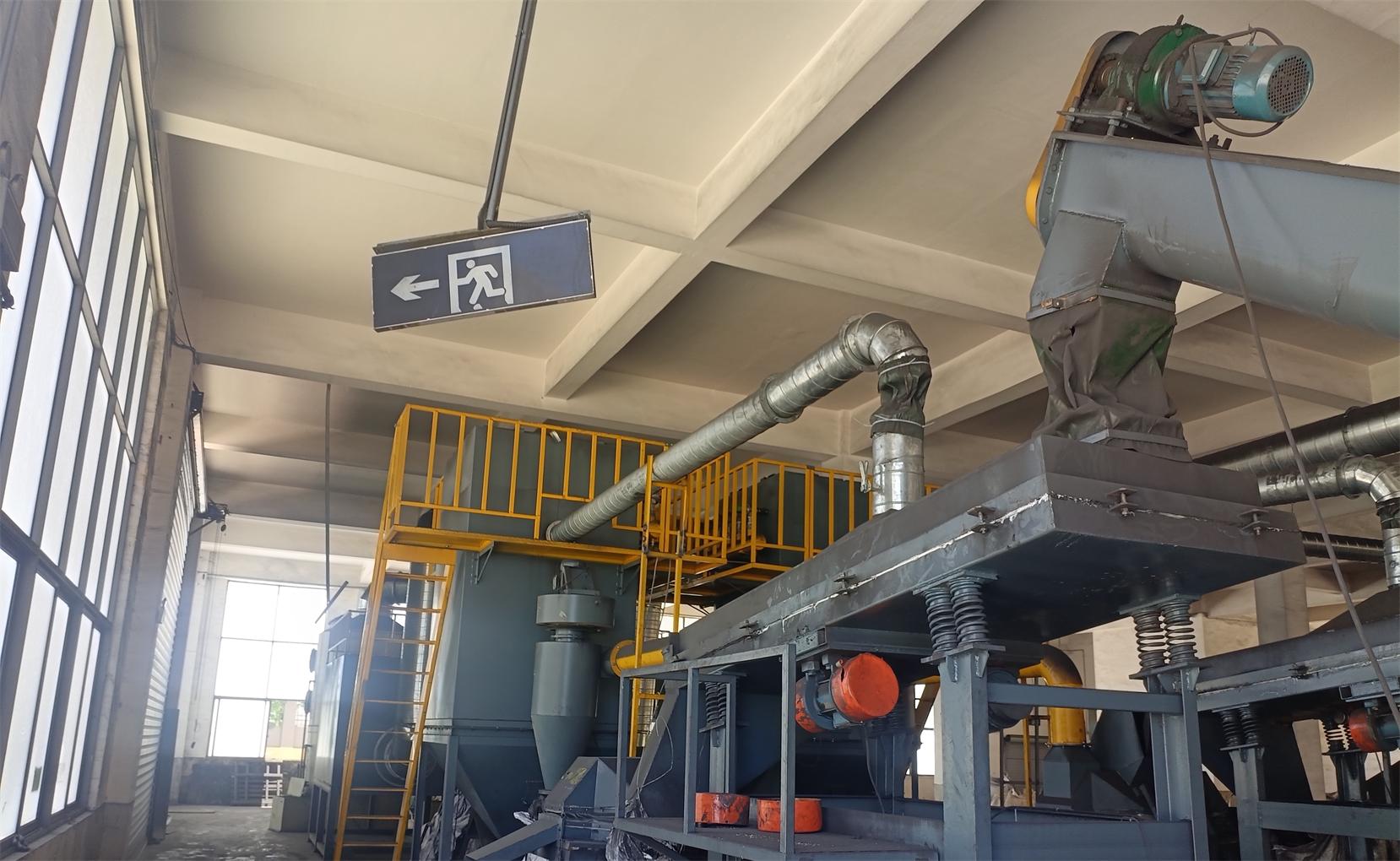
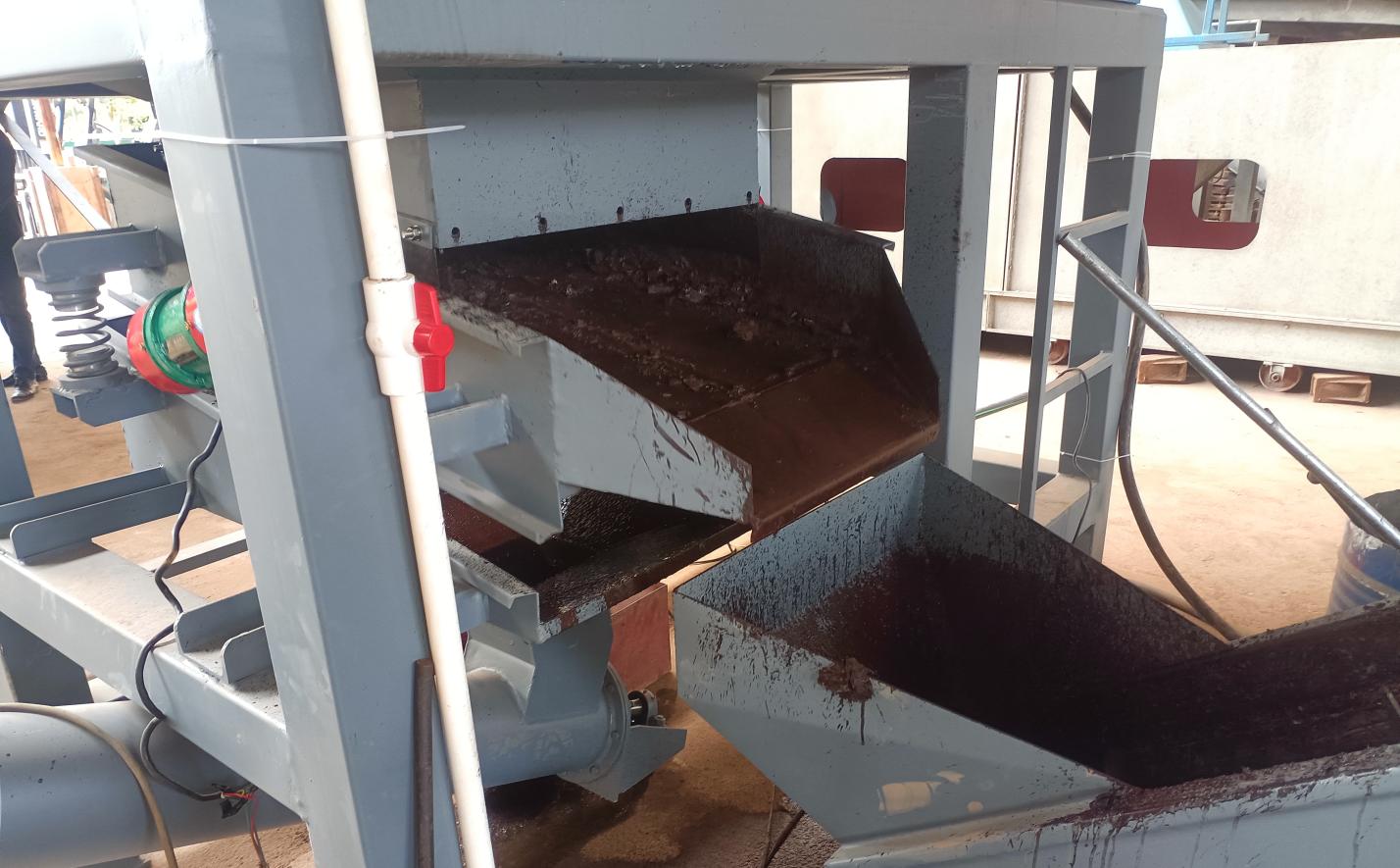
The drained batteries then enter a four-shaft shredder that reduces them to 4–6 cm fragments. These fragments pass through a water-based separation circuit: a vibrating screen removes fine lead paste, a granulator further sizes the material, and a water-shaking table separates the heavy lead-antimony grids from the lighter polypropylene plastic and ebonite rubber.
The result is four clean output streams: lead paste, lead grids, PP plastic, and hard rubber. Each stream follows its own processing path, which is why separation quality directly determines overall plant yield.
Stage 2: Paste Desulfurization
Lead paste contains lead sulfate (PbSO₄), lead oxide (PbO), and metallic lead. Before smelting, the sulfate must be removed. A desulfurization unit treats the paste, converting the sulfur content into a form that can be safely handled. This step reduces SO₂ emissions during smelting and lowers the energy required for reduction.
Stage 3: Smelting and Reduction
The desulfurized paste goes to a rotary furnace or blast furnace for reduction to crude metallic lead. Meanwhile, the separated lead grids—already in metallic form—bypass the high-temperature reduction furnace and go directly to refining. This separation of streams saves significant energy, because grid melting operates at under 500°C, while paste reduction requires far higher temperatures.
Stage 4: Lead Refining
Crude lead from both streams is refined in a kettle furnace to produce lead ingot with purity up to 99.999%. San Lan offers both fuel-fired and electric heated refinery kettles. The electric type uses near-infrared heating and can reduce energy consumption by 30–50% compared to conventional fuel heating.
Stage 5: Emission and Effluent Control
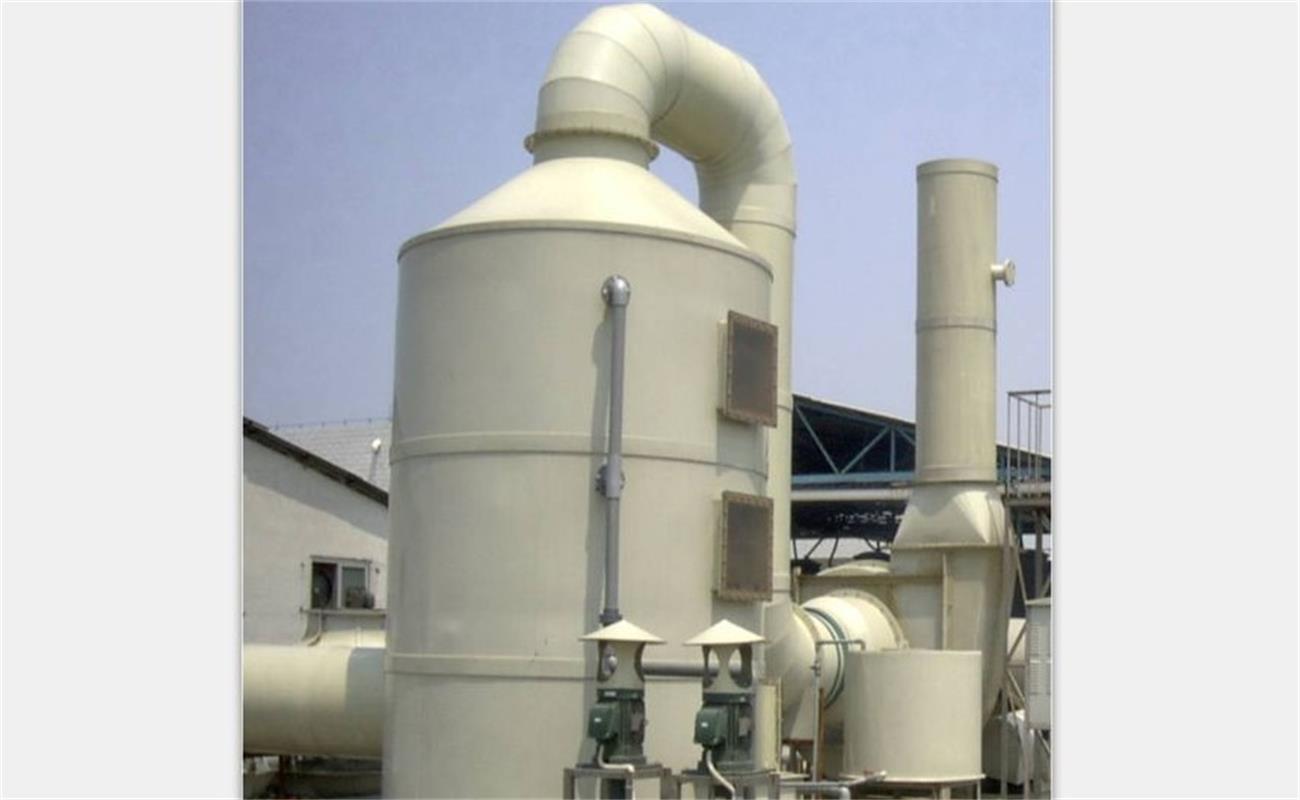
Throughout the process, an air pollution control system captures and neutralizes furnace off-gases. A water treatment plant cleans process water for recirculation, and an acid neutralization system handles the sulfuric acid collected during the cutting stage. These systems are not optional add-ons; they are integral to maintaining continuous operation within environmental permit limits.
Core Equipment for a Turn-Key Plant
San Lan manufactures the full equipment set for capacities ranging from 1 ton per hour to 10 tons per hour. A typical plant includes:
- Hydraulic lead battery cutter for safe sectioning and acid drainage
- Four-shaft shredder for primary size reduction
- Vibrating screen and granulator for secondary sizing
- Water separation system with shaking tables for density-based sorting
- Filter press for dewatering lead paste from slurry
- Desulfurization unit for sulfate removal before smelting
- Rotary furnace or blast furnace for paste reduction
- Lead refinery kettle furnace for producing battery-grade lead
- Air pollution control system for gas scrubbing and particulate capture
- Effluent treatment plant for closed-loop water management
All equipment is designed as an integrated system rather than standalone machines. This matters because feed rates, material balances, and emission loads must match across the line. A shredder that outputs faster than the separation circuit can handle, or a furnace that generates more gas than the pollution control system can treat, creates expensive retrofit work.
Beyond Batteries: Cable and Circuit Board Recycling
Many recycling operations handle mixed e-waste streams. San Lan supplies complementary equipment lines for these materials.
For operations taking in wire and cable scrap, cable recycling equipment granulates the material and separates copper or aluminum from plastic insulation through dry or wet separation. Output is clean metal granule and separated plastic, both ready for direct sale to smelters or compounders.
For printed circuit board waste, circuit board recycling equipment recovers copper powder with 96–98% purity, along with precious metal concentrates. Both wet and dry separation configurations are available, depending on local water availability and environmental rules.
Running multiple lines on a single site allows operators to diversify feedstock, keep equipment utilization high, and build more resilient revenue streams.
What Experience Looks Like in Practice
San Lan's equipment operates in India, Colombia, Singapore, Vietnam, Mexico, South Africa, Saudi Arabia, and the Philippines, among other markets. Two reference installations illustrate the range:
India Installation (2013): A stainless-steel lead acid battery breaking and separating plant with 2,000–3,000 kg/hour capacity, still in continuous operation after more than a decade.
Colombia Installation (2017): A matching-capacity unit handling similar throughput with comparable uptime in a different climate and regulatory environment.
Stainless steel construction is specified for the breaking and separation section because the acidic environment inside a battery recycling plant corrodes standard carbon steel rapidly. The higher initial material cost pays back through extended equipment life and reduced maintenance shutdowns.
Engineering Support, Not Just Equipment Sales
San Lan's team includes mechanical engineers with master's degrees and over 15 years of direct experience in e-waste recycling machinery. This technical depth shows up in practical ways:
- EPC project delivery: full engineering, procurement, and construction management from layout design through commissioning
- Customized design: equipment sizing and configuration matched to local raw material characteristics and regulatory requirements
- Feedstock and offtake assistance: help sourcing used batteries, cable scrap, and PCB waste; help selling copper rice, lead ingots, and separated plastics
- Training and commissioning: operator training and performance testing before handover
The company also offers bilingual project management in English and Chinese, which simplifies communication for international clients working with Chinese manufacturing sources.
How to Evaluate a Recycling Equipment Supplier
If you are comparing equipment quotes, consider these specific checkpoints:
- Does the quoted line include acid drainage and collection? Handling full batteries without safe acid removal is a regulatory and safety liability.
- Are the separation stages sized for the shredder output? A common mismatch is an oversized shredder feeding an undersized separation circuit.
- Is the pollution control system designed for the specific furnace type and capacity? Gas volumes and compositions differ significantly between rotary and blast furnaces.
- Are material recovery rates guaranteed in writing? Without documented performance data, yield claims are difficult to enforce.
- Can the supplier reference plants operating in similar regulatory environments? Emission standards and electrical specifications vary by country.
San Lan provides documented process flows, performance specifications, and reference site contacts for qualified buyers.
Next Step: Define Your Project Parameters
Building a recycling plant starts with three numbers: expected feedstock volume per year, target output products, and available budget range. With these, San Lan can prepare a preliminary equipment list, layout drawing, and investment estimate.
Contact the technical team directly to discuss your project.
Email: curbing888@hotmail.com | info@san-lan.com
WhatsApp: +86 139 2377 4083
Website: www.san-lan.com