The global transition toward electric mobility and renewable energy storage has created an unprecedented surge in battery production. With this growth comes a critical challenge: what happens when these batteries reach end-of-life? The answer is driving one of the fastest-expanding sectors in the recycling industry — battery recycling. For entrepreneurs and established waste management companies alike, investing in the right lead acid battery breaking and separating plant or lithium-ion recovery line is no longer optional; it is a strategic imperative.
This guide walks through the core processes, equipment requirements, and supplier selection criteria for building a profitable battery recycling operation anywhere in the world.
Lead-acid batteries have powered vehicles and backup systems for over a century, and they remain the dominant chemistry in automotive starting-lighting-ignition (SLI) applications and industrial uninterruptible power supplies. Every year, millions of tonnes of used lead-acid batteries (ULAB) are generated globally. Meanwhile, lithium-ion batteries are experiencing explosive growth driven by electric vehicles, consumer electronics, and grid-scale storage. Both chemistries contain valuable recoverable materials — lead, lithium, cobalt, nickel, copper, and aluminum — that command strong prices in commodity markets.
Regulatory pressure is also accelerating formal recycling adoption. Extended producer responsibility (EPR) frameworks, hazardous waste handling rules, and environmental compliance mandates are pushing informal operators out and creating market share for licensed, mechanized recycling facilities. The operators who move first with properly engineered plants will capture this formal-channel demand.
Lead-acid recycling is a mature, well-understood industrial process. A complete plant typically follows these stages: battery cutting, breaking and separation, paste desulfurization, smelting or reduction, refining, and environmental control. The goal is to recover lead ingots, polypropylene plastic granules, and sulfuric acid or neutralized effluent.
- Cutting: Used batteries are cut open to drain acid and expose internal components.
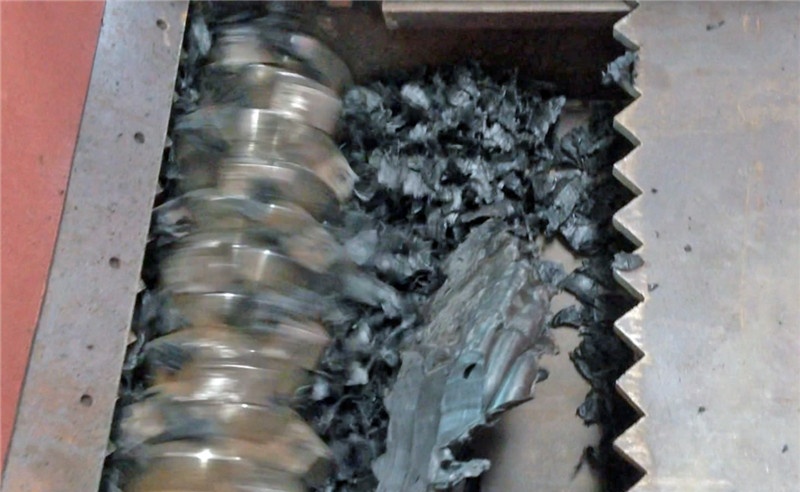
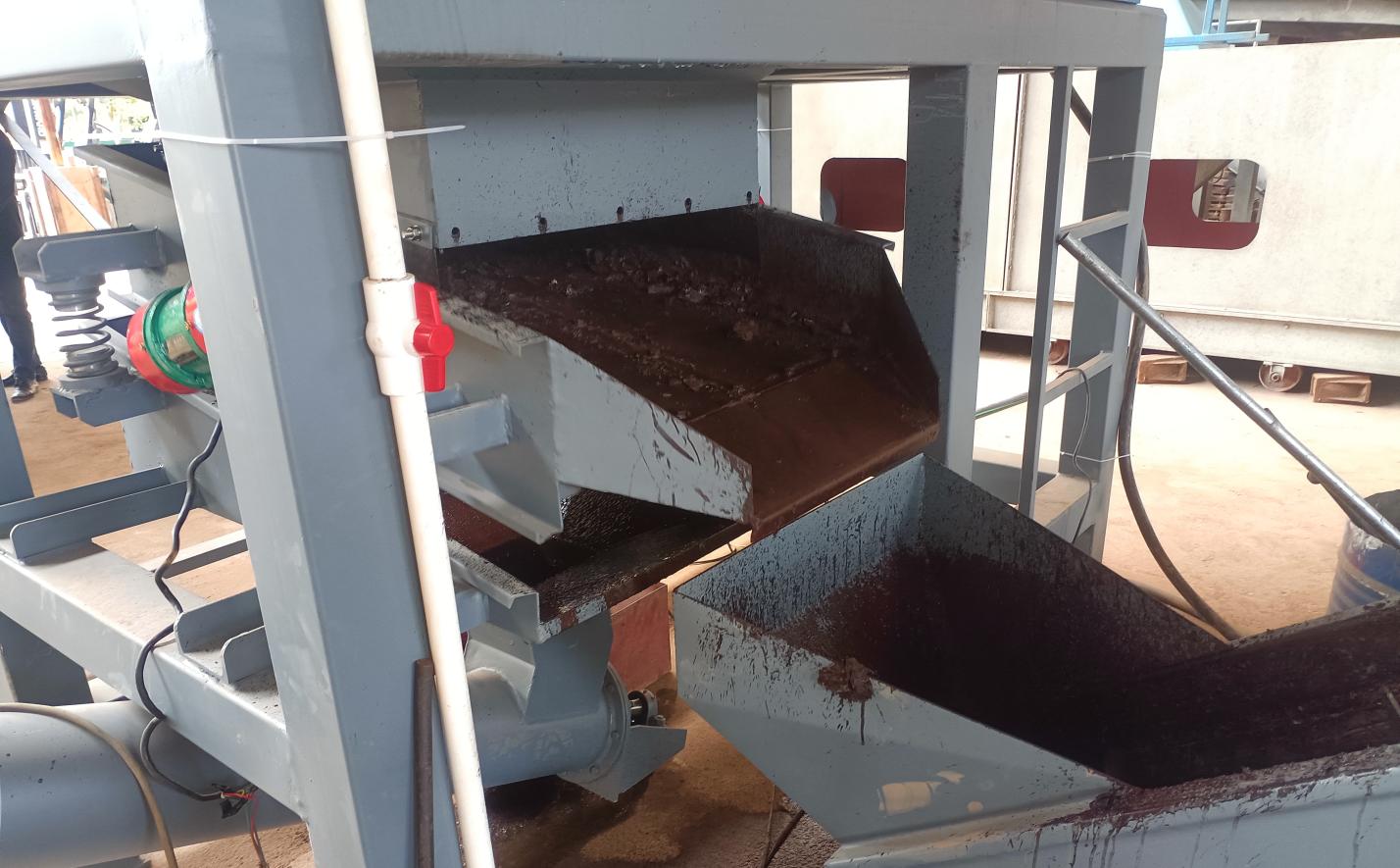
- Breaking & Separation: Batteries are crushed and separated into lead paste, lead grids, plastic shells, and hard rubber.
- Desulfurization: Lead sulfate (PbSO4) is chemically treated to reduce sulfur content, lowering smelting temperature and SO2 emissions.
- Smelting: Lead paste is reduced in a rotary furnace or blast furnace to produce crude metallic lead.
- Refining: Crude lead is refined in a kettle furnace to 99.999% pure lead ingot.
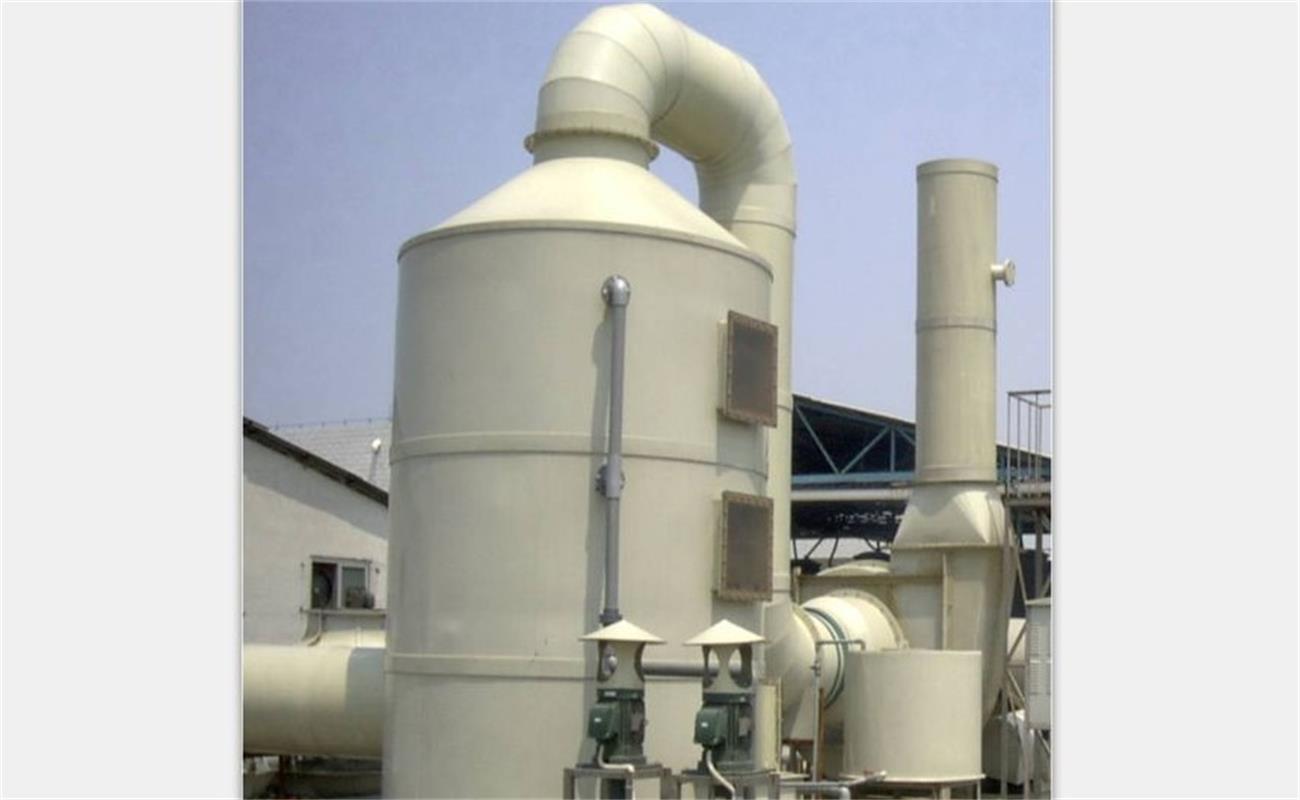
- Pollution Control: Air pollution control systems and water treatment plants ensure emissions meet environmental standards.
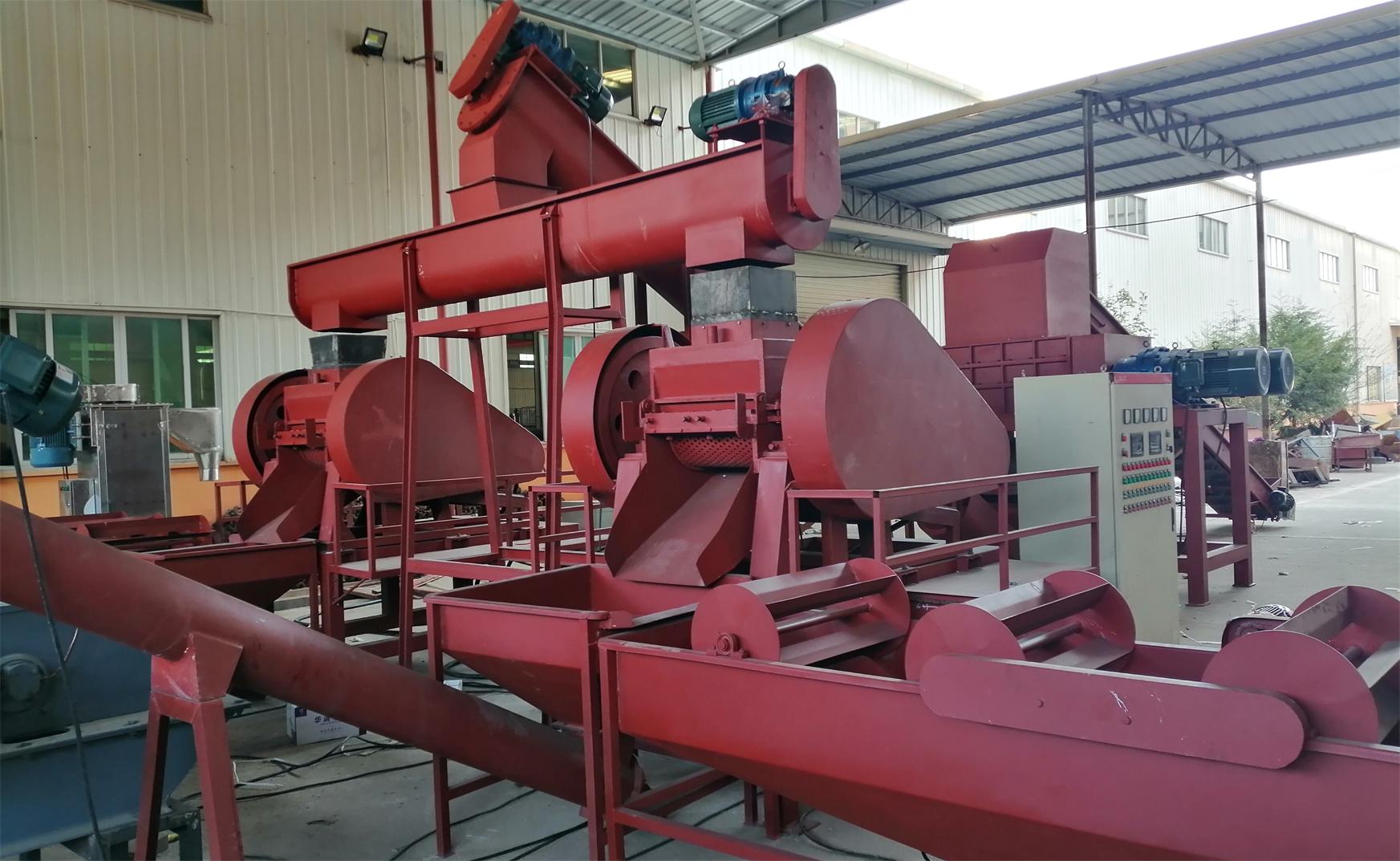
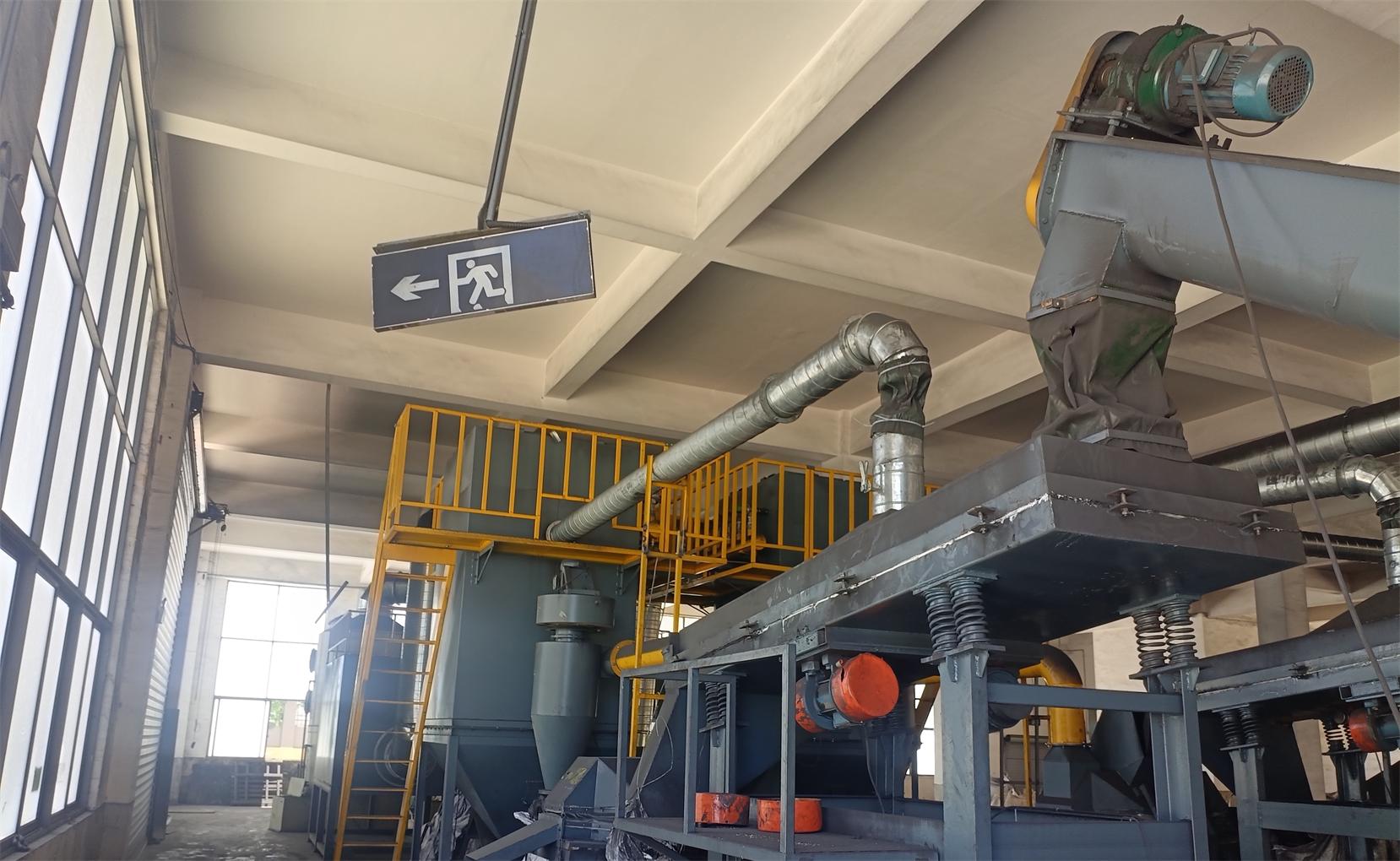
Modern lead acid battery breaking and separating plant equipment can process 1–10 metric tonnes per hour. Advanced systems separate the four output streams — lead grid, lead paste, PVC/PP plastic, and hard rubber — with high purity, minimizing downstream processing costs. Recovery rates for lead can reach 95% in well-designed blast furnace systems, and electric heated refinery kettles can reduce energy consumption by 30–50% compared to traditional fuel-fired units.
| Equipment | Function | Typical Specs |
|---|---|---|
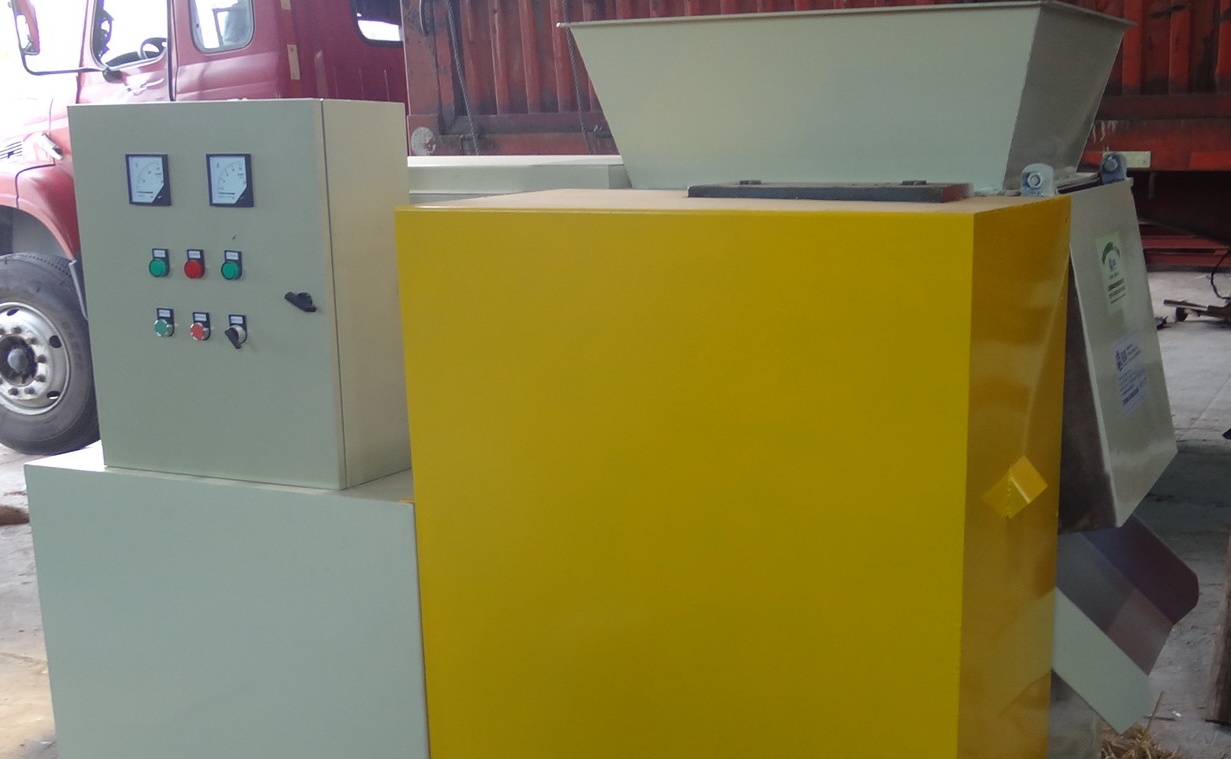
| Battery Cutter | Opens batteries and drains acid | 45 sec/piece, HRC 56–62 blade hardness |
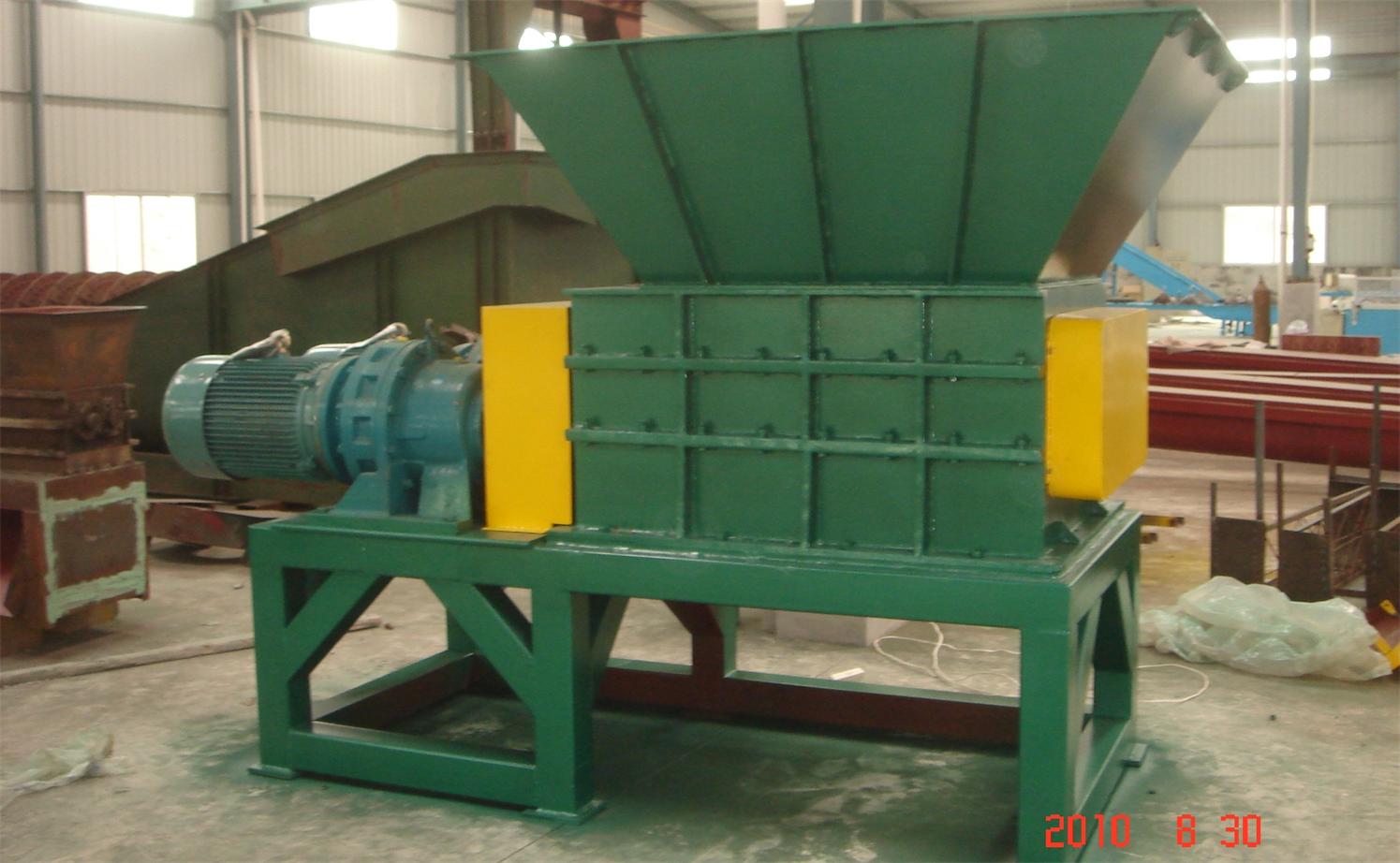
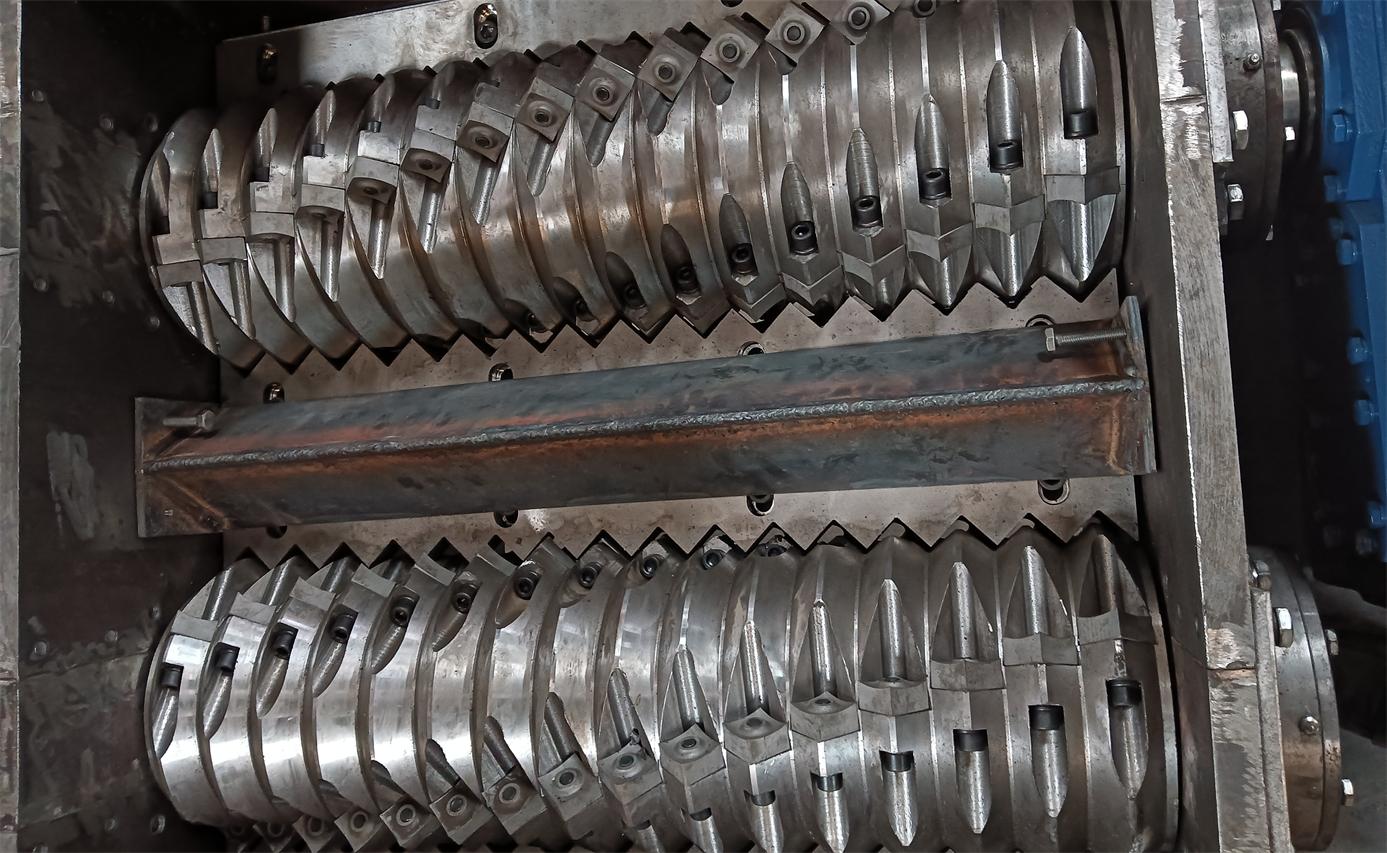
| Breaking & Separating System | Crushes and classifies components | 1–10 MT/hour capacity |
| Desulfurization Unit | Removes sulfur from lead paste | Reduces SO2 emission, saves energy |
| Rotary Furnace | Reduces paste to crude lead | 2–20 MT/batch, higher recovery than blast furnace |
| Blast Furnace | Extracts lead from paste | 40–100 MT/24h, max 1800°C, 95% recovery |
| Refinery Kettle | Refines crude lead to 99.999% | Natural gas/diesel or electric heated |
| Air Pollution Control | Purifies exhaust gases | Meets environmental requirements |
Lithium-ion battery recycling is more complex than lead-acid due to the variety of cell chemistries (NCM, LFP, LCO) and the fire risk associated with charged batteries. The standard mechanical process involves discharge, pre-crushing, secondary granulation, magnetic separation, and air separation to recover black mass (containing nickel, cobalt, graphite), plastic film, copper, and aluminum.
A complete lithium battery recycling plant with 500–2,500 kg/hour capacity typically includes:
- Discharging station for safe cell de-energization
- Pre-crusher and secondary granulator
- Magnetic separator for iron and steel removal
- Air separator and cyclone for black powder recovery
- Plastic pneumatic conveying system
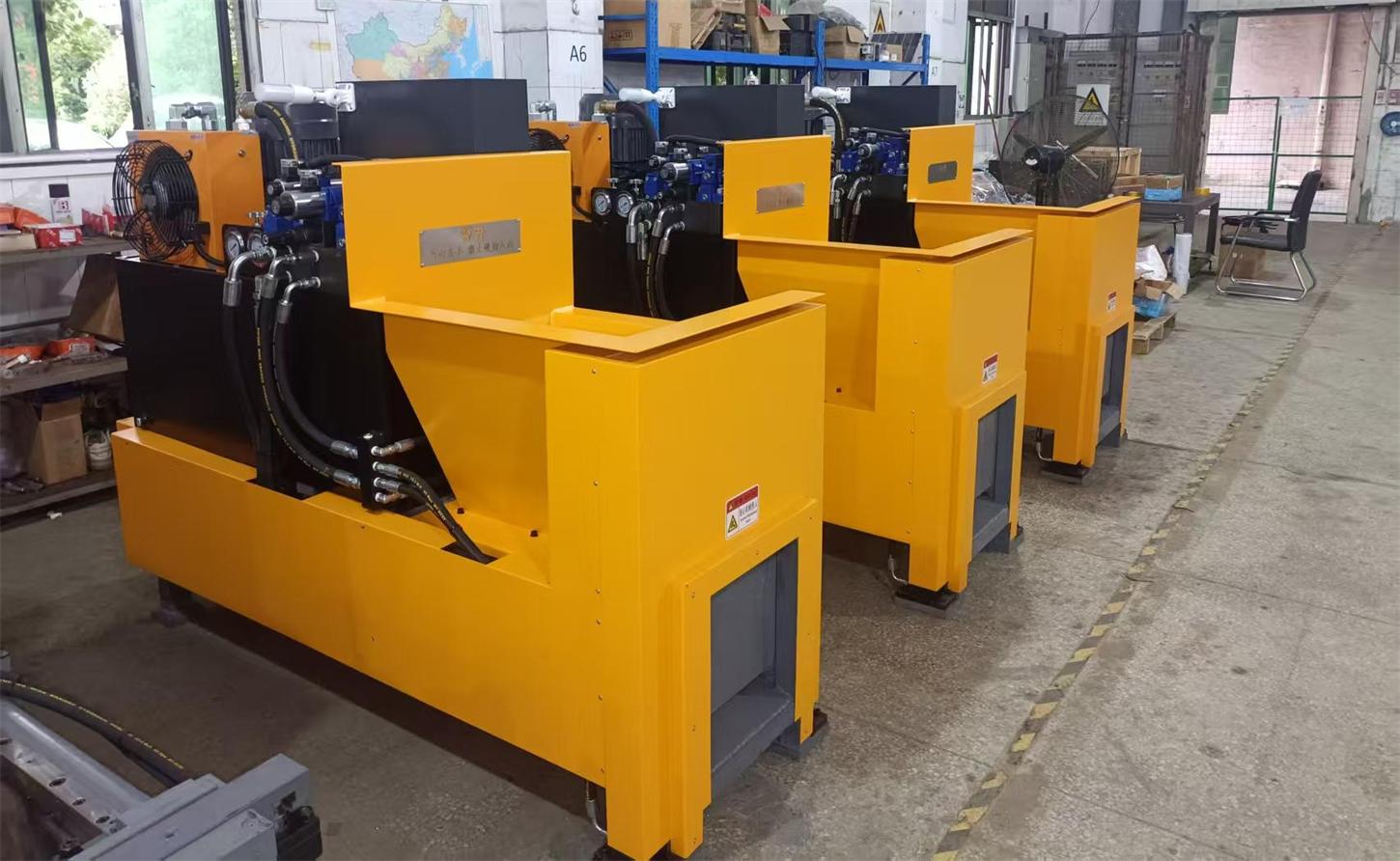
- Hydraulic briquetter for plastic film compaction (10:1 volume reduction)
- Air pollution control system for neutralizing harmful gases
The recovered black mass is the primary value driver. Depending on input chemistry, it contains 5–12% cobalt, 15–25% nickel, and recoverable lithium carbonate equivalent. Plants that add hydrometallurgical refining (leaching, solvent extraction, precipitation) can capture significantly more margin per tonne than mechanical-only operations. However, the higher capital expenditure and technical complexity mean most new entrants begin with mechanical separation and partner with downstream refiners for black mass offtake.
Many battery recycling entrepreneurs source their feedstock through e-waste collection channels. Printed circuit boards (PCBs) often arrive alongside batteries in mixed e-waste loads. Rather than treating PCBs as a disposal cost, forward-thinking operators install a circuit board recycling plant to extract copper powder and precious metals as an additional revenue stream.
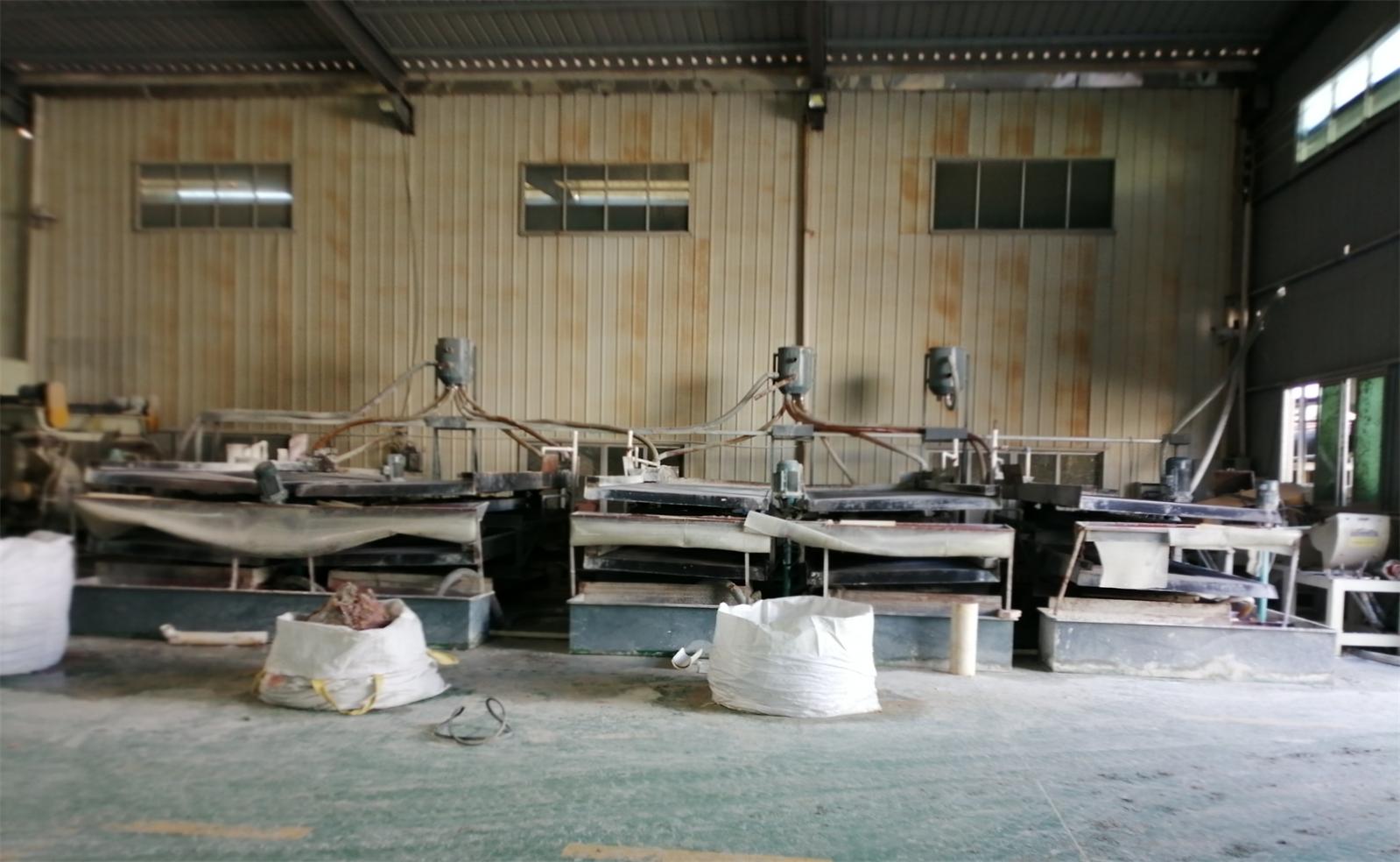
Modern PCB recycling lines use either dry air separation or wet water-metal separation. Dry systems with air separators, vibrating screens, and electrostatic separators achieve copper powder purity of 96–98% with recovery rates around 95%. Wet systems can handle PCB waste with components still attached and typically achieve 1000–2000 kg/hour throughput. Adding PCB processing to a battery recycling facility diversifies revenue and improves overall plant economics.
A critical decision for any new recycling plant is whether to source equipment from multiple vendors or work with a single supplier capable of engineering, procurement, and construction (EPC) turnkey delivery. Piecemeal purchasing may appear cheaper on initial quotes, but it creates integration risks: incompatible control systems, mismatched throughput capacities, gaps in pollution control coverage, and no single party accountable for commissioning.
Turnkey EPC providers offer several advantages:
- Customized design: Layout and equipment selection matched to local feedstock, space constraints, and regulatory requirements.
- Single-point accountability: One vendor responsible for installation, commissioning, and performance.
- One-stop purchasing: Reduced procurement overhead and simplified spare parts management.
- After-sales integration: Unified training, maintenance protocols, and technical support.
Experienced EPC contractors also bring valuable auxiliary services: assistance sourcing waste material (cable scrap, PCB scrap, used batteries), help selling recovered products (copper rice, lead ingot), and even investor introductions for greenfield project financing. These value-added services can be the difference between a plant that reaches steady-state operation in six months versus one that struggles for two years.
Not all equipment manufacturers are equal. When evaluating potential partners for a battery or e-waste recycling plant, consider the following criteria:
- Technical depth: Does the supplier have an in-house engineering team with advanced degrees and multi-year field experience in recycling machinery?
- Project track record: Can they demonstrate successful installations across diverse geographies and regulatory environments?
- Product range breadth: Do they manufacture the full process chain — from shredders and separators to smelters, furnaces, and pollution control — or only isolated machines?
- Compliance capability: Is their equipment designed to meet international emission and safety standards?
- After-sales support: Do they offer installation, commissioning, operator training, and spare parts logistics?
- Language and cultural fluency: Can they communicate effectively in your language and understand your local business context?
Suppliers with 15+ years of specialization in WEEE and e-waste recycling equipment, backed by formal mechanical engineering expertise and a global customer base spanning 20+ countries, typically outperform generalist machinery traders on project outcomes.
Capital requirements vary significantly by chemistry and scale. A small lead-acid dismantling facility with 1–2 tonnes per day capacity typically requires modest equipment investment and can achieve payback within 2.5–4 years if input procurement is disciplined. A mid-scale lithium-ion plant with hydrometallurgical capability demands substantially higher capital but offers commensurately higher margins per kilogram of input.
Working capital is often underestimated. Recycling plants need 60–90 days of input material inventory, and metal prices fluctuate. The most successful operators lock in corporate take-back contracts or collection partnerships before commissioning equipment, ensuring feedstock security from day one.
San Lan Technologies Co., Ltd has been designing and manufacturing WEEE recycling machinery and mining equipment since 2007. With customers in over 21 countries, our product range covers lead acid battery breaking and separating plant, lithium battery recycling plant, circuit board recycling plant, cable recycling systems, shredders, and complete environmental control solutions.
We provide customized EPC project design, one-stop equipment supply, installation and commissioning, and ongoing technical support. Whether you are starting your first lead-acid facility or expanding into lithium-ion black mass recovery, our engineering team is ready to help.
Contact us today to discuss your project requirements and receive a tailored equipment proposal.
Email: info@san-lan.com | WhatsApp: +86 139 2377 4083
Web: www.san-lan.com