Turnkey equipment solutions for turning electronic waste into profitable raw materials
The global surge in electronic waste has created both an environmental challenge and a lucrative business opportunity. With millions of tons of e-waste generated annually, recycling plants are no longer optional—they are essential infrastructure for a sustainable economy. Whether you are processing discarded batteries, obsolete circuit boards, or scrap cables, the right recycling equipment can transform waste into valuable raw materials while ensuring full compliance with environmental regulations.
For entrepreneurs and established recycling companies alike, understanding the available technologies and selecting the right equipment partner is the foundation of a profitable operation. This guide explores the core recycling processes, the machinery involved, and what to look for when building or upgrading your facility.
Lead Acid Battery Recycling: Recovering Lead with High Efficiency
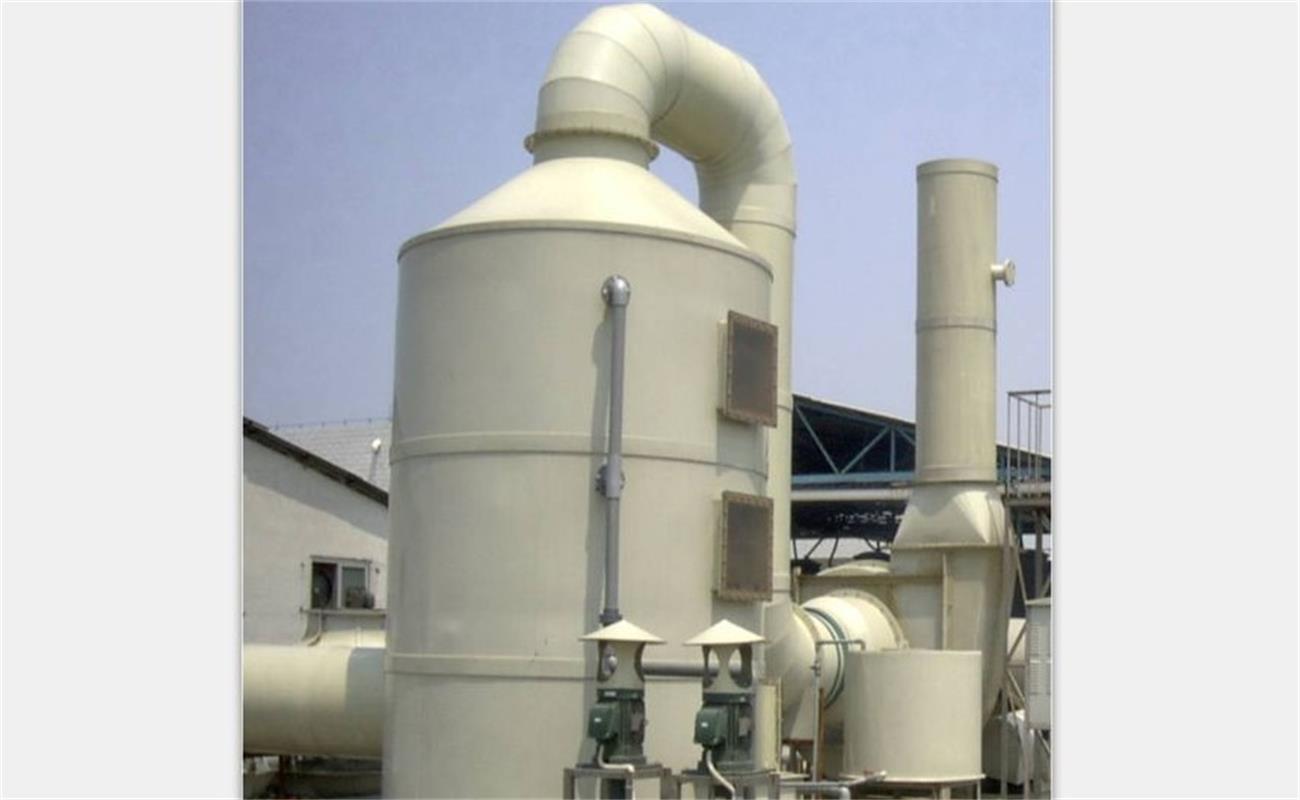
Used lead acid batteries (ULAB) represent one of the most recyclable waste streams, with the vast majority of materials recoverable through proper processing. A complete lead acid battery recycling plant typically includes breaking and separation systems, de-sulfurization units, rotary furnaces for paste reduction, blast furnaces, lead refinery kettles, filter presses, water treatment plants, and air pollution control systems.
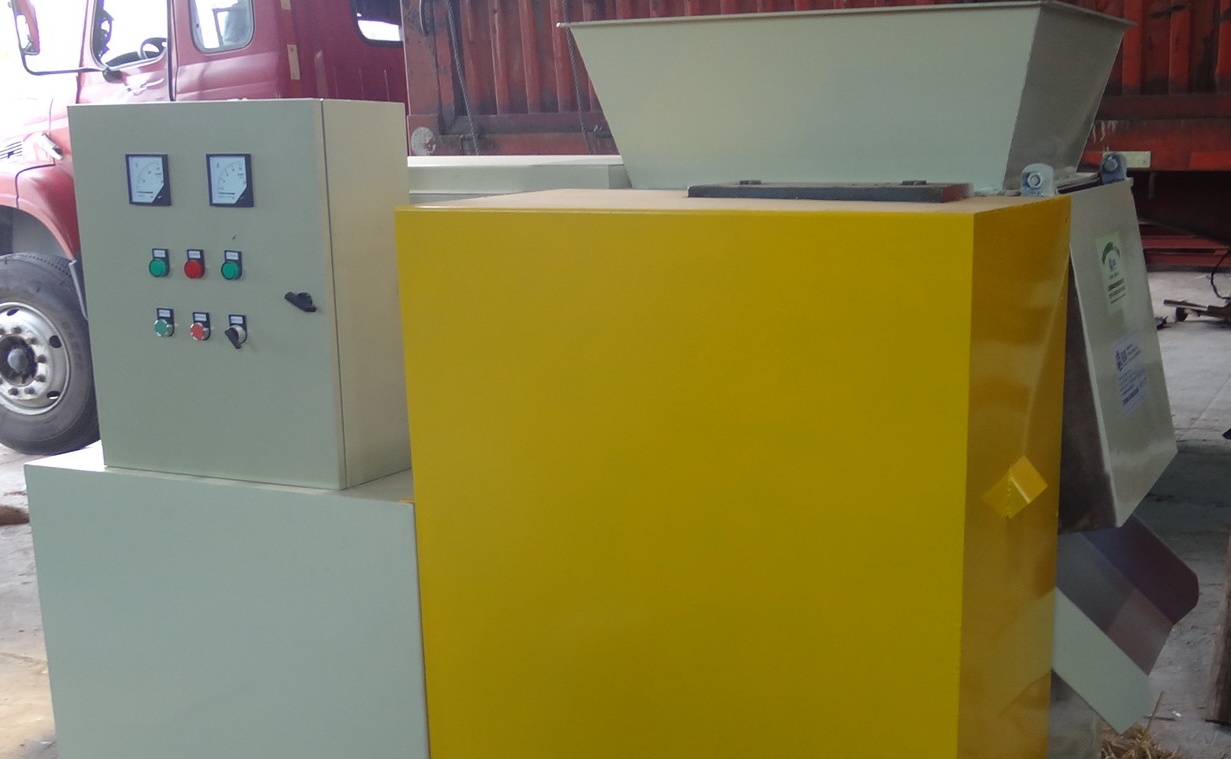
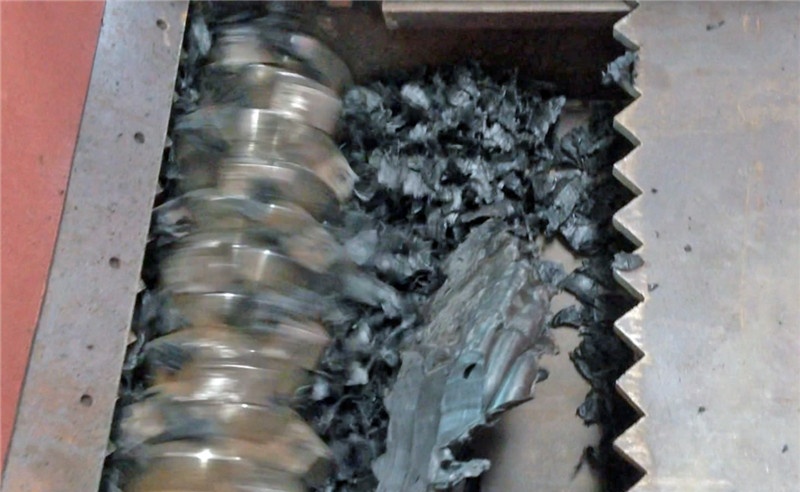
The process begins with a battery cutter that slices batteries into sections and drains the acid. The breaking and separation system then crushes the batteries and classifies the output into lead paste, lead grid, plastic, and hard rubber. The lead paste undergoes de-sulfurization to remove sulfur and reduce melting temperature, which decreases emissions and saves energy. Finally, smelting in rotary or blast furnaces produces crude metallic lead, which is refined to 99.999% purity in refinery kettles.
Key Advantage: Modern rotary furnaces achieve higher lead recovery rates than traditional blast furnaces, while electric lead refinery kettles using near-infrared heating can save 30-50% energy compared to conventional fuel-heated systems.
San Lan Technologies designs lead acid battery recycling plants with capacities ranging from 1 to 10 MT per hour. Their integrated systems separate batteries into four main products—lead grid, lead paste, PVC/PP plastic, and hard rubber—while meeting strict environmental requirements through comprehensive air and water pollution control.
Lithium Battery Recycling: Capturing the EV Revolution
As electric vehicles and consumer electronics proliferate worldwide, lithium-ion battery waste is growing exponentially. Unlike lead acid batteries, lithium batteries require specialized handling due to their chemical composition and fire risks. However, they also contain highly valuable materials including black mass (rich in nickel, cobalt, and graphite), copper, aluminum, and plastic.
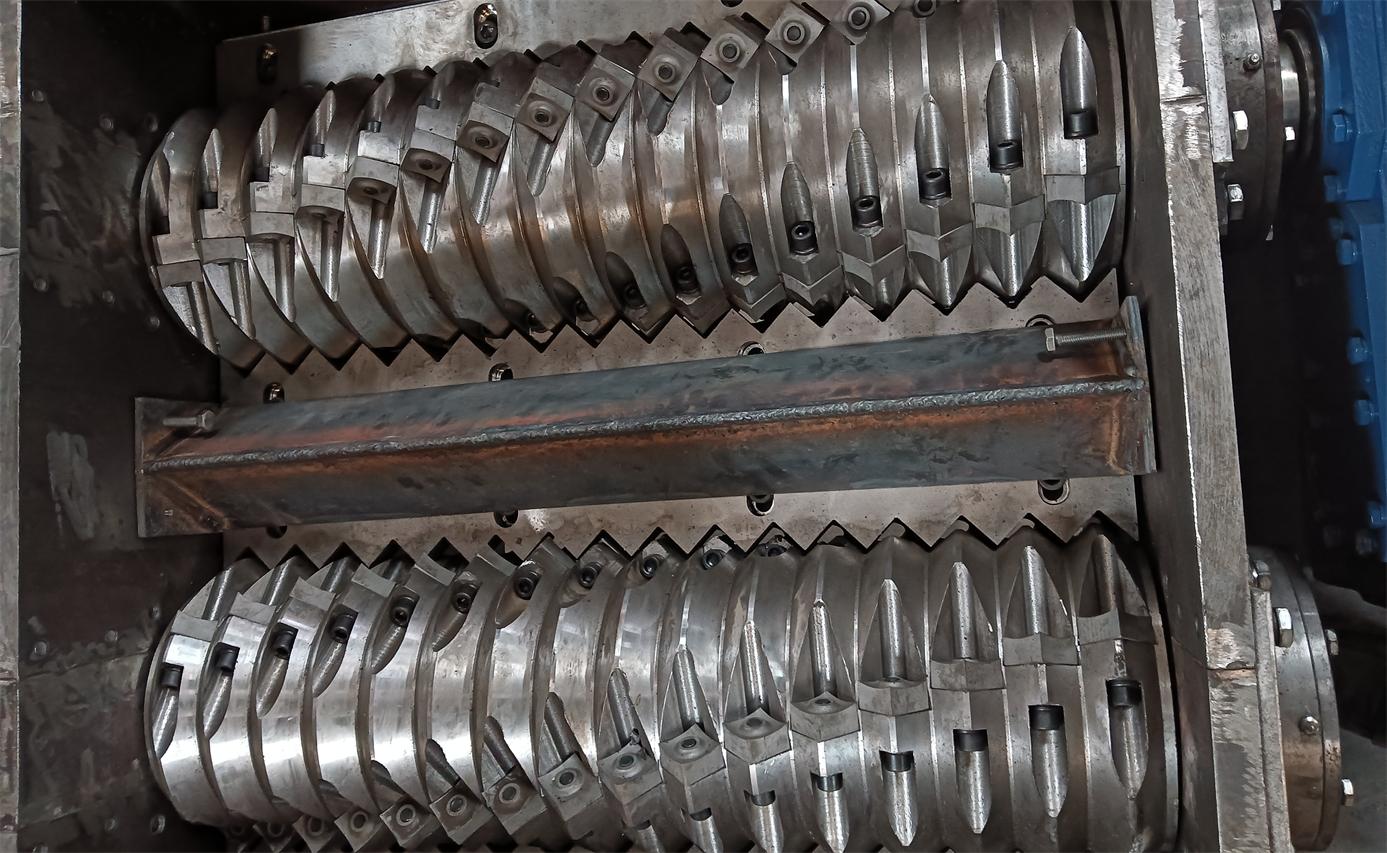
A complete lithium battery recycling plant must include safe discharging stations, pre-crushing equipment, secondary granulation systems, black powder separation units, magnetic separators for iron and steel, and dedicated air pollution control systems. Plastic components are pneumatically conveyed and compressed into blocks for easy transport.
San Lan's lithium battery recycling line processes 500 to 2500 kg per hour, breaking and separating waste lithium batteries into black mass, plastic, copper, and aluminum. The system is equipped with specialized air pollution control to absorb and neutralize harmful gases, ensuring safe operation and regulatory compliance.
Circuit Board Recycling: Unlocking Precious Metal Value
Printed circuit boards (PCBs) are among the most valuable components in electronic waste because they contain copper, gold, silver, and palladium. circuit board recycling equipment uses purely mechanical separation technology—including crushing, grinding, air separation, and electrostatic separation—to recover metals without harmful chemical processing.
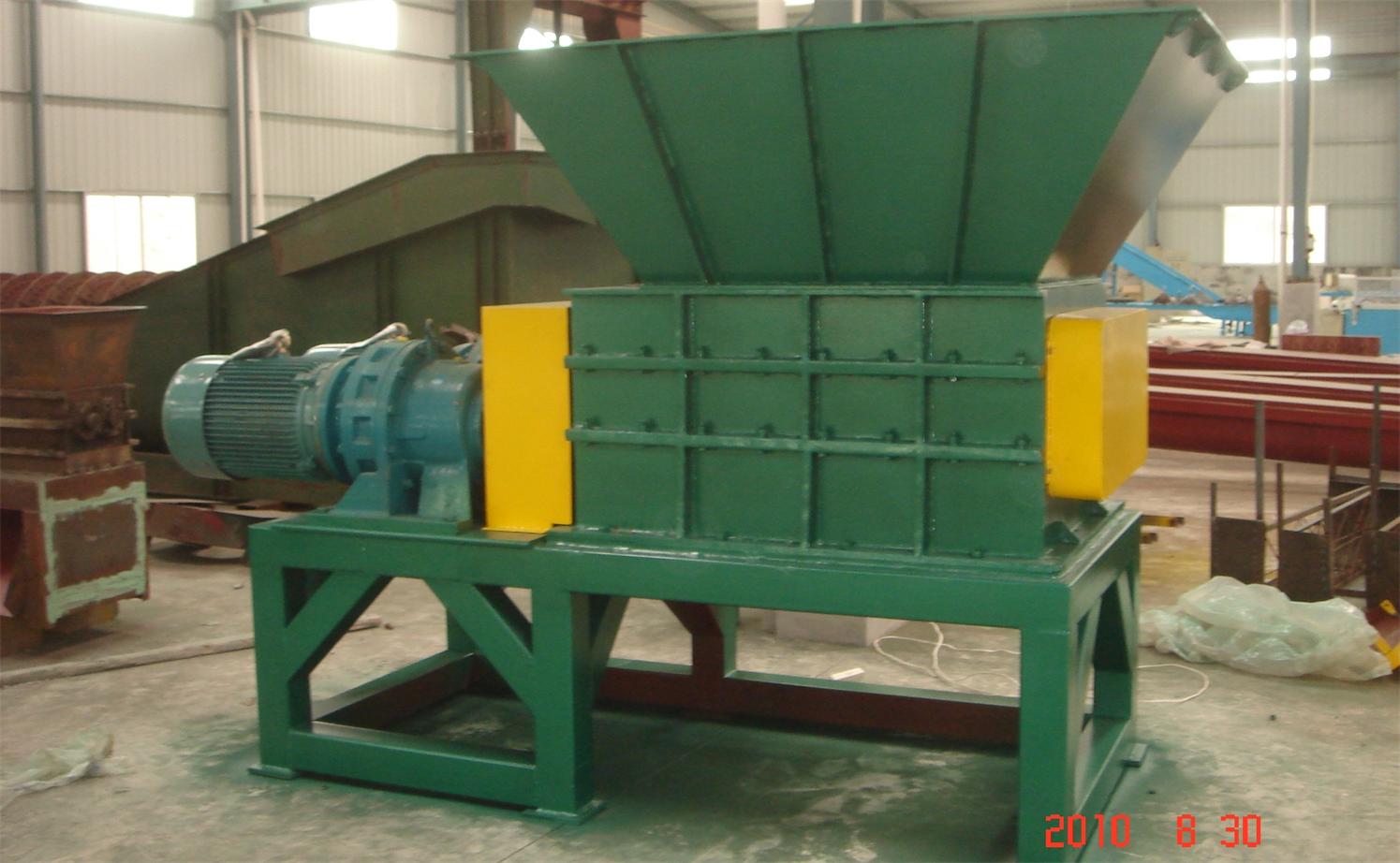
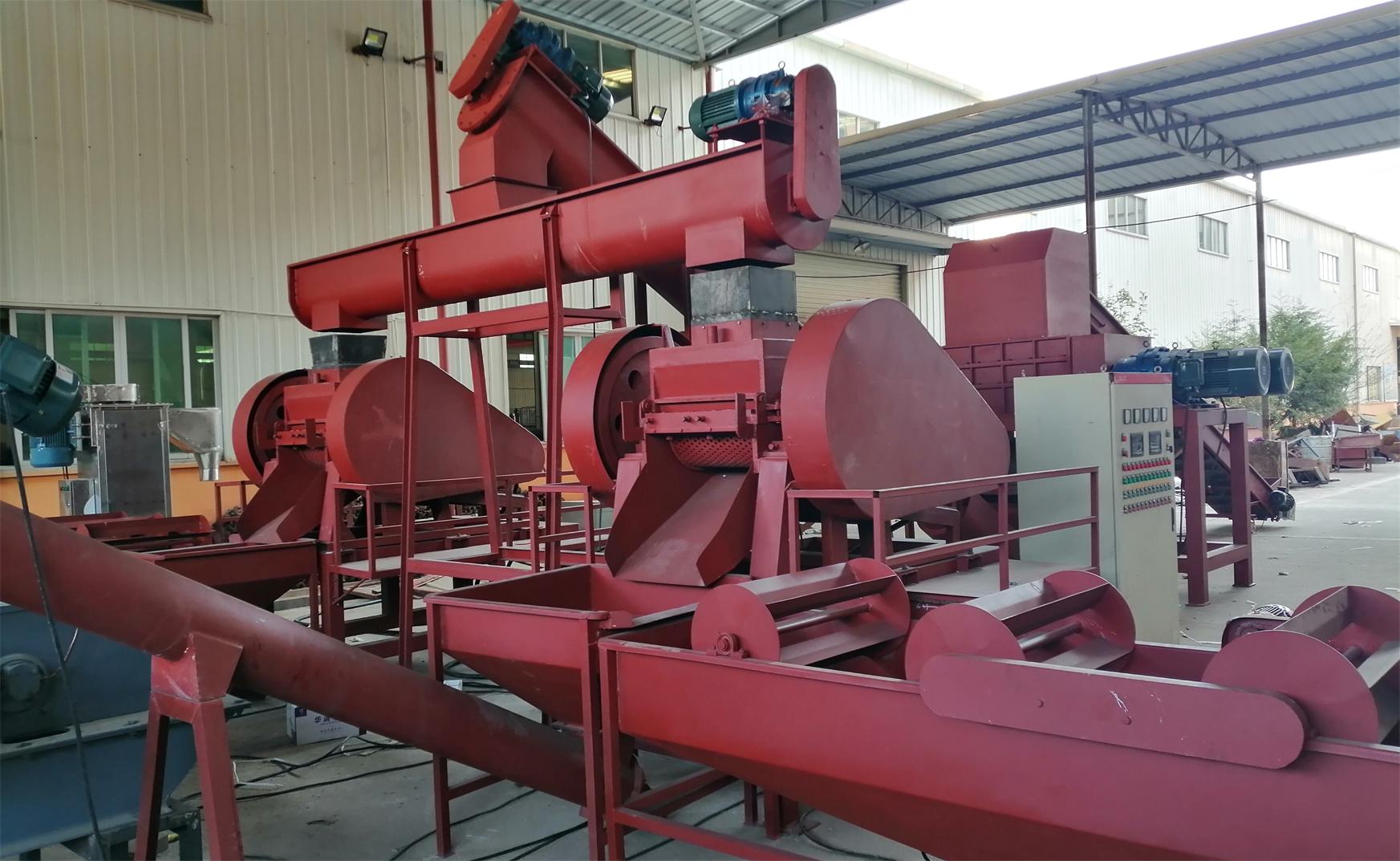
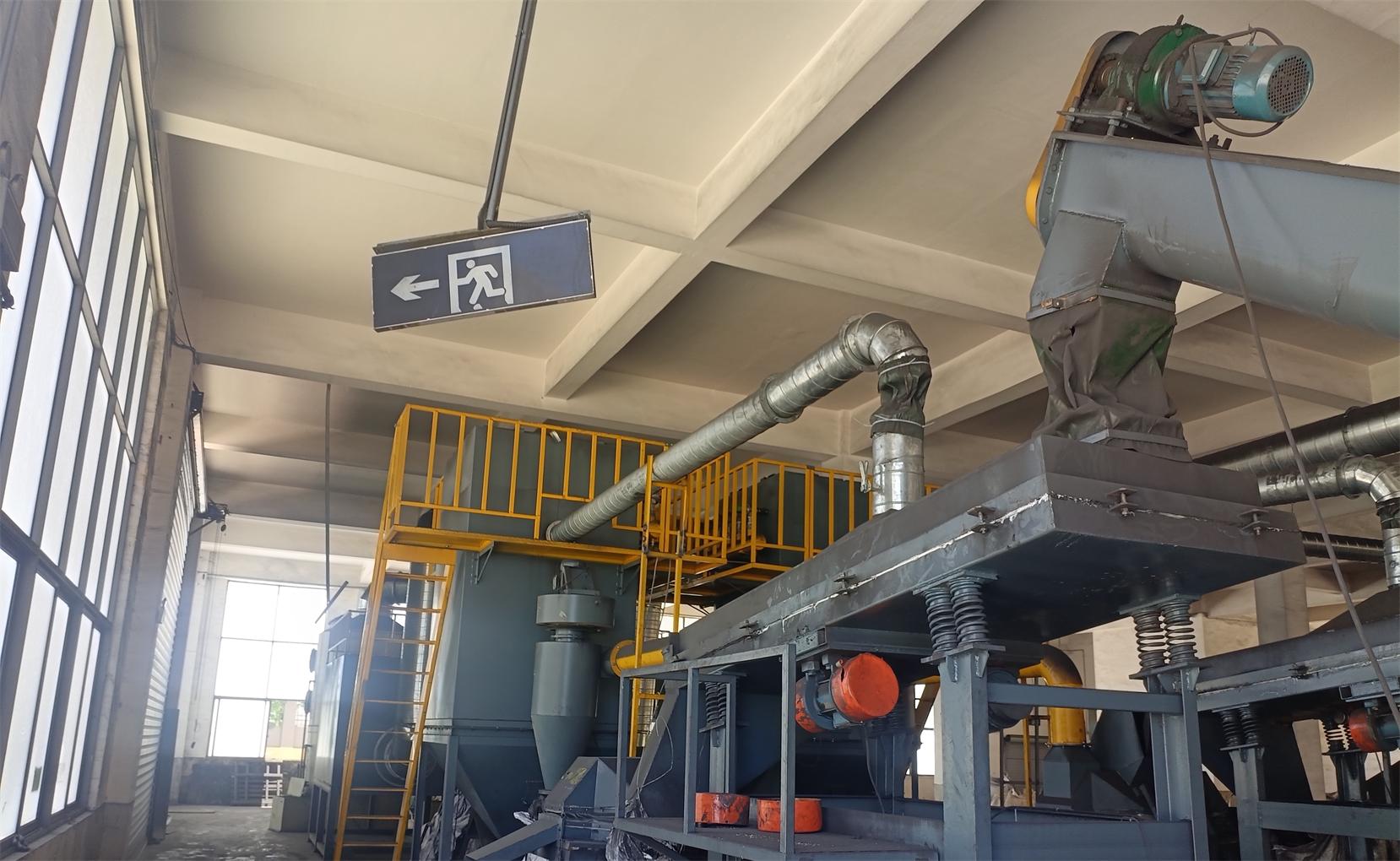
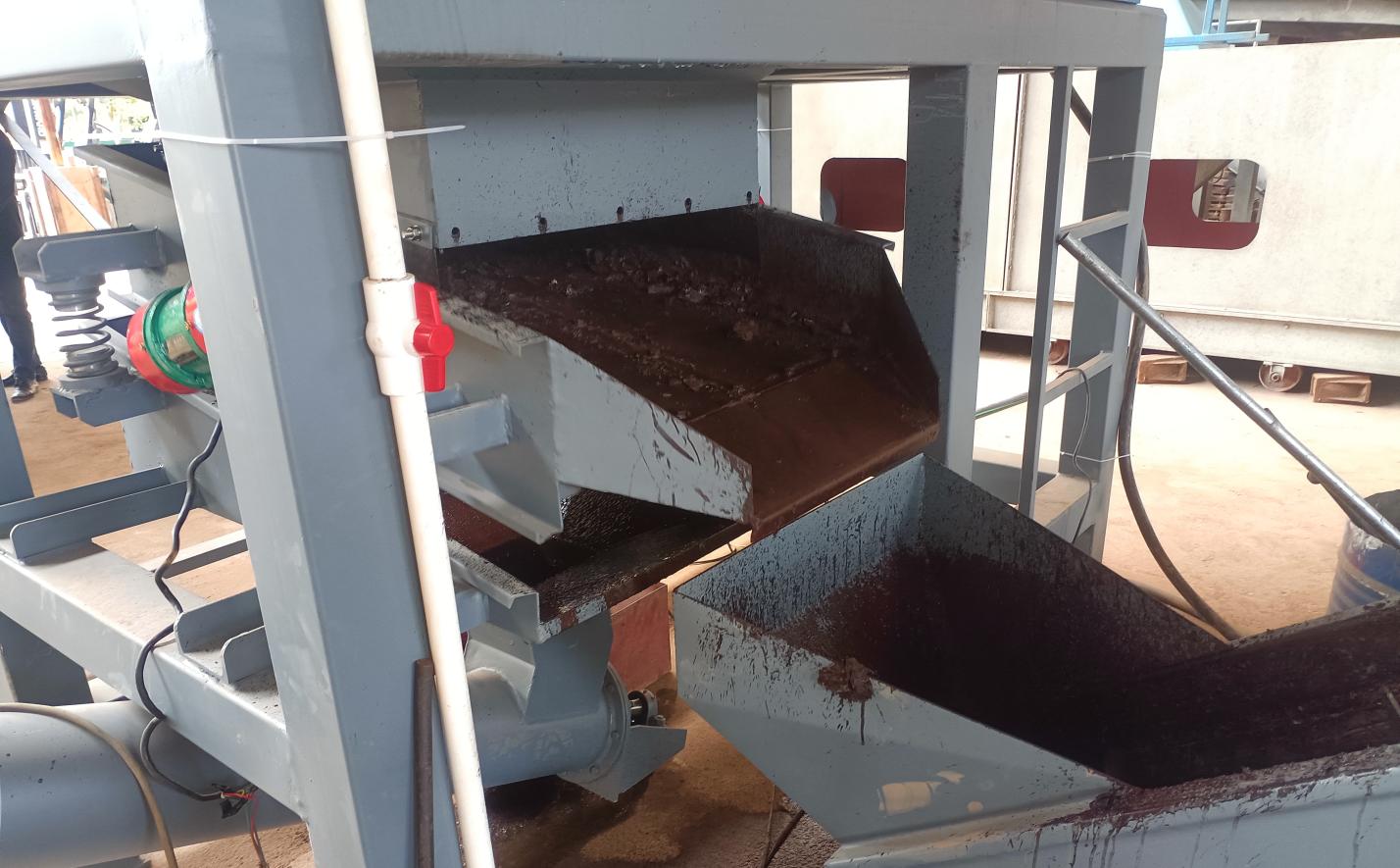
The recycling process begins with shredding to reduce board size, followed by hammer mill grinding to liberate metal particles from fiberglass and resin. Vibrating screens sort materials by particle size, while air separators remove lightweight non-metallic dust. Electrostatic separators then use electrical conductivity differences to achieve high-purity metal recovery. A dust collection system controls emissions throughout the process.
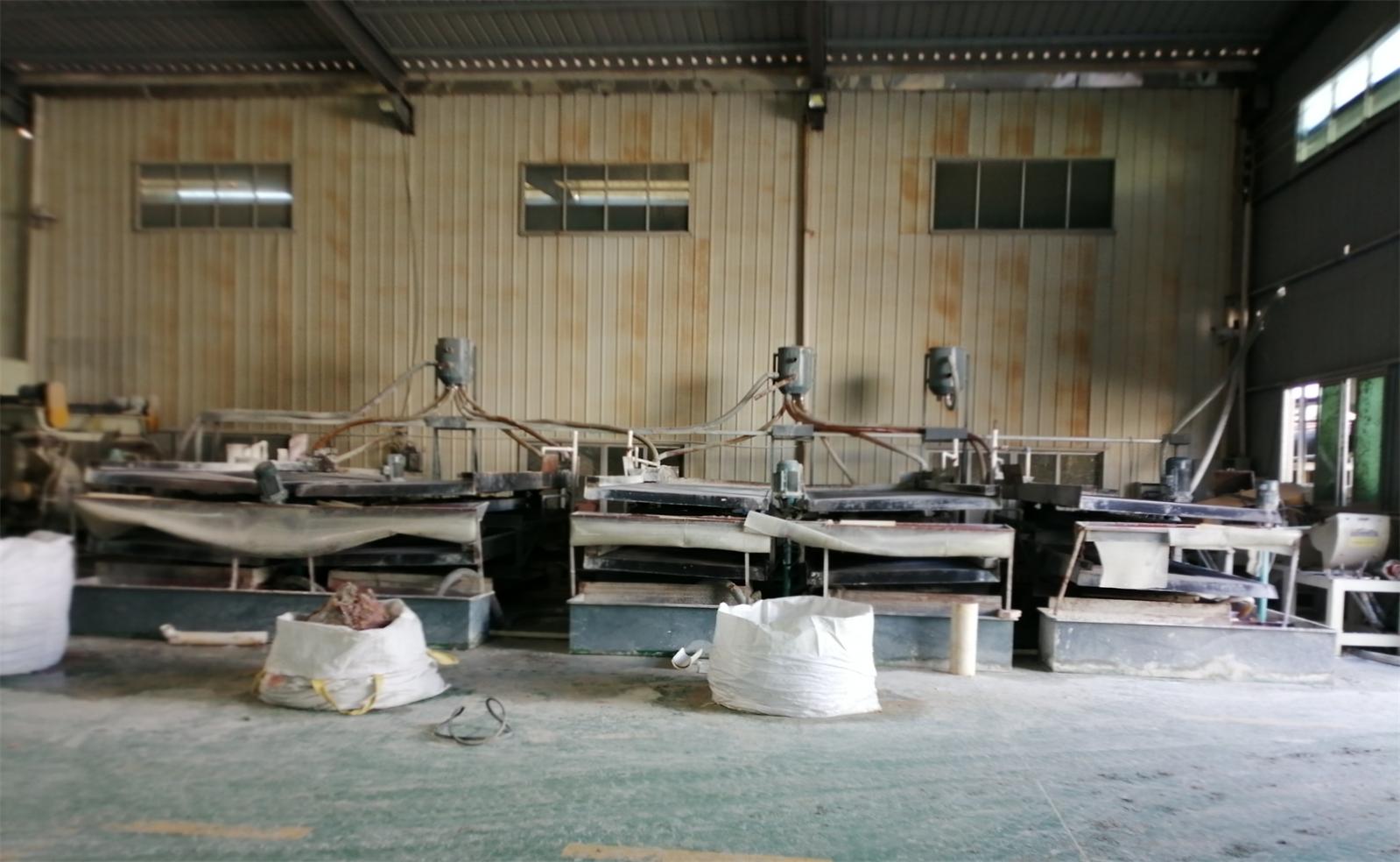
San Lan provides both dry and wet separation circuit board recycling plants. Their dry separation systems achieve copper powder purity of 96-98% with recovery rates up to 95%, handling capacities from 300 kg/hour to 2000 kg/hour. Wet separation plants can process PCB waste even with electronic components still attached, offering flexibility for different feedstock types.
Cable Recycling: Turning Scrap into Copper Rice
Scrap cables are a rich source of copper and aluminum, but the metal is locked inside plastic or rubber insulation. cable recycling equipment solves this challenge through two main approaches: cable strippers for large-diameter cables and granulators with dry separators for mixed cable waste.
Scrap cable strippers handle cable diameters from 1.5mm to 150mm, efficiently separating copper or aluminum conductors from insulation. For smaller or mixed cables, granulators crush the material and use dry separation technology to produce clean copper rice ready for resale or further refining.
San Lan's cable recycling machines include compact granulators for small workshops and high-capacity plants for industrial operations. Their systems efficiently separate metal from plastic, maximizing recovery value while minimizing waste.
Why EPC Turnkey Solutions Matter
Building a recycling plant involves far more than purchasing individual machines. It requires process flow design, facility layout planning, equipment integration, installation, commissioning, operator training, and ongoing technical support. Attempting to source machines from multiple suppliers and integrate them independently often leads to compatibility issues, cost overruns, and delayed startup.
EPC (Engineering, Procurement, Construction) turnkey solutions eliminate these risks by providing a single partner responsible for the entire project. From initial concept to final commissioning, an experienced EPC contractor ensures all components work together seamlessly, meets production targets, and complies with local environmental regulations.
Turnkey Services Include: Customized plant design, one-stop equipment procurement, installation and commissioning, operator training, waste material sourcing assistance, and support for selling recovered products such as copper rice, lead ingots, and aluminum.
What to Look for in a Recycling Equipment Partner
Selecting the right supplier is one of the most critical decisions when investing in lead acid battery recycling equipment or other recycling systems. The following factors separate reliable partners from mere traders:
- Technical Expertise: Look for a team with formal engineering education and deep hands-on experience in recycling machinery design and operation.
- Processing Capacity Range: Ensure the supplier offers equipment sizes that match your expected waste supply, from small workshops to large industrial plants.
- Recovery Rate and Purity: Request specific performance data for metal recovery rates and output purity, as these directly determine profitability.
- Environmental Compliance: Verify that systems include dust collection, effluent treatment, and emission control to meet local regulations.
- Automation Level: Automatic feeding, separation, and control systems reduce labor costs and improve operational stability.
- International Experience: A supplier with successful installations across multiple countries understands diverse regulatory environments and operational challenges.
- After-Sales Support: Installation, commissioning, spare parts availability, and technical guidance are essential for long-term success.
San Lan Technologies: Your Global Recycling Partner
San Lan Technologies Co., Ltd, established in 2007 and based in Jiangxi Province, China, is a professional manufacturer of WEEE recycling machines and mining equipment. Their product portfolio covers the full spectrum of e-waste recycling needs: lead acid battery recycling plants, lithium battery recycling plants, circuit board recycling plants, cable recycling machines, refrigerator and AC recycling systems, CRT cutters, motor recycling machines, shredders, lamp recycling equipment, and metal melting furnaces.
What distinguishes San Lan is their commitment to complete project delivery. Their technical team holds master's degrees in mechanical engineering and brings over 15 years of experience in e-waste recycling machine design. They have delivered plants to customers in more than 21 countries, including Singapore, Colombia, Vietnam, Mexico, Argentina, Korea, Malaysia, Indonesia, South Africa, India, Kenya, Saudi Arabia, and the Philippines.
Beyond equipment manufacturing, San Lan assists customers with waste material procurement, investor partnership for plant construction, and resale channels for recovered products such as copper rice, lead ingots, and aluminum. Their bilingual team ensures smooth communication across cultural and linguistic boundaries.
Start Your Recycling Project Today
The e-waste recycling industry offers tremendous potential for entrepreneurs and established businesses alike. With the right equipment partner, you can build a profitable, environmentally responsible operation that turns waste into valuable resources. From lead acid batteries to circuit boards and cables, San Lan Technologies provides the turnkey solutions and expertise needed to succeed in this growing global market.
Contact San Lan Technologies to discuss your project requirements and receive a customized solution proposal tailored to your waste stream and production goals.
Contact Us