Complete Guide to E-Waste Recycling: Maximize Recovery from Batteries to Circuit Boards
Global e-waste generation is projected to reach 82 million tonnes annually by 2030, yet less than 20% is formally recycled. For businesses entering this high-growth market, selecting the right recycling equipment is the critical first step toward turning waste into profitable raw materials.
The Growing Opportunity in E-Waste Recycling
The surge in electric vehicles, consumer electronics, and renewable energy storage has created an unprecedented demand for battery metals including lithium, cobalt, nickel, and lead. Simultaneously, regulations worldwide are tightening around landfill disposal and mandating producer responsibility for end-of-life electronics.
This dual pressure of supply scarcity and regulatory compliance makes e-waste recycling not just an environmental imperative, but a lucrative business opportunity. However, success depends heavily on choosing equipment that delivers high recovery rates, operational safety, and regulatory compliance.
Four Core E-Waste Recycling Systems Every Facility Needs
Based on over 15 years of experience in WEEE recycling plant design, we have identified four essential recycling lines that form the backbone of a comprehensive e-waste processing facility:
1. Lead Acid Battery Recycling
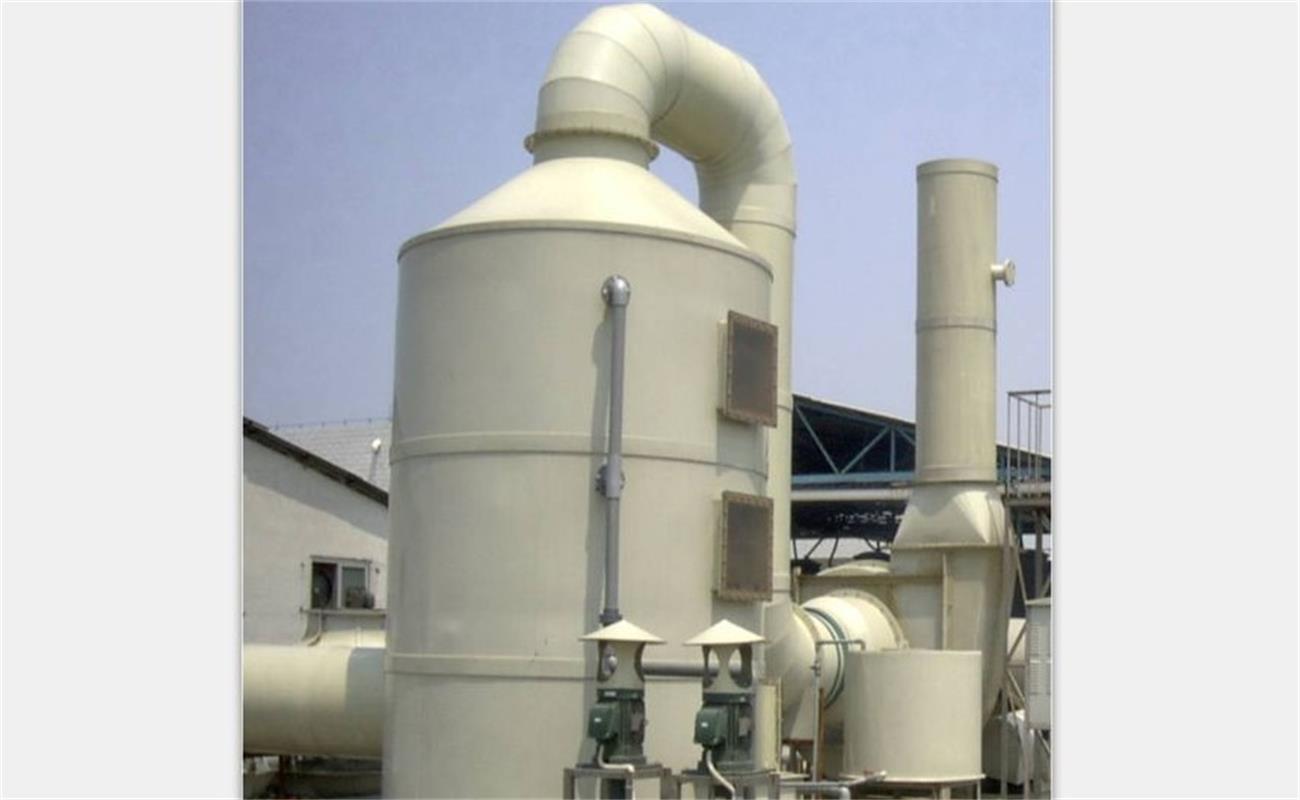
Used lead acid batteries (ULAB) remain one of the most recycled consumer products globally. A complete lead acid battery recycling equipment line typically includes battery breaking and separation systems, de-sulfurization units, rotary furnaces for paste reduction, lead refinery kettles, and air pollution control systems. Modern plants can process 1-10 MT per hour with lead recovery rates exceeding 95%.
Used lead acid batteries (ULAB) remain one of the most recycled consumer products globally. A complete lead acid battery recycling equipment line typically includes battery breaking and separation systems, de-sulfurization units, rotary furnaces for paste reduction, lead refinery kettles, and air pollution control systems. Modern plants can process 1-10 MT per hour with lead recovery rates exceeding 95%.
2. Lithium-Ion Battery Recycling
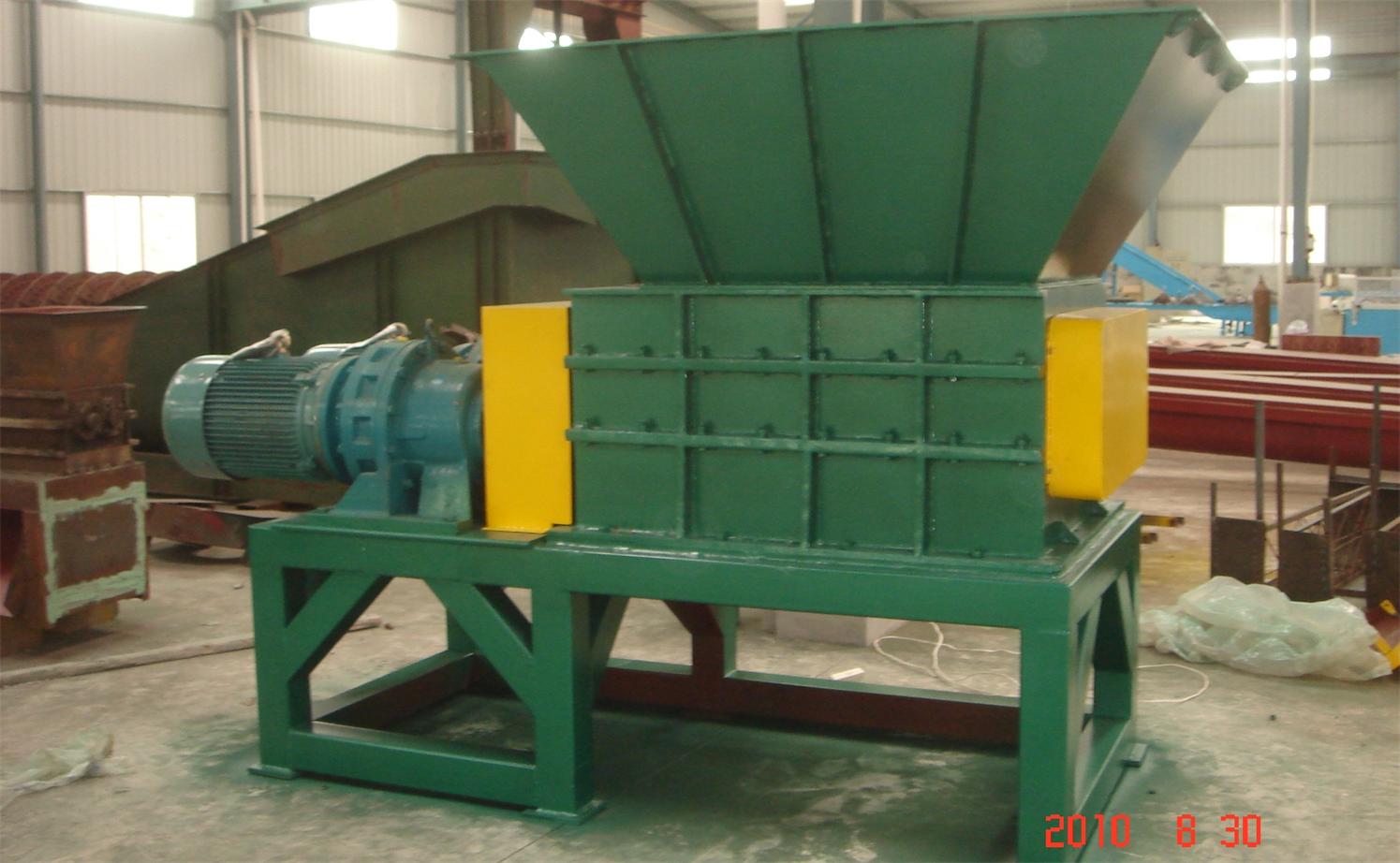
With the explosive growth of EVs, lithium battery recycling has become the fastest-growing segment. A complete lithium battery recycling plant handles discharging, pre-crushing, secondary granulation, and black powder separation to recover valuable black mass (containing nickel, cobalt, and graphite), plus separated copper, aluminum, and plastic. Capacities range from 500 to 2,500 kg/hour.
With the explosive growth of EVs, lithium battery recycling has become the fastest-growing segment. A complete lithium battery recycling plant handles discharging, pre-crushing, secondary granulation, and black powder separation to recover valuable black mass (containing nickel, cobalt, and graphite), plus separated copper, aluminum, and plastic. Capacities range from 500 to 2,500 kg/hour.
3. Circuit Board (PCB) Recycling
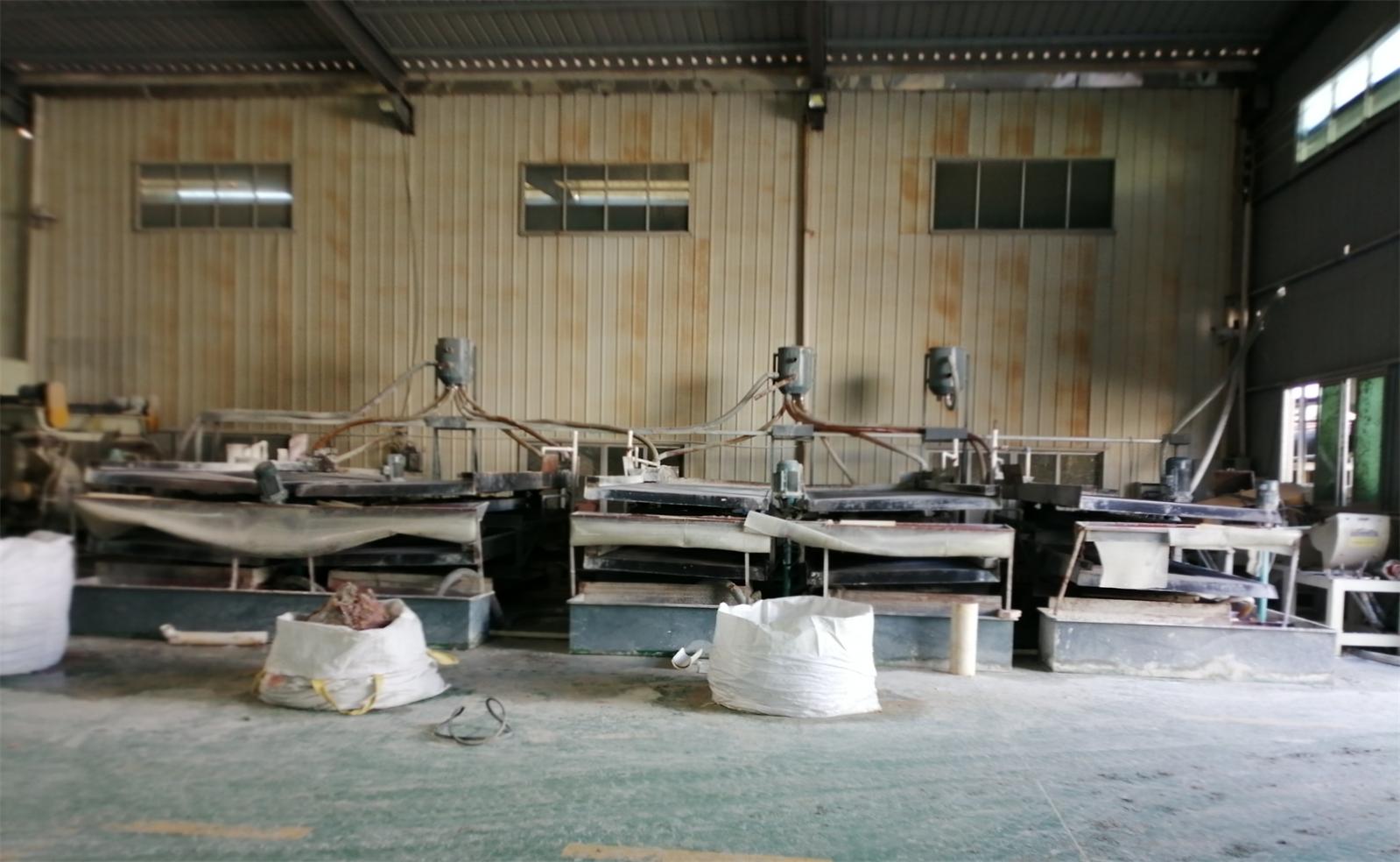
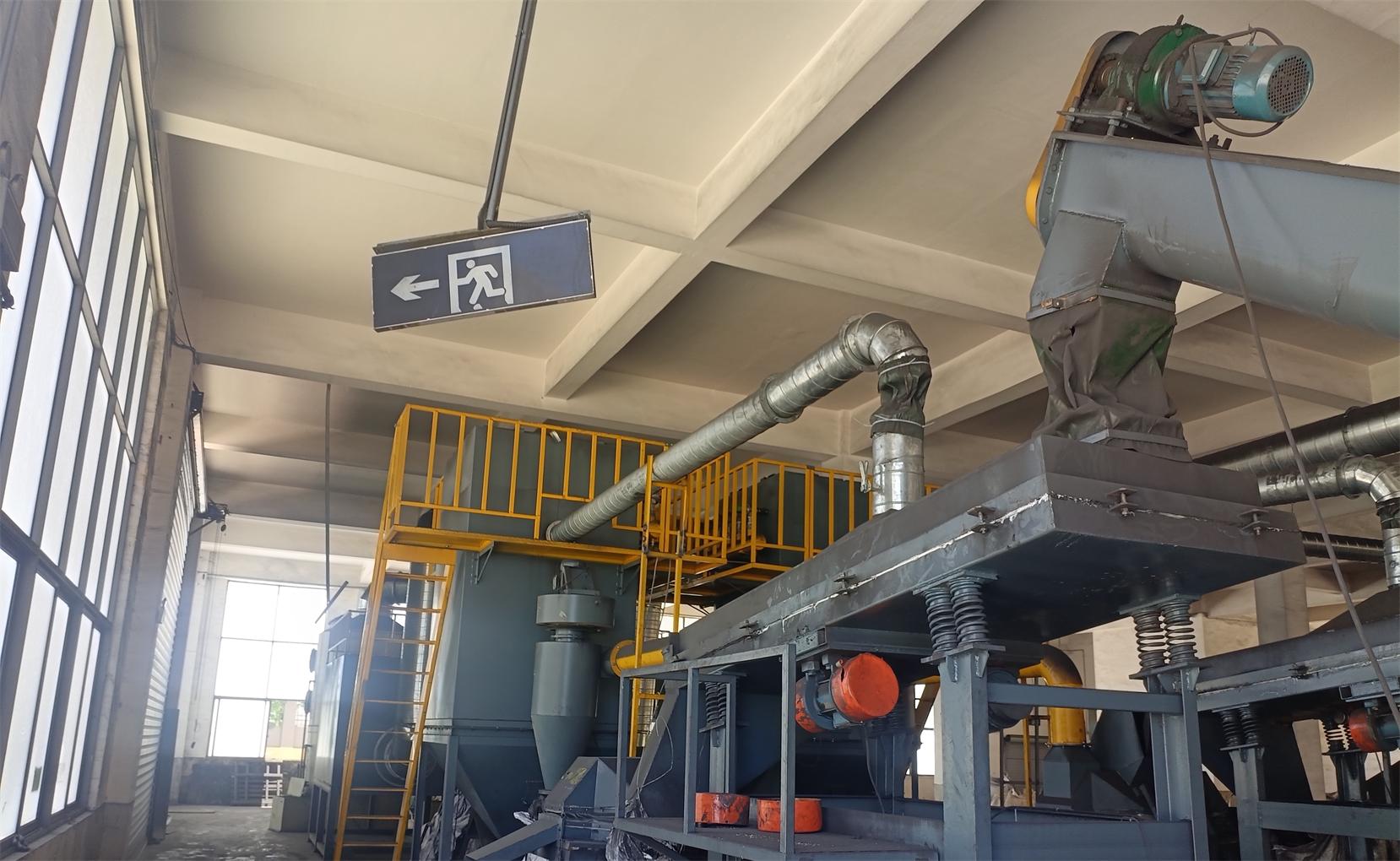
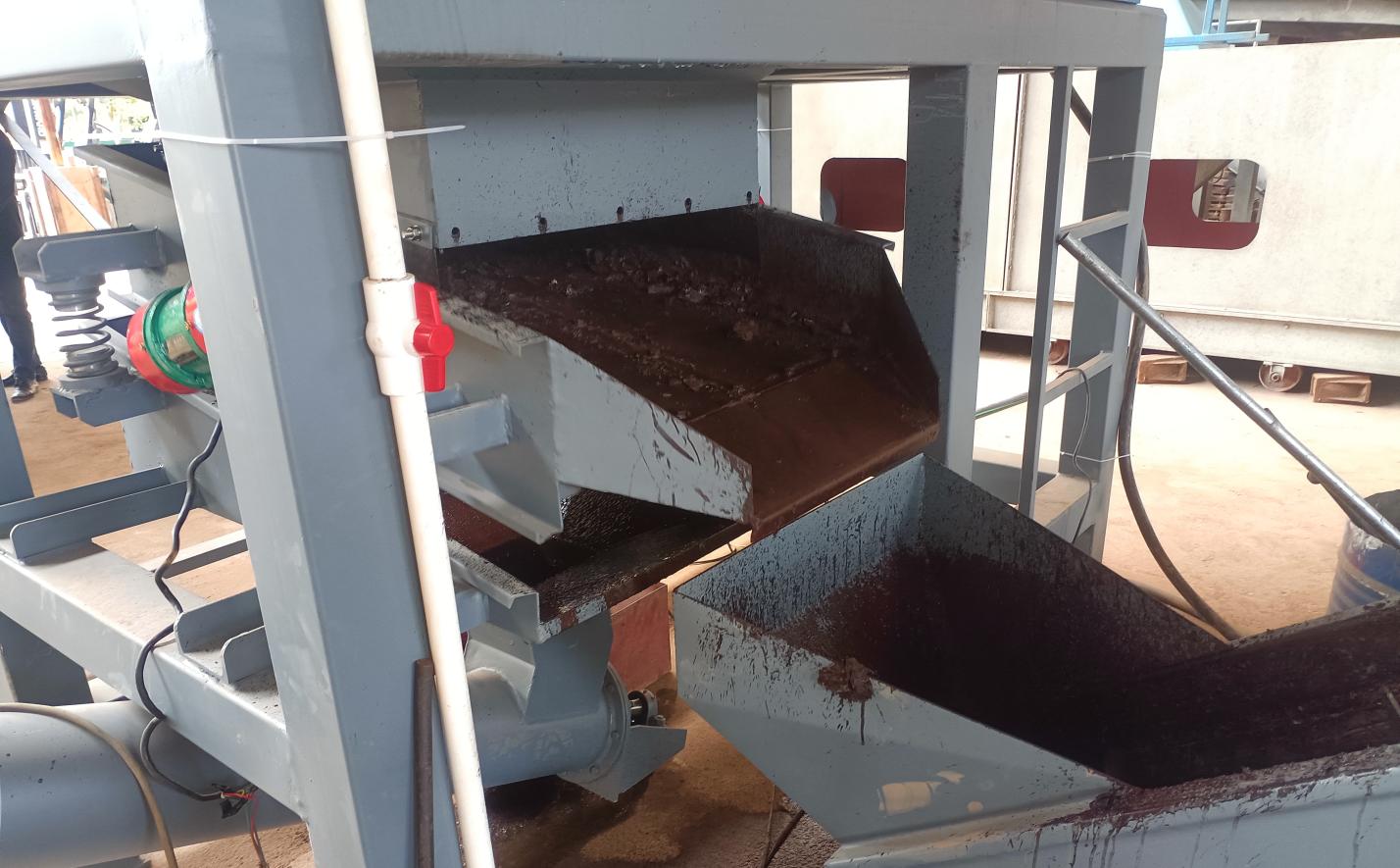
Printed circuit boards contain precious metals including gold, silver, and palladium alongside copper. Circuit board recycling equipment uses either dry separation (air separator + electrostatic separator) or wet separation (water metal separator) to achieve copper powder purity of 96-98% with recovery rates around 95%. Capacities range from 300 kg/hour to 2,000 kg/hour depending on model.
Printed circuit boards contain precious metals including gold, silver, and palladium alongside copper. Circuit board recycling equipment uses either dry separation (air separator + electrostatic separator) or wet separation (water metal separator) to achieve copper powder purity of 96-98% with recovery rates around 95%. Capacities range from 300 kg/hour to 2,000 kg/hour depending on model.
4. Cable Recycling
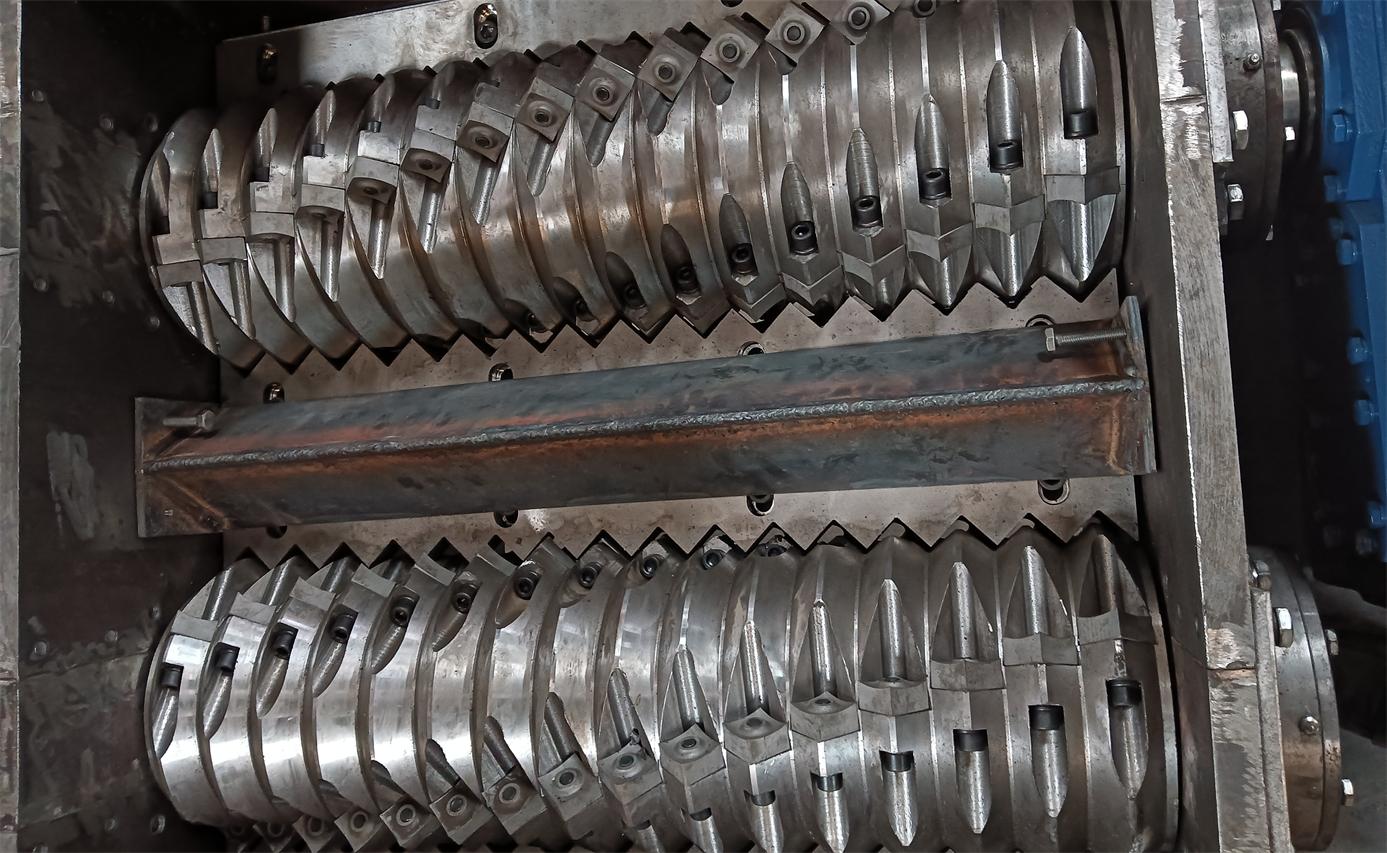
Scrap cables represent one of the highest-margin recycling streams when processed with the right cable recycling equipment. Modern cable granulators combine pre-stripping for large-diameter cables with dry separation technology to recover pure copper or aluminum granules. Systems range from compact 100 kg/hour units to industrial 1,200 kg/hour plants.
Scrap cables represent one of the highest-margin recycling streams when processed with the right cable recycling equipment. Modern cable granulators combine pre-stripping for large-diameter cables with dry separation technology to recover pure copper or aluminum granules. Systems range from compact 100 kg/hour units to industrial 1,200 kg/hour plants.
Key Factors When Selecting Recycling Equipment
Choosing the right equipment partner goes far beyond comparing price lists. Here are five critical factors that separate successful operations from costly mistakes:
- Recovery Rate: The difference between a 90% and 95% recovery rate directly impacts your bottom line by thousands of dollars per month.
- Environmental Compliance: Air pollution control systems and wastewater treatment must meet local environmental standards from day one.
- Scalability: Choose modular systems that allow capacity expansion as your feedstock grows.
- Energy Efficiency: Equipment with optimized drives and heating systems can reduce operating costs by 25-35%.
- Technical Support: Installation, commissioning, and ongoing spare parts availability are essential for minimizing downtime.
Why Experience Matters: The EPC Advantage
Engineering, Procurement, and Construction (EPC) project experience is perhaps the most undervalued factor when selecting a recycling equipment supplier. Designing an integrated plant requires deep understanding of material flows, environmental controls, and safety interlocks between processes.
A supplier with solid EPC experience can provide customized design, one-stop purchasing, installation and commissioning, and even assist with sourcing waste materials and selling recovered products. This comprehensive approach dramatically reduces project risk and accelerates time-to-revenue.
Global Reach, Local Understanding
E-waste recycling is a global business with local nuances. Regulations, feedstock types, and labor costs vary dramatically between markets. A supplier with international deployment experience across diverse regions understands these variations and can adapt equipment specifications accordingly.
Successful suppliers have installations across 20+ countries including Southeast Asia, Latin America, Africa, and the Middle East. This global footprint demonstrates proven adaptability to different regulatory environments, climatic conditions, and operational requirements.
Conclusion: Turn E-Waste Into a Revenue Stream
The e-waste recycling market offers exceptional growth potential for well-equipped operators. Whether you are targeting lead acid batteries from automotive markets, lithium batteries from EVs, circuit boards from electronics, or scrap cables from construction and demolition, the right equipment partner makes the difference between a profitable operation and a costly experiment.
Look for a manufacturer with proven EPC capabilities, comprehensive environmental solutions, and genuine international experience. The combination of high-recovery technology and end-to-end project support will position your facility for long-term success in the rapidly expanding circular economy.
Ready to Start Your E-Waste Recycling Project?
With over 15 years of experience in WEEE recycling machinery and mining equipment, San Lan Technologies Co., Ltd offers complete recycling plant solutions from initial design through commissioning. Our product range covers lead acid battery recycling, lithium battery recycling, circuit board recycling, cable recycling, and more. Contact us today to discuss your project requirements and receive a customized proposal.
With over 15 years of experience in WEEE recycling machinery and mining equipment, San Lan Technologies Co., Ltd offers complete recycling plant solutions from initial design through commissioning. Our product range covers lead acid battery recycling, lithium battery recycling, circuit board recycling, cable recycling, and more. Contact us today to discuss your project requirements and receive a customized proposal.