The global surge in electronic waste has created both an environmental challenge and a significant business opportunity. With over 60 million tons of e-waste generated annually, recycling facilities worldwide are seeking reliable, efficient equipment to recover valuable metals and materials. Choosing the right machinery is critical to maximizing recovery rates, ensuring environmental compliance, and achieving long-term profitability.
Why E-Waste Recycling is a High-Growth Industry
Electronic devices contain substantial amounts of recoverable copper, aluminum, lead, lithium, cobalt, nickel, and precious metals. Without proper recycling, these resources are lost forever while toxic substances contaminate soil and water. Governments across the globe are tightening regulations on e-waste disposal, making professional recycling operations not just environmentally responsible but legally necessary.
For entrepreneurs and established recycling companies alike, investing in quality recycling equipment opens multiple revenue streams. Recovered copper powder from circuit boards, lead ingots from batteries, and copper rice from cables command strong market prices. The key to success lies in selecting machinery that delivers high purity, high recovery rates, and reliable daily operation.
Circuit Board Recycling: Capturing Hidden Value
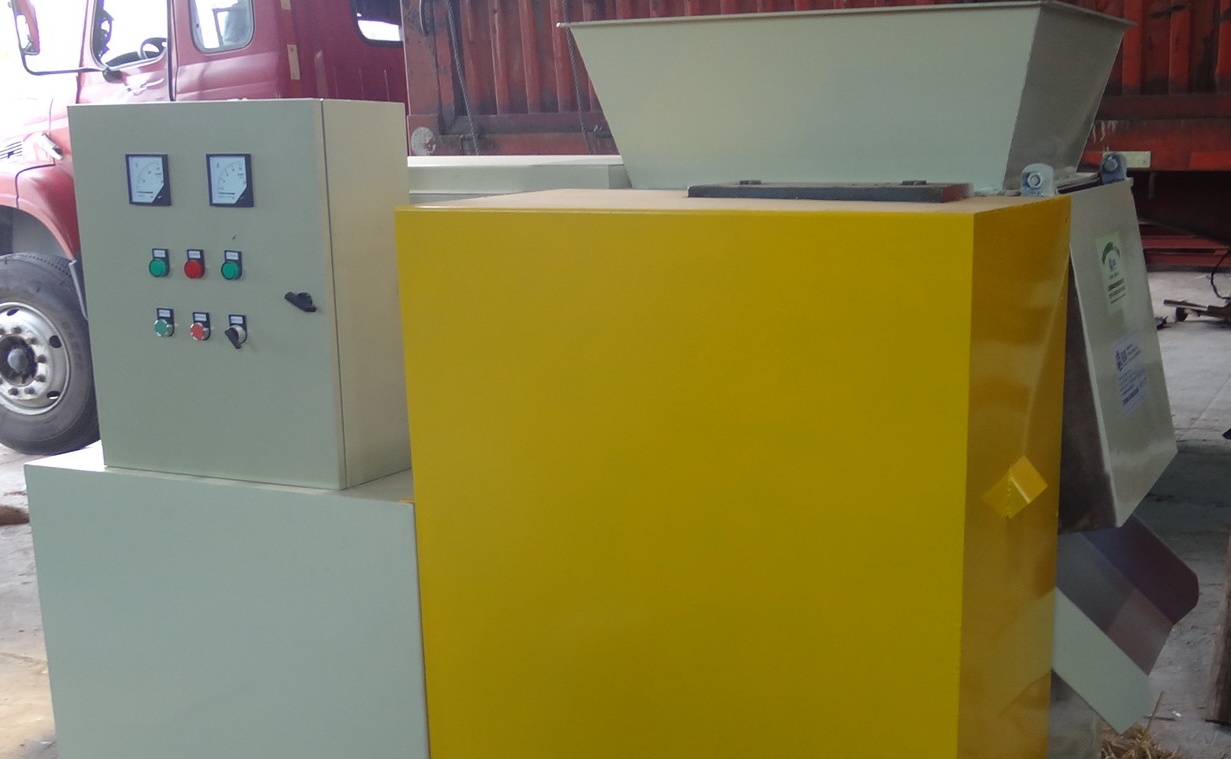
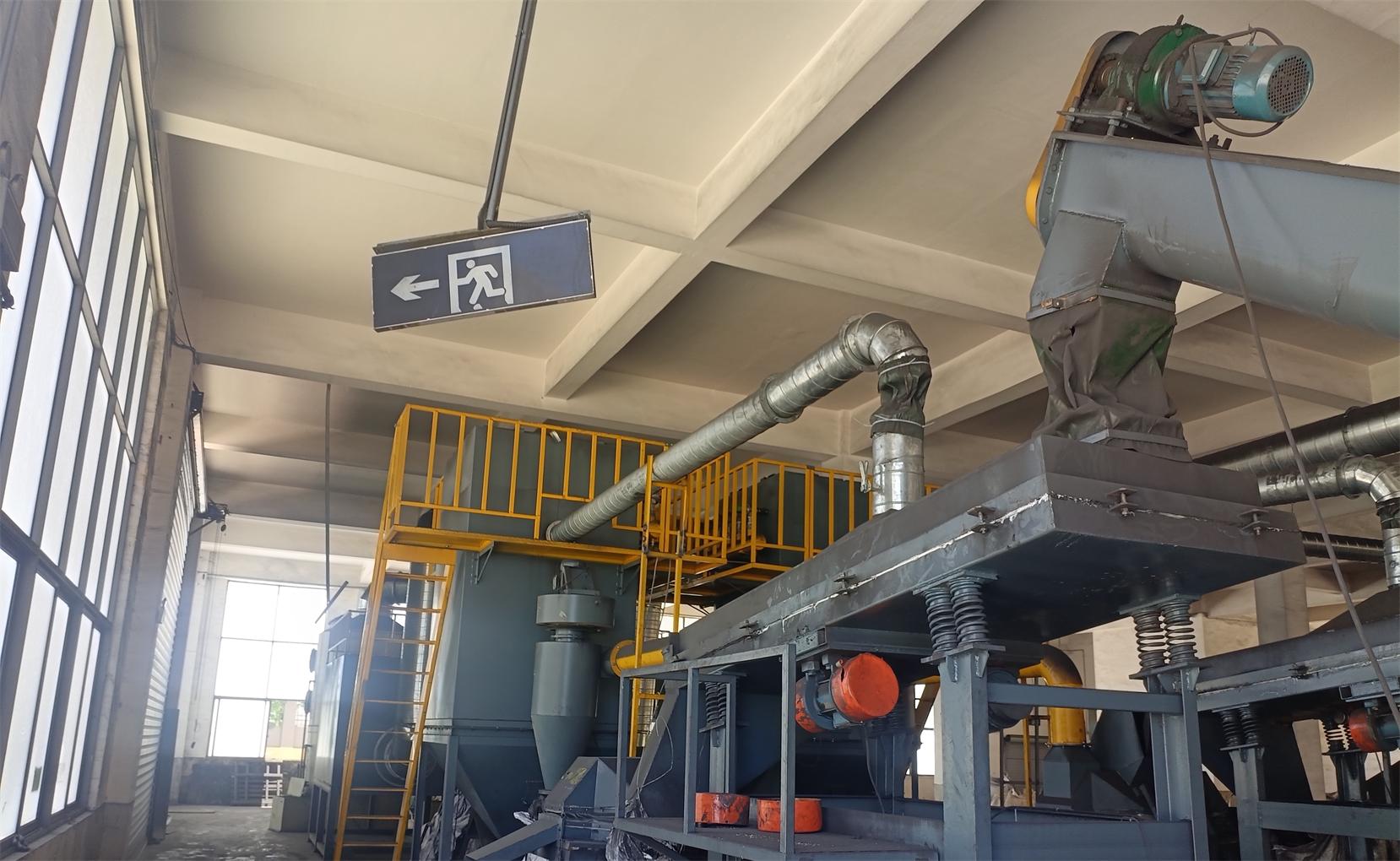
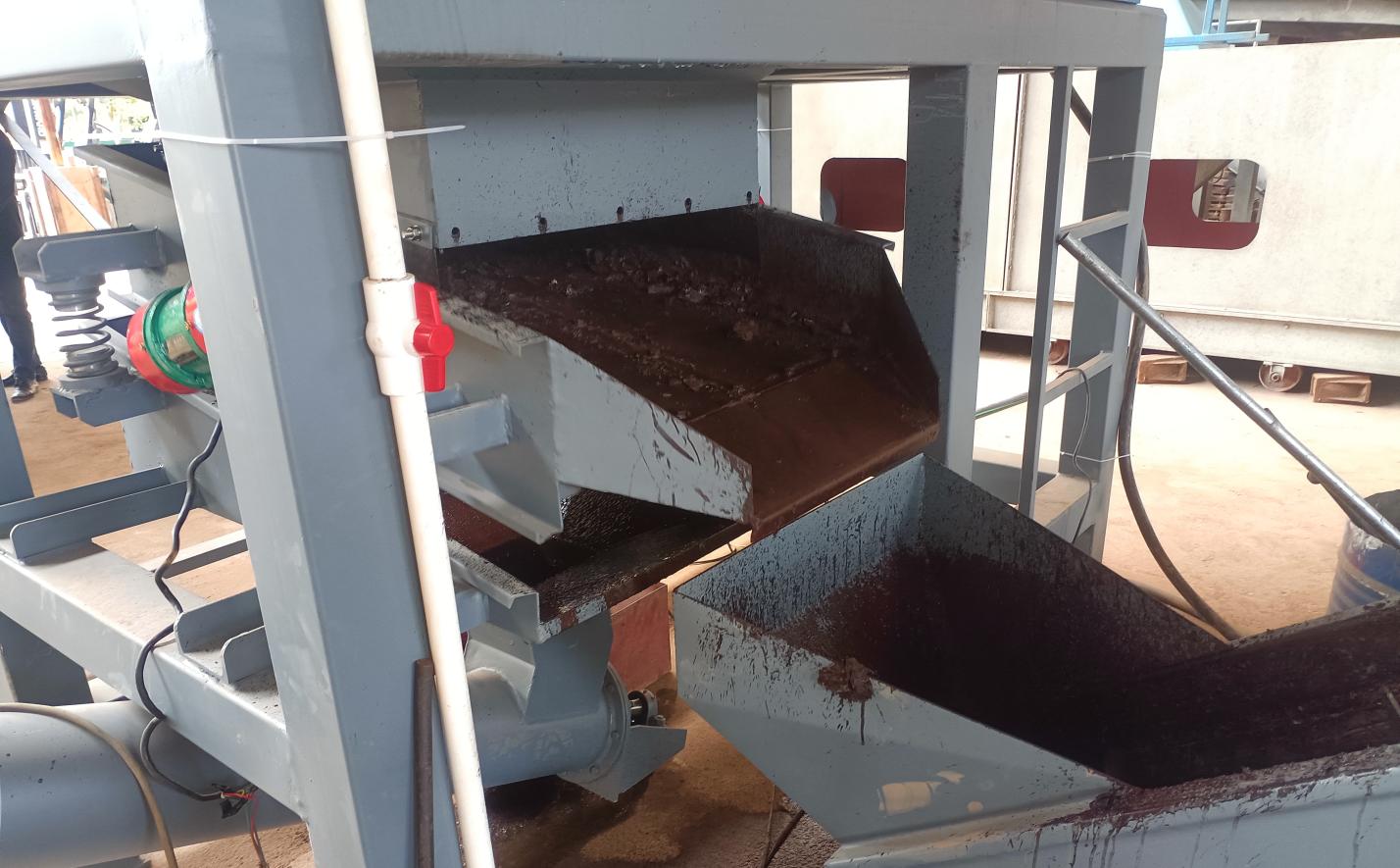
Printed circuit boards (PCBs) are among the most valuable components in e-waste, containing copper, gold, silver, and other precious metals. A professional circuit board recycling plant uses a combination of crushing, separation, and purification technologies to extract these materials efficiently.
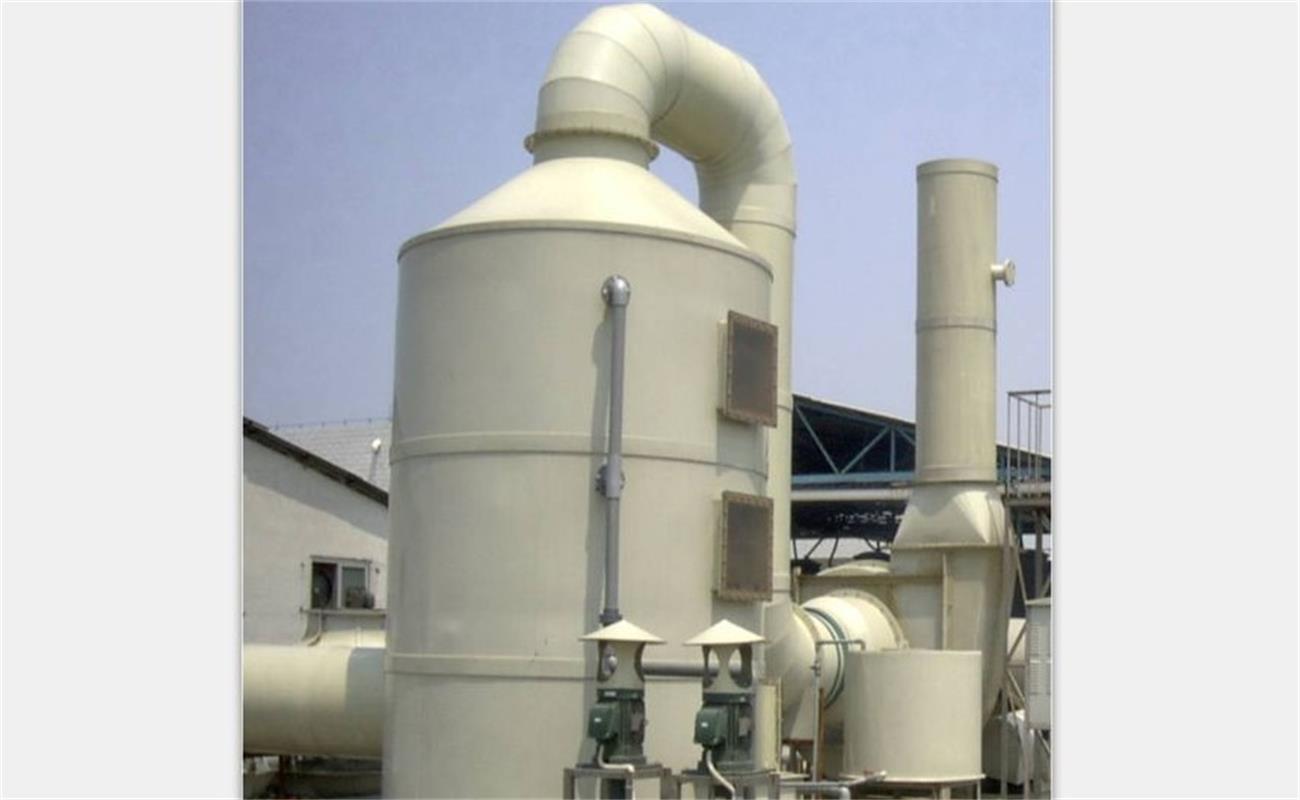
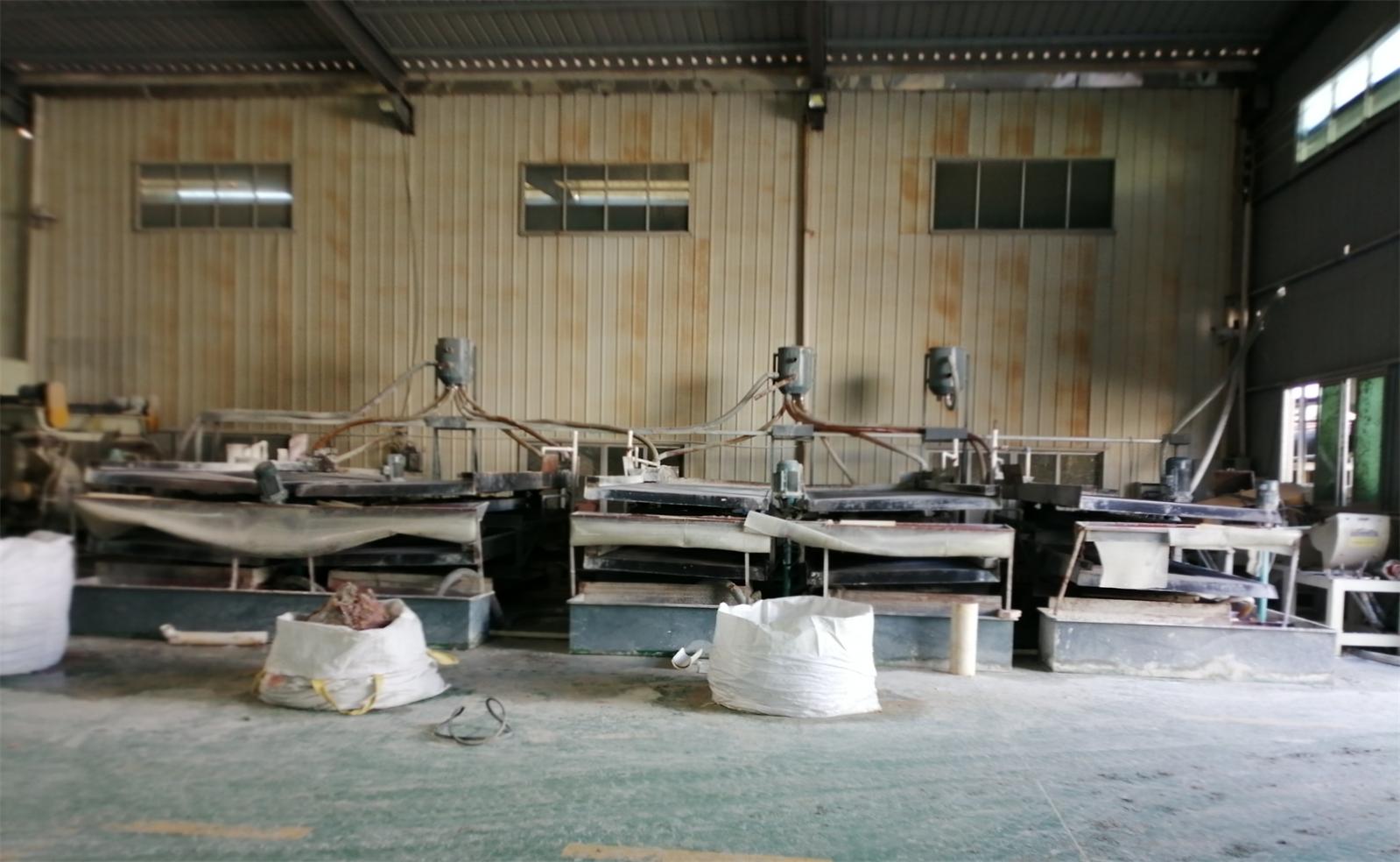
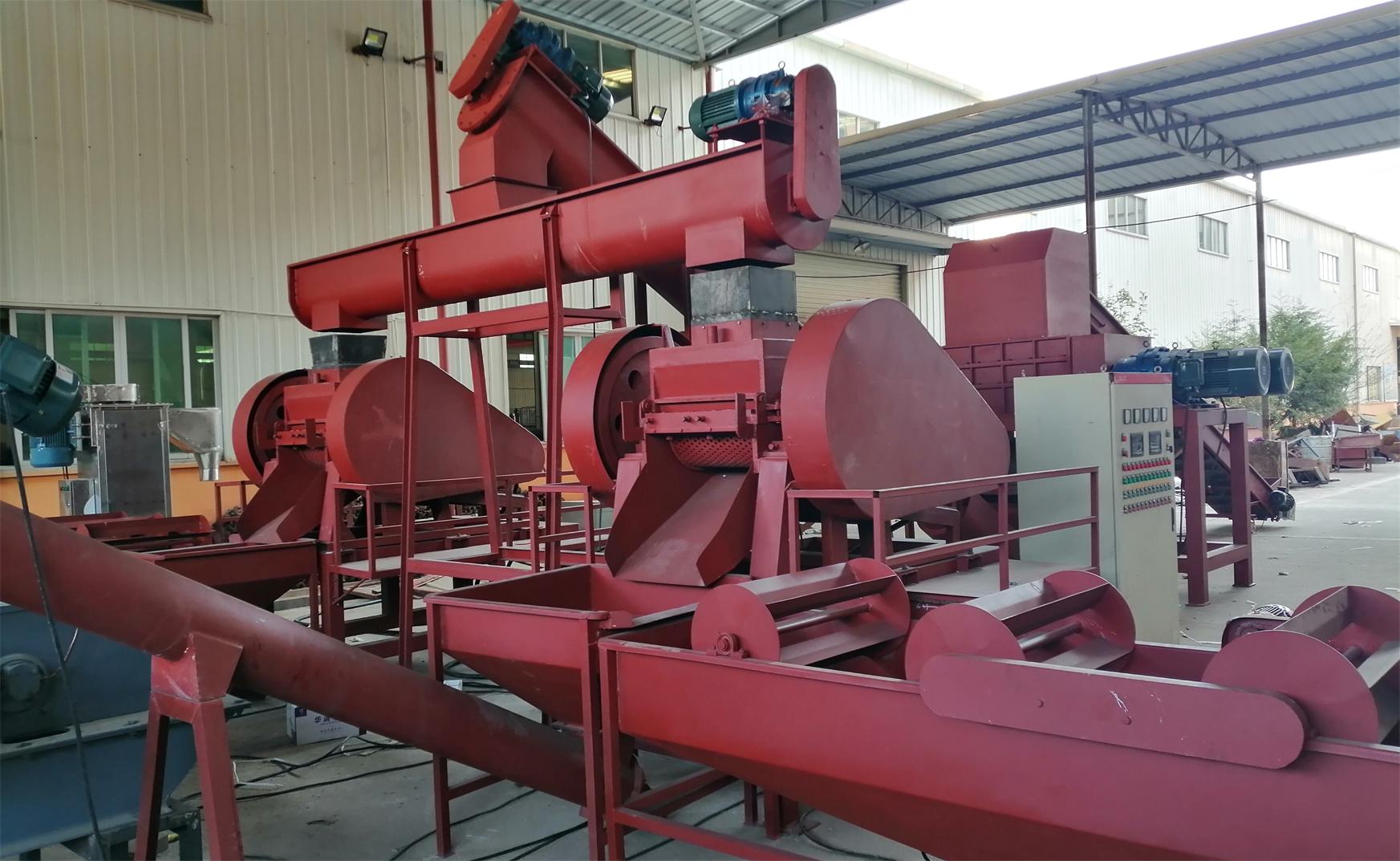
Modern PCB recycling systems typically offer both dry and wet separation methods. Dry separation plants use air classifiers, electrostatic separators, and pulse dust collectors to achieve copper powder purity of 96-98% with recovery rates around 95%. Wet separation systems employ water-based metal separation for even finer material sorting. Capacities range from 300 kg/hour for small operations to 2000 kg/hour or more for industrial-scale facilities. When selecting equipment, consider whether your feedstock contains components that require wet processing or whether dry methods will suffice for your material stream.
Cable Recycling: Turning Scrap into Copper Rice
Waste cables and wires represent one of the most accessible and profitable recycling streams. With copper prices remaining strong, a well-equipped cable recycling plant can generate significant returns by separating copper or aluminum from plastic insulation.
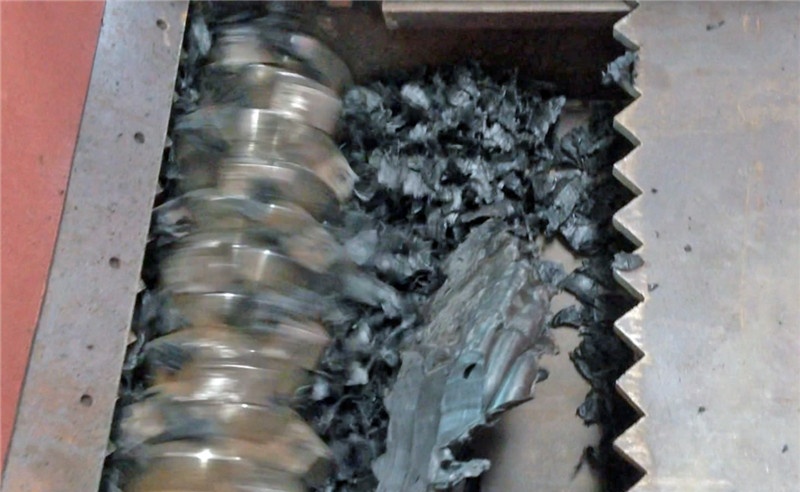
The recycling process generally involves two stages: stripping and granulation. Scrap cable strippers handle thick industrial cables with diameters from 1.5mm to 150mm, removing insulation to expose pure metal cores. For thinner wires and mixed cable loads, cable granulators with dry separators crush the material and use air separation or vibrating screens to isolate metal granules from plastic. Advanced systems can process up to 1200 kg/hour, making them suitable for high-volume operations. The resulting copper rice typically achieves purity levels that command premium market prices.
Battery Recycling: Essential for Environmental Safety
Used lead acid batteries and lithium-ion batteries require specialized handling due to their hazardous contents. A comprehensive lead acid battery recycling plant safely breaks and separates batteries into four recoverable streams: lead paste, lead grids, plastic shells, and acid. Capacities typically range from 1 to 10 MT/hour depending on operation scale.
The complete lead battery recycling line includes battery cutters, breaking and separation systems, de-sulfurization units, smelting furnaces, refinery kettles, and air pollution control systems. Rotary furnaces for paste reduction can process 2-20 MT per batch with higher lead recovery rates than traditional blast furnaces. Lead refinery kettles further purify crude lead to 99.999% purity using natural gas, diesel, or electric heating. Electric heating models with near-infrared technology can reduce energy consumption by 30-50%.
For lithium battery recycling, specialized plants break and separate waste Li-ion batteries to recover black mass containing nickel, cobalt, and graphite, along with copper, aluminum, and plastic. These systems incorporate safety features for handling flammable electrolytes and include air pollution control to neutralize harmful gases.
Key Factors When Selecting Recycling Equipment
Choosing the right recycling machinery requires careful evaluation of several factors:
Processing Capacity: Match equipment throughput to your expected material volume. Over-sizing wastes capital; under-sizing limits growth.
Recovery Rate and Purity: Higher recovery rates directly impact profitability. Look for systems with documented performance data.
Environmental Compliance: Ensure the equipment includes proper dust collection, wastewater treatment, and emission control systems.
Energy Efficiency: Electric heating options and optimized motor designs reduce long-term operating costs.
Technical Support: Installation, commissioning, and ongoing maintenance support are essential for continuous operation.
Experience Matters in Equipment Manufacturing
Since 2007, San Lan Technologies Co., Ltd has specialized in designing and manufacturing WEEE recycling machinery and mining equipment. With a technical team holding master's degrees in mechanical engineering and over 15 years of hands-on experience, the company delivers complete turn-key solutions rather than just individual machines.
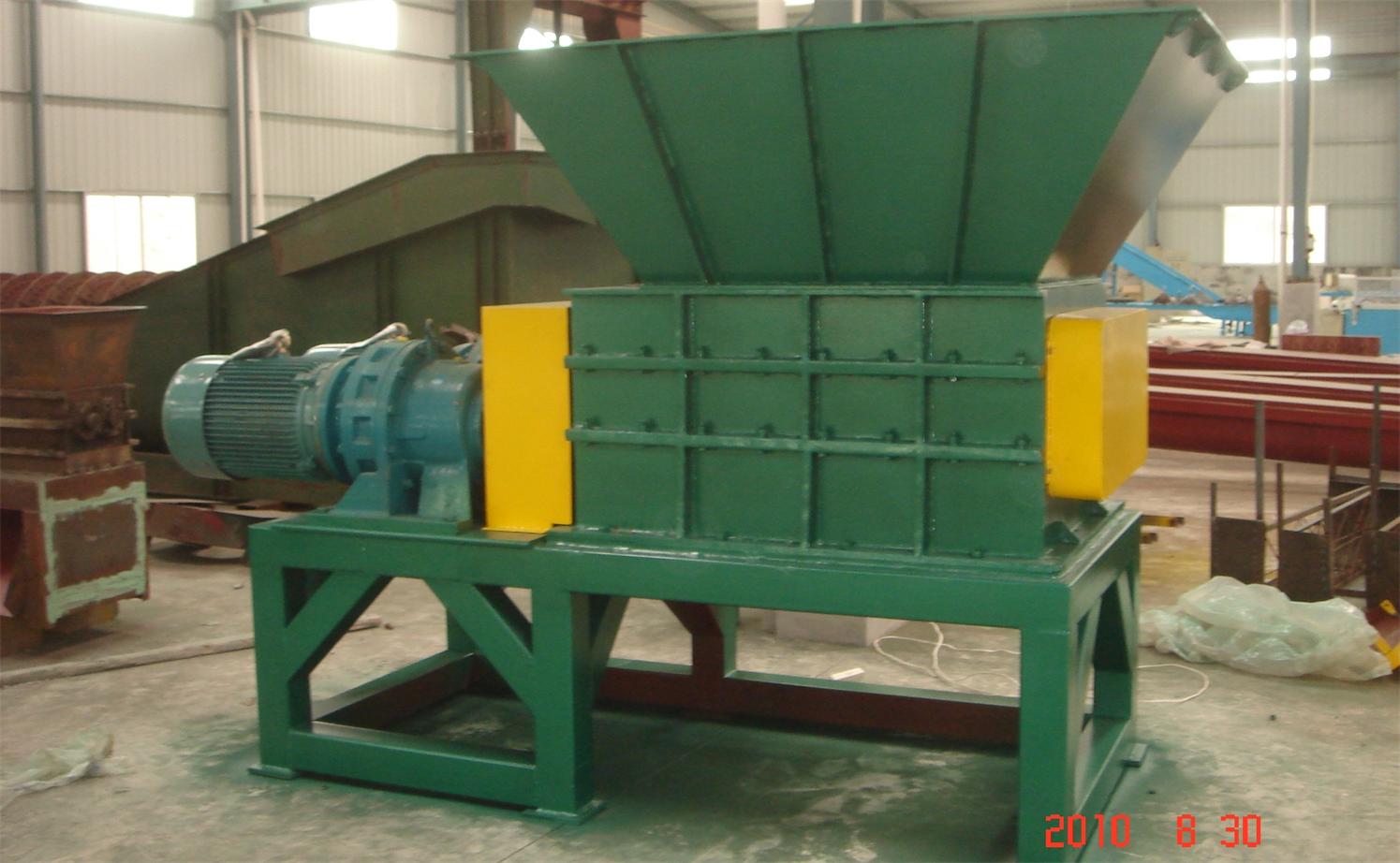
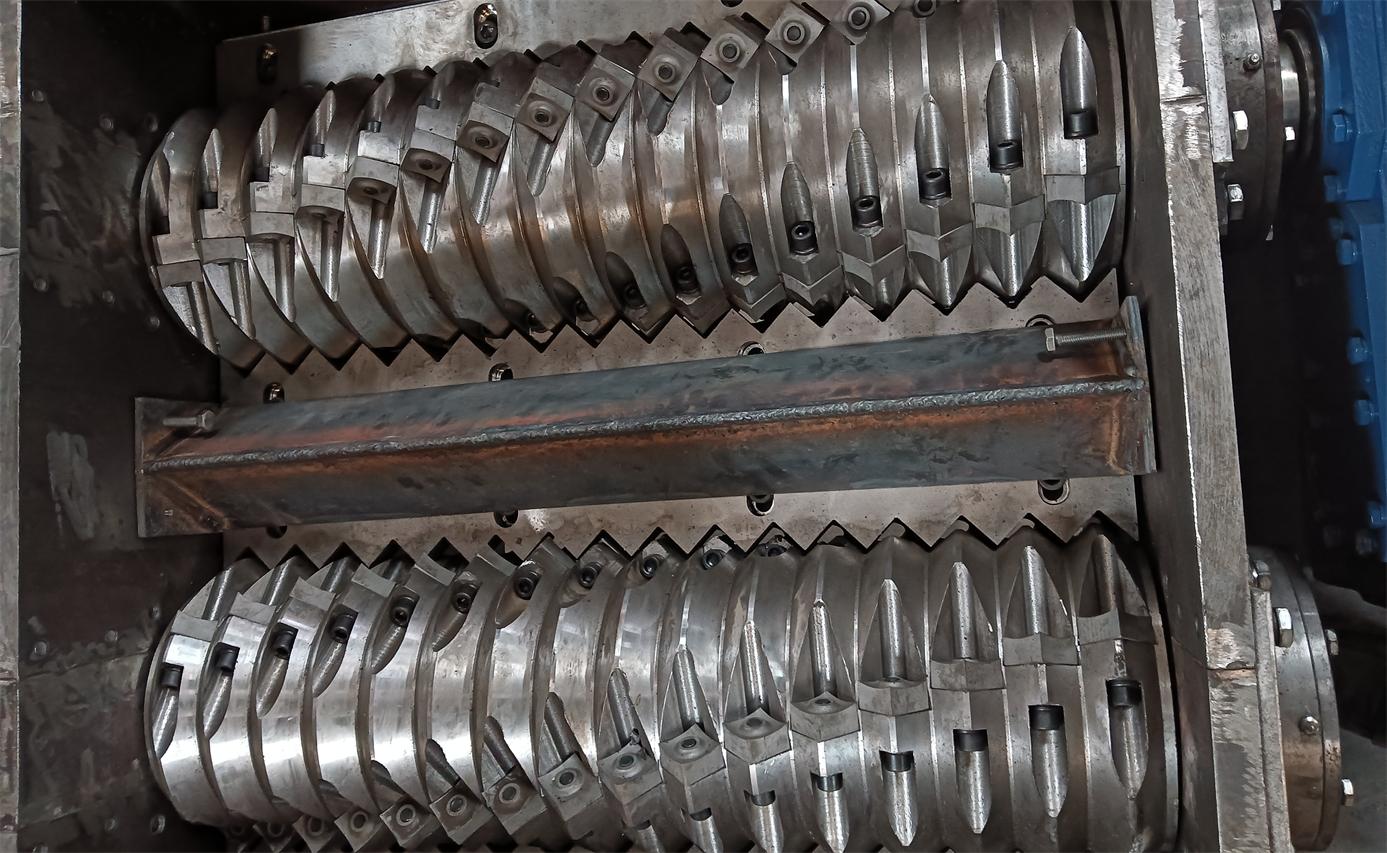
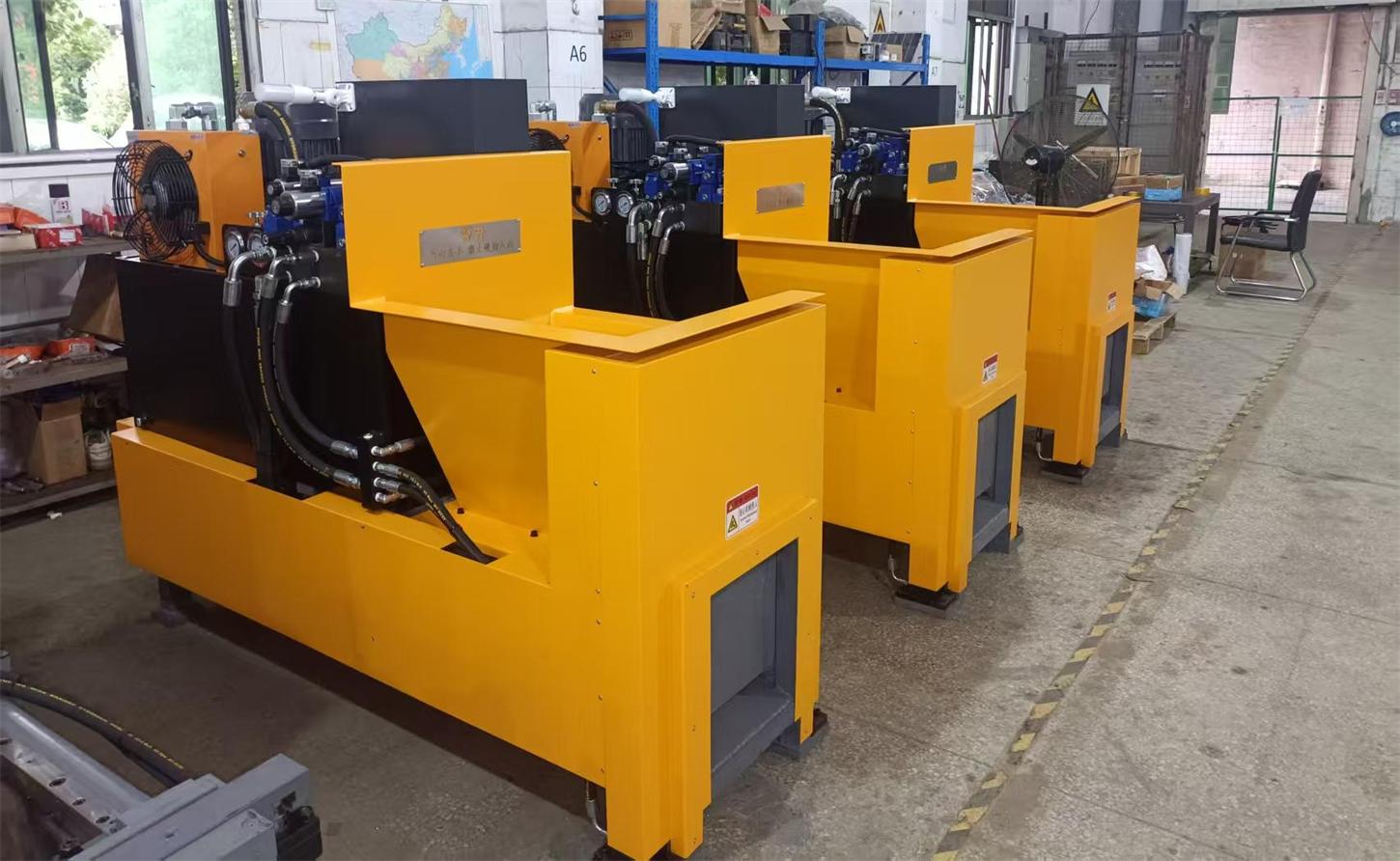
San Lan's product range covers the full spectrum of e-waste recycling needs: circuit board recycling plants with wet and dry separation, cable granulators and strippers, lead acid battery recycling lines with smelting and refining equipment, lithium battery recycling systems, refrigerator and AC recycling plants, CRT cutters, motor dismantling machines, shredders, and auxiliary equipment including hydraulic balers and metal melting furnaces.
Beyond equipment supply, San Lan provides EPC project services including customized plant design, installation and commissioning, and can even assist customers with raw material sourcing and product sales. This end-to-end approach helps recycling businesses launch operations faster and achieve profitability sooner.
Global Reach, Local Support
San Lan has supplied recycling equipment to customers in over 21 countries including Singapore, Colombia, Vietnam, Mexico, Argentina, Korea, Malaysia, Indonesia, South Africa, Tunisia, India, Kenya, Saudi Arabia, Philippines, and Zambia. This global footprint demonstrates the reliability and adaptability of their equipment across diverse operating conditions and regulatory environments.
Start Your Recycling Project Today
Whether you are planning a new recycling facility or upgrading existing equipment, selecting the right machinery partner is as important as selecting the equipment itself. With nearly two decades of manufacturing experience, comprehensive product lines, and dedicated technical support, San Lan Technologies offers the expertise and equipment you need to succeed in the growing e-waste recycling industry.
Contact San Lan Technologies today to discuss your project requirements, request detailed equipment specifications, or arrange a consultation with their engineering team. Visit www.san-lan.com to explore the complete product catalog and find the recycling solution that fits your business goals.