Complete Guide to E-Waste Recycling Equipment: From Battery to Circuit Board Recovery
Discover how the right machinery can transform discarded electronics into valuable raw materials while protecting the environment.
The global surge in electronic consumption has created an unprecedented challenge: what happens when devices reach the end of their life? Every year, millions of tons of electronic waste are discarded, yet buried within this waste lies a treasure trove of recoverable metals, plastics, and rare materials. For entrepreneurs and established businesses alike, investing in professional e-waste recycling equipment represents not just an environmental responsibility, but a significant commercial opportunity.
Choosing the right recycling machinery is the cornerstone of a profitable operation. Whether you are processing used lead acid batteries, lithium-ion cells, scrap cables, or printed circuit boards, each material stream demands specialized technology designed for maximum recovery rates and operational safety.
Understanding Core E-Waste Recycling Streams
A successful recycling plant typically focuses on one or more high-value material streams. Here are the most common and profitable categories:
- Lead Acid Batteries: One of the most recycled consumer products globally. Proper lead acid battery recycling equipment breaks down used batteries to recover lead paste, lead grids, plastic casings, and sulfuric acid safely.
- Lithium-Ion Batteries: Driven by the electric vehicle revolution, spent lithium batteries contain valuable black mass (nickel, cobalt, graphite), copper, aluminum, and plastics. A complete lithium battery recycling plant handles discharging, crushing, and separation with strict environmental controls.
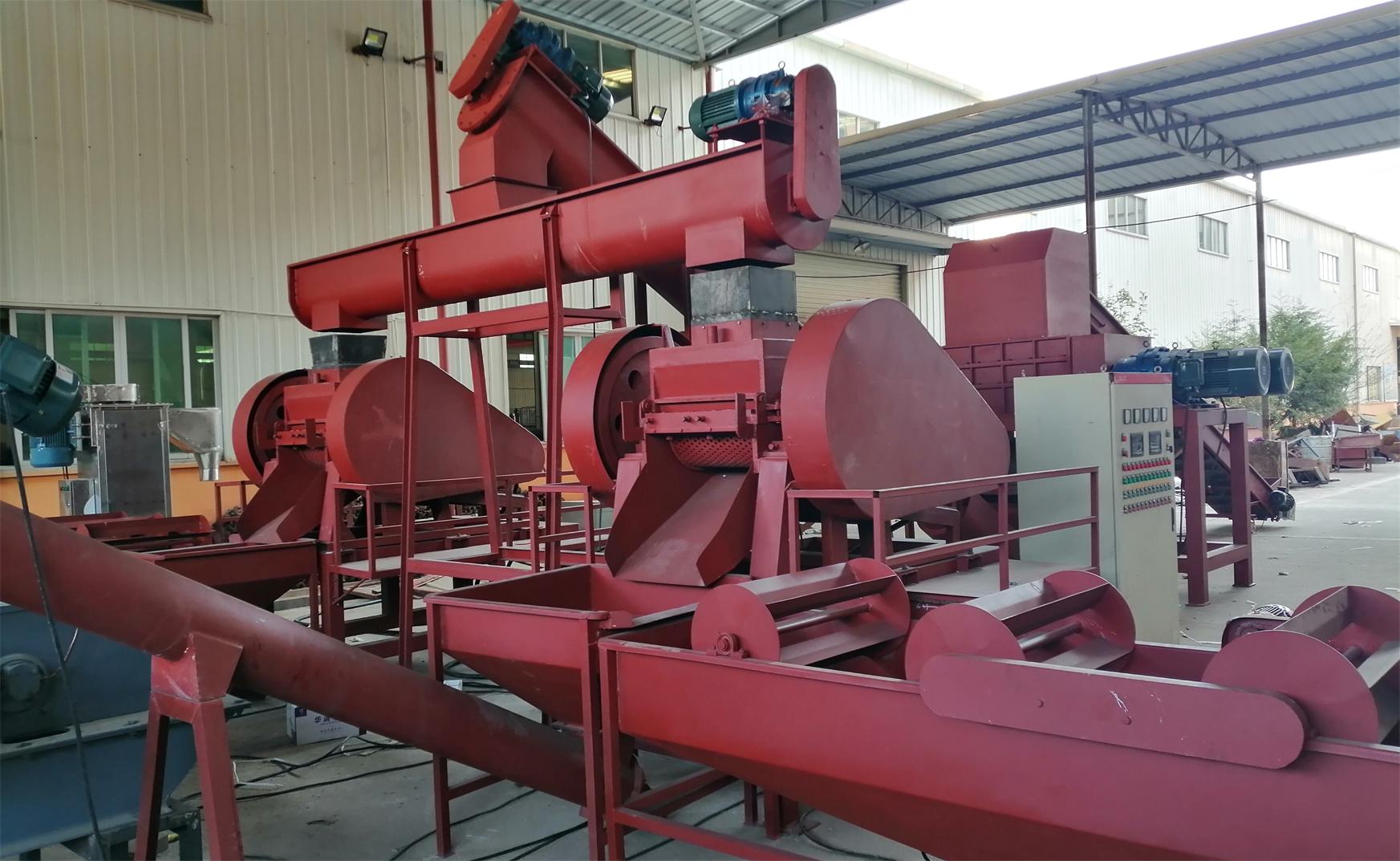
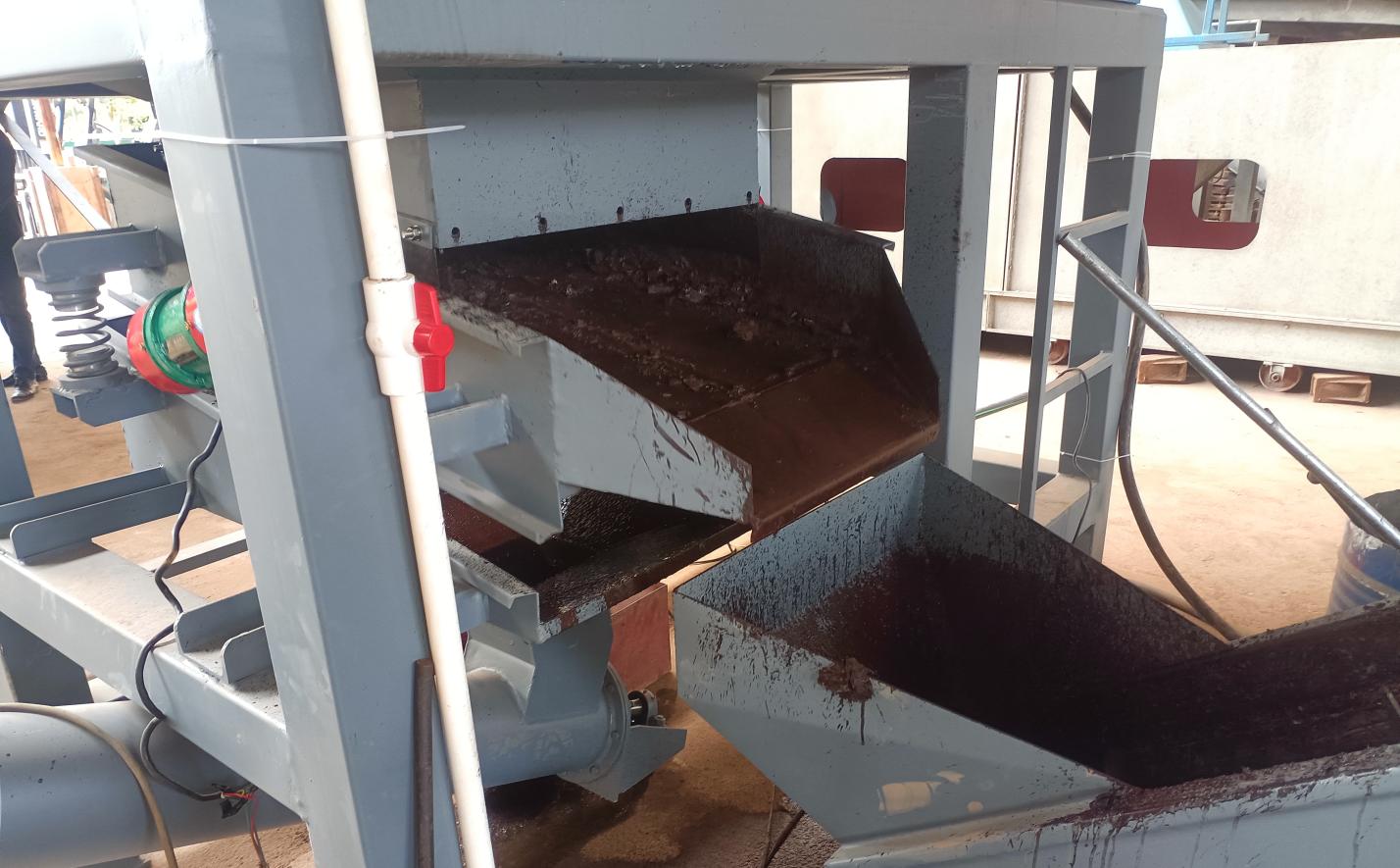
- Printed Circuit Boards (PCBs): Often called "urban mines," PCBs contain copper, gold, silver, and other precious metals. Professional circuit board recycling equipment uses mechanical crushing combined with air or water separation to achieve copper powder purity up to 98%.
- Scrap Cables and Wires: Copper and aluminum are highly valuable in the recycling market. Cable recycling equipment strips insulation and separates metal from plastic efficiently, turning waste wiring into pure copper rice or aluminum granules.
Key Equipment Components for a Turnkey Recycling Plant
Building a modern recycling facility requires more than just a single machine. A comprehensive plant includes multiple integrated systems working in harmony:
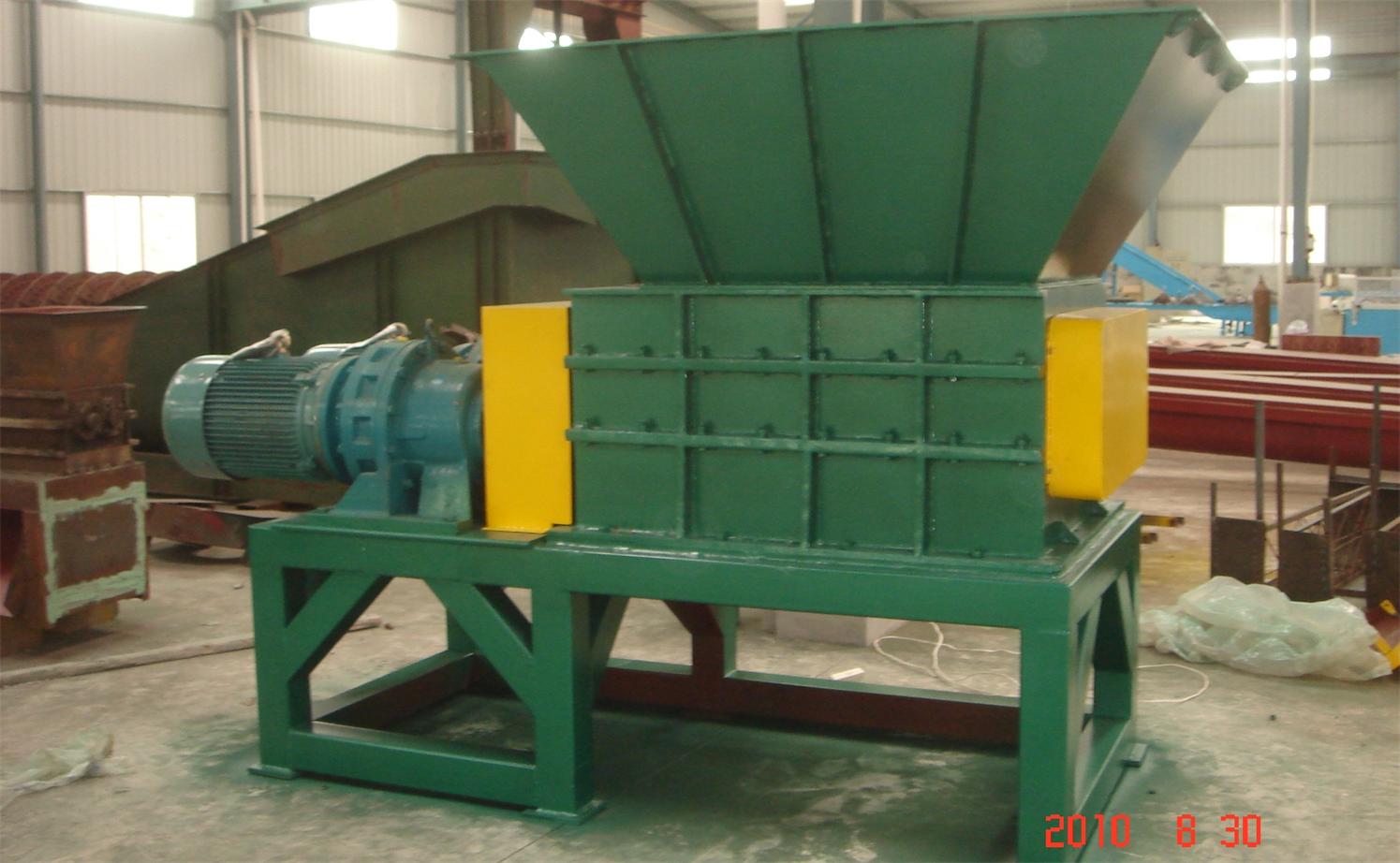
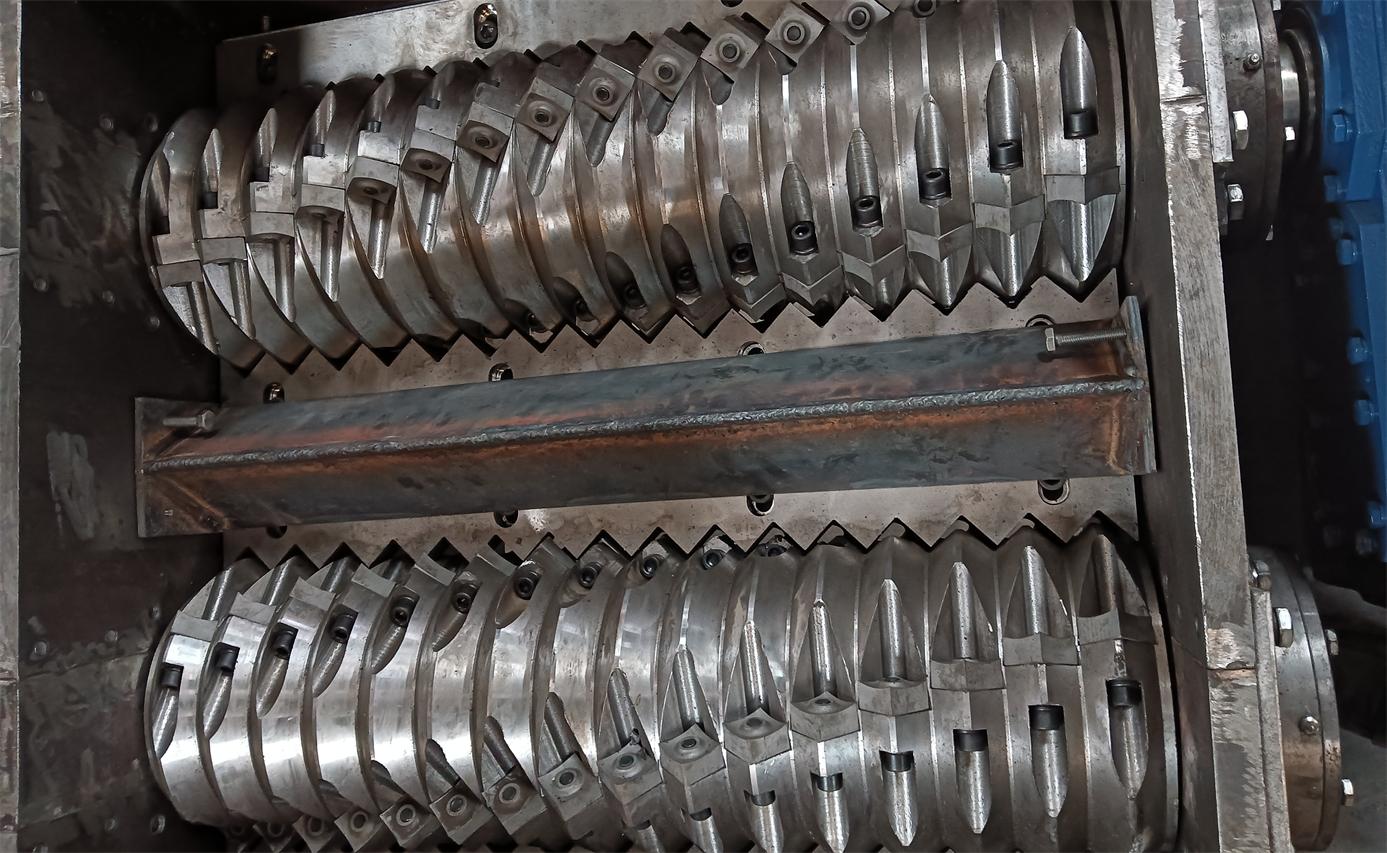
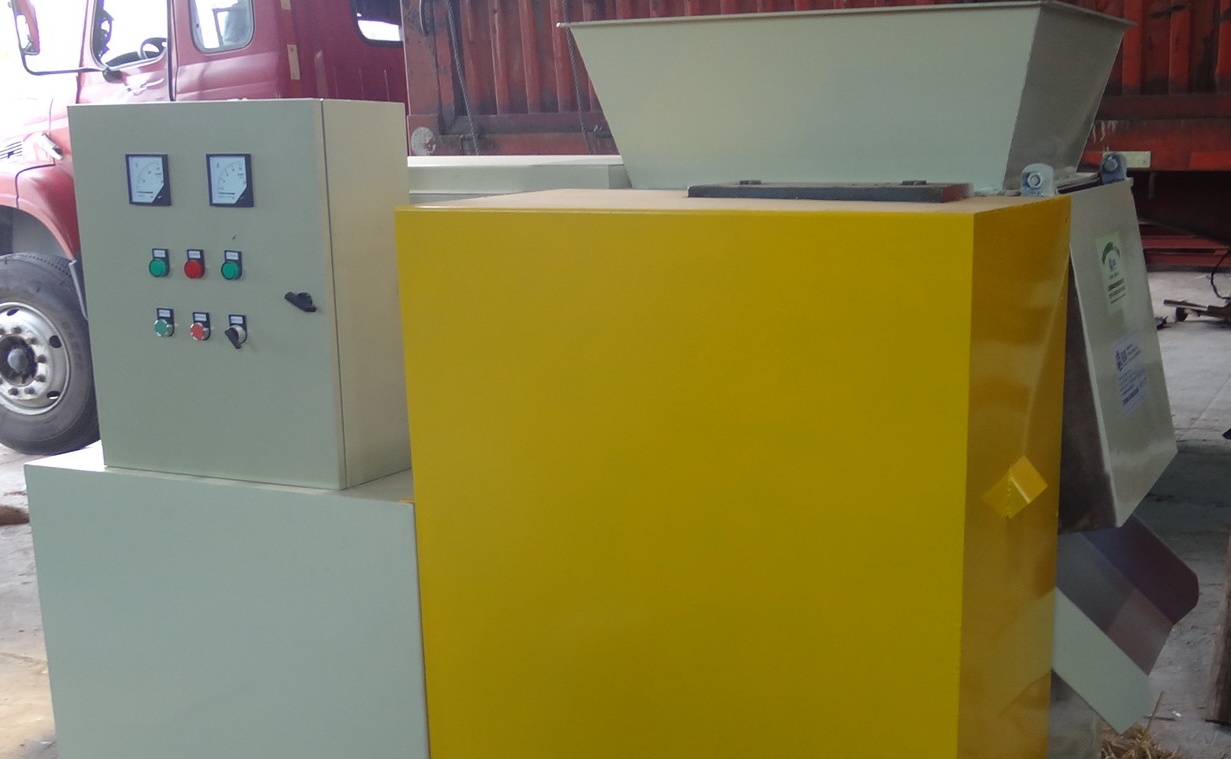
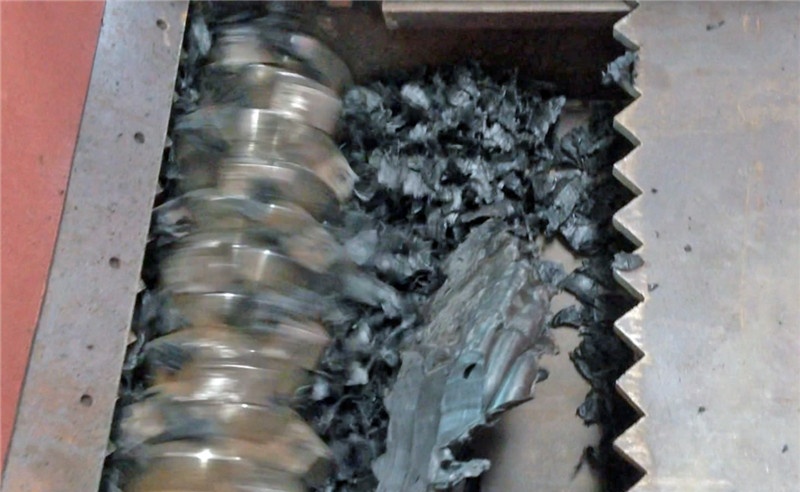
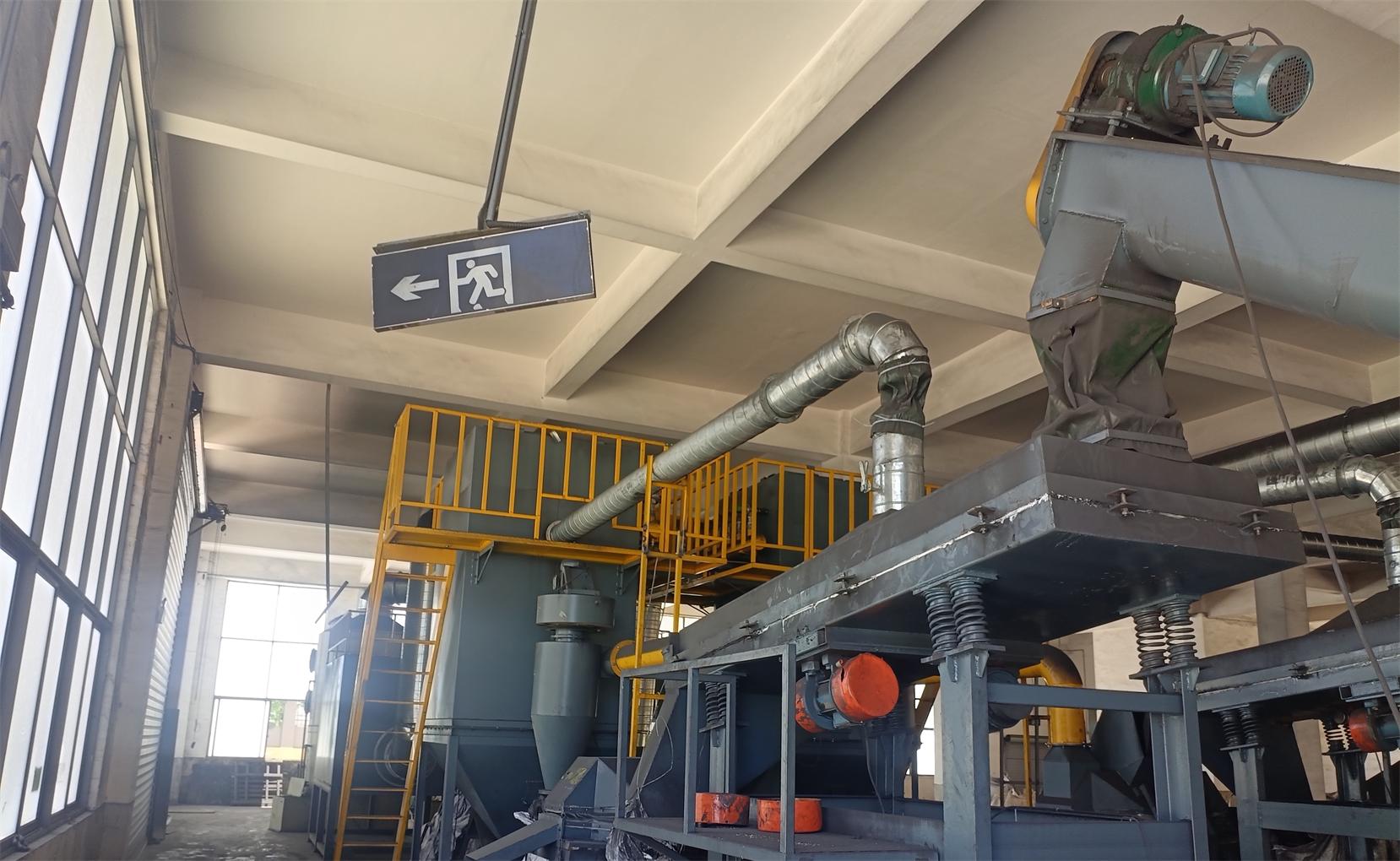
Pre-Processing Units: Shredders and crushers reduce material size for downstream separation. Four-shaft and twin-shaft shredders handle bulky items like refrigerators, lead acid batteries, and lithium battery packs.
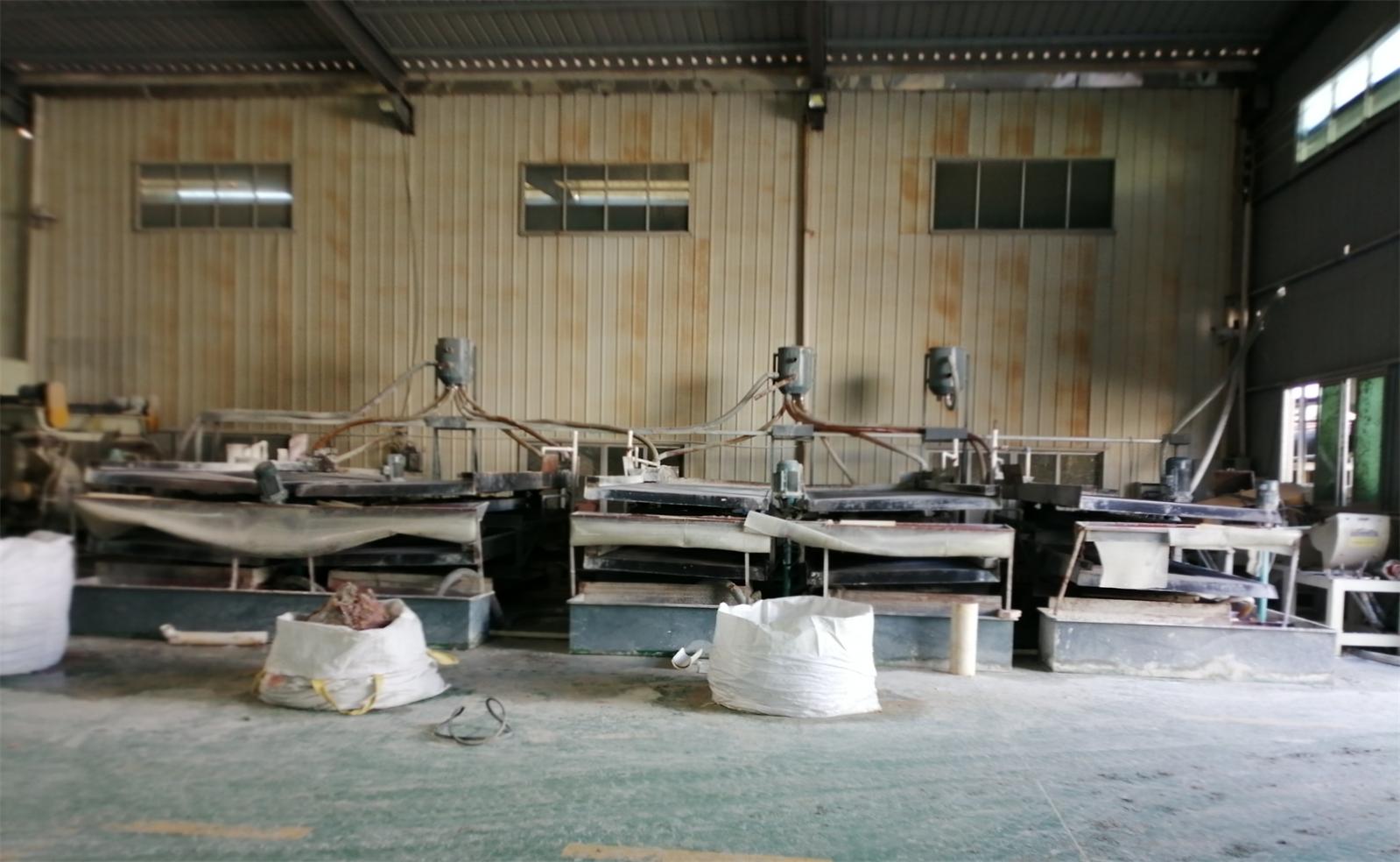
Separation Systems: Air separators, wet separators, electrostatic separators, and magnetic separators classify materials by density, conductivity, and particle size.
Smelting and Refining: Rotary furnaces, blast furnaces, and lead refinery kettles convert recovered materials into pure metal ingots ready for resale.
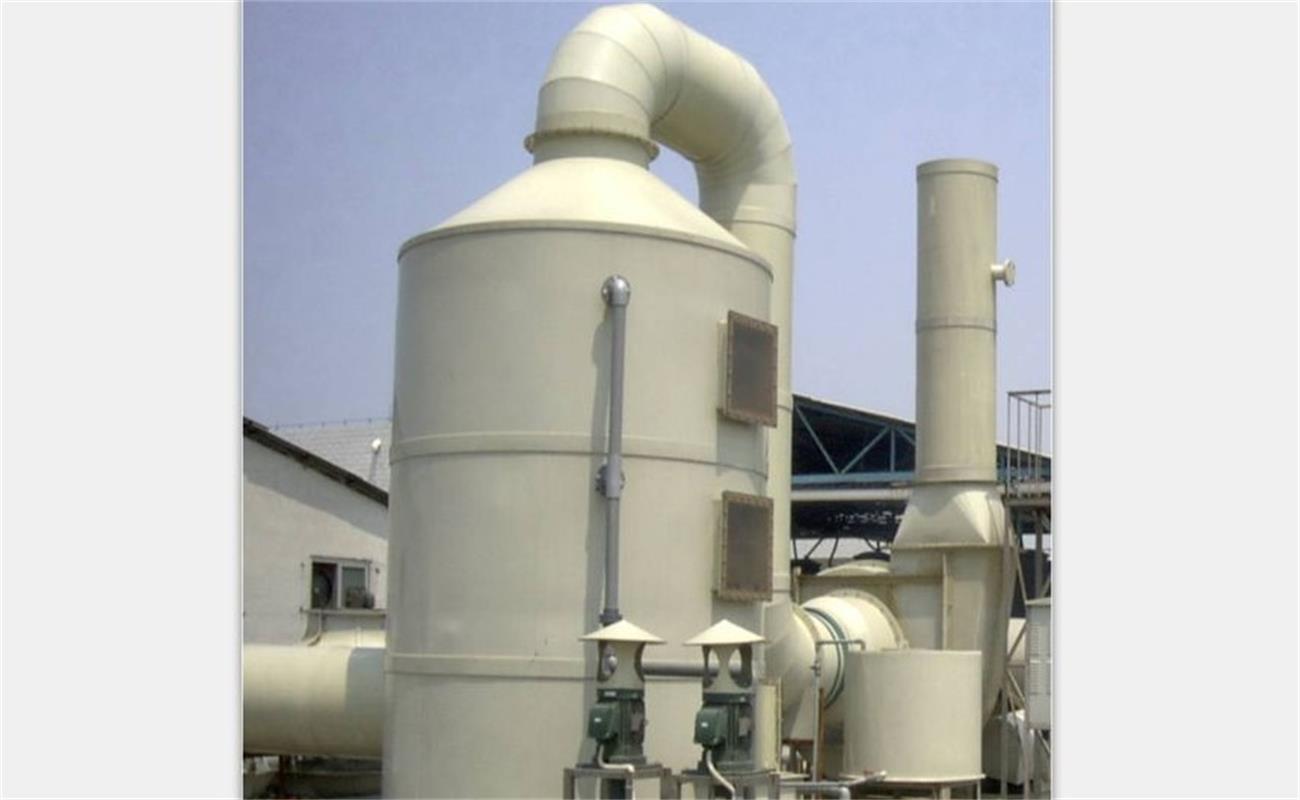
Environmental Controls: Air pollution control systems, water treatment plants, and de-sulfurization units ensure emissions and effluents meet local environmental standards.
What to Look for in a Recycling Equipment Supplier
Selecting a machinery partner is as critical as choosing the equipment itself. An experienced supplier provides far more than hardware. Consider these essential factors:
- Technical Depth: Look for teams with advanced mechanical engineering backgrounds and deep domain expertise in e-waste processing.
- EPC Experience: Engineering, Procurement, and Construction capability means your supplier can design, build, and commission an entire plant tailored to your feedstock and capacity targets.
- Customization: No two waste streams are identical. The ability to customize capacity, layout, and process flow is essential.
- Global Support: International installation, commissioning, and after-sales service ensure your plant runs smoothly regardless of location.
- Value-Added Services: The best suppliers help source raw materials, connect you with buyers for recovered metals, and even assist with investment partnerships.
San Lan Technologies: Your Partner in Sustainable Recycling
Since 2007, San Lan Technologies Co., Ltd has specialized in designing and manufacturing WEEE recycling machines and mining equipment from its base in Ganzhou, Jiangxi Province, China. With customers spanning over 21 countries across Asia, Africa, the Americas, and the Middle East, San Lan has built a reputation for delivering reliable, high-performance recycling solutions.
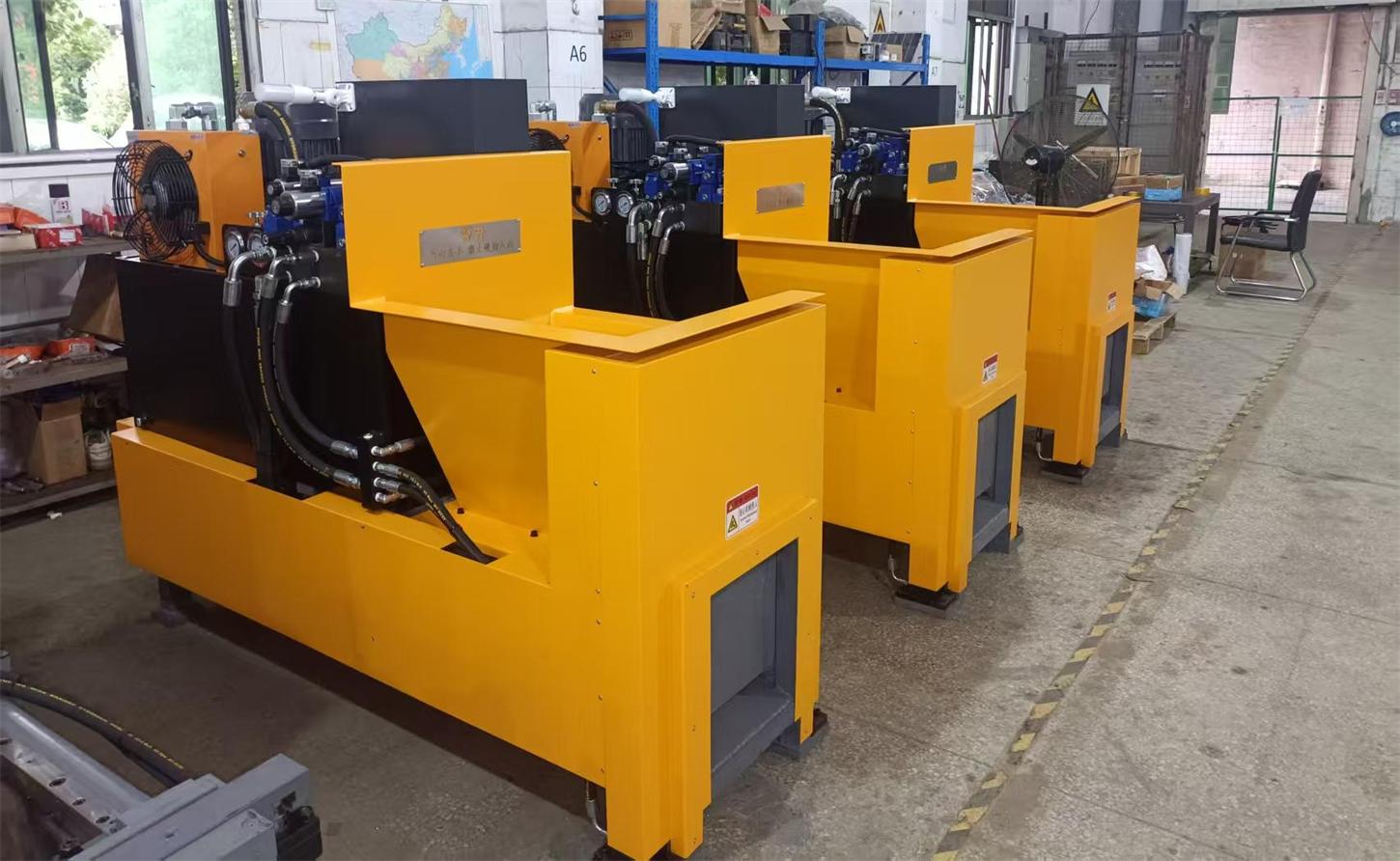
The company offers a comprehensive product portfolio covering lead acid battery recycling plants, lithium battery recycling systems, circuit board recycling lines, cable granulators, CRT cutters, refrigerator recycling plants, motor dismantling machines, hydraulic presses, shredders, and metal melting furnaces. Each system is engineered for high recovery rates, environmental compliance, and long-term operational reliability.
What sets San Lan apart is its end-to-end project capability. From initial feasibility studies and customized plant design to equipment manufacturing, overseas installation, and operator training, the team manages every phase of project delivery. Additionally, San Lan assists clients with waste material sourcing and helps market recovered products such as copper rice, lead ingots, and aluminum granules.
Conclusion: Turn E-Waste Into a Revenue Stream
The e-waste recycling industry is no longer a niche sector. It is a fast-growing, technology-driven market where the right equipment and the right partner can generate substantial returns. By understanding your material streams, investing in proven machinery, and working with an experienced supplier, you can transform waste into wealth while contributing to a cleaner planet.
Ready to start your recycling project? Contact San Lan Technologies today to discuss your requirements. Reach us via email at info@san-lan.com or on WhatsApp at +86 139 2377 4083. Let our engineering team design a customized recycling solution that fits your budget, capacity, and environmental goals.