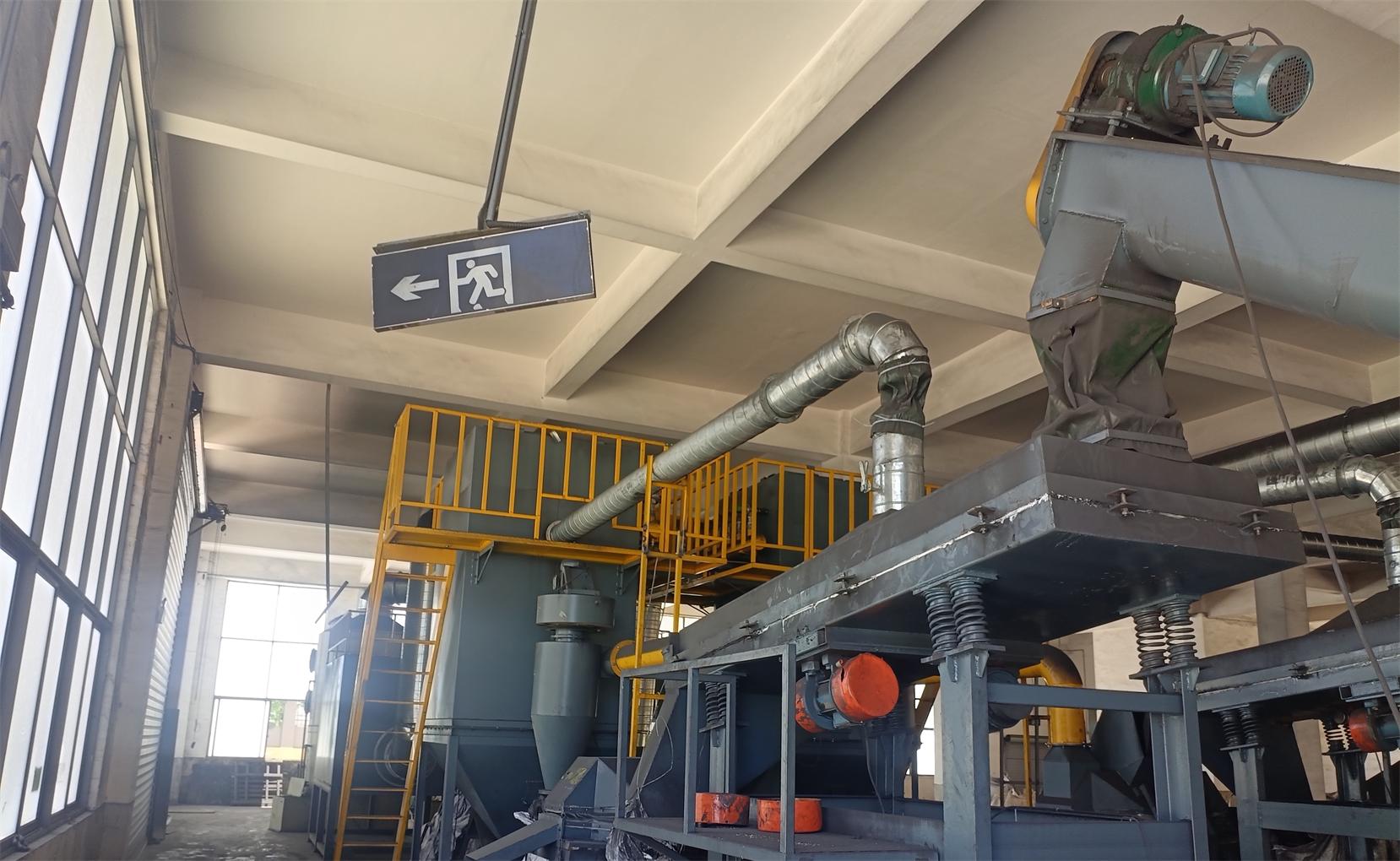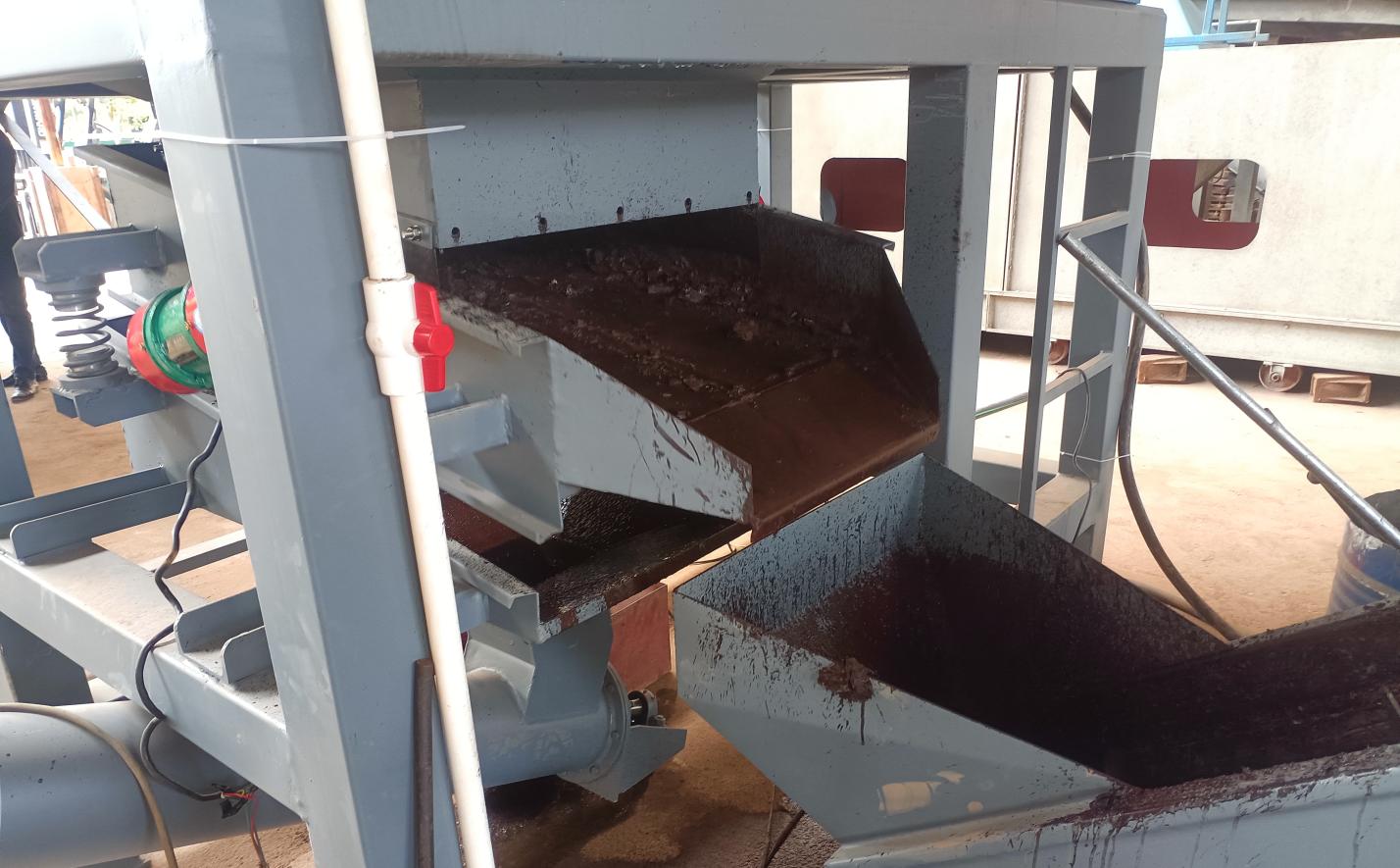
The global surge in electronic waste has created both an environmental challenge and a significant business opportunity. With millions of tons of discarded batteries, cables, and circuit boards accumulating every year, the demand for reliable recycling equipment has never been higher. Companies that invest in the right machinery today position themselves at the forefront of a rapidly expanding green economy.
However, not all recycling machinery is created equal. Building a profitable recycling operation requires more than standalone machines. It demands integrated systems designed by engineers who understand material flow, recovery rates, and environmental compliance from the ground up.
Batteries represent one of the most valuable and environmentally sensitive segments of e-waste. Both lead acid and lithium-ion batteries contain recoverable metals that can be reintroduced into manufacturing supply chains, reducing reliance on virgin mining.
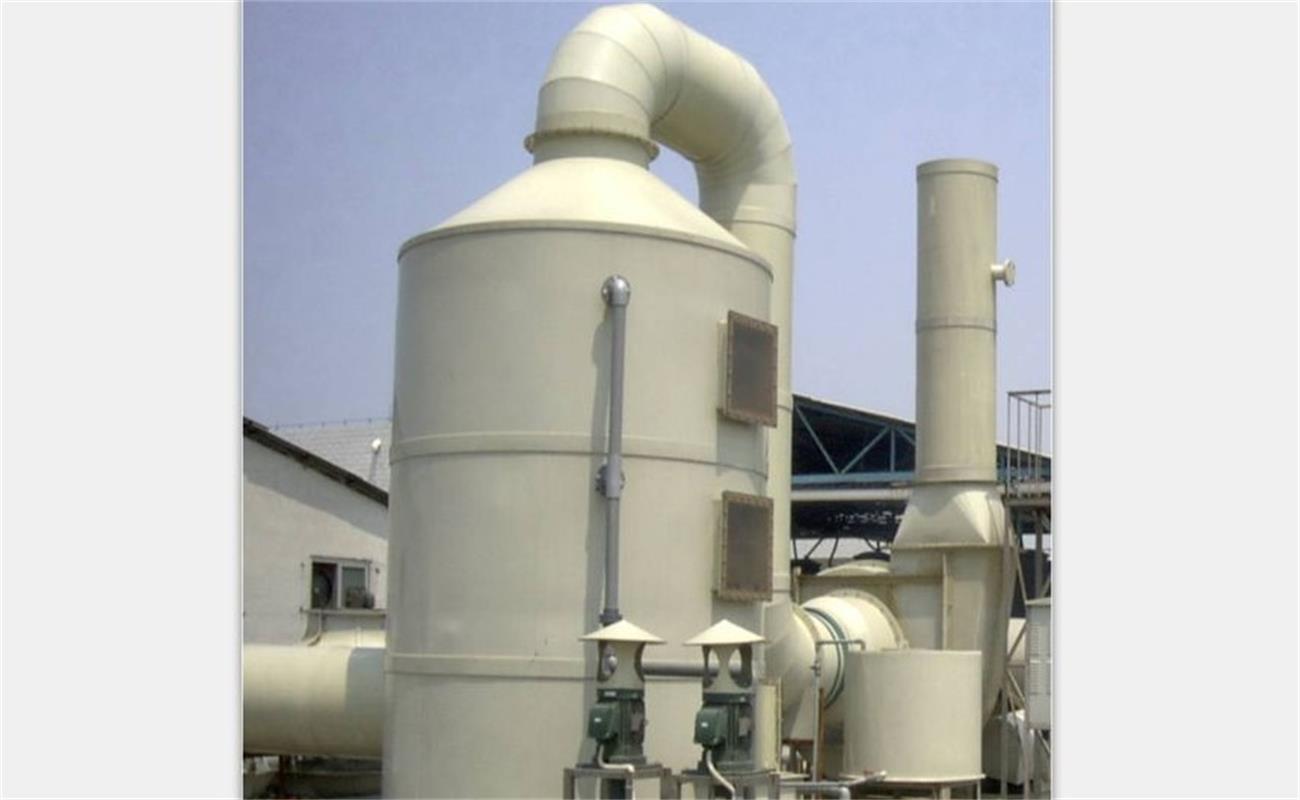
For operators targeting the lead acid market, specialized lead acid battery recycling equipment is essential. A complete system typically includes battery breaking and separation units, rotary furnaces for paste reduction, de-sulfurization units, blast furnaces with 95% lead recovery rates, and air pollution control systems that meet strict environmental standards. When these components are engineered to work together, operators achieve higher metal recovery while minimizing emissions and effluent.
On the lithium side, a modern lithium battery recycling plant recovers black mass containing nickel, cobalt, and graphite, alongside separated copper, aluminum, and plastic fractions. Capacities ranging from 500 to 2,500 kg per hour allow businesses to scale according to feedstock availability and market demand.
Scrap cable and printed circuit boards (PCBs) are two of the most common e-waste streams, and both hold substantial recoverable value when processed with the right technology.
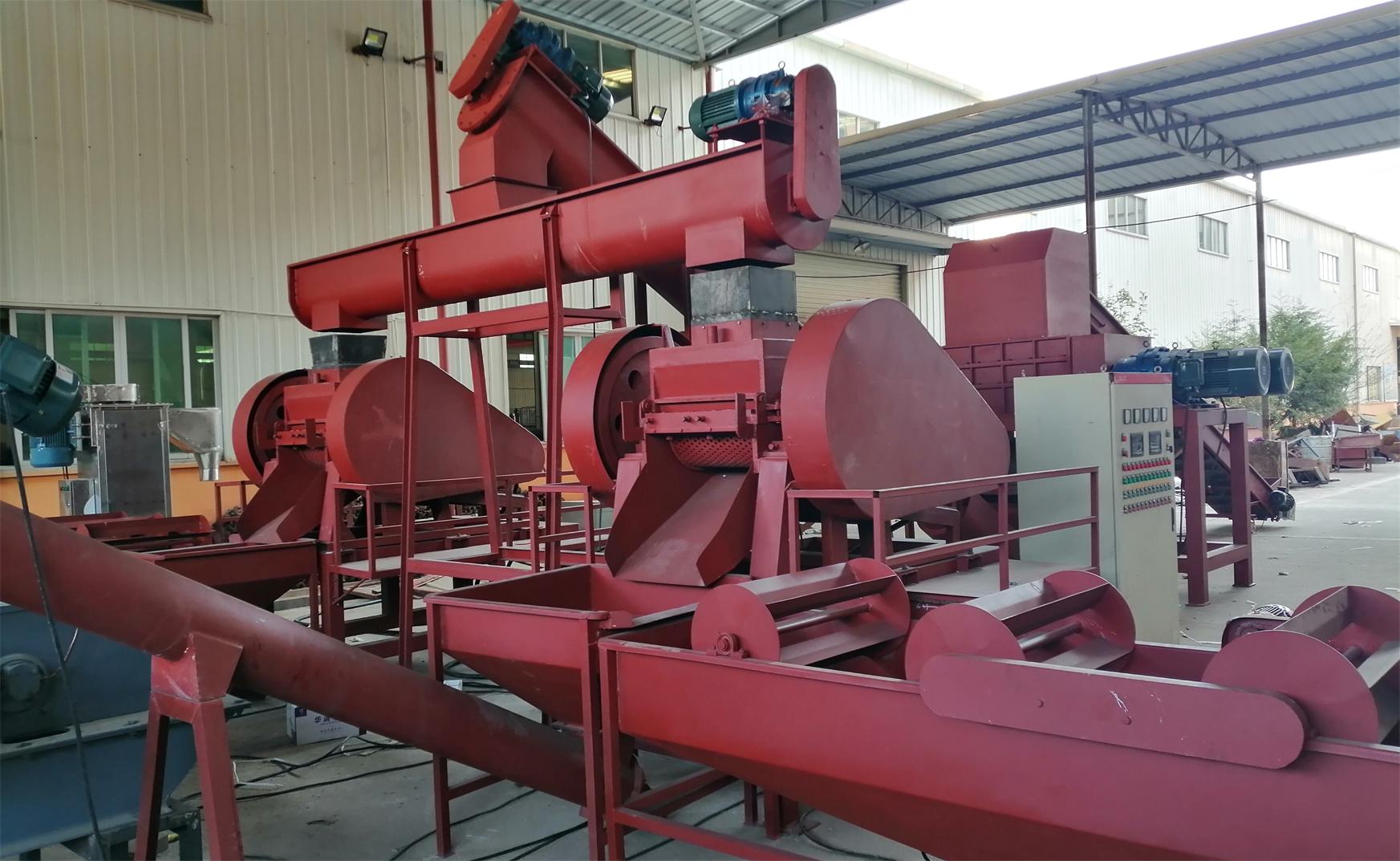
Advanced cable recycling equipment uses dry or wet separation to recover pure copper and aluminum granules from plastic insulation. Modern cable granulators achieve throughputs from 100 kg to 1,200 kg per hour, with pre-shredding and stripping options for large-diameter or jelly-filled cables. The resulting copper rice commands strong market prices and can be sold directly to smelters.
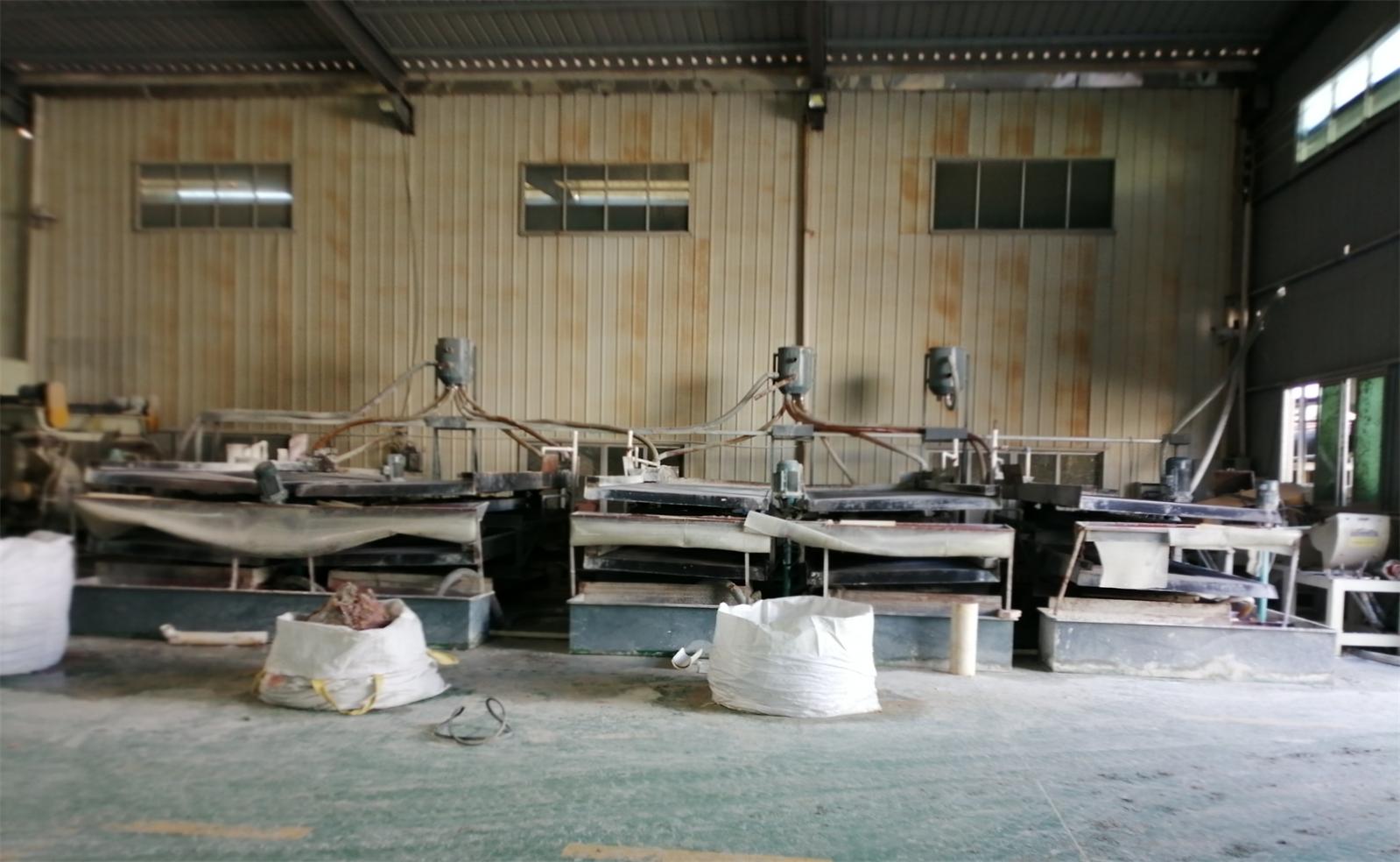
For circuit boards, specialized circuit board recycling plant systems employ air separation, wet separation, or electrostatic separation to extract copper powder with 96-98% purity. These plants handle capacities from 300 kg to 2,000 kg per hour and are designed to capture precious metals while controlling dust emissions.
A truly competitive recycling business often needs to handle diverse material streams. Supplementary equipment lines enable operators to expand their service offerings without sourcing from multiple vendors.
Additional solutions include:
- Refrigerator and air conditioner recycling plants that safely extract refrigerants and separate metals, plastics, and polyurethane
- CRT cutters with ni-chrome or diamond cutting technology for safe monitor and television dismantling
- Motor recycling machines that dismantle stators to recover copper windings from iron cores
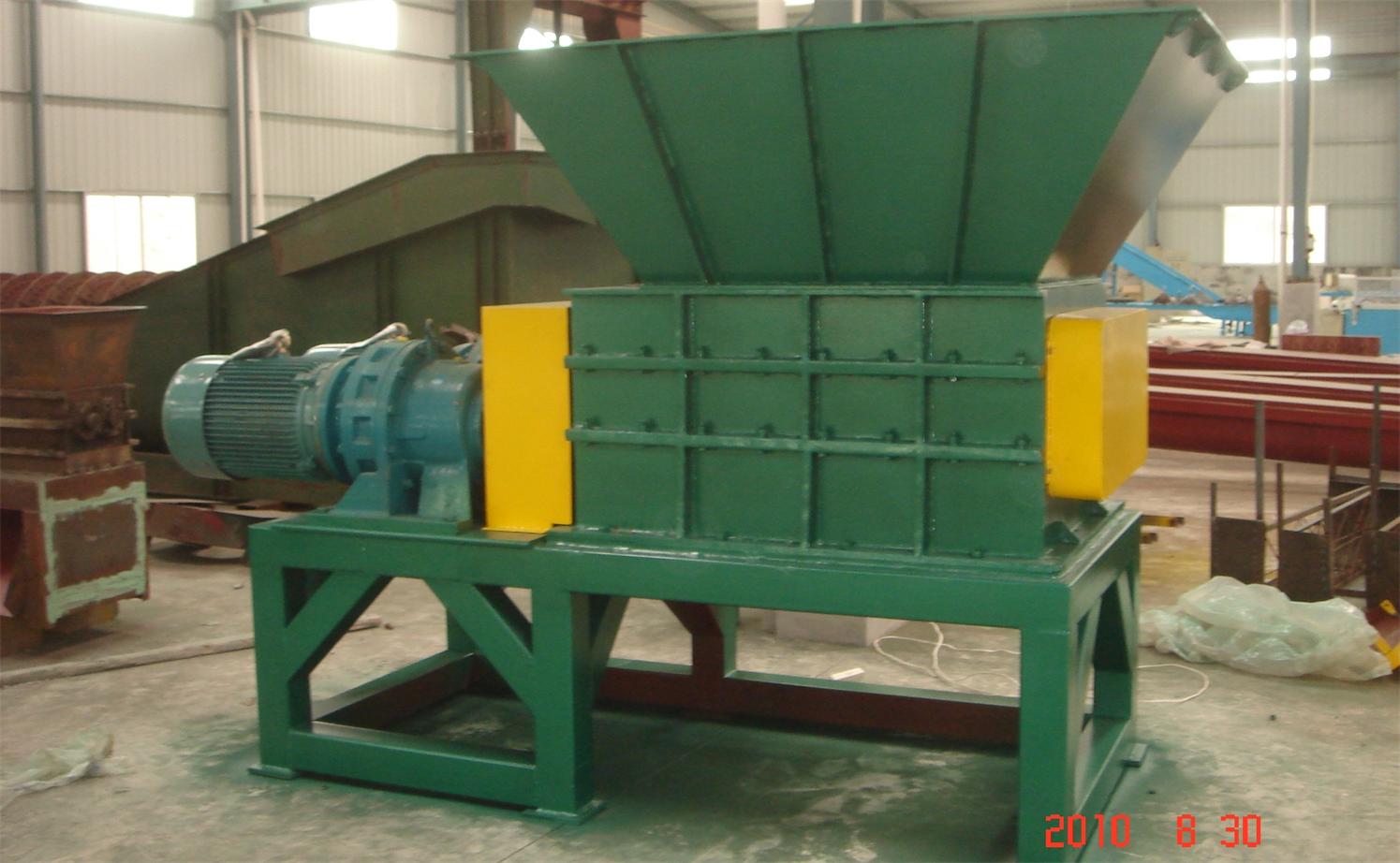
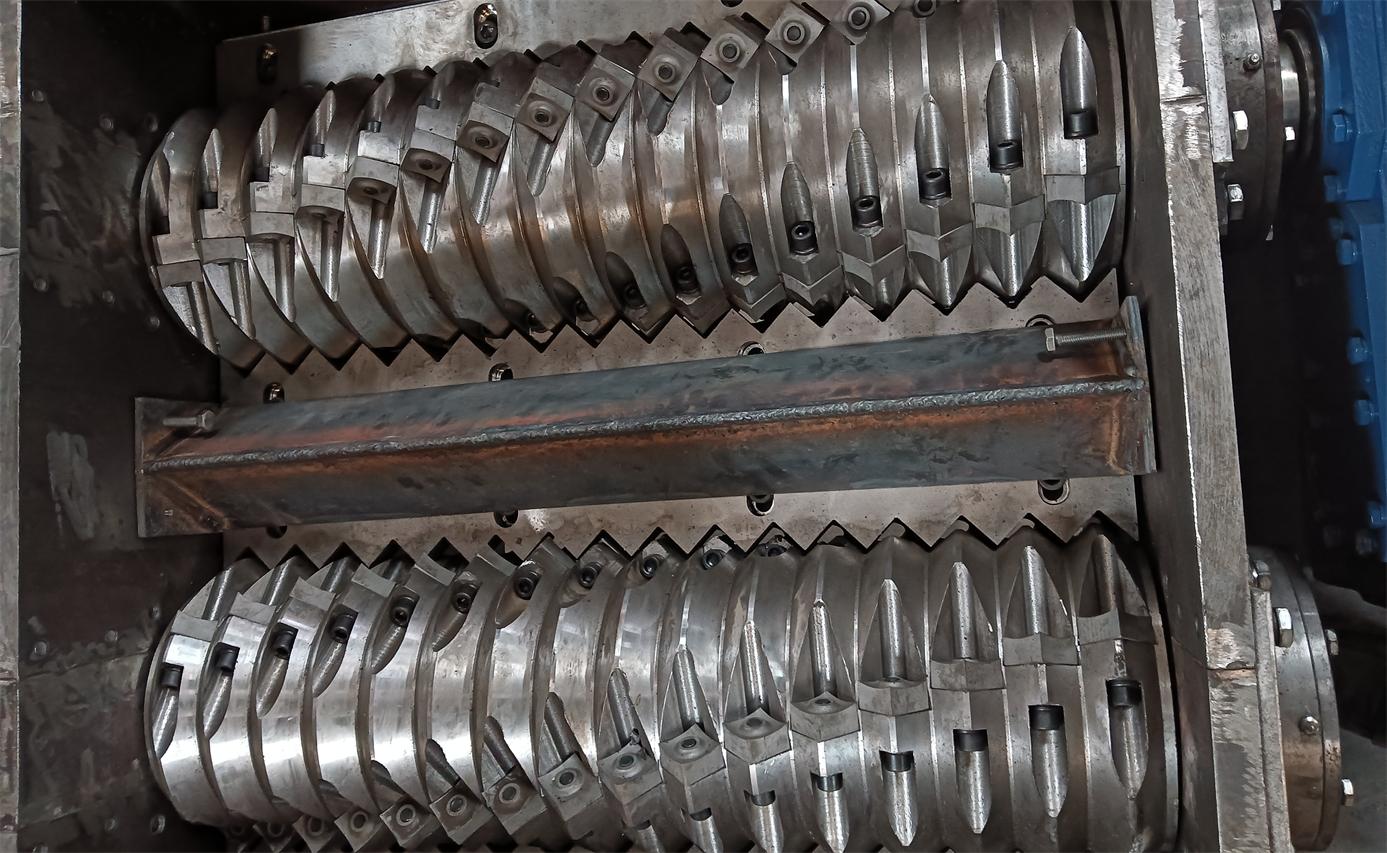
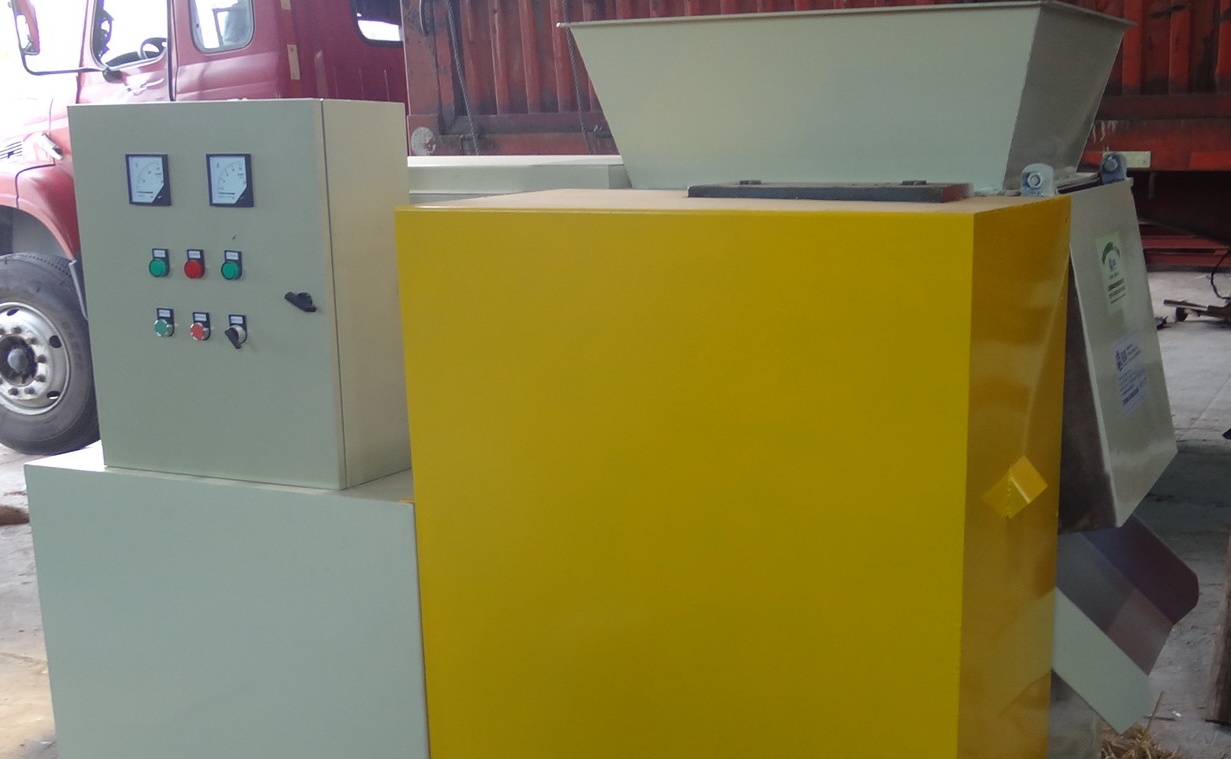
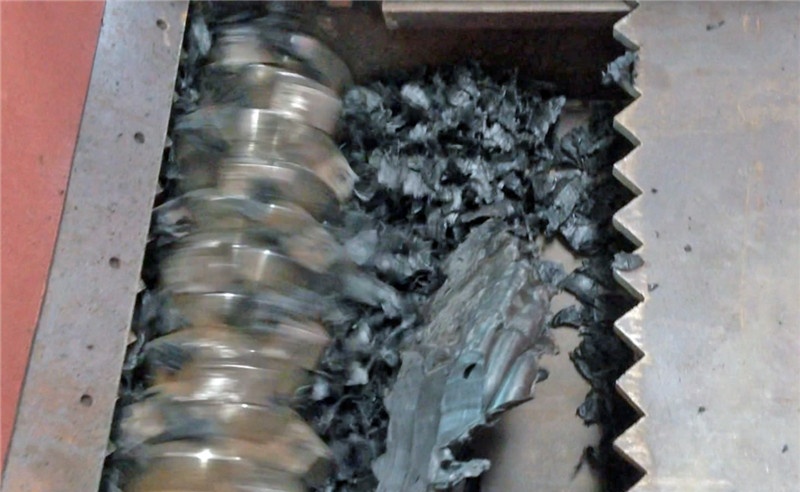
- Multi-purpose shredders and pre-choppers for sizing e-waste before downstream processing
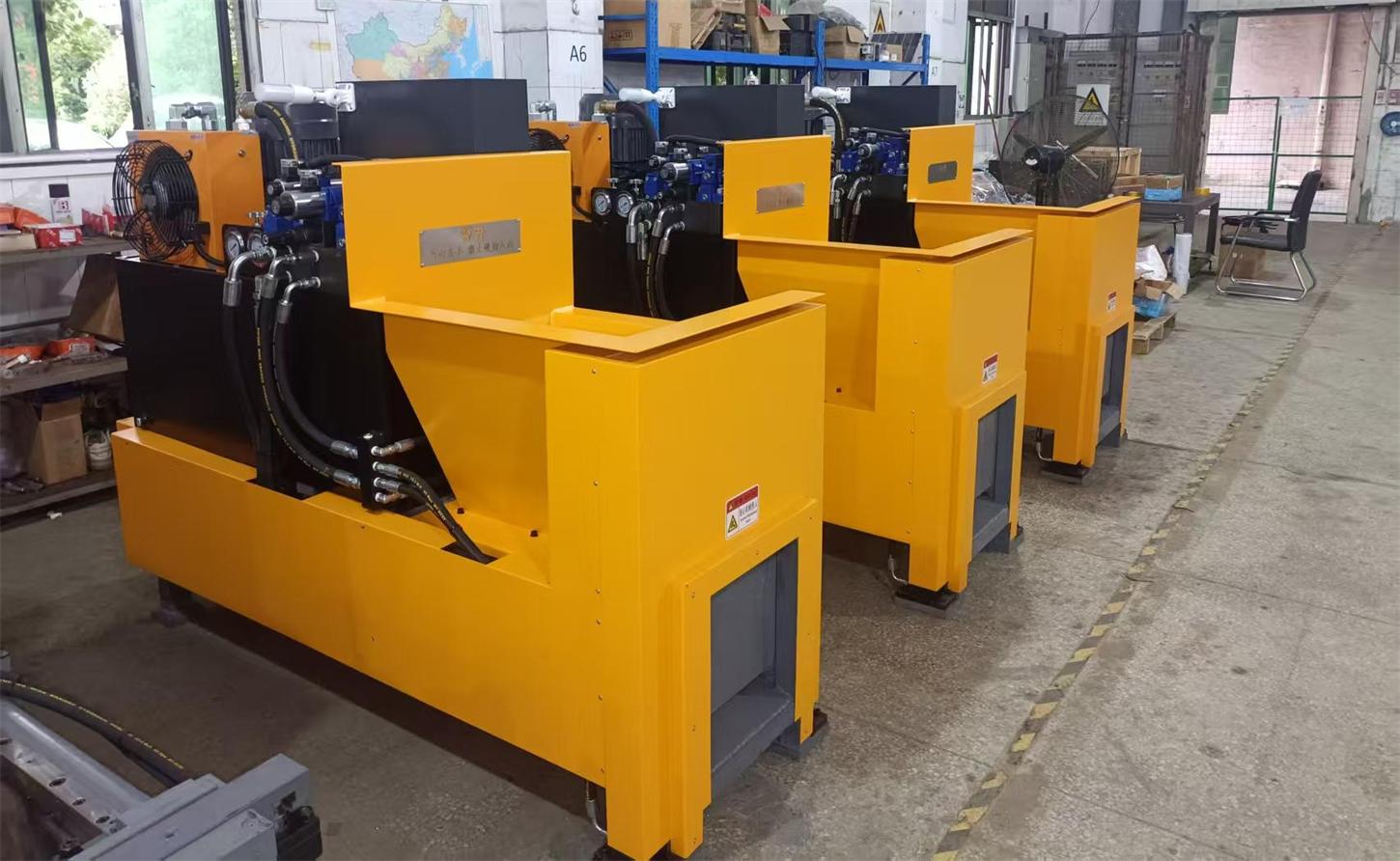
- Hydraulic press machines and balers for compacting metal chips and recyclable materials
- Lamp recycling systems that crush fluorescent tubes and capture mercury for safe disposal
Founded in 2007 and headquartered in Ganzhou, Jiangxi Province, China, San Lan Technologies Co., Ltd has built a reputation as a professional manufacturer of WEEE recycling machines and mining equipment. With a technical team holding master's degrees in mechanical engineering and over 15 years of hands-on experience in e-waste recycling machinery, the company offers far more than off-the-shelf products.
San Lan specializes in EPC (Engineering, Procurement, Construction) projects, delivering customized plant designs that cover everything from initial layout to installation and commissioning. This turnkey approach eliminates the complexity of coordinating multiple suppliers and ensures that every conveyor, separator, and furnace is optimized for the specific site conditions.
The company's value-added services extend beyond equipment supply. San Lan assists clients with sourcing waste feedstock such as cable scrap, PCB scrap, and used lead acid batteries. It also helps customers find buyers for recovered outputs including copper rice, lead ingots, and other refined materials. For entrepreneurs looking to enter the recycling sector, San Lan actively seeks investors and partners for plant construction projects.
San Lan's equipment is already operating in more than 21 countries, including Singapore, Colombia, Vietnam, Mexico, Argentina, South Korea, Malaysia, Indonesia, South Africa, Tunisia, India, Kenya, Saudi Arabia, the Philippines, Zambia, and Israel. This global footprint reflects the company's ability to adapt designs to different regulatory environments, voltage standards, and operational cultures.
With bilingual English and Chinese capabilities and a strong understanding of intercultural business environments, San Lan's team communicates effectively with clients from initial inquiry through long-term after-sales support.
Ready to build or upgrade your recycling operation? Whether you need a single machine or a complete turnkey plant, San Lan Technologies provides the engineering expertise and manufacturing quality to help your project succeed. Explore the full range of recycling equipment or contact the team directly to discuss your specific material streams, capacity targets, and budget.
Email: info@san-lan.com | WhatsApp: +86 139 2377 4083 | Website: www.san-lan.com