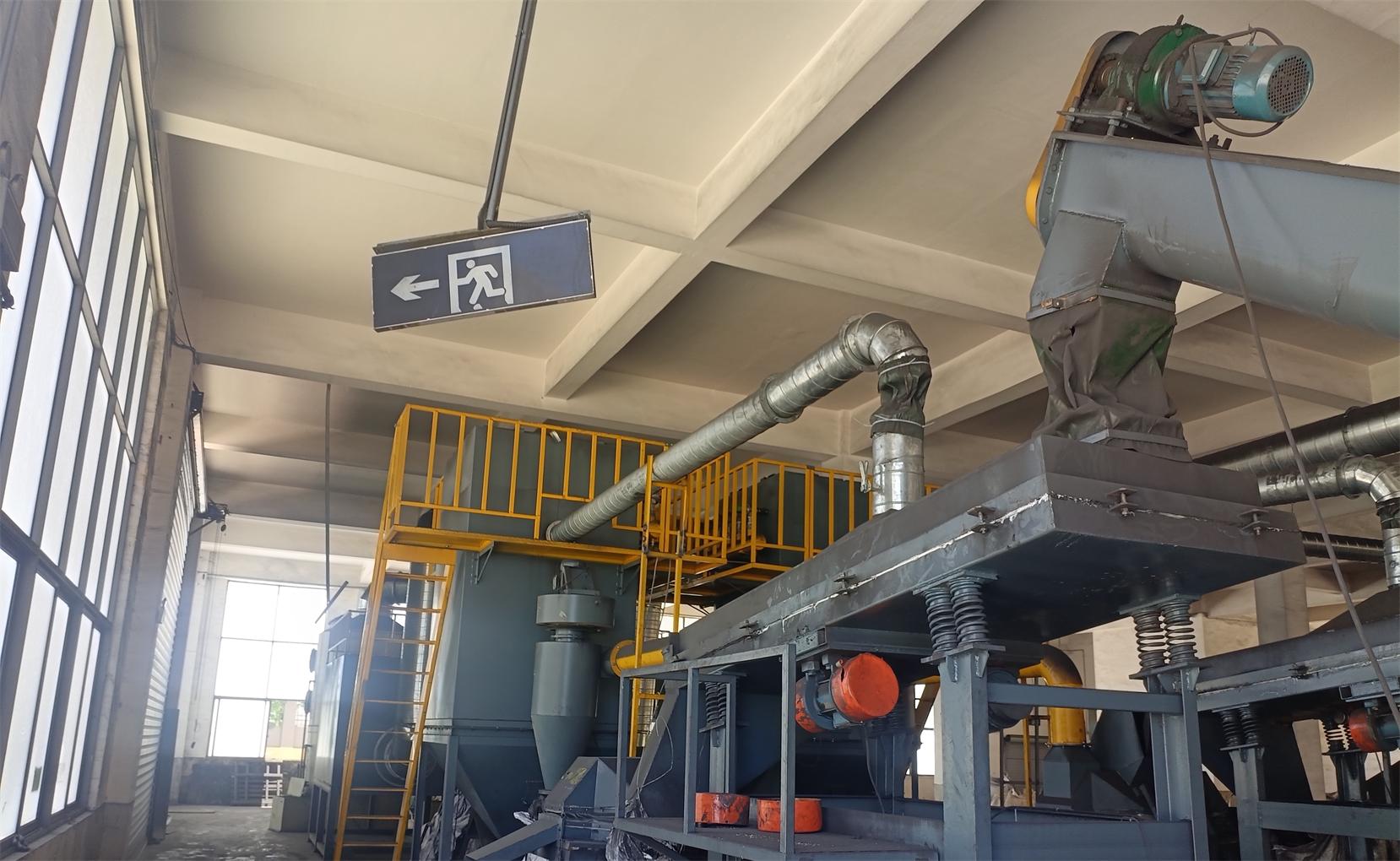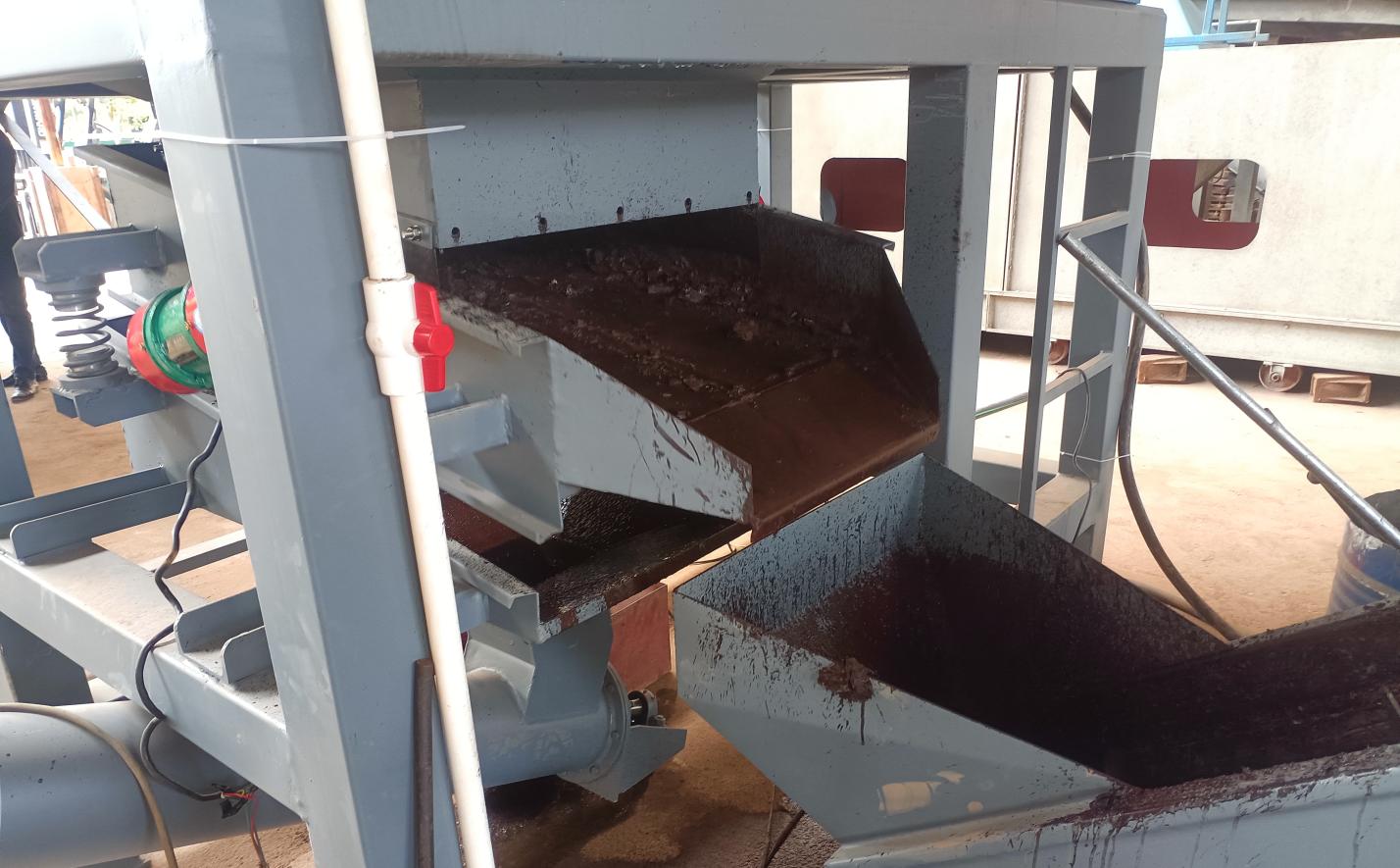
As electronic devices continue to dominate modern life, the world faces a mounting challenge: what happens when these products reach the end of their lifespan? For forward-thinking businesses, this challenge represents a significant opportunity. With the right recycling equipment and expertise, electronic waste can be transformed into valuable raw materials, creating profitable ventures while supporting environmental sustainability.
The Growing E-Waste Challenge
Every year, millions of tons of electronic waste are generated globally, including discarded batteries, cables, circuit boards, appliances, and industrial equipment. Much of this material contains recoverable metals such as copper, aluminum, lead, lithium, cobalt, and even precious metals like gold and silver. Without proper processing, these resources go to waste, and hazardous substances can harm the environment.
Governments worldwide are tightening regulations around e-waste disposal, pushing businesses to adopt responsible recycling practices. At the same time, the demand for recycled raw materials is rising, driven by both cost savings and corporate sustainability goals. Companies that invest in professional recycling infrastructure today are positioning themselves ahead of the curve.
Lead Acid Battery Recycling: A Complete Recovery System
Used lead acid batteries represent one of the most recyclable waste streams, with well-established processes for recovering lead, plastic, and acid. However, efficient recovery requires specialized machinery designed to handle the unique challenges of battery processing, including acid containment, lead paste separation, and environmental compliance.
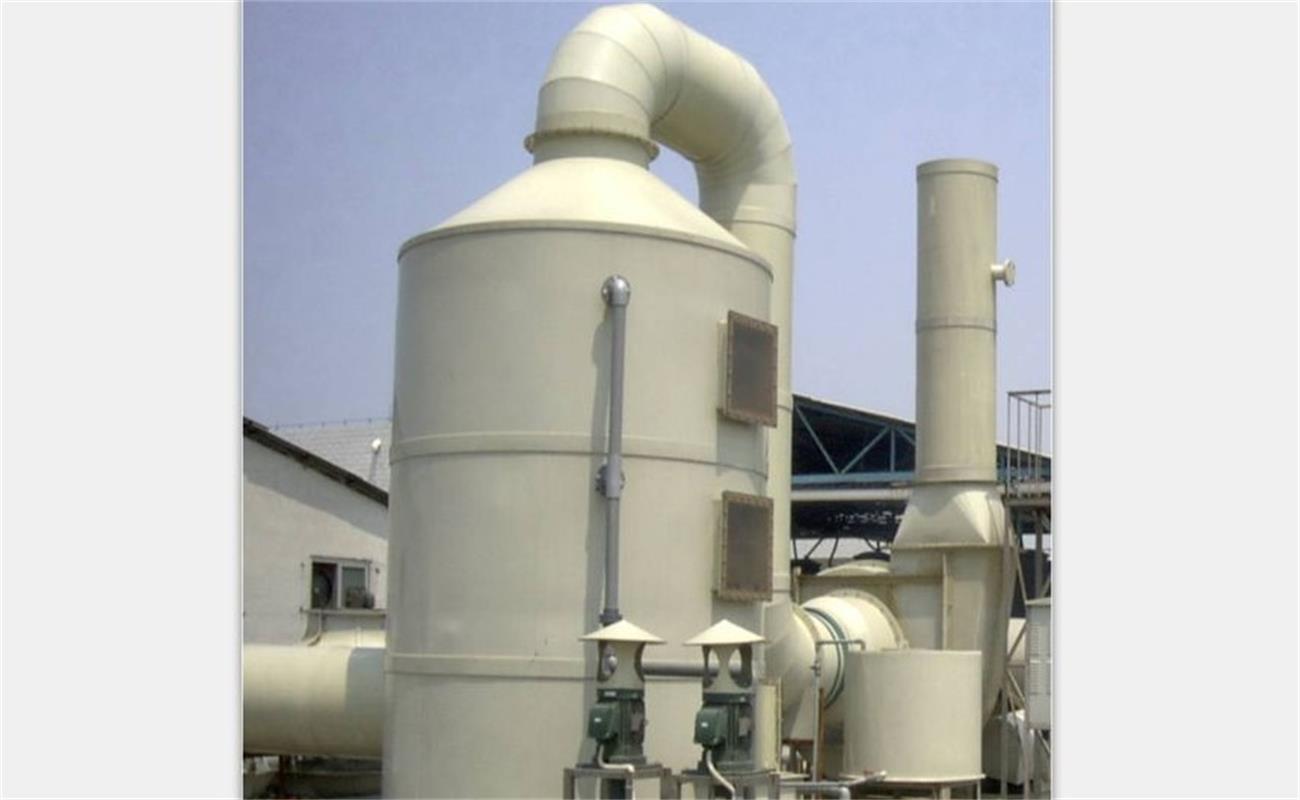
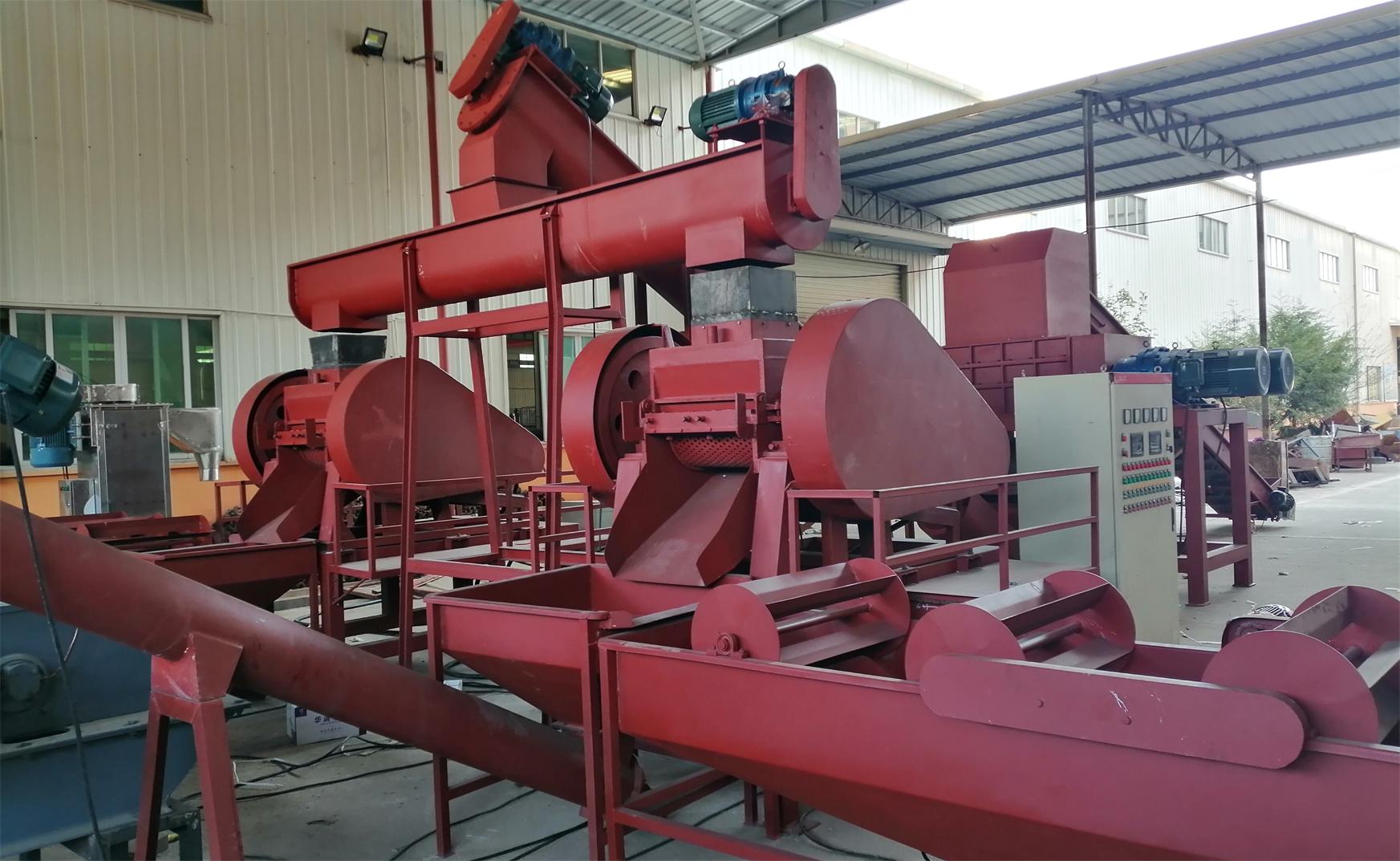
A comprehensive lead acid battery recycling equipment setup typically includes a breaking and separation system that crushes batteries and classifies the components into lead paste, lead grids, plastic shells, and acid. From there, lead paste can be processed through desulfurization units and smelting furnaces to produce crude metallic lead, which is then refined to high purity. Advanced systems also incorporate air pollution control and water treatment plants to ensure emissions and effluents meet strict environmental standards.
Modern plants can achieve lead recovery rates exceeding 95%, making this not only an environmentally sound choice but also a financially attractive one. Whether you are processing 1 ton per hour or scaling up to 10 tons per hour, the right equipment configuration makes all the difference in profitability and compliance.
Lithium Battery Recycling: Capturing the New Energy Market
The explosion of electric vehicles, consumer electronics, and energy storage systems has created a massive new waste stream: lithium-ion batteries. Unlike lead acid batteries, lithium batteries require different handling due to their chemical composition and potential fire risks. Safe and efficient recycling of these batteries is becoming a critical priority for industries worldwide.
A modern lithium battery recycling plant handles the entire process from discharging and pre-crushing to secondary granulation and black powder separation. The goal is to recover valuable materials including black mass containing nickel, cobalt, and graphite, as well as copper, aluminum, and plastic separators. Capacities typically range from 500 kg/hour to 2,500 kg/hour, depending on the scale of operation.
Because lithium batteries can emit harmful gases during processing, integrated air pollution control systems are essential. Additional components such as plastic pneumatic conveying systems and hydraulic briquetters help streamline material handling and prepare recovered plastics for resale or further processing.
Cable and Circuit Board Recycling: Maximizing Metal Recovery
Scrap cables and printed circuit boards are rich in copper and other metals, but separating these materials from insulation and other components requires precision equipment. The right recycling line can turn what looks like waste into high-purity copper powder, copper rice, and precious metal concentrates.
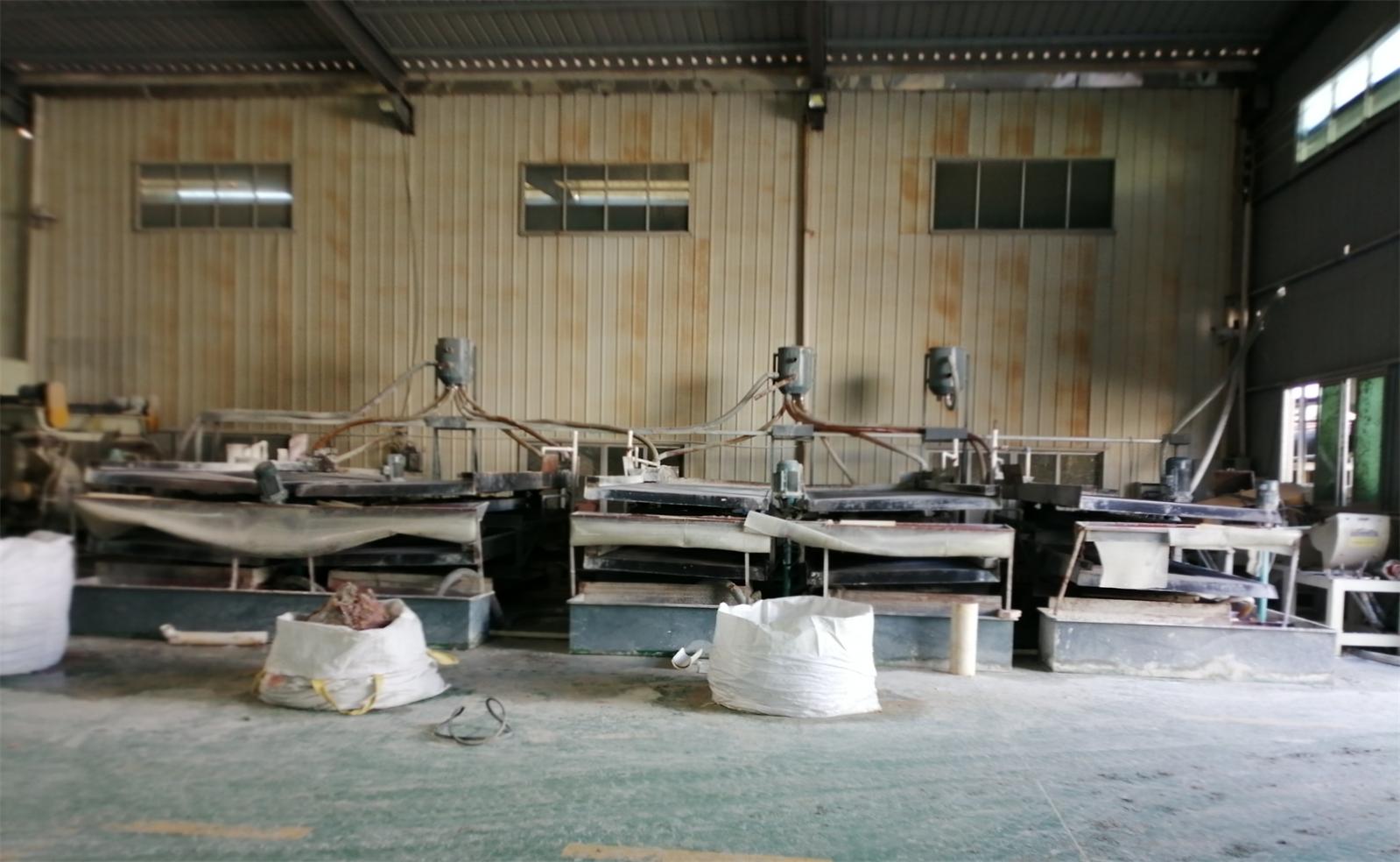
For cable recycling equipment, operators can choose from compact granulators with dry separators for smaller volumes, or larger wet separation plants capable of processing thousands of kilograms per hour. Scrap cable strippers handle big cables before granulation, while advanced granulators separate copper or aluminum from plastic insulation with high efficiency. Recovery rates for metal content regularly exceed 90% when using properly configured systems.
Circuit board recycling equipment operates similarly but with additional complexity due to the presence of electronic components, solder, and small quantities of precious metals. Both dry separation plants with air classifiers and wet separation systems are available, with capacities ranging from 300 kg/hour to 2,000 kg/hour or more. Copper powder purity of 96-98% is achievable with advanced air separation technology, while wet processes can handle boards still carrying components.
Beyond Batteries and Boards: Comprehensive E-Waste Processing
A truly complete e-waste recycling operation often needs to handle more than just batteries and circuit boards. Refrigerators and air conditioners require special processing to safely extract refrigerants before shredding and separating metals, plastics, and polyurethane foam. CRT monitors and televisions need precise cutting to separate panel glass from funnel glass while safely collecting phosphor powder. Even electric motors and fluorescent lamps can be processed to recover copper, steel, aluminum, and mercury respectively.
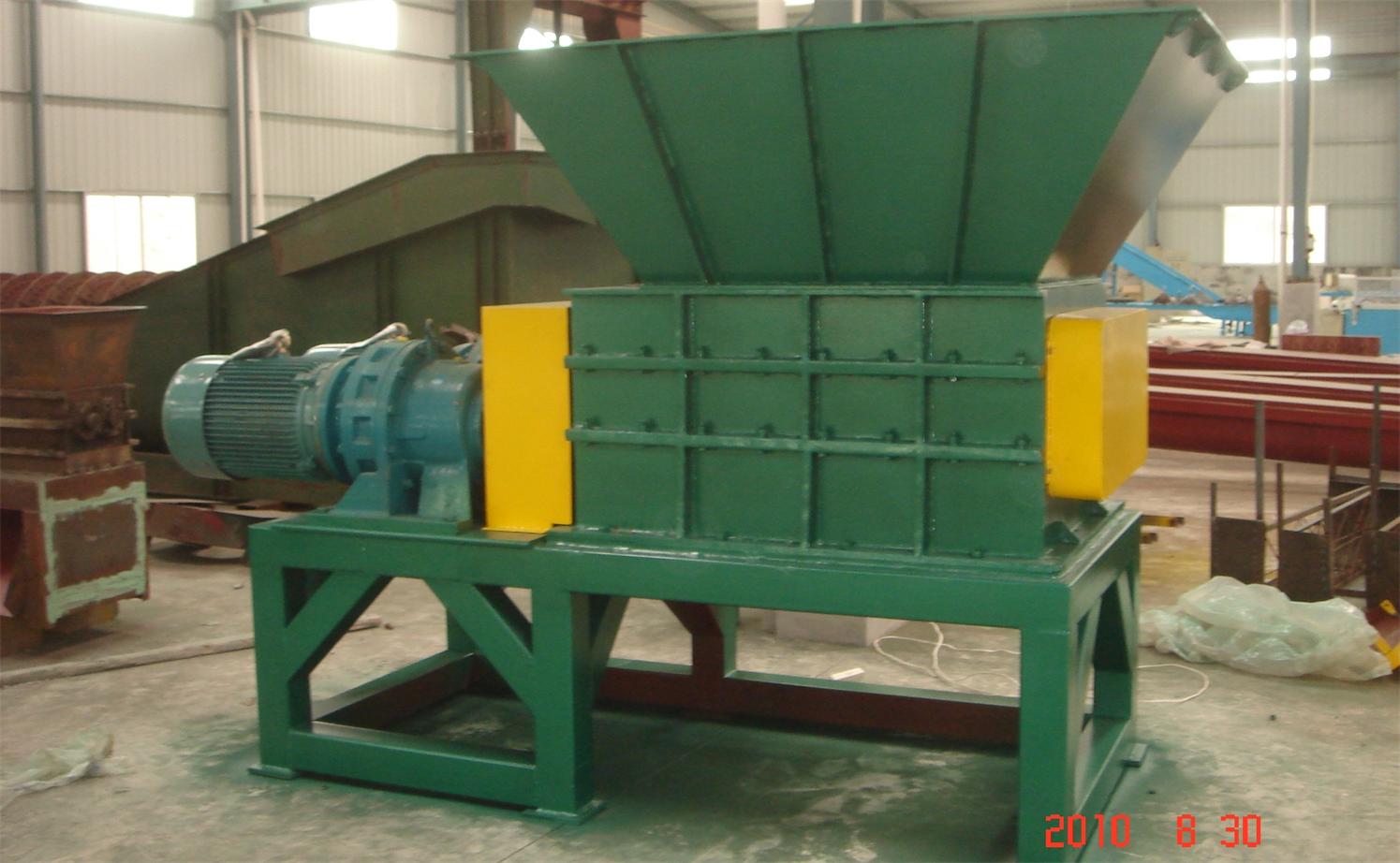
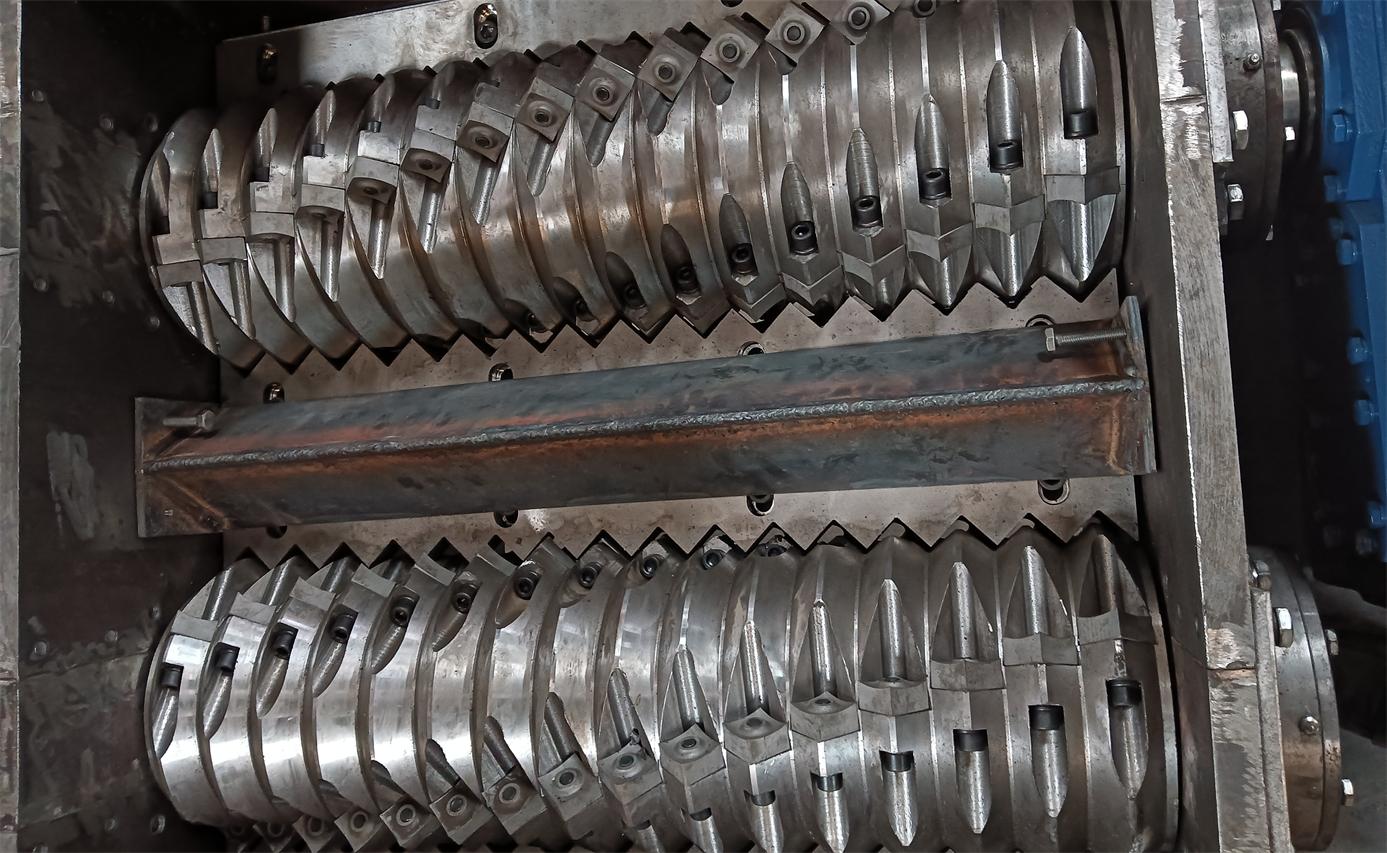
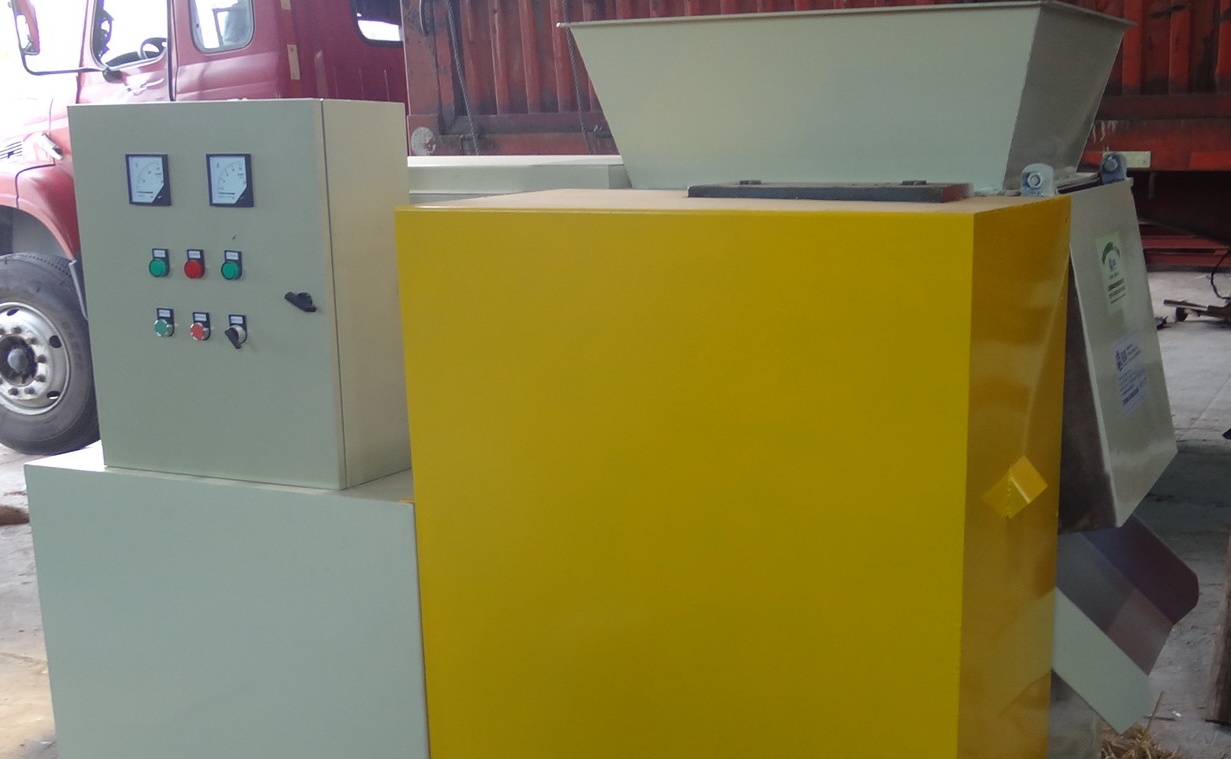
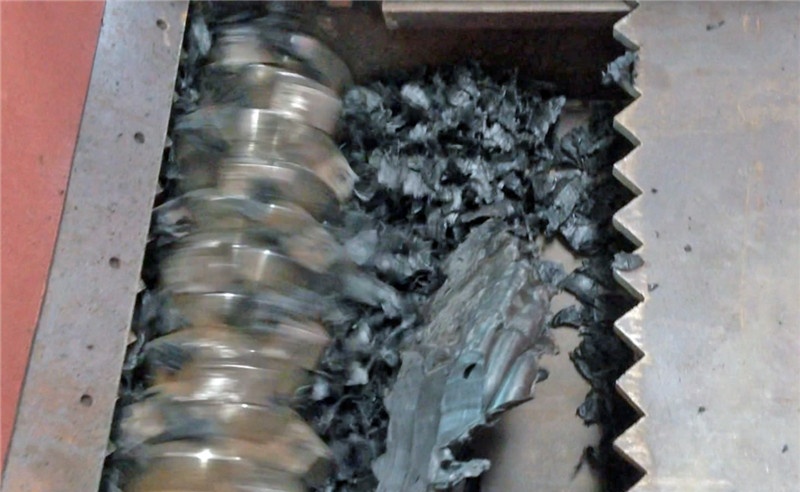
Shredders and pre-choppers form the backbone of many recycling lines, preparing bulky or mixed materials for downstream separation. Options include single-shaft, twin-shaft, and four-shaft shredders with capacities from 200 kg/hour up to 6 MT/hour, depending on the application. These machines handle everything from cables and circuit boards to refrigerators, washing machines, and batteries.
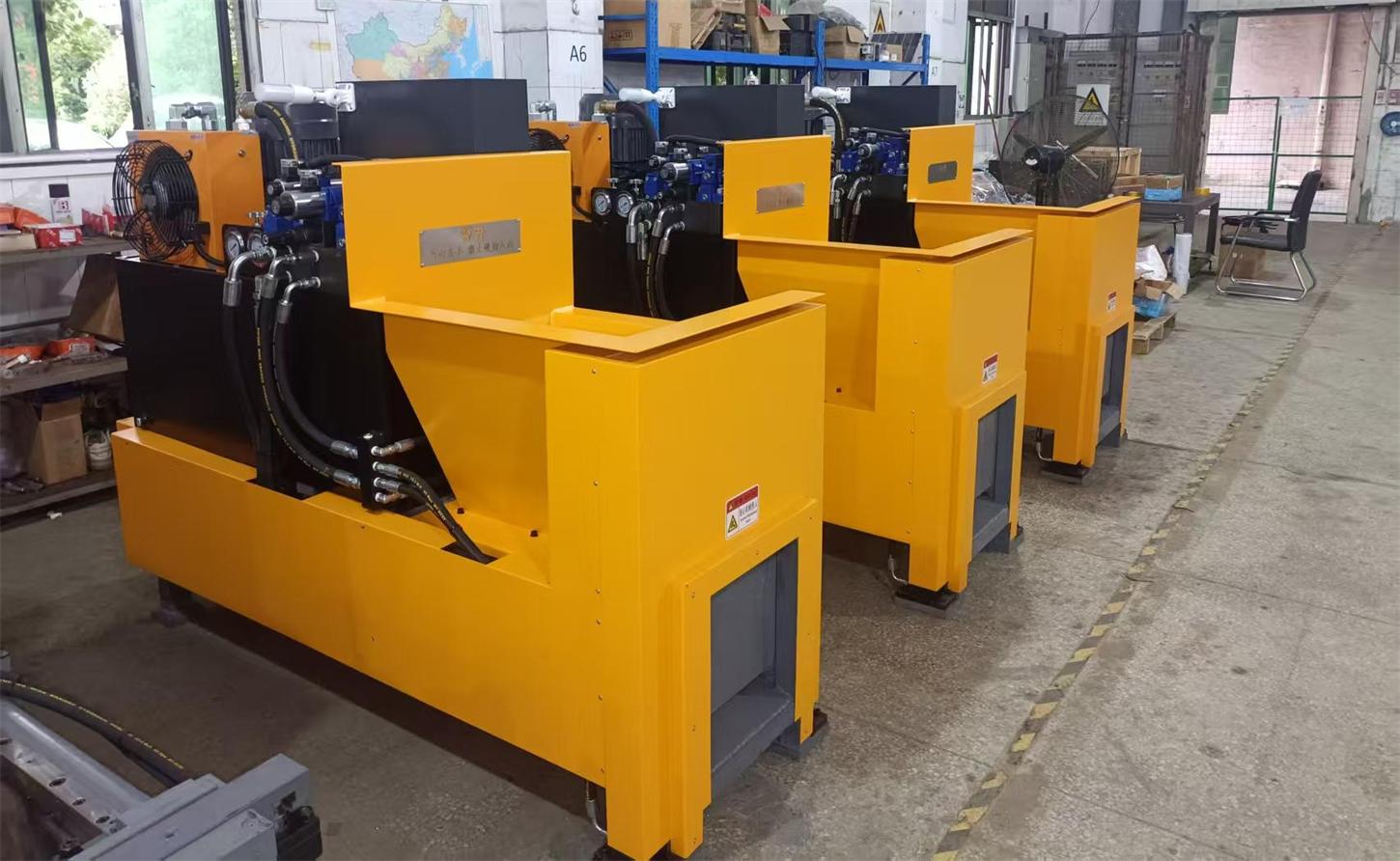
Hydraulic press machines, including metal briquetters and balers, add value by compacting loose materials such as metal chips, plastic film, and copper powder into dense blocks or bales that are easier to transport and sell. Volume compression ratios of 8:1 to 30:1 are common, significantly reducing storage and shipping costs.
One-Stop Plant Design and EPC Services
Purchasing individual machines is only part of the equation. Building a successful recycling operation requires careful plant design, proper installation, commissioning, and ongoing technical support. Many operators benefit from working with experienced partners who can deliver turnkey solutions.
Engineering, Procurement, and Construction (EPC) project services cover everything from initial process design and equipment selection to installation supervision and operator training. Customized designs ensure that each plant matches the specific waste stream, capacity requirements, local regulations, and budget of the operator. A one-stop purchasing approach also simplifies logistics, reduces compatibility issues between machines, and provides a single point of accountability.
Experienced manufacturers can also assist with secondary business needs, such as sourcing waste materials for processing, connecting operators with buyers for recovered products like copper rice, lead ingots, and plastic pellets, and even helping identify investors or partners for plant expansion projects.
What to Look for in a Recycling Equipment Partner
Choosing the right equipment supplier is a decision that affects your operation for years. Technical expertise matters: look for teams with strong mechanical engineering backgrounds and deep hands-on experience in e-waste recycling. A broad product portfolio is also important, as it indicates the manufacturer understands the full recycling chain and can provide integrated solutions rather than isolated machines.
Global experience counts. Suppliers who have successfully installed plants across multiple continents are more likely to understand diverse regulatory environments, waste characteristics, and operational challenges. After-sales support, including spare parts availability and technical consultation, should not be overlooked. Finally, effective communication in your language helps ensure that requirements are understood correctly and projects run smoothly from start to finish.
San Lan Technologies: A Trusted Partner in Recycling
Since 2007, San Lan Technologies Co., Ltd has been developing and manufacturing recycling machinery and mining equipment from its base in Jiangxi Province, China. The company offers a comprehensive range of equipment spanning lead acid battery recycling plants, lithium battery recycling lines, circuit board recycling systems, cable granulators, shredders, hydraulic presses, refrigerator recycling machines, CRT cutters, motor dismantling equipment, lamp recyclers, and metal melting furnaces.
With customers in over 21 countries across Asia, Africa, the Americas, and the Middle East, San Lan has built a track record of delivering reliable equipment and complete plant solutions. The company's technical team brings over 15 years of experience in e-waste recycling machinery, supported by EPC project capabilities, customized design services, and multilingual communication in English and Chinese.
- Professional technical support with master's-level mechanical engineering expertise
- Complete EPC services from design to commissioning
- Customized plant design for specific waste streams and capacities
- Assistance with raw material sourcing and product resale
- Broad equipment portfolio covering the full recycling chain
- Global installation experience across 21+ countries
Ready to turn electronic waste into a profitable resource? Whether you are planning a new recycling facility or upgrading existing equipment, selecting the right machinery partner is the foundation of long-term success. Explore complete recycling plant solutions and discover how professional-grade equipment can help you recover more value from every ton of e-waste while meeting environmental compliance requirements.