The E-Waste Challenge and Opportunity
Electronic waste now exceeds 50 million tons annually worldwide, and this figure continues to accelerate as technology cycles become shorter and consumption rises. Batteries, circuit boards, cables, and discarded appliances contain significant quantities of copper, aluminum, precious metals, and rare earth elements. Without proper processing, these materials leach toxins into soil and water while wasting finite natural resources.
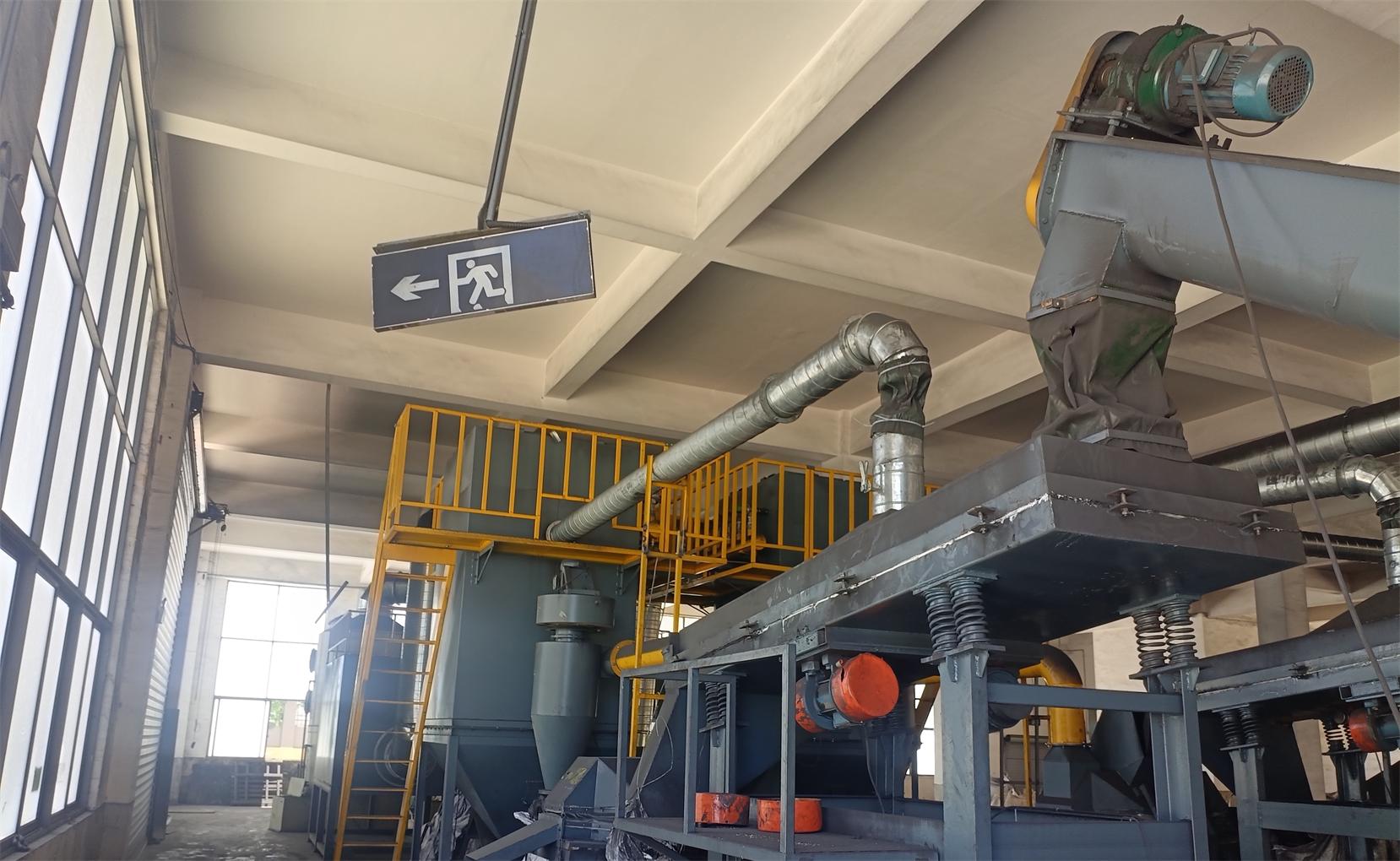
The recycling industry has responded with increasingly sophisticated equipment designed to safely dismantle, shred, sort, and refine these materials. Modern recycling plants can recover over 90% of the metal content from many electronic waste streams, turning environmental liability into economic asset.
Essential Equipment for Modern Recycling Operations
Battery Recycling Systems
Batteries represent one of the most critical categories of e-waste due to their toxic components and high material value. Different battery chemistries require specialized processing approaches.
Lead Acid Battery Recycling
Traditional lead acid batteries remain widely used in vehicles, backup power systems, and industrial applications. Processing these batteries requires specialized equipment that can safely break them apart, separate the lead plates and plastic casings, and neutralize the sulfuric acid electrolyte. Modern lead acid battery recycling equipment integrates cutting and crushing systems with acid-neutralizing stages and metal separation technologies, allowing operators to recover pure lead and polypropylene plastic for reuse.
Lithium Battery Recycling
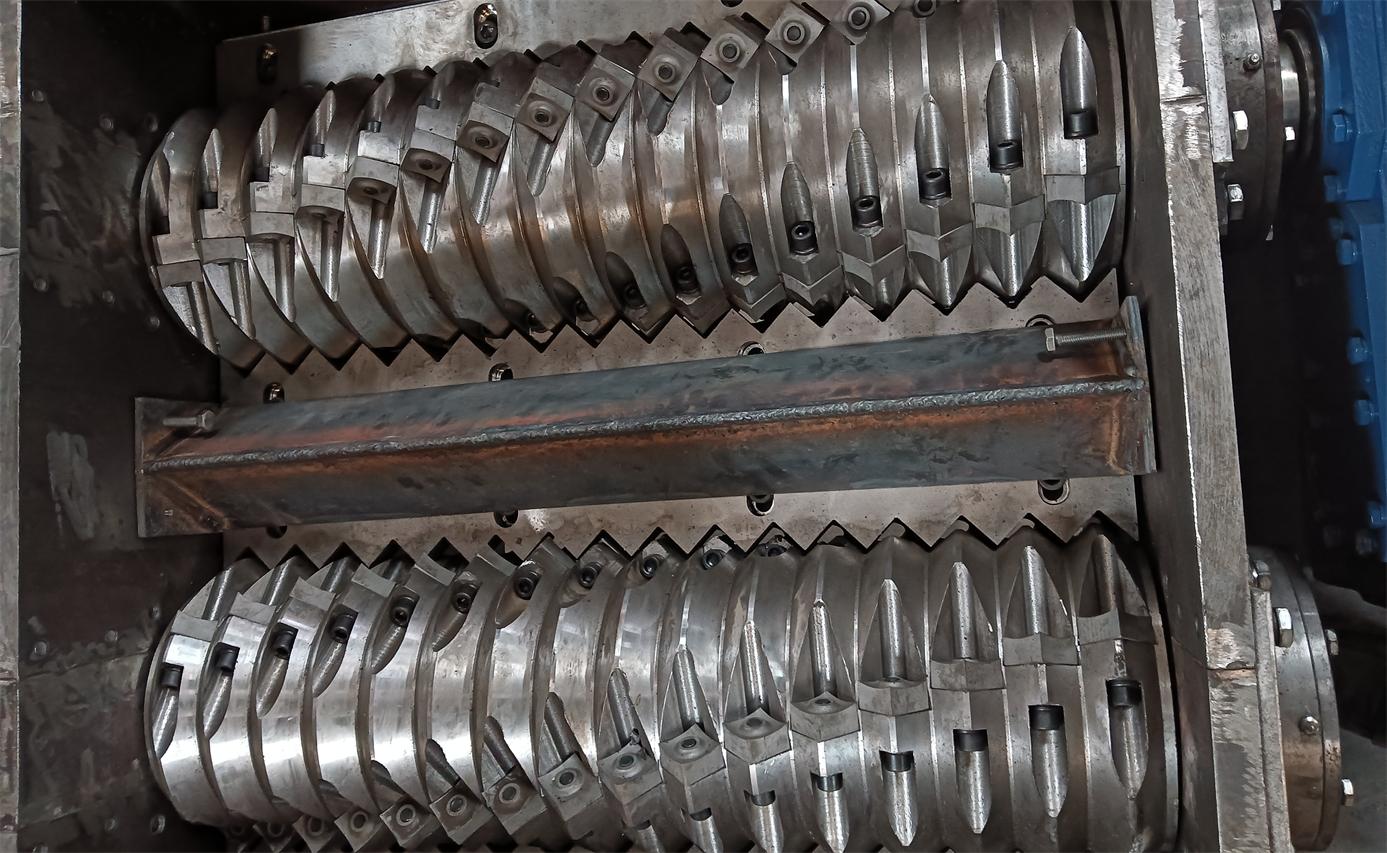
The explosive growth of electric vehicles and portable electronics has made lithium battery recycling increasingly vital. These batteries contain valuable cobalt, nickel, lithium, and copper, but their flammable electrolytes and complex structures require careful handling. Advanced lithium battery recycling equipment typically includes discharge systems, shredders with inert atmosphere protection, and multi-stage separation processes that recover black mass containing valuable cathode materials alongside copper foil and aluminum components.
Circuit Board Processing
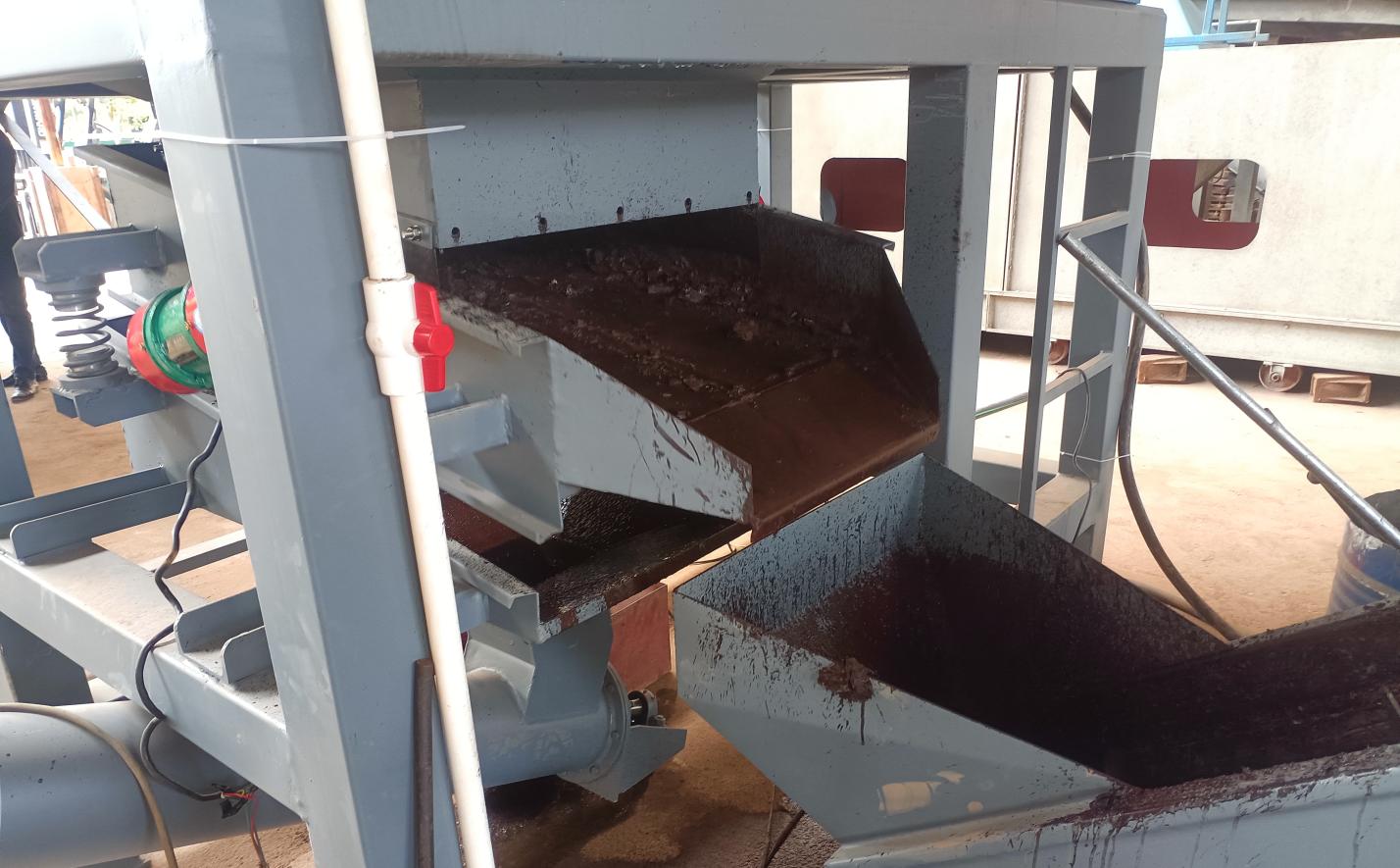
Printed circuit boards from computers, phones, and electronics contain the highest concentration of precious metals in the e-waste stream, including gold, silver, palladium, and copper. However, the epoxy resin substrates and mixed components make separation challenging. Specialized circuit board recycling equipment uses a combination of mechanical shredding, magnetic separation, eddy current sorting, and density separation to isolate metal fractions from non-metallic materials. The resulting metal concentrates can then be refined through pyrometallurgical or hydrometallurgical processes.
Cable and Wire Recovery
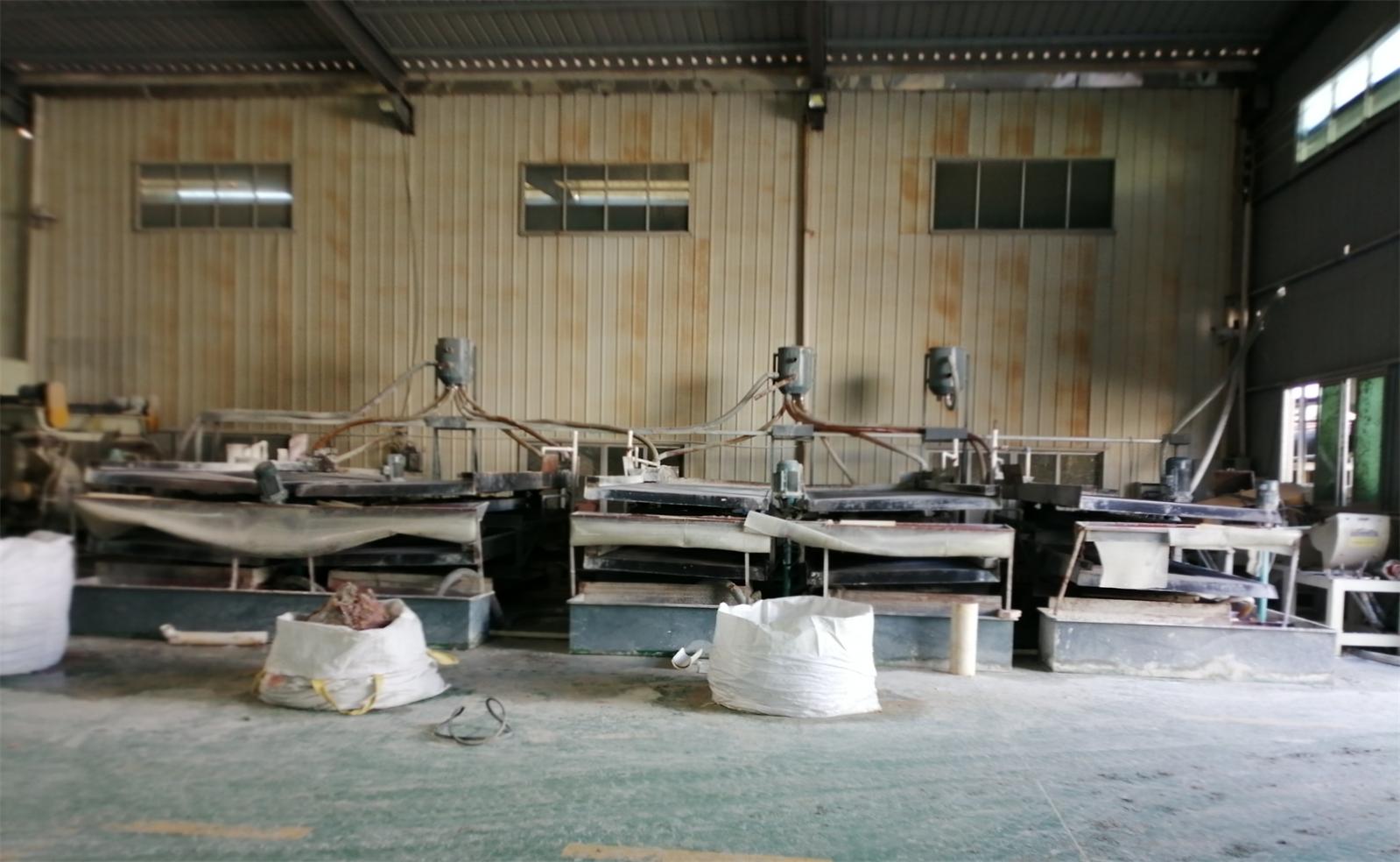
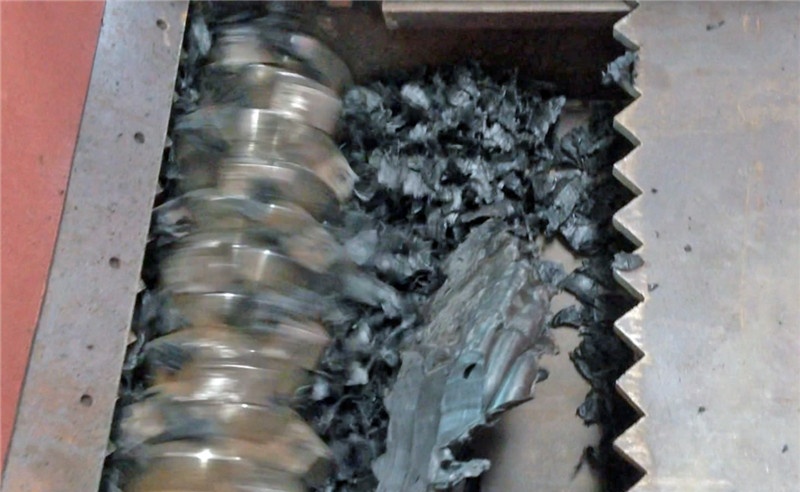
Scrap electrical cables and wires contain substantial copper and aluminum value. Cable recycling systems use granulators to chop cables into small pieces, then separate the metal from insulation through air separation or vibrating tables. The purity of recovered copper often exceeds 99%, making it suitable for direct remelting and reuse in new electrical products.
Comprehensive E-Waste Processing
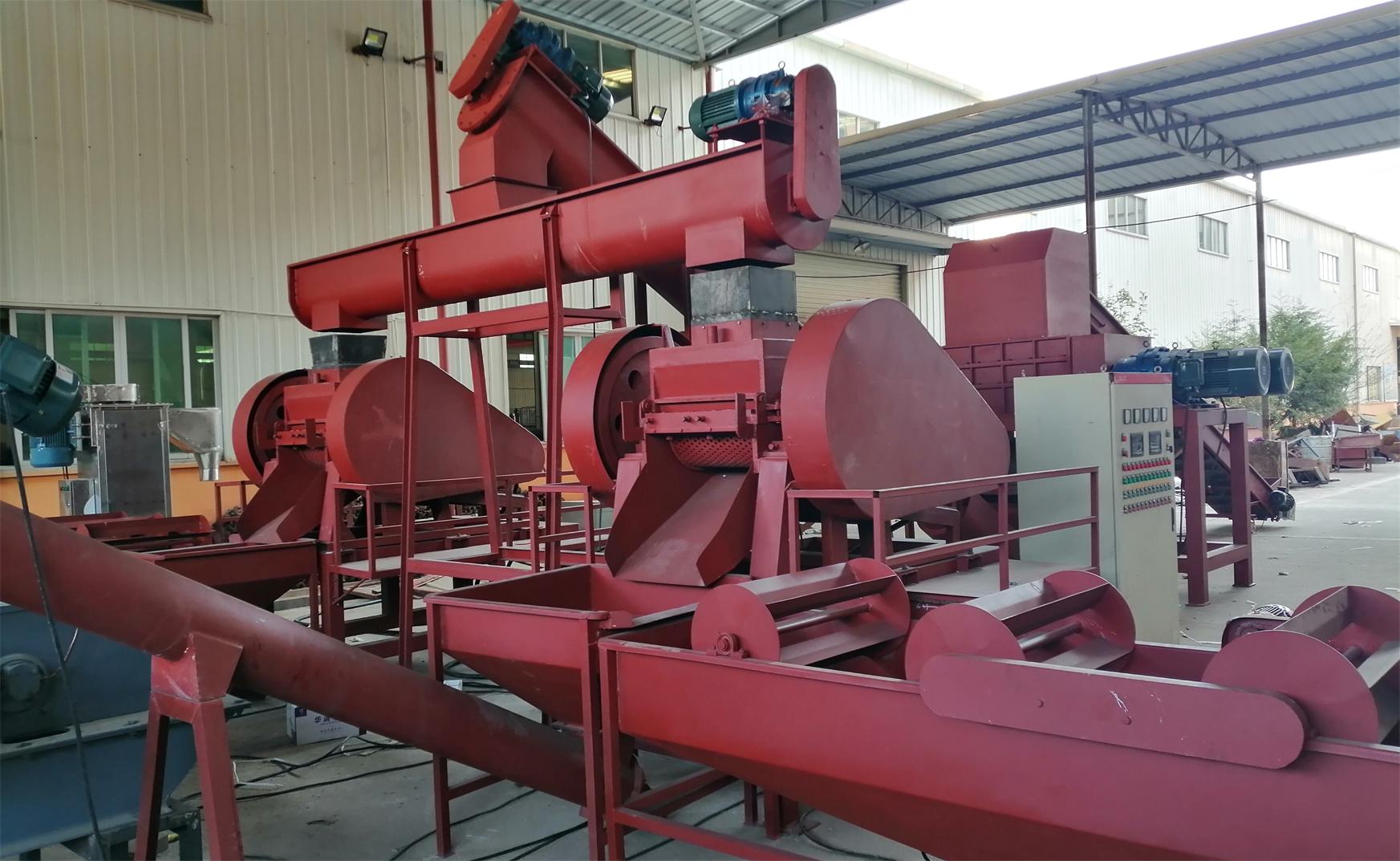
For operations handling diverse mixed electronic waste, integrated e waste recycling machine systems provide complete processing solutions. These lines typically include manual dismantling stations for hazardous component removal, followed by automated shredding, magnetic separation, eddy current separation, and optical sorting to isolate ferrous metals, non-ferrous metals, plastics, and non-recyclable residues. Such integrated systems maximize material recovery while minimizing landfill disposal.
Selecting the Right Equipment Partner
When investing in recycling equipment, several factors determine long-term success:
- Customization Capabilities: Every recycling operation faces unique feedstock compositions, throughput requirements, and local regulations. Equipment suppliers that offer customized solutions tailored to specific materials and capacities deliver better performance than one-size-fits-all approaches.
- Quality Certifications: Look for manufacturers holding internationally recognized certifications such as CE marking for European markets and ISO 9001 quality management certification. These credentials indicate adherence to rigorous manufacturing and safety standards.
- Technical Support and After-Sales Service: Recycling equipment operates in demanding conditions and requires regular maintenance. Suppliers offering comprehensive technical support, spare parts availability, and responsive after-sales service minimize costly downtime.
- Installation and Training: Proper installation and operator training significantly impact equipment performance and longevity. Full-service suppliers provide on-site installation supervision and comprehensive training programs to ensure smooth commissioning.
- Turnkey Solutions: For new market entrants, turnkey solutions including plant design, equipment supply, installation, and commissioning reduce project complexity and accelerate time to production.
The San Lan Advantage
Zhengzhou San-Lan Machinery Equipment Co., Ltd., operating under the San Lan brand, has established itself as a comprehensive recycling equipment manufacturer serving global markets. Based in Zhengzhou, China, the company has built extensive experience across the full spectrum of e-waste recycling applications.
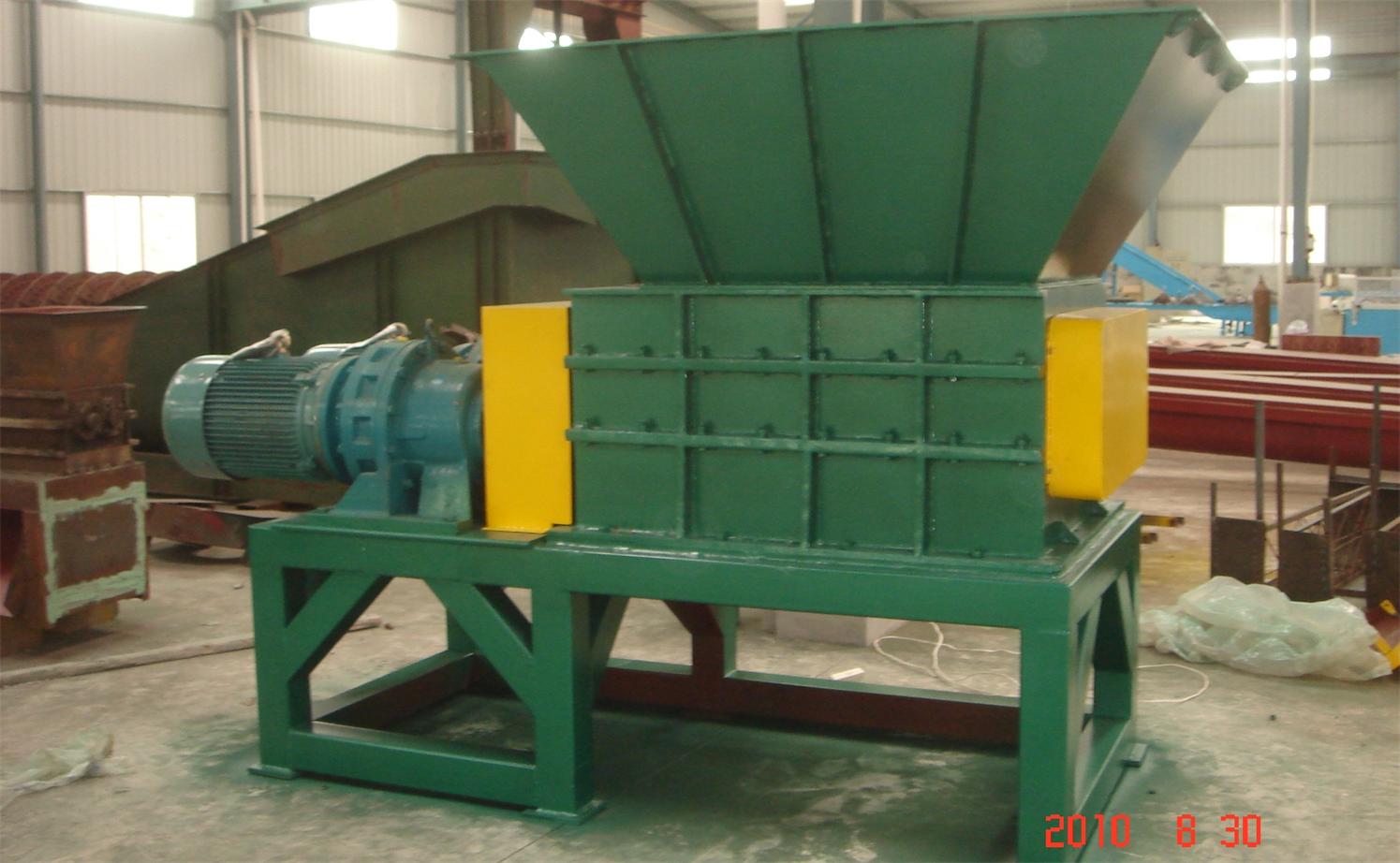
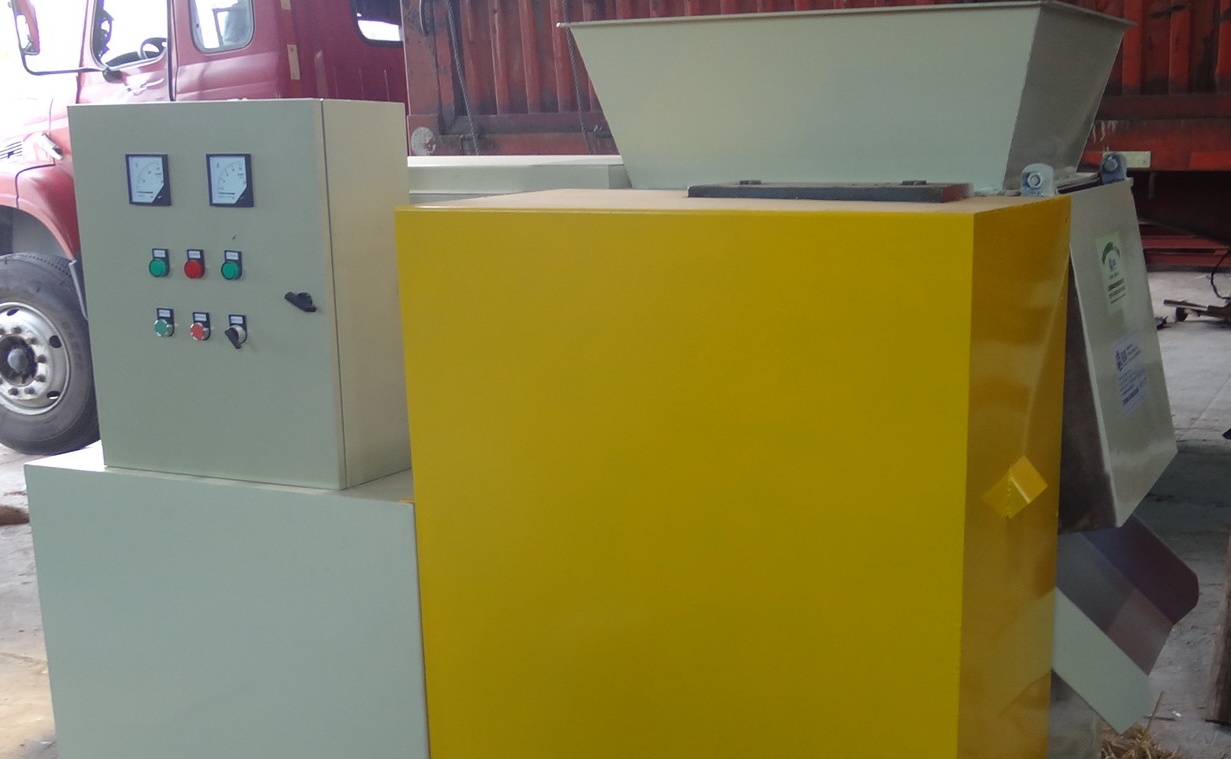
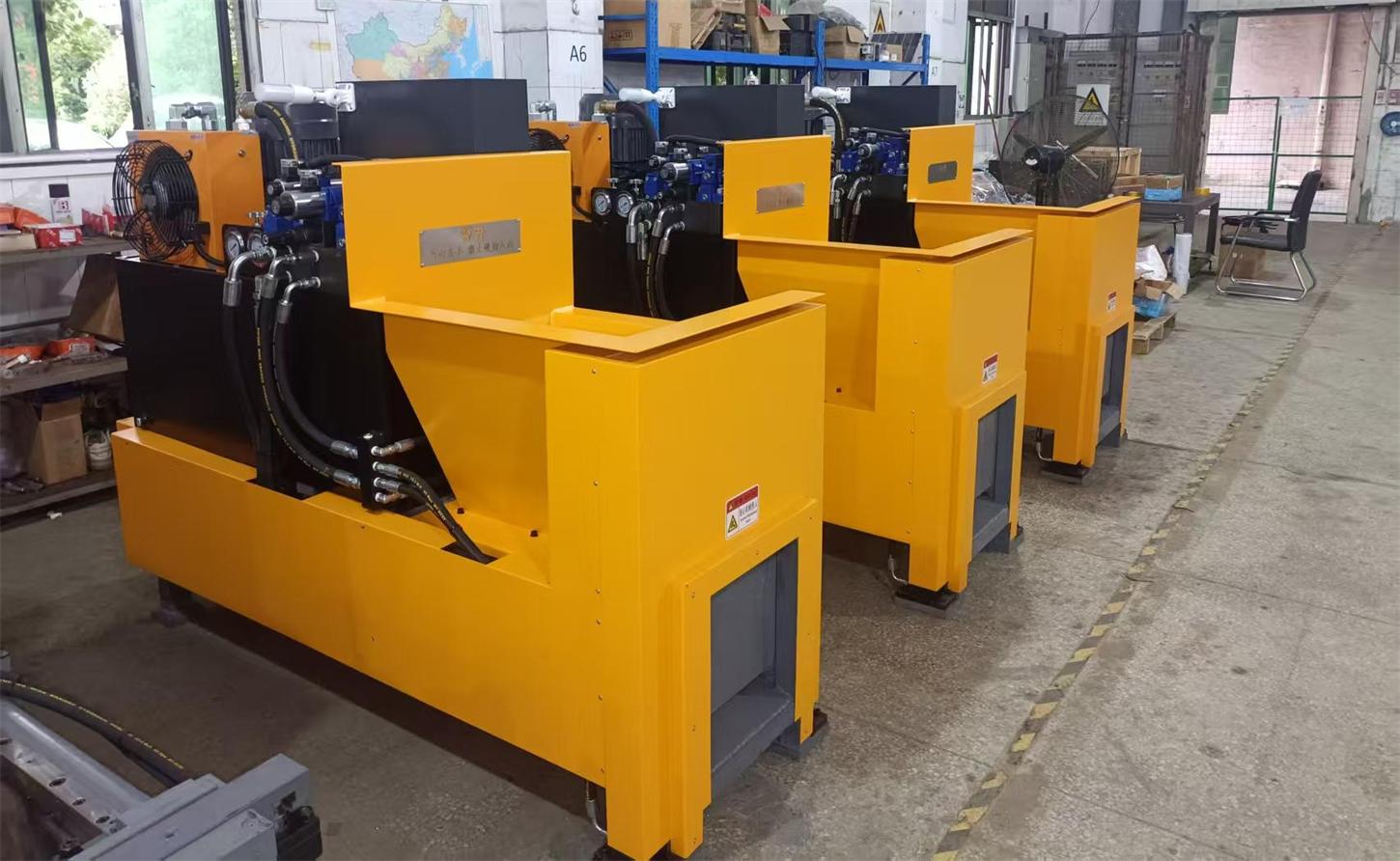
San Lan's product portfolio spans critical recycling categories including lead acid and lithium battery processing lines, circuit board recycling systems, cable wire recovery equipment, and comprehensive e-waste dismantling and shredding plants. The company also manufactures supporting equipment including industrial shredders for size reduction, hydraulic presses for metal compaction, and melting furnaces for metal refining.
For mining and mineral processing applications, San Lan offers equipment for lithium ore extraction and tailings processing, extending their material recovery expertise upstream to raw material production.
The company holds CE and ISO 9001 certifications, reflecting compliance with international safety and quality standards. San Lan's approach emphasizes customized solutions, working with clients to design equipment configurations matched to specific material streams and production targets. Their full-service model covers technical consultation, equipment manufacturing, installation supervision, operator training, and ongoing after-sales support.
Global shipping experience ensures equipment reaches customers worldwide, while the company's English and Chinese language capabilities facilitate communication with international clients.
Building a Sustainable Future
The e-waste recycling industry stands at the intersection of environmental necessity and economic opportunity. As regulations tighten worldwide and material prices remain strong, investment in modern recycling equipment offers compelling returns. Whether processing batteries, circuit boards, cables, or mixed electronic scrap, the right equipment partner makes the difference between marginal operations and highly profitable, environmentally responsible recycling businesses.
Companies considering entry into this growing sector should evaluate potential equipment suppliers carefully, prioritizing technical capability, customization experience, quality certifications, and long-term support commitment. With proper equipment and expertise, today's electronic waste becomes tomorrow's valuable raw materials.
Ready to start your recycling operation? For organizations exploring recycling equipment investments, consulting with experienced manufacturers about specific material streams and production goals represents the essential first step toward building successful, sustainable recycling operations. Contact San Lan today to discuss your project requirements and discover how modern recycling equipment can transform your waste streams into valuable resources.